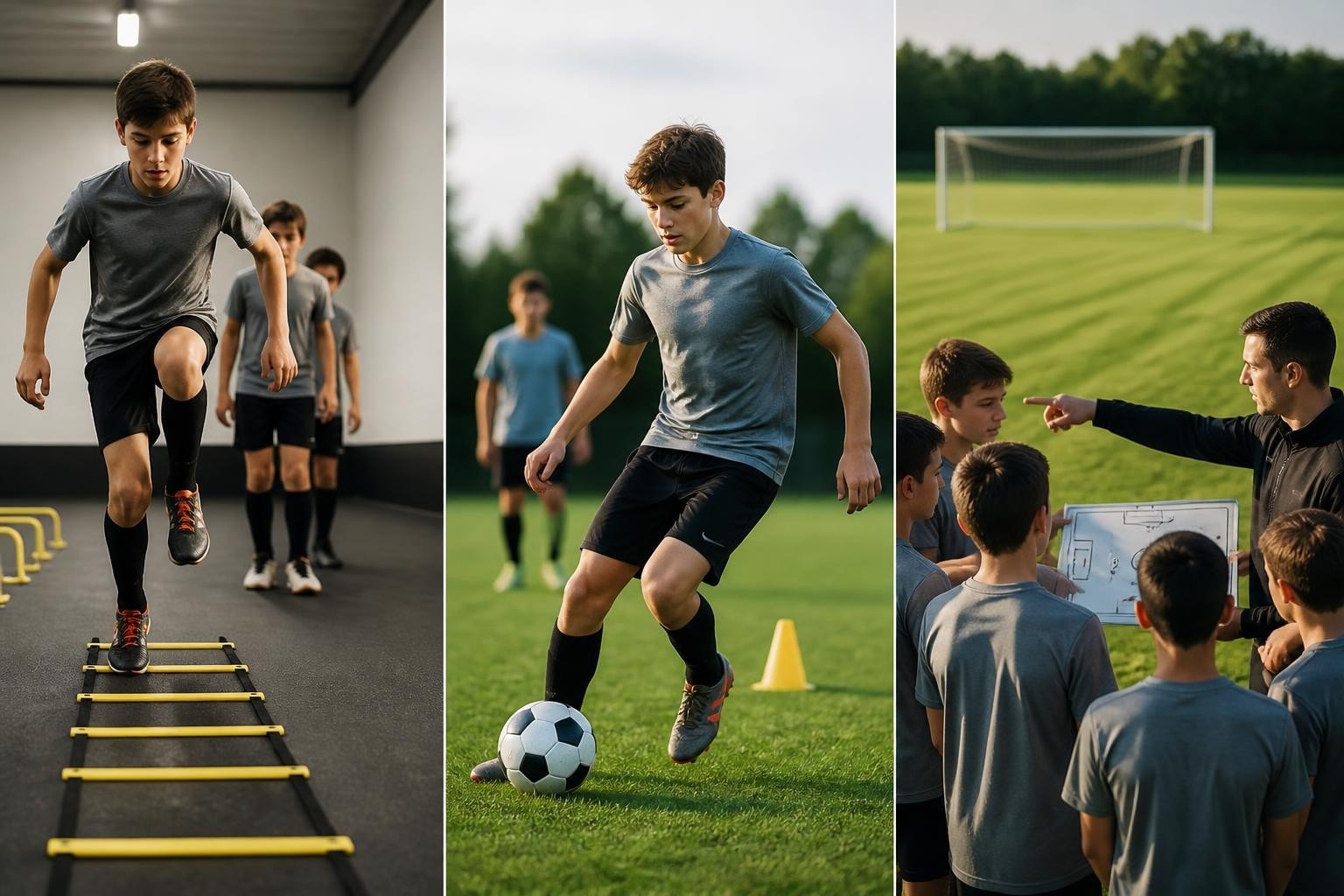
Youth teams represent far more than simply gathering young athletes to compete in organized sports. They serve as foundational environments where character develops, lifelong skills emerge, and competitive excellence takes root. Parents increasingly recognize that the right youth team experience can shape their children's futures both on and off the field. Understanding what separates exceptional youth teams from ordinary programs helps families make informed decisions about where to invest their time, energy, and resources as they guide their young athletes toward success.
The Foundation of Effective Youth Teams
Youth teams operate as complex developmental ecosystems that require careful structuring and professional oversight. The most successful programs establish clear frameworks that address technical skill development, tactical understanding, physical conditioning, and psychological resilience. Each component plays a critical role in creating well-rounded athletes who can perform under pressure while maintaining healthy attitudes toward competition and teamwork.
Professional coaching credentials matter significantly in youth team environments. Licensed coaches through Canada Soccer bring standardized methodologies and age-appropriate training techniques that accelerate player development. These qualifications ensure that youth teams receive instruction grounded in proven pedagogical approaches rather than outdated or potentially harmful practices.
Building Technical Excellence
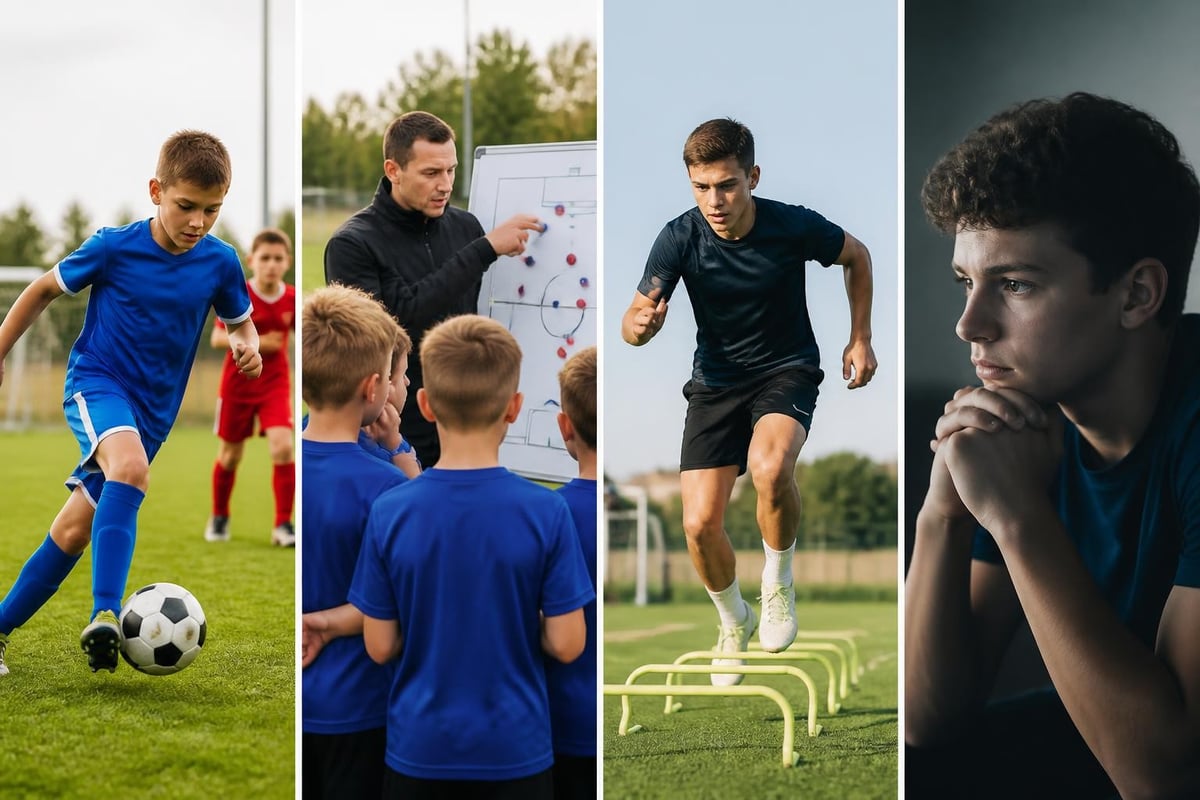
Technical proficiency forms the cornerstone of any competitive youth team. Players must master fundamental skills including ball control, passing accuracy, shooting technique, and positional awareness before advancing to complex tactical scenarios. Youth teams that prioritize technical development through deliberate practice create athletes capable of executing skills consistently under match conditions.
Key technical development areas include:
- First touch and ball reception under pressure
- Passing accuracy with both feet across varying distances
- Dribbling in tight spaces while maintaining speed
- Shooting techniques from multiple angles and positions
- Defensive positioning and tackling mechanics
European-style training philosophies emphasize repetition and progressive skill complexity. Young players benefit from structured sessions that break down skills into manageable components before integrating them into game-like situations. This approach, common in successful youth teams, produces players who can think and execute simultaneously rather than relying solely on athletic ability.
Tactical Intelligence in Youth Team Settings
Beyond individual skills, youth teams must develop collective tactical understanding. Research on shared leadership in youth team sports demonstrates that successful teams distribute decision-making responsibilities among players rather than relying exclusively on coaches during matches. This distributed intelligence allows youth teams to adapt quickly to changing match conditions and opponent strategies.
Tactical education begins with basic concepts like maintaining formation, understanding spacing, and recognizing when to press versus when to hold position. As players mature, youth teams introduce more sophisticated strategies including combination play, transition management, and exploiting opponent weaknesses.
| Tactical Concept | Age 8-10 | Age 11-13 | Age 14-16 |
|---|---|---|---|
| Formation Understanding | Basic shapes | Position roles | Fluid transitions |
| Spacing Awareness | Stay apart | Create passing lanes | Dynamic positioning |
| Pressing Strategy | Chase the ball | Coordinated pressure | Trigger-based systems |
| Transition Play | Quick changes | Organized counters | Structured attacks |
Youth teams that systematically teach tactical concepts create players who read the game effectively. This cognitive development proves just as valuable as physical abilities, particularly as athletes advance to higher competitive levels where technical skills become more evenly distributed.
Physical Development and Athletic Conditioning
Physical preparation in youth teams requires age-appropriate methodologies that respect developmental stages while building athletic foundations. Improper training can cause injuries or burnout, while well-designed programs enhance performance and reduce injury risk throughout athletic careers.
Youth teams should incorporate:
- Age-specific strength development that avoids heavy loading before skeletal maturity
- Speed and agility training focusing on movement mechanics and coordination
- Endurance conditioning progressively increasing intensity over seasons
- Flexibility and mobility work maintaining range of motion as athletes grow
- Recovery protocols teaching young athletes about rest and regeneration
The Soccer High Performance Training environment provides structured opportunities for athletes to experience professional-level conditioning appropriate to their development stage. These 90-minute high-intensity sessions challenge players to elevate their physical capabilities while refining technical and tactical skills under fatigue.
Physical testing and monitoring help youth teams track individual progress while identifying areas requiring additional focus. Objective metrics create accountability and motivate players to commit to training protocols between team sessions.
Mental Skills and Psychological Development
The psychological dimension of youth teams often receives insufficient attention despite its profound impact on performance and long-term athletic participation. Best practice recommendations for mental training with youth sport teams emphasize developmental considerations and effective interventions that build mental resilience without creating unhealthy pressure.
Youth teams cultivate mental strength through:
- Goal setting practices that teach athletes to establish and pursue measurable objectives
- Visualization techniques helping players mentally rehearse successful performances
- Stress management strategies enabling athletes to perform under competitive pressure
- Self-talk frameworks replacing negative internal dialogue with constructive thinking
- Focus training improving concentration during matches and training sessions

Coaches play essential roles in modeling healthy competitive attitudes and creating psychologically safe environments. Youth teams succeed when players feel supported in taking calculated risks, making mistakes, and learning from failures without fear of harsh criticism or punishment.
Team Culture and Character Building
Exceptional youth teams deliberately cultivate cultures that extend beyond winning matches. Character development, sportsmanship, and community responsibility shape young athletes into leaders who positively impact their surroundings. These intangible qualities often determine long-term success more reliably than early athletic achievement.
Strong team cultures emerge when youth teams establish clear values and consistently reinforce them through actions. Parents notice when programs prioritize respect, integrity, and collective growth over individual glory. These environments produce not only better players but also better people who carry lessons from sport into academic, professional, and personal contexts.
Communication patterns within youth teams significantly influence culture. Open dialogue between coaches, players, and parents creates transparency and trust. Regular feedback sessions, team meetings, and structured communication channels ensure everyone understands expectations and can address concerns constructively.
Financial Considerations and Resource Allocation
Families increasingly face significant financial commitments when participating in competitive youth teams. Understanding these costs helps parents make sustainable decisions that balance athletic opportunity with financial responsibility. Transparent fee structures and clear value propositions distinguish professional programs from those prioritizing profit over player development.
Youth teams typically incur expenses across several categories:
| Expense Category | Typical Annual Range | Value Factors |
|---|---|---|
| Registration Fees | $1,500 – $5,000 | Coaching quality, facility access |
| Equipment & Uniforms | $300 – $800 | Durability, included items |
| Tournament Travel | $1,000 – $4,000 | Competition level, distance |
| Additional Training | $500 – $2,500 | Specialized instruction, frequency |
| Facility Rentals | $200 – $1,000 | Indoor access, year-round options |
Professional youth teams justify costs through measurable outcomes including improved technical abilities, competitive opportunities, and comprehensive development programs. Families should evaluate programs based on coaching credentials, training philosophies, and player progression rather than cost alone.
Effective management of youth sports organizations requires balancing financial sustainability with accessibility. Programs offering scholarship opportunities, flexible payment plans, and transparent budgeting demonstrate commitment to serving diverse communities rather than exclusively catering to affluent families.
Player Pathways and Competitive Opportunities
Youth teams serve as gateways to higher competitive levels, college opportunities, and potentially professional careers. Understanding realistic progression pathways helps families set appropriate expectations while maintaining motivation. The four key areas of player growth create comprehensive development that prepares athletes for whatever level they ultimately reach.
Competitive structures in youth teams typically follow hierarchical models:
- Grassroots development focusing on fundamental skills and game understanding
- Recreational competitive introducing formal competition with development emphasis
- Select or academy teams providing enhanced training and regional competition
- Elite youth teams offering professional-style environments and national-level competition
- Pathway programs connecting exceptional players to collegiate and professional opportunities

Youth teams that maintain connections with higher-level programs create smoother transitions for advancing players. These relationships provide exposure opportunities, showcase events, and mentorship from coaches operating at advanced competitive levels. Parents should inquire about program connections and success rates placing players in college programs or professional academies.
Training Methodologies and Session Structure
How youth teams structure training sessions directly impacts development efficiency. Professional programs design sessions with specific objectives, progressive difficulty, and appropriate work-to-rest ratios that maximize learning while preventing overtraining or boredom.
Effective session structures typically include:
- Warm-up activities incorporating dynamic movements and technical touches
- Skill development blocks focusing on specific techniques through repetition
- Small-sided games applying skills in competitive scenarios with frequent touches
- Tactical exercises teaching positional responsibilities and team strategies
- Conditioned games integrating multiple objectives into match-realistic situations
- Cool-down periods facilitating recovery and reviewing session objectives
The technical training approach implemented by professional soccer academies emphasizes quality repetitions over quantity. Youth teams benefit when every touch has purpose and every drill connects to game situations. This intentional practice accelerates skill acquisition compared to unstructured play alone.
Session planning also accounts for seasonal periodization. Youth teams modify training emphasis throughout the year, focusing on technical development during off-seasons, tactical preparation during pre-seasons, and performance maintenance during competitive periods. This cyclical approach prevents stagnation while systematically addressing all developmental areas.
Parental Involvement and Support Systems
Parents significantly influence youth team experiences through their attitudes, behaviors, and support levels. Understanding parental roles helps families contribute positively while avoiding common pitfalls that create unnecessary pressure or undermine coaching relationships.
Positive parental contributions include:
- Ensuring attendance and punctuality for training and matches
- Providing appropriate nutrition and recovery support
- Encouraging effort and improvement rather than focusing exclusively on outcomes
- Respecting coaching decisions and maintaining appropriate boundaries
- Supporting teammates and creating inclusive team cultures
Youth teams thrive when parents and coaches maintain aligned expectations and communicate respectfully. Regular parent meetings, clear program handbooks, and established communication protocols minimize misunderstandings while creating supportive environments for player development.
Conversely, negative parental behaviors damage youth team dynamics. Sideline coaching, criticizing referees, pressuring children about performance, or undermining coaches create toxic environments that reduce enjoyment and increase dropout rates. Professional programs establish behavioral expectations for parents and enforce them consistently to protect team culture.
Measuring Success Beyond Wins and Losses
Youth teams that define success exclusively through match results miss opportunities to recognize meaningful developmental progress. Comprehensive evaluation systems track individual and team growth across multiple dimensions, creating motivation through achievement recognition while maintaining healthy perspectives on competition.
Alternative success metrics include:
| Measurement Area | Evaluation Methods | Frequency |
|---|---|---|
| Technical Skills | Video analysis, skill testing | Monthly/quarterly |
| Tactical Understanding | Position-specific assessments | Mid-season, end-season |
| Physical Development | Fitness testing, growth tracking | Quarterly |
| Psychological Growth | Self-assessment, coach observation | Ongoing |
| Team Culture | Surveys, retention rates | Annually |
Youth teams employing multifaceted evaluation create environments where every player can experience success regardless of natural ability. This approach maintains motivation across diverse skill levels while acknowledging that development occurs at different rates for different athletes.
Long-term athlete development models recognize that early competitive success often proves misleading. Players who dominate youth teams due to early physical maturation may struggle as peers catch up developmentally. Conversely, late developers who receive appropriate support and opportunity frequently surpass early stars who rely exclusively on physical advantages rather than developing comprehensive skills.
Balancing Specialization with Multi-Sport Participation
Contemporary youth teams face tension between sport-specific specialization and multi-sport participation. While focused training accelerates skill development, research on adolescent physical activity suggests diverse athletic experiences reduce injury risk and prevent burnout. Finding appropriate balance requires considering individual circumstances, competitive goals, and developmental stages.
Youth teams benefit when players:
- Develop general athleticism through varied movement patterns
- Experience different competitive environments and coaching styles
- Reduce overuse injury risk through varied physical demands
- Maintain broader social networks across multiple teams
- Discover genuine passion rather than pursuing parental preferences
Professional programs respect that most youth team participants will not pursue professional careers. Creating well-rounded athletes who maintain lifelong fitness habits and positive sport associations provides greater value than premature specialization focused narrowly on elite performance.
Seasonal structures allow youth teams to accommodate multi-sport athletes without compromising development. Clear communication about attendance expectations, modified training schedules for multi-sport participants, and recognition that diverse athletic experiences enhance rather than hinder soccer development creates inclusive environments serving varied goals.
Youth teams represent powerful developmental environments when structured with intentionality, professional expertise, and genuine commitment to holistic player growth. The integration of technical excellence, tactical intelligence, physical conditioning, and psychological development creates athletes prepared for competitive success and life beyond sport. Strive Soccer Academy brings this comprehensive European-style training philosophy to Surrey, BC, with fully licensed coaches dedicated to developing skills, building character, and creating real opportunities for young athletes across all four pillars of player development.