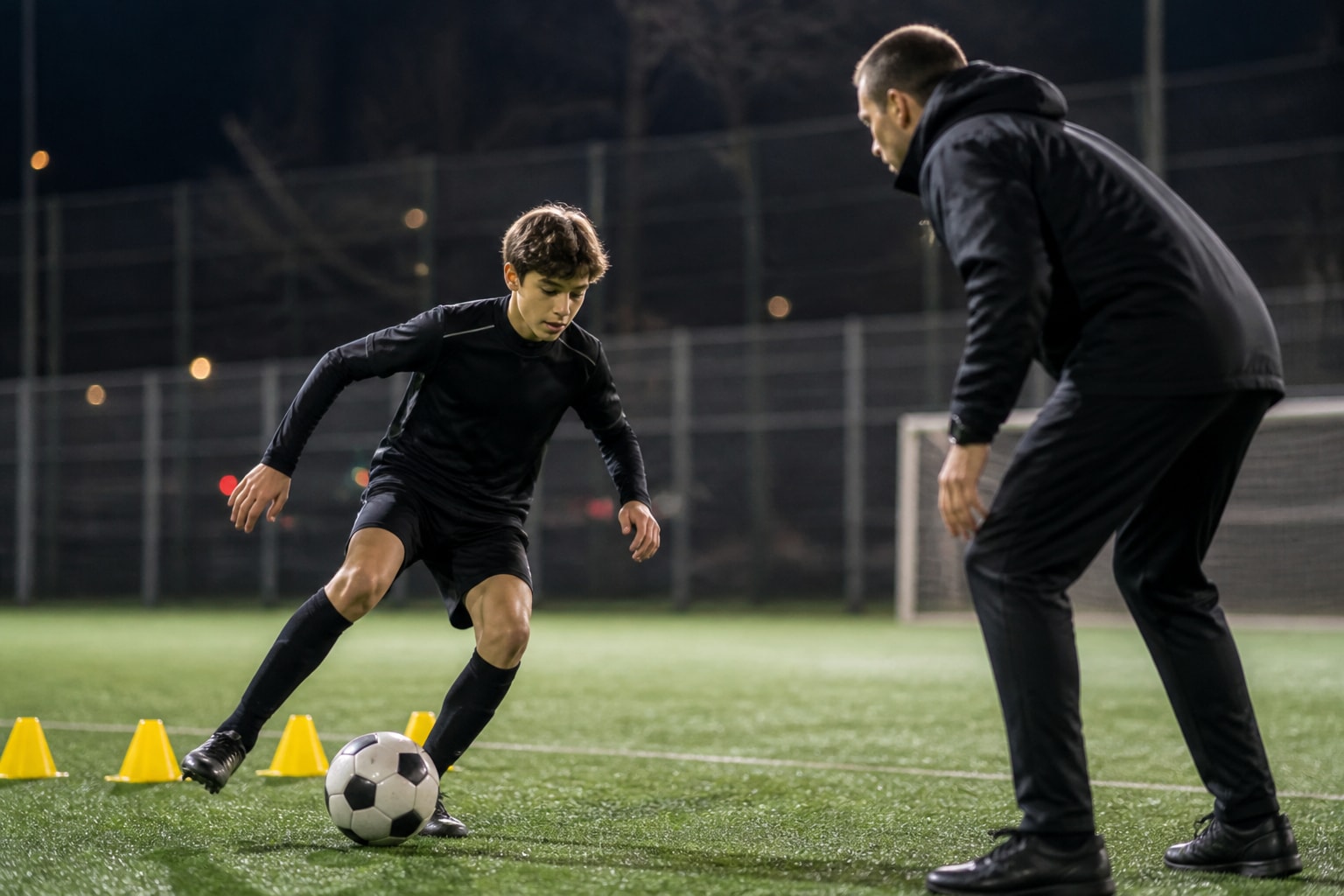
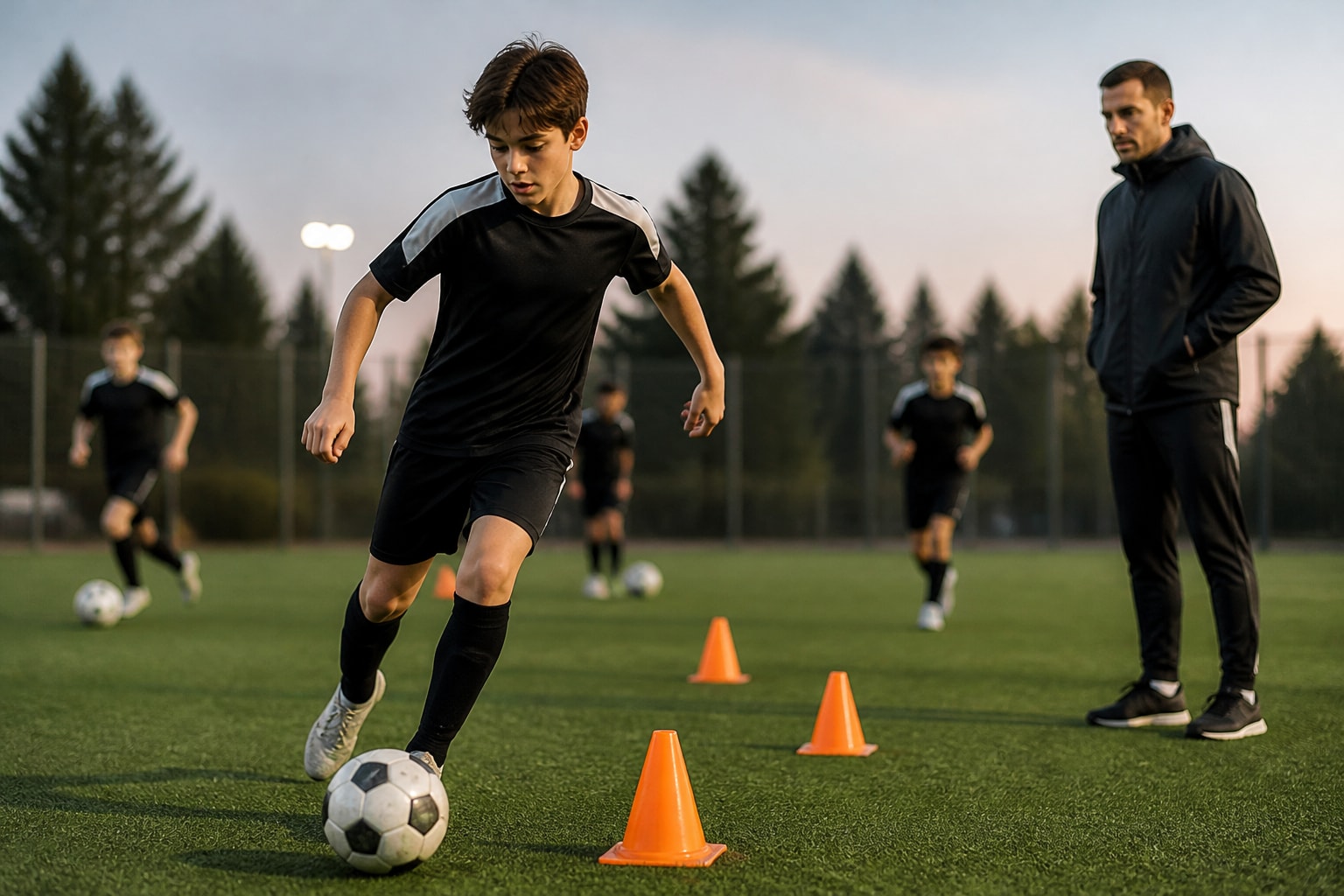
Finding a goalkeeper academy near me has become increasingly important for parents and young athletes who recognize that this specialized position requires dedicated training beyond regular team practices. The goalkeeper position demands unique technical skills, mental resilience, tactical awareness, and physical attributes that differ significantly from field players. As soccer continues to grow in North America, specialized goalkeeper training programs have emerged to fill this critical development gap, offering young keepers the focused attention they need to excel between the posts.
Understanding the Unique Demands of Goalkeeper Training
Goalkeeping stands apart from every other position on the soccer field. While field players work on dribbling, passing, and shooting, goalkeepers must master shot-stopping, distribution, positioning, and commanding their penalty area. This specialization means that traditional soccer training often leaves goalkeepers underprepared for the demands they'll face during matches.
The technical requirements for goalkeepers are extensive and highly specific. Hand positioning, footwork patterns, diving techniques, and ball-handling skills require thousands of repetitions to become instinctive. According to professional goalkeeper coaching research, effective goalkeeper development must address technical proficiency, tactical intelligence, physical conditioning, and psychological resilience simultaneously.
The Four Pillars of Goalkeeper Development
When searching for a goalkeeper academy near me, understanding these four development pillars helps parents evaluate program quality:
- Technical Skills: Shot-stopping, handling, distribution, footwork, and diving mechanics
- Tactical Intelligence: Positioning, angle play, reading the game, organizing defenders
- Physical Conditioning: Agility, explosiveness, flexibility, and goalkeeper-specific strength
- Psychological Resilience: Concentration, confidence recovery, decision-making under pressure
Quality programs integrate all four pillars rather than focusing exclusively on technical drills. The mental aspect of goalkeeping proves particularly crucial, as keepers must maintain focus for entire matches while making split-second decisions that can determine game outcomes.

What Separates Elite Goalkeeper Academies from Basic Programs
Not all goalkeeper training is created equal. The difference between a quality goalkeeper academy near me and a basic add-on program can significantly impact your child's development trajectory. Elite programs employ specialized goalkeeper coaches who have dedicated their careers to this position, rather than relying on field coaches who occasionally work with keepers.
Coaching credentials matter tremendously in goalkeeper development. The UEFA Goalkeeper A Diploma represents the top qualification for specialized goalkeeper coaches, requiring extensive theoretical and practical knowledge. In Canada, fully licensed coaches through Canada Soccer bring structured, progressive training methodologies that ensure proper skill development at each age group.
Key Indicators of Quality Goalkeeper Programs
| Quality Indicator | What to Look For | Why It Matters |
|---|---|---|
| Coach Credentials | National licenses, goalkeeper-specific certifications | Ensures proper technical instruction and age-appropriate progression |
| Training Frequency | Minimum 2-3 sessions per week | Skill retention and continuous improvement require consistent practice |
| Individualized Attention | Small group sizes (4-8 keepers) | Allows coaches to correct technique and provide personalized feedback |
| Progressive Curriculum | Structured development pathway | Skills build systematically from foundational to advanced |
| Game-Realistic Training | Scenarios that replicate match situations | Transfers training improvements to actual competition |
The best goalkeeper academies also provide opportunities for keepers to train at different intensity levels. High-performance training environments push keepers beyond their comfort zones, helping them develop the speed of play and decision-making skills required at competitive levels.
Age-Appropriate Development Pathways
Finding the right goalkeeper academy near me means matching your child's age and skill level with appropriate training methodologies. Youth goalkeeper development should follow a progressive pathway that introduces complexity gradually while maintaining engagement and building confidence.
For younger keepers (ages 8-12), the focus should remain on fundamental movement patterns, basic handling techniques, and developing a positive relationship with the position. Designing effective goalkeeper sessions for this age group emphasizes fun, varied activities that build athleticism and confidence rather than position-specific pressure.
Youth Development Stages
- Foundation Phase (8-12 years): Basic handling, footwork patterns, introduction to diving, fun-based learning
- Development Phase (13-15 years): Advanced techniques, tactical positioning, physical conditioning, match scenarios
- Performance Phase (16+ years): Position mastery, high-intensity training, advanced tactical concepts, mental skills training
As keepers enter their teenage years, training intensity and specificity should increase. This stage introduces more complex tactical concepts, advanced shot-stopping techniques, and position-specific physical conditioning. Programs should begin incorporating video analysis, allowing keepers to see their positioning and technique from different angles.
The psychological component becomes increasingly important as keepers mature. Dealing with mistakes, maintaining concentration, and building confidence after conceding goals are skills that require dedicated attention. Quality programs incorporate mental skills training alongside technical and tactical work.
Technical Skills Every Goalkeeper Academy Should Develop
When evaluating a goalkeeper academy near me, examine whether the curriculum covers the full spectrum of technical skills required for modern goalkeeping. The position has evolved significantly, with contemporary keepers needing excellent footwork for playing out from the back in addition to traditional shot-stopping abilities.
Essential Technical Components
Handling and Shot-Stopping
Proper hand positioning, catching technique, and parrying skills form the foundation of goalkeeping. Essential goalkeeper training tips emphasize that keepers must master different catching techniques for various shot types, heights, and speeds.
Footwork and Movement
Quick, efficient footwork allows keepers to position themselves optimally before shots. Small adjustment steps, explosive lateral movements, and recovery techniques all require specific training that differs from field player movement patterns.
Diving Techniques
Progressive diving instruction starts with proper falling mechanics and gradually introduces speed and distance. Keepers learn side collapses, extension dives, and how to protect themselves while making saves.
Distribution
Modern keepers initiate attacks through accurate distribution. Training should include throwing techniques, goal kicks, and playing with feet under pressure, as FIFA goalkeeper training emphasizes for complete goalkeeper development.
Tactical Training and Game Intelligence
Technical ability means little without tactical understanding. A quality goalkeeper academy near me should dedicate significant time to developing game intelligence, teaching keepers when and how to use their technical skills in match situations.
Positioning represents the most critical tactical skill for goalkeepers. Proper angle play reduces the visible goal area for attackers, making saves easier. Keepers learn to position themselves based on ball location, defender positioning, and potential shooting angles.
Key Tactical Concepts
- Angle Play: Narrowing shooting angles while maintaining ability to cover the entire goal
- Starting Position: Where to position based on ball location and game situation
- Distribution Decision-Making: Reading options and selecting the best pass to maintain possession
- Defensive Organization: Communicating with defenders, directing wall placement, managing set pieces
- Breakaway Situations: When to stay, when to come off the line, how to close down attackers
Advanced programs introduce keepers to reading opponent tendencies, anticipating plays before they develop, and making proactive decisions rather than reactive saves. This tactical intelligence develops through match-realistic training scenarios that challenge decision-making under pressure.
Physical Conditioning for Goalkeeper-Specific Demands
The physical requirements for goalkeepers differ substantially from field players. When searching for a goalkeeper academy near me, verify that programs include position-specific conditioning rather than general fitness work.
Goalkeepers need explosive power for diving and jumping, but they also require flexibility to make saves in awkward positions. Core strength provides the foundation for power generation and injury prevention. Agility and reaction speed allow keepers to adjust quickly to deflections and rapid shot sequences.
| Physical Quality | Training Focus | Benefit to Goalkeepers |
|---|---|---|
| Explosive Power | Plyometrics, jumping drills | Increases diving range and vertical reach |
| Agility | Ladder drills, cone patterns | Improves footwork and rapid direction changes |
| Flexibility | Dynamic stretching, yoga | Allows for extended saves without injury |
| Core Strength | Stability exercises, resistance work | Provides power base and reduces injury risk |
| Reaction Speed | Ball drop drills, rapid-fire shots | Sharpens reflexes for close-range saves |
Comprehensive goalkeeper training programs incorporate these physical elements into technical sessions, ensuring that conditioning enhances rather than competes with skill development time.
The Mental Game: Building Psychological Resilience
Perhaps no position in soccer demands more mental toughness than goalkeeper. A single mistake can determine match outcomes, and keepers must maintain concentration throughout games despite long periods of inactivity. Finding a goalkeeper academy near me that addresses psychological development proves just as important as technical training.
Confidence represents the foundation of goalkeeper psychology. Keepers who believe in their abilities make decisive, committed actions. Those lacking confidence hesitate, second-guess decisions, and make tentative saves. Quality programs build confidence through progressive challenges that stretch abilities without overwhelming young athletes.
Mental Skills Training Components
Effective programs teach keepers practical mental skills they can apply during matches:
- Pre-Save Routines: Consistent physical and mental preparation before each potential save
- Mistake Recovery: Techniques for regaining focus after conceding goals
- Visualization: Mental rehearsal of successful saves and positioning
- Self-Talk: Positive internal dialogue that maintains confidence and focus
- Pressure Management: Staying calm during penalty kicks and crucial moments
Programs at Strive Soccer Academy recognize that psychological development must occur alongside technical training. Building mental resilience requires consistent support, positive coaching, and environments where mistakes become learning opportunities rather than sources of shame.
Evaluating Local Goalkeeper Academy Options
The search for a goalkeeper academy near me requires careful evaluation of multiple factors beyond simple proximity. While convenience matters, program quality, coaching expertise, and development philosophy should drive your decision.
Start by researching coach credentials and experience. Specialized goalkeeper coaches bring depth of knowledge that general soccer coaches cannot match. Ask about their licensing, playing background, and years of goalkeeper-specific coaching experience.
Questions to Ask Prospective Academies
- What goalkeeper-specific certifications do your coaches hold?
- What is your player-to-coach ratio during training sessions?
- How do you structure progression across different age groups?
- What percentage of training time addresses technical versus tactical versus physical development?
- How do you incorporate mental skills training into your program?
- Do you provide individualized feedback and development plans?
- What opportunities exist for game application of trained skills?
Visit training sessions before committing. Observe how coaches interact with keepers, the variety of drills used, and whether training creates an environment that challenges athletes while maintaining positive energy. Quality programs balance intensity with encouragement, pushing keepers to improve while building their confidence.
Training Frequency and Commitment Expectations
Understanding the time commitment required helps families make informed decisions when selecting a goalkeeper academy near me. Development timelines vary based on training frequency, quality of instruction, and individual athlete dedication.
Most experts recommend that serious young goalkeepers train at least twice weekly beyond team practices. Youth goalkeeper training research suggests that consistent, frequent exposure to position-specific training accelerates skill acquisition more effectively than occasional intensive sessions.
Typical Training Schedules by Commitment Level
Recreational Development: One session per week focusing on fundamentals and enjoyment
Competitive Development: Two to three sessions weekly with increasing intensity and tactical complexity
Elite Development: Three to four sessions weekly plus strength conditioning and mental skills work
Consider your child's other commitments, academic responsibilities, and personal interests when evaluating programs. The best goalkeeper academy near me balances comprehensive training with recognition that young athletes need time for rest, school, and life outside soccer.
Integration with Team Training
Specialized goalkeeper training should complement rather than replace team practices. When searching for a goalkeeper academy near me, verify that the program's schedule allows participation in both club/school teams and position-specific training.
The relationship between team coaches and specialized goalkeeper coaches matters significantly. Programs that communicate with team coaches about individual keeper development ensure consistent messaging and coordinated training approaches. This collaboration prevents conflicting technical instruction and supports each keeper's overall development.
Keepers benefit enormously from applying academy-learned skills in team environments. Match play provides irreplaceable experience in reading games, making decisions under pressure, and building the psychological resilience that separates good keepers from great ones. Quality academy programs recognize this reality and structure their schedules to support rather than conflict with team commitments.
Cost Considerations and Value Assessment
Investment in specialized goalkeeper training varies widely across programs. When evaluating a goalkeeper academy near me, consider the total value proposition rather than focusing solely on session costs.
Higher fees often correlate with better coach-to-player ratios, more qualified instructors, superior facilities, and more comprehensive programming. However, expensive doesn't always mean better. Evaluate what you're actually receiving for the investment.
Value Assessment Factors
- Coach expertise: Are instructors specialized goalkeeper coaches or general coaches?
- Training time: How long are sessions and how many occur monthly?
- Facility quality: Do training venues provide appropriate equipment and space?
- Additional resources: Are video analysis, strength programs, or mental skills included?
- Development tracking: Does the program provide regular feedback and progress assessments?
Some programs offer trial sessions or introductory packages that allow families to experience training before committing to longer terms. Take advantage of these opportunities to ensure the program fits your child's needs and learning style.
Recognizing Red Flags in Goalkeeper Programs
Not every program claiming to offer specialized goalkeeper training delivers quality instruction. Being aware of warning signs helps families avoid programs that waste time and money without advancing development.
Unqualified Instructors: Coaches without goalkeeper-specific credentials or playing experience often teach incorrect techniques that must be unlearned later.
One-Size-Fits-All Training: Programs that don't differentiate instruction based on age and skill level fail to meet developmental needs appropriately.
Excessive Focus on Trick Shots: While spectacular saves look impressive, foundational skills and proper positioning prevent far more goals than acrobatic diving.
Lack of Individual Attention: Large group sizes (10+ keepers) prevent coaches from providing the personalized feedback essential for technique refinement.
No Clear Development Pathway: Quality programs articulate how skills progress from session to session and year to year.
Trust your instincts when evaluating programs. If something feels wrong or coaches cannot clearly explain their development philosophy, continue your search for a better goalkeeper academy near me.
Benefits Beyond the Field
Quality goalkeeper training extends benefits beyond improved shot-stopping abilities. The position teaches life skills that translate to academic, professional, and personal success.
Leadership development occurs naturally for goalkeepers. Directing defenders, organizing set-piece positioning, and making decisive calls during matches builds communication skills and confidence. These abilities serve keepers well in classroom presentations, job interviews, and future leadership roles.
Resilience and mental toughness developed through handling mistakes and maintaining focus prove invaluable throughout life. Learning to recover quickly from setbacks, maintain composure under pressure, and take responsibility for outcomes creates character that extends far beyond soccer.
The discipline required for goalkeeper training, with its emphasis on repetition and attention to detail, instills work ethic and understanding that excellence requires consistent effort. These lessons about the relationship between preparation and performance apply to every future endeavor.
Making the Final Decision
After researching options, visiting facilities, and speaking with coaches, the decision about which goalkeeper academy near me to choose ultimately depends on fit. The best program aligns with your child's current skill level, learning style, competitive aspirations, and your family's logistical and financial capacity.
Involve your young goalkeeper in the decision-making process. Their comfort with coaches, enthusiasm about training methodology, and connection with other keepers in the program all contribute to long-term success and enjoyment. A program that checks every box on paper but doesn't resonate with your child won't deliver optimal results.
Remember that the first choice doesn't need to be permanent. Athletic development involves trying different approaches, learning what works best, and adjusting accordingly. Starting with one program doesn't prevent transitioning to another if circumstances change or better opportunities emerge.
The goalkeeper position offers unique challenges and rewards. Finding quality specialized training through the right goalkeeper academy near me provides young keepers with the technical skills, tactical knowledge, physical abilities, and mental toughness they need to excel. With proper guidance and dedicated effort, today's youth goalkeepers can develop into tomorrow's confident, capable shot-stoppers who anchor their teams' defensive efforts while demonstrating leadership and resilience that serves them well throughout life.
Finding the right goalkeeper academy near me represents an important investment in your child's soccer development and personal growth. Quality specialized training provides technical skills, tactical intelligence, and mental resilience that general team practices simply cannot deliver. At Strive Soccer Academy, we understand what parents want most for their young athletes-a program that develops skills, builds character, and creates real opportunities through European-style training philosophy focused on Technical, Tactical, Physical, and Psychological growth. Our fully licensed Canada Soccer coaches bring the specialized expertise your goalkeeper needs to reach their full potential between the posts.