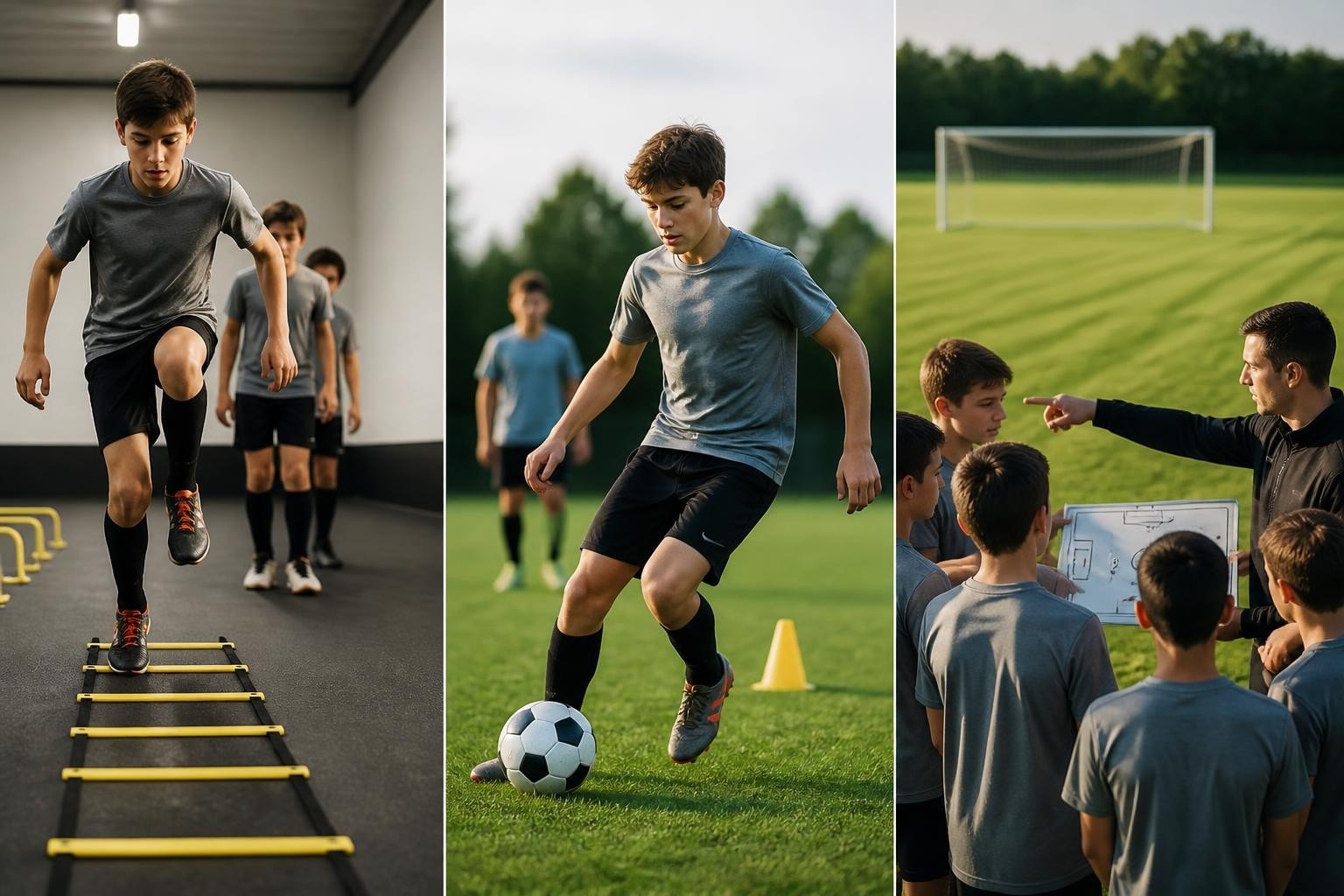
Learning to play soccer effectively requires more than simply kicking a ball around a field. The world's most popular sport demands technical skill, tactical awareness, physical conditioning, and mental resilience. For parents and young athletes looking to develop serious soccer abilities in 2026, understanding the fundamentals and proper training pathways makes all the difference between casual play and genuine competitive development.
Understanding the Foundation to Play Soccer
The journey to play soccer competitively begins with mastering fundamental movements and rules. Before stepping onto the field, players need to understand the Laws of the Game, which govern everything from field dimensions to player conduct.
Basic Rules Every Player Must Know
To play soccer properly, athletes must grasp several core concepts:
- The objective: Score goals by getting the ball into the opponent's net while preventing them from scoring in yours
- No hands: Only goalkeepers can use their hands, and only within the penalty area
- Offside rule: Players cannot position themselves closer to the goal than the second-to-last defender when the ball is played forward
- Fouls and misconduct: Physical contact is limited, with referees penalizing dangerous or unsporting behavior
Understanding these rules creates the framework within which all technical and tactical training occurs. Players who internalize the regulations can focus their energy on skill development rather than confusion during matches.
Technical Skills Development
The technical dimension represents the foundation for anyone learning to play soccer at a competitive level. These individual skills separate recreational players from those ready for youth soccer training programs that emphasize European-style development.
Ball Mastery and First Touch
Ball control determines how effectively players can execute tactical decisions during matches. First touch refers to how a player receives and controls the ball, setting up their next action.
Developing excellent ball mastery requires:
- Daily repetition with both feet to build equal comfort
- Varied surfaces using different parts of the foot (inside, outside, sole, laces)
- Movement integration controlling the ball while changing direction and speed
- Pressure simulation practicing touches with defenders closing down space
The best young players dedicate time to ball work outside formal training sessions. Even 15 minutes daily of focused touches dramatically improves comfort and confidence when learning to play soccer competitively.
Passing Accuracy and Vision
Passing transforms individual skill into team effectiveness. To play soccer at higher levels, athletes must develop:
| Passing Type | Distance | Key Technique | Common Use |
|---|---|---|---|
| Short Pass | 5-15 yards | Inside of foot, firm strike | Possession play, tight spaces |
| Long Pass | 30+ yards | Laces, follow-through | Switching play, deep balls |
| Through Ball | 10-30 yards | Weight and timing | Breaking defensive lines |
| Cross | 20-40 yards | Laces or inside, lofted | Wide positions to penalty area |
Vision develops through experience and tactical awareness. Players learning to play soccer should constantly scan the field, looking over their shoulders to identify teammates and space before receiving the ball. This habit, often called "checking your shoulder," separates good players from great ones.
Shooting Technique and Finishing
Scoring goals requires technical precision under pressure. Young players focused on how to play soccer effectively must practice various shooting techniques:
- Driven shots using the laces for power
- Placed shots using the inside of the foot for accuracy
- Volleys and half-volleys striking balls in the air
- Headers using the forehead to direct aerial balls
Finishing practice should replicate game conditions whenever possible. Static shooting drills have value, but adding movement, defensive pressure, and fatigue creates more realistic preparation for match situations.
Tactical Intelligence in Soccer
Technical ability means little without tactical understanding. To play soccer intelligently requires knowing when and where to execute skills based on game context and team strategy.
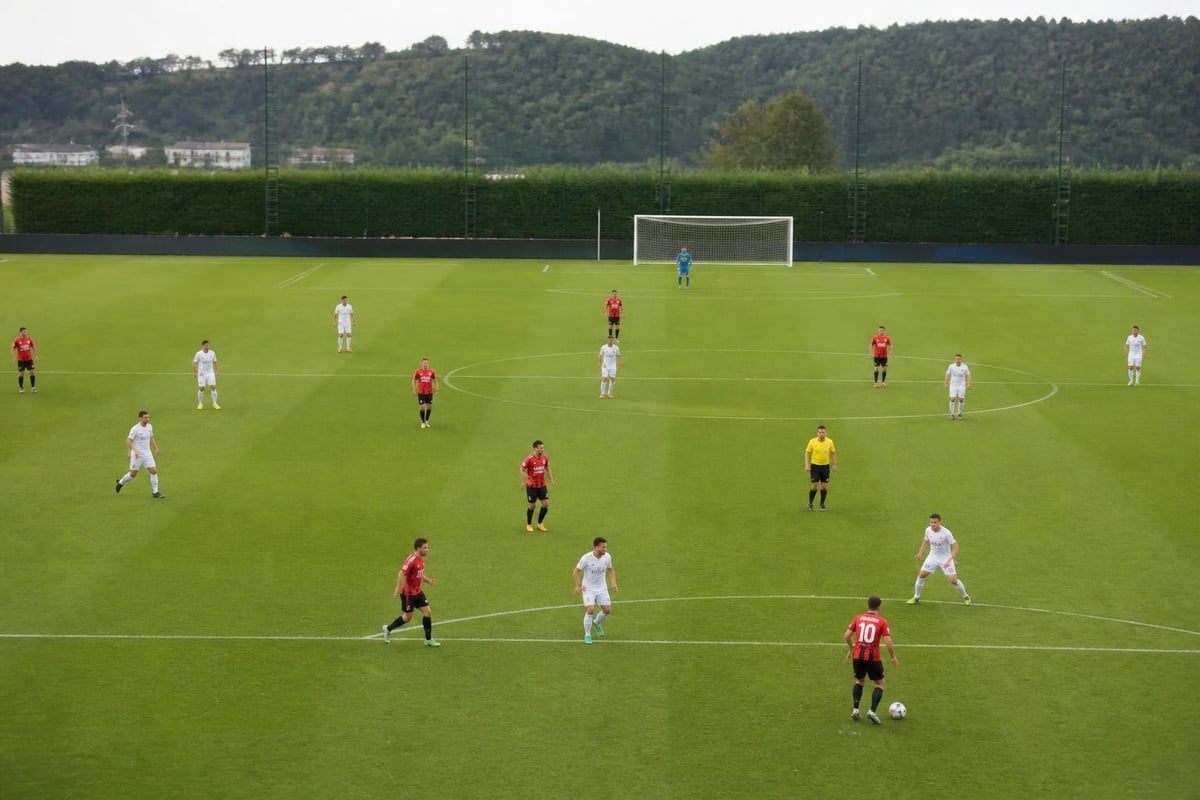
Positional Awareness and Shape
Every position on the field carries specific responsibilities. Players must understand:
Defensive responsibilities include maintaining team shape, tracking runners, and applying pressure at appropriate moments. Offensive responsibilities involve creating passing angles, making runs to stretch defenses, and supporting teammates in possession.
The concept of small-sided games has revolutionized how coaches teach tactical concepts. These reduced-player formats (like 4v4 or 7v7) create more touches, decisions, and relevant game scenarios than traditional 11v11 formats for developing players.
Reading the Game
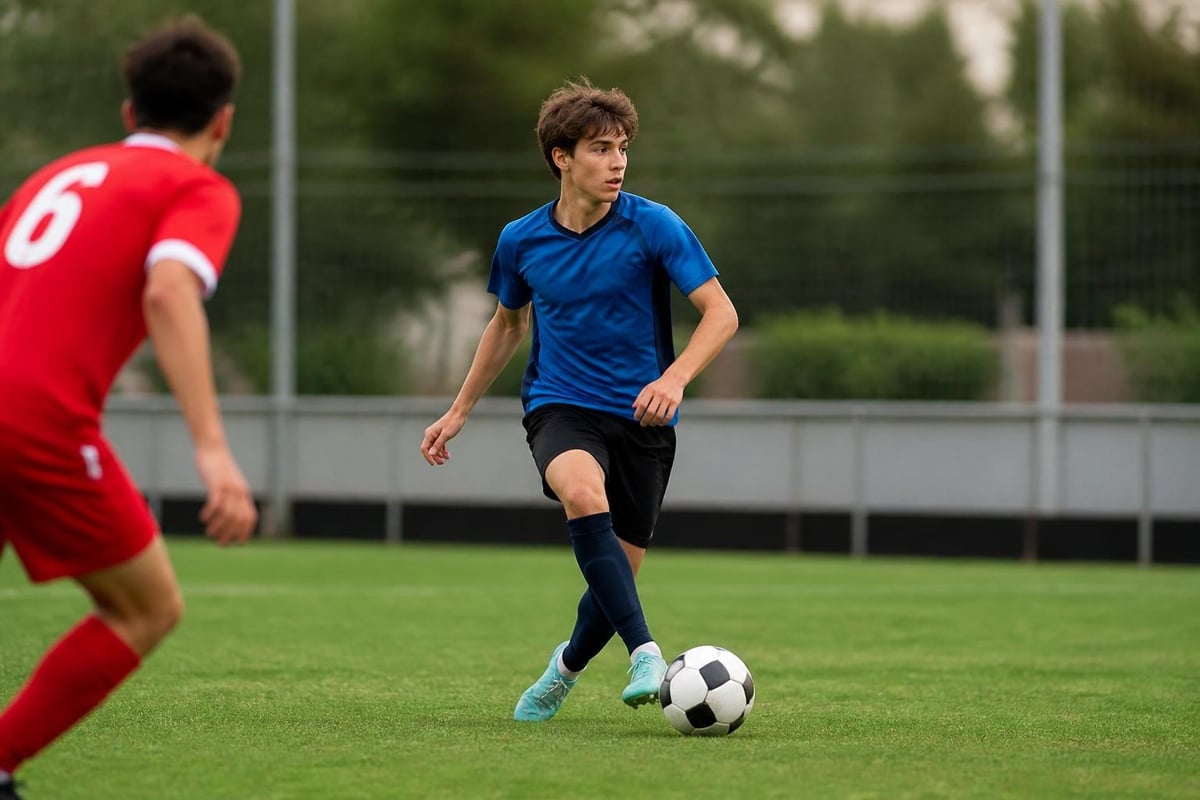
Advanced players learning to play soccer develop the ability to anticipate what happens next. This skill, often called "game intelligence," involves:
- Recognizing patterns in how opponents defend and attack
- Anticipating movements based on body language and positioning
- Making early decisions before receiving the ball
- Adjusting positioning as play develops across the field
Research from England’s FA coaching resources emphasizes age-appropriate development, showing that tactical complexity should increase gradually as players mature. Young players benefit most from understanding simple principles before layering in advanced concepts.
Physical Preparation to Play Soccer
Soccer demands unique physical attributes combining endurance, speed, agility, and strength. To play soccer competitively, athletes must develop comprehensive physical fitness.
Endurance and Cardiovascular Fitness
Professional soccer players cover 6-8 miles per match, with constant acceleration and deceleration. Young players building this capacity should focus on:
- Aerobic base building through continuous running and small-sided games
- High-intensity intervals matching the stop-start nature of matches
- Recovery techniques allowing the body to adapt and grow stronger
- Progressive overload gradually increasing training volume and intensity
The systematic review on recreational football benefits demonstrates significant cardiovascular, metabolic, and musculoskeletal improvements from regular soccer participation, making it an excellent choice for overall youth fitness development.
Injury Prevention Strategies
Keeping young athletes healthy represents a critical component when learning to play soccer long-term. Evidence-based programs like the FIFA 11+ have shown significant reduction in injury incidence through proper warm-up protocols.
Key injury prevention elements include:
- Dynamic warm-ups addressing major muscle groups
- Strength training for leg stability and core control
- Flexibility work maintaining range of motion
- Proper rest and recovery between training sessions
- Age-appropriate training loads avoiding overuse
Parents should ensure their young athletes train under qualified coaches who understand player development stages and implement evidence-based safety protocols. Programs offering high-performance training should demonstrate clear injury prevention strategies alongside skill development.
Speed, Agility, and Quickness
Soccer requires explosive movements in multiple directions. To play soccer at competitive levels, athletes develop:
| Physical Quality | Training Focus | Soccer Application |
|---|---|---|
| Linear Speed | Sprint mechanics, acceleration | Breakaways, recovery runs |
| Change of Direction | Cutting, pivoting, deceleration | Beating defenders, defending |
| Reactive Agility | Decision-making under speed | Responding to opponent movement |
| Jumping Power | Plyometrics, leg strength | Heading, goalkeeper saves |
These qualities develop naturally through soccer-specific training and small-sided games, though dedicated athletic development sessions accelerate progress for serious players.
Psychological Development for Soccer Success
The mental side of soccer often determines who succeeds when technical and physical abilities are equal. To play soccer at your highest level requires developing psychological skills alongside physical ones.
Building Confidence and Resilience
Young players face constant challenges: mistakes during matches, tough competition, and performance pressure. Developing mental strength involves:
- Embracing mistakes as learning opportunities rather than failures
- Maintaining effort regardless of score or circumstances
- Positive self-talk replacing negative thoughts with constructive feedback
- Visualization mentally rehearsing successful performances
Coaches and parents play crucial roles in shaping athlete mindset. Focusing on effort, improvement, and learning rather than just outcomes creates resilient players who persist through difficulties.
Concentration and Decision-Making
Soccer requires constant attention and rapid decisions. Players who excel at the sport develop:
- Sustained focus maintaining concentration throughout 60-90 minute matches
- Selective attention identifying relevant information while filtering distractions
- Quick processing making correct decisions with limited time
- Stress management performing under pressure situations
Training environments should replicate game pressure when appropriate, helping players adapt to the psychological demands they'll face in competition. Programs emphasizing tactical and psychological development alongside technical work produce more complete athletes.
Nutrition and Recovery for Soccer Athletes
Proper fueling and recovery separate athletes who plateau from those who continue improving their ability to play soccer effectively.
Match Day and Training Nutrition
The UEFA Expert Group consensus on nutrition provides evidence-based recommendations for soccer players. Key principles include:
Pre-training/match nutrition:
- Consume carbohydrates 2-4 hours before activity
- Stay well-hydrated starting the day before
- Avoid heavy, fatty foods close to game time
During-match fueling:
- Water for sessions under 60 minutes
- Sports drinks for longer or intense sessions
- Quick-digesting carbohydrates at halftime for extended matches
Post-training recovery:
- Protein within 30-60 minutes to support muscle repair
- Carbohydrates to replenish energy stores
- Continued hydration replacing fluid losses
Research on nutrition interventions and soccer performance shows that proper fueling strategies significantly impact both performance and recovery capacity.
Sleep and Rest
Young athletes learning to play soccer need adequate rest for physical and mental development. Quality sleep supports:
- Muscle repair and growth
- Memory consolidation and learning
- Hormone regulation affecting growth and recovery
- Immune system function
- Mental focus and mood regulation
Athletes aged 13-18 should target 8-10 hours of sleep nightly, especially during intense training periods or competition seasons. Parents can support this by establishing consistent bedtime routines and limiting screen time before sleep.
Structured Training Approaches
Random practice doesn't produce the same results as systematic, progressive training. To play soccer at competitive levels requires structured development addressing all player dimensions.
Session Design Principles
Effective training sessions follow logical progressions that U.S. Soccer coaching resources recommend for optimal learning:
- Warm-up (10-15 minutes): Dynamic movement and ball work
- Technical focus (15-20 minutes): Isolated skill development with repetition
- Tactical application (20-30 minutes): Skills applied in game-like scenarios
- Scrimmage (20-30 minutes): Free play allowing creativity and decision-making
- Cool-down (5-10 minutes): Light activity and stretching
This structure ensures players receive both focused instruction and opportunities to apply skills in realistic contexts where they learn to play soccer through experience.
Age-Appropriate Development
Player development isn't linear, and approaches must match developmental stages. Different ages benefit from different emphases:
Ages 6-9: Focus on fun, exploration, and basic ball mastery
Ages 10-12: Introduce tactical concepts while maintaining technical emphasis
Ages 13-15: Increase tactical complexity and physical conditioning
Ages 16+: Refine all areas with position-specific specialization
Programs that push advanced tactics too early or neglect technical development create gaps that limit long-term potential. Quality academies understand these progressions and adjust training accordingly.
Finding the Right Training Environment
Where young athletes train significantly impacts their development when learning to play soccer. Not all programs provide equal value or appropriate environments for serious player growth.
What to Look for in a Soccer Program
Parents evaluating training options should consider several factors:
| Criterion | What to Evaluate | Why It Matters |
|---|---|---|
| Coach Credentials | Licensing level and experience | Ensures qualified instruction |
| Training Philosophy | Development vs. winning focus | Shapes long-term player growth |
| Player-to-Coach Ratio | Individualized attention available | Impacts feedback and learning |
| Curriculum Structure | Progressive, systematic approach | Builds skills logically over time |
| Facility Quality | Field conditions and equipment | Affects safety and training quality |
European-style academies emphasize holistic development across technical, tactical, physical, and psychological dimensions rather than just focusing on winning matches at young ages.
Balancing Development Activities
Beyond organized training, young players benefit from diverse soccer experiences. This includes recreational play with friends, watching professional matches to observe tactics, and exploring related activities that build overall athleticism and enjoyment.
For special occasions or team bonding, families might explore recreational activities through platforms like Innobook, which offers various event and experience options suitable for team building beyond the soccer field. Similarly, athletes recovering from intense training periods might appreciate comfortable apparel options like those from PSF Collective, designed specifically for post-sport relaxation and community connection.
Common Challenges and Solutions
Every player learning to play soccer encounters obstacles. Recognizing common challenges and evidence-based solutions accelerates development.
Overcoming Technical Plateaus
Players sometimes feel stuck despite consistent practice. Solutions include:
- Varying practice methods to stimulate different learning pathways
- Recording and reviewing technique to identify specific issues
- Seeking additional feedback from coaches or experienced players
- Increasing challenge gradually without overwhelming skill level
- Focusing on weaker foot to build bilateral proficiency
Plateaus are normal parts of skill acquisition. Persistence through these periods, combined with smart adjustments, leads to breakthroughs.
Managing Competition Anxiety
Performance anxiety affects many young athletes. Effective strategies include:
- Establishing pre-match routines creating familiarity and control
- Using breathing techniques to manage physiological arousal
- Reframing pressure as excitement rather than threat
- Focusing on controllables (effort, attitude) rather than outcomes
- Gaining experience through regular competition exposure
Mental skills training deserves equal attention to physical preparation for athletes serious about learning to play soccer at high levels.
Balancing Soccer with Other Commitments
Young athletes face increasing demands from school, family, and social activities. Successful players develop:
- Time management skills planning schedules proactively
- Communication habits discussing commitments with parents and coaches
- Priority systems understanding what matters most in different seasons
- Efficiency mindsets maximizing training quality over quantity alone
Burnout remains a significant concern in youth sports. Athletes who maintain balance and perspective enjoy longer, more successful careers than those who specialize too early or train excessively.
Long-Term Athlete Development
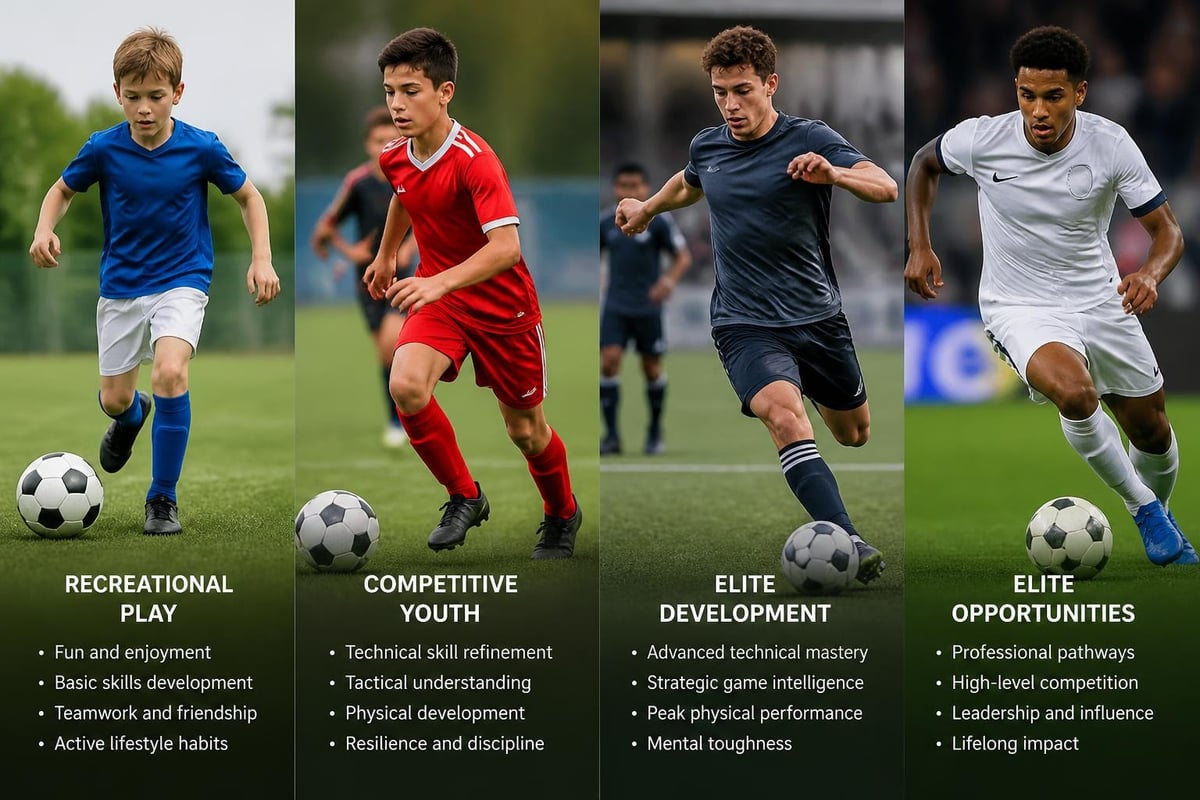
Creating sustainable improvement requires thinking beyond immediate results. To play soccer successfully over many years demands patience and proper developmental sequencing.
The 10,000 Hour Principle in Context
While deliberate practice matters enormously, the popular "10,000 hour rule" oversimplifies skill development. Quality trumps quantity, especially for young players who benefit more from:
- Varied practice rather than endless repetition of the same drill
- Play-based learning through small-sided games and scrimmages
- Multi-sport participation building diverse movement patterns
- Adequate recovery allowing adaptation and growth
- Enjoyment and intrinsic motivation sustaining long-term commitment
Parents should resist pressure to specialize too early or overtrain young athletes. Research consistently shows that early diversification and age-appropriate training volumes produce better long-term outcomes.
Creating Opportunities for Advancement
Players with serious aspirations need exposure to higher competition levels and talent identification opportunities. Strategies include:
- Participating in showcase tournaments and events
- Seeking feedback from college coaches or scouts
- Documenting development through highlight videos
- Pursuing regional or provincial team opportunities
- Maintaining academic excellence for scholarship possibilities
Quality training programs provide pathways for talented players to access these opportunities while maintaining appropriate developmental focus for all participants regardless of ultimate destination.
Learning to play soccer effectively combines technical mastery, tactical intelligence, physical preparation, and mental resilience. Young athletes who develop these four pillars systematically, supported by quality coaching and evidence-based training methods, position themselves for long-term success and enjoyment of the beautiful game. Whether your child dreams of collegiate soccer, professional opportunities, or simply wants to compete at their highest level, finding the right developmental environment makes all the difference. Strive Soccer Academy brings European-style training philosophy to Surrey, BC, with fully licensed coaches focusing on technical, tactical, physical, and psychological growth to help young athletes reach their potential while building character and creating genuine opportunities.