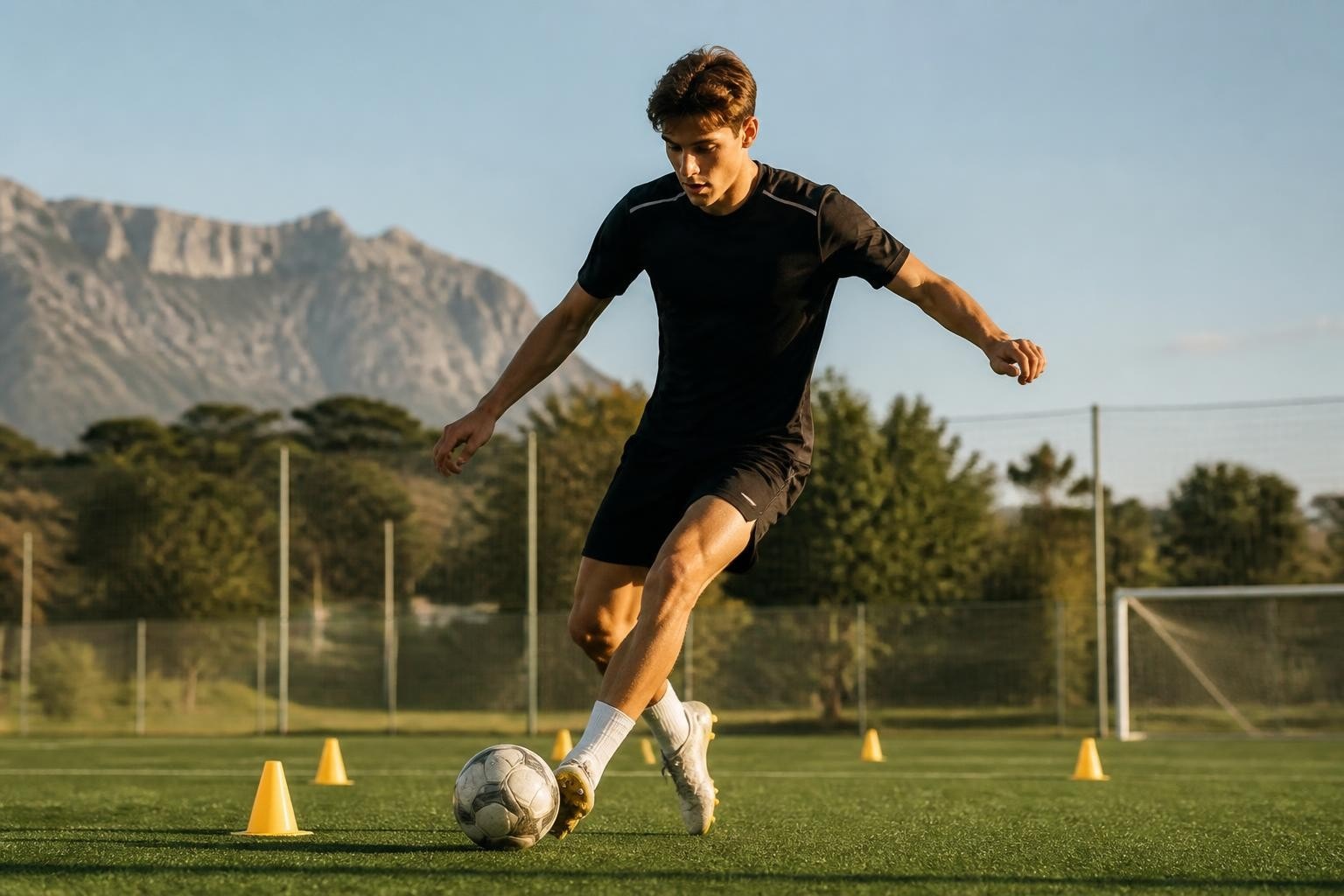
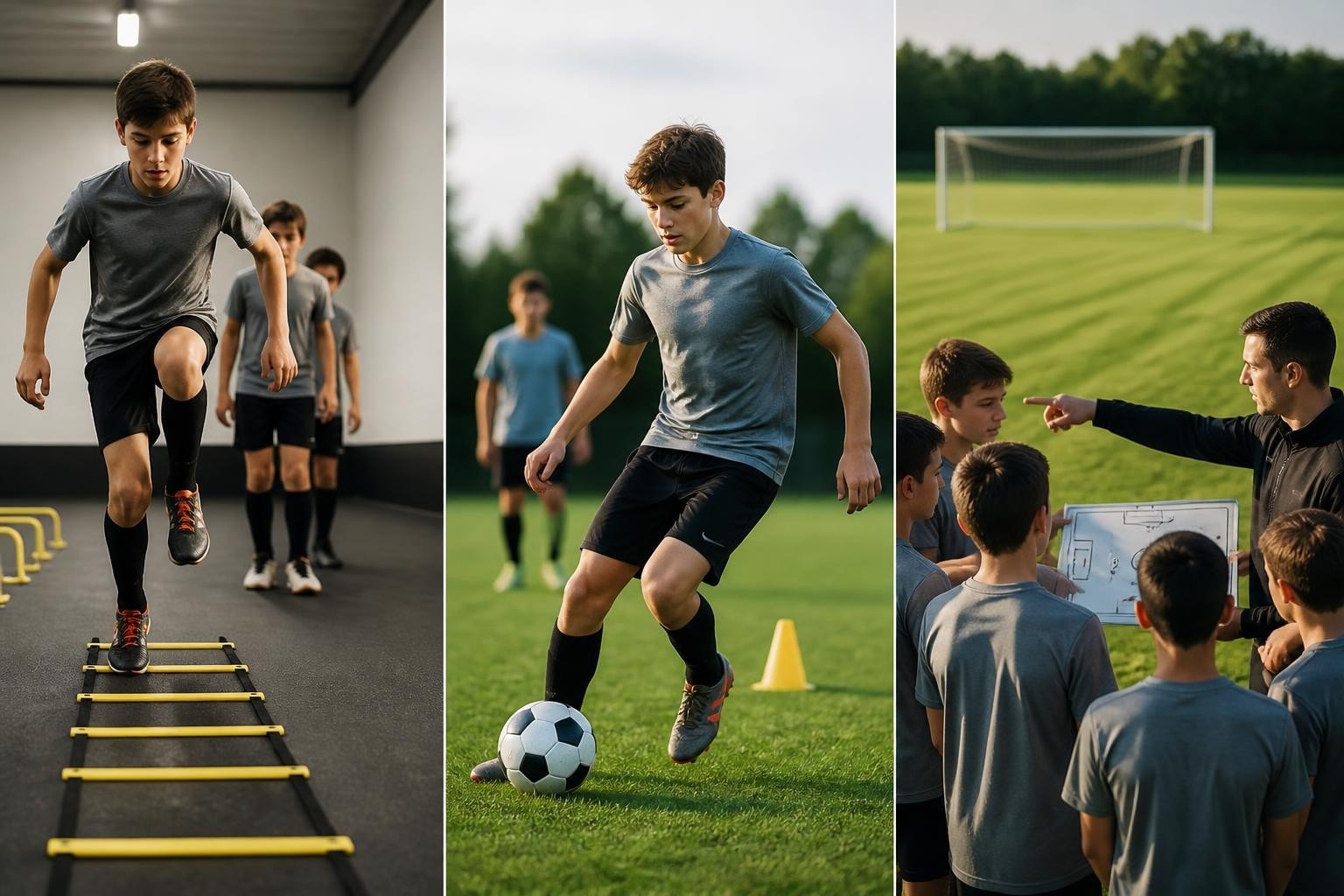
Soccer has evolved into a sport that demands excellence across multiple dimensions, and understanding what separates good players from great ones requires examining the complete development pathway. Whether we're discussing youth academies, professional clubs, or recreational programs, all soccer players share common needs: structured training, proper guidance, and a clear understanding of the skills required to succeed. The global game continues to raise standards year after year, making comprehensive player development more critical than ever in 2026.
The Four Pillars That Define All Soccer Players
Modern soccer training recognizes that all soccer players must develop across four interconnected areas. These pillars form the foundation of every successful training program worldwide, from grassroots youth development to elite professional academies.
Technical Excellence as the Foundation
Technical skills represent the bread and butter of soccer ability. Ball control, passing accuracy, shooting technique, and dribbling prowess separate players who can execute under pressure from those who struggle when the game intensifies.
Core technical competencies include:
- First touch and ball reception
- Passing with both feet (short, medium, and long range)
- Shooting technique and finishing
- Dribbling in tight spaces
- Aerial ability and heading
- Defensive tackling and positioning
All soccer players, regardless of position, benefit from mastery in these areas. A center-back with excellent ball control can initiate attacks from the back, while a striker with poor technical skills will struggle to convert chances no matter how well-positioned they are.

Research shows that multi-component exercise-based injury prevention programs significantly reduce injury rates among footballers, highlighting how proper technical training protects players while improving performance. When players learn correct technique from the beginning, they build habits that serve them throughout their careers.
Tactical Intelligence Separates Good from Great
Understanding the game's tactical dimension transforms technically skilled individuals into complete players. Tactical awareness encompasses reading the game, positioning, decision-making speed, and understanding team shape during different phases of play.
| Tactical Element | Attacking Phase | Defending Phase |
|---|---|---|
| Positioning | Creating passing lanes, exploiting space | Denying passing lanes, covering dangerous zones |
| Decision-Making | When to pass, shoot, or dribble | When to press, hold, or drop |
| Communication | Calling for ball, directing runs | Organizing defensive line, marking assignments |
| Team Shape | Maintaining width and depth | Compactness and cover |
All soccer players need tactical education appropriate to their age and skill level. Young players start with basic concepts like maintaining team shape and understanding when to press versus when to hold position. Training that incorporates small-sided games accelerates tactical learning because players encounter more decision-making scenarios per minute than in traditional 11v11 formats.
The UEFA research portfolio demonstrates how top European clubs emphasize tactical development alongside technical training, creating players who think as quickly as they move.
Physical Demands Across All Soccer Players
The physical requirements of modern soccer have increased dramatically. GPS tracking data from professional matches shows players covering 10-13 kilometers per game, with elite performers executing 150-250 high-intensity actions per match. Understanding these demands helps all soccer players prepare appropriately for competitive play.
Conditioning Components for Complete Players
Physical development must address multiple fitness qualities simultaneously:
- Aerobic endurance for sustained performance across 90 minutes
- Anaerobic capacity for repeated high-intensity sprints
- Speed and acceleration for beating opponents to the ball
- Strength and power for shielding, jumping, and shooting
- Agility and coordination for quick changes of direction
- Flexibility and mobility for injury prevention and technique execution
All soccer players experience different physical demands based on their position. Central midfielders typically cover the greatest total distance, while wingers and full-backs perform the most high-speed running. Strikers and center-backs execute more explosive, short-distance sprints and physical duels.
Studies examining injury-inciting activities in male and female football players reveal that change-of-direction movements and deceleration cause the majority of non-contact injuries. This knowledge informs how academy programs structure their physical development protocols to build resilient athletes.
Age-Appropriate Physical Development
Physical training must match developmental stages. Pre-adolescent players focus on movement literacy, coordination, and building a broad athletic base. Adolescent players can handle more structured strength work and position-specific conditioning. Young adult and professional players engage in sophisticated periodization that balances performance, recovery, and injury prevention.
Youth development priorities by age:
- Ages 6-9: Movement fundamentals, coordination, basic motor skills
- Ages 10-12: Speed development, agility, introduction to structured conditioning
- Ages 13-15: Strength foundation, power development, aerobic capacity
- Ages 16-18: Position-specific demands, advanced periodization, professional preparation
All soccer players benefit when training programs respect biological age rather than simply chronological age, recognizing that individual maturation rates vary significantly during adolescence.
The Psychological Dimension All Soccer Players Must Master
Mental strength often determines who succeeds when physical and technical abilities are similar. Confidence, resilience, focus, and emotional control separate players who thrive under pressure from those who wilt when stakes are high.

Building Mental Toughness Through Training
All soccer players develop psychological skills through deliberately designed experiences. Match simulation training, pressure situations during practice, and competitive small-sided games create opportunities to practice mental skills in safe environments before high-stakes matches.
Key psychological competencies include:
- Pre-performance routines and preparation
- Attention control and focus management
- Self-talk and confidence building
- Emotional regulation during adversity
- Goal-setting and motivation
- Team cohesion and communication
Programs that integrate psychological development recognize that confidence grows through mastery experiences. When players see their technical and tactical abilities improving through structured training, mental strength follows naturally.
How Modern Analytics Are Reshaping Player Development
Technology has revolutionized how coaches and academies understand player performance. GPS tracking, video analysis, and advanced statistics provide objective data that supplements traditional coaching observation.
The Soccer Factor Model for skill evaluation represents cutting-edge thinking about measuring individual player contributions from match data. While youth players don't need sophisticated analytics, understanding that objective performance metrics exist motivates all soccer players to pursue measurable improvement.
| Metric Category | What It Measures | Relevance for Development |
|---|---|---|
| Technical | Pass completion, touch quality, dribble success | Identifies skill gaps requiring focused practice |
| Tactical | Positioning heat maps, pressing efficiency | Shows decision-making patterns and spatial awareness |
| Physical | Distance covered, sprint frequency, acceleration | Tracks fitness progression and fatigue patterns |
| Psychological | Consistency, performance under pressure | Highlights mental strength and competitive response |
All soccer players in competitive environments now encounter some form of performance tracking. CIES Football Observatory research on player demand and workload demonstrates how professional clubs use data to optimize training loads and prevent overuse injuries.
Position-Specific Development Needs
While all soccer players require technical, tactical, physical, and psychological development, specific positions demand particular emphasis in certain areas.
Goalkeepers: The Unique Position
Goalkeepers follow specialized development pathways. Shot-stopping, distribution, positioning, and command of the penalty area require dedicated training that differs dramatically from outfield player development. All soccer players who play goalkeeper need coaches with position-specific expertise to reach their potential.
Defenders: The Foundation of Team Success
Center-backs prioritize defensive positioning, aerial ability, and composure under pressure. Full-backs in modern soccer must combine defensive solidity with attacking contribution, requiring exceptional fitness and tactical versatility. Representative soccer programs develop defenders through progressive exposure to increasingly complex game situations.
Midfielders: The Game's Orchestrators
Central midfielders need complete skill sets because they influence both attacking and defending phases. Attacking midfielders focus on creativity, vision, and goal contribution. Defensive midfielders emphasize positioning, interception timing, and distribution quality. All soccer players who operate in midfield must read the game exceptionally well because they face the most varied tactical challenges.
Forwards: Finishing Under Pressure
Strikers and wingers specialize in creating and converting goal-scoring opportunities. Finishing technique, movement off the ball, one-versus-one ability, and composure in front of goal define successful attackers. These players often receive the most attention but depend entirely on service from teammates, illustrating soccer's fundamentally collective nature.
The Role of Qualified Coaching in Player Development
According to Law 3 of the Laws of the Game, matches require specific numbers and types of players, but development requires qualified coaches who understand how to nurture talent systematically. All soccer players benefit when their coaches possess proper certifications and ongoing professional development.
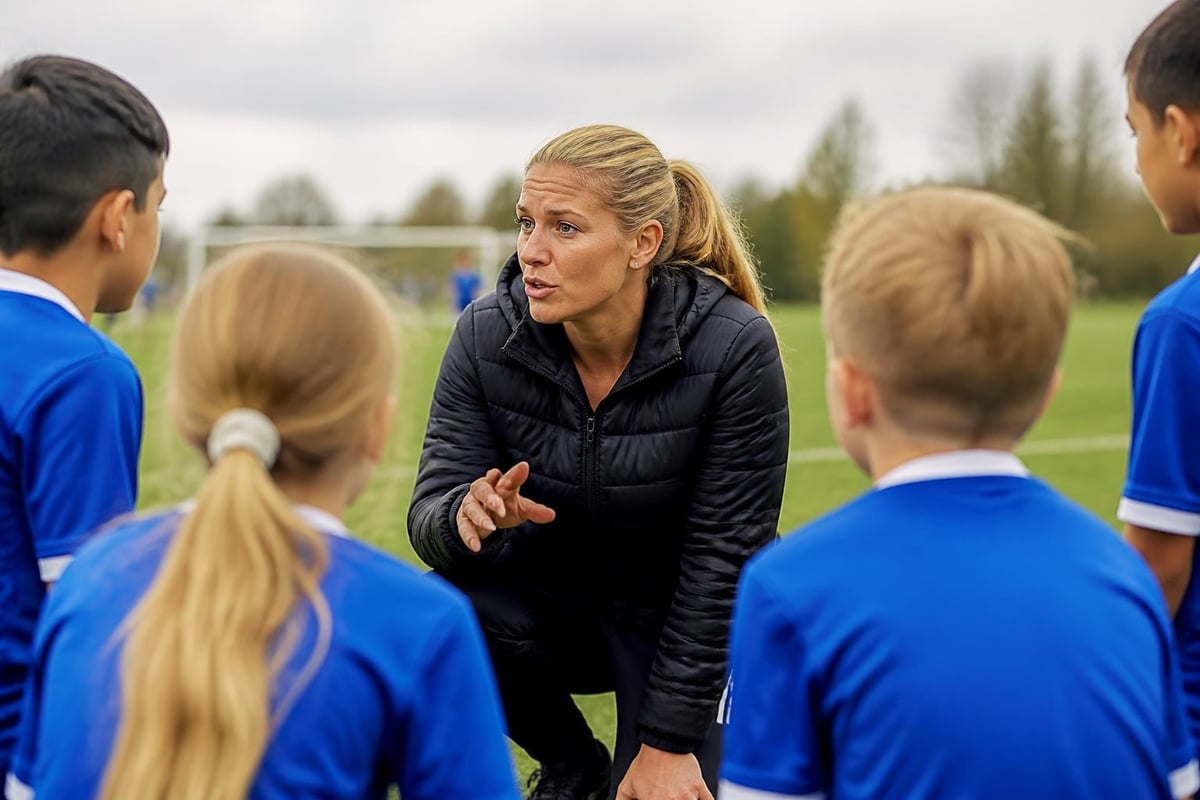
Quality coaching makes the difference between programs that simply occupy time and those that genuinely develop players. Coaches with National A, National B, and Soccer for Life certifications bring structured methodologies, age-appropriate progressions, and evidence-based practices to their training sessions.
What qualified coaches provide:
- Structured curriculum aligned with long-term development
- Technical demonstrations and effective correction
- Tactical concepts introduced at appropriate complexity
- Safe, progressive physical development protocols
- Positive learning environments that build confidence
- Individual feedback tailored to each player's needs
For parents seeking comprehensive training programs, coach qualifications should rank among the primary selection criteria. The difference in player development between well-coached and poorly-coached environments becomes dramatic over seasons and years.
Creating Development Pathways That Work
All soccer players need clear pathways from beginner levels through competitive play. Effective development systems provide appropriate challenges at each stage, ensuring players remain engaged while continuously improving.
Grassroots to Competitive Progression
- Introduction phase (ages 5-8): Fun-focused, small-sided games, basic skills
- Foundation phase (ages 9-12): Structured skill development, tactical introduction, positive competition
- Development phase (ages 13-16): Position specialization, advanced tactics, higher competition levels
- Refinement phase (ages 17+): Professional preparation, maximum performance, tactical sophistication
This progression recognizes that all soccer players develop at different rates. Some youth players excel early due to early physical maturation, while late developers may ultimately reach higher ceilings if they remain engaged and properly coached.
Programs offering high-performance training environments accelerate development by exposing players to elevated standards and competitive intensity appropriate to their readiness level.
Training Frequency and Recovery Balance
How often should all soccer players train? The answer depends on age, competitive level, and individual recovery capacity. Overtraining young players risks burnout and injury, while insufficient training volume limits development.
| Age Group | Recommended Weekly Training | Match Exposure | Recovery Priority |
|---|---|---|---|
| 6-9 years | 2-3 sessions (60-75 min) | 1 match | Active play, variety |
| 10-12 years | 3-4 sessions (75-90 min) | 1-2 matches | Sleep, nutrition basics |
| 13-15 years | 4-5 sessions (90 min) | 1-2 matches | Structured recovery, hydration |
| 16-18 years | 5-6 sessions (90-120 min) | 1-2 matches | Professional habits, monitoring |
All soccer players must balance training load with adequate recovery. The UEFA Annual Report 2023/24 highlights how European clubs increasingly emphasize recovery protocols and load management to maintain player health throughout demanding seasons.
Young players particularly need education about sleep, nutrition, and stress management. Parents play crucial roles in ensuring their children get proper rest between training sessions and matches, recognizing that development happens during recovery, not just during activity.
The Multi-Sport Advantage for Young Players
Contrary to early specialization trends, research consistently shows that all soccer players benefit from multi-sport participation during childhood and early adolescence. Playing multiple sports develops broader athletic abilities, reduces overuse injury risk, and maintains motivation through variety.
Benefits of multi-sport participation:
- Enhanced overall athleticism and movement quality
- Reduced mental burnout from single-sport focus
- Lower overuse injury rates from repetitive stress
- Development of diverse tactical and strategic thinking
- Sustained long-term engagement with competitive sport
Players who specialize early may gain short-term advantages in youth competitions, but those who build broad athletic foundations often surpass early specialists during late adolescence and early adulthood. All soccer players should consider remaining multi-sport athletes until at least age 14-16, then transitioning toward focused soccer development when physical maturation and genuine commitment align.
Building Character Alongside Skill
Soccer provides exceptional opportunities for character development that extend far beyond athletic ability. All soccer players learn valuable life lessons through structured training and competition when programs emphasize positive values alongside performance outcomes.
Core Values Developed Through Soccer
Teamwork stands at the heart of soccer's character-building potential. Unlike individual sports, soccer requires constant cooperation, communication, and mutual support. Players learn that individual brilliance means little without teammates to create opportunities and cover defensive responsibilities.
Resilience develops naturally through soccer's competitive challenges. All soccer players experience setbacks, poor performances, and defeats. How programs help players respond to adversity determines whether these experiences build mental toughness or erode confidence.
Discipline emerges through consistent training demands, tactical responsibilities, and team rules. Players learn that showing up prepared, following tactical instructions, and fulfilling their roles creates collective success even when individual recognition varies.
Respect for opponents, officials, coaches, and teammates forms the foundation of sporting behavior. Quality programs explicitly teach and reinforce respectful conduct, recognizing that character development requires the same intentional instruction as technical skills.
Nutrition Fundamentals All Soccer Players Need
Proper nutrition fuels performance, supports recovery, and enables healthy development. All soccer players benefit from understanding basic nutritional principles appropriate to their age and competitive level.
Essential nutrition concepts:
- Hydration: Drink water consistently before, during, and after training
- Carbohydrates: Primary fuel source for high-intensity activity
- Protein: Supports muscle repair and growth
- Fruits and vegetables: Provide vitamins, minerals, and antioxidants
- Timing: Pre-training meals 2-3 hours before activity, post-training nutrition within 30-60 minutes
Young players don't require sophisticated supplementation or extreme dietary restrictions. Balanced, whole-food nutrition from regular family meals provides everything most youth players need. As players progress toward elite levels, nutritional strategies become more refined, but fundamentals remain constant across all soccer players regardless of competitive tier.
Parents should focus on establishing healthy eating patterns rather than obsessing over performance nutrition at young ages. Teaching players to recognize hunger and fullness cues, choose nutrient-dense foods, and maintain proper hydration creates lifelong healthy relationships with food.
Common Development Mistakes to Avoid
Understanding what undermines player development helps all soccer players and their families make better decisions about training, competition, and long-term planning.
Over-Competition and Under-Training
Many youth players compete in too many matches relative to their training volume. Development happens primarily through repetitive practice in training environments where mistakes are safe and feedback is immediate. Excessive match play without sufficient training limits technical and tactical growth.
Positional Pigeonholing Too Early
Forcing young players into fixed positions before age 12-14 restricts their overall development. All soccer players benefit from experiencing multiple positions during their formative years, building broader tactical understanding and more complete technical skill sets.
Parent Pressure and Unrealistic Expectations
Well-meaning parents sometimes create counterproductive pressure that undermines their child's enjoyment and long-term development. Only a tiny percentage of youth players reach professional levels, making it essential that all soccer players enjoy the journey regardless of ultimate outcomes. When parents focus exclusively on winning and advancement, players often lose intrinsic motivation and burn out prematurely.
Neglecting Rest and Recovery
The temptation to maximize training volume and match exposure often leads families to overscheduled athletes. All soccer players, especially during growth spurts, need adequate sleep, rest days, and recovery time. Chronic fatigue increases injury risk and impairs both physical and cognitive development.
Development across technical, tactical, physical, and psychological dimensions creates complete players who can succeed at any level. All soccer players deserve structured programs that address each pillar systematically while building character and maintaining enjoyment of the game. Strive Soccer Academy brings European-style training philosophy to Surrey, BC, with fully licensed Canada Soccer coaches who focus on the four key areas of player growth, creating real opportunities for young athletes to develop skills, build character, and reach their full potential.