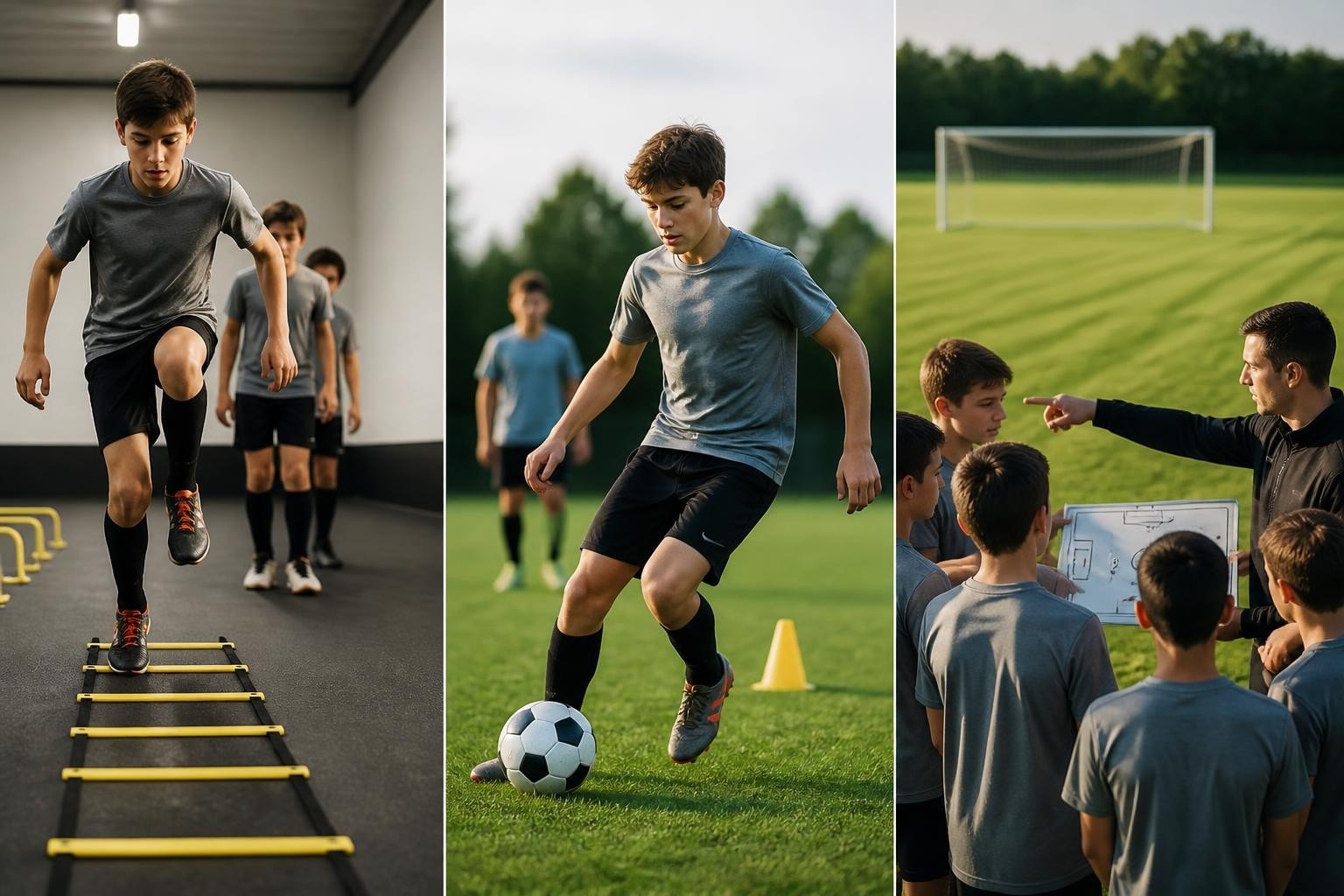
Creating an effective youth soccer training schedule requires careful consideration of player development, age-appropriate activities, and balanced progression. Parents and coaches must navigate multiple factors including training frequency, session duration, skill development priorities, and recovery time. A well-structured schedule doesn't just improve technical abilities on the field-it builds confidence, prevents burnout, and fosters a lifelong love of the game. Understanding how to properly structure training sessions throughout the week ensures young players develop holistically while staying engaged and injury-free.
Understanding Age-Appropriate Training Frequencies
The foundation of any youth soccer training schedule starts with recognizing that different age groups require different approaches. Younger players benefit from shorter, more frequent sessions focused on fundamental skills and enjoyment, while older athletes can handle increased intensity and tactical complexity.
Training Guidelines by Age Group
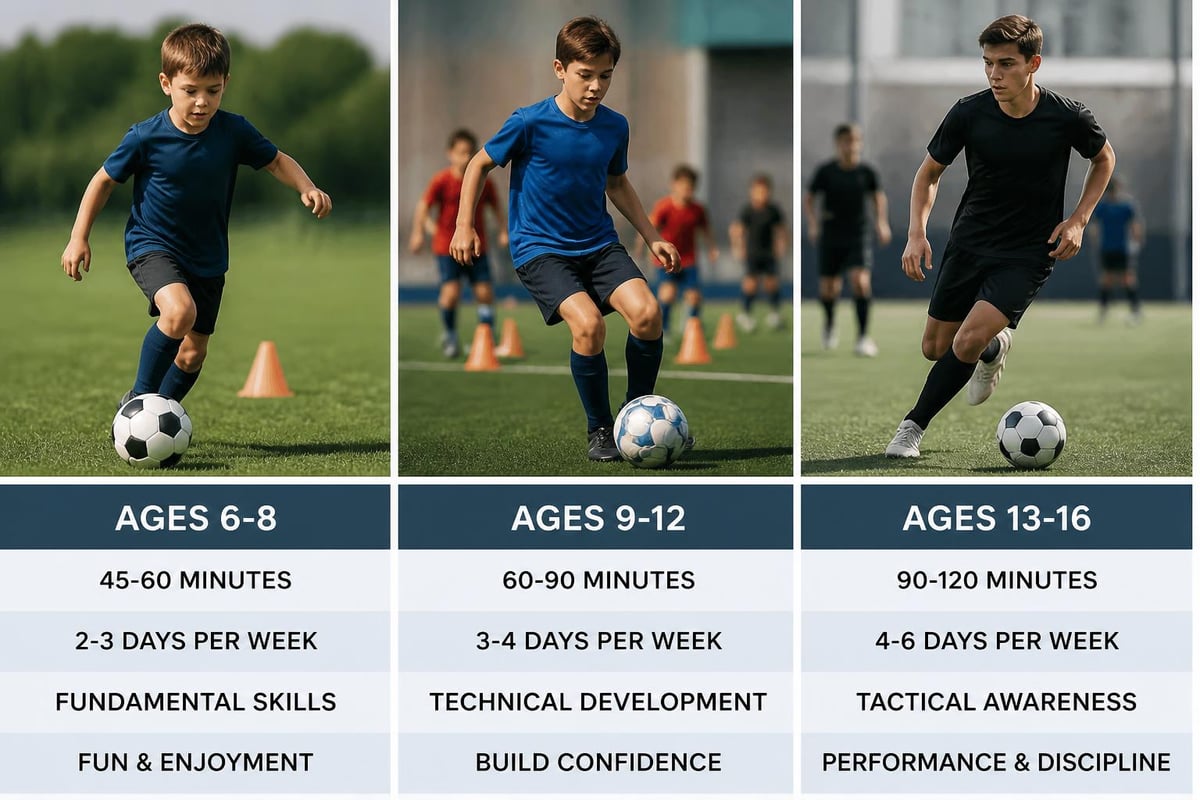
For players aged 6-8 years old, sessions should remain playful and exploratory. Two to three training sessions per week, each lasting 45-60 minutes, provides sufficient exposure without overwhelming developing bodies and attention spans. The emphasis should be on basic ball mastery, movement patterns, and having fun.
Players aged 9-12 years old can progress to three to four sessions weekly, with durations extending to 60-75 minutes. This age range represents a critical development window where technical skills become more refined and tactical awareness begins to emerge. Training formats for this age group should balance structured activities with opportunities for creative play.
Teenagers aged 13 and older can typically handle four to five training sessions per week, with sessions lasting 75-90 minutes. At this stage, physical conditioning becomes more prominent, and tactical sophistication increases significantly. However, even at this level, recovery and rest remain essential components of the schedule.
Structuring Weekly Training Sessions
A comprehensive youth soccer training schedule must address the four pillars of player development: technical, tactical, physical, and psychological. Each week should incorporate elements of all four areas, though the emphasis may shift based on the competitive calendar and player needs.
Sample Weekly Framework
| Day | Session Focus | Duration | Key Components |
|---|---|---|---|
| Monday | Technical Skills | 60-75 min | Ball mastery, first touch, passing |
| Tuesday | Rest/Recovery | – | Light activity or complete rest |
| Wednesday | Tactical Training | 60-75 min | Positional play, game scenarios |
| Thursday | Physical Development | 60 min | Speed, agility, strength foundations |
| Friday | Pre-Game Preparation | 45-60 min | Set pieces, team shape, mental prep |
| Saturday | Match Day | 90 min | Application of training |
| Sunday | Rest/Active Recovery | – | Family play, low-intensity movement |
This framework provides structure while maintaining flexibility. The specific activities within each session should vary to keep players engaged and challenged. At Strive Soccer Academy, we implement this balanced approach throughout our programs, ensuring players develop comprehensively across all four pillars.
Daily Session Structure
Regardless of the weekly focus, individual training sessions should follow a consistent progression. A proper warm-up lasting 10-15 minutes prepares bodies and minds for the work ahead. This phase includes dynamic stretching, light jogging, and ball work that gradually increases in intensity.
The main training block typically consumes 40-60 minutes and contains the session's primary objectives. Breaking this time into multiple activities maintains engagement and allows coaches to address different aspects of the day's focus. Younger players especially benefit from variety and frequent transitions between exercises.
Cool-down periods of 5-10 minutes help players transition back to baseline. This time can include static stretching, reflection on the session's learning points, and brief team discussions. Proper cool-downs reduce injury risk and enhance recovery between sessions.
Balancing Team Training and Individual Development
While organized team sessions form the core of most youth soccer training schedules, individual practice at home significantly accelerates development. Consistent home training complements team sessions by allowing players to refine specific skills at their own pace.
Home Training Integration
Players should engage in individual ball work three to four times per week, with sessions lasting 15-30 minutes. These sessions don't require elaborate setups-a ball, small space, and focused intention suffice. Skills like juggling, dribbling through cones, wall passes, and weak-foot practice yield substantial improvements when practiced regularly.
Key home training activities include:
- Ball mastery sequences (inside/outside touches, sole rolls, foundation movements)
- Weak-foot shooting practice against a wall or goal
- First-touch control repetitions
- Speed dribbling through obstacles
- Juggling challenges with progressive difficulty
The total training load-combining team sessions, individual practice, and matches-requires careful monitoring. Managing training loads properly prevents overtraining and reduces injury risk, particularly during growth spurts and competitive seasons.

Seasonal Variations in Training Schedules
A youth soccer training schedule shouldn't remain static throughout the year. Different phases of the season demand different approaches, and smart periodization maximizes performance while preventing burnout.
Pre-Season Preparation
The pre-season phase, typically lasting 4-6 weeks before competitive play begins, focuses on building fitness foundations and reestablishing technical sharpness. Training frequency can increase during this period, with four to five sessions weekly for older age groups.
Physical conditioning receives greater emphasis during pre-season. Aerobic capacity, speed, agility, and strength work prepare players for the demands ahead. Research on preparatory training programs demonstrates the effectiveness of structured pre-season protocols in improving physical performance markers.
Technical skills that may have deteriorated during the off-season require deliberate attention. Ball control, passing accuracy, and shooting technique should feature prominently in early pre-season sessions before tactical complexity increases.
In-Season Adjustments
Once competition begins, the youth soccer training schedule must accommodate match demands. Weekly training volume may decrease slightly, but session quality becomes paramount. Most teams operate on a rhythm of three training sessions plus one match per week.
In-season session priorities shift to:
- Recovery and regeneration (day after matches)
- Tactical preparation for upcoming opponents
- Maintenance of physical qualities
- Refinement of technical skills under pressure
- Psychological readiness and team cohesion
The day immediately following a match should involve light recovery activities rather than intense training. Young bodies need time to repair and adapt, especially when playing in multiple competitions or leagues simultaneously.
Off-Season Rest and Development
Complete rest is essential, but extended breaks from structured activity can lead to detraining effects. A 2-4 week complete break from organized soccer allows mental and physical recovery. Following this rest period, players should maintain general fitness and soccer skills through reduced-frequency training.
Off-season represents an ideal time for targeted skill development. Players can focus on specific weaknesses without the pressure of immediate competition. This might include intensive work on weak-foot ability, specialized position training, or technical skills that need refinement.
| Season Phase | Weekly Sessions | Primary Focus | Intensity Level |
|---|---|---|---|
| Pre-Season | 4-5 | Physical + Technical | High |
| Early Season | 3-4 + matches | Tactical + Technical | Moderate-High |
| Mid-Season | 3 + matches | Maintenance + Tactical | Moderate |
| Late Season | 2-3 + matches | Recovery + Mental | Moderate-Low |
| Off-Season | 1-2 (optional) | Individual Development | Low-Moderate |
Incorporating Rest and Recovery
Perhaps the most overlooked component of an effective youth soccer training schedule is adequate rest. Young athletes are not miniature adults-their bodies respond differently to training stress and require proportionally more recovery time.
Sleep and Recovery Fundamentals
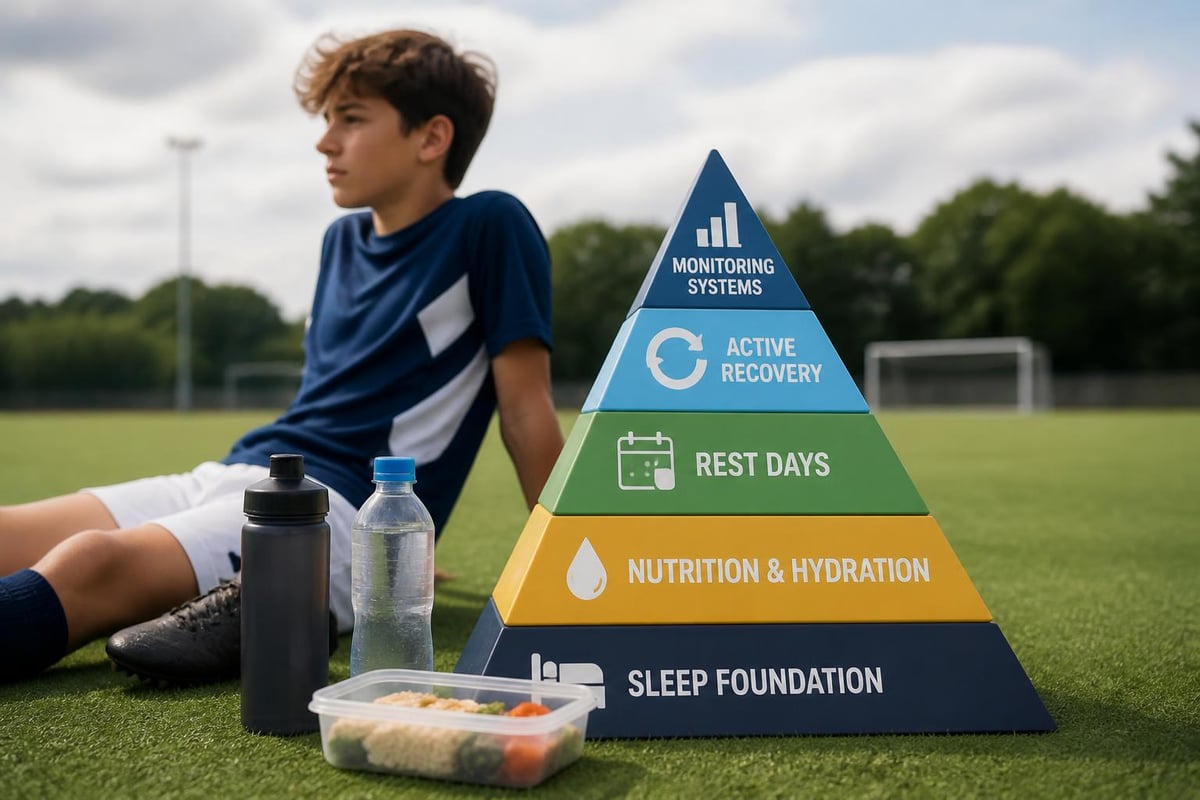
Sleep represents the most critical recovery tool available to young players. Athletes aged 6-12 should aim for 9-12 hours nightly, while teenagers need 8-10 hours. Quality sleep supports physical recovery, cognitive function, skill consolidation, and growth hormone production.
Rest days should be genuinely restorative, not filled with other high-intensity sports or activities. While cross-training has value, young athletes who play multiple competitive sports simultaneously face elevated injury risks and burnout potential. Parents should carefully consider total weekly activity loads across all sports and commitments.
Active recovery days might include low-intensity activities like swimming, cycling, yoga, or family walks. These activities promote blood flow and mental relaxation without imposing significant training stress on developing bodies.
Recognizing Overtraining Signs
Parents and coaches must vigilantly monitor for overtraining symptoms in young players. Warning signs include persistent fatigue, declining performance despite consistent training, increased injury frequency, mood changes, loss of enthusiasm for soccer, and disrupted sleep patterns.
When these symptoms appear, reducing training volume and intensity becomes necessary. Sometimes the best training decision is strategic rest. Pushing through early overtraining signals often leads to more serious problems, including chronic injuries and complete burnout from the sport.
Special Considerations for Multi-Sport Athletes
Many young soccer players participate in multiple sports throughout the year. While this variety offers developmental benefits-including diverse movement patterns, reduced overuse injury risk, and broader athletic foundations-it complicates training schedule management.
Coordinating Multiple Sport Commitments
When youth athletes engage in multiple sports simultaneously, total weekly training hours become the critical metric. Combined training time across all sports should align with age-appropriate guidelines to prevent excessive loads. A 10-year-old playing both soccer and basketball shouldn't exceed 10 total training hours weekly across both sports.
Communication between coaches from different sports helps ensure reasonable total demands. Unfortunately, this coordination rarely happens automatically-parents must often facilitate these conversations and make final decisions about their child's overall schedule.
Seasonal sport specialization offers a middle path between year-round single-sport focus and simultaneous multi-sport participation. Playing soccer in fall, basketball in winter, and track in spring provides variety while allowing full focus on each sport during its season.
Customizing Schedules for Different Player Goals
Not all youth soccer players share identical objectives. Some aspire to collegiate or professional careers, while others play primarily for fitness, friendships, and fun. A youth soccer training schedule should align with individual player goals and family priorities.
Recreational Player Schedules
Recreational players typically train 2-3 times weekly with weekend matches. Sessions emphasize enjoyment, fundamental skills, and team camaraderie over intense tactical work or physical conditioning. This approach maintains engagement while respecting that soccer represents one of many activities in a young person's life.
Training quality matters more than quantity for recreational players. Sessions should be well-organized, positive, and skill-focused. Even players not pursuing elite pathways deserve proper coaching and opportunities to improve.
Competitive and Elite Track Schedules
Players pursuing higher-level opportunities require more intensive youth soccer training schedules. Four to five sessions weekly, supplemented by individual training and potentially specialized coaching, become necessary to develop competitive advantages.
Programs like Soccer High Performance Training provide the high-intensity environment ambitious players need. These 90-minute sessions sharpen technical skills, improve decision-making and game awareness, increase speed of play, and build confidence under pressure-all essential qualities for players aiming beyond recreational levels.
However, even elite-track players must balance intensity with recovery. The most talented young players in the world don't train seven days weekly-they follow periodized schedules that build in strategic rest and regeneration.
Practical Implementation Tips
Translating theoretical knowledge about youth soccer training schedules into daily practice requires practical strategies that work for real families with multiple commitments and constraints.
Effective implementation strategies include:
- Creating visual schedules that players can reference independently
- Building routines around consistent training days and times
- Preparing necessary equipment the night before sessions
- Establishing clear expectations about attendance and punctuality
- Maintaining open communication between parents, players, and coaches
- Reviewing and adjusting schedules quarterly based on player development
- Celebrating progress and effort, not just competitive results
Flexibility within structure yields the best results. Life happens-illnesses, family events, school demands, and unexpected circumstances disrupt even the best-planned schedules. The ability to adapt while maintaining overall consistency separates sustainable programs from those that create unnecessary stress.
Technology can support schedule management through shared calendars, training apps, and communication platforms. However, the fundamental elements remain timeless: consistent training, adequate recovery, skilled coaching, and player enjoyment.
Long-Term Development Perspective
The ultimate goal of any youth soccer training schedule extends beyond next week's match or this season's standings. Proper scheduling supports long-term athletic development, creating players who remain healthy, skilled, and passionate about soccer into their teenage years and beyond.
Building a Foundation for Longevity
Early specialization and excessive training volumes might produce short-term competitive advantages, but they often undermine long-term potential. Understanding the developmental philosophy that guides training decisions helps parents evaluate whether a program prioritizes immediate results or sustainable growth.
Young players who train appropriately for their age develop superior technical foundations, maintain enthusiasm for the game, avoid overuse injuries, and ultimately reach higher performance levels than those pushed too hard too early. Patience in youth development almost always outperforms premature intensification.
The best youth soccer training schedules evolve as players mature. What works for an 8-year-old requires modification for a 12-year-old and further adjustment for a 16-year-old. Programs that understand and implement age-appropriate progressions create environments where players can thrive at every stage.
Developing an effective youth soccer training schedule represents a critical decision that impacts your child's growth, health, and enjoyment of the beautiful game. By focusing on age-appropriate frequency, balanced development across technical, tactical, physical, and psychological areas, and adequate recovery, you create the foundation for long-term success. At Strive Soccer Academy, we've built our entire approach around this comprehensive philosophy, combining European-style training methodology with Canada Soccer-licensed coaches who understand player development at every level. If you're ready to give your young athlete the structured, professional environment they need to reach their potential, Strive Soccer Academy offers programs designed specifically for sustainable growth and meaningful opportunities.