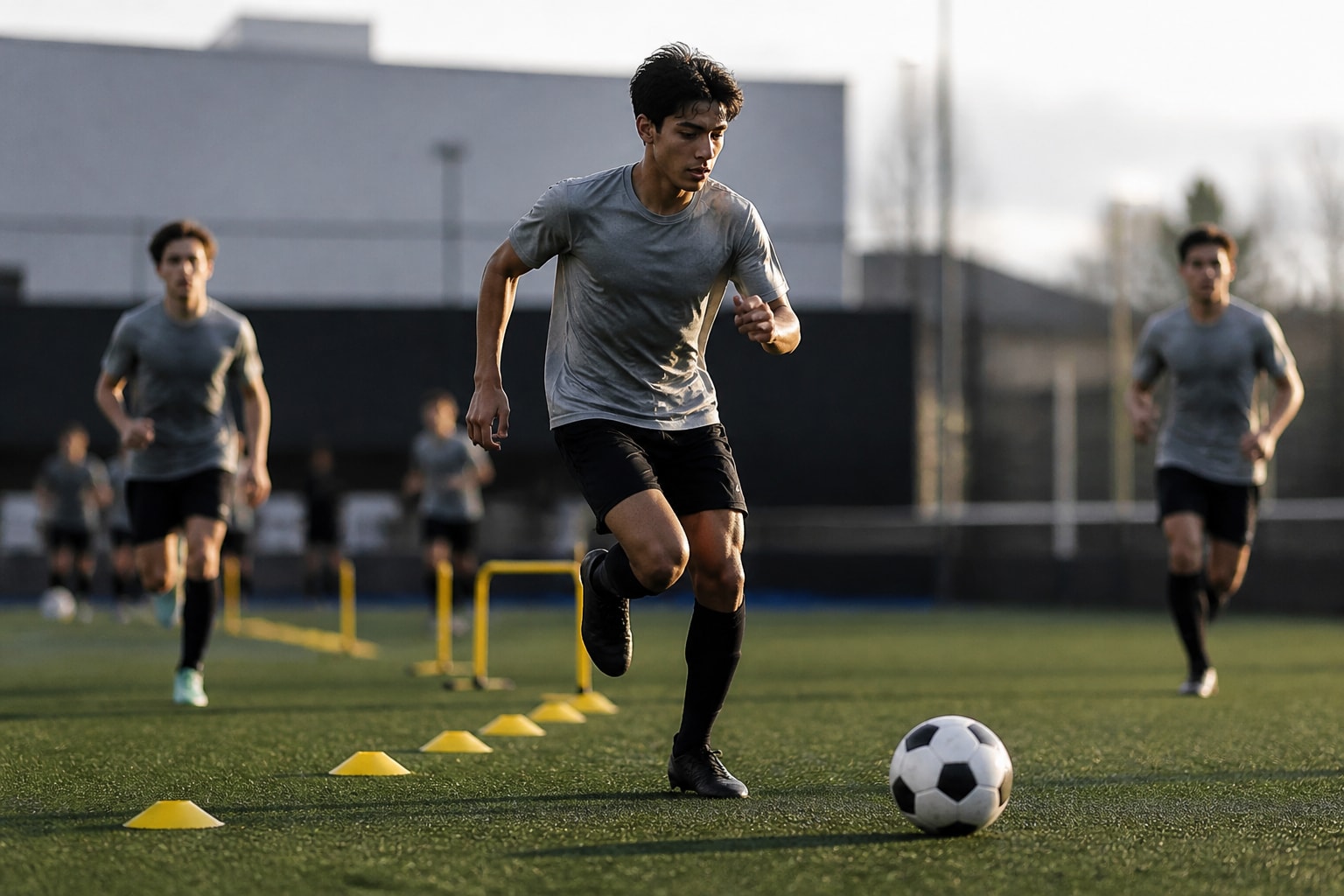
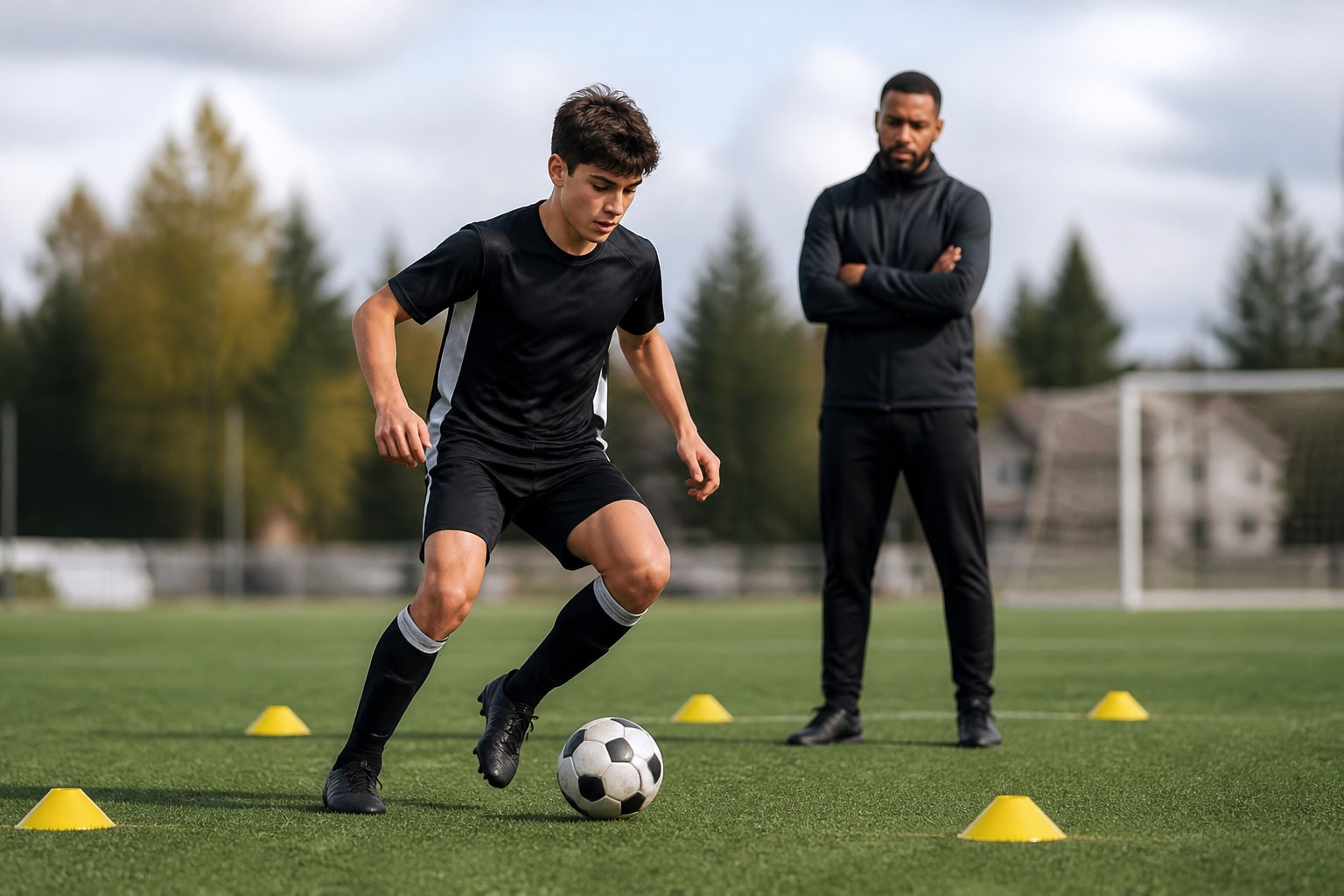
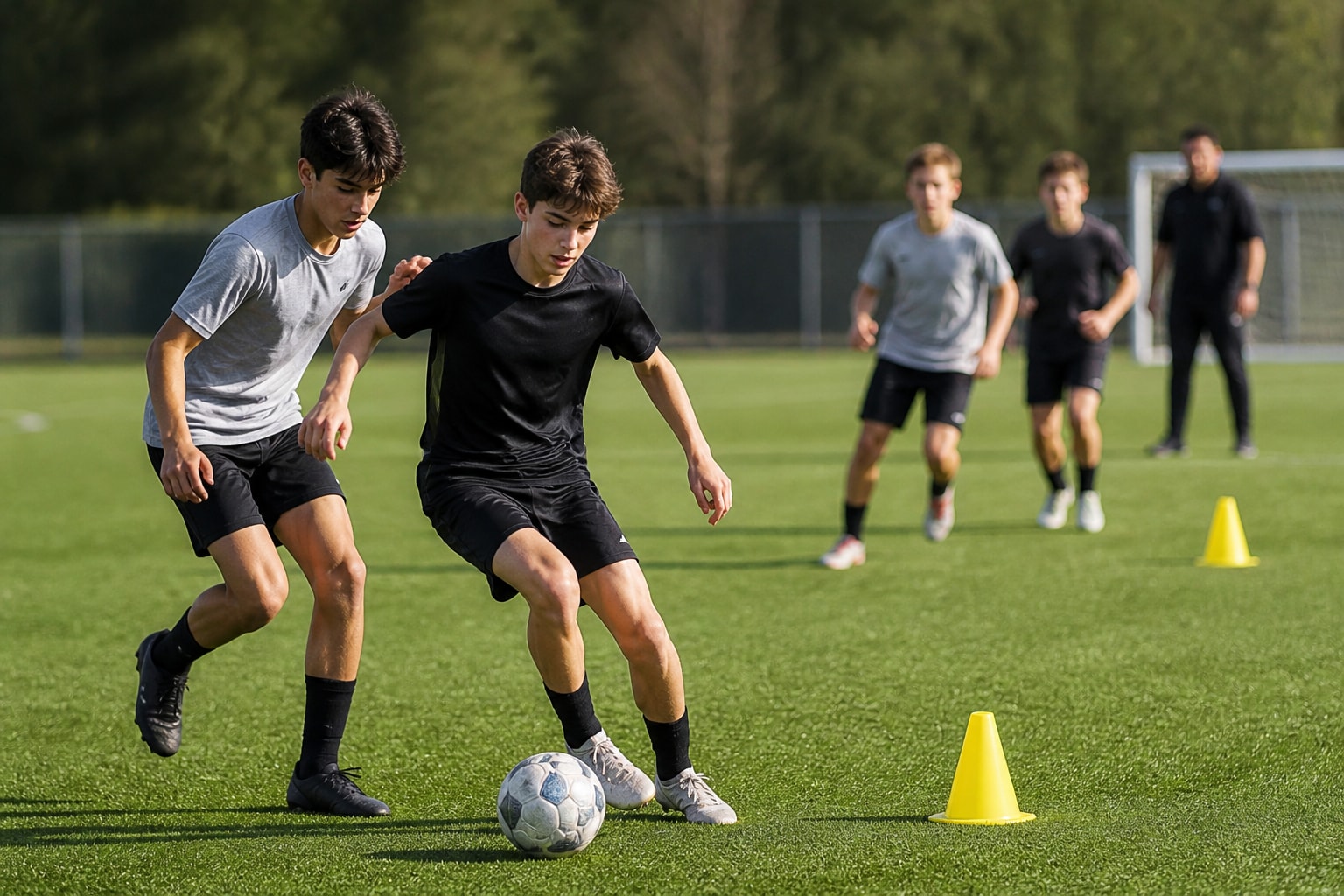
The under-14 age group represents one of the most critical transition periods in youth soccer development. Players at this stage are moving from smaller-sided games to the full 11-a-side format while experiencing significant physical, cognitive, and emotional changes. Understanding how to support u14 soccer players through this transformative phase can make the difference between developing confident, skilled athletes and losing potentially talented players to frustration or burnout. This comprehensive guide explores the essential elements of training, development objectives, and best practices for maximizing player potential during these formative years.
Understanding the U14 Soccer Developmental Phase
The u14 soccer age group encompasses players aged 13-14 years, a period marked by rapid growth spurts, increased cognitive capabilities, and heightened emotional sensitivity. During this stage, players transition to playing on full-sized fields with regulation goals, requiring adjustments in tactical awareness, physical conditioning, and mental resilience.
Research has shown that training load indicators and maturation variables play crucial roles in optimizing development for elite u14 soccer players. Coaches and parents must recognize that chronological age doesn't always align with biological maturity, which significantly impacts training responses and performance outcomes.
Physical Development Characteristics
U14 players experience varying rates of physical maturation, creating noticeable disparities in size, strength, and speed within the same age group. These differences can affect:
- Aerobic capacity: Players develop enhanced endurance capabilities during this phase
- Coordination: Some athletes may experience temporary awkwardness as limbs grow rapidly
- Strength development: Muscle mass increases, particularly in those entering or progressing through puberty
- Speed and agility: Quick-twitch muscle fibers mature, allowing for improved acceleration
The physical diversity within u14 soccer teams requires coaches to implement individualized training approaches. Bio-banding strategies, which group players by biological maturity rather than chronological age, have shown promise in creating more balanced competitive environments that benefit both early and late developers.

Technical Skills Development for U14 Players
Technical proficiency becomes increasingly sophisticated during the u14 soccer years. Players should demonstrate mastery of fundamental skills while developing advanced techniques that translate to competitive match situations.
Essential Technical Competencies
| Technical Skill | Development Focus | Training Priority |
|---|---|---|
| First Touch | Receiving under pressure | High |
| Passing Range | Short, medium, and long distribution | High |
| Dribbling | 1v1 situations and close control | High |
| Shooting | Accuracy and power from various angles | Medium |
| Heading | Proper technique and timing | Medium |
| Weak Foot | Bilateral skill development | Medium |
Technical training at this level should emphasize quality repetitions under game-realistic conditions. Players need thousands of touches on the ball, but these touches must occur within contexts that mirror actual match scenarios. Static drills have limited value compared to dynamic exercises that incorporate decision-making elements.
The technical training approach should focus on speed of execution rather than simply performing skills in isolation. U14 players must learn to execute techniques quickly while under defensive pressure, maintaining composure in tight spaces.
Progressive Skill Development
U14 soccer training should build upon foundational skills established in earlier age groups. Players at this stage can handle more complex technical combinations:
- Receiving and turning in one motion to face forward quickly
- Threading passes through defensive lines with proper weight and timing
- Executing skill moves that create separation from defenders
- Striking with both power and precision from various distances
- Controlling aerial balls while maintaining awareness of surroundings
Coaches should provide immediate, specific feedback during technical sessions, helping players understand not just what to do but why certain techniques work in specific situations.
Tactical Understanding and Game Intelligence
The cognitive development that occurs during the u14 soccer phase enables players to grasp more sophisticated tactical concepts. This age group can understand team shape, positional responsibilities, and strategic adjustments that would overwhelm younger players.
Defensive Tactical Priorities
U14 players must develop sound defensive principles that translate across different formations and systems:
- Pressing triggers: Recognizing when to apply pressure versus when to hold position
- Cover and balance: Understanding supporting roles when teammates engage attackers
- Transition defending: Immediate response when possession is lost
- Zonal awareness: Reading dangerous spaces and preventing penetration
Defensive training should emphasize collective organization rather than individual heroics. Players learn that effective defending requires coordinated efforts, communication, and disciplined positioning.
Offensive Tactical Development
Attacking play at the u14 level involves recognizing patterns of play and exploiting defensive weaknesses. Key tactical concepts include:
Width and depth: Creating passing lanes by spreading the field vertically and horizontally
Support angles: Positioning to offer multiple passing options for the ball carrier
Third-man running: Making penetrating runs beyond the defensive line while teammates occupy defenders
Combination play: Executing quick passing sequences (give-and-go, overlaps, third-man runs) to break down compact defenses
The developmental objectives for u14 players emphasize reading the game, making intelligent decisions under pressure, and understanding positional responsibilities within team structures. These tactical elements should be trained through realistic game scenarios rather than isolated exercises.
Physical Conditioning and Athletic Development
Physical preparation for u14 soccer players requires careful balance between building athletic qualities and avoiding overuse injuries. This age group can handle more intensive training loads than younger players but still requires appropriate progression and recovery protocols.
Components of Physical Training
| Fitness Component | Training Focus | Weekly Volume |
|---|---|---|
| Aerobic Endurance | Sustained running capacity | 2-3 sessions |
| Speed Development | Acceleration and top speed | 2 sessions |
| Agility and Quickness | Change of direction | 2-3 sessions |
| Strength Foundation | Bodyweight and light resistance | 2 sessions |
| Flexibility | Dynamic and static stretching | Daily |
| Recovery | Rest and regeneration | 1-2 days |
The systematic approach to elite youth soccer player development emphasizes progressive overload while monitoring individual responses to training stress. Physical development programs should complement technical and tactical training rather than interfering with skill acquisition.
Injury Prevention Strategies
U14 players face increased injury risk due to rapid growth, training volume increases, and the physical demands of 11-a-side competition. Protective measures include:
- Proper warm-up protocols incorporating dynamic stretching and activation exercises
- Strength training programs focusing on joint stability and muscle balance
- Load monitoring to prevent excessive cumulative stress
- Technical correction to reduce biomechanical stress during movements
- Adequate recovery time between high-intensity sessions and matches
Parents and coaches should watch for signs of overtraining, including persistent fatigue, declining performance, mood changes, or recurring minor injuries. The ambitious athlete mentality common at this age can lead players to ignore early warning signs of excessive stress.
Psychological and Social Development
The mental and emotional aspects of u14 soccer development often receive insufficient attention despite their profound impact on long-term success. This age group experiences heightened self-awareness, increased peer influence, and developing identity formation that shapes their relationship with the sport.
Building Mental Resilience
U14 players face numerous psychological challenges that test their commitment and confidence:
- Performance anxiety: Increased pressure from competitive environments
- Comparison with peers: Social dynamics and perceived status within teams
- Handling mistakes: Developing resilience after errors or poor performances
- Dealing with success: Managing expectations after positive results
- Identity formation: Balancing soccer involvement with other aspects of life
Effective coaching at the u14 level addresses these psychological factors through positive reinforcement, growth-oriented feedback, and creating safe environments where players can take risks without fear of harsh criticism.
Developing Soccer Intelligence
The cognitive maturation during the u14 years enables players to think more abstractly about the game. Training should develop:
Anticipation skills: Reading cues to predict what will happen next
Decision-making speed: Processing information and selecting appropriate actions quickly
Self-awareness: Understanding personal strengths, weaknesses, and learning styles
Tactical creativity: Solving problems in unique ways rather than following rigid patterns
Programs that incorporate small-sided games provide excellent environments for developing these cognitive skills, as players encounter frequent decision-making opportunities in dynamic, game-realistic contexts.
Training Structure and Session Design
Effective u14 soccer training requires deliberate planning that balances technical repetition, tactical understanding, physical development, and psychological growth. The comprehensive guide on supporting u14 players emphasizes creating practice frameworks that align with developmental objectives while maintaining player engagement.
Weekly Training Framework
A typical week for competitive u14 soccer players might include:
Monday: Technical focus session (90 minutes) with high repetition of fundamental skills
Tuesday: Tactical training (90 minutes) emphasizing defensive organization and transition
Wednesday: Physical conditioning (60 minutes) focusing on speed, agility, and strength
Thursday: Tactical training (90 minutes) working on attacking patterns and set pieces
Friday: Rest or light technical work
Weekend: Match day with pre-game preparation and post-game recovery
This structure provides approximately 6-8 hours of organized training per week, which aligns with recommendations for this age group. Additional individual technical work can supplement team training for motivated players seeking extra development opportunities.
Session Planning Principles
Quality u14 soccer sessions share common characteristics regardless of specific content:
- Clear objectives: Players understand what they're working on and why it matters
- Progressive complexity: Activities build from simple to complex, slow to game speed
- High engagement: Minimal standing in lines, maximum touches and decision-making
-
- Realistic context: Drills mirror actual game situations players will encounter
- Appropriate challenge: Tasks are difficult enough to promote growth but achievable with effort
The u14 soccer drills and games available through specialized resources provide coaches with tested activities that address common developmental needs at this age level.
Competition and Match Experience
Match play provides irreplaceable learning experiences for u14 soccer players. The transition to 11-a-side games on full-sized fields creates new challenges that cannot be fully replicated in training environments.
Competition Considerations
| Aspect | Recommendation | Rationale |
|---|---|---|
| Match Frequency | 25-35 games per year | Balances experience with recovery |
| Playing Time | Minimum 50% for development players | Ensures meaningful learning opportunities |
| Positional Variety | Multiple positions in first half of season | Develops versatility and understanding |
- Tournament Participation | 2-4 per year | Provides concentrated competition experience |
| League vs. Tournament | 70% league, 30% tournament | Emphasizes consistent development |
Competitive experiences should challenge players while providing realistic opportunities for success. Constantly overmatched teams learn little beyond how to defend desperately, while teams that win effortlessly miss opportunities to problem-solve under pressure.
Performance Evaluation
Traditional statistics like goals and assists tell incomplete stories about u14 soccer player development. More comprehensive evaluation considers:
- Technical execution under pressure: Quality of touches in contested situations
- Tactical decision-making: Selecting appropriate actions given game context
- Physical application: Work rate, recovery runs, and athletic efforts
- Psychological factors: Response to adversity, communication, and leadership
- Improvement trajectory: Growth over time rather than single-moment performances
Modern approaches to player evaluation using advanced methods can provide objective data to supplement coach observations, though the human element remains essential in youth development contexts.
Bridging the Gap Between Training and Competition
One common challenge in u14 soccer involves players performing well in training but struggling to transfer those abilities to competitive matches. This disconnect often stems from insufficient pressure, speed, or consequence in practice environments.
Creating Training-Match Alignment
Effective training replicates the physical, technical, tactical, and psychological demands players face during matches. Strategies include:
Conditioned games: Small-sided competitions with rules that emphasize specific skills or tactics
Position-specific scenarios: Defenders facing realistic attacking situations, forwards working against organized defenses
Transition exercises: Rapid switches between attacking and defending that mirror match flow
Competitive elements: Keeping score, creating consequences, and introducing pressure
For players seeking intensive development opportunities, specialized programs like Soccer High Performance Training provide concentrated environments where athletes sharpen technical skills, improve decision-making, and build confidence through dynamic, fast-paced drills designed to boost performance under pressure.
Individual Development Plans
Not all u14 players develop at identical rates or require the same interventions. Personalized development plans account for individual strengths, weaknesses, learning styles, and aspirations. These plans should address:
- Technical priorities: Specific skills requiring focused attention
- Tactical understanding: Game situations where improved reading would help
- Physical development: Athletic qualities needing enhancement
- Psychological growth: Mental skills that would unlock better performance
- Timeline and milestones: Realistic expectations for improvement over weeks and months
Regular check-ins between coaches, players, and parents ensure everyone understands progress and adjusts plans based on observed development.
Nutrition and Recovery for U14 Athletes
The physical demands of u14 soccer, combined with ongoing growth and maturation, create significant nutritional requirements. Proper fueling supports training adaptations, match performance, and recovery while promoting healthy development.
Nutritional Guidelines
U14 soccer players need balanced nutrition providing adequate calories, macronutrients, and micronutrients. Key principles include:
Pre-training/match: Carbohydrate-rich meals 2-3 hours before activity, easily digestible snacks 30-60 minutes prior
During activity: Water for sessions under 60 minutes, sports drinks for extended or intense efforts
Post-activity: Combination of carbohydrates and protein within 30 minutes, full meal within 2 hours
Daily nutrition: Emphasis on whole foods, fruits, vegetables, lean proteins, and healthy fats
Hydration: Consistent water intake throughout the day, not just during soccer activities
Poor nutrition undermines training quality and increases injury risk, while proper fueling optimizes all aspects of development.
Sleep and Recovery
U14 athletes require 8-10 hours of sleep nightly for optimal recovery and development. Sleep deprivation impairs skill execution, decision-making, growth hormone release, and injury resistance. Recovery strategies also include:
- Active recovery days: Low-intensity activities promoting blood flow without stress
- Proper cool-downs: Gradual reduction of intensity with stretching
- Rest periods: Complete breaks from organized soccer several times per year
- Cross-training: Alternative activities that reduce soccer-specific stress while maintaining fitness
The demanding nature of competitive u14 soccer makes recovery a training component rather than merely absence of activity.
Parent and Coach Collaboration
Successful u14 soccer development requires aligned efforts between coaches and parents. When these key adults work together with consistent messaging and shared priorities, players benefit tremendously. Conversely, conflicting approaches create confusion and stress.
Effective Communication Practices
Parents and coaches should establish clear communication channels and expectations:
- Regular updates on training focus areas and developmental observations
- Appropriate boundaries respecting coaching decisions while addressing legitimate concerns
- Shared vocabulary using consistent terminology for skills and tactics
- Realistic expectations based on individual player capabilities and typical development patterns
- Problem-solving approach addressing challenges collaboratively rather than assigning blame
The partnership between home and training environment shapes player attitudes, work ethic, and long-term relationship with soccer.
Supporting Player Autonomy
While guidance remains important, u14 players benefit from increasing ownership of their development. Parents and coaches can support autonomy by:
Asking questions rather than providing all answers, encouraging players to think critically
Involving players in goal-setting and creating personalized development plans
Respecting player perspectives on positions, training preferences, and competitive experiences
Allowing natural consequences rather than rescuing players from every challenge
Celebrating effort and improvement rather than focusing exclusively on outcomes
This approach builds intrinsic motivation and problem-solving skills that serve players well beyond their u14 years.
The u14 soccer phase represents a pivotal period where proper development in technical, tactical, physical, and psychological domains sets the foundation for future success. Players who receive appropriate training, supportive coaching, and balanced competitive experiences during these years position themselves for continued growth and enjoyment of the sport. If you're looking for a comprehensive program that addresses all four pillars of player development with licensed coaches and a proven European-style methodology, Strive Soccer Academy provides the structured environment where young athletes can reach their full potential while building character and creating real opportunities for their soccer future.