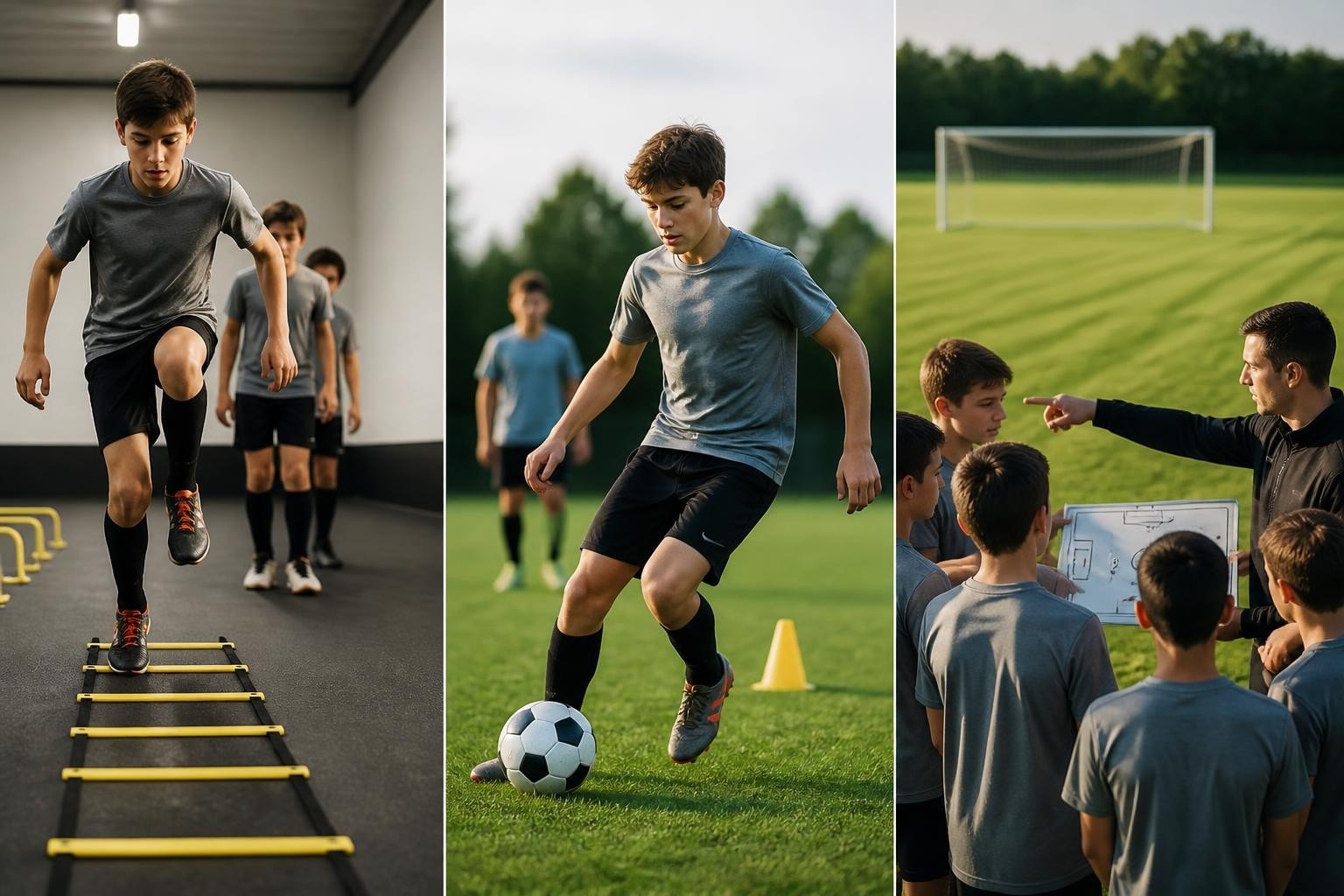
Finding quality youth soccer programs near me has become a priority for parents who recognize the tremendous benefits organized soccer brings to children's development. Beyond physical fitness and technical skills, the right program shapes character, builds resilience, and creates lasting friendships. With numerous options available in most communities, understanding what distinguishes exceptional programs from average ones empowers parents to make informed decisions that align with their child's needs and aspirations. The youth soccer landscape has evolved significantly, with European training methodologies now complementing traditional North American approaches to create comprehensive development pathways.
Understanding Different Types of Youth Soccer Programs
Youth soccer programs vary significantly in their structure, philosophy, and commitment level. Recreational programs typically focus on participation, fun, and basic skill introduction, making them ideal for beginners or children exploring different sports. These programs usually practice once weekly with weekend games, emphasizing equal playing time and social interaction.
Competitive or travel soccer programs demand greater commitment and offer more intensive training. Players typically practice multiple times weekly and travel to regional tournaments throughout the season. These programs implement tryouts and team selection processes, creating more focused development environments for dedicated young athletes.
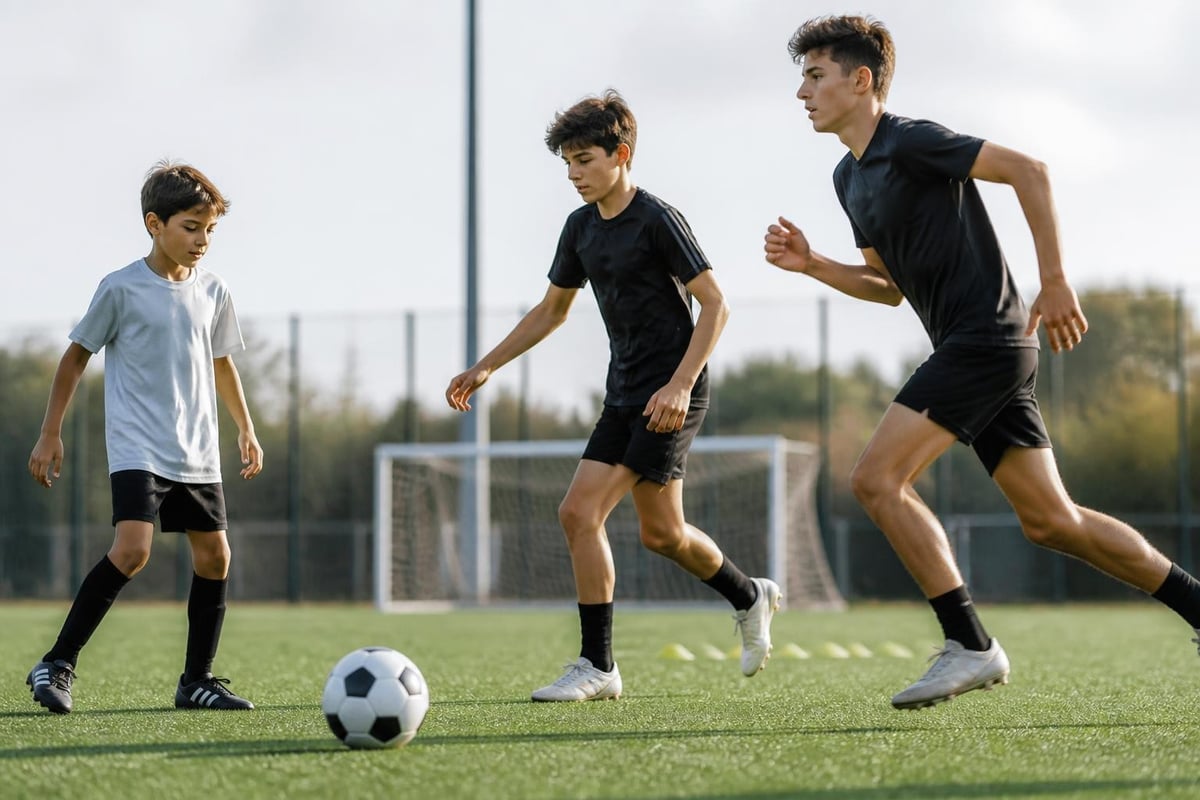
Academy-style programs represent another category, often operating year-round with professional coaching staff and structured curricula. Organizations like US Youth Soccer provide frameworks that help standardize player development across the country. These academies frequently incorporate elements from proven international training systems, particularly those from soccer-rich European nations.
Evaluating Coaching Credentials and Philosophy
The coaching staff makes or breaks any youth soccer program. When searching for youth soccer programs near me, investigate the credentials held by coaches. In Canada, look for certifications through Canada Soccer, ranging from Grassroots licenses for younger age groups to National B and A licenses for advanced coaching. Similarly, programs following AYSO philosophies ensure coaches meet specific training requirements.
Key coaching qualifications to verify:
- National or regional coaching licenses
- First aid and CPR certification
- Background checks and child safety clearances
- Ongoing professional development participation
- Playing experience at competitive levels
Beyond credentials, coaching philosophy matters tremendously. Some programs prioritize winning above all else, which can create pressure and diminish enjoyment for young players. Others focus on long-term development, understanding that skills acquired between ages 6-12 form the foundation for future success. The best youth soccer programs near me balance competitive excellence with age-appropriate expectations and player welfare.
The Four Pillars of Comprehensive Player Development
Elite youth soccer programs organize their training around four essential development areas. Technical skills encompass ball mastery, dribbling, passing, receiving, and shooting. Young players need thousands of touches to develop comfort and creativity with the ball. Programs emphasizing individual skill development often produce players with superior ball control and confidence.
Tactical understanding involves reading the game, positioning, decision-making, and teamwork. As players mature, they learn formations, spacing concepts, and strategic thinking that translate both on and off the field. This cognitive aspect separates soccer from purely physical sports and develops critical thinking skills.
| Development Pillar | Focus Areas | Age-Appropriate Emphasis |
|---|---|---|
| Technical | Ball mastery, passing, shooting | High focus ages 6-12 |
| Tactical | Positioning, decision-making, formations | Increases after age 10 |
| Physical | Speed, agility, endurance, strength | Progressive introduction |
| Psychological | Confidence, resilience, focus, teamwork | Continuous development |
Physical development includes speed, agility, endurance, and strength training appropriate for each age group. The best programs understand growth patterns and avoid overtraining young bodies while building athletic foundations. Strive Soccer Academy exemplifies this approach by integrating all four pillars into their European-influenced training methodology.
Mental and Emotional Growth Through Soccer
The psychological pillar often receives insufficient attention despite its crucial importance. Youth soccer programs should cultivate confidence, teach resilience after setbacks, develop focus under pressure, and foster healthy competition. Players who develop mental strength alongside physical skills typically achieve greater success and enjoy longer playing careers.
Programs that create supportive environments where mistakes become learning opportunities help young athletes develop growth mindsets. When coaches emphasize effort and improvement over outcomes alone, players become more willing to take creative risks and push beyond comfort zones.
What to Look for When Visiting Programs
Direct observation provides invaluable insights when evaluating youth soccer programs near me. Schedule visits during regular training sessions rather than games to see how coaches interact with players during instruction. Notice whether coaches demonstrate skills, provide specific feedback, and maintain organization throughout sessions.
Training Session Quality Indicators
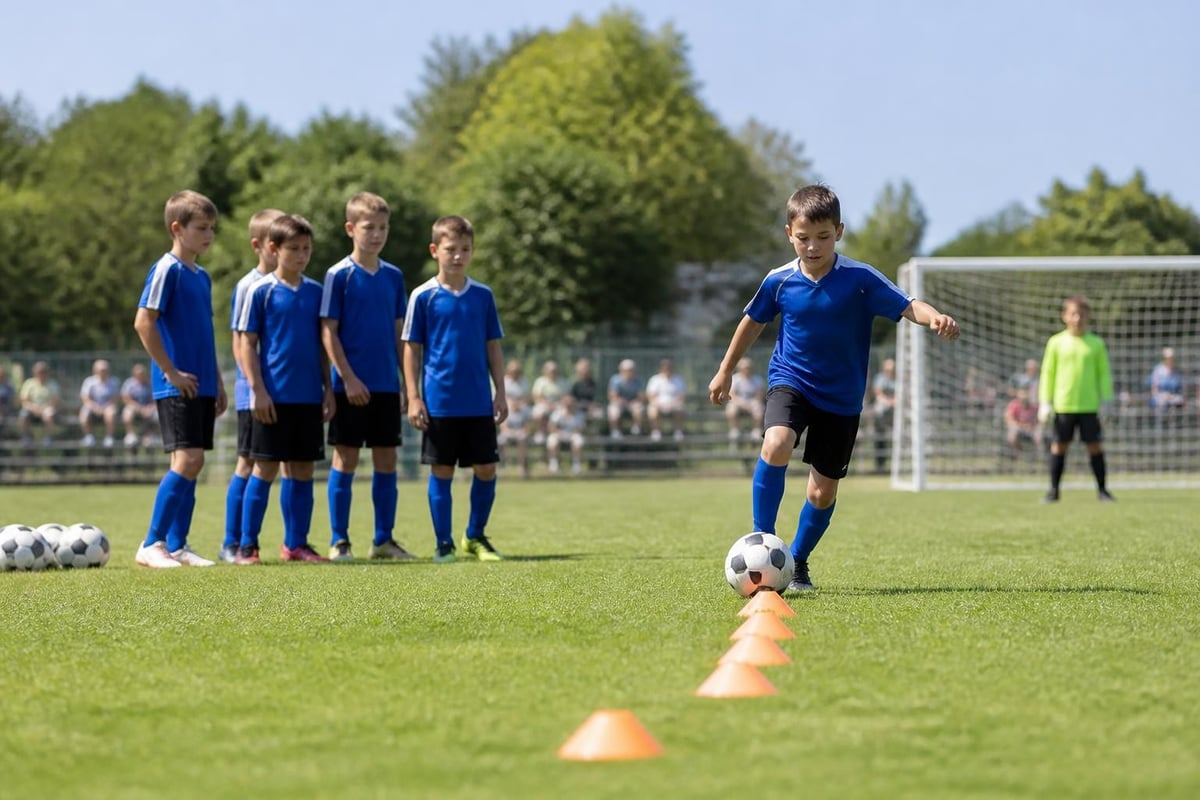
Watch for training-to-standing ratios. Quality programs maximize active participation, minimizing time spent in lines or waiting for turns. Small-sided games and station-based training ensure every player receives adequate touches and engagement. The American Youth Soccer Organization emphasizes these principles throughout their curriculum.
Red flags during program visits:
- Coaches yelling negatively at young players
- Excessive focus on winning with younger age groups
- Disorganized sessions with significant downtime
- Lack of individual skill development activities
- Inadequate equipment or unsafe facilities
Conversely, positive indicators include coaches using players' names, providing constructive feedback, demonstrating patience, and maintaining enthusiasm. You'll also want to see age-appropriate training complexity. Programs that challenge players without overwhelming them strike the right developmental balance.
Program Structure and Season Considerations
Youth soccer programs operate on various seasonal models. Traditional programs run fall and spring seasons with summer breaks, aligning with the school calendar. Year-round academies provide continuous training with brief rest periods, maintaining skill development momentum. Some families prefer seasonal approaches to allow multi-sport participation, while others commit to year-round soccer specialization.
Consider your child's age when evaluating seasonal structures. Younger players (under 10) often benefit from multi-sport participation, developing diverse athletic skills and avoiding burnout. Research on youth sports specialization suggests early single-sport focus may increase injury risk and decrease long-term participation.
Training frequency varies by program level and age group. Recreational programs typically offer one practice weekly, while competitive teams practice 2-3 times. Elite academy programs may train 4-5 times weekly, sometimes incorporating strength and conditioning sessions. Match your family's available time commitment with program expectations to ensure sustainable participation.
Financial Considerations and Hidden Costs
Youth soccer program costs vary dramatically based on level and location. Recreational programs might charge $150-300 per season, while competitive travel teams range from $1,500-3,000 annually. Elite academies can exceed $5,000 yearly before considering additional expenses.
Budget for these commonly overlooked costs:
- Uniforms and training gear ($200-400 annually)
- Tournament fees and travel expenses ($500-2,000 per season)
- Private training or camps ($300-1,500 optional)
- Referee fees and league registration
- Fundraising time commitments
Some programs offer financial assistance or scholarship opportunities for families facing economic barriers. Don't hesitate to inquire about available support when researching youth soccer programs near me. Many organizations prioritize accessibility and will work with families to enable participation.
Age-Appropriate Expectations and Development Timelines
Understanding realistic development timelines prevents frustration and maintains appropriate pressure levels. Children develop at vastly different rates, with physical maturation, cognitive growth, and coordination progressing on individual schedules. Programs recognizing this variation and grouping players appropriately create better experiences.
For ages 4-6, programs should emphasize fun, basic motor skills, and comfort with the ball. Winning and formations matter far less than engagement and positive experiences. Skyhawks Sports Academy designs age-appropriate curricula that recognize these developmental realities.
Ages 7-9 represent critical technical development years. Players should accumulate maximum ball touches through games and activities that feel playful rather than drill-focused. Small-sided games (3v3 or 4v4) provide more touches and decision-making opportunities than full-field soccer at this age.
The Pre-Teen and Early Teen Transition
Ages 10-12 mark when tactical understanding deepens considerably. Players can grasp positional responsibilities, tactical concepts, and team strategies while continuing technical refinement. The growth of youth soccer training programs during this phase reflects the rapid development occurring.
Teenagers face unique challenges including growth spurts that temporarily affect coordination, increased academic demands, and social pressures. Quality programs provide age-appropriate support during these transitional years, maintaining perspective on soccer's role in overall development rather than treating every match as life-or-death.
| Age Group | Primary Focus | Appropriate Competition Level | Training Frequency |
|---|---|---|---|
| 4-6 years | Fun, basic motor skills | None or minimal | 1x weekly |
| 7-9 years | Technical skills, small-sided play | Local recreational | 1-2x weekly |
| 10-12 years | Technical + tactical foundations | Competitive available | 2-3x weekly |
| 13-15 years | All four pillars integrated | Competitive to elite | 3-4x weekly |
| 16-18 years | Performance optimization | Elite to professional pathway | 4-5x weekly |
The Social and Community Aspects of Youth Soccer
Youth soccer programs create community connections extending far beyond the field. Families form friendships through shared sideline experiences, carpooling arrangements, and team social events. These relationships often outlast children's playing years, creating lasting support networks.
Team chemistry and culture significantly impact player development and enjoyment. Programs fostering inclusive environments where every player feels valued produce better outcomes than those where only star athletes receive attention. Look for clubs emphasizing team culture and character development alongside soccer skills.
Parent Involvement and Boundaries
Successful youth soccer programs establish clear parent roles and boundaries. Parents provide transportation, encouragement, and support while allowing coaches to direct technical instruction. The sideline coaching phenomenon, where parents constantly shout instructions during games, undermines coaching effectiveness and increases player anxiety.
Quality programs educate parents about appropriate involvement levels. Some organizations implement parent education sessions or codes of conduct establishing expectations. When searching for youth soccer programs near me, consider whether the club values and manages parent engagement constructively.
The best programs also create volunteer opportunities allowing parents to contribute without overstepping. Team management, fundraising coordination, and event organization enable meaningful involvement while respecting coaching boundaries. Understanding what makes training different helps parents appreciate professional coaching approaches.
Geographic Considerations and Travel Commitments
Location matters when selecting youth soccer programs. Proximity affects practice attendance consistency, reduces family stress, and minimizes time in transit. Programs requiring 45-minute drives multiple times weekly may not prove sustainable long-term, particularly with multiple children or demanding work schedules.

However, exceptional programs sometimes justify additional travel. Parents must balance convenience against program quality, considering whether superior coaching and development opportunities warrant extended commutes. For highly motivated players with clear competitive aspirations, travel to elite programs may prove worthwhile.
Tournament travel represents another consideration. Recreational programs typically play locally, while competitive teams attend regional showcases requiring overnight stays. Some families embrace tournament travel as valuable bonding experiences, while others find the time and expense burdensome. Clarify tournament expectations before committing to competitive youth soccer programs near me.
Specialized Training Options and Supplemental Development
Beyond traditional team programs, specialized training enhances player development. Position-specific training for goalkeepers, defenders, midfielders, and strikers addresses unique technical and tactical demands. Goalkeeper training especially requires specialized instruction rarely provided during regular team practices.
Skills academies offer focused technical training separate from team commitments. These programs, like those provided through Jump Start Sports, supplement team participation with additional touches and repetition. Players serious about development often combine team play with supplemental skills training.
For athletes seeking intensive seasonal development, high-performance camps provide concentrated training periods. These experiences immerse players in professional training environments, often introducing advanced concepts and raising performance standards. Soccer High Performance Training camps offer 90-minute high-intensity sessions targeting technical, physical, and tactical skills simultaneously, providing the challenging environment ambitious players need to elevate their game.
Private Coaching Considerations
One-on-one training delivers personalized attention addressing individual weaknesses and accelerating skill acquisition. Private sessions cost more than group programs but provide customized development impossible in team settings. Players with specific deficiencies or those pursuing elite pathways often benefit significantly from periodic private instruction.
When considering private coaching, verify instructor credentials and request references from current clients. The most expensive coach isn't always the most effective, particularly for younger players who may respond better to enthusiastic recent college players than high-level professionals lacking teaching skills.
Player Pathways and Long-Term Development
Understanding potential pathways helps parents and players set realistic expectations. Most youth soccer participants enjoy the sport recreationally without pursuing elite competition, and programs should support this majority while providing advancement opportunities for motivated players.
Competitive pathways typically progress from local clubs to regional academies, potentially continuing through college soccer or professional development systems. Kings Hammer Soccer Club exemplifies organizations offering clear progression from recreational to elite levels within a single club structure.
College soccer represents a realistic goal for dedicated players, with over 1,200 NCAA programs plus NAIA and junior college opportunities. However, earning scholarships requires consistent performance, exposure at showcase events, and proactive recruitment efforts beginning by age 15-16. Programs with college placement track records can provide valuable guidance navigating this process.
Realistic outcome expectations for youth soccer participants:
- 70-80% play recreationally through high school
- 15-20% compete at high school varsity level
- 5-7% continue at college programs (all levels)
- Less than 1% reach professional levels
These statistics shouldn't discourage participation but rather establish perspective. The overwhelming majority of youth soccer players won't become professionals, yet virtually all benefit from the experiences, friendships, and life lessons soccer provides. Quality programs celebrate these broader benefits rather than exclusively emphasizing elite outcomes.
Making the Final Decision
After researching youth soccer programs near me, trust your instincts alongside objective evaluation criteria. Schedule conversations with program directors, requesting information about coaching philosophy, player development approaches, and typical seasonal structures. Ask about player retention rates, which indicate family satisfaction better than marketing materials.
Involve your child in the decision-making process age-appropriately. Younger children might simply express whether they enjoyed a trial session, while teenagers can evaluate whether a program aligns with their competitive aspirations and social preferences. Player buy-in significantly impacts long-term commitment and enjoyment.
Consider trial periods or shorter-term commitments before making full-season investments. Many programs offer trial sessions, camps, or abbreviated programs allowing families to experience the environment before committing. This approach reduces financial risk while providing genuine insight into program culture and coaching quality.
Remember that changing programs isn't failure. Children's needs evolve, and programs that suited an 8-year-old may not challenge a 12-year-old appropriately. Successful youth soccer journeys often involve transitions between recreational and competitive levels, different coaching styles, or organizational cultures better matching developmental stages. Finding a program offering comprehensive youth development aligned with your family's values creates the foundation for lasting success and enjoyment.
Selecting the right youth soccer program significantly impacts your child's athletic development, character growth, and lifelong relationship with the sport. By evaluating coaching credentials, developmental philosophy, program structure, and cultural fit, parents can identify opportunities that nurture both soccer skills and personal growth. At Strive Soccer Academy, we've brought European-style training methodologies to Surrey, focusing on technical, tactical, physical, and psychological development through fully licensed coaches committed to creating real opportunities for young athletes. Discover how our comprehensive approach can support your child's soccer journey.