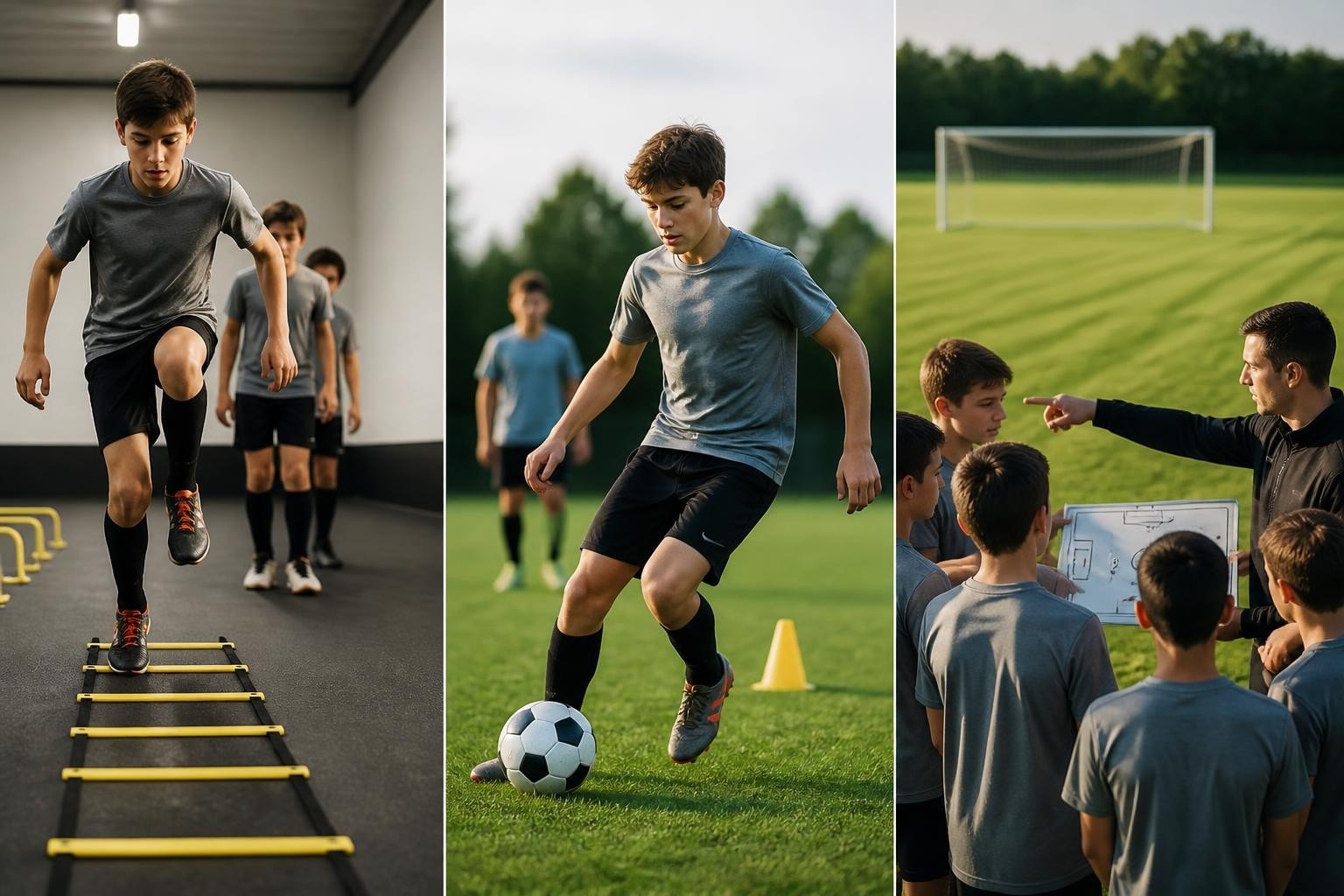
Choosing the right soccer environment for your child represents one of the most important decisions you'll make as a parent of a young athlete. Youth soccer organizations across North America provide diverse opportunities for player development, competitive experiences, and character building. Understanding how these organizations operate, what they prioritize, and how they structure their programs helps parents make informed choices that align with their children's goals and developmental needs. Whether your child is just starting their soccer journey or pursuing elite-level competition, the organization you choose will significantly impact their technical growth, tactical understanding, and overall enjoyment of the beautiful game.
Understanding the Structure of Youth Soccer Organizations
Youth soccer organizations operate under several distinct models, each designed to serve different player populations and developmental objectives. The organizational landscape includes national governing bodies, regional associations, community-based clubs, and academy-style training programs.
At the national level, organizations like US Youth Soccer provide overarching governance, establishing standards for player safety, coach education, and competitive frameworks. These governing bodies create the infrastructure that enables consistent player development across states and provinces. State associations then implement these standards while adapting programs to meet local community needs.
Community-based organizations such as AYSO emphasize recreational participation with philosophies centered on balanced teams and ensuring everyone plays. These organizations prioritize accessibility and positive experiences over competitive outcomes, making them ideal entry points for young players exploring the sport.
Competitive Club Structures
Travel clubs and competitive organizations represent the next tier, focusing on player development through higher-level competition. These youth soccer organizations typically require tryouts, offer multiple training sessions weekly, and participate in regional or national tournaments.
Key characteristics of competitive clubs include:
- Age-grouped teams with skilled-based placement options
- Licensed coaching staff with formal education credentials
- Structured seasonal calendars with league and tournament play
- Player evaluation systems and individualized development plans
- Access to college recruiting exposure events
Academy-style programs take development further by implementing professional training methodologies. These organizations often model their approach after European development systems, emphasizing technical mastery, tactical intelligence, and psychological resilience. At Strive Soccer Academy, this philosophy manifests through a comprehensive focus on the four pillars of player development.

Coaching Standards and Education Requirements
The quality of coaching directly determines the effectiveness of any youth soccer organization. Licensing requirements, continuing education, and coaching philosophy separate exceptional programs from mediocre ones.
Canada Soccer and US Soccer Federation both maintain tiered licensing systems for coaches. These certifications range from grassroots introductory courses to advanced national licenses requiring hundreds of hours of education and practical experience.
| License Level | Training Hours | Focus Areas | Typical Age Groups |
|---|---|---|---|
| Grassroots/Community | 8-16 hours | Basic techniques, fun games | U6-U10 |
| Youth License | 40-60 hours | Technical development, small-sided games | U10-U14 |
| Provincial B/C | 80-120 hours | Tactical understanding, periodization | U14-U18 |
| National A/B | 200+ hours | Advanced tactics, player psychology | Elite development |
Organizations committed to excellence require coaches to maintain active certifications and pursue ongoing professional development. This commitment ensures coaches stay current with modern training methodologies, sports science research, and age-appropriate development principles.
Philosophy and Player-Centered Coaching
Beyond credentials, coaching philosophy determines the day-to-day training environment. Youth soccer organizations with clear developmental philosophies prioritize long-term player growth over short-term competitive results.
Effective coaches within these organizations understand periodization, adjusting training intensity and focus throughout the season to optimize physical development while preventing burnout. They recognize critical developmental windows when players are most receptive to specific skills and structure sessions accordingly.
Player-centered coaching approaches emphasize guided discovery over rigid instruction. Coaches create problem-solving scenarios that allow players to experiment, make mistakes, and develop decision-making abilities. This methodology, common in European-style training programs, builds intelligent players who can adapt to dynamic game situations.
Program Structure and Training Methodologies
How youth soccer organizations structure their programs reveals their developmental priorities. The most effective organizations balance technical skill development, tactical understanding, physical conditioning, and psychological growth.
Technical Development Framework
Technical training forms the foundation of player development. Quality organizations dedicate significant training time to individual ball mastery, regardless of age group.
Progressive technical curriculum includes:
- Foundation phase (ages 6-9): Ball manipulation, coordination, basic receiving and passing
- Development phase (ages 10-12): Advanced techniques, first touch under pressure, striking variations
- Refinement phase (ages 13-15): Speed of execution, technique in tight spaces, weak foot development
- Mastery phase (ages 16+): Position-specific skills, tactical technique application
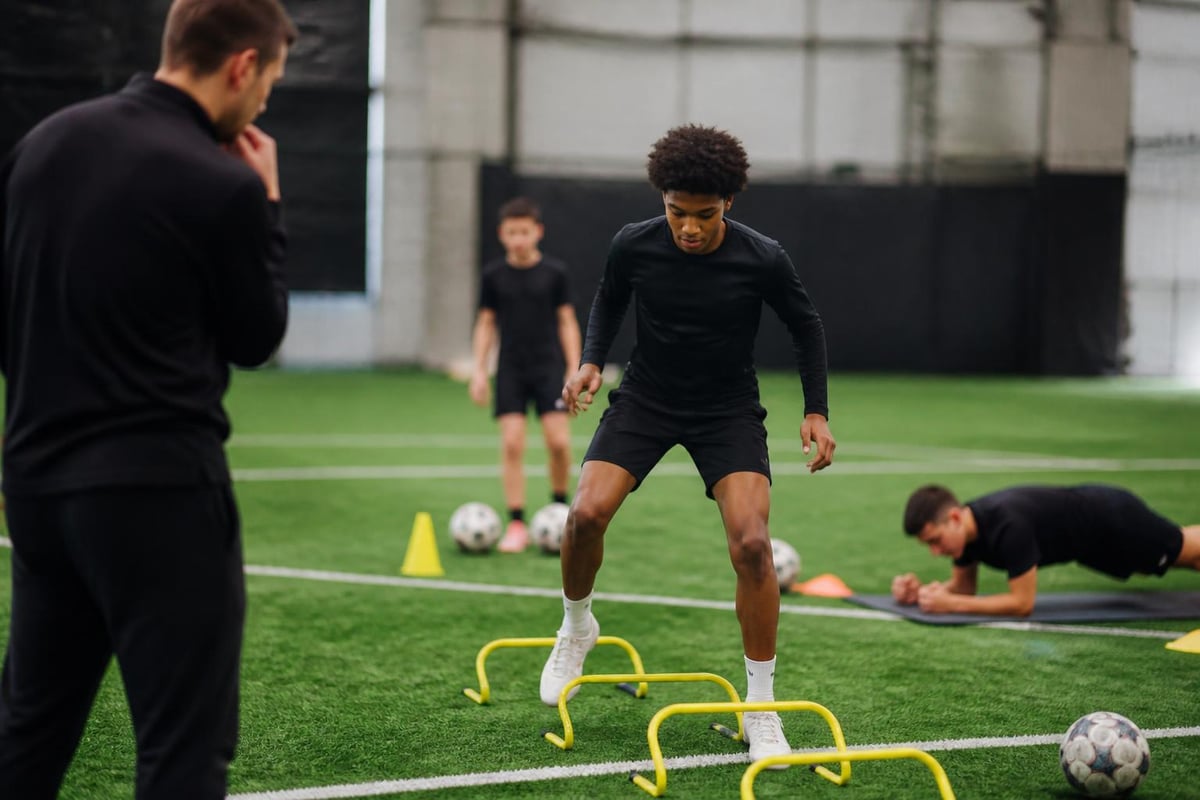
Organizations like Strive Soccer Academy’s high-performance training programs implement 90-minute sessions specifically designed to accelerate technical development through dynamic, fast-paced drills that simulate game pressure.
Tactical Education and Game Intelligence
Tactical development separates good players from exceptional ones. Youth soccer organizations that prioritize tactical education teach players to recognize patterns, exploit space, and make quick decisions.
Age-appropriate tactical instruction begins with small-sided games that emphasize fundamental concepts like support, depth, and width. As players mature, organizations introduce formation-specific responsibilities, transition principles, and set-piece execution.
The MLS Next development league exemplifies high-level tactical education, establishing standards that influence how elite youth soccer organizations structure competitive programs nationwide. Their approach emphasizes game-realistic training environments that accelerate tactical understanding.
Physical Development and Athletic Performance
Modern youth soccer organizations recognize that physical development must be age-appropriate and scientifically informed. Pushing young athletes too hard, too soon creates injury risks and burnout, while insufficient physical preparation leaves players unprepared for competitive demands.
Age-Appropriate Physical Training
Physical development programs should align with biological maturation rather than chronological age alone. Youth soccer organizations employing sports science principles assess individual readiness before implementing strength, speed, or endurance protocols.
Training emphasis by developmental stage:
- Pre-puberty (U6-U11): Coordination, balance, agility, fundamental movement patterns
- Early adolescence (U12-U14): Speed development, flexibility, core strength
- Mid-adolescence (U15-U17): Strength training, power development, position-specific conditioning
- Late adolescence (U18+): Advanced strength programs, injury prevention, recovery protocols
Organizations committed to player welfare integrate proper warm-up routines, cooldown protocols, and recovery education. They monitor training loads to prevent overuse injuries common in youth soccer, such as growth-plate issues and muscle strains.
| Physical Component | Training Method | Session Frequency | Primary Benefits |
|---|---|---|---|
| Speed/Agility | Ladder drills, cone work | 2-3x weekly | Quickness, change of direction |
| Endurance | Interval training, small-sided games | 2x weekly | Stamina, recovery between efforts |
| Strength | Bodyweight exercises, resistance bands | 2x weekly | Injury prevention, power |
| Flexibility | Dynamic stretching, yoga | Daily | Range of motion, injury reduction |
Psychological Development and Mental Skills
Elite youth soccer organizations understand that mental strength often determines success more than physical abilities. Building confidence, resilience, and focus requires intentional programming and skilled coaching.
Building Character Through Competition
Competition provides valuable opportunities for character development when properly framed. Youth soccer organizations should emphasize effort, improvement, and teamwork over winning at all costs.
Coaches within strong organizations help players develop growth mindsets by praising effort and strategic thinking rather than natural talent. They create environments where mistakes become learning opportunities rather than sources of shame or benching.
Mental skills training might include visualization techniques, pre-game routines, self-talk strategies, and stress management approaches. Organizations like the Virginia Youth Soccer Association emphasize these psychological components alongside technical and tactical training.
Communication and Team Dynamics
Effective youth soccer organizations teach communication skills essential for both soccer and life. Players learn to give constructive feedback, support teammates through challenges, and collaborate toward common goals.
Team-building activities, leadership development programs, and community service initiatives extend the educational impact beyond the field. These experiences develop well-rounded individuals prepared for success in various life contexts.
Community Integration and Family Involvement
The relationship between youth soccer organizations and their surrounding communities determines sustainability and cultural impact. Organizations that actively engage families and integrate with local communities create more meaningful experiences for participants.
Parent Education and Involvement
Forward-thinking organizations provide parent education programs covering age-appropriate expectations, positive sideline behavior, and long-term athletic development principles. The Illinois Youth Soccer benefits framework demonstrates how state-level organizations can support families throughout the developmental journey.
Parent education topics should include:
- Understanding player development stages and timelines
- Nutrition and hydration for young athletes
- Balancing soccer with academic responsibilities
- Recognizing signs of overtraining or burnout
- Supporting players through setbacks and challenges
Organizations benefit when parents understand their role as supporters rather than coaches. Clear communication channels between coaching staff and families prevent misunderstandings and align expectations.
Accessibility and Inclusion Initiatives
Youth soccer organizations bear responsibility for making the sport accessible across socioeconomic, cultural, and ability spectrums. Financial assistance programs, equipment donation drives, and scholarship opportunities remove barriers to participation.
Organizations committed to inclusion implement anti-discrimination policies, cultural competency training for staff, and adaptive programming for players with special needs. The Missouri Youth Soccer Association exemplifies this approach with explicit anti-discrimination statements and inclusive membership policies.
Competitive Pathways and Player Advancement
Understanding the competitive landscape helps parents navigate options as their children's abilities and commitments evolve. Youth soccer organizations should provide clear pathways that accommodate various skill levels and ambitions.
Recreational to Competitive Transitions
Many players begin in recreational programs before transitioning to competitive environments. Quality organizations facilitate these transitions through developmental academies, pre-competitive leagues, and evaluation opportunities.
The transition typically occurs between ages 9-11, when players develop sufficient technical foundation and commitment to benefit from increased training frequency. Organizations should assess individual readiness based on skill level, maturity, and genuine player interest rather than parental pressure.
Elite Development and Identification
For players with exceptional ability and dedication, youth soccer organizations offer elite development pathways. These programs provide exposure to college coaches, professional scouts, and national team identification systems.
The United States Youth Soccer Association’s Olympic Development Program (ODP) represents one such pathway, offering regional and national camps for top-identified players. Players selected for these programs receive high-level coaching and competitive opportunities against similarly skilled peers.

College Recruiting and Beyond
Youth soccer organizations increasingly focus on preparing players for collegiate opportunities. This preparation includes tournament exposure, highlight video creation, academic counseling, and recruiting platform management.
Organizations with strong college placement records maintain relationships with university coaches, understand NCAA and NAIA recruiting rules, and guide families through the complex recruiting timeline. For players aspiring to professional careers, connections with professional academies, international trials, and showcase opportunities become crucial.
Evaluating Quality and Making Informed Decisions
Parents face challenging decisions when selecting from available youth soccer organizations. Systematic evaluation across multiple dimensions leads to better outcomes.
Assessment Criteria for Parents
When evaluating options, consider these critical factors beyond just win-loss records or trophy collections.
Technical evaluation questions:
- What is the coach-to-player ratio during training sessions?
- How much individual ball contact does each player receive?
- Does the curriculum emphasize game-realistic training scenarios?
- Are players grouped appropriately by skill level and development?
- What measurable improvements do players typically demonstrate?
Organizational evaluation questions:
- Are all coaches properly licensed and background-checked?
- Does the organization maintain appropriate insurance coverage?
- How does the organization handle conflicts or complaints?
- What is the financial structure, and are costs transparent?
- Does the organization communicate regularly and professionally?
Site visits, trial sessions, and conversations with current families provide valuable insights beyond marketing materials. Observe training sessions to assess coaching quality, player engagement, and organizational culture.
Digital Integration and Modern Organization Management
Contemporary youth soccer organizations leverage technology to enhance training, communication, and player tracking. Digital tools streamline administrative processes while providing valuable performance data.
Training and Performance Technology
Video analysis platforms allow coaches to review game footage with players, highlighting tactical decisions and technical execution. Wearable GPS devices track physical metrics like distance covered, sprint speed, and acceleration patterns, informing individualized conditioning programs.
Organizations utilizing these technologies demonstrate commitment to evidence-based development. However, technology should enhance rather than replace quality coaching and player-focused instruction.
Communication and Community Building
Modern youth soccer organizations employ various digital platforms for scheduling, payment processing, and family communication. Mobile apps, team websites, and social media channels keep families informed and engaged.
Research on how nonprofit organizations use social media reveals that effective digital communication strengthens community bonds and increases participation rates. Organizations that master these tools create more connected, informed communities.
Environmental and Social Responsibility
Progressive youth soccer organizations recognize responsibilities extending beyond player development. Environmental sustainability and social impact considerations increasingly influence organizational practices.
Sustainability Considerations
Travel to tournaments and training facilities generates significant environmental impact. Studies examining the CO2 footprint of club soccer reveal opportunities for organizations to reduce carbon emissions through carpooling programs, facility location planning, and virtual training supplements.
Organizations can implement recycling programs at fields, reduce single-use plastics during events, and educate players about environmental stewardship. These initiatives align with broader societal values while teaching players about responsible citizenship.
Community Service and Social Impact
Youth soccer organizations serve as powerful vehicles for positive community impact. Service projects, charity fundraisers, and volunteer initiatives teach players about giving back while strengthening community relationships.
Partnerships with local schools, youth centers, and community organizations extend the reach of soccer programming to underserved populations. Organizations like the North Carolina Youth Soccer Association emphasize creating safe, enjoyable environments accessible to all children regardless of background.
Financial Considerations and Value Assessment
Understanding the financial aspects of youth soccer organizations helps families budget appropriately and evaluate value propositions. Costs vary dramatically based on organizational level, geographic location, and program offerings.
Typical Cost Structures
Youth soccer organizations typically charge registration fees covering coaching salaries, field rentals, equipment, insurance, and administrative expenses. Additional costs include uniforms, tournament fees, travel expenses, and optional training supplements.
| Program Level | Annual Cost Range | Included Components | Additional Expenses |
|---|---|---|---|
| Recreational | $150-$400 | Coaching, fields, basic equipment | Uniforms ($50-$100) |
| Competitive Club | $1,500-$3,500 | Professional coaching, league fees, training gear | Tournaments ($200-$800), travel |
| Elite Academy | $3,000-$8,000+ | Expert coaching, comprehensive programming | Showcase events ($500-$2,000), international opportunities |
Families should request detailed fee breakdowns and understand refund policies before committing. Hidden costs and unexpected expenses create financial stress that detracts from the soccer experience.
Assessing Value Beyond Price
Cost alone doesn't determine value. Organizations providing exceptional coaching, appropriate training frequency, and comprehensive player development may justify higher fees through superior outcomes.
Consider the qualifications of coaching staff, training facility quality, coach-to-player ratios, and additional services like strength training or mental skills coaching. Organizations investing in coach education, modern equipment, and player welfare infrastructure deliver greater long-term value despite potentially higher fees.
Selecting the right youth soccer organization requires careful consideration of coaching quality, developmental philosophy, program structure, and organizational values. The best programs prioritize long-term player development across technical, tactical, physical, and psychological dimensions while maintaining safe, inclusive environments that foster both athletic excellence and character growth. At Strive Soccer Academy, we bring European-style training methodologies to Surrey, BC, with fully licensed Canada Soccer coaches who understand how to develop complete players prepared for success on and off the field. Discover how our comprehensive approach to player development can help your child reach their full potential.