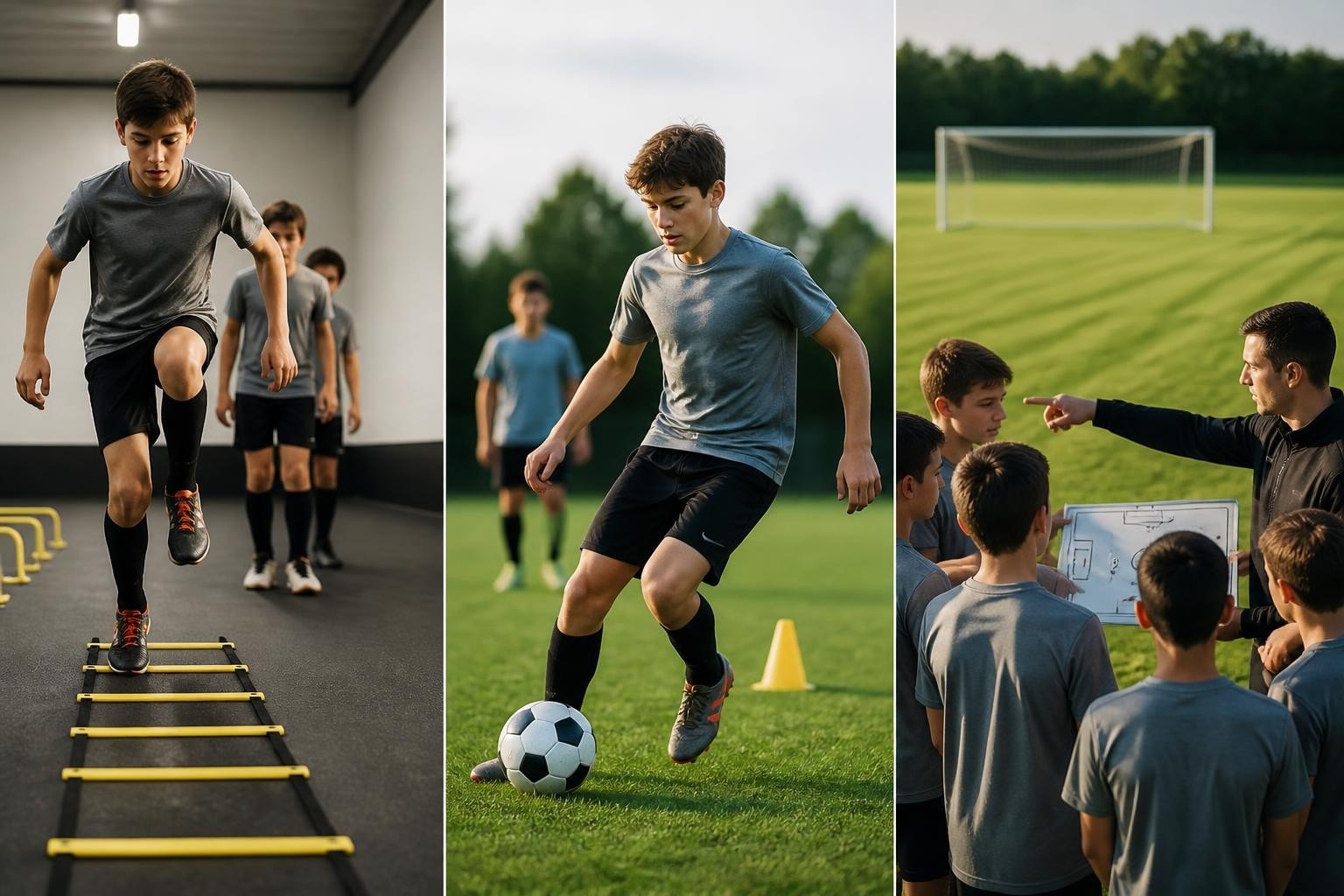
Navigating the landscape of youth soccer can feel overwhelming for parents new to the sport. With multiple leagues, varying competitive structures, and constant changes to age groupings, understanding where your child fits and how they can progress requires clear information. Youth soccer levels represent more than just different tiers of competition-they reflect distinct philosophies about player development, time commitment, and long-term athletic goals. Whether your child is just starting their soccer journey or looking to advance to more competitive environments, knowing the differences between recreational, competitive, and elite programs helps you make informed decisions that align with your family's values and your player's aspirations.
Understanding the Foundation of Youth Soccer Levels
Youth soccer levels in North America operate on a tiered system designed to accommodate players of all abilities and commitment levels. The structure begins with recreational leagues, progresses through competitive travel soccer, and extends to elite development academies and national-level programs.
The distinction between these levels isn't simply about winning or losing. Each tier emphasizes different aspects of player development, coaching quality, and competitive intensity. Recreational programs focus on introducing fundamental skills in a low-pressure environment where participation matters more than results. Competitive levels raise the stakes with tryout-based team selection, tournament travel, and year-round training commitments.
Age Group Changes in 2026
A significant shift is underway across youth soccer in 2026. The transition from calendar-year to school-year age groupings affects how teams are formed and which players compete together. Previously, age groups were determined by birth year with a January 1 cutoff date. Starting in the 2026-2027 season, most youth soccer organizations are implementing an August 1 cutoff aligned with academic school years.
This change means players born between August 1 and December 31 will now compete with younger peers who are in the same grade at school. The new school-year age groupings aim to reduce competitive imbalances and keep teammates together as they progress through both education and athletic development. Parents should verify their child's correct age group for the upcoming season, as this transition creates temporary complexity during the implementation year.

Recreational Youth Soccer Levels
Recreational soccer serves as the entry point for most young players. These community-based programs welcome children regardless of experience or athletic ability, emphasizing fun, basic skill development, and social interaction over competitive outcomes.
Key characteristics of recreational soccer include:
- Open registration policies with no tryouts required
- Volunteer parent coaches supported by club training
- Balanced teams created through draft systems
- One or two practices per week with weekend games
- Shorter seasons typically running fall and spring
- Lower financial commitment compared to competitive levels
Recreational leagues provide the perfect environment for children to discover whether they enjoy soccer. The reduced pressure allows players to experiment, make mistakes, and develop confidence without fear of being benched or cut from teams. Many successful competitive players begin their journeys in recreational programs before transitioning to more demanding environments.
When to Consider Moving Beyond Recreational
Parents often wonder when their child should advance from recreational to competitive youth soccer levels. Several indicators suggest a player may benefit from increased challenge and structure.
Watch for consistent enthusiasm about practice and games, rapid skill acquisition that surpasses teammates, frustration with inconsistent competition levels, and requests for additional training opportunities. These signs indicate readiness for environments where coaching youth soccer becomes more specialized and technically focused.
However, timing varies considerably by individual. Some players thrive with the transition at age eight, while others benefit from additional years developing fundamental skills in lower-pressure settings. The decision should balance the child's athletic abilities with their emotional maturity and genuine interest in increased commitment.
Competitive Travel Soccer Levels
Competitive soccer introduces selective team formation through tryouts, expanded training schedules, and participation in regional tournaments. These programs attract families willing to invest significantly more time and resources in pursuit of higher-level player development.
The competitive landscape includes multiple tier levels even within this category. House competitive teams represent the entry level, offering more structure than recreational soccer while maintaining local schedules. Premier or elite teams compete at state and regional levels with extensive travel commitments. Top-tier teams participate in showcases and national tournaments that attract college scouts and professional academy recruiters.
| Level | Training Frequency | Travel Commitment | Annual Cost | Competition Focus |
|---|---|---|---|---|
| Recreational | 1-2x weekly | Local only | $200-$500 | Participation |
| House Competitive | 2-3x weekly | Regional | $800-$1,500 | Development |
| Premier/Elite | 3-4x weekly | State/Regional | $2,000-$4,000 | Performance |
| Top Tier Select | 4-5x weekly | National | $4,000-$8,000+ | Recruitment |
Understanding Competitive League Structures
Multiple competitive leagues operate across different regions, each with distinct philosophies and membership requirements. Understanding these differences helps parents evaluate which youth soccer levels align with their goals.
Regional leagues focus on geographic proximity with teams competing against clubs within driving distance. State associations organize competitive divisions based on team strength, creating promotion and relegation systems that reward performance. National leagues like those detailed in this youth soccer levels guide offer consistent competition against similarly skilled opponents regardless of location.
The choice between league affiliations often depends on player aspirations. Families focused on college recruitment may prioritize showcases and tournaments with high scout attendance. Those emphasizing balanced development might prefer regional competition that limits travel while maintaining quality coaching.
Elite Development Academy Programs
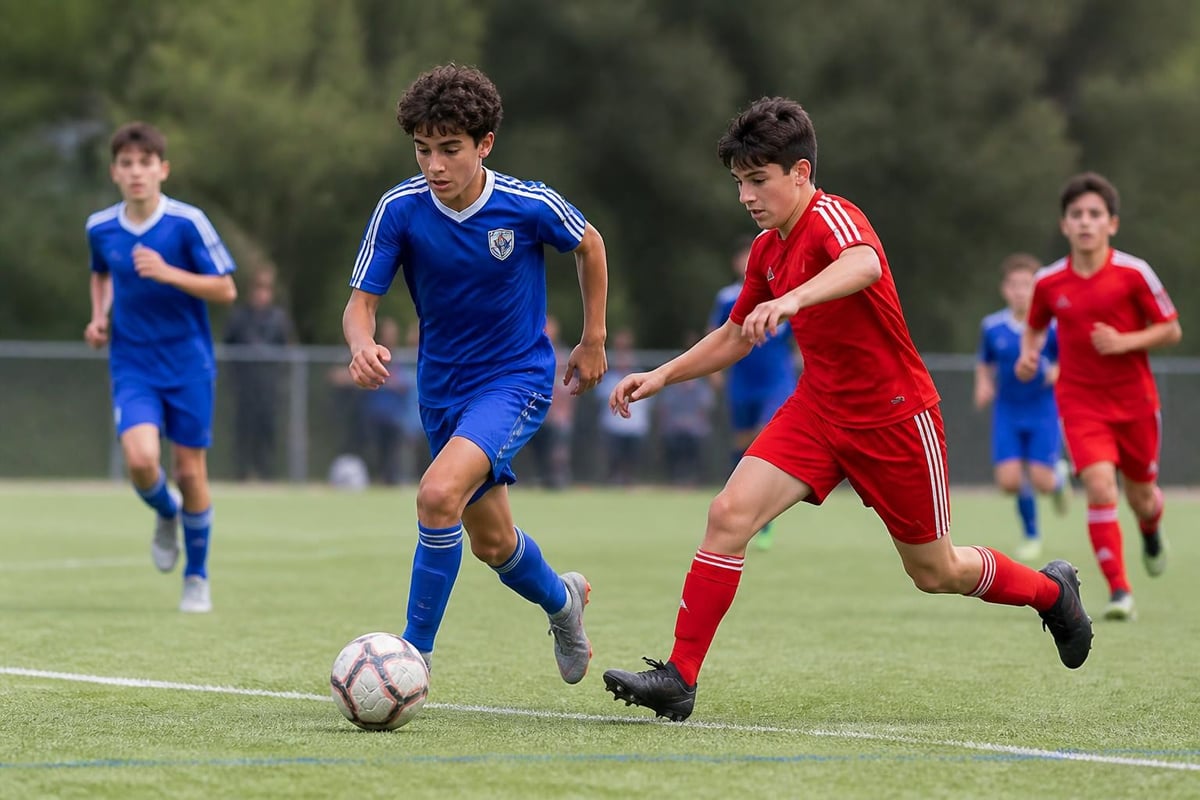
The highest youth soccer levels feature academy structures modeled on European and international development systems. These programs identify talented players early and provide professional-level coaching, training facilities, and competitive opportunities designed to produce college athletes and professional prospects.
Elite academies operate year-round with training sessions scheduled four to six times weekly. Technical development receives intensive focus through individualized coaching, video analysis, and position-specific training. Physical conditioning programs build strength, speed, and endurance using age-appropriate methodologies backed by sports science research.
MLS NEXT and ECNL Pathways
Two prominent elite development platforms dominate the North American landscape. MLS NEXT, operated by Major League Soccer, focuses on identifying players for professional pathways through MLS clubs. The league maintains strict standards for coaching credentials, training frequency, and player development protocols.
ECNL (Elite Clubs National League) provides similar high-level competition with both boys and girls divisions. Member clubs must demonstrate commitment to player development over short-term results, though the competition remains fierce. Both platforms offer showcase events where college coaches and professional scouts evaluate hundreds of players simultaneously.
Players at these youth soccer levels face demanding schedules that challenge academic performance and social development. The commitment requires family support systems capable of managing transportation, tournament travel, and financial investment that can exceed ten thousand dollars annually when factoring in fees, equipment, travel, and accommodation costs.
Canadian Youth Soccer Development
Canadian soccer development follows similar tiered structures while incorporating unique elements reflecting the country's soccer culture. Provincial associations oversee competitive licensing with standards established by Canada Soccer, the sport's national governing body.
The OPDL (Ontario Player Development League) and similar provincial leagues represent competitive pathways aligned with Canada Soccer's Long-Term Player Development model. These programs emphasize age-appropriate training methodologies that balance technical skill acquisition with physical literacy and psychological development.
Canadian academy programs distinguish themselves through:
- Mandatory coaching license requirements enforced provincially
- Integration of Long-Term Athlete Development principles
- Winter indoor training necessitated by climate conditions
- Pathways connecting youth development to Canadian Premier League teams
- Emphasis on maintaining academic achievement alongside athletic development
At Strive Soccer Academy, we've embraced a European-style training philosophy that focuses on technical, tactical, physical, and psychological development. All coaches hold licenses through Canada Soccer, ensuring players receive instruction aligned with national standards while benefiting from international best practices.
Matching Players to Appropriate Levels
Selecting the right youth soccer level requires honest assessment of multiple factors beyond pure athletic ability. The optimal environment balances challenge with enjoyment, pushing players to improve while maintaining their love for the game.
Consider your child's technical proficiency relative to age-appropriate benchmarks. Can they control, pass, and receive the ball consistently under pressure? Do they understand basic tactical concepts like spacing, support, and defensive positioning? Technical skills represent only part of the equation-psychological factors matter equally.
Evaluating Readiness for Competitive Advancement
Emotional maturity influences success at higher competitive levels as much as physical talent. Players must handle constructive criticism, maintain focus during extended training sessions, and manage disappointment when facing stronger opposition or reduced playing time.
- Assess intrinsic motivation: Does your child initiate additional practice independently?
- Evaluate coachability: Can they accept feedback and implement corrections?
- Consider time management: Will they maintain academic performance with increased commitments?
- Review social factors: Are they willing to sacrifice other activities for soccer?
- Examine financial feasibility: Can your family sustain the required investment long-term?
Understanding these resources about youth soccer levels helps parents make informed decisions aligned with family values and player capabilities. The wrong level-either too advanced or insufficiently challenging-can diminish enjoyment and hinder development.

Training Philosophies Across Different Levels
Youth soccer levels differ not just in competitive intensity but in fundamental training philosophies. Recreational programs typically employ game-based learning where children develop skills through modified scrimmages and fun activities. Competitive levels introduce more structured technical training with repetition drills designed to ingrain proper mechanics.
Elite academies implement periodized training plans that systematically develop specific capabilities throughout annual cycles. These programs balance technical work with tactical understanding, ensuring players can execute skills within game contexts. Physical development receives scientific attention with age-appropriate strength, speed, and conditioning protocols that avoid early specialization injuries.
The psychological component distinguishes top-tier programs from lower levels. Mental skills training addresses performance anxiety, resilience building, and competitive mindset development. Players learn visualization techniques, goal-setting frameworks, and emotional regulation strategies that benefit both athletic and life success.
The Role of Small-Sided Games
Progressive development programs emphasize small-sided games that increase touches on the ball while teaching decision-making in realistic scenarios. These modified formats create more scoring opportunities, defensive challenges, and transitional moments compared to full-field games.
Research demonstrates that players participating in 4v4 or 5v5 formats receive substantially more ball contacts than those in traditional 11v11 matches. The increased involvement accelerates technical development while maintaining engagement for all participants regardless of ability level. Forward-thinking clubs structure age-appropriate game formats that prioritize individual development over adult entertainment preferences.
Financial Considerations Across Youth Soccer Levels
The cost of youth soccer increases dramatically as players advance through competitive tiers. Recreational programs typically charge minimal fees covering basic equipment, field maintenance, and volunteer coach training. These costs rarely exceed five hundred dollars annually.
Competitive soccer introduces substantial expenses beyond registration fees. Uniform packages, tournament entry fees, travel costs, and private training sessions quickly accumulate. Premier-level teams commonly incur three to five thousand dollars in direct expenses, with travel tournaments adding hotel, meals, and transportation costs that can double the annual investment.
Elite academy programs command the highest financial commitment. Year-round training, professional coaching staff, specialized facilities, and national-level competition create fee structures that may reach ten thousand dollars or more. Additional costs for goalkeeper training, strength and conditioning, sports psychology, and supplementary development programs extend total expenses significantly.
Budget planning should account for:
- Registration and team fees
- Uniform and equipment costs
- Tournament and league registration
- Travel expenses (hotels, meals, transportation)
- Private or small group training
- Goalkeeper or position-specific coaching
- Off-season training programs and camps
- Medical expenses and injury prevention
Many clubs offer financial assistance programs or payment plans to increase accessibility. Families should inquire about scholarship opportunities early in the registration process to ensure talented players can access appropriate development regardless of economic circumstances.
The College Recruitment Landscape
For families viewing youth soccer as a pathway to college opportunities, understanding the recruitment timeline and process becomes essential. College coaches begin evaluating prospects as early as freshman year of high school, though most serious recruitment occurs during sophomore and junior years.
Playing at higher youth soccer levels increases visibility to college programs, but advancement requires more than team affiliation. Individual standout performance, academic achievement, and proactive communication with coaches determine recruitment success. Players should create highlight videos, attend college showcases, and register with NCAA eligibility centers by sophomore year.
The level of college program a player can realistically target correlates with their competitive experience and individual capabilities. Division I programs recruit almost exclusively from elite academies and top-tier travel teams. Division II and III schools cast wider nets, evaluating players from competitive clubs who demonstrate both athletic ability and academic achievement. NAIA and junior colleges provide additional opportunities for late bloomers or players from less competitive backgrounds.
Parents should maintain realistic expectations about athletic scholarships. Full-ride soccer scholarships are rare, with most collegiate support coming through partial athletic awards combined with academic merit aid. The emphasis should remain on finding programs that fit academically, athletically, and socially rather than focusing solely on scholarship amounts.
Balancing Development with Enjoyment
The most critical consideration when evaluating youth soccer levels involves maintaining your child's genuine love for the sport. Premature advancement to overly competitive environments can extinguish passion through excessive pressure, reduced playing time, or unrealistic expectations.
Research on youth athlete development consistently demonstrates that early specialization in single sports correlates with higher burnout rates and increased injury risk. Multi-sport participation through middle school years develops diverse athletic capabilities while preventing physical and psychological overuse. The rush to elite programs before age thirteen rarely produces superior outcomes compared to age-appropriate development pathways.
Watch for warning signs that your child's current level may not suit their needs. Decreased enthusiasm about practice, complaints about coaching style, anxiety before games, or declining performance can indicate misalignment between player and program. Open communication about their experience provides insight into whether changes might benefit their development.
Successfully navigating youth soccer levels requires balancing competitive challenge with developmental appropriateness. The goal should focus on long-term athlete development rather than short-term results or status. Players who maintain enjoyment, develop fundamental skills properly, and progress through age-appropriate levels typically achieve better outcomes than those rushed into elite environments prematurely.
Selecting the appropriate youth soccer level requires understanding the distinct characteristics, commitments, and philosophies of each tier while honestly evaluating your child's abilities, motivations, and readiness. Whether starting in recreational leagues or advancing to competitive platforms, the focus should remain on age-appropriate development that builds technical skills, tactical understanding, physical capabilities, and psychological resilience. At Strive Soccer Academy, we understand what parents want most for their young athletes-a program that develops skills, builds character, and creates real opportunities through European-style training methods and fully licensed Canada Soccer coaches committed to the complete development of every player.