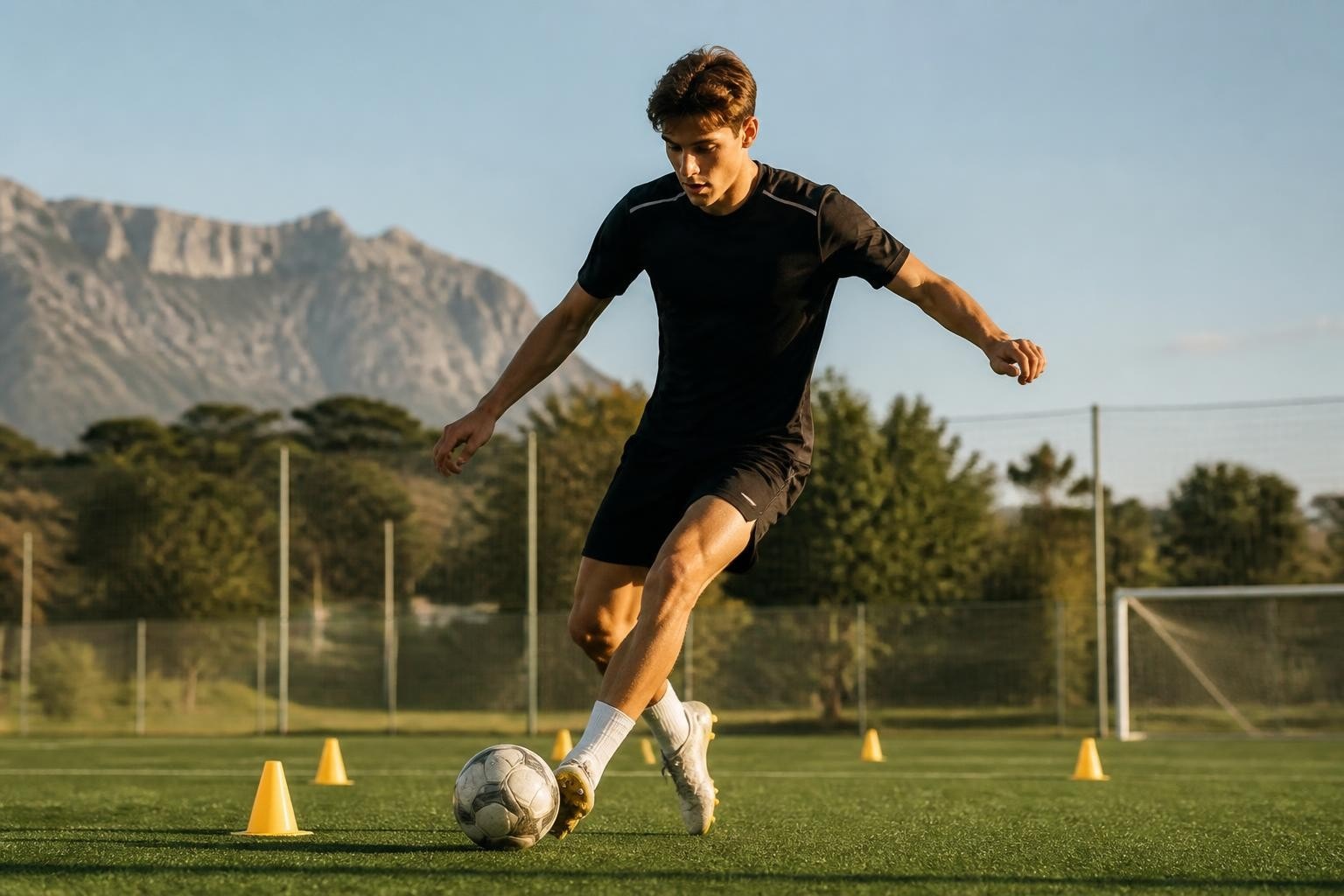
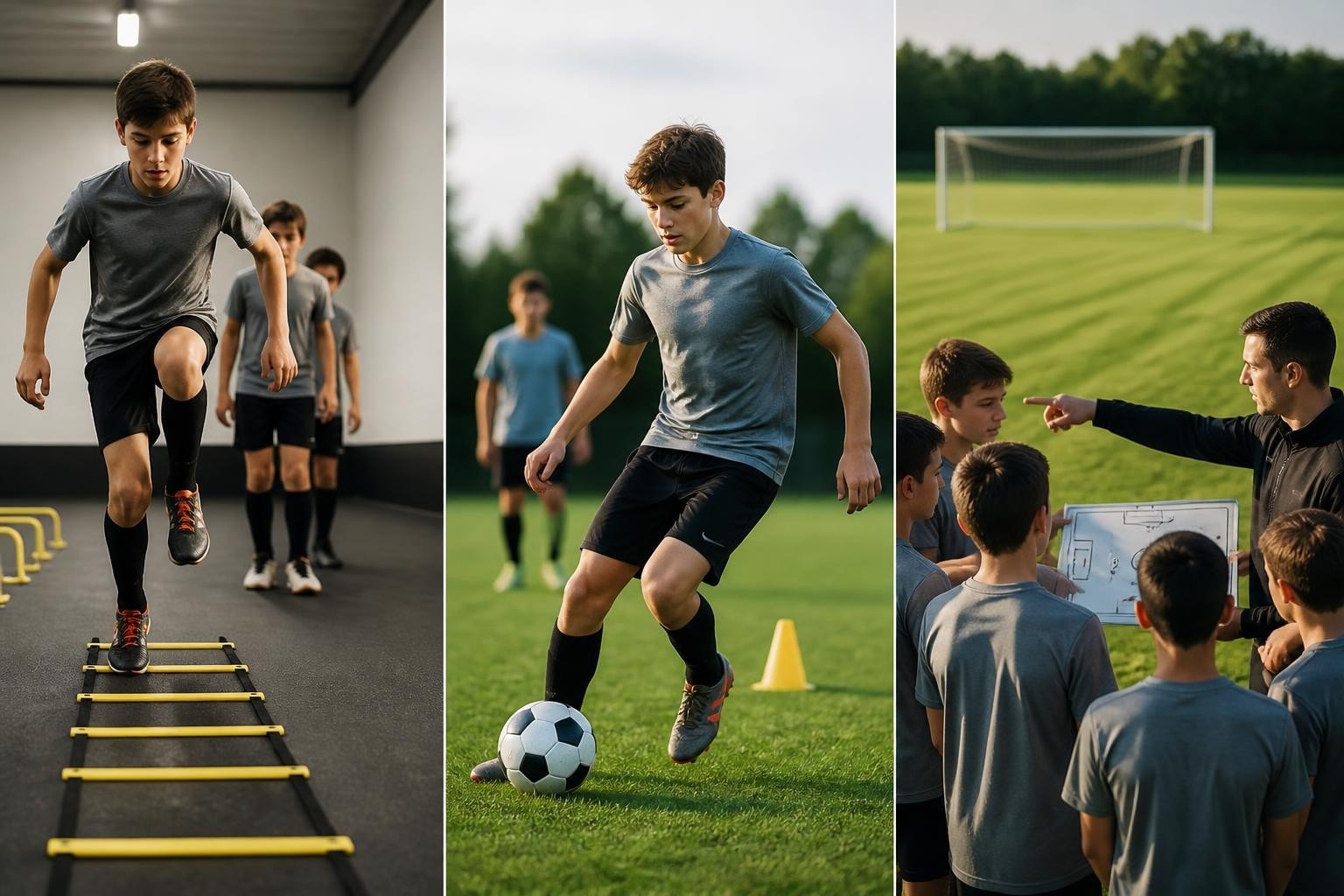
The youth soccer game has evolved dramatically over the past decade, transforming from simple kick-and-chase affairs into strategically sophisticated competitions that mirror professional standards. For parents and coaches watching from the sidelines, understanding what happens during these 60 to 80 minutes of play reveals far more than just the final score. Every youth soccer game represents a critical development opportunity where young athletes apply weeks of training, test their decision-making under pressure, and build the mental resilience that extends well beyond the pitch. Whether your child is just beginning their soccer journey or competing at competitive levels, knowing how to maximize each match experience creates lasting benefits for their athletic and personal growth.
Preparing Your Team for Match Day
Match preparation begins long before kickoff. The 24 hours leading up to a youth soccer game significantly impact performance, recovery, and injury prevention. Players should prioritize adequate sleep, consuming at least 8-10 hours the night before competition to optimize physical readiness and cognitive function.
Pre-game nutrition deserves careful attention:
- Consume a carbohydrate-rich meal 3-4 hours before kickoff
- Include lean protein sources for sustained energy
- Avoid heavy, greasy foods that slow digestion
- Stay hydrated throughout the day, not just at the field
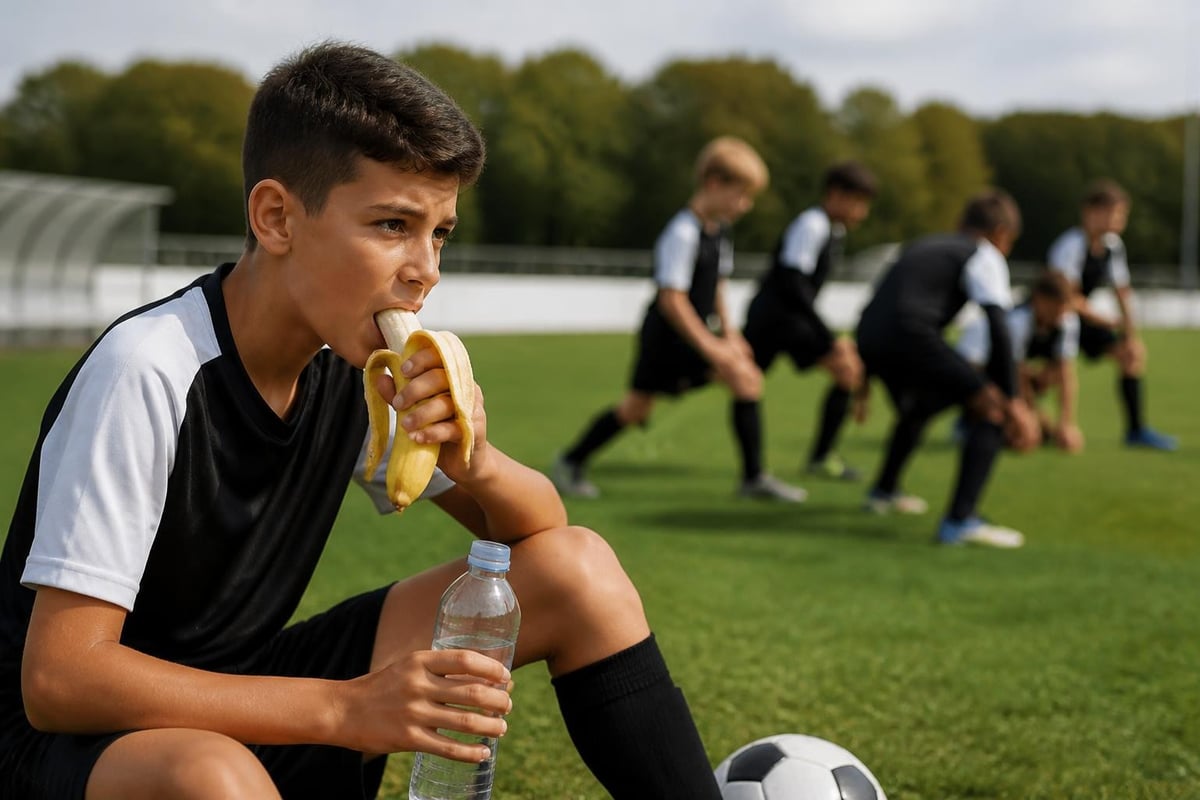
- Pack healthy halftime snacks like orange slices or bananas
The warm-up routine sets the tone for the entire match. Dynamic stretching, ball mastery exercises, and position-specific drills activate muscle groups while mentally preparing players for competition intensity. At Strive Soccer Academy, we emphasize structured warm-up protocols that mirror European training standards, ensuring players arrive at kickoff physically primed and mentally focused.
Mental Preparation Strategies
The psychological component often determines outcomes in closely contested matches. Young players benefit from visualization techniques where they mentally rehearse successful plays, imagine positive outcomes, and prepare responses to challenging situations. Coaches should establish pre-game routines that create familiarity and comfort, reducing anxiety while building confidence.
Goal-setting provides direction without creating overwhelming pressure. Encourage players to identify 2-3 personal objectives for each youth soccer game-perhaps improving first-touch control, communicating more effectively with teammates, or maintaining defensive shape. These individual targets keep players engaged regardless of the scoreboard and provide concrete development markers.
Understanding Youth Soccer Game Structure
Match formats vary significantly by age group, reflecting developmental appropriateness and skill progression. Understanding these official youth soccer rules helps parents and players know what to expect on game day.
| Age Group | Field Size | Players Per Side | Game Duration | Ball Size |
|---|---|---|---|---|
| U6-U8 | 25×35 yards | 4v4 | 4×10 min quarters | Size 3 |
| U9-U10 | 45×70 yards | 7v7 | 2×25 min halves | Size 4 |
| U11-U12 | 55×80 yards | 9v9 | 2×30 min halves | Size 4 |
| U13+ | Full field | 11v11 | 2×35-40 min halves | Size 5 |
Small-sided formats for younger age groups maximize touches, increase decision-making opportunities, and ensure every player remains actively engaged. The transition to larger fields and more players happens progressively, matching cognitive and physical development stages.
Substitution rules also vary by league and competition level. Recreational leagues typically allow unlimited substitutions during stoppages, keeping players fresh and providing equal playing time. Competitive leagues often implement FIFA-style limited substitution rules, adding strategic elements to coaching decisions and rewarding player fitness.
Positional Understanding and Player Roles
Success in any youth soccer game requires players to understand their positional responsibilities while maintaining tactical flexibility. Modern soccer emphasizes versatility, but foundational role comprehension remains essential for team cohesion and individual development.
Youth soccer positions and their roles evolve as players mature and game complexity increases. In younger age groups, positions remain fluid with emphasis on exploration and experimentation. As players reach U11 and beyond, more defined roles emerge.
Defensive Positions
Goalkeepers serve as the last line of defense and first attacking outlet. Beyond shot-stopping, modern keepers must distribute accurately, command their penalty area, and communicate defensive organization. Youth soccer games place enormous responsibility on goalkeepers, requiring mental toughness and concentration throughout the match.
Center backs anchor defensive shape, reading the game several plays ahead. They must balance aggressive ball-winning with positional discipline, understanding when to step forward and when to hold their line. Strong communication skills allow center backs to organize the entire defensive unit.
Fullbacks combine defensive solidity with attacking width. In today's game, fullbacks frequently join attacks, providing overlapping runs and crossing opportunities. Stamina becomes crucial as these positions cover vast distances during a youth soccer game.
Midfield Positions
The midfield represents the game's engine room, connecting defense to attack while controlling tempo and possession. Defensive midfielders shield the back line, breaking up opposition attacks and recycling possession. Central midfielders require complete skill sets-passing range, tactical awareness, and physical endurance.
Attacking midfielders create goal-scoring opportunities through vision, technical skill, and clever movement. These players often operate in tight spaces, requiring exceptional first touch and decision-making speed. Youth soccer tactics increasingly emphasize midfielder versatility, with players rotating positions and responsibilities throughout matches.
Forward Positions
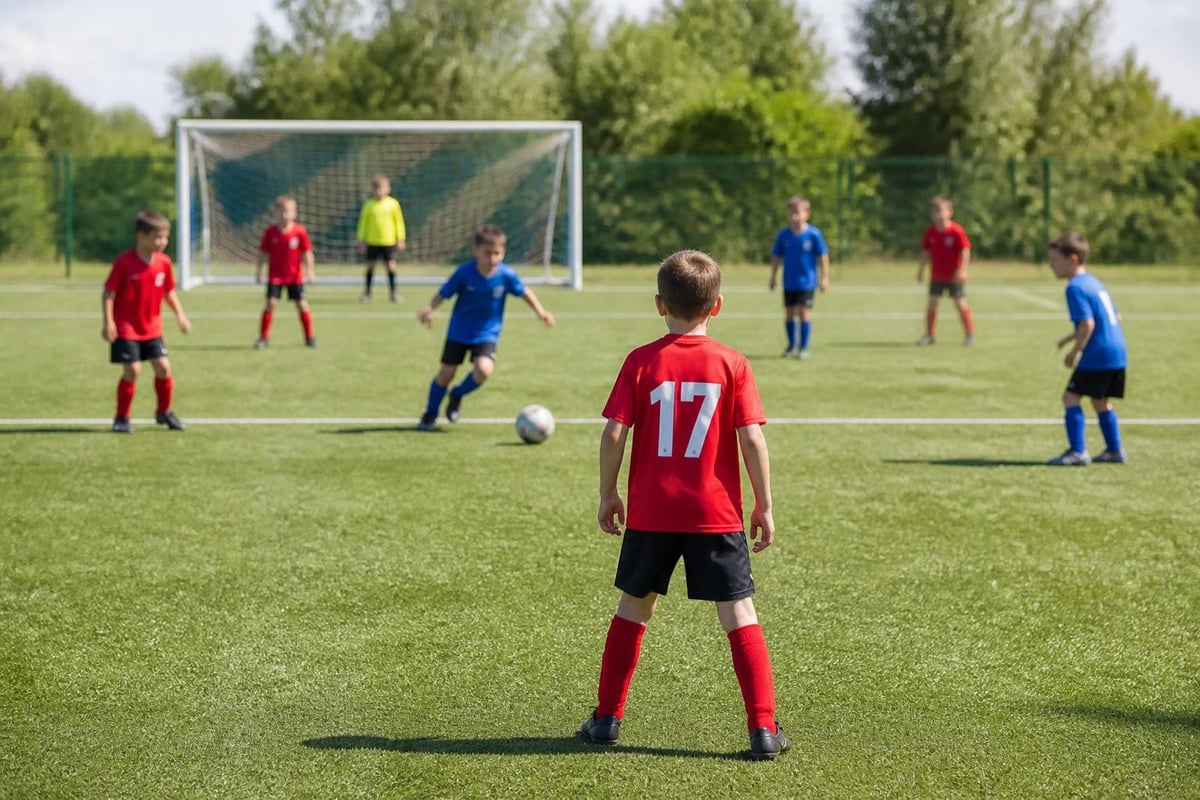
Strikers carry goal-scoring responsibility, but modern forwards contribute far beyond finishing chances. Movement off the ball creates space for teammates, pressing forces defensive errors, and holdup play brings others into attack. Wing forwards combine speed with technical ability, attacking space behind defensive lines while cutting inside to shoot.
Training Drills That Transfer to Game Situations
The most effective training directly translates to youth soccer game performance. Youth soccer training drills should replicate match conditions, incorporating pressure, decision-making, and technical execution under fatigue.
Passing progression exercises:
- Start with stationary two-touch passing in pairs
- Add movement with give-and-go combinations
- Introduce defensive pressure with 3v1 or 4v2 rondos
- Progress to possession games in confined spaces
- Finish with position-specific passing patterns
These comprehensive passing drills build the technical foundation and tactical awareness players need when matches intensify. Quality repetition under varied conditions creates automatic responses during competition.
Small-sided games provide the highest transfer value to full matches. The best small-sided games maximize touches, force constant decision-making, and develop game understanding organically. A 4v4 game on a 30×40 yard field creates more learning opportunities than any isolated drill.
Critical Game Moments and Decision-Making
Every youth soccer game contains pivotal moments that determine outcomes. Recognizing and preparing for these critical game situations separates well-coached teams from those relying solely on individual talent.
Key match scenarios include:
- Goal-kick distribution under pressure
- Defensive transitions after losing possession
- Attacking transitions following turnovers
- Set-piece execution both offensively and defensively
- Managing the final minutes when protecting a lead
Coaches should dedicate practice time to these specific situations, creating realistic scenarios that players will face during competition. Repetition builds confidence and automatic responses, allowing players to execute under pressure without hesitation.
The transition moments-switching between attack and defense-often produce the most dangerous opportunities. Teams that react quickly following turnovers create numerical advantages before opponents reorganize. Teaching players to recognize transition triggers and respond instinctively provides significant competitive advantages throughout a youth soccer game.
Communication and Leadership
Vocal communication transforms team performance. Goalkeepers directing defensive positioning, midfielders calling for the ball, and forwards signaling runs all contribute to cohesive team play. Many young players remain quiet during matches, missing opportunities to help teammates through verbal cues.
Encourage players to use specific, actionable communication:
- "Man on!" warns of approaching pressure
- "Turn!" indicates space to receive and turn
- "Switch!" signals a change of point of attack
- "Hold!" advises securing possession rather than forcing passes
Leadership emerges naturally when players feel empowered to communicate and make decisions. Rotating captain responsibilities gives multiple players ownership, building confidence and accountability across the roster.
The Parent's Role During Competition
Parent behavior significantly impacts the youth soccer game experience for players, coaches, and officials. Positive sideline presence creates supportive environments where young athletes feel encouraged to take risks and learn from mistakes.
Effective parent support includes:
- Offering encouragement regardless of outcome
- Focusing on effort and improvement over results
- Respecting referees and their decisions
- Allowing coaches to coach without interference
- Celebrating good play from both teams
Avoid coaching from the sidelines or contradicting team tactics. Players receive sufficient instruction from their coaches-additional input creates confusion and undermines authority. Trust the professional coaching staff to guide technical and tactical development.
The car ride home provides valuable reflection time. Ask open-ended questions about what your child enjoyed, what they found challenging, and what they learned. Avoid immediately critiquing performance or dwelling on mistakes. Youth soccer games should remain enjoyable, building lifelong appreciation for the sport.
Physical Conditioning for Match Fitness
A youth soccer game demands significant aerobic and anaerobic capacity. Players frequently run 3-5 miles during matches, with repeated high-intensity sprints, directional changes, and physical contests. Age-appropriate conditioning ensures players maintain performance throughout competition.
| Fitness Component | Training Method | Frequency | Benefits |
|---|---|---|---|
| Aerobic endurance | Continuous running | 2x weekly | Sustains energy levels |
| Speed | Sprint intervals | 2x weekly | Improves acceleration |
| Agility | Cone drills | 3x weekly | Enhances change of direction |
| Strength | Bodyweight exercises | 2x weekly | Prevents injuries, improves power |
Young athletes should build fitness gradually, avoiding overtraining that leads to burnout or injury. Programs like those offered at Strive Soccer Academy balance technical skill development with appropriate physical conditioning, ensuring players arrive at each youth soccer game prepared for the demands of competition.
Recovery protocols matter just as much as training intensity. Adequate rest between matches, proper nutrition, hydration, and active recovery sessions help young bodies adapt to training stress while minimizing injury risk.
Post-Game Analysis and Learning
The learning doesn't end when the final whistle blows. Thoughtful post-game reflection accelerates development and helps players internalize lessons from competition. Coaches should conduct brief team reviews focusing on 2-3 key observations rather than overwhelming players with excessive feedback.
Effective review sessions:
- Highlight positive moments and successful execution
- Identify one or two improvement areas
- Connect game situations to upcoming training focus
- Encourage player input and self-assessment
- Keep the tone constructive and forward-looking
Video analysis provides powerful learning opportunities when used appropriately. Short clips highlighting specific tactical concepts or individual moments help players see themselves objectively. Modern platforms make video review accessible even for recreational programs, though quality coaching remains more important than technology.
Individual player meetings offer personalized development guidance. Discussing specific moments from the youth soccer game-both successes and challenges-helps players understand their progress within the larger development pathway that extends from academy training through competitive levels.
Building Long-Term Development Through Game Experience
Each youth soccer game represents one step in a multi-year development journey. The best programs balance competitive success with long-term player growth, ensuring young athletes develop complete skill sets rather than temporary advantages.
Research consistently shows that early specialization and excessive competition volume increase injury rates and burnout while limiting ultimate potential. Players benefit most from varied playing experiences, multiple positions, and balanced training that addresses technical, tactical, physical, and psychological development.
The Strive Soccer Academy philosophy exemplifies this comprehensive approach, ensuring every match experience contributes to holistic athlete development. Rather than chasing short-term wins through limited tactics or physical advantages, quality programs build the foundation for sustained excellence.
Youth soccer games should challenge players appropriately, providing opportunities to apply training in competitive environments without overwhelming pressure. The goal remains developing capable, confident players who love the game and possess the skills to succeed at higher levels.
Understanding what makes a successful youth soccer game extends far beyond the final score, encompassing preparation, tactical awareness, physical readiness, and psychological development. When parents and coaches work together to create supportive, challenging environments, young athletes thrive both on and off the field. Strive Soccer Academy brings European-style training excellence to Surrey, BC, developing complete players through professionally licensed coaches who focus on technical mastery, tactical intelligence, physical conditioning, and mental strength-ensuring every match becomes a meaningful step in your child's soccer journey.