Choosing the right youth soccer academy for your child represents one of the most important decisions in their athletic journey. With countless programs available across North America, parents face the challenge of identifying which academy will truly develop their young athlete's skills while building character and creating opportunities for growth. Understanding what separates exceptional youth soccer academies from recreational programs helps families make informed choices that align with their goals and values.
What Defines a Quality Youth Soccer Academy
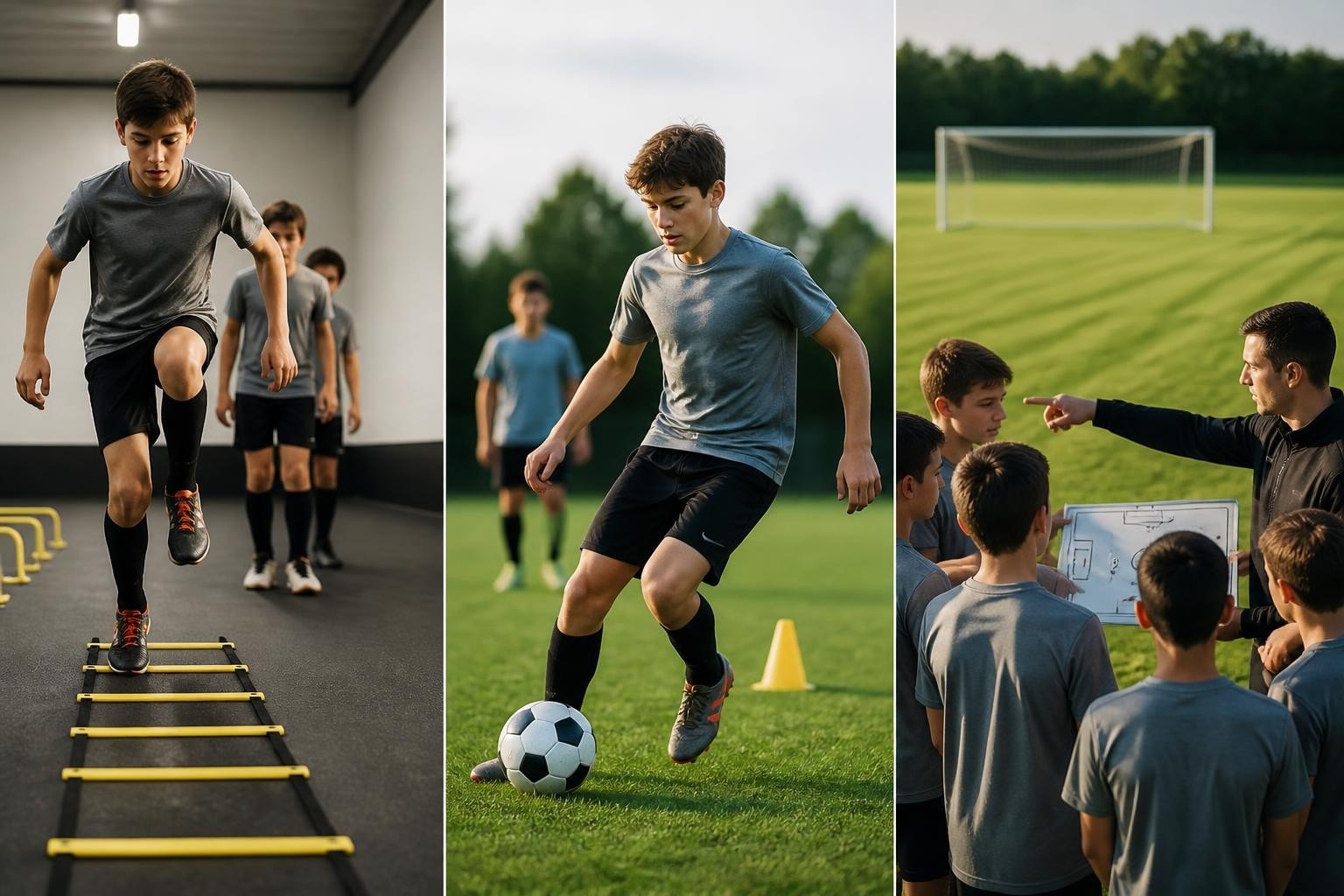
A comprehensive youth soccer academy extends far beyond basic skills training on the field. The best programs integrate multiple development areas to create well-rounded athletes who understand the game at a deeper level. These academies focus on technical mastery, tactical awareness, physical conditioning, and psychological strength, recognizing that success in soccer requires excellence across all four dimensions.
The Four Pillars of Player Development
Technical development forms the foundation of any quality academy program. Players must master ball control, passing accuracy, shooting technique, and dribbling skills through repetitive, purposeful practice. Quality academies dedicate significant training time to technical refinement, understanding that superior technique creates competitive advantages at every level of play.
Tactical understanding separates good players from great ones. Youth soccer academies that emphasize tactical development teach athletes to read the game, make intelligent decisions under pressure, and understand positional responsibilities. This cognitive aspect of soccer often receives less attention in recreational programs but proves critical for long-term success.
The physical pillar addresses strength, speed, agility, and endurance. Age-appropriate conditioning ensures young athletes develop the physical tools necessary to execute technical skills and tactical decisions effectively during competitive matches.
Finally, psychological development builds mental resilience, confidence, and leadership qualities. Research into player development pathways demonstrates that mental strength often determines which talented youth players continue advancing through competitive levels.
European Training Philosophy in North American Academies
European soccer academies have long set the global standard for youth development, producing generations of world-class players through systematic, principles-based training. Forward-thinking North American programs now adapt these proven methodologies to local contexts, creating hybrid approaches that combine European technical excellence with North American athletic development.
Key Elements of European-Style Training
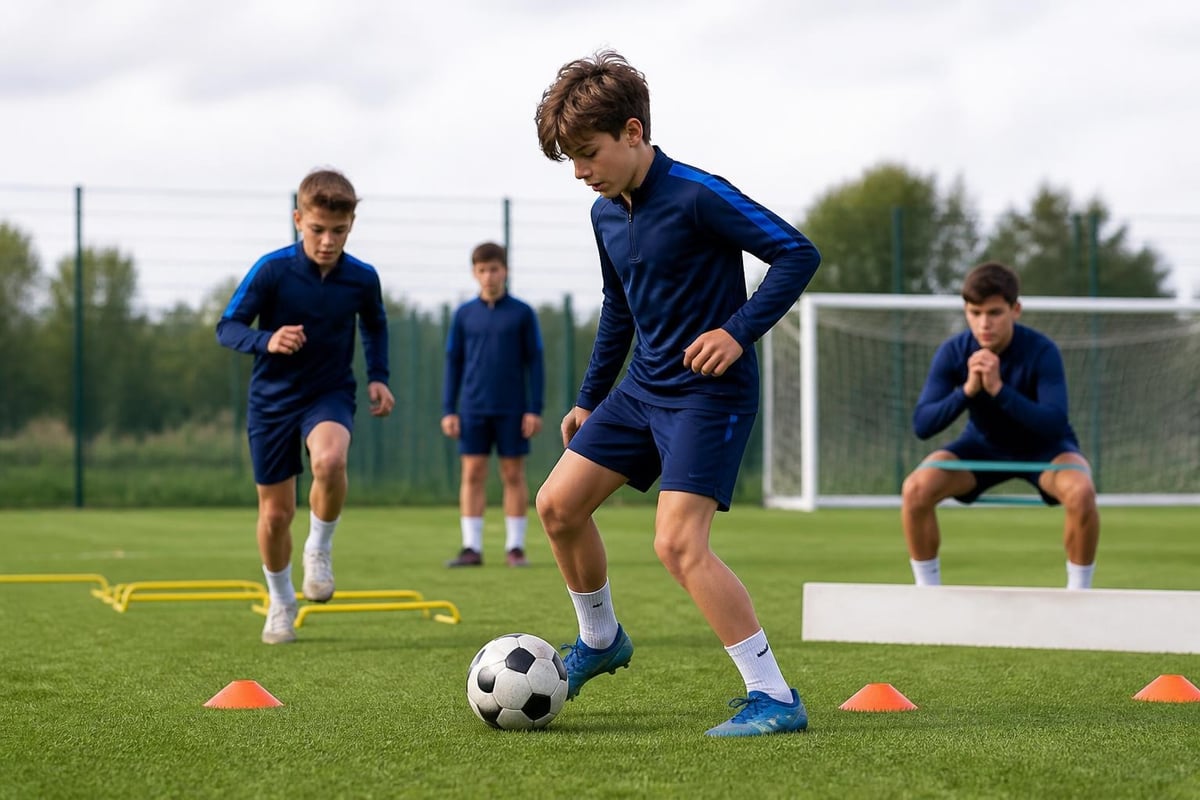
European academies prioritize ball mastery from the earliest ages. Young players spend countless hours developing their relationship with the ball through various touches, moves, and techniques. This emphasis on technical foundation creates players comfortable in possession under pressure.
- Small-sided games dominate training sessions
- Positional play concepts introduced early
- Individual skill development integrated with team tactics
- Emphasis on intelligent decision-making over physical dominance
- Long-term player development over short-term results
The Certified Youth Academy program highlights these player-centered development principles, demonstrating how quality programs structure their curriculum around athlete needs rather than coach convenience or team results alone.
Coaching Credentials and Development Standards
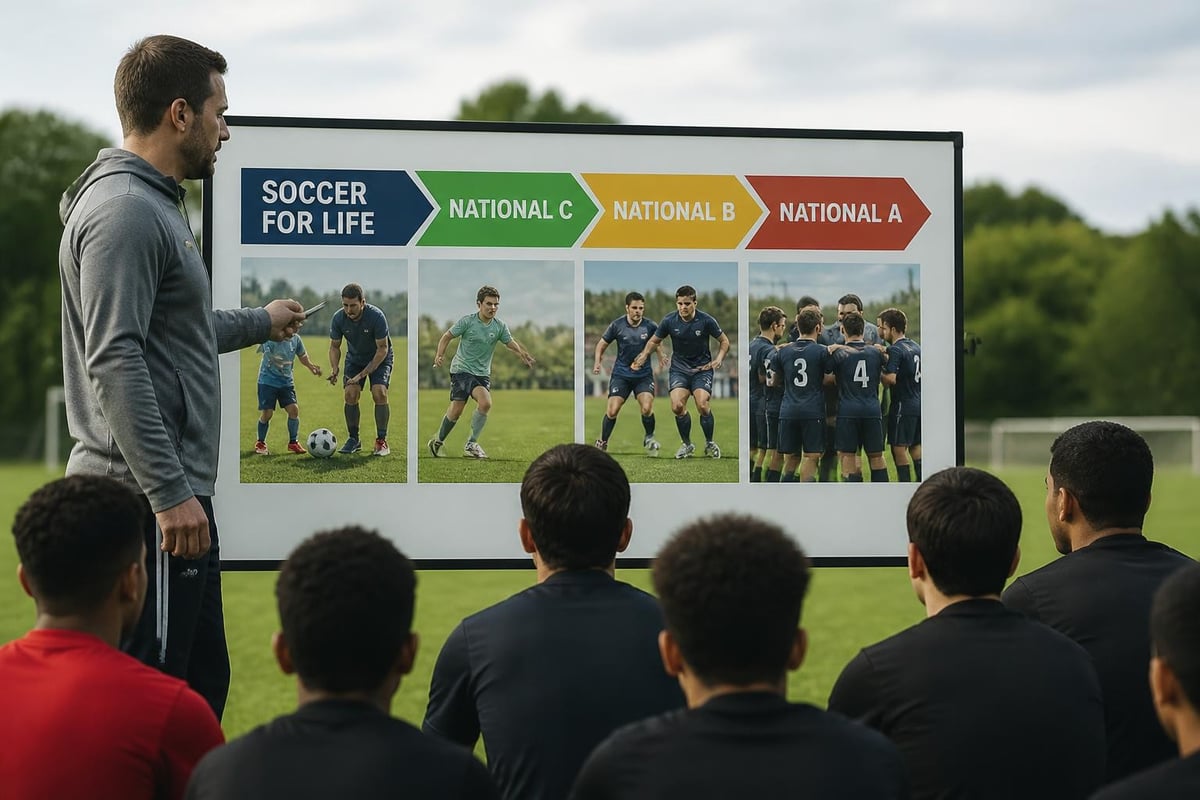
Coaching quality directly impacts player development outcomes. Parents evaluating youth soccer academies should prioritize programs employing fully licensed coaches with recognized certifications from national governing bodies. In Canada, this means coaches holding certifications from Canada Soccer, ranging from introductory Soccer for Life credentials to advanced National A licenses.
| License Level | Focus Area | Typical Experience |
|---|---|---|
| National A License | Professional/Elite | 5+ years elite coaching |
| National B License | Competitive Youth | 3-5 years competitive coaching |
| National C License | Development Programs | 1-3 years coaching experience |
| Soccer for Life | Grassroots/Introduction | Entry-level certification |
Licensed coaches understand age-appropriate training methodologies, injury prevention, and long-term athlete development models. They design sessions based on pedagogical principles rather than replicating drills without understanding their developmental purpose.
Continuing Education for Coaching Staff
The best youth soccer academies invest in ongoing coach development. The game evolves constantly, with new tactical trends, training methodologies, and sports science insights emerging regularly. Quality programs ensure their coaching staff participates in continuing education workshops, attends conferences, and studies current best practices from leading academies worldwide.
Talent Identification and Player Pathways
Understanding how youth soccer academies identify and develop talent helps parents set realistic expectations while supporting their children's progress. Modern academies employ sophisticated evaluation systems that look beyond current performance to assess potential for growth and development.
Multi-Dimensional Assessment Criteria
Global talent identification processes reveal that elite academies evaluate players across numerous attributes, including technical proficiency, game intelligence, physical capabilities, and psychological characteristics. No single factor determines selection; instead, coaches assess the complete player profile and potential trajectory.
Contemporary academies also recognize the importance of relative age effects, understanding that players born earlier in selection year often demonstrate temporary physical advantages that may not reflect true potential. Quality programs account for these developmental differences when making long-term player assessments.
Age-Appropriate Training Design
Effective youth soccer academies tailor their training approaches to match developmental stages. What works for sixteen-year-olds proves inappropriate for eight-year-olds, yet many programs apply similar methodologies across age groups without proper modification.
Training Focus by Age Group
Ages 6-9: Foundation phase emphasizing fun, basic motor skills, and introduction to soccer fundamentals. Training should prioritize exploration, creativity, and building positive associations with the game. Technical work focuses on basic ball manipulation and coordination.
Ages 10-12: Skill development phase where players refine techniques and begin understanding tactical concepts. Training intensity increases gradually while maintaining playful elements that keep young athletes engaged and motivated.
Ages 13-15: Competition phase introducing more sophisticated tactical systems and positional specialization. Physical development becomes more prominent, with appropriate strength and conditioning programs. Mental skills training addresses competitive pressure and performance anxiety.
Ages 16-18: Performance phase preparing players for collegiate or professional pathways. Training resembles adult programs with high intensity, advanced tactics, and comprehensive physical conditioning. Soccer Skills Training programs at this level emphasize game-realistic scenarios and decision-making under fatigue.
Family Investment Considerations
Joining a competitive youth soccer academy represents a significant family commitment extending beyond financial costs. Parents must consider time requirements, travel demands, and the overall impact on family life before enrolling their child in intensive programs.
Financial Transparency and Value
Quality academies provide clear, upfront information about all costs associated with participation. Beyond basic tuition, families should budget for:
- Uniform and equipment requirements
- Tournament registration and travel expenses
- Additional training sessions or clinics
- Facility fees and administrative costs
The best programs demonstrate value through qualified coaching, appropriate training facilities, competitive opportunities, and comprehensive player development support. Parents should evaluate cost relative to these quality indicators rather than seeking the cheapest option available.
Creating Development Opportunities Beyond Training
Distinguished youth soccer academies extend player development beyond scheduled training sessions. They create ecosystems supporting continuous improvement through multiple touchpoints and resources.
Supplemental programming might include video analysis sessions where players review their performance and identify areas for improvement. Some academies provide strength and conditioning programs designed specifically for youth athletes, ensuring physical development complements technical training. Mental skills workshops help players develop focus, resilience, and performance routines that transfer beyond soccer.
Access to quality coaching resources ensures players receive consistent messaging and development support across all program components. This integrated approach accelerates player growth while reducing conflicting information that can confuse young athletes.

Competitive Frameworks and Tournament Exposure
Meaningful competition provides essential context for player development. Youth soccer academies should offer appropriate competitive opportunities that challenge athletes without overwhelming them or prioritizing results over development.
Balancing Competition and Development
The best academies view competition as a development tool rather than an end goal during youth years. They select tournaments and leagues that provide suitable challenges while maintaining focus on long-term player growth. This approach sometimes means accepting short-term losses in service of building skills and understanding that will yield better results later.
Research on youth academy attributes indicates that players who experience diverse competitive environments develop broader skill sets and greater adaptability than those competing exclusively against similar opponents.
Parent Communication and Involvement
Transparent, consistent communication between academy staff and families creates the foundation for successful player development. Parents should expect regular updates about their child's progress, clear explanations of training philosophies, and accessible pathways for addressing questions or concerns.
Quality programs establish boundaries that allow coaches to do their work while keeping parents appropriately informed. They educate families about their role in supporting young athletes without applying excessive pressure or second-guessing coaching decisions.
Supporting Your Young Athlete Effectively
Parents maximize their child's academy experience by:
- Maintaining positive attitudes regardless of performance outcomes
- Ensuring adequate rest, nutrition, and recovery between training sessions
- Avoiding technical coaching from the sidelines during games
- Celebrating effort and improvement rather than results alone
- Communicating openly with coaching staff about concerns
Understanding what makes quality training different helps parents align their support with academy philosophies and development objectives.
Evaluating Academy Culture and Values
The culture pervading a youth soccer academy influences player development as significantly as training methodologies. Programs emphasizing respect, discipline, teamwork, and personal responsibility create environments where young athletes thrive both athletically and personally.
Red Flags and Positive Indicators
When evaluating potential academies, watch for warning signs including coaches who scream at players, programs prioritizing winning over development at young ages, or organizations making unrealistic promises about college scholarships or professional opportunities.
Positive indicators include coaches who teach and encourage rather than criticize, age-appropriate competitive expectations, and realistic discussions about player pathways. Quality academies acknowledge that most participants won't become professional players but will benefit tremendously from structured, high-quality soccer education.
Long-Term Athletic Development Models
Progressive youth soccer academies align their programming with Long-Term Athletic Development (LTAD) frameworks that recognize distinct developmental stages requiring different training emphases. These models ensure young athletes build appropriate foundations before advancing to higher intensity training.
LTAD principles prevent early specialization injuries while developing well-rounded athletes with diverse movement capabilities. They acknowledge that physical, cognitive, and emotional development don't progress uniformly, requiring flexible approaches that meet individual players where they are developmentally.
Technology Integration in Modern Academies
Contemporary youth soccer academies increasingly leverage technology to enhance player development. GPS tracking systems monitor training loads and ensure appropriate work-rest ratios. Video analysis platforms allow players to review their performances and understand tactical concepts more clearly. Some advanced programs even utilize data-driven performance frameworks to provide objective assessments of player contributions.
Technology should complement rather than replace traditional coaching wisdom. The most effective academies use technological tools to inform coaching decisions and provide players with additional feedback mechanisms without allowing data to override human judgment and relationship-building.
Injury Prevention and Player Welfare
Responsible youth soccer academies prioritize player health and safety through comprehensive injury prevention programs. These include proper warm-up protocols, age-appropriate training volumes, education about warning signs of overuse injuries, and clear return-to-play guidelines following injuries.
Quality programs also address broader player welfare issues including mental health support, academic balance, and social development. They recognize that healthy, happy, well-rounded individuals become better athletes than those experiencing burnout or excessive pressure.
Regional Considerations and Local Context
Youth soccer academy quality varies significantly by region, influenced by local soccer culture, available facilities, and coaching talent pools. Geographic recruitment strategies used by professional clubs demonstrate how location impacts talent development opportunities and pathways.
Parents should evaluate academies within their specific geographic context, understanding that rural programs face different challenges and opportunities than urban academies. The best program for your family balances quality with practical considerations like travel time and local competitive opportunities.
Selecting a youth soccer academy requires careful evaluation of coaching quality, training philosophy, developmental approach, and overall program culture. The right academy develops technical excellence, tactical understanding, physical capabilities, and mental strength while building character and creating genuine opportunities for young athletes. Strive Soccer Academy brings European-style training philosophy to Surrey, BC, with fully licensed Canada Soccer coaches focusing on comprehensive player development across technical, tactical, physical, and psychological dimensions. Discover how our player-centered approach can help your young athlete reach their full potential on and off the field.