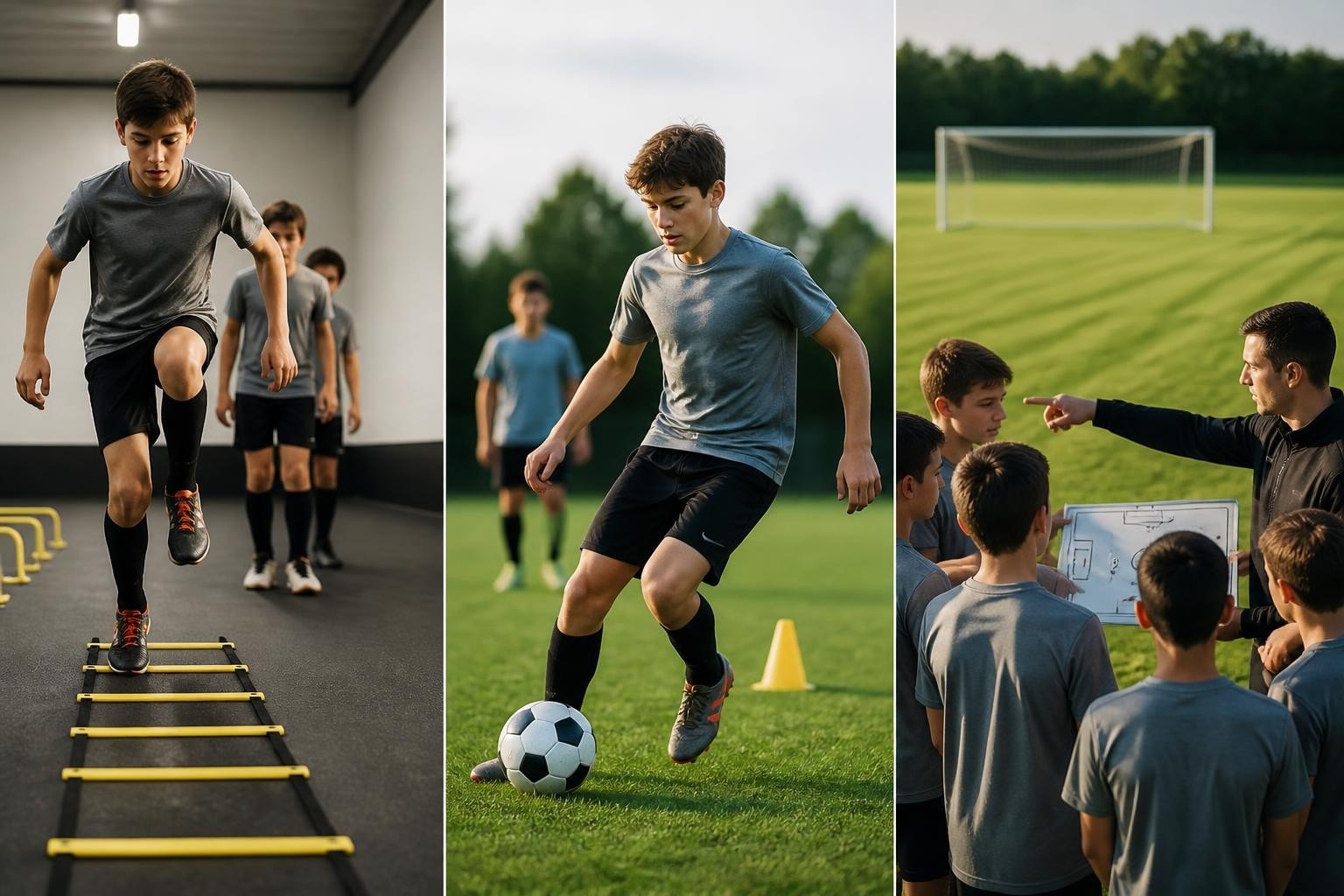
Finding the right youth soccer academy near me has become one of the most important decisions parents make for their young athletes. With the growth of soccer in North America and the increasing professionalization of youth development, the choices have expanded dramatically. Today's academies range from community-based programs to elite training environments that mirror European development models. Understanding what separates exceptional academies from average ones requires looking beyond convenient locations and evaluating the fundamental pillars of player development: coaching quality, training philosophy, competitive opportunities, and long-term player growth strategies.
Understanding Modern Youth Soccer Academy Structures
The landscape of youth soccer academies has evolved significantly over the past decade. Parents searching for a youth soccer academy near me will encounter various organizational models, each with distinct characteristics and development approaches.
Traditional club academies operate within recreational or competitive club structures, offering tiered programs based on skill level. These programs typically serve large player populations with varying commitment levels and competitive aspirations.
Professional academy affiliates connect with MLS teams and their development systems, creating pathways for elite players to progress toward professional opportunities. These programs maintain the highest competitive standards and often require significant time commitments.
Independent elite academies operate autonomously, developing their own curriculum and competitive schedules. These academies often implement European-style methodologies focused on technical mastery and tactical understanding.
The organizational structure directly impacts training frequency, coaching expertise, competitive exposure, and development philosophy. Creating player-centered learning environments requires institutional commitment that transcends simple organizational charts.
Key Organizational Indicators
| Academy Type | Training Frequency | Coach Qualifications | Competitive Level | Development Focus |
|---|---|---|---|---|
| Community Club | 1-2x weekly | Grassroots certified | Local leagues | Participation & fun |
| Competitive Club | 2-3x weekly | Provincial licenses | Regional competition | Balanced development |
| Elite Academy | 3-5x weekly | National licenses | National/international | Professional pathway |
Evaluating Coaching Quality and Credentials
Coaching expertise represents the cornerstone of any exceptional youth soccer academy near me. The difference between certified, experienced coaches and well-meaning volunteers fundamentally shapes player development trajectories.
Professional coaching credentials indicate formal training in player development, age-appropriate methodologies, and technical expertise. Canada Soccer's licensing pathway includes Grassroots, Youth, B, A, and Pro licenses, each requiring extensive coursework, practical assessments, and continuing education.
National A License coaches bring sophisticated tactical understanding and experience working with high-level players. These coaches design periodized training plans, implement position-specific development, and adapt methodologies to individual player needs. Their expertise accelerates technical refinement and tactical comprehension in ways recreational coaches cannot replicate.
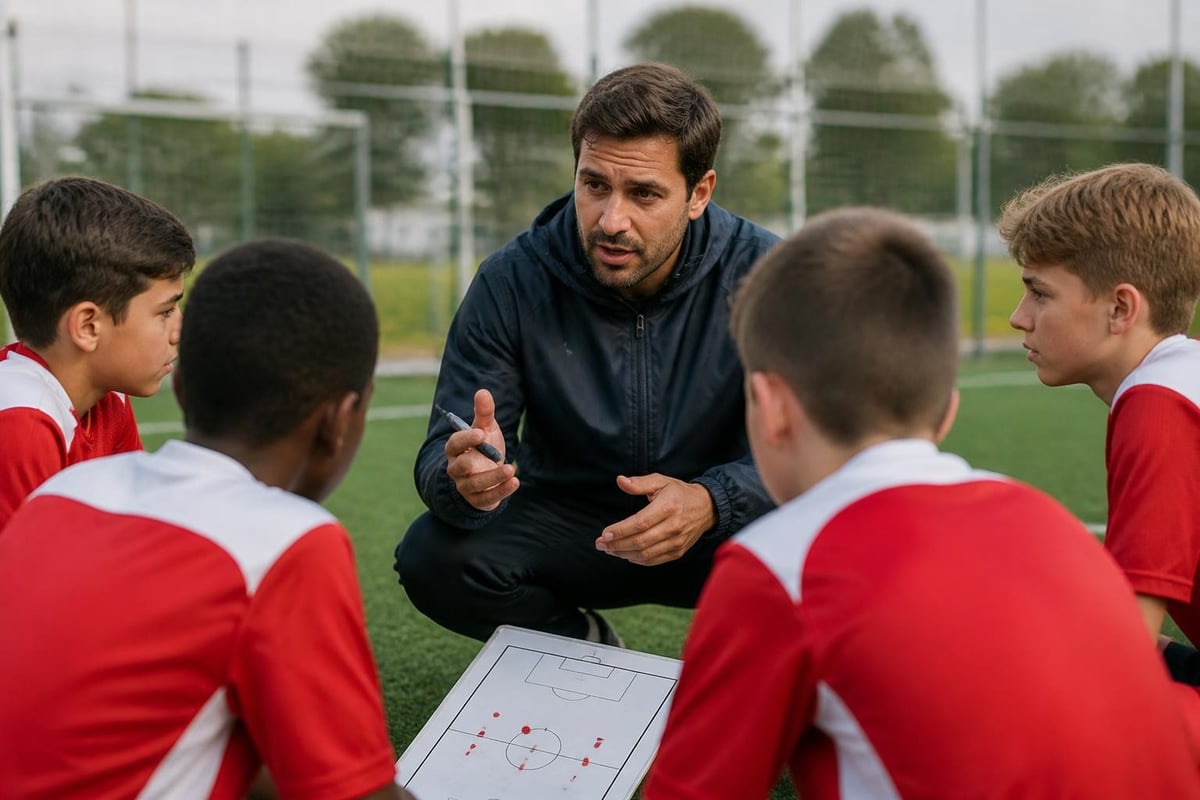
Beyond credentials, coaching consistency matters tremendously. Programs with high coach turnover disrupt player relationships and interrupt development progressions. Understanding what makes training different helps parents evaluate whether an academy invests in coaching stability and professional development.
Essential coaching qualities to assess:
- Current valid licensing through recognized governing bodies
- Specialized training in age-appropriate development
- Experience coaching at multiple competitive levels
- Commitment to ongoing professional education
- Player-centered communication approaches
- Demonstrated player progression outcomes
The Four Pillars of Player Development
Comprehensive player development extends far beyond technical skills. When researching a youth soccer academy near me, parents should verify that programs address all four development pillars: technical, tactical, physical, and psychological.
Technical Development
Technical mastery forms the foundation of soccer excellence. Quality academies dedicate substantial training time to ball mastery, first touch refinement, passing precision, and position-specific skills. Structured practice sessions progressively challenge players while maintaining high repetition rates for skill automation.
Age-appropriate technical training recognizes developmental readiness. Young players require different technical focuses than teenagers, with emphasis shifting from fundamental ball manipulation to sophisticated combination play and tactical execution.
Tactical Understanding
Tactical development teaches players to recognize patterns, make intelligent decisions, and understand positional responsibilities. Modern academies implement game-based training that simulates match situations, requiring players to solve problems under pressure.
Small-sided games provide ideal tactical learning environments, increasing decision-making opportunities and touches per player. Small sided games accelerate tactical comprehension by creating repetitive decision-making scenarios in simplified formats.
Physical Conditioning
Physical development must align with biological maturation rather than chronological age. Quality academies implement age-appropriate conditioning that builds movement literacy, coordination, and soccer-specific athleticism without risking overuse injuries or burnout.
Periodization ensures training intensity fluctuates strategically throughout the season. Ideal youth soccer training schedules balance training volume with adequate recovery, recognizing that young athletes require different physical management than professionals.
Psychological Growth
Mental resilience, confidence, and competitive composure distinguish elite players. Academy environments should foster growth mindset, emotional regulation, and intrinsic motivation rather than relying solely on external rewards or pressure.
The proven benefits of youth soccer extend beyond physical fitness to include mental health support, confidence building, and social connection. These psychological advantages require intentional program design and coaching approaches.
Curriculum Design and Training Methodology
The training curriculum reveals an academy's developmental philosophy. When evaluating a youth soccer academy near me, examine whether programming follows recognized development frameworks or operates without coherent long-term planning.
Certified youth academy programs implement defined curricula with clear learning objectives for each age group. These structured approaches ensure progressive skill development aligned with cognitive and physical maturation stages.
Curriculum evaluation checklist:
- Written development plan spanning multiple age groups
- Session plans with specific technical and tactical objectives
- Progressive complexity matching player development stages
- Integration of individual skill work and team concepts
- Regular assessment and feedback mechanisms
- Seasonal periodization balancing training and competition
European-style methodologies emphasize technical excellence, positional understanding, and intelligent decision-making. These approaches prioritize player development over short-term results, recognizing that winning youth tournaments rarely correlates with long-term success.
Training philosophy should align with family values and player aspirations. Some academies prioritize immediate competitive success while others focus exclusively on technical refinement. Neither approach is inherently superior, but alignment between academy philosophy and family expectations prevents future dissatisfaction.
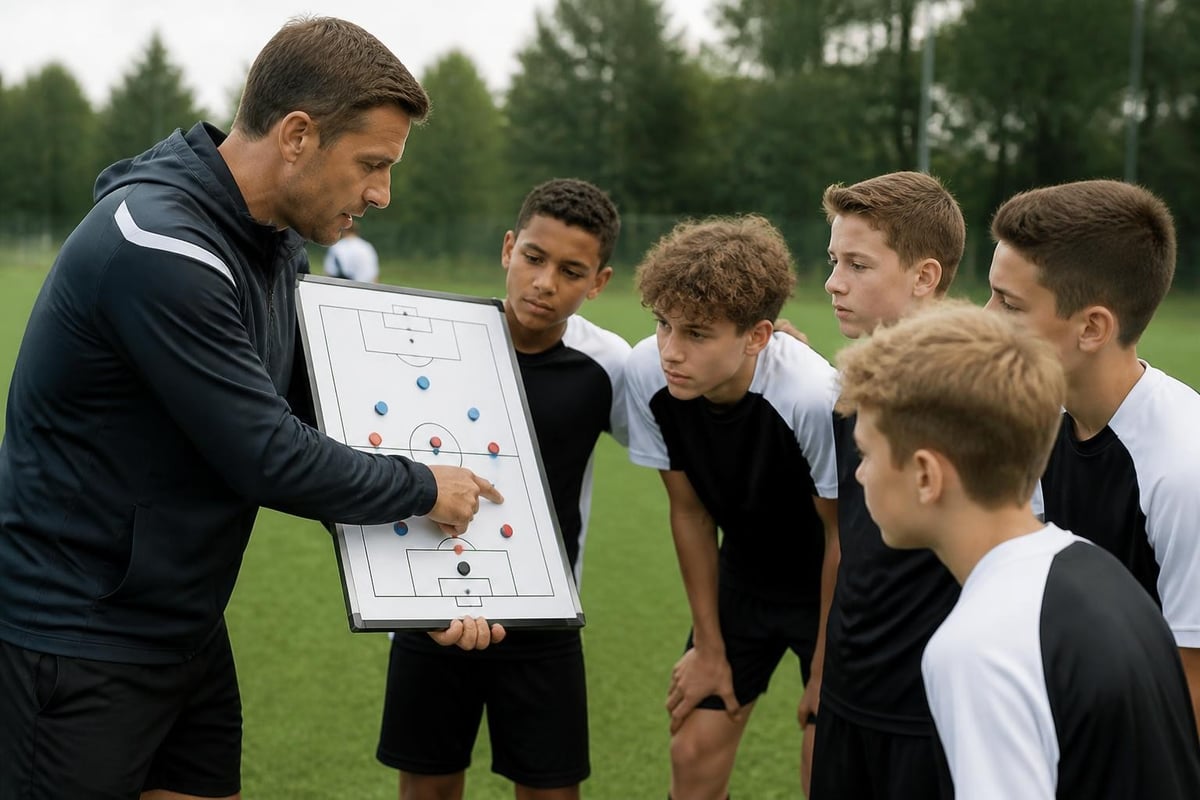
Competitive Opportunities and Player Pathways
Competition provides essential testing grounds for skill application and psychological development. However, the quantity and quality of competitive opportunities vary dramatically between academies.
Elite academies participate in regional and national competitions that expose players to diverse playing styles and elevated competition levels. These experiences accelerate development by requiring players to perform under pressure against unfamiliar opponents.
Competition Level Assessment
| Competition Type | Development Value | Frequency | Age Appropriateness |
|---|---|---|---|
| Local leagues | Skill application in familiar environment | Weekly | All ages |
| Regional tournaments | Exposure to varied styles | Monthly | U11+ |
| National showcases | Elite competition, college exposure | Quarterly | U13+ |
| International events | Highest competition, cultural experience | 1-2 annually | U14+ |
Player pathways extend beyond current programming. Quality academies maintain connections with college programs, professional academies, and identification opportunities. These relationships create tangible advancement possibilities rather than vague promises.
Understanding soccer preparation for higher competitive levels helps families evaluate whether an academy genuinely develops players for advancement or simply retains them within closed systems.
Training Environment and Facilities
Physical training environments significantly impact development quality. While pristine facilities don't guarantee excellent coaching, inadequate spaces limit technical and tactical training possibilities.
Essential facility considerations:
- Consistent access to quality playing surfaces
- Appropriate field sizes for age-specific training
- Indoor options for year-round development
- Proper equipment including goals, cones, and training aids
- Safe, well-maintained grounds
- Adequate lighting for evening sessions
Training frequency and duration should align with age-appropriate schedules that prevent burnout while providing sufficient repetition for skill development. Young players benefit from shorter, more frequent sessions rather than marathon training days.
The coach-to-player ratio directly affects individual attention and feedback quality. Optimal ratios rarely exceed 1:12 for technical training and 1:18 for tactical sessions, ensuring each player receives meaningful coaching interactions.
Communication and Family Partnership
Exceptional youth soccer academies near me recognize that player development requires family partnership. Communication structures should provide regular updates on player progress, training objectives, and development recommendations.
Communication indicators of quality programs:
- Regular individual player assessments with specific feedback
- Clear explanation of training philosophies and methodologies
- Accessible coaching staff for parent questions
- Transparent policies regarding playing time and player selection
- Educational resources for supporting development at home
- Open dialogue about player strengths and growth areas
Parent education distinguishes professional academies from recreational programs. Quality organizations help families understand developmental timelines, appropriate competitive expectations, and home support strategies. Coaching youth soccer effectively requires parent alignment with program philosophies.
Transparency around costs, commitments, and expectations prevents misunderstandings. Academies should clearly communicate financial obligations, training schedules, tournament commitments, and advancement criteria before enrollment.
Cultural Fit and Academy Values
Academy culture profoundly influences player experiences and development outcomes. Best practices in youth soccer emphasize creating environments where players feel valued, challenged appropriately, and supported through difficulties.
Positive academy cultures prioritize long-term development over immediate results, celebrate effort alongside achievement, and foster inclusive team environments. These characteristics emerge from institutional values rather than superficial marketing messages.
Observe training sessions to assess cultural indicators. Do coaches demonstrate patience and encouragement? Are players engaged and enthusiastic? Does the environment feel supportive or pressure-filled? These observations reveal more than promotional materials ever will.

Value alignment ensures sustainable participation. Families seeking recreational enjoyment will feel dissatisfied in ultra-competitive environments, while ambitious players stagnate in purely social settings. Choosing the right youth soccer academy requires honest assessment of player motivations and family priorities.
Specialized Training Programs
Many academies supplement regular training with specialized programs addressing specific development needs. These offerings indicate institutional commitment to comprehensive player development.
Common specialized programs:
- Position-specific training for goalkeepers, defenders, midfielders, and forwards
- Technical skills intensives focusing on ball mastery and first touch
- Tactical education sessions teaching game analysis and decision-making
- Physical development programs building soccer-specific athleticism
- Psychological skills training developing mental resilience and focus
High-performance training environments like Soccer Skills Training provide intensive development opportunities that accelerate technical refinement and tactical understanding through focused, professional instruction.
Individual training supplements team sessions for players seeking additional development. One-on-one coaching addresses specific technical deficiencies, accelerates learning curves, and provides personalized feedback impossible in group settings.
Age-Appropriate Programming
Development needs vary dramatically across age groups. Quality youth soccer academies near me implement age-specific programming recognizing these differences rather than applying uniform approaches across all ages.
Young players (ages 5-8) require fun, game-based environments emphasizing fundamental movement skills and basic ball manipulation. Technical precision matters less than engagement and positive experiences that build lifelong soccer appreciation.
Developmental players (ages 9-12) benefit from structured technical training that builds foundational skills while introducing tactical concepts through small-sided games. This age group requires patient coaching that celebrates improvement while gradually raising standards.
Competitive players (ages 13-18) demand sophisticated tactical training, position-specific development, and high-intensity competition that prepares them for collegiate or professional pathways. Training volume and intensity increase substantially while maintaining injury prevention protocols.
Trial Periods and Assessment Processes
Reputable academies offer trial periods allowing families to experience programming before committing. These opportunities provide invaluable insights into coaching quality, training environments, and cultural fit that marketing materials cannot convey.
Assessment processes reveal organizational professionalism and player development commitment. Quality academies conduct comprehensive evaluations examining technical skills, tactical understanding, physical capabilities, and psychological attributes rather than making superficial judgments.
Transparent selection criteria help families understand placement decisions. Clear communication about player strengths, development areas, and advancement pathways demonstrates institutional commitment to individual growth rather than simply filling rosters.
Financial Considerations and Value Assessment
Youth soccer academy costs vary significantly based on training frequency, coaching quality, competitive level, and facility access. Understanding cost structures helps families budget appropriately and assess value propositions.
Typical cost components:
- Registration and administrative fees
- Coaching and training session fees
- Competitive league and tournament expenses
- Uniform and equipment requirements
- Travel costs for away competitions
- Optional specialized training programs
Value assessment extends beyond hourly cost calculations. Consider coaching credentials, training frequency, competitive opportunities, and development outcomes when evaluating whether fees represent appropriate investments in player development.
Financial assistance programs indicate organizational commitment to accessibility. Quality academies often provide scholarship opportunities or payment plans ensuring financial circumstances don't prevent talented players from accessing excellent training.
Making the Final Decision
Selecting the right youth soccer academy near me requires balancing multiple factors rather than optimizing single variables. The ideal choice aligns coaching quality, development philosophy, competitive level, and cultural values with player aspirations and family circumstances.
Create a decision framework weighting factors according to family priorities. Some families prioritize convenience and affordability while others emphasize elite competition and professional pathways. Neither approach is incorrect when aligned with genuine player interests and realistic development expectations.
Trust intuition alongside objective evaluation. Players who feel excited about training environments and connected to coaches will invest more effort and derive greater enjoyment than those in theoretically optimal programs that feel uncomfortable.
Final selection criteria:
- Verified coaching credentials and demonstrated player development outcomes
- Training philosophy aligning with family values and player temperament
- Appropriate competitive level matching current abilities and growth potential
- Sustainable financial commitment within family budget
- Logistical feasibility considering travel time and schedule demands
- Positive cultural environment fostering enjoyment and growth
Remember that academy selection isn't permanent. Players' needs evolve as they mature, requiring periodic reassessment of program fit. Quality academies support players transitioning to better-aligned opportunities rather than creating institutional loyalty pressures.
Choosing the right youth soccer academy requires evaluating coaching credentials, development philosophy, training quality, and cultural fit to ensure your young athlete receives comprehensive support for skill development and personal growth. Strive Soccer Academy brings European-style training methodology to Surrey, BC, with fully licensed Canada Soccer coaches focused on developing technical, tactical, physical, and psychological excellence in every player. Our commitment to professional coaching, structured curriculum, and player-centered environments creates the foundation for meaningful soccer development and lasting character growth.