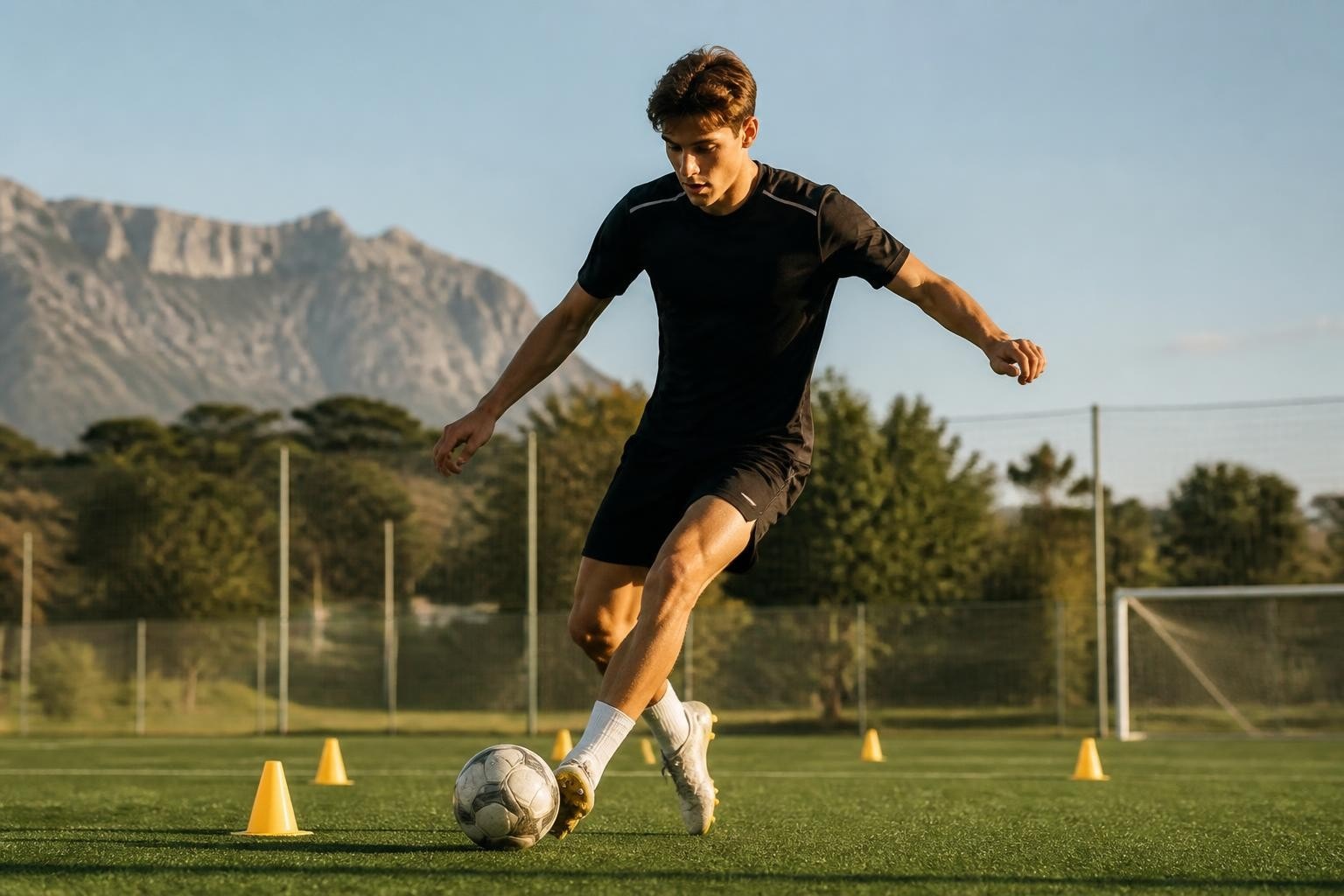
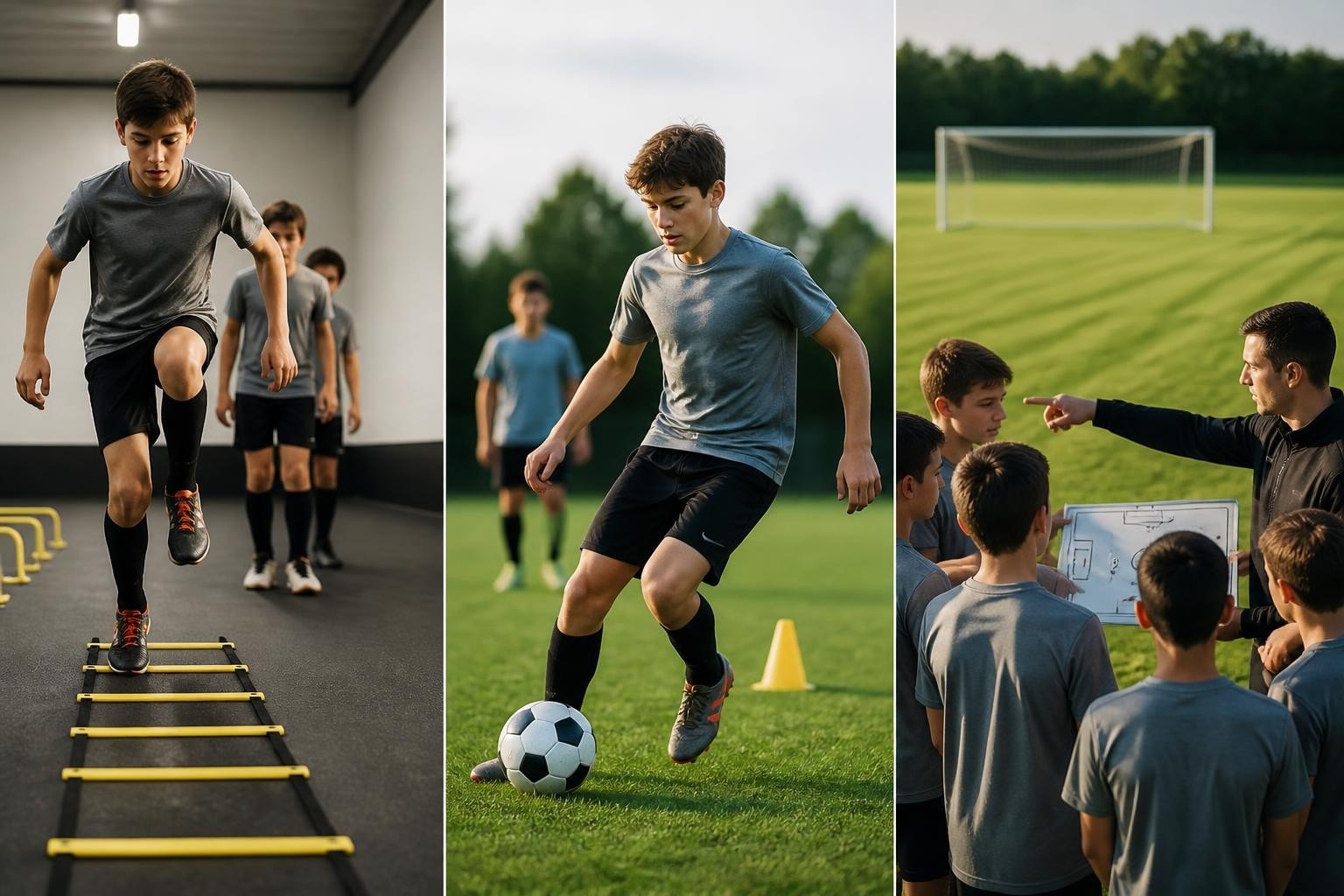
The journey from a young athlete with potential to an accomplished soccer player requires more than just natural talent. Training player development has evolved into a comprehensive science that addresses multiple dimensions of athletic growth. Modern academies recognize that building exceptional players demands a structured approach encompassing technical mastery, tactical awareness, physical conditioning, and mental resilience. For parents seeking the best opportunities for their children, understanding what separates effective training player programs from average ones makes all the difference in their child's athletic journey.
The Four Pillars of Training Player Excellence
Every successful training player framework rests on four fundamental pillars that work in harmony to develop complete athletes. These interconnected areas create a holistic development pathway that prepares young players for competitive success.
Technical Foundation: Building Skills That Last
Technical proficiency forms the cornerstone of any training player program. This dimension focuses on ball mastery, first touch quality, passing accuracy, shooting technique, and dribbling ability. Young athletes must develop these skills through deliberate practice and progressive challenge.
Key technical components include:
- Ball control in tight spaces
- Passing with both feet under pressure
- Receiving skills from various angles
- Striking technique for power and accuracy
- 1v1 attacking and defending movements
The technical pillar requires thousands of purposeful touches. Research from elite soccer training programs shows that individualized programming significantly enhances skill acquisition. Players need consistent repetition in game-realistic scenarios, not just isolated drills.
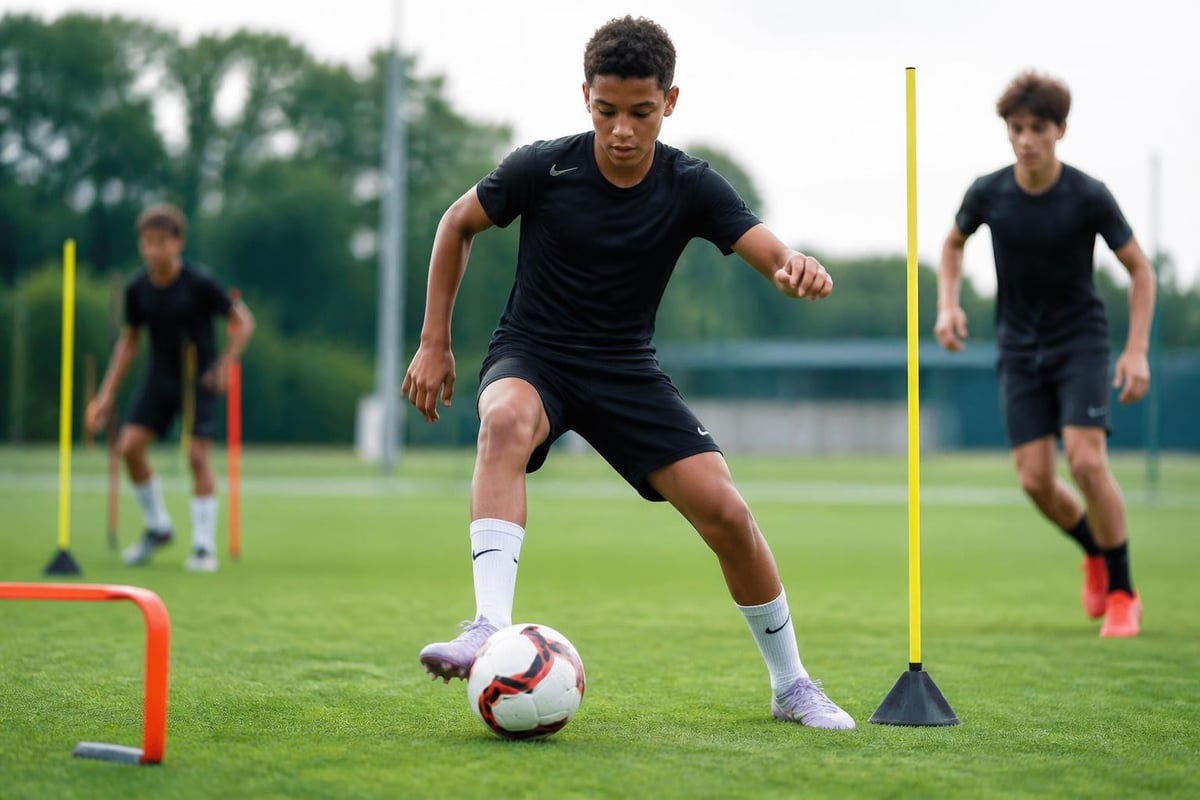
Tactical Intelligence: Reading the Game
While technical skills provide the tools, tactical understanding determines how effectively players use them. Training player development in the tactical dimension teaches decision-making, positioning, spatial awareness, and game reading ability.
Young athletes learn to:
- Recognize patterns of play before they fully develop
- Position themselves advantageously off the ball
- Understand when to dribble versus when to pass
- Apply pressure defensively at optimal moments
- Exploit spaces created by team movement
Tactical education separates good players from great ones. A training player approach that emphasizes multi-dimensional evaluation helps coaches identify areas where players need tactical refinement. This dimension develops through video analysis, positional exercises, and small-sided games that force rapid decision-making.
Physical Development for Long-Term Success
The physical pillar addresses strength, speed, agility, endurance, and injury prevention. Training player programs must balance immediate performance gains with long-term athletic development, especially for young athletes still growing.
Age-Appropriate Conditioning
Physical training varies dramatically across age groups. Pre-adolescent players benefit most from movement literacy and coordination exercises. As players mature, training player programs can introduce more structured strength and conditioning work.
| Age Range | Physical Focus | Training Methods |
|---|---|---|
| 6-9 years | Movement patterns, coordination | Fun-based agility, running games |
| 10-12 years | Speed development, flexibility | Sprint mechanics, dynamic stretching |
| 13-15 years | Strength foundation, power | Bodyweight exercises, plyometrics |
| 16+ years | Sport-specific strength, endurance | Resistance training, interval work |
Recovery becomes increasingly important as training intensity increases. Proper strength training and recovery methods prevent injuries and allow players to train consistently. Young athletes need education about sleep, nutrition, hydration, and active recovery.
Building Athletic Resilience
Modern training player philosophies recognize that physical development extends beyond fitness. Players need resilience to handle the demands of competitive soccer across full seasons.
Essential physical attributes include:
- Explosive acceleration for first-step quickness
- Multi-directional speed for defensive transitions
- Core stability for contact situations
- Aerobic capacity for sustained performance
- Flexibility to prevent muscle strains
Programs that integrate physical training with technical work maximize efficiency. Rather than separating conditioning from skill development, effective training player sessions combine both elements in game-realistic contexts.
Psychological Strength: The Mental Game
The psychological pillar often receives less attention than it deserves, yet mental strength frequently determines success at higher competitive levels. Training player development must address confidence, focus, resilience, motivation, and emotional regulation.
Developing Mental Toughness
Young athletes face numerous psychological challenges: performance anxiety, fear of failure, competitive pressure, and motivation fluctuations. A comprehensive training player approach builds mental skills systematically.
Coaches can foster psychological growth through:
- Goal setting frameworks that create clear development pathways
- Positive reinforcement emphasizing effort and improvement
- Pressure situations in training that simulate competition
- Reflection exercises promoting self-awareness
- Growth mindset education reframing mistakes as learning opportunities
Players with strong psychological foundations handle adversity better. They maintain composure during difficult matches, bounce back from poor performances, and sustain motivation through challenging periods.

Competitive Mindset Development
Training player programs should cultivate healthy competitive attitudes. Players need to compete intensely while maintaining sportsmanship and perspective. This balance helps young athletes enjoy the game while pursuing excellence.
The psychological dimension also addresses team dynamics. Players learn communication skills, leadership qualities, and collaborative problem-solving. These social-emotional competencies extend beyond soccer, preparing young people for success in all life areas.
Structured Training Player Methodologies
Different training player methodologies exist worldwide, each with unique characteristics. Understanding various approaches helps parents evaluate program quality and alignment with their goals.
European-Style Development
European soccer academies emphasize technical mastery and tactical sophistication from early ages. This training player philosophy prioritizes ball skills, positional understanding, and game intelligence. Players train frequently with high-quality coaching and competitive match exposure.
European methodologies typically feature:
- High training-to-game ratios (3-4 sessions per match)
- Technical exercises demanding precision
- Tactical periodization aligning training with match demands
- Player-centered coaching encouraging creativity
- Long-term development over short-term results
This approach has produced countless world-class players. Organizations like Coerver Coaching have adapted European technical training principles for youth development globally, demonstrating their effectiveness across cultures.
Data-Driven Player Development
Modern technology enables training player programs to use objective data for assessment and planning. Advanced player evaluation frameworks provide multi-dimensional performance insights that guide individualized development plans.
| Data Category | Metrics Tracked | Application |
|---|---|---|
| Technical | Pass completion, touches, dribble success | Skill gap identification |
| Tactical | Positioning heat maps, decision speed | Game understanding assessment |
| Physical | Sprint speed, distance covered, acceleration | Fitness benchmarking |
| Psychological | Self-assessment scales, focus metrics | Mental skill monitoring |
Technology should enhance, not replace, expert coaching judgment. The best training player programs blend data insights with experienced observation to create personalized development pathways.
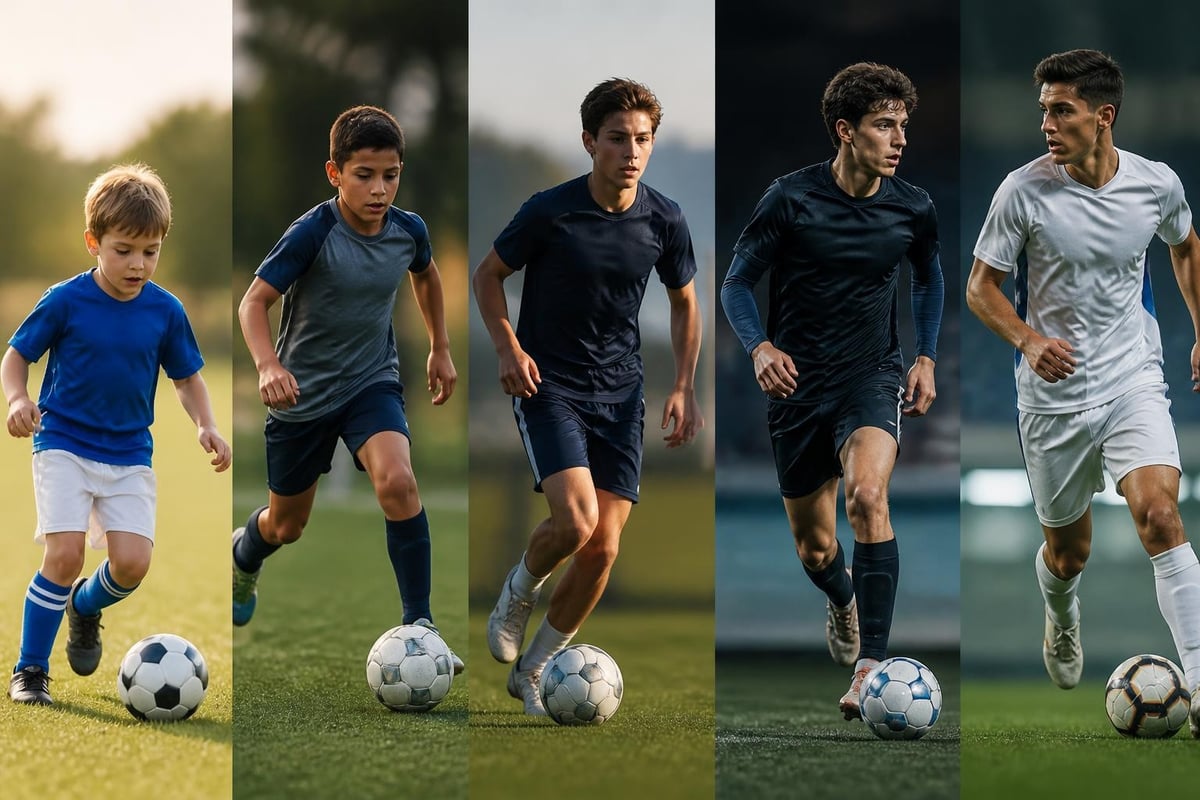
Progressive Skill Development Pathways
Effective training player programs structure skill progression logically, building complexity gradually as players mature. This systematic approach prevents gaps while avoiding premature advancement that undermines fundamentals.
Foundation Phase (Ages 6-9)
Young players need joyful introduction to soccer fundamentals. Training player sessions emphasize:
- Basic ball manipulation with all body surfaces
- Running with the ball at various speeds
- Simple passing and receiving patterns
- Small-sided games promoting touches and decisions
- Movement literacy through varied activities
Fun remains paramount during foundation years. Programs that make technical training engaging retain young athletes and build positive associations with practice.
Development Phase (Ages 10-13)
As players enter pre-adolescence, training player programs increase sophistication. Technical skills gain precision, tactical concepts expand, and physical training becomes more structured.
Players progress through:
- Advanced ball mastery including skill moves and feints
- Combination play requiring coordination with teammates
- Positional responsibilities specific to roles
- Transition moments between attack and defense
- Competitive scenarios simulating match pressure
This phase builds the platform for high-level play. Specialized training academies focus intensively on these critical development years.
Performance Phase (Ages 14+)
Older adolescents require training player approaches preparing them for elite competition. Sessions increase intensity, tactical complexity, and physical demands.
Performance phase priorities include:
- Position-specific technical refinement
- Complex tactical systems and variations
- Sport-specific strength and conditioning
- Mental preparation for high-stakes competition
- Match analysis and self-evaluation skills
Many academies offer high-performance training programs providing professional-level environments where serious players sharpen skills, improve decision-making, and build confidence under pressure through 90-minute intensive sessions.
Quality Coaching: The Critical Factor
No training player program succeeds without excellent coaching. Licensed, experienced coaches who understand player development transform potential into performance through expert instruction, effective communication, and genuine care for athlete welfare.
Coach Qualifications and Development
Parents should seek programs employing properly certified coaches. In Canada, licensing through Canada Soccer ensures coaches meet professional standards. Quality training player programs invest in coach education continuously.
Essential coaching attributes include:
- Technical expertise in soccer fundamentals
- Age-appropriate pedagogical knowledge
- Communication skills adapted to various learning styles
- Understanding of physical and psychological development
- Commitment to ethical, player-centered approaches
The best coaches balance high standards with supportive environments. They challenge players while maintaining confidence, correct mistakes without diminishing enthusiasm, and celebrate effort alongside results.
Creating Positive Training Environments
Training player culture significantly impacts development. Environments emphasizing learning over winning, effort over outcome, and improvement over comparison produce better long-term results.
Positive cultures feature:
- Clear expectations consistently applied
- Constructive feedback focused on specific actions
- Peer support and collaborative learning
- Appropriate challenge levels maintaining engagement
- Recognition systems valuing diverse contributions
Programs like LegUp Training emphasize collaborative, competitive environments that develop players through quality group sessions. This approach recognizes that players push each other toward excellence when proper culture exists.
Individualization Within Team Training
While team training provides essential competitive and social contexts, training player development also requires personalized attention. Each athlete brings unique strengths, weaknesses, learning preferences, and developmental timelines.
Assessment and Planning
Effective programs assess players comprehensively across all four development pillars. These evaluations identify specific needs informing individualized development plans.
Assessment methods include:
- Technical skill evaluations using standardized tests
- Tactical understanding through game observation
- Physical benchmarking against age-appropriate standards
- Psychological self-assessments and coach observations
- Video analysis revealing patterns
Organizations offering individualized training recognize that comprehensive athlete development requires personalized attention to technical mastery and other dimensions.
Balancing Team and Individual Work
Training player programs must balance collective and individual development. Team sessions build tactical understanding and competitive skills, while individual work addresses specific technical or physical needs.
| Training Type | Benefits | Frequency |
|---|---|---|
| Team practice | Tactical application, competitive scenarios | 2-3x weekly |
| Individual training | Technical refinement, specific weaknesses | 1-2x weekly |
| Small group work | Positional skills, intensive repetition | 1-2x weekly |
| Match play | Decision-making under pressure | 1x weekly |
Players advancing fastest typically supplement team training with additional individual work. Resources like online training platforms provide structured skill development accessible anytime, supporting motivated athletes seeking extra touches.
Parent Partnership in Player Development
Training player success requires collaboration between coaches, players, and parents. Families play crucial supporting roles creating conditions for optimal development while avoiding counterproductive pressures.
Supporting Development at Home
Parents enhance training player programs through consistent support. This includes ensuring proper rest, nutrition, equipment, and transportation while maintaining appropriate perspective.
Effective parent support involves:
- Prioritizing sleep and recovery for growing athletes
- Providing balanced nutrition fueling performance
- Encouraging home practice without pressure
- Attending matches supportively without coaching
- Communicating constructively with program staff
Parents should remember that their role differs from coaches. While coaches instruct and evaluate, parents provide unconditional support regardless of performance outcomes.
Managing Expectations and Pressure
Youth soccer benefits children most when kept in proper perspective. Training player programs work best when parents embrace long-term development over immediate results.
Healthy approaches include:
- Focusing conversations on effort and learning
- Avoiding performance-based approval or disappointment
- Respecting coach decisions about playing time
- Supporting perseverance through difficult periods
- Remembering that soccer serves broader life development
Parents seeking comprehensive academy programs should evaluate not just technical instruction but also the philosophy around player welfare and holistic development.
Measuring Training Player Progress
Assessing development requires looking beyond simple metrics like goals scored or games won. Comprehensive training player evaluation examines growth across all four pillars over extended timeframes.
Short-Term Progress Indicators
Within individual seasons, players and coaches can track specific improvements:
- Technical skill mastery in isolated drills
- Successful application of skills in matches
- Physical benchmark improvements (speed, endurance)
- Tactical decision-making quality
- Consistency of effort and engagement
These indicators provide feedback loops informing training adjustments. However, short-term fluctuations shouldn't overshadow long-term trajectories.
Long-Term Development Markers
Training player success ultimately appears in sustained improvement over years. Players should demonstrate:
Technical advancement including expanded skill repertoire and execution quality
Tactical sophistication showing improved reading of game situations
Physical maturation with age-appropriate strength and athleticism
Psychological resilience handling pressure and adversity effectively
Competitive success at progressively higher levels
Programs embracing player-centric evaluation better identify genuine development beyond surface statistics. This deeper analysis reveals whether training produces complete, capable players.
Training Player Technology and Innovation
Modern training player programs increasingly leverage technology enhancing instruction, feedback, and engagement. While technology shouldn't replace quality coaching, strategic use creates valuable supplementary benefits.
Video Analysis Tools
Video provides powerful learning opportunities. Players see themselves from external perspectives, revealing habits and patterns invisible during play. Coaches use video demonstrating concepts and providing specific feedback.
Effective video usage includes:
- Individual skill execution review
- Tactical positioning analysis
- Match performance evaluation
- Model player demonstrations
- Progress documentation over time
Advanced systems now enable automated player tracking even in challenging recording conditions, making sophisticated analysis more accessible.
Training Management Platforms
Digital platforms help training player programs organize schedules, communicate effectively, track attendance, and document progress. These systems create transparency and accountability benefiting players, parents, and coaches.
Quality platforms support training consistency by clarifying expectations, providing accessible schedules, and maintaining development records informing future planning.
Developing young soccer players requires comprehensive training addressing technical skills, tactical understanding, physical conditioning, and psychological strength through age-appropriate, individualized programming. The most effective training player programs balance structured methodology with personalized attention, creating environments where young athletes grow into complete players and confident people. At Strive Soccer Academy, our European-style training philosophy delivered by fully licensed coaches develops skills, builds character, and creates real opportunities for young athletes across all four pillars of player growth in Surrey, BC.