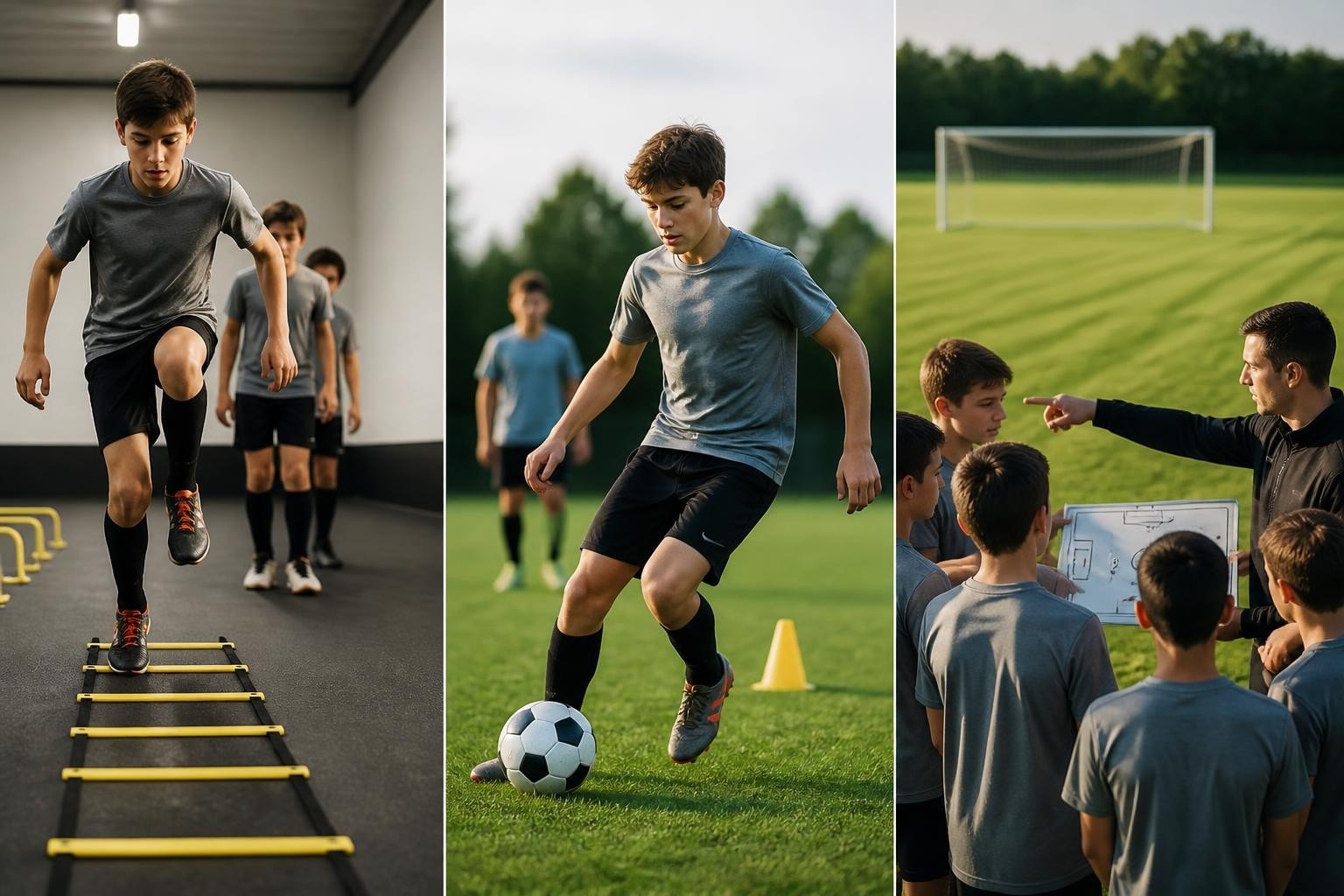
The teenage years represent a critical window of opportunity for soccer development. Between ages 13 and 19, players experience rapid physical changes, cognitive maturation, and the transition from recreational play to competitive performance. Understanding how to properly guide teenage soccer players through this transformative period can mean the difference between reaching their potential and falling short. Parents, coaches, and the athletes themselves must navigate unique challenges including growth spurts, increased competition levels, academic pressures, and the psychological demands of elite-level soccer.
The Physical Development Journey for Teenage Athletes
Teenage soccer players undergo significant physiological changes that directly impact their training needs and performance capabilities. The adolescent growth spurt typically occurs between ages 12-16 for boys and 10-14 for girls, creating temporary coordination challenges and increased injury vulnerability. Training management during maturation requires careful attention to individual development timelines rather than chronological age alone.
Understanding Growth-Related Challenges
During peak height velocity, teenage soccer players often experience what coaches call "adolescent awkwardness." This temporary decline in coordination occurs because bones grow faster than muscles and tendons can adapt. Players who were previously agile may suddenly appear clumsy or struggle with movements they previously mastered.
Key physical considerations during teenage development:
- Bone growth outpaces muscle and tendon adaptation
- Increased risk of growth plate injuries
- Temporary decreases in flexibility and coordination
- Significant strength gains possible with proper training
- Cardiovascular system develops rapidly, supporting increased endurance
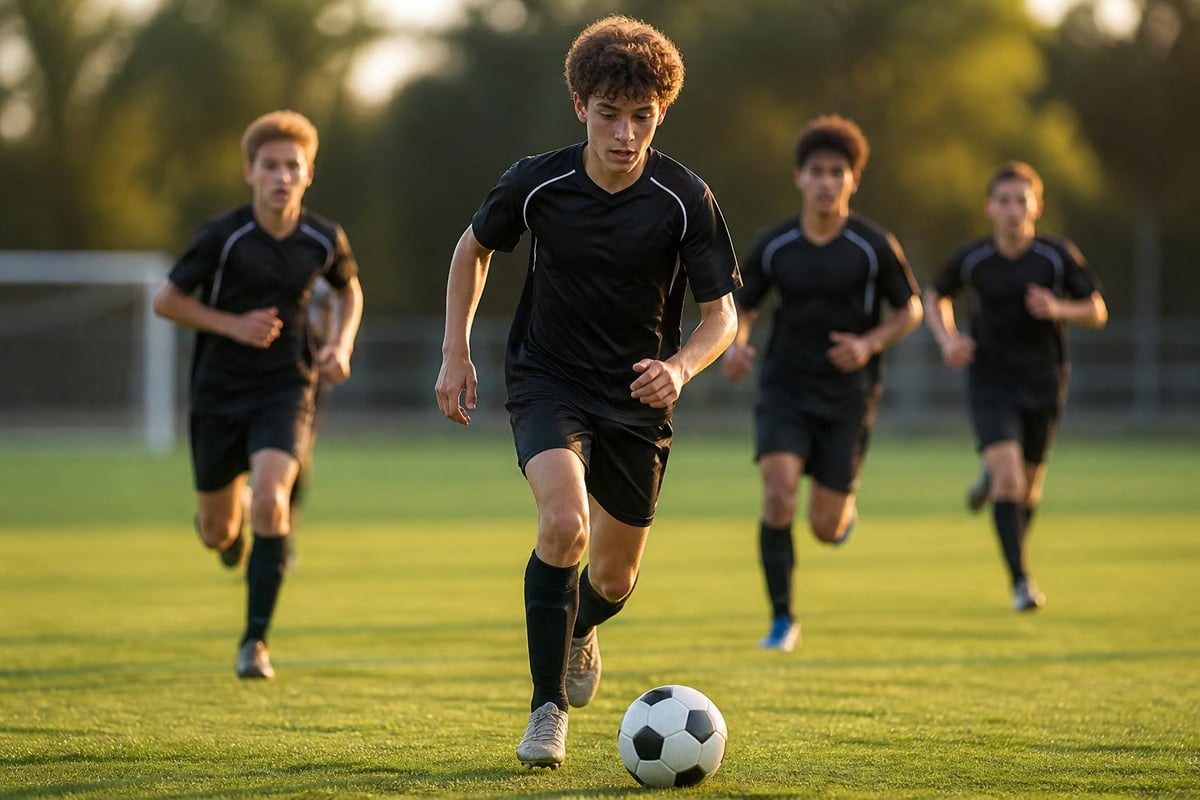
The relationship between biological and chronological age becomes especially important when evaluating teenage soccer players. Two 14-year-olds may be at vastly different developmental stages, requiring individualized training approaches. Early maturers often dominate youth competitions due to temporary physical advantages, while late maturers may possess superior technical skills that become apparent once physical development catches up.
Injury Prevention and Management
Teenage soccer players face elevated injury risks during growth phases. The Recognize to Recover program emphasizes proper warm-up protocols and injury recognition as essential components of youth soccer safety. Overuse injuries become particularly concerning as players increase training volume while managing academic and social commitments.
| Injury Type | Common Causes | Prevention Strategies |
|---|---|---|
| Growth Plate Stress | Repetitive impact, rapid growth | Modified training loads, monitoring soreness |
| Muscle Strains | Flexibility imbalances, fatigue | Dynamic warm-ups, adequate recovery |
| Ligament Sprains | Poor landing mechanics, contact | Neuromuscular training, strength work |
| Overuse Syndromes | Excessive volume, insufficient rest | Periodized training, cross-training |
Evidence-based injury prevention strategies demonstrate that comprehensive programs addressing stretching, nutrition, and progressive training loads significantly reduce injury rates among adolescent athletes. Rest and recovery become as important as training itself during these critical years.
Technical and Tactical Development in the Teenage Years
While physical changes dominate discussions about teenage soccer players, the adolescent years also represent peak periods for technical refinement and tactical understanding. The cognitive development occurring during these years enables players to grasp complex tactical concepts and make faster decisions under pressure.
Advancing Technical Skills
Teenage soccer players should continue refining fundamental techniques while adding advanced skills to their repertoire. The technical training approach that emphasizes repetition under realistic game conditions helps players maintain touch and control even as their bodies change.
Priority technical areas for teenage development:
- First touch under pressure from defenders
- Passing accuracy with both feet at game speed
- Shooting technique from various angles and distances
- 1v1 attacking and defending in tight spaces
- Aerial ability for both offensive and defensive situations
The ball mastery developed during childhood must evolve into functional technique applicable in competitive match scenarios. Teenage soccer players benefit from training that combines technical execution with decision-making components, preparing them for the faster pace of adult soccer.
Tactical Intelligence and Game Understanding
Cognitive maturation enables teenage soccer players to understand positional responsibilities, recognize patterns of play, and anticipate opponent movements. This period offers an ideal opportunity to develop soccer IQ alongside physical capabilities. Players transition from simply following instructions to reading the game and making independent tactical decisions.
Modern soccer demands versatility, with players comfortable in multiple positions and systems. Teenage athletes who develop tactical flexibility position themselves for opportunities at higher competitive levels. Understanding spacing, timing of runs, pressing triggers, and transition moments separates competent players from exceptional ones.
Nutrition Fundamentals for Optimal Performance
Proper nutrition becomes increasingly important for teenage soccer players managing intense training schedules, academic demands, and continued growth. The six essential nutrition lessons from U.S. Soccer provide practical guidance for fueling young athletes effectively.
Energy Requirements and Macronutrient Balance
Teenage soccer players require substantially more calories than sedentary peers due to training demands combined with growth needs. Insufficient energy intake can compromise performance, delay recovery, and impair physical development. Dietary intervention and education significantly improve nutritional habits when properly implemented.
Daily nutritional priorities:
- Complex carbohydrates for sustained energy and glycogen replenishment
- Lean proteins for muscle repair and development
- Healthy fats supporting hormone production and brain function
- Colorful vegetables and fruits providing essential micronutrients
- Adequate hydration before, during, and after training
Timing of nutrition matters as much as food choices. Pre-training meals should be consumed 2-3 hours before activity, emphasizing easily digestible carbohydrates. Post-training nutrition within 30-60 minutes accelerates recovery by replenishing glycogen stores and providing amino acids for muscle repair.
Hydration Strategies
Dehydration significantly impairs performance, decision-making, and recovery in teenage soccer players. Even mild dehydration of 2% body weight reduces physical output and cognitive function. During intense training or competition, athletes can lose 1-2 liters of fluid per hour through sweat.
| Hydration Timeline | Recommendation | Purpose |
|---|---|---|
| Daily baseline | Half body weight in ounces | Maintain normal function |
| 2-3 hours pre-training | 16-20 oz water | Optimize hydration status |
| During activity | 7-10 oz every 15-20 minutes | Replace sweat losses |
| Post-training | 20-24 oz per pound lost | Complete rehydration |

Psychological Development and Mental Skills
The mental and emotional aspects of soccer development often receive insufficient attention compared to physical and technical training. Teenage soccer players navigate unique psychological challenges including performance anxiety, social pressures, identity formation, and increased competitive stakes. Building mental resilience and emotional regulation skills proves as important as physical conditioning.
Managing Pressure and Expectations
As teenage soccer players advance to higher competitive levels, external pressures intensify. Parental expectations, college recruitment concerns, playing time anxieties, and peer comparisons create significant mental stress. Players need structured support to develop healthy perspectives on competition and performance.
Mental skills training components:
- Goal-setting techniques focusing on process rather than outcome
- Visualization exercises for skill execution and tactical situations
- Self-talk strategies to maintain confidence and focus
- Breathing techniques for managing pre-game anxiety
- Reflection practices to learn from both successes and setbacks
The comprehensive training programs that address psychological development alongside physical preparation create more resilient athletes. Teenage soccer players who learn to manage emotions, maintain focus under pressure, and bounce back from disappointments develop transferable life skills extending beyond the pitch.
Building Confidence Through Competence
Confidence in teenage soccer players stems from demonstrated competence rather than empty praise. Progressive skill development, tactical understanding, and physical preparation create legitimate self-belief. Coaches and parents best support confidence by acknowledging effort and improvement while maintaining realistic performance expectations.
The comparison trap particularly affects teenage soccer players in the social media age. Constant exposure to highlight reels and recruitment announcements creates unrealistic benchmarks and unnecessary anxiety. Helping athletes focus on individual progress rather than external comparisons protects mental health while maintaining competitive drive.
Balancing Multiple Commitments
Teenage soccer players in 2026 face unprecedented demands on their time and energy. Academic requirements, social development, family responsibilities, and soccer commitments create challenging scheduling puzzles. Successfully navigating these competing priorities requires intentional planning and communication.
Time Management and Recovery
Elite-level teenage soccer players may train 10-15 hours weekly while maintaining full academic course loads. The high-performance training environments that optimize training efficiency help athletes maximize development within reasonable time constraints. Quality training beats quantity when recovery and academic success are properly valued.
Sleep represents the most undervalued performance enhancer for teenage soccer players. Adolescents require 8-10 hours of sleep nightly for optimal physical recovery, cognitive function, and emotional regulation. Training schedules that consistently compromise sleep ultimately impair both athletic and academic performance.
- Establish consistent sleep schedules even on weekends
- Prioritize recovery sessions including active rest and mobility work
- Plan academic work around training commitments proactively
- Communicate openly with coaches about workload and stress levels
- Schedule complete rest days to prevent burnout and overtraining
Social Development and Team Culture
Soccer provides important social experiences for teenage players, including teamwork, leadership opportunities, and peer relationships. Positive team cultures promote belonging while encouraging individual growth. Negative environments characterized by excessive pressure, favoritism, or poor communication can damage both performance and wellbeing.
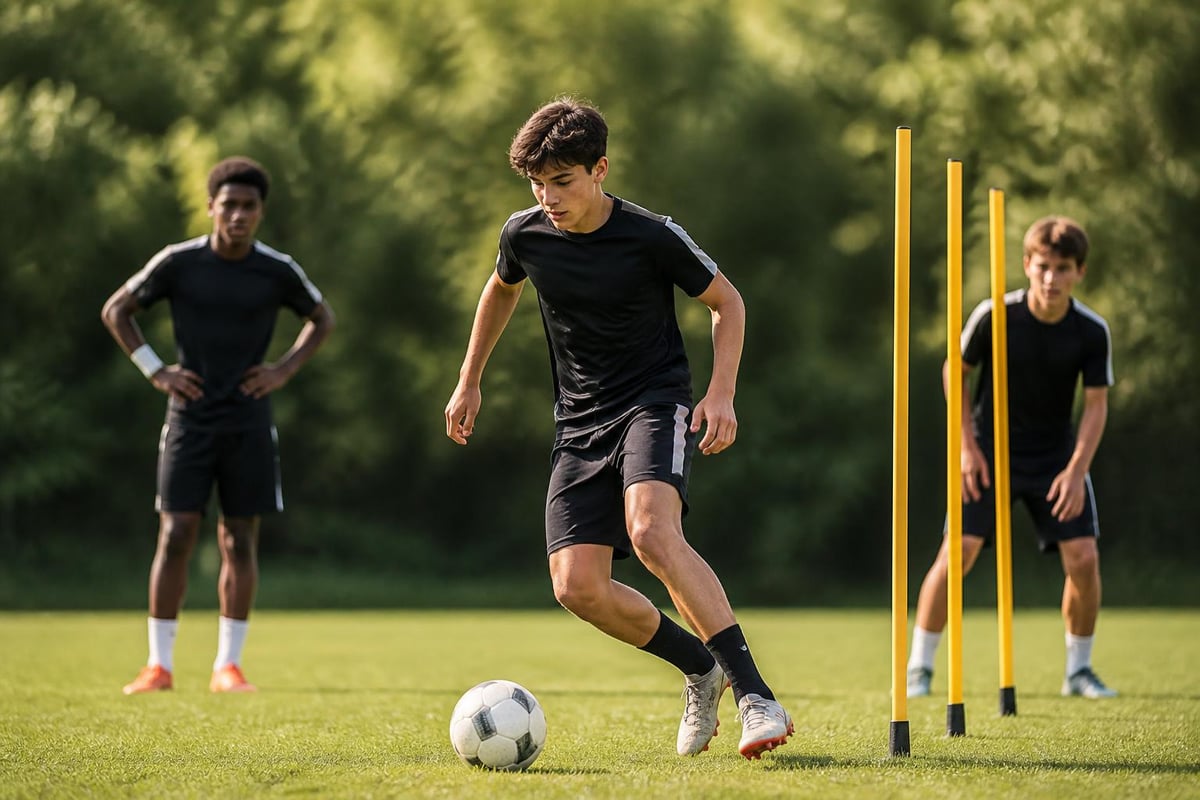
Parents and coaches share responsibility for creating environments where teenage soccer players feel supported, challenged, and valued as individuals beyond their athletic contributions. The relationships formed through soccer often provide critical support networks during adolescent challenges.
Long-Term Development Versus Short-Term Results
The tension between immediate success and long-term development particularly affects teenage soccer players. Win-focused coaching that prioritizes results over individual growth may produce short-term victories while compromising future potential. Development-focused academy programs emphasize skill acquisition and tactical understanding over win-loss records during formative years.
The Recruitment Reality
College soccer recruitment intensifies pressure on teenage soccer players and their families. Understanding realistic pathways helps maintain perspective and prevent burnout. The vast majority of youth players will not play professionally, but properly structured soccer experiences provide valuable life lessons regardless of competitive destination.
| Level | Approximate Opportunities | Selection Factors |
|---|---|---|
| Professional | <1% of youth players | Elite technical/physical ability, tactical intelligence |
| NCAA Division I | ~2% of high school players | Strong technical skills, academic eligibility |
| NCAA Division II/III | ~5% of high school players | Solid fundamentals, commitment, academics |
| Club/Recreational | Available to most | Passion for the game, continued development |
Teenage soccer players benefit from exposure to appropriate competitive levels that challenge without overwhelming. Playing up an age group or level can accelerate development when players possess the maturity and skills to compete effectively. Conversely, dominating a lower level may inflate confidence without driving improvement.
Developing Transferable Life Skills
Beyond athletic achievement, teenage soccer players develop valuable life skills through properly structured programs. Discipline, time management, resilience, teamwork, communication, and leadership abilities transfer to academic and professional contexts. Parents should value these developmental outcomes alongside competitive results.
The European-style training philosophy emphasizes holistic player development across technical, tactical, physical, and psychological dimensions. This comprehensive approach recognizes that teenage soccer players are developing individuals, not just athletic performers.
Specialized Position Development
As teenage soccer players mature, position-specific training becomes increasingly important. While youth players benefit from versatility and experience in multiple positions, teenage athletes begin specializing based on physical attributes, technical strengths, and tactical preferences.
Position-Specific Physical Demands
Different positions require distinct physical characteristics and training emphases. Central defenders need aerial ability and strength, while wingers prioritize speed and acceleration. Midfielders must develop exceptional endurance to cover large distances throughout matches.
Position-specific training priorities:
- Goalkeepers: Reaction speed, diving technique, distribution accuracy, command of area
- Defenders: Positioning awareness, 1v1 defending, heading ability, line-breaking passes
- Midfielders: Endurance capacity, passing range, press resistance, transitional play
- Forwards: Finishing technique, movement off ball, pressing intensity, link-up play
Teenage soccer players exploring position changes should understand the technical and physical requirements before committing to specialized development. Some physical attributes like height are fixed, while others like speed and strength can be developed through targeted training.
Technical Refinement by Position
Each position demands specific technical competencies mastered through deliberate practice. Teenage soccer players investing focused time in position-specific skills gain competitive advantages over peers with general training backgrounds. Specialized sessions should complement, not replace, foundational technical work applicable across positions.
The most effective teenage soccer players combine position-specific excellence with tactical flexibility. Modern soccer values versatility, with defenders initiating attacks, midfielders providing defensive cover, and forwards pressing opponents. Specialized knowledge within a framework of tactical adaptability creates complete players.
Teenage soccer players face unique developmental challenges requiring careful attention to physical maturation, technical refinement, tactical understanding, proper nutrition, and psychological growth. Success during these critical years depends on balanced approaches that prioritize long-term development over short-term results while maintaining the joy and passion that attracted players to the game initially. At Strive Soccer Academy, we develop young athletes through European-style training that addresses technical, tactical, physical, and psychological growth with fully licensed coaches who understand the unique needs of teenage players navigating this transformative period.