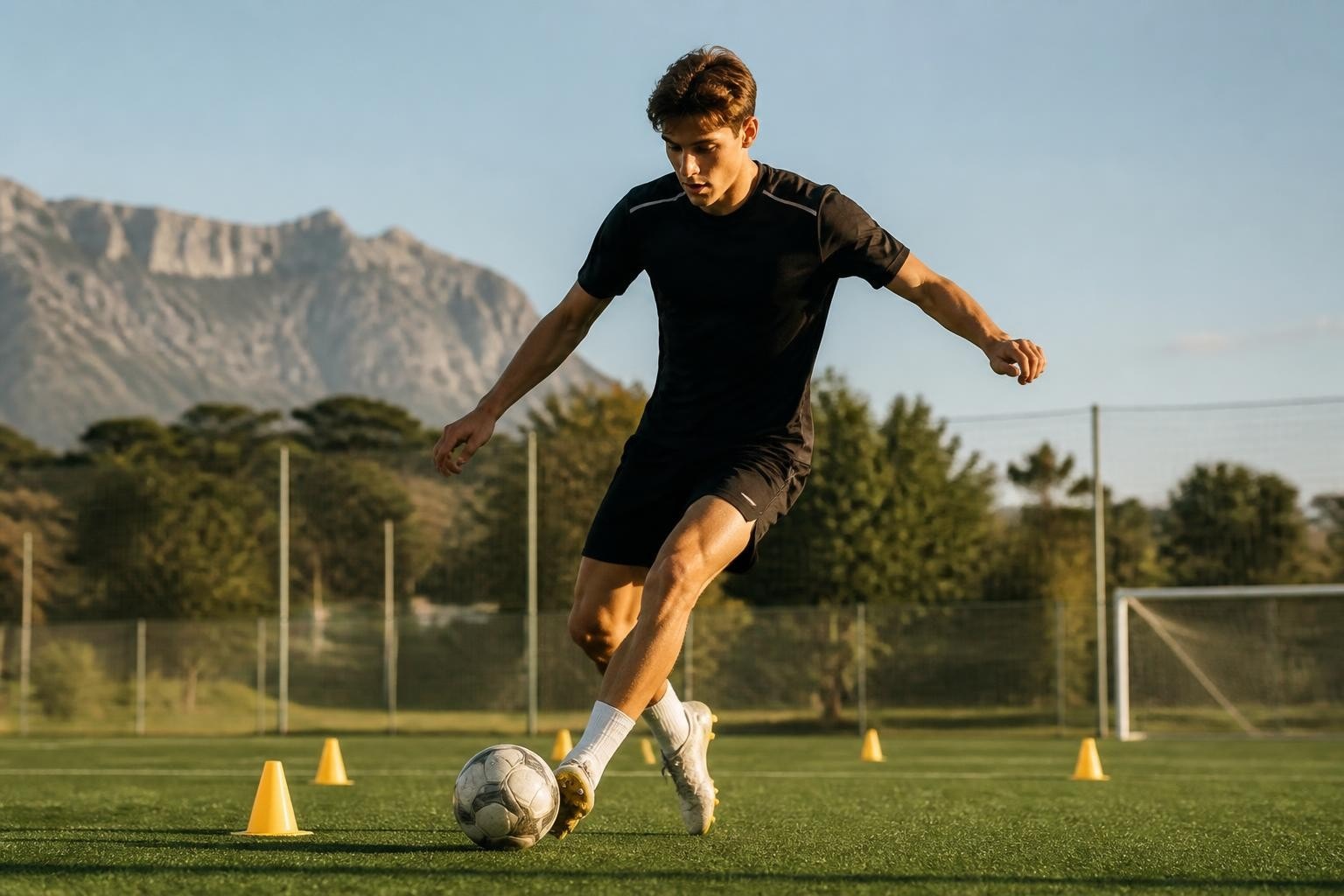
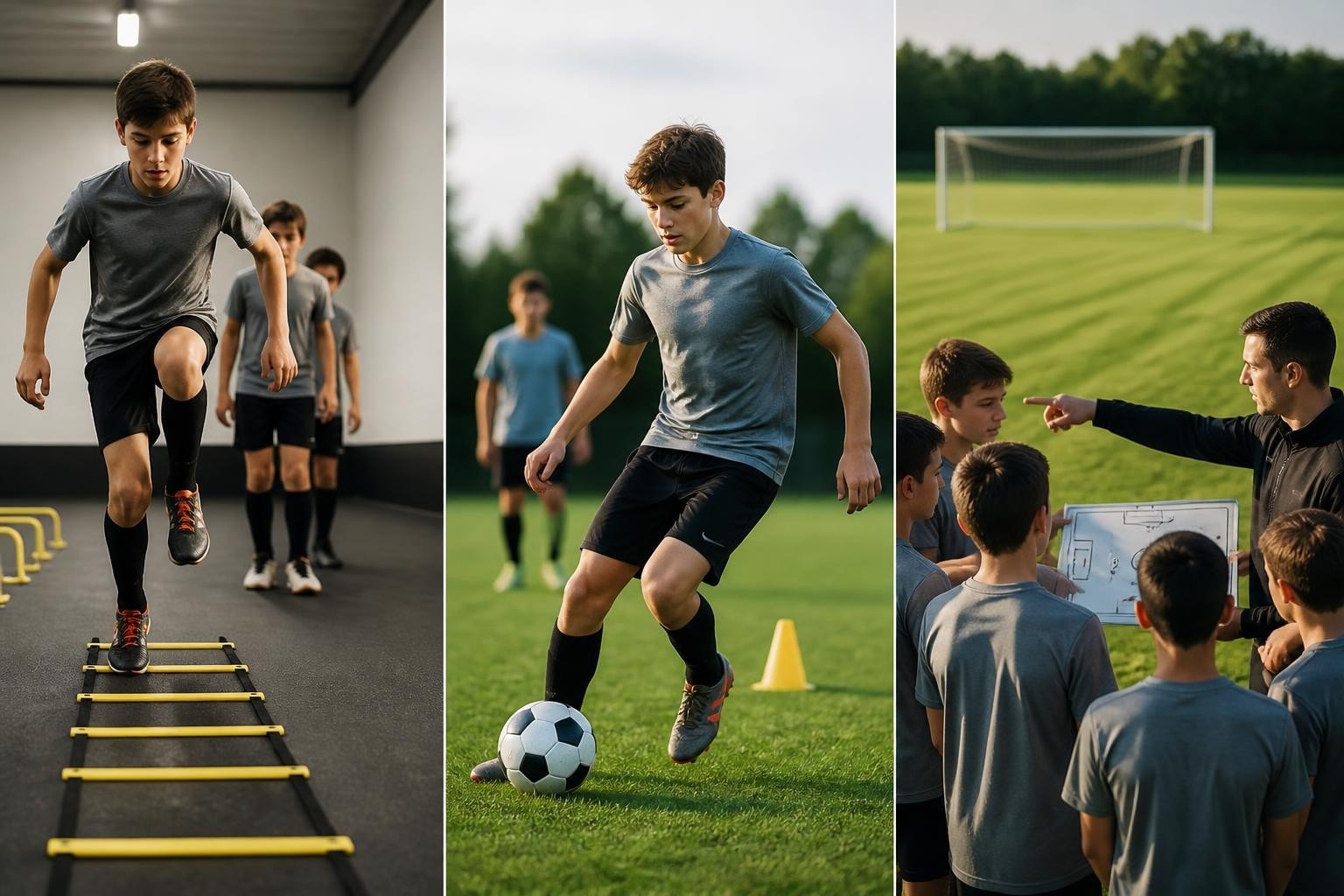
Youth soccer development has evolved dramatically over the past decade, moving away from traditional drills toward comprehensive training methodologies that address every aspect of player growth. Parents and coaches now recognize that effective soccer training extends far beyond simply kicking a ball around a field. Today's approach requires a structured framework that develops technical abilities, tactical understanding, physical conditioning, and mental fortitude. When these elements combine effectively, young players transform into confident, skilled athletes prepared for competitive success.
The Four Pillars of Comprehensive Player Development
Modern soccer training programs recognize that creating well-rounded players requires attention to multiple developmental areas simultaneously. The European training philosophy, which has produced countless world-class players, organizes development around four core pillars that work together to create complete athletes.
Technical development forms the foundation of all soccer ability. Players must master ball control, passing accuracy, shooting technique, dribbling moves, and first touch refinement. These fundamental skills require thousands of repetitions performed with proper form and increasing difficulty. Young athletes benefit most when technical training starts early and progresses systematically through age-appropriate challenges.
Tactical awareness teaches players how to read the game, understand positioning, recognize patterns, and make intelligent decisions under pressure. This pillar transforms technically skilled players into strategically effective ones who contribute meaningfully to team success. Tactical training includes concepts like defensive shape, offensive movement, transition play, and spatial awareness.
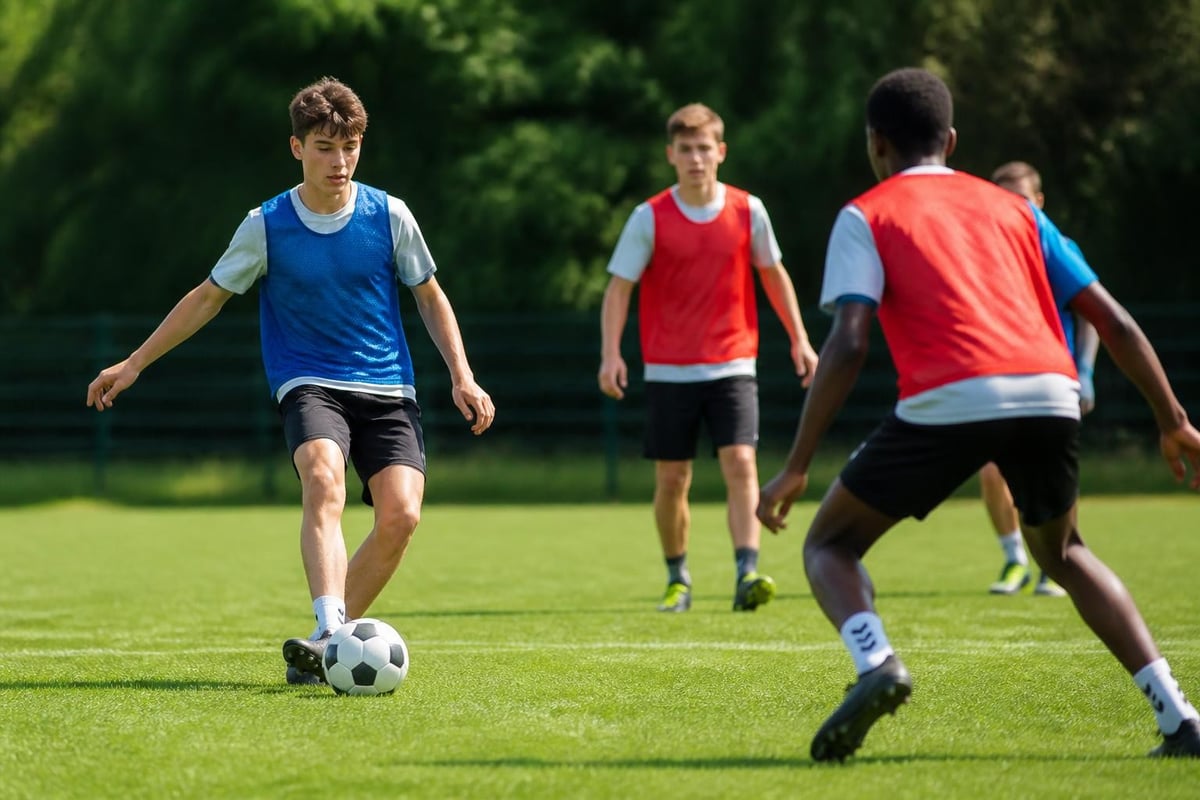
Physical conditioning ensures players possess the strength, speed, endurance, and agility required for competitive soccer. Age-appropriate fitness development protects against injury while building the athletic foundation necessary for advanced play. Physical training must respect growth stages and avoid overtraining young athletes.
Psychological development addresses confidence, resilience, focus, teamwork, and competitive mindset. Mental strength often determines performance differences between equally skilled players. Training programs that incorporate psychological elements produce athletes better equipped to handle pressure, overcome setbacks, and maintain motivation.
Creating Age-Appropriate Training Sessions
Effective soccer training adapts to players' developmental stages, recognizing that eight-year-olds require completely different approaches than sixteen-year-olds. LevelUp.soccer offers an age-by-age training guide, organizing drills by age group from U6 to U17, emphasizing the importance of matching exercises to developmental stages.
For younger players aged 6-10, training should emphasize fun, creativity, and fundamental movement patterns. Sessions incorporate games that disguise skill development as play, keeping young athletes engaged while building coordination and basic ball skills. The focus remains on individual technical development rather than complex tactical concepts.
| Age Group | Primary Focus | Session Duration | Complexity Level |
|---|---|---|---|
| U6-U8 | Fun, basic coordination, ball familiarity | 45-60 minutes | Very Simple |
| U9-U12 | Technical foundation, simple tactics | 60-75 minutes | Moderate |
| U13-U16 | Advanced technique, tactical depth, physicality | 75-90 minutes | Complex |
| U17+ | Position-specific, game scenarios, peak performance | 90-120 minutes | Very Complex |
Players aged 11-14 enter critical developmental windows where technical refinement meets tactical introduction. Training becomes more structured while maintaining enjoyable elements. This age group benefits from small-sided games that maximize touches and decision-making opportunities.
Older teenagers require sophisticated training that mirrors competitive match conditions. Sessions incorporate position-specific work, complex tactical scenarios, and higher physical demands. These players need training that prepares them for the speed, intensity, and decision-making pressure of elite-level competition.
Technical Skill Development Through Progressive Drills
Technical mastery separates good players from great ones, making skill development the cornerstone of quality soccer training. Progressive drill design ensures players constantly challenge themselves while building muscle memory for essential techniques.
Ball Mastery and First Touch
Every elite player possesses exceptional ball control that allows them to receive passes cleanly, manipulate the ball in tight spaces, and maintain possession under pressure. Developing this ability requires consistent practice with properly structured exercises.
Foundational ball mastery drills include:
- Sole rolls and pull-backs with alternating feet
- Inside-outside touches while moving
- Foundation juggling progressions
- Cone weaving with various surfaces of the foot
- Quick direction changes using different turns
First touch development determines how quickly players can transition from receiving to their next action. Training should incorporate receiving from various angles, distances, and speeds. Players learn to cushion hard passes, redirect balls into space, and orient their body position for immediate advantage.
Elite Champions Coaching presents 15 training exercises tailored for various age groups and skill levels, focusing on drills that connect to session objectives and ensure skill transfer to match situations. This transfer from isolated practice to game application represents the ultimate goal of technical training.
Passing Accuracy and Vision
Passing forms the connective tissue of team play, making accuracy and decision-making essential components of soccer training. Players must develop both the technical ability to strike the ball cleanly and the vision to identify the best passing option.
Training progressions start with stationary passing over short distances, emphasizing proper technique and ball placement. As players improve, exercises introduce movement, longer distances, defensive pressure, and multiple passing options requiring quick decisions.
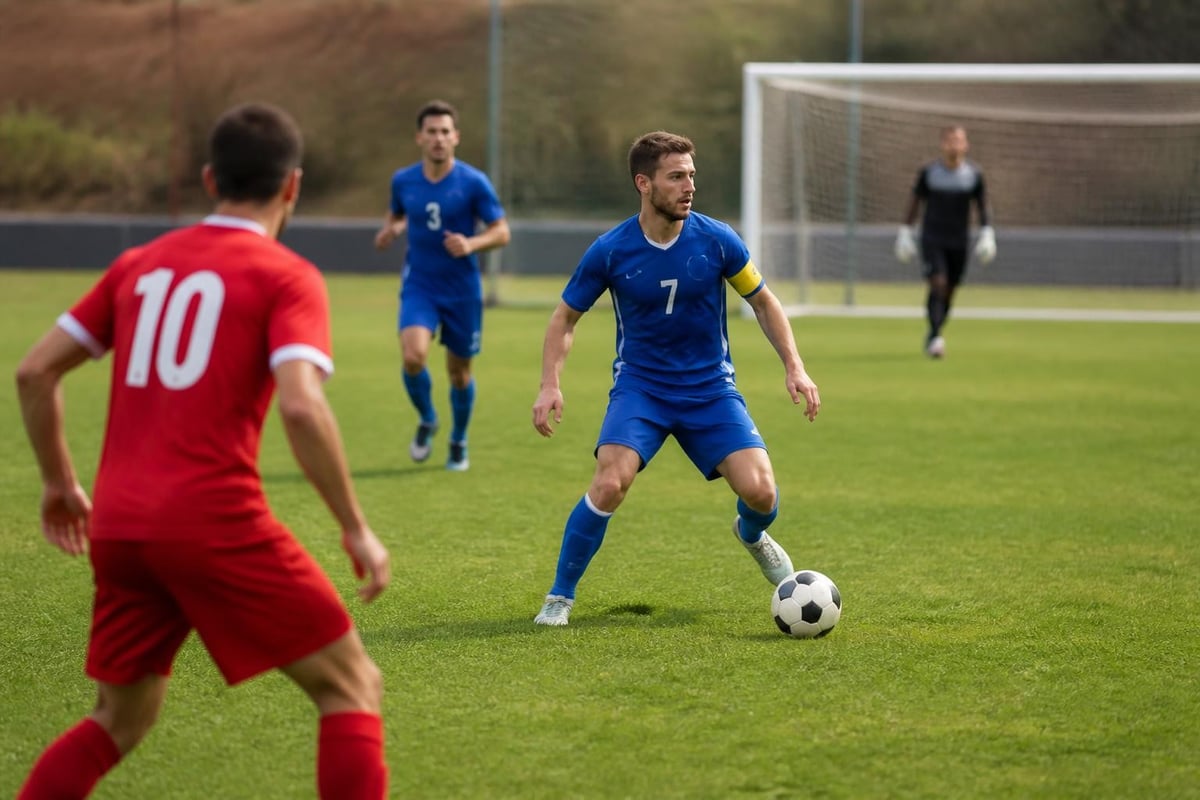
Advanced passing training incorporates:
- One-touch and two-touch restrictions that increase urgency
- Rondos (keep-away games) that combine technical and tactical elements
- Through-ball practice recognizing runs and timing
- Switching play exercises developing range and vision
- Combination play patterns used in match situations
The physical aspect of passing technique includes proper body positioning, foot placement, follow-through, and weight of pass. Players who master these elements can deliver accurate passes consistently under match pressure.
Tactical Understanding and Game Intelligence
While technical skills provide the tools, tactical knowledge determines how effectively players use those tools during competition. Soccer training must develop game intelligence alongside physical abilities to create complete players.
Positional Awareness and Shape
Understanding positional responsibilities forms the foundation of tactical play. Players need to know where they should be relative to teammates, opponents, and the ball at all times. This awareness doesn't develop naturally but requires explicit teaching and reinforcement.
Defensive shape training teaches players how to maintain compact formations, cover dangerous spaces, apply pressure collectively, and transition between defensive blocks. Teams that defend with coordinated shape concede fewer goals and create more counterattacking opportunities.
Offensive positioning involves creating passing angles, stretching defensive lines, exploiting space, and maintaining width and depth. Players learn to read cues from teammates and adjust positioning accordingly. For those interested in professional soccer academy approaches, understanding these tactical concepts becomes increasingly critical as competition levels rise.
Decision-Making Under Pressure
Soccer presents players with constant decisions requiring immediate resolution. Training that simulates game pressure develops the decision-making speed necessary for competitive success. Players must recognize situations, evaluate options, and execute decisions within seconds.
Key decision-making scenarios include:
- When to pass versus dribble versus shoot
- Which teammate offers the best passing option
- Whether to press aggressively or drop into shape
- How to exploit numerical advantages quickly
- When to play safe versus take calculated risks
Cognitive training exercises improve processing speed and pattern recognition. Players who repeatedly encounter similar situations during practice respond more quickly and effectively during matches. SoccerEDU provides a comprehensive collection of soccer drills covering topics from beginner youth drills to advanced tactical training, including game situation drills that develop decision-making abilities.
Physical Conditioning for Soccer Performance
The physical demands of soccer require comprehensive conditioning that develops speed, strength, endurance, and agility. Effective soccer training integrates physical development appropriately for different age groups while supporting technical and tactical work.
Age-Appropriate Strength and Conditioning
Young players require different physical training than older teenagers and adults. Pre-pubescent athletes benefit most from movement-based conditioning that develops coordination, balance, and body awareness rather than heavy resistance training.
| Physical Component | Youth Approach (U6-U12) | Teen Approach (U13+) |
|---|---|---|
| Strength | Bodyweight exercises, fun challenges | Progressive resistance, position-specific |
| Speed | Movement games, tag variations | Sprint mechanics, acceleration drills |
| Endurance | Game-based running, intervals | Structured cardio, position demands |
| Agility | Coordination ladders, obstacle courses | Change-of-direction drills, reactive work |
Teenagers entering growth spurts need carefully monitored training that accommodates changing body proportions and temporary coordination losses. Properly designed programs support rather than hinder natural development during these critical periods.
Speed development combines proper running mechanics with explosive power training. Players learn acceleration technique, top-speed maintenance, and efficient deceleration that prevents injuries and improves performance.
Injury Prevention and Recovery
Smart soccer training prioritizes injury prevention through proper warm-ups, cool-downs, and recovery protocols. Young athletes who develop healthy training habits early protect themselves throughout their careers.
Dynamic warm-ups prepare muscles and joints for intense activity while improving flexibility and movement quality. These sessions should include progressive intensity, sport-specific movements, and activation exercises targeting commonly injured areas.
Essential injury prevention elements:
- Proper progression avoiding sudden workload increases
- Adequate rest between intense training sessions
- Strength training supporting joint stability
- Flexibility work maintaining range of motion
- Nutrition and hydration supporting recovery
Recovery becomes increasingly important as training intensity rises. Players need education about sleep quality, proper nutrition timing, active recovery techniques, and recognizing early injury warning signs.
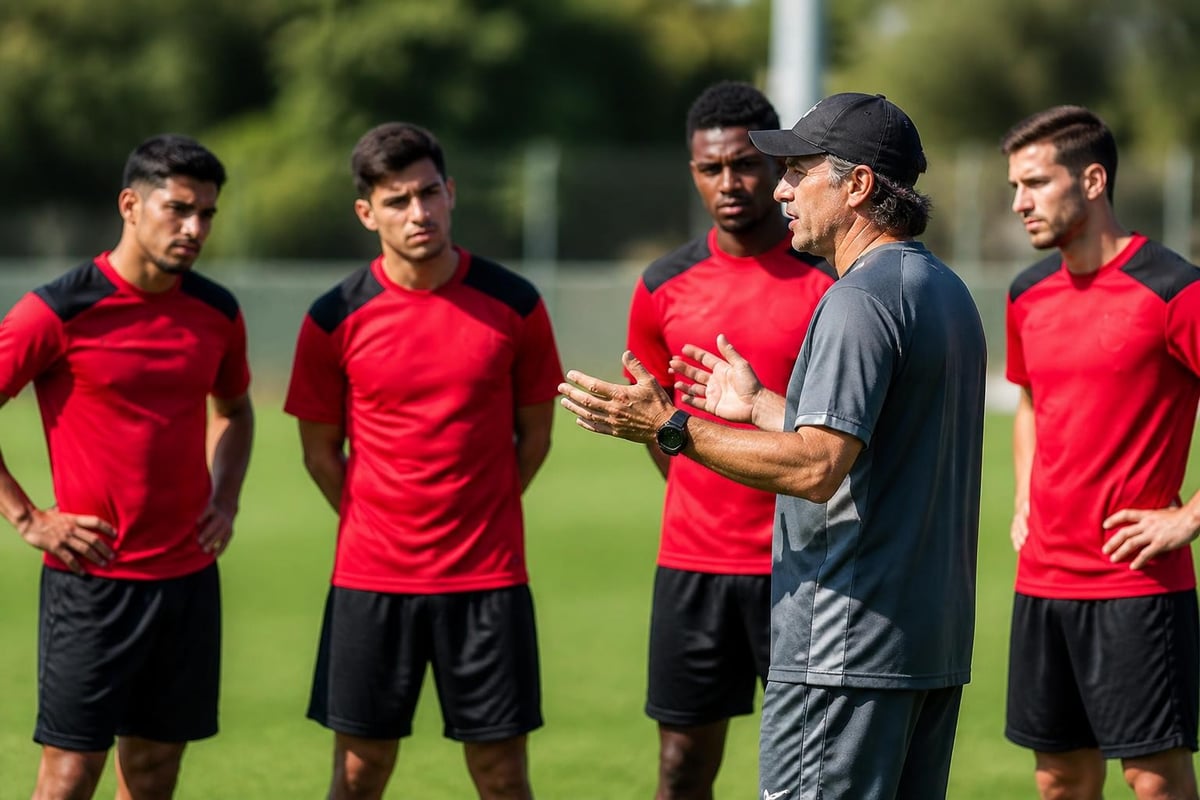
Psychological Development and Mental Toughness
Mental strength often determines which technically skilled players succeed at higher levels and which plateau despite physical abilities. Soccer training that incorporates psychological development produces more resilient, confident, and motivated athletes.
Building Confidence Through Mastery
Confidence grows from competence demonstrated repeatedly under varying conditions. Training should provide players with opportunities to succeed while gradually increasing difficulty and pressure. This progressive challenge builds genuine confidence rooted in actual ability rather than empty praise.
Mastery-focused training emphasizes improvement over innate talent. Players learn that skills develop through effort and practice rather than being fixed traits. This growth mindset protects motivation during inevitable setbacks and plateaus.
Coaches who provide specific, constructive feedback help players understand exactly what they're doing well and what needs improvement. Vague encouragement offers less value than precise technical corrections players can immediately apply.
Handling Pressure and Competition
Competitive soccer involves significant pressure from teammates, opponents, coaches, and sometimes unrealistic personal expectations. Training environments should gradually introduce pressure situations that prepare players mentally for match conditions.
Pressure training techniques include:
- Time-restricted drills requiring quick decisions
- Consequence-based exercises where mistakes have immediate results
- Public performance situations building comfort with observation
- Competitive formats within training sessions
- Simulation of key match moments (penalty kicks, crucial passes)
Players who regularly experience pressure during practice handle competitive situations more calmly during actual matches. The familiarity reduces anxiety and allows focus on execution rather than fear of failure.
For families seeking comprehensive development, programs like Soccer High Performance Training provide high-intensity, professional environments where players sharpen technical skills, improve decision-making and game awareness, increase speed of play, and build confidence and composure on the ball through 90-minute sessions designed to boost endurance and skill under pressure.
Integration Through Game-Based Training
The most effective soccer training integrates technical, tactical, physical, and psychological elements through game-based exercises that mirror actual match conditions. Isolated drill work develops specific skills, but players must learn to apply those skills within the chaos and unpredictability of real games.
Small-sided games offer ideal integration opportunities by maximizing player involvement while maintaining authentic decision-making scenarios. Formats like 4v4 or 5v5 provide more touches, more decisions, and more opportunities to apply learned skills than full 11v11 games.
Structured Practice Sessions
Well-designed training sessions follow logical progressions that build from simple to complex, individual to team-based, and unopposed to fully competitive. SoccerXpert offers hundreds of free, age-appropriate drills and practice plans to help coaches develop players and build winning teams, categorized by age group and skill type.
Effective session structure includes:
- Dynamic warm-up (10-15 minutes): Movement preparation and ball familiarization
- Technical focus (15-20 minutes): Isolated skill development with progressive difficulty
- Tactical application (20-25 minutes): Small-sided games emphasizing session theme
- Scrimmage (20-30 minutes): Full game application with coaching points
- Cool-down (5-10 minutes): Recovery activities and session review
This structure ensures players receive both focused skill work and opportunities to apply learning in realistic contexts. The progression from controlled environments to open play facilitates skill transfer and retention.
Training Frequency and Volume
Optimal development requires appropriate training frequency that challenges players without causing burnout or overuse injuries. Research suggests young players benefit most from 3-4 structured training sessions weekly, supplemented by unstructured play and individual practice.
Training volume should increase gradually as players age and their bodies adapt to higher workloads. Sudden jumps in frequency, intensity, or duration significantly increase injury risk and should be avoided.
Players serious about development can supplement team training with soccer home drills and individual technical work. Self-directed practice accelerates skill acquisition when performed with proper technique and appropriate challenge levels.
Measuring Progress and Setting Goals
Systematic soccer training requires objective assessment methods that track development across all four pillars. Regular evaluation helps players, parents, and coaches understand progress, identify areas needing attention, and maintain motivation through visible improvement.
Technical assessments measure ball mastery, passing accuracy, shooting technique, and other fundamental skills through standardized tests. These evaluations provide concrete data showing improvement over time and highlight specific weaknesses requiring additional work.
Comprehensive progress tracking includes:
- Video analysis comparing technique at different time points
- Performance metrics from training sessions and matches
- Fitness testing results showing physical development
- Tactical knowledge assessments through game scenarios
- Self-evaluation promoting player awareness and ownership
Goal-setting transforms abstract development into concrete targets. Effective goals follow SMART criteria (Specific, Measurable, Achievable, Relevant, Time-bound) and address technical, tactical, physical, and psychological areas. Players who set and pursue clear goals demonstrate faster improvement than those training without direction.
Short-term goals (weekly or monthly) maintain motivation through frequent achievement opportunities. Long-term goals (seasonal or annual) provide overarching direction and purpose. The combination creates sustainable development trajectories.
Developing elite soccer players requires comprehensive training that addresses technical skills, tactical understanding, physical conditioning, and psychological strength through age-appropriate, progressive methodologies. When these elements integrate effectively within well-structured sessions, young athletes develop into confident, capable players prepared for competitive success at any level. Strive Soccer Academy brings this European-style training philosophy to Surrey, BC, with fully licensed Canada Soccer coaches who focus on all four key areas of player growth, creating programs that develop skills, build character, and create real opportunities for young athletes.