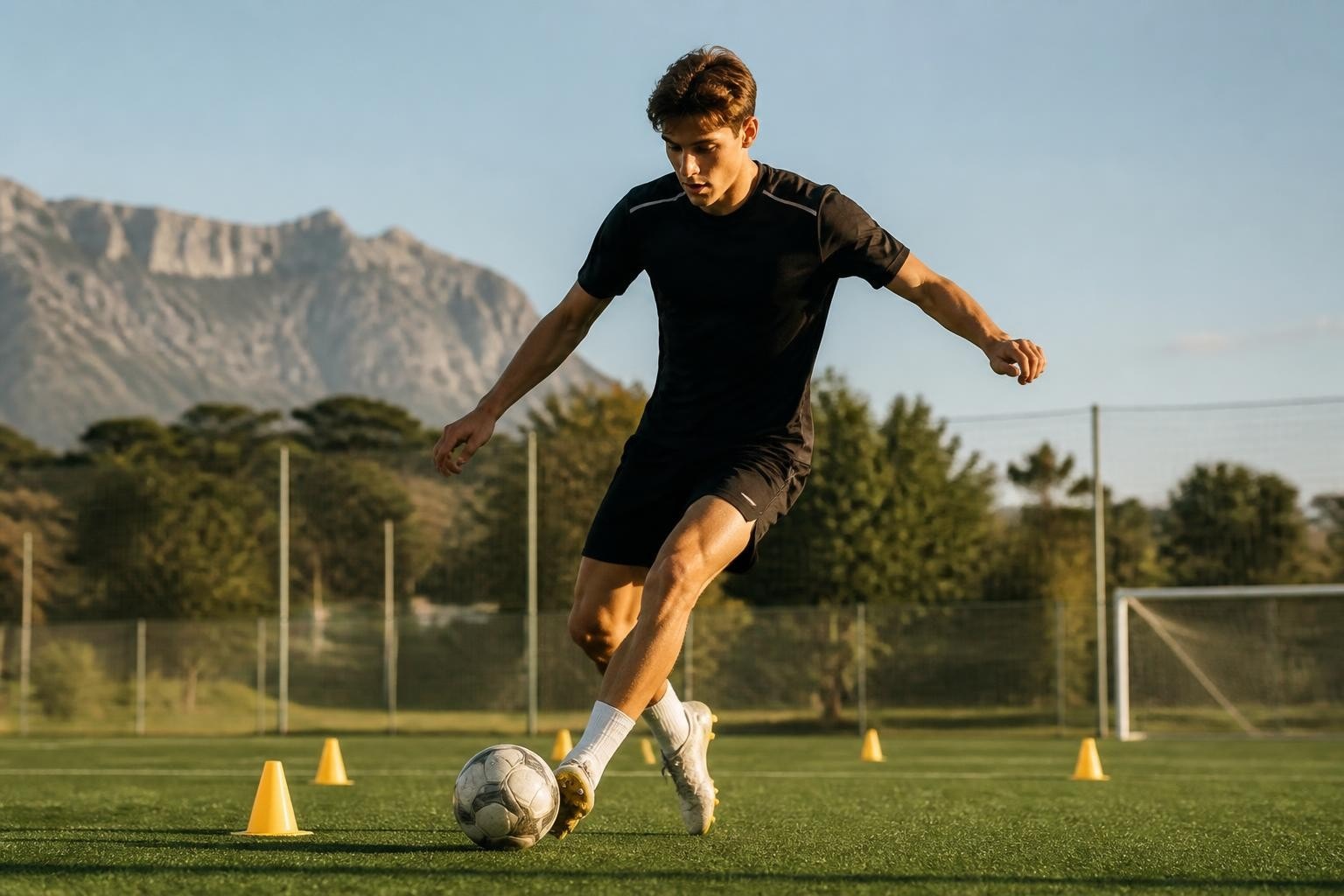
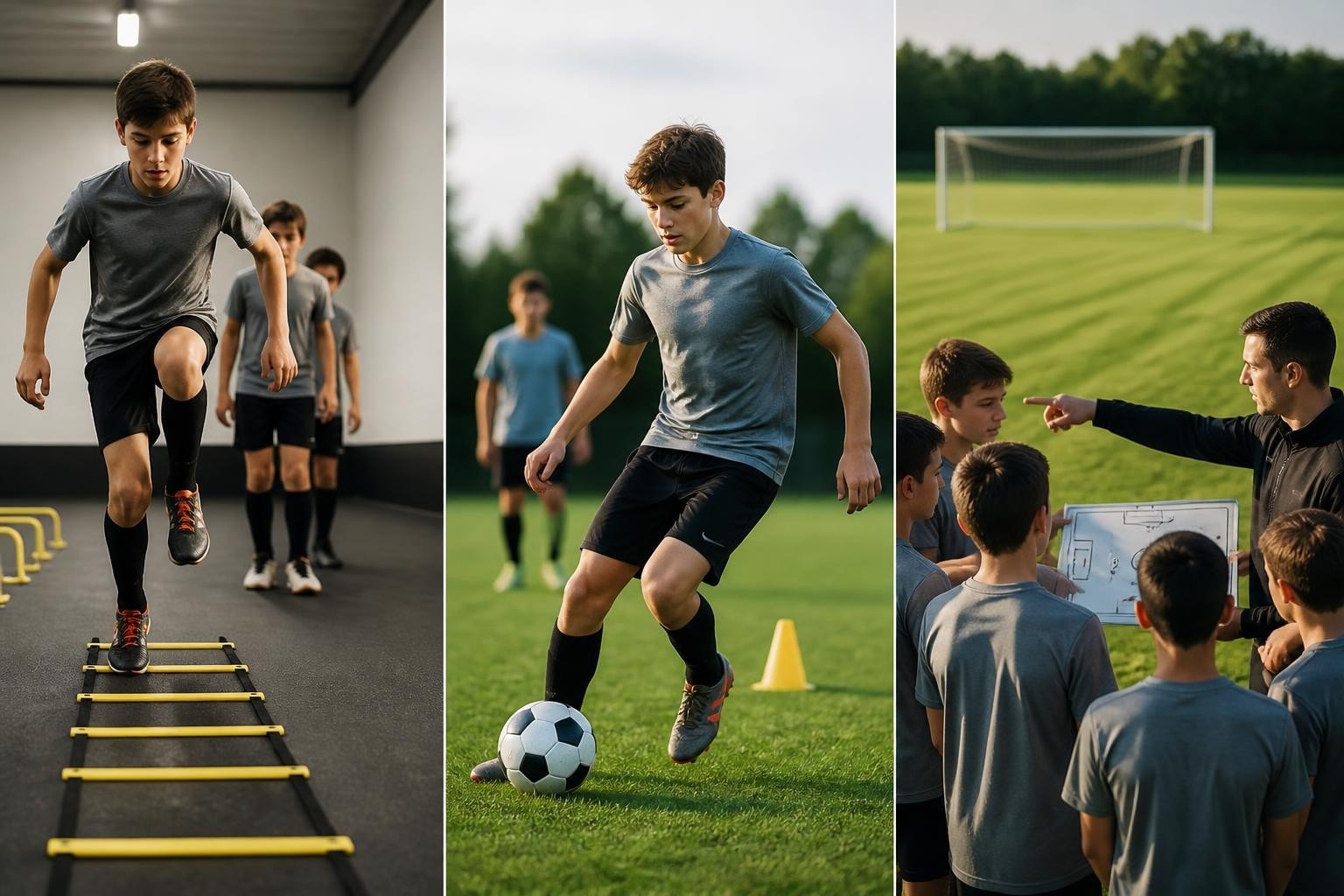
Effective soccer training sessions form the foundation of player development, transforming raw talent into refined skill and athletic ability. For parents and coaches seeking to maximize their young athletes' potential, understanding the structure, purpose, and components of quality training becomes essential. Modern soccer training sessions have evolved beyond simple drills and scrimmages, incorporating scientific principles from sports psychology, biomechanics, and tactical analysis to create comprehensive development experiences. The most successful programs build sessions around four fundamental pillars: technical proficiency, tactical understanding, physical conditioning, and psychological strength.
Understanding the Structure of Effective Soccer Training Sessions
Quality soccer training sessions follow a deliberate progression designed to prepare the body, engage the mind, and develop specific skills. The typical session begins with a dynamic warm-up that activates muscles, increases heart rate, and mentally prepares players for the work ahead. This phase typically lasts 10-15 minutes and includes movement patterns specific to soccer, such as lateral shuffles, backward running, and controlled changes of direction.
Following the warm-up, coaches introduce the technical focus of the day. This segment emphasizes specific skills like first touch, passing accuracy, or shooting technique. Players work through progressive drills that increase in complexity, starting with unopposed repetitions and gradually adding defensive pressure and game-realistic constraints.
The tactical phase bridges individual skills to team concepts. Players learn positioning, movement patterns, and decision-making within game scenarios. Small-sided games become particularly valuable here, as they provide multiple touches and frequent decision-making opportunities while maintaining high engagement levels.
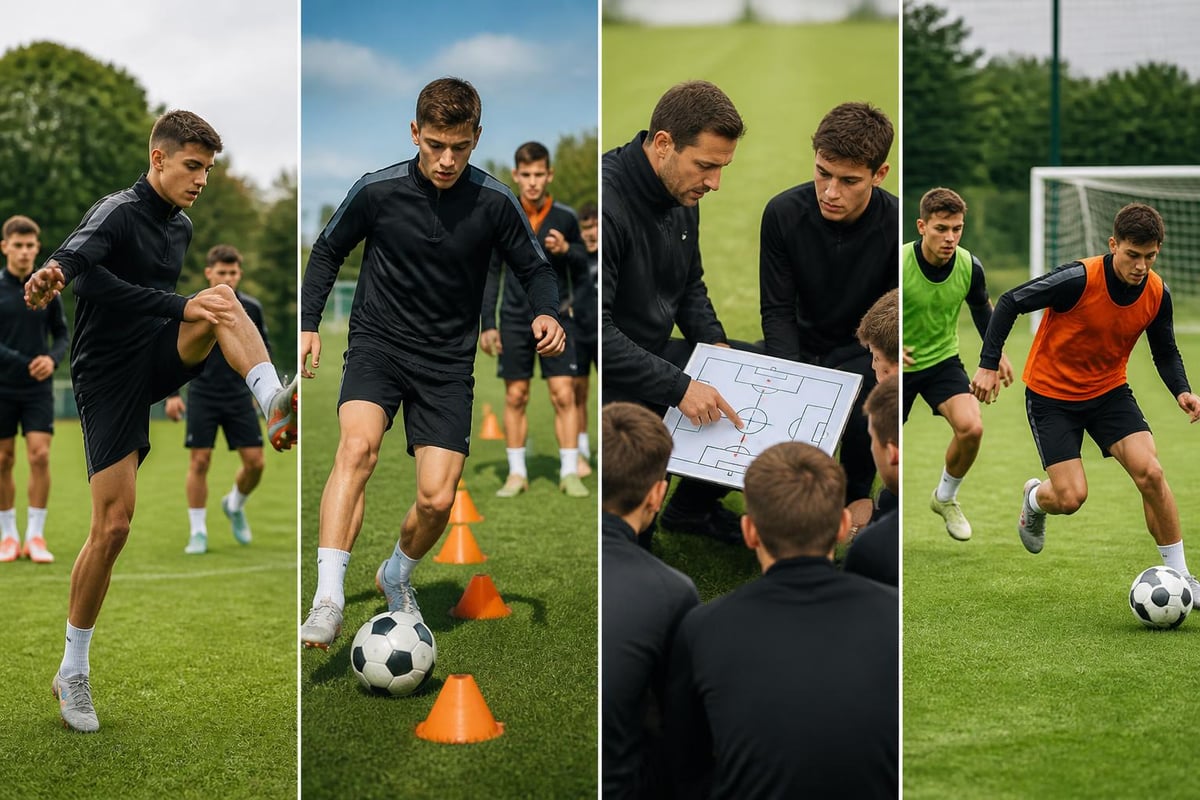
The Technical Component
Technical development forms the cornerstone of youth soccer training sessions. Young players need thousands of quality repetitions to develop the muscle memory and coordination required for advanced play. Sessions should dedicate substantial time to ball mastery exercises that include dribbling variations, receiving with different surfaces, and striking techniques.
Key technical elements to incorporate:
- First touch control under varying pressures
- Passing with both feet across multiple distances
- Dribbling in tight spaces and at speed
- Shooting technique from different angles and distances
- Heading fundamentals and aerial control
- Shielding and protecting possession
Research on strength training in soccer demonstrates that physical development must accompany technical work to prevent injuries and enhance performance capabilities. Progressive overload principles apply not just to strength work but to technical training as well, with players gradually increasing the speed, precision, and complexity of their skill execution.
The quality of technical training directly impacts long-term player development. Sessions should balance repetition with variation, ensuring players develop consistency while maintaining engagement. Coaches must provide immediate feedback, correcting improper techniques before they become ingrained habits.
Tactical Development Through Structured Sessions
Tactical awareness separates good players from great ones. Soccer training sessions must systematically develop players' understanding of space, timing, and collective movement. This cognitive dimension of the game requires different teaching methods than technical skills, emphasizing pattern recognition, decision-making under pressure, and situational awareness.
Effective tactical training begins with simplified scenarios. A 3v2 exercise, for example, teaches attacking players about creating and exploiting numerical advantages while defenders learn positioning and communication. As players demonstrate understanding, coaches increase complexity by adding players, expanding the playing area, or introducing specific objectives.
| Tactical Training Progression | Players | Focus Area | Key Objectives |
|---|---|---|---|
| Phase 1 | 3v2 | Numerical advantage | Creating space, support angles |
| Phase 2 | 4v4 | Balanced scenarios | Transition speed, team shape |
| Phase 3 | 7v7 | Position-specific | Role understanding, coordination |
| Phase 4 | 11v11 | Full team tactics | System execution, game management |
The FIFA Training Centre provides extensive resources on tactical session planning, offering frameworks that coaches worldwide use to structure their training. These methodologies emphasize game-realistic situations over isolated drills, ensuring transfer from training to competition.
Position-specific tactical work deserves dedicated attention in soccer training sessions. Defenders need different scenarios than midfielders or forwards. While team cohesion matters, players must master their positional responsibilities before executing complex team tactics. Sessions should include segments where position groups work separately on role-specific skills before integrating into team exercises.
Building Physical Capacity
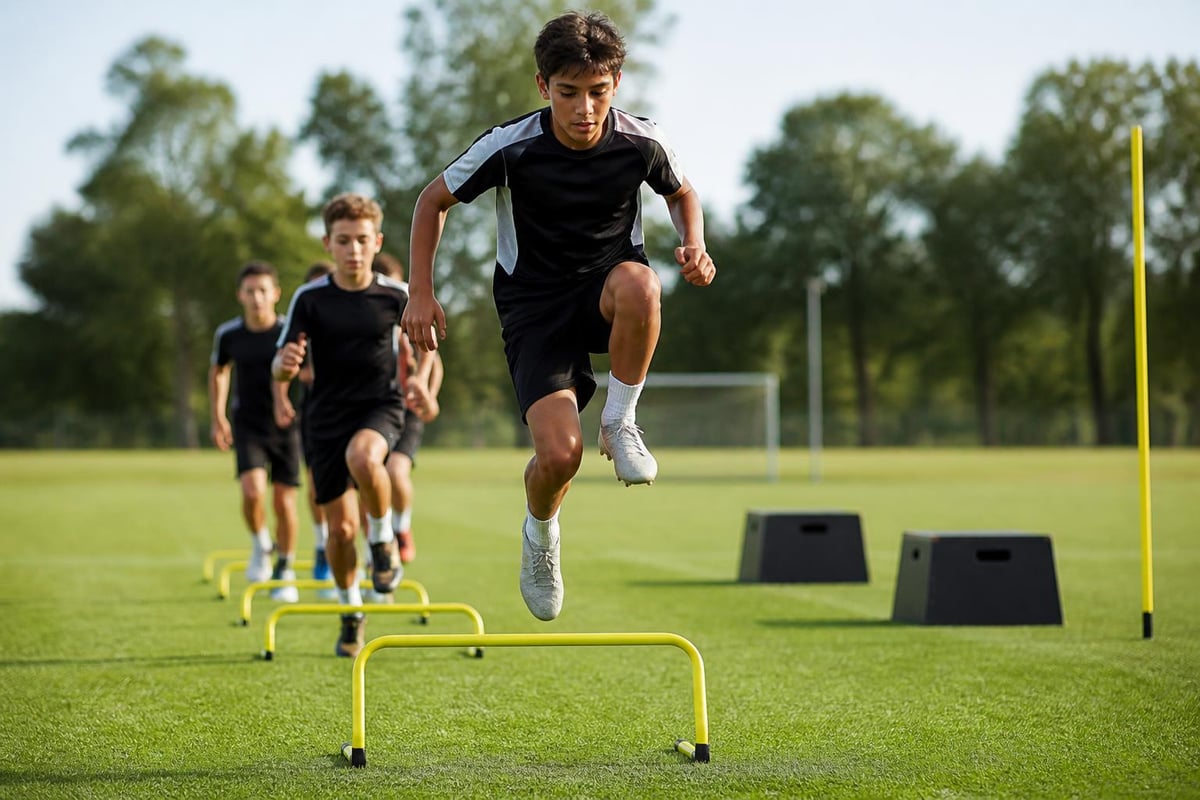
Physical preparation has become increasingly sophisticated in modern soccer training sessions. Young athletes need age-appropriate conditioning that develops speed, agility, endurance, and strength without risking overtraining or injury. The physical demands of soccer require multifaceted preparation addressing both aerobic capacity for sustained performance and anaerobic power for explosive actions.
Studies on training methods to improve sprint performance reveal that short-distance acceleration and maximum velocity require specific training protocols. Soccer training sessions should incorporate sprint work in various forms, from linear acceleration drills to multidirectional change-of-direction exercises that mirror game situations.
Physical training elements for comprehensive development:
- Speed and agility work: Linear sprints, ladder drills, cone patterns
- Aerobic conditioning: Interval runs, small-sided games with sustained effort
- Strength development: Bodyweight exercises, resistance training (age-appropriate)
- Flexibility and mobility: Dynamic stretching, yoga-inspired movements
- Injury prevention: Balance work, proprioception exercises, landing mechanics
For programs like those at Strive Soccer Academy, the European-style training philosophy emphasizes integrated physical development. Rather than separating fitness work from technical training, sessions blend physical demands into skill exercises, ensuring players develop conditioning while refining soccer-specific abilities.
The timing and intensity of physical training within sessions requires careful management. High-intensity work generally occurs early when players are fresh, while technical refinement may continue even as fatigue sets in, teaching players to execute skills under realistic tired-leg conditions.
Psychological Development and Mental Skills
The psychological component of soccer training sessions often receives insufficient attention despite its critical importance. Mental skills like focus, resilience, competitive mindset, and emotional regulation significantly impact performance and long-term development. Coaches should deliberately incorporate elements that challenge players psychologically while providing support and feedback.
Pressure situations built into training help players develop composure. Exercises with consequences like elimination games, timed challenges, or competition-based drills teach athletes to perform when stakes feel high. These experiences, when properly managed, build confidence and mental toughness that transfer to match situations.
Communication exercises strengthen team cohesion and individual confidence. Requiring players to call for the ball, direct teammates, or solve tactical problems verbally develops leadership skills and soccer intelligence. Many young players hesitate to communicate on the field, and training provides a safe environment to practice these essential skills.
Goal Setting and Progress Tracking
Soccer training sessions become more purposeful when players understand specific objectives. Session planning should include clearly communicated goals that players can track and measure. This might involve completing a drill with specific success criteria, achieving a certain number of successful passes under pressure, or demonstrating improved decision-making in game situations.
The PoST framework for skill development emphasizes periodization in specialist sports coaching, applying long-term planning principles to ensure progressive development. Training sessions align with broader development objectives, creating coherent pathways from fundamental skills to advanced capabilities.
Individual development plans add personalization to group training environments. While team sessions provide the foundation, identifying specific areas where each player needs improvement allows for targeted supplementary work. Some players may need additional technical repetitions, while others benefit more from tactical instruction or physical conditioning.
Session Planning and Coaching Methodology
Designing effective soccer training sessions requires understanding learning principles, age-appropriate development, and efficient use of limited training time. The best coaches approach session planning systematically, considering multiple factors that influence training quality and player engagement.
A coach’s perspective on soccer training methodologies emphasizes the importance of effective session planning and execution. Coaches must balance structure with flexibility, preparing detailed plans while remaining responsive to player needs and session dynamics.
Essential session planning considerations:
- Player age, skill level, and experience
- Training frequency and season phase
- Upcoming match requirements
- Available space and equipment
- Weather and environmental factors
- Player energy levels and recovery status
The coaching delivery during soccer training sessions matters as much as the session design. Effective coaches demonstrate skills clearly, provide specific feedback rather than generic encouragement, and ask questions that stimulate player thinking. The balance between instruction and discovery learning depends on the skill being taught and the developmental stage of the players.
| Coaching Style | Best Used For | Example Application |
|---|---|---|
| Direct instruction | New technical skills | Teaching proper shooting technique |
| Guided discovery | Tactical understanding | Asking players to identify spacing issues |
| Problem-solving | Decision-making | Presenting 2v1 scenarios without prescribed solutions |
| Game-based learning | Skill integration | Small-sided games with tactical objectives |
Adapting Sessions for Different Age Groups
Soccer training sessions for six-year-olds look dramatically different from sessions for sixteen-year-olds. Younger players need shorter activities, more variety, and game-based learning that maintains engagement. Technical instruction remains simple, focusing on fundamental movements and ball familiarity rather than complex techniques.
As players mature, soccer training sessions can incorporate longer activities, more detailed tactical instruction, and higher physical demands. Teenagers can handle sophisticated concepts, position-specific training, and intensive conditioning work that would overwhelm younger children. The programs offered at Strive Soccer Academy are specifically designed to match training content with developmental stages, ensuring age-appropriate challenges.
Attention spans dictate activity duration. Young children may need activity changes every 5-7 minutes, while older teenagers can sustain focus for 20-30 minutes on the same exercise. Session planning must account for these developmental realities to maintain engagement and maximize learning.
Small-Sided Games and Their Training Value
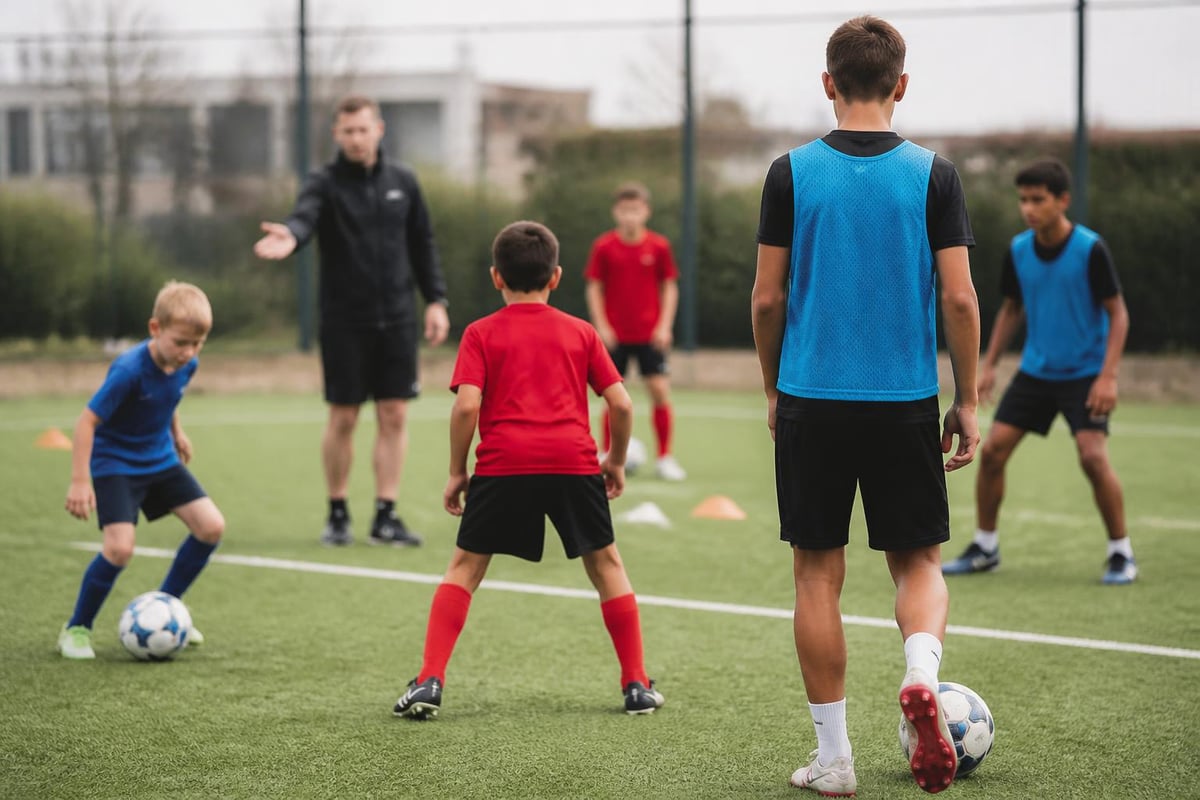
Small-sided games represent one of the most valuable tools in soccer training sessions. These modified games with fewer players, smaller fields, and sometimes altered rules create enhanced learning environments. Players get more touches, make more decisions, and experience game-realistic pressure more frequently than in full-sided scrimmages.
The research consistently shows that small-sided games improve technical execution, tactical awareness, and physical conditioning simultaneously. A 4v4 game on a reduced field forces players to think quickly, move constantly, and solve tactical problems under pressure, all while refining passing, receiving, and dribbling skills.
Coaches can manipulate small-sided game parameters to emphasize specific learning objectives:
- Field dimensions: Wider fields encourage spreading out and switching play
- Player numbers: Uneven numbers (4v3) teach attacking and defensive principles
- Touch limitations: Two-touch restrictions increase passing speed and decision quality
- Scoring methods: Goals only from crosses emphasize specific tactical behaviors
- Zone restrictions: Areas where certain players can't enter teach positional discipline
The versatility of small-sided games makes them suitable for all portions of soccer training sessions. They serve as warm-up activities, technical development tools, tactical teaching moments, and conditioning exercises. Their inherent engagement keeps players motivated while accumulating valuable repetitions.
Integrating Technology and Performance Analysis
Modern soccer training sessions increasingly incorporate technology to enhance learning and track progress. Video analysis allows players to see their technical execution and tactical decisions from external perspectives. Wearable GPS devices track physical metrics like distance covered, sprint count, and heart rate, providing objective data on training loads.
While high-level professional technology remains expensive, accessible tools offer value to youth programs. Simple video recording on smartphones enables technique review. Free or low-cost apps track basic performance metrics. The key lies not in technology sophistication but in using information to drive improvement.
Performance analysis extends beyond individual players to team patterns. Reviewing game footage helps players understand collective movements, identify recurring tactical issues, and recognize successful patterns worth replicating. When integrated thoughtfully into soccer training sessions, video analysis accelerates learning by making abstract concepts concrete and visible.
Creating Progressive Overload in Training
Like physical training, skill development requires progressive overload. Soccer training sessions must continually challenge players slightly beyond their current capabilities to stimulate improvement. This progression might involve increasing speed requirements, adding defensive pressure, reducing space, or combining multiple skills into complex sequences.
The challenge lies in finding the appropriate difficulty level. Exercises too easy lead to boredom and wasted time, while excessively difficult tasks cause frustration and poor technique. Effective coaches observe carefully, adjusting constraints to keep players in the optimal learning zone where success requires genuine effort but remains achievable.
Different players progress at different rates, creating complexity in group training environments. Solutions include ability-based groupings for specific exercises, offering variations of the same drill with different difficulty levels, or providing individual challenges within team activities. This differentiation ensures all players experience appropriate challenge regardless of their current skill level.
The Role of Rest and Recovery
Effective soccer training sessions consider not just the work performed but also the recovery required. Young athletes need adequate rest between training days to adapt physiologically and avoid overuse injuries. Training frequency, session intensity, and total training volume must balance to optimize development without causing burnout.
Within individual sessions, rest intervals between high-intensity efforts allow for quality repetitions. Attempting speed work while exhausted compromises technique and increases injury risk. Strategic recovery periods maintain training quality throughout the session, ensuring the final minutes produce learning equivalent to the opening activities.
Recovery extends beyond physical rest to include mental refreshment. Varied activities, fun competitive elements, and changes in focus help maintain engagement across multiple weekly soccer training sessions. Players who enjoy training attend more consistently and bring greater effort, accelerating their development.
Structured, purposeful soccer training sessions provide the foundation for developing skilled, intelligent, and resilient players. By addressing technical, tactical, physical, and psychological components through well-designed activities and expert coaching, young athletes gain the capabilities needed to reach their potential. At Strive Soccer Academy, we understand what parents want most for their young athletes-a program that develops skills, builds character, and creates real opportunities through European-style training philosophy focused on comprehensive player growth. Discover how our fully licensed Canada Soccer coaches can help your athlete thrive both on and off the field.