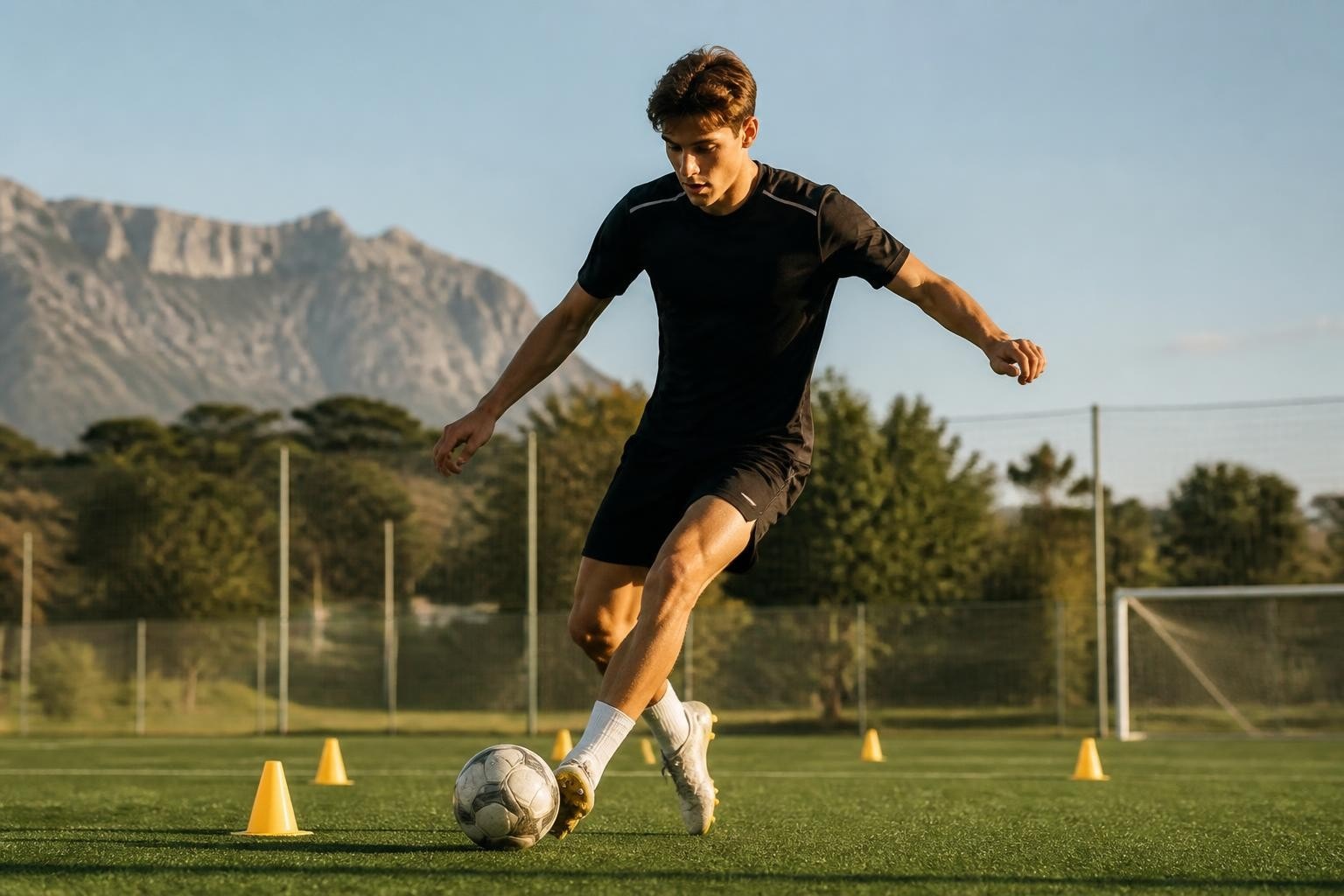
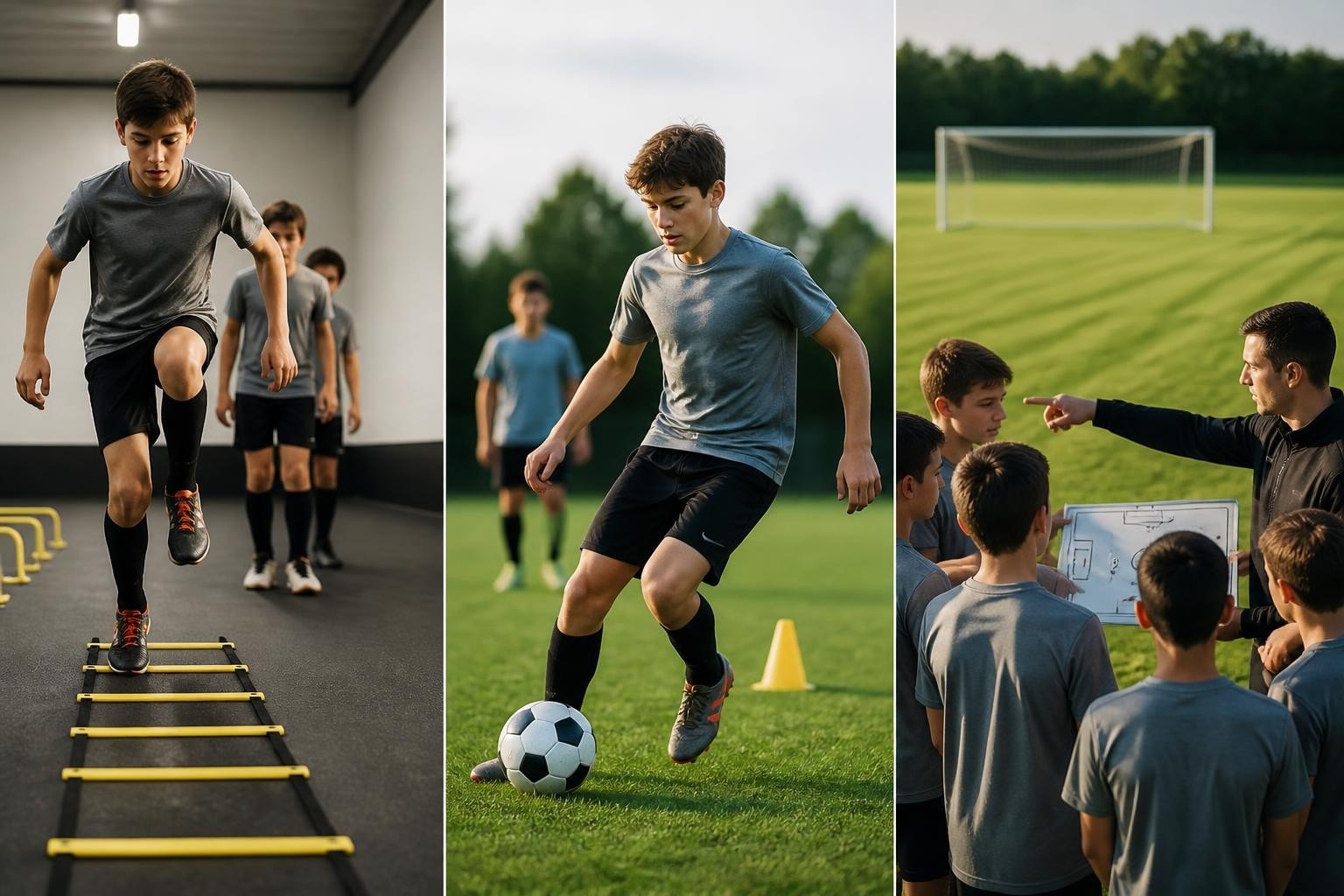
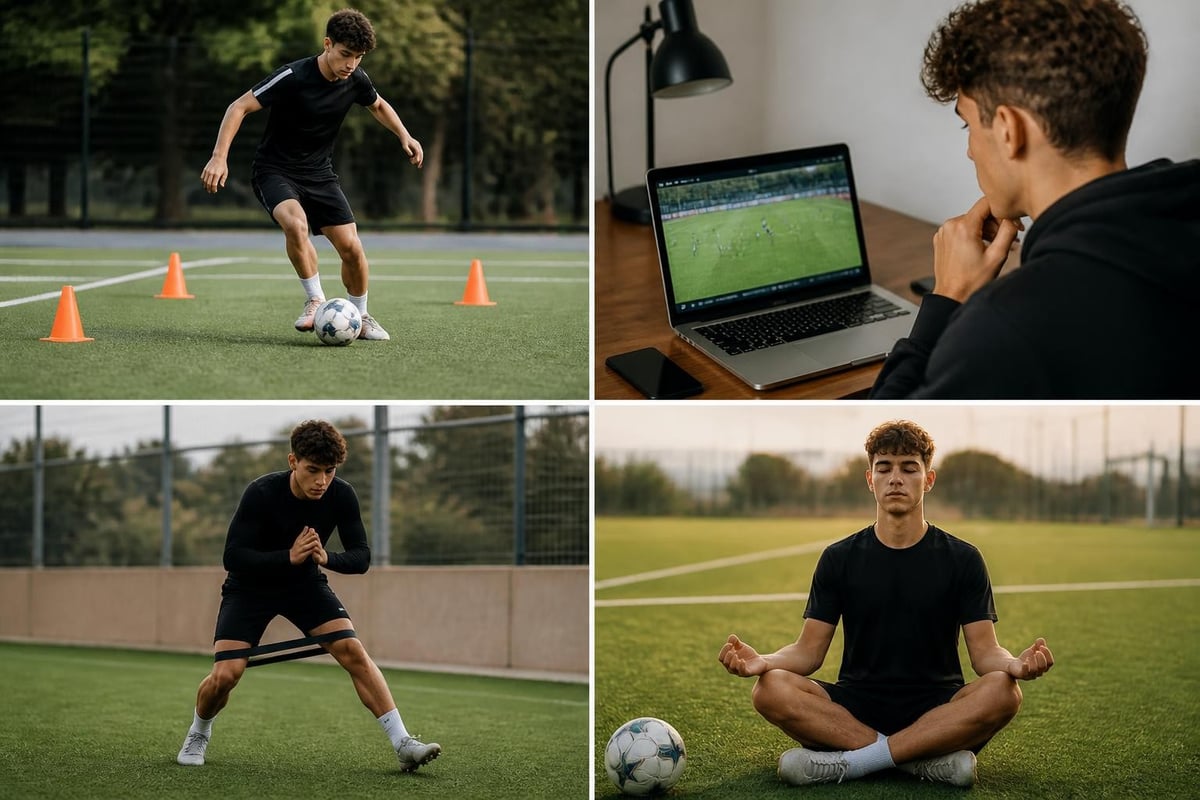
A well-structured soccer training regimen is the foundation of player development, transforming raw talent into refined skill through systematic practice and progressive challenges. For parents seeking quality development opportunities for their young athletes, understanding what separates effective training programs from basic recreational soccer makes all the difference. The best programs build on four essential pillars: technical mastery, tactical intelligence, physical conditioning, and psychological resilience. This comprehensive approach mirrors the methodologies used by top academies worldwide, adapted for the needs and potential of developing players.
Understanding the Four Pillars of Player Development
Every effective soccer training regimen balances multiple dimensions of athletic growth. The technical pillar focuses on ball mastery, from basic control to advanced skills like receiving under pressure and executing precise passes. Technical training should occur daily, as these skills require thousands of repetitions to become instinctive during competitive matches.
The tactical component develops game intelligence and decision-making abilities. Players learn to read the game, understand positioning concepts, and execute team strategies effectively. This dimension separates players who simply possess skills from those who know when and how to apply them.
Physical Conditioning for Soccer Performance
Physical development represents a critical but often misunderstood element of youth soccer training. Research on strength training methods demonstrates that age-appropriate conditioning significantly impacts performance without compromising long-term development. A proper soccer training regimen incorporates:
- Speed and agility work to enhance first-step quickness and change of direction
- Endurance training to maintain high performance throughout full matches
- Strength development appropriate to the player's age and physical maturity
- Flexibility and mobility exercises to prevent injuries and improve movement quality
The physical demands of modern soccer require players to cover extensive distances at varying intensities. Young athletes benefit from structured conditioning that builds capacity gradually while respecting developmental stages.
Psychological Development and Mental Toughness
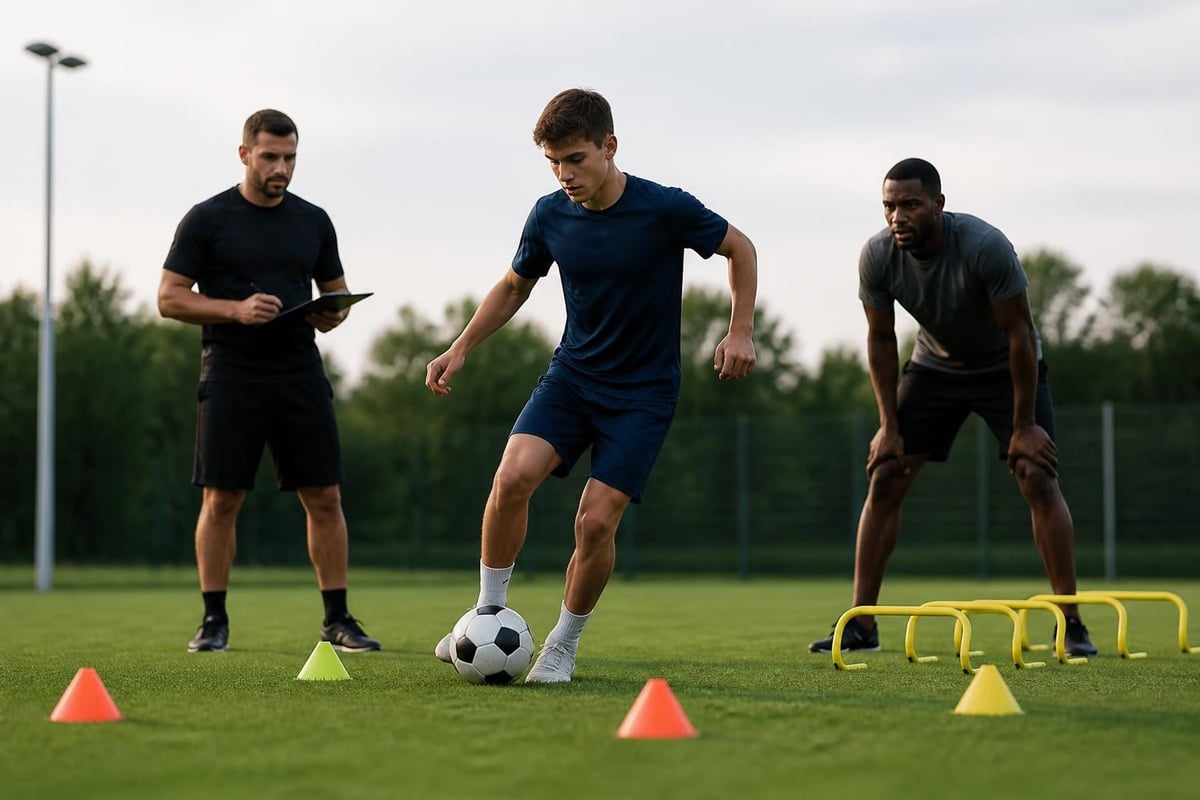
The psychological pillar often receives insufficient attention in youth programs, yet mental skills separate good players from exceptional ones. Confidence, focus, resilience, and composure under pressure must be deliberately cultivated. A comprehensive soccer training regimen addresses psychological development through:
- Challenging scenarios that push players beyond their comfort zones
- Positive coaching that builds self-belief while maintaining high standards
- Problem-solving exercises that develop independent thinking
- Competition exposure that teaches handling pressure and setbacks
Players who develop strong mental skills carry these attributes into all areas of life, making psychological training valuable beyond the soccer field.
Structuring Weekly Training Sessions
An effective soccer training regimen requires thoughtful weekly planning that balances intensity, recovery, and skill development. Most competitive youth programs operate on a training cycle that includes technical sessions, tactical work, physical conditioning, and match play.
Sample Weekly Structure:
| Day | Focus | Duration | Intensity |
|---|---|---|---|
| Monday | Technical Skills | 90 min | Moderate |
| Tuesday | Physical Conditioning | 60 min | High |
| Wednesday | Tactical Training | 90 min | Moderate |
| Thursday | Recovery/Light Technical | 60 min | Low |
| Friday | Match Preparation | 75 min | Moderate-High |
| Saturday | Competition | 90+ min | High |
| Sunday | Rest/Optional Skills | Variable | Low |
This structure allows adequate recovery while maintaining training frequency necessary for skill development. The specific breakdown varies based on age group, competition level, and individual player needs.
Technical Training Session Components
Technical sessions within a soccer training regimen should follow a progressive structure that warms up the body and mind before advancing to more complex challenges. Begin with ball mastery exercises that establish touch and control, then progress through passing combinations, receiving in various situations, and finishing under pressure.
Quality technical training emphasizes both feet equally and incorporates game-realistic conditions. Static drills have limited value compared to exercises that simulate match speed, defensive pressure, and decision-making requirements. The physiological considerations for soccer training support integrating technical work with physical demands to create training adaptations that transfer directly to competition.
Tactical Training and Game Intelligence
Developing tactical understanding transforms individual skill into team effectiveness. A soccer training regimen builds tactical knowledge through small-sided games, position-specific training, and full-team organizational work.
Small-sided games (3v3, 4v4, 5v5) create more touches, more decisions, and more opportunities to apply tactical concepts compared to full 11v11 training. These formats accelerate learning by increasing the frequency of game situations each player encounters.
Position-Specific Development
While young players benefit from experiencing multiple positions, advanced training includes position-specific work. Defenders learn anticipation, positioning, and ball-winning techniques. Midfielders develop transitional play, scanning habits, and distribution skills. Forwards refine movement patterns, finishing, and combination play.
Position-specific training within a comprehensive soccer training regimen should complement rather than replace general skill development. Players who understand multiple positions become more versatile and develop better overall game awareness.
Physical Conditioning and Athletic Development
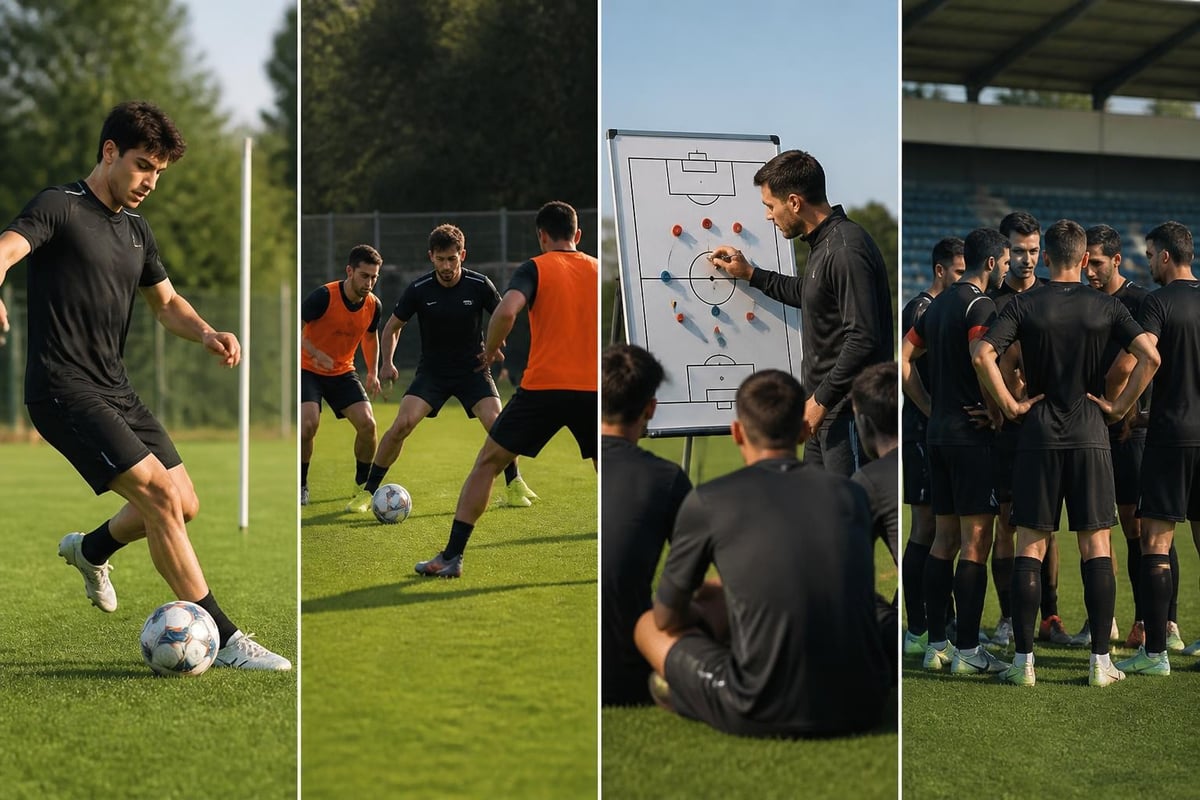
Athletic qualities provide the platform for technical and tactical skills to flourish during matches. Modern soccer demands explosive power, acceleration, high-speed running capacity, and the endurance to maintain quality through 90 minutes. Evidence-based training recommendations emphasize periodization that builds physical qualities systematically while avoiding overtraining.
Key Physical Qualities for Soccer:
- Acceleration and Sprint Speed – First 10-20 yards determine success in most game actions
- Repeated Sprint Ability – Capacity to perform multiple high-intensity efforts with minimal recovery
- Aerobic Capacity – Foundation for recovery between high-intensity actions
- Strength and Power – Force production for shooting, jumping, and physical duels
- Agility and Change of Direction – Ability to decelerate, redirect, and accelerate efficiently
A properly designed soccer training regimen integrates physical development throughout technical and tactical sessions rather than isolating conditioning work. This approach maximizes efficiency and ensures physical qualities develop in soccer-specific contexts.
Age-Appropriate Physical Training
Physical training must respect biological development stages. Pre-pubescent athletes focus primarily on movement quality, coordination, and building aerobic foundation. As players mature, progressive resistance training and higher-intensity conditioning become appropriate.
The implementation of high-speed running training in professional soccer provides insights applicable to youth development when properly scaled. Young players can safely perform sprint training that develops speed and power without excessive volume or intensity that risks injury or burnout.
Periodization and Long-Term Development
Elite soccer training regimens follow periodization principles that organize training into distinct phases with specific objectives. Annual planning typically includes preparation periods, competition phases, and recovery blocks.
Annual Periodization Model:
| Phase | Duration | Training Focus | Volume | Intensity |
|---|---|---|---|---|
| Off-Season | 4-6 weeks | General fitness, skill refinement | Moderate | Low-Moderate |
| Pre-Season | 6-8 weeks | Soccer-specific conditioning | High | Progressive |
| In-Season | 6-9 months | Maintenance, recovery, tactics | Moderate | High |
| Post-Season | 2-4 weeks | Active recovery, evaluation | Low | Very Low |
This periodized approach prevents staleness, reduces injury risk, and ensures players peak during important competition periods. Youth programs should apply these principles with appropriate modifications for developmental needs.
Progressive Skill Development
Long-term athletic development requires patience and systematic progression. A quality soccer training regimen introduces skills in appropriate sequence, building from fundamental movements to complex techniques. Players master basic skills before advancing to variations and combinations.
The programs at Strive Soccer Academy demonstrate this progressive approach, developing players through structured curricula that advance as athletes mature. This methodology ensures solid foundations while challenging players to continually improve.
Individual Development Within Team Training
While team training provides the primary structure for most soccer training regimens, individual development work accelerates improvement. Players serious about maximizing their potential supplement team sessions with individual technical work, position-specific study, and targeted physical training.
Individual training might include:
- Daily ball mastery – 15-30 minutes of focused technical repetition
- Video analysis – Studying professional players and personal performance
- Weakness targeting – Extra practice on non-dominant foot or specific skills
- Mental training – Visualization, goal-setting, and performance reflection
The most successful players take ownership of their development, using team training as the foundation and individual work to accelerate progress.
Nutrition and Recovery in Training Programs
An often-overlooked aspect of any soccer training regimen is proper nutrition and recovery. Young athletes need adequate fuel to support training demands and growth. Proper nutrition includes balanced meals with sufficient protein, carbohydrates, healthy fats, and hydration throughout the day.
Recovery Strategies for Young Players:
- Adequate sleep (8-10 hours for youth athletes)
- Post-training nutrition within 30-60 minutes
- Active recovery sessions (light movement, stretching)
- Stress management and mental recovery
- Communication about fatigue and soreness
Parents play a crucial role in supporting recovery by ensuring proper sleep schedules, providing nutritious meals, and monitoring overall stress levels from soccer and other commitments.
Injury Prevention Through Smart Training
Injury prevention should be integrated throughout a soccer training regimen rather than treated as a separate component. Proper warm-ups, progressive loading, adequate recovery, and addressing movement deficiencies all contribute to keeping players healthy.
Dynamic warm-ups prepare the body for training demands while improving movement quality. These 10-15 minute routines should include mobility work, activation exercises, and progressive intensity preparation. Cool-down periods help transition the body toward recovery and provide opportunities for flexibility work.
Training Environment and Coaching Quality
The effectiveness of any soccer training regimen depends heavily on coaching quality and training environment. Qualified coaches understand player development principles, communicate effectively, and create engaging sessions that challenge players appropriately.
Licensed coaches bring structured curricula, age-appropriate progressions, and evidence-based methodologies to their programs. The difference between quality coaching and recreational instruction becomes evident in player development outcomes over months and years.
Creating a Positive Learning Environment
Beyond technical knowledge, effective coaches create environments where players feel challenged yet supported. This balance encourages risk-taking and learning from mistakes, essential components of skill development. A positive training culture values effort, improvement, and teamwork alongside competitive success.
The high-performance training environment exemplifies this approach, pushing players while maintaining the encouragement necessary for confidence development. Players thrive when expectations are clear, feedback is constructive, and individual progress is recognized.
Measuring Progress and Setting Goals
A structured soccer training regimen includes regular assessment and goal-setting to maintain focus and motivation. Measurements might include technical skill tests, physical fitness benchmarks, tactical knowledge evaluations, and match performance analysis.
Assessment Categories:
- Technical Skills – Ball mastery tests, passing accuracy, receiving quality
- Physical Attributes – Speed tests, agility measures, endurance benchmarks
- Tactical Understanding – Decision-making in game situations, positional awareness
- Psychological Skills – Composure under pressure, leadership, communication
Regular assessment provides objective feedback that guides training priorities. Players who track progress stay motivated and develop self-awareness about strengths and areas needing improvement.
Goal Setting for Young Athletes
Effective goal-setting within a soccer training regimen balances short-term objectives with long-term vision. Process goals (controllable actions) prove more valuable than outcome goals (results dependent on many factors). Examples include completing 500 touches daily, watching one professional match per week for tactical learning, or maintaining positive communication during all training sessions.
Parents and coaches should guide young players in setting realistic yet challenging goals. Regular review and adjustment keeps goals relevant as players develop and circumstances change.
Adapting Training for Different Age Groups
Soccer training regimens must adapt to the developmental stage of participants. Young children (ages 5-8) require play-based learning with minimal structure and maximum ball contact. Pre-adolescents (ages 9-12) can handle more organization while still emphasizing skill development over tactics or physical conditioning.
Adolescent players (ages 13+) benefit from comprehensive programs addressing all four development pillars. These athletes can handle tactical complexity, position-specific training, and structured physical development while continuing technical refinement.
Age-Specific Training Emphases:
| Age Group | Primary Focus | Session Structure | Competitive Element |
|---|---|---|---|
| U6-U8 | Fun, ball mastery, basic coordination | Play-based, minimal organization | Small-sided games, no standings |
| U9-U12 | Technical skills, introduction to tactics | Structured drills, progressive games | Modified competition, development focus |
| U13-U15 | All four pillars balanced | Comprehensive sessions | Increased competition, team tactics |
| U16+ | Position-specific, tactical depth | Advanced training, specialization | High competition, performance outcomes |
Quality programs recognize these developmental differences and design soccer training regimens accordingly rather than applying one-size-fits-all approaches.
Technology and Modern Training Methods
Modern soccer training regimens increasingly incorporate technology for analysis, feedback, and engagement. Video analysis helps players visualize concepts and review performance. GPS tracking monitors physical output during training and matches. Apps and online platforms provide skill challenges and educational content.
While technology offers valuable tools, it should enhance rather than replace fundamental coaching and practice. Advanced methodologies like data-driven performance evaluation provide insights that inform training decisions, but human coaching remains central to player development.
The key is using technology appropriately for the age group and development stage. Young children need minimal technology intervention, while older competitive players benefit from video review, performance tracking, and analytical feedback.
Building a comprehensive soccer training regimen requires balancing technical mastery, tactical intelligence, physical conditioning, and psychological development while respecting the individual needs of young athletes. The most effective programs combine qualified coaching, systematic progression, and supportive environments that challenge players to reach their potential. At Strive Soccer Academy, we bring European-style training methodology to Surrey, BC, with fully licensed Canada Soccer coaches who develop the complete player through structured, professional programming. Whether your young athlete is just beginning their soccer journey or competing at advanced levels, our comprehensive approach to the four pillars of development provides the foundation for success on and off the field.