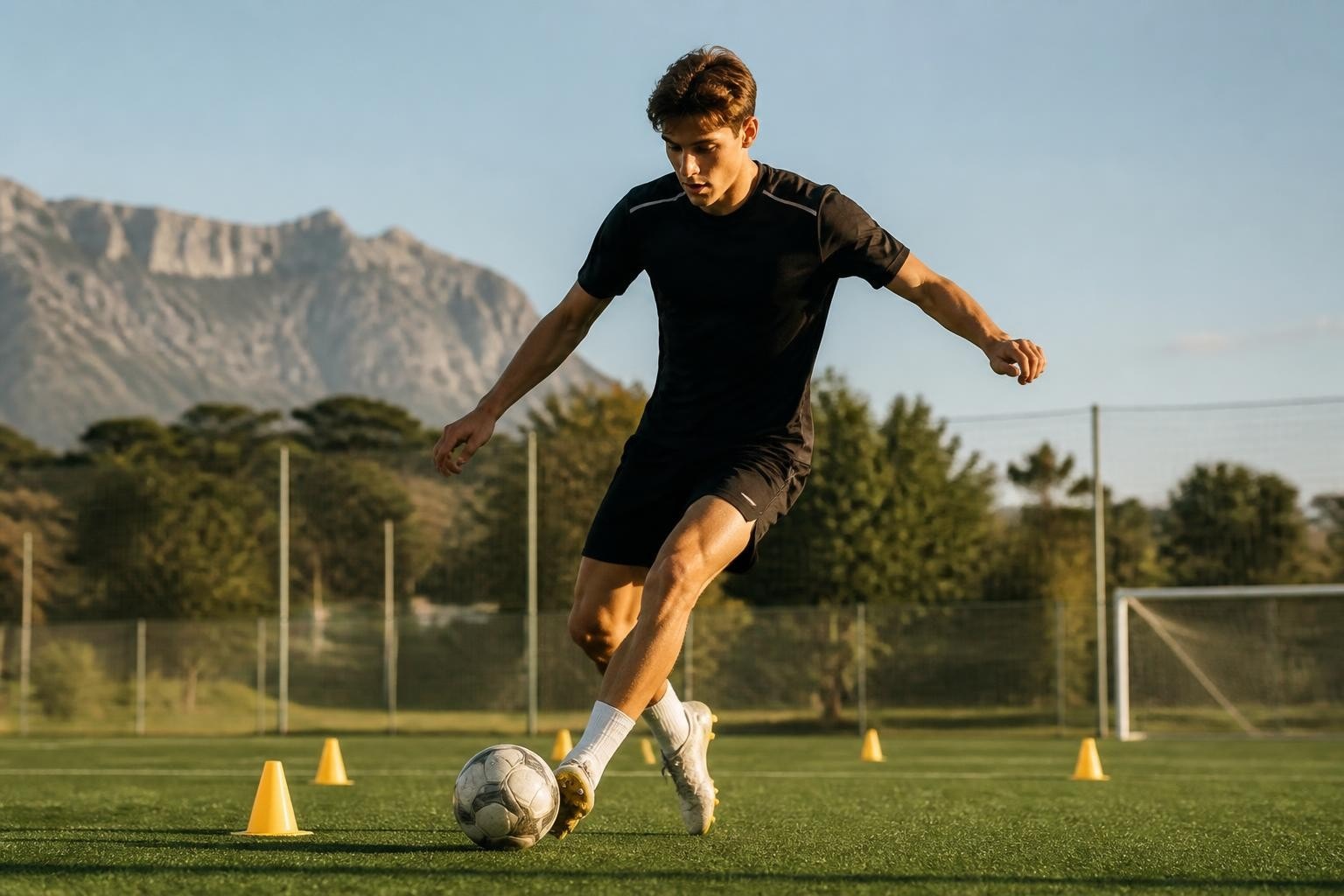
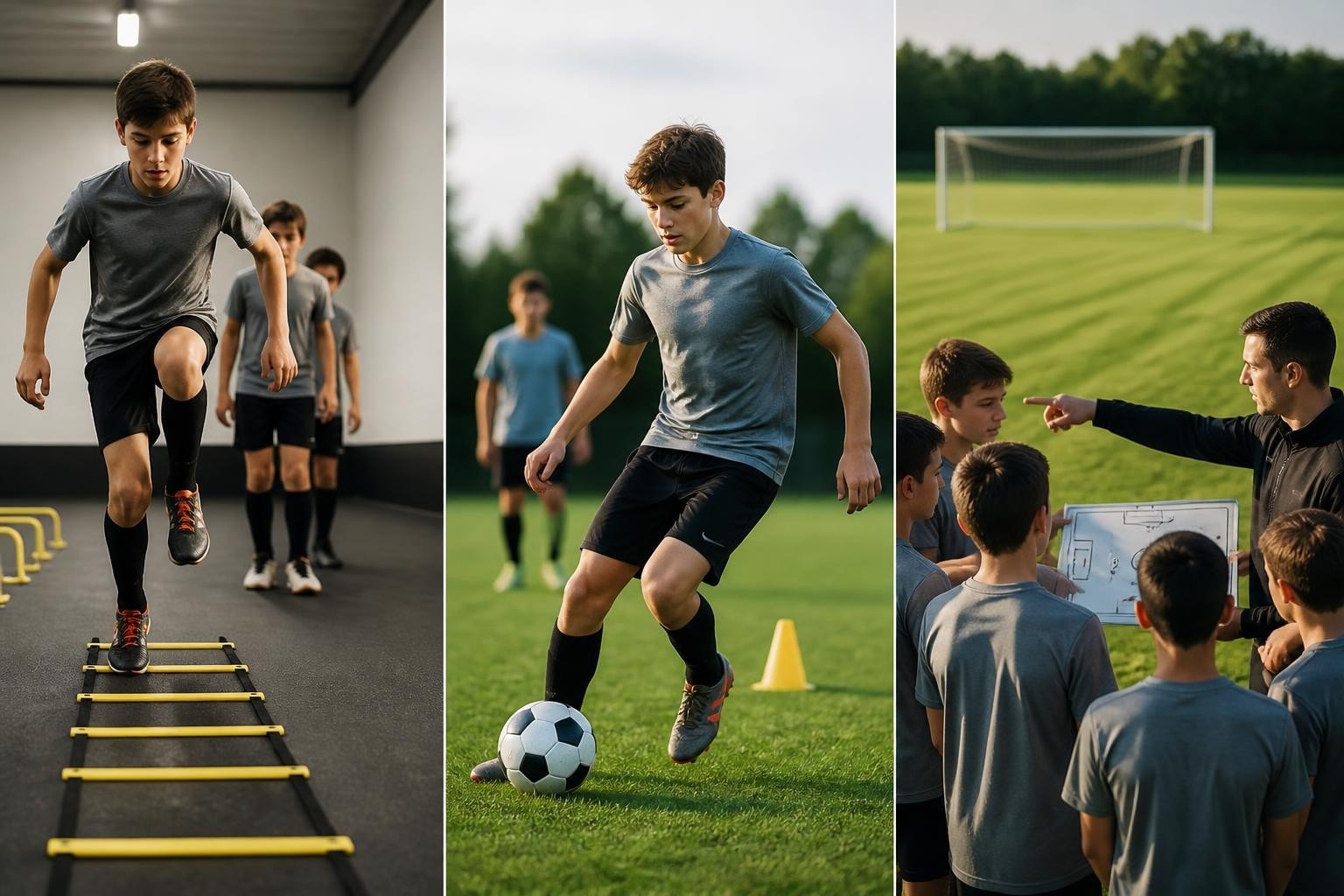
Creating an effective soccer training program requires more than simply running drills and scrimmaging. Today's youth athletes need a comprehensive approach that addresses every dimension of their development as players and individuals. A well-designed soccer training program integrates technical precision, tactical intelligence, physical conditioning, and psychological resilience to prepare young players for competitive success while building character that extends beyond the pitch. For parents seeking the right environment for their children, understanding these core principles makes all the difference in selecting a program that delivers real, measurable growth.
The Four Pillars of Comprehensive Soccer Development
Modern soccer training has evolved significantly from the traditional approach of simply organizing practice sessions and games. The most effective programs now follow a structured framework based on four fundamental pillars that work together synergistically.
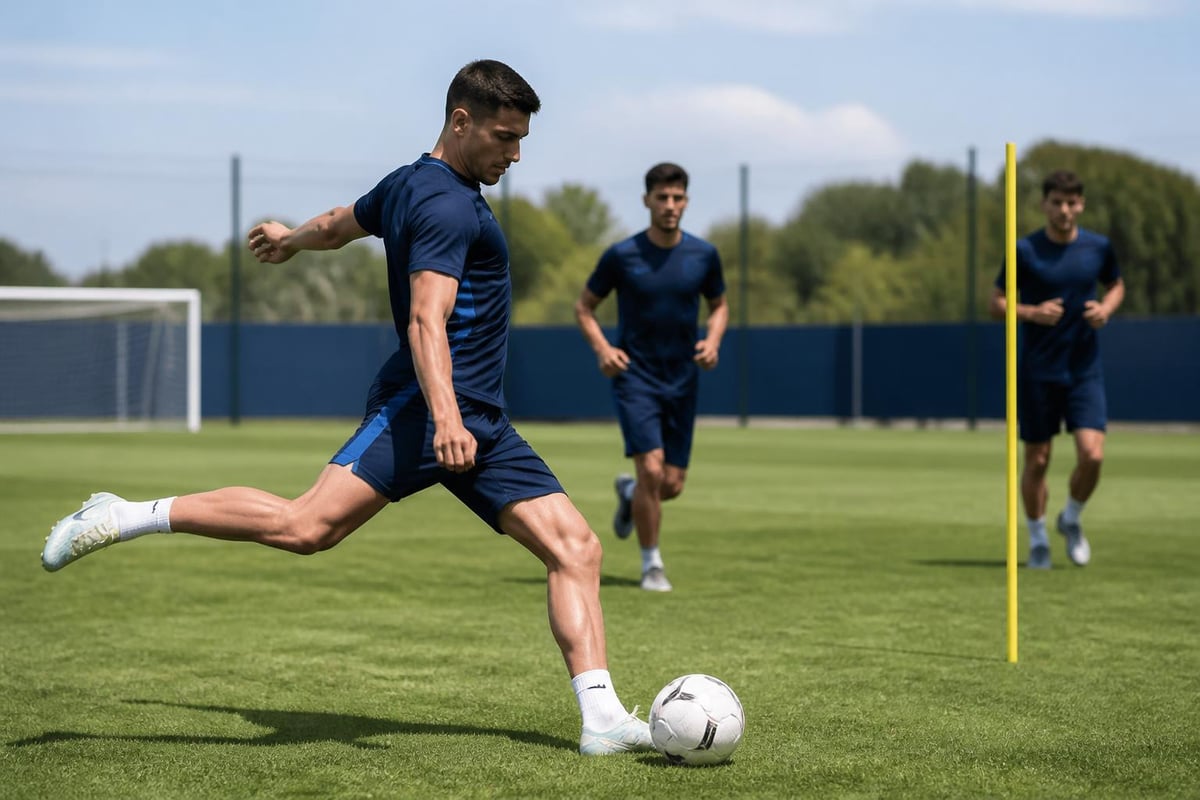
Technical development forms the foundation of any quality soccer training program. This encompasses ball mastery, passing accuracy, receiving skills, dribbling techniques, and shooting mechanics. Young players must develop comfort and confidence with the ball at their feet before they can execute more complex tactical concepts.
Tactical understanding represents the cognitive dimension of soccer. Players learn positioning, spatial awareness, decision-making under pressure, and how to read the game. This pillar transforms technically skilled players into intelligent competitors who understand when and how to apply their abilities.
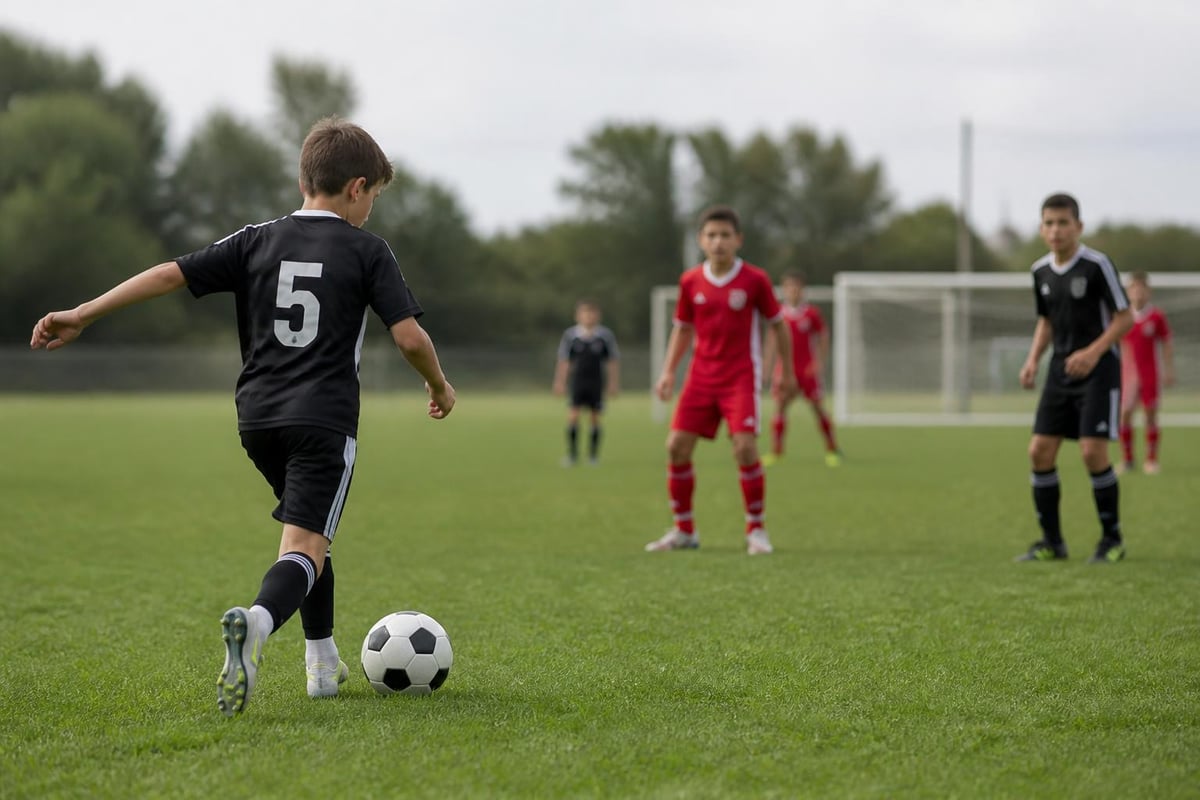
The physical component addresses strength, speed, agility, endurance, and injury prevention. Research from Mass General Brigham highlights the importance of proper strength training for soccer players, emphasizing exercises that enhance performance while reducing injury risk. A comprehensive soccer training program incorporates age-appropriate physical conditioning that builds athletic foundations without overtraining young bodies.
Psychological development often receives less attention but proves equally critical. Mental toughness, confidence, resilience, focus, and emotional regulation determine how players perform when stakes are highest. Programs that intentionally develop these traits create athletes who thrive under pressure and recover quickly from setbacks.
Structuring Age-Appropriate Training Sessions
Different age groups require distinct approaches within a soccer training program. What works for teenagers proves inappropriate for younger children, and vice versa.
Youth Development (Ages 5-10)
For younger players, the emphasis should remain on fun, fundamental movement, and basic ball skills. Sessions typically run 60-75 minutes and follow this structure:
- Warm-up (10 minutes): Dynamic movement games that incorporate balls
- Technical focus (25 minutes): One or two specific skills with high repetition
- Small-sided games (25 minutes): 3v3 or 4v4 to maximize touches
- Cool-down (10 minutes): Stretching and reflection
The development of fundamental motor skills during these formative years establishes the movement foundation that supports all future soccer abilities. Training should feel like structured play rather than rigid instruction.
Intermediate Development (Ages 11-14)
As players mature, a soccer training program can introduce greater tactical complexity and increased physical demands. Sessions extend to 90 minutes with more sophisticated organization:
- Activation and mobility (15 minutes)
- Technical-tactical integration (30 minutes)
- Position-specific training (20 minutes)
- Conditioned games (20 minutes)
- Recovery and education (5 minutes)
This age range represents a critical window for developing both technical refinement and tactical sophistication. Players begin specializing in positions while maintaining well-rounded skills.
Advanced Development (Ages 15-18)
Older players require training that mirrors professional demands. Programs should emphasize game-specific situations, high-intensity work, and performance optimization. A systematic approach to training periodization becomes essential at this level, balancing physical loads across weeks and months to peak for important competitions.
| Age Group | Session Length | Technical Focus | Tactical Complexity | Physical Intensity |
|---|---|---|---|---|
| 5-10 years | 60-75 min | High | Low | Low-Moderate |
| 11-14 years | 90 min | High | Moderate-High | Moderate |
| 15-18 years | 90-120 min | Moderate-High | High | High |
Integrating Physical Conditioning Into Technical Training
One of the most significant advances in modern soccer training involves the integration of physical conditioning within technical work rather than treating them as separate components. This approach maximizes efficiency while ensuring physical development occurs in game-relevant contexts.
Research on strength training methods demonstrates that combining strength work with soccer-specific training produces superior results compared to isolated conditioning. A well-designed soccer training program incorporates resistance, speed, and agility work directly into technical drills.
For example, rather than running generic sprints, players might perform explosive accelerations while controlling a ball, mimicking the demands they'll face in matches. Strength exercises can utilize body weight and resistance bands during technical circuits rather than requiring separate gym sessions for younger age groups.
Speed and Agility Development
Improving sprint performance requires specific training methods. Evidence-based recommendations for enhancing short-distance speed suggest combining resisted sprints, plyometrics, and technique work for optimal results. These elements fit naturally into a comprehensive soccer training program through carefully designed warm-ups and technical stations.
Speed development should progress through these phases:
- Movement mechanics: Proper running form, acceleration technique, deceleration control
- First-step quickness: Reaction drills, directional changes, explosive starts
- Top-end speed: Longer sprints with full recovery between repetitions
- Speed endurance: Repeated high-intensity efforts with controlled rest periods
The Strive Soccer Academy approach emphasizes quality movement patterns that enhance both technical execution and physical performance, ensuring players develop athleticism that directly translates to game situations.
The Role of Small-Sided Games
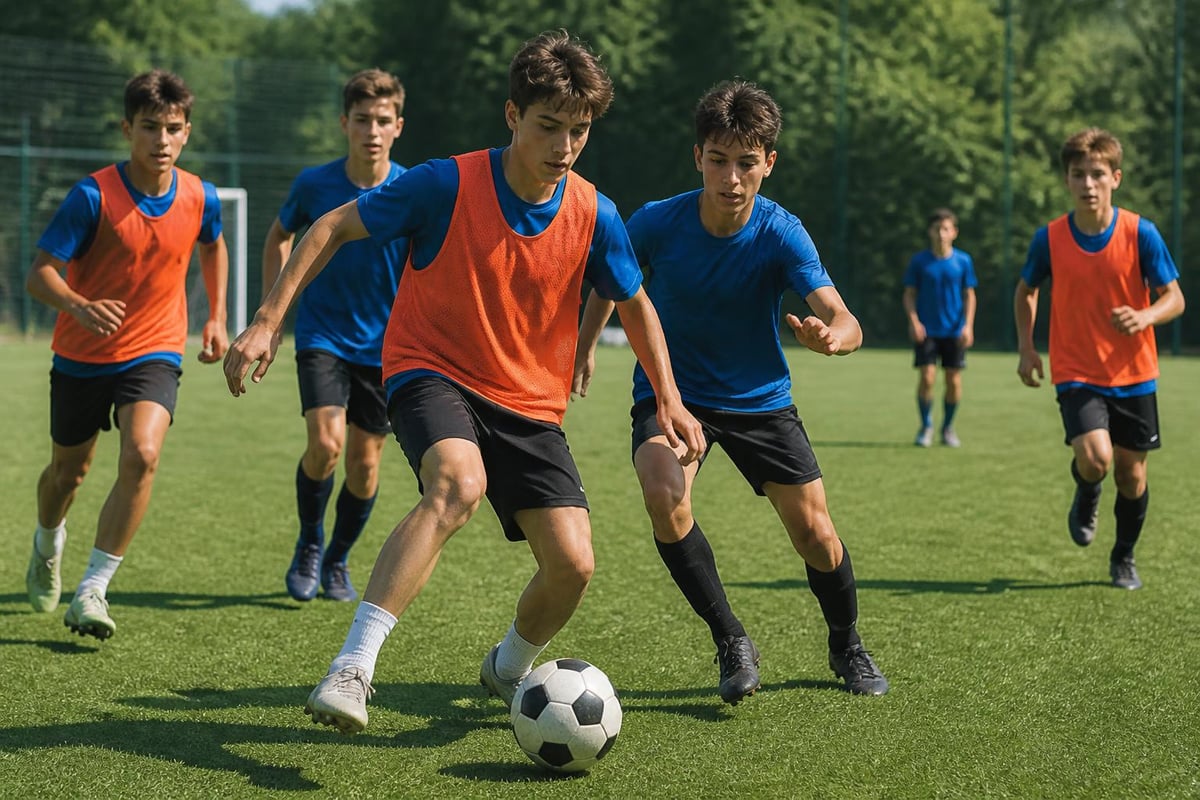
Small-sided games represent one of the most effective tools available in any soccer training program. These modified games, typically played with fewer players on smaller fields, create environments where young athletes receive significantly more touches, make more decisions, and engage more actively than in full-sided scrimmages.
A comprehensive framework for implementing small-sided games provides evidence-based guidelines for maximizing their effectiveness. The beauty of this approach lies in its efficiency-a single well-designed activity simultaneously develops technical, tactical, and physical capacities.
Designing Effective Small-Sided Games
The specific parameters of small-sided games should align with training objectives. Consider these variables when structuring activities:
Player numbers: Formats range from 3v3 to 7v7, with smaller numbers increasing individual involvement. A 4v4 game provides approximately three times more ball contacts per player compared to 11v11.
Field dimensions: Adjusting space influences physical demands and tactical behaviors. Wider fields encourage spreading play and crossing, while compact areas develop close control and quick combination play.
Rules and constraints: Modified rules direct player development toward specific outcomes. Examples include limiting touches, requiring minimum passes before shooting, or designating target players who must receive the ball in certain zones.
Duration and rest: Shorter bursts with adequate recovery maintain quality and intensity. Most small-sided games work best in 3-5 minute intervals with equal rest periods.
Developing Tactical Intelligence Through Progressive Training
Tactical development represents perhaps the most complex aspect of a soccer training program. Young players must learn to recognize patterns, make rapid decisions, and execute solutions under pressure-all while physically competing against opponents.
Effective tactical training follows a progression from simple to complex:
- Awareness: Help players see and recognize important information on the field
- Understanding: Connect observations to concepts like space, timing, and positioning
- Decision-making: Practice choosing appropriate responses to game situations
- Execution: Apply decisions through technical skills under realistic conditions
Position-Specific Development
As players advance, they benefit from position-specific training that addresses the unique demands of their roles. Defenders need different tactical education than midfielders or forwards. A comprehensive soccer training program allocates time for this specialized work while maintaining well-rounded development.
Goalkeepers require entirely separate consideration, with dedicated sessions focused on handling, positioning, distribution, and communication. The goalkeeper represents a specialized position that demands specific technical and tactical training.
Periodization and Long-Term Athletic Development
Creating a soccer training program that produces sustainable growth requires strategic periodization-the systematic planning of training across days, weeks, months, and years. This prevents burnout, reduces injury risk, and ensures players peak for important competitions.
Annual Planning Structure
A typical year divides into distinct phases:
| Phase | Duration | Focus | Intensity |
|---|---|---|---|
| Off-season | 4-6 weeks | Recovery, foundational fitness | Low |
| Pre-season | 6-8 weeks | Building fitness, team tactics | Moderate-High |
| Competition | 8-10 months | Maintaining performance | Moderate with peaks |
| Transition | 2-3 weeks | Active recovery | Very Low |
Within the competition phase, weekly planning balances intense training with recovery. Most programs follow a pattern where the hardest physical work occurs early in the week, tactical work dominates mid-week, and the final days before games emphasize recovery and preparation.
For parents evaluating programs, understanding how a comprehensive training philosophy manages these cycles demonstrates the program's sophistication and player-centered approach.
Psychological Development and Mental Skills Training
The mental game separates good players from great ones. A complete soccer training program intentionally develops psychological skills rather than leaving mental development to chance.
Core Mental Skills for Soccer Success
Concentration and focus enable players to maintain attention on relevant cues throughout entire matches. Training exercises that require sustained attention under fatigue build this capacity. Simple practices like calling out colors of cones while dribbling or solving math problems during recovery runs develop focus under stress.
Confidence grows through mastery experiences and positive reinforcement. Coaches should structure practices where players experience success at challenging tasks, gradually increasing difficulty as competence improves. Setting and achieving incremental goals builds self-belief systematically.
Emotional regulation helps players manage frustration, anxiety, and excitement appropriately. Teaching young athletes to recognize their emotional states and apply coping strategies-such as controlled breathing or positive self-talk-creates resilience that serves them in soccer and life.
Visualization and imagery allow players to mentally rehearse skills and situations. Spending time imagining successful performances activates similar neural pathways as physical practice, complementing on-field training.
Building Team Culture and Character
Beyond individual mental skills, the best programs cultivate team culture that reinforces positive values. A soccer training program should emphasize:
- Respect for teammates, opponents, and officials
- Commitment to personal and collective improvement
- Resilience in the face of setbacks
- Support and encouragement among players
- Accountability for effort and behavior
These character elements distinguish programs that truly develop young people from those that simply teach soccer skills.
Monitoring Progress and Adapting Training
Effective programs continuously assess player development and adjust training accordingly. This data-driven approach ensures the soccer training program remains responsive to individual and group needs.
Assessment Methods
Technical assessments might include timed dribbling courses, passing accuracy tests, or shooting precision challenges. These objective measures track skill development over time and identify areas requiring additional focus.
Tactical evaluations often rely on video analysis and game statistics. Coaches observe player positioning, decision-making, and tactical execution during matches, providing specific feedback for improvement.
Physical testing documents changes in speed, strength, endurance, and agility. Age-appropriate benchmarks help coaches understand whether physical development progresses as expected and inform conditioning priorities.
Psychological check-ins through surveys or conversations gauge player confidence, enjoyment, and mental state. This qualitative information proves as important as objective measurements for understanding the complete player experience.
Programs that systematically track and communicate progress help players and parents understand development trajectories and celebrate growth across all dimensions.
The Importance of Licensed, Educated Coaches
The quality of any soccer training program ultimately depends on coaching expertise. Parents should investigate coach qualifications when selecting programs for their children. Licensed coaches possess formal education in player development, age-appropriate training methods, and safety protocols.
In Canada, coaching licenses through Canada Soccer range from entry-level certifications to advanced National A Licenses. These credentials ensure coaches understand current best practices and continue their professional development. Programs employing licensed coaches demonstrate commitment to quality instruction and player welfare.
Beyond credentials, effective coaches possess patience, communication skills, and genuine investment in player growth. They create environments where mistakes become learning opportunities rather than failures, and where every player feels valued regardless of current ability level.
Balancing Competition and Development
One of the most challenging aspects of designing a soccer training program involves balancing competitive success with long-term player development. Parents naturally want their children's teams to win, but prioritizing short-term results often compromises long-term growth.
The most effective programs make development the primary goal, trusting that properly trained players will achieve competitive success as a natural consequence. This means:
- Playing multiple players in various positions to develop versatility
- Emphasizing learning and improvement over winning at young ages
- Providing equal playing time in development phases
- Making tactical decisions that challenge players rather than guarantee wins
- Focusing on performance quality rather than just results
As players reach higher competitive levels, the balance shifts somewhat toward results, but development never becomes secondary to winning. Programs that maintain this philosophy produce players with stronger foundations and greater long-term potential.
For families seeking training that prioritizes holistic development, exploring options like high-performance camps provides insight into how professional training environments balance intensity with player-centered coaching.
Creating Individual Development Plans
While team training forms the core of any soccer training program, the most advanced approaches complement group sessions with individualized development planning. Not every player progresses at the same rate or requires the same focus areas.
Individual development plans typically include:
- Current assessment: Honest evaluation of strengths and growth areas across technical, tactical, physical, and psychological dimensions
- Short-term goals: Specific, measurable objectives for the next 4-8 weeks
- Long-term vision: Broader aspirations for development over months or years
- Action steps: Concrete training activities and homework to support goal achievement
- Progress markers: How success will be measured and evaluated
These personalized roadmaps give players ownership of their development and provide clear direction for improvement efforts between team sessions. Regular reviews with coaches ensure plans remain current and relevant as players evolve.
Nutrition and Recovery Considerations
Physical development within a soccer training program requires attention to nutrition, hydration, sleep, and recovery practices. While coaches typically focus on on-field activities, educating players and parents about these supporting elements enhances training effectiveness.
Fueling Performance
Young athletes need adequate calories from quality sources to support training demands and growth. Emphasize whole foods, balanced meals, and proper hydration before, during, and after sessions. Pre-training meals should provide easily digestible carbohydrates for energy, while post-training nutrition should include protein for muscle recovery and carbohydrates to replenish energy stores.
Recovery Practices
Recovery proves as important as training itself. Adequate sleep-typically 9-10 hours for youth athletes-allows physical and mental restoration. Active recovery activities like light swimming, cycling, or yoga promote blood flow and flexibility without adding significant stress.
Programs should educate families about recognizing overtraining symptoms: persistent fatigue, declining performance, increased injuries, mood changes, or loss of enthusiasm. Preventing overuse injuries requires respecting rest days and managing total training loads across all soccer activities.
Building a comprehensive soccer training program requires careful attention to technical skill development, tactical education, physical conditioning, and psychological growth. The most effective approaches integrate these elements systematically while respecting age-appropriate progression and individual development needs. Parents seeking an environment that delivers real results should look for programs with licensed coaches, clear developmental frameworks, and a commitment to character building alongside soccer excellence. Strive Soccer Academy brings a European-style training philosophy to Surrey, BC, focusing on the technical, tactical, physical, and psychological pillars that create complete players. With fully licensed coaches ranging from National A License holders to Soccer for Life certified instructors, we provide the structured, comprehensive training environment where young athletes truly thrive.