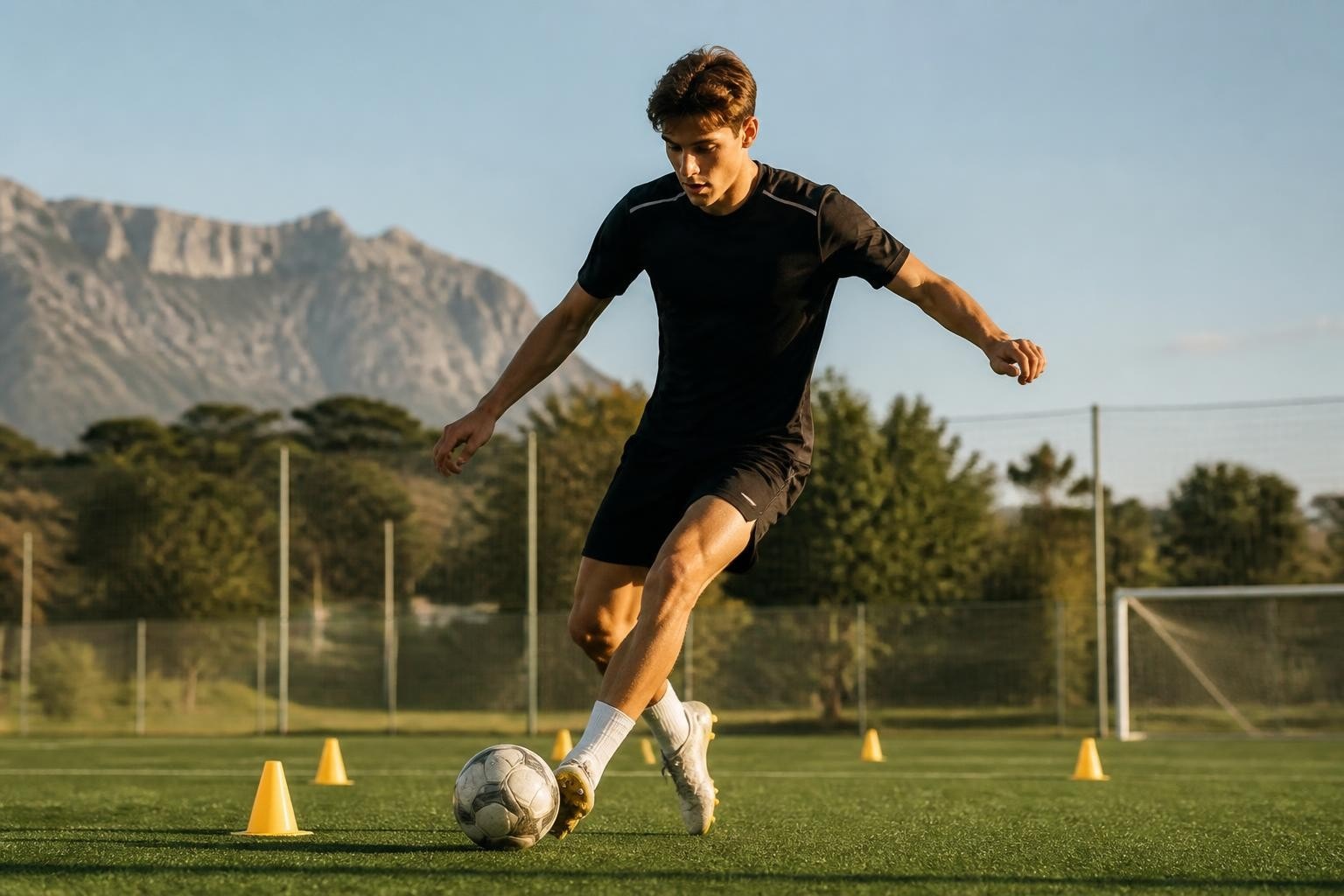
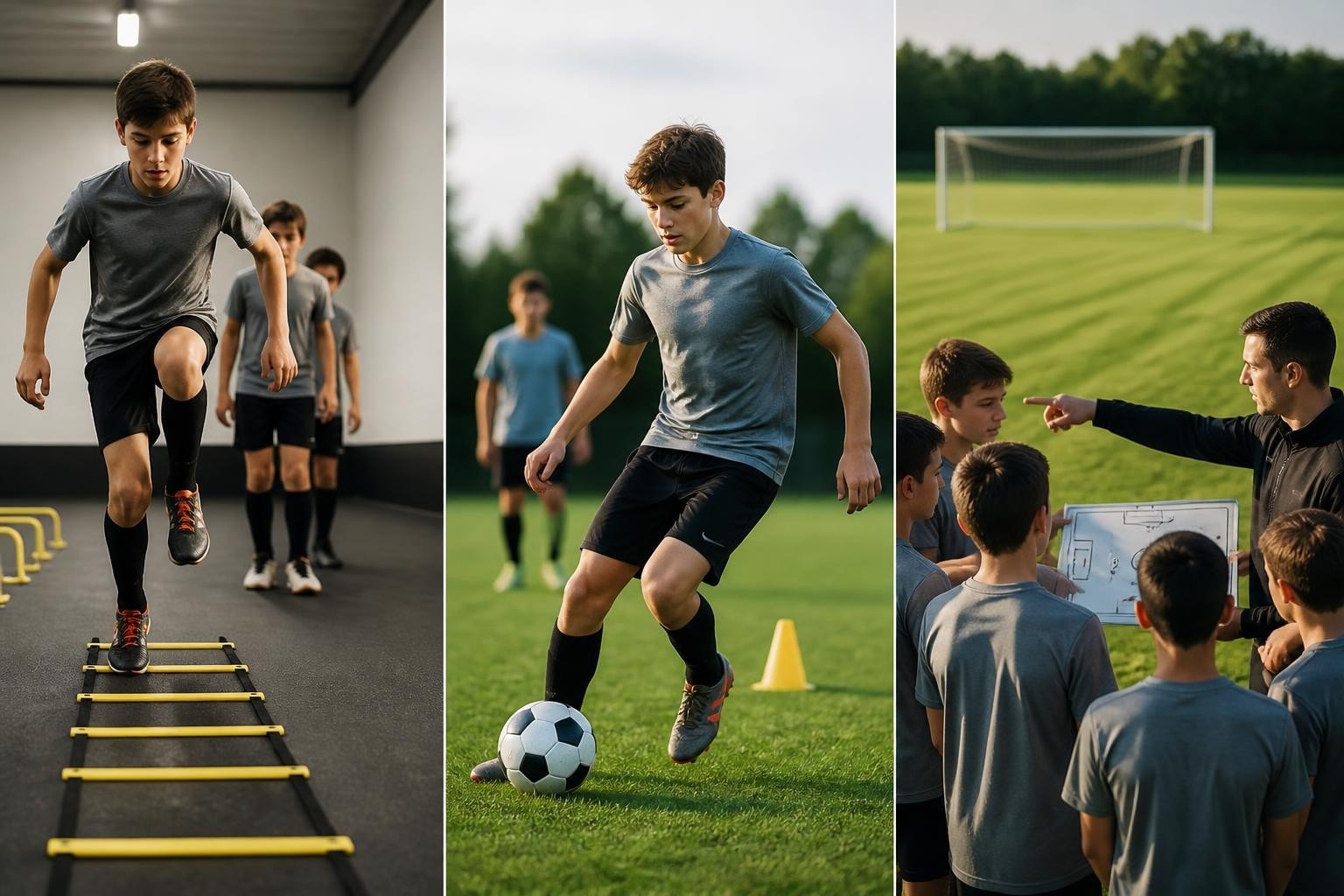
Soccer style encompasses far more than the way a player wears their kit or the brand of cleats they choose. It represents the complete identity a player brings to the pitch-the technical skills they've mastered, the tactical decisions they make under pressure, and the unique personality they express through their movement. In 2026, understanding and developing a distinctive soccer style has become essential for young athletes who want to stand out, perform at higher levels, and ultimately create opportunities for advancement. Parents and coaches recognize that cultivating this complete approach to player development goes beyond repetitive drills and into the realm of holistic athletic growth.
The Technical Foundation of Soccer Style
Technical proficiency forms the bedrock of any player's soccer style. Without mastery of fundamental skills-ball control, passing accuracy, first touch, dribbling, and shooting-no amount of tactical knowledge or physical ability will translate into effective performance. The way a player receives a pass, the confidence with which they navigate tight spaces, and the precision of their distribution all contribute to their identifiable style on the field.
Core technical elements that define soccer style include:
- Ball mastery and close control in various game situations
- Passing technique with both feet across different distances
- First touch quality that sets up the next action
- Dribbling moves that match the player's physical attributes
- Shooting mechanics from multiple angles and distances
Young players often develop their technical foundation by observing professionals and emulating techniques that resonate with their own physical capabilities. However, true technical excellence requires structured training that emphasizes repetition, correction, and progressive difficulty. A player's technical soccer style becomes their signature-the moves and touches that teammates, opponents, and scouts come to recognize as distinctly theirs.
Repetition with Purpose
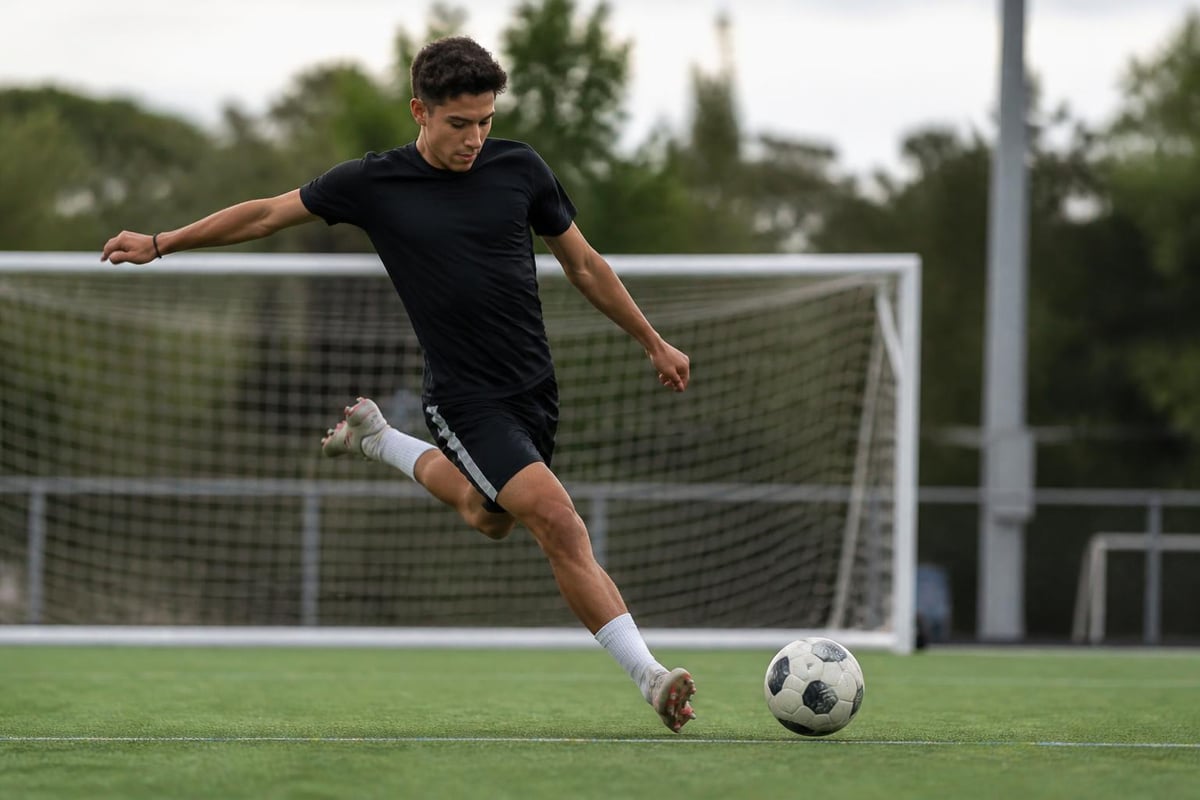
Technical development demands more than mindless repetition. Each touch should have intention, each drill should simulate game conditions, and each training session should push the player slightly beyond their current comfort zone. This approach to technical training ensures that skills become instinctive under the pressure of match situations. The technical training programs that produce the most significant improvements combine high-volume repetition with immediate feedback and progressive challenges.
Players who develop strong technical foundations early gain the freedom to express creativity later. They don't have to think about controlling a difficult pass because their body already knows how to adjust. This automaticity allows the mind to focus on tactical decisions, spatial awareness, and reading the game-elements that separate good players from exceptional ones.
Tactical Awareness Shapes Playing Identity
While technical skills provide the tools, tactical understanding determines how and when to use them. Tactical soccer style reflects a player's ability to read the game, position themselves effectively, and make decisions that benefit the team. According to Britannica’s analysis of soccer strategy, tactical evolution has transformed modern soccer into a highly sophisticated game where spatial awareness and decision-making often outweigh pure athleticism.
| Tactical Component | Impact on Soccer Style | Development Focus |
|---|---|---|
| Positioning | Creates space and opportunities | Game awareness exercises |
| Decision-making | Determines action selection | Small-sided games |
| Team shape | Maintains structural integrity | Positional training |
| Transition play | Balances attack and defense | Scenario-based drills |
A player's tactical soccer style often reflects the system in which they've been trained. European academies, for instance, emphasize positional play and collective movement, producing players comfortable in possession-based systems. The European-style approach to player development focuses on teaching young athletes to think critically about space, timing, and collective responsibility rather than individual heroics.
Reading the Game
The ability to anticipate what will happen next separates elite players from the rest. This tactical foresight-knowing where teammates will move, predicting opponent reactions, recognizing patterns of play-develops through experience and guided instruction. Players with strong tactical soccer style don't just react to the game; they influence it through intelligent positioning and timely decisions.
Coaches who emphasize tactical education help players understand the "why" behind every movement. When a young midfielder learns why they should check their shoulder before receiving a pass, or why maintaining width creates central space, their soccer style becomes more sophisticated and effective.
Physical Attributes Define How Style Manifests
Physical characteristics inevitably shape how a player's soccer style appears on the field. A tall, powerful striker develops a different style than a quick, agile winger. Speed, strength, endurance, agility, and coordination all influence which techniques work best and which tactical roles suit each player. Understanding and developing physical attributes in alignment with technical and tactical goals creates authentic, sustainable soccer style.
Key physical considerations include:
- Speed and acceleration for beating opponents
- Strength and power for winning physical battles
- Endurance for maintaining performance throughout matches
- Agility and coordination for quick direction changes
- Balance and body control for maintaining possession under pressure
Modern soccer demands increasingly athletic players who can maintain high-intensity performance for extended periods. The physical component of soccer style has evolved dramatically, with contemporary players expected to cover greater distances at higher speeds than previous generations. Research shows that physical development programs tailored to soccer's specific demands produce more resilient, capable athletes who can execute their technical and tactical skills under fatigue.
Psychological Elements Create Complete Players
The psychological dimension of soccer style often receives less attention than technical, tactical, or physical aspects, yet it profoundly impacts performance. Confidence, resilience, competitive drive, focus, and emotional regulation all influence how players express their abilities during crucial moments. A technically gifted player who lacks confidence will hide from the ball in pressure situations, while a less talented but mentally strong player will demand it.
Mental toughness manifests in various ways within soccer style. Some players thrive as vocal leaders who organize teammates and demand high standards. Others lead through consistent performance and unshakeable composure. The psychological component determines whether a player executes their skills effectively when stakes are highest-during finals, in front of scouts, or when the score is tied late in matches.
Building Confidence Through Preparation
Confidence doesn't emerge from empty encouragement; it develops through preparation, repetition, and incremental success. Players who train intensively, master new skills progressively, and experience gradual increases in challenge develop genuine confidence rooted in capability. This authentic self-belief becomes part of their soccer style, visible in their willingness to attempt difficult plays and take responsibility in critical situations.
Programs that address all four pillars of development-technical, tactical, physical, and psychological-produce players with complete soccer style. The comprehensive training approach helps young athletes develop not just as players but as resilient individuals who handle pressure, learn from setbacks, and continuously improve.
Fashion and Personal Expression in Soccer Culture
Beyond on-field performance, soccer style has increasingly intersected with fashion and personal expression. The rising influence of soccer-inspired fashion demonstrates how the sport's aesthetic has permeated mainstream culture in 2026. Players express their identity through boot selection, customized gear, and pre-match attire that reflects personal brand and cultural connections.
Professional athletes have become style icons whose choices influence millions of young players. The evolution of trainer trends shows how soccer footwear has transcended purely functional design to become fashion statements. Young athletes pay attention to these trends, understanding that soccer style extends from training ground to everyday life.
However, parents and coaches should guide young players toward understanding that authentic soccer style-the kind that creates opportunities and advancement-remains rooted in performance rather than appearance. While there's nothing wrong with expressing personality through gear choices, the substance of a player's development determines their trajectory far more than superficial elements.
Developing Individual Style Within Team Systems
One of soccer's beautiful paradoxes involves balancing individual expression with collective responsibility. A player's unique soccer style should enhance team performance rather than disrupt it. The most successful players develop distinctive qualities while remaining committed to team tactics and shared objectives. This balance separates truly elite players from talented individuals who struggle to integrate into cohesive units.
Coaches play a crucial role in helping players discover their authentic style within structured systems. Rather than forcing every player into identical molds, effective coaching identifies each athlete's strengths and builds upon them while addressing weaknesses that limit effectiveness. A naturally creative player needs freedom to attempt risky plays in attacking zones while understanding defensive responsibilities. A defensively minded player requires encouragement to join attacks when tactical situations permit.
Position-Specific Style Development
Different positions demand different attributes and therefore produce varying styles:
- Goalkeepers develop style through shot-stopping technique, distribution choices, and command of their area
- Defenders express style through positioning, tackling approach, and ability to initiate attacks
- Midfielders show style via passing range, work rate, and balance between attack and defense
- Forwards demonstrate style through movement patterns, finishing technique, and link-up play
Understanding position-specific requirements helps young players develop soccer style that's both authentic and effective. A central midfielder doesn't need to develop the same dribbling repertoire as a winger, but they must excel at scanning the field and distributing accurately under pressure.
Training Environments That Foster Style Development
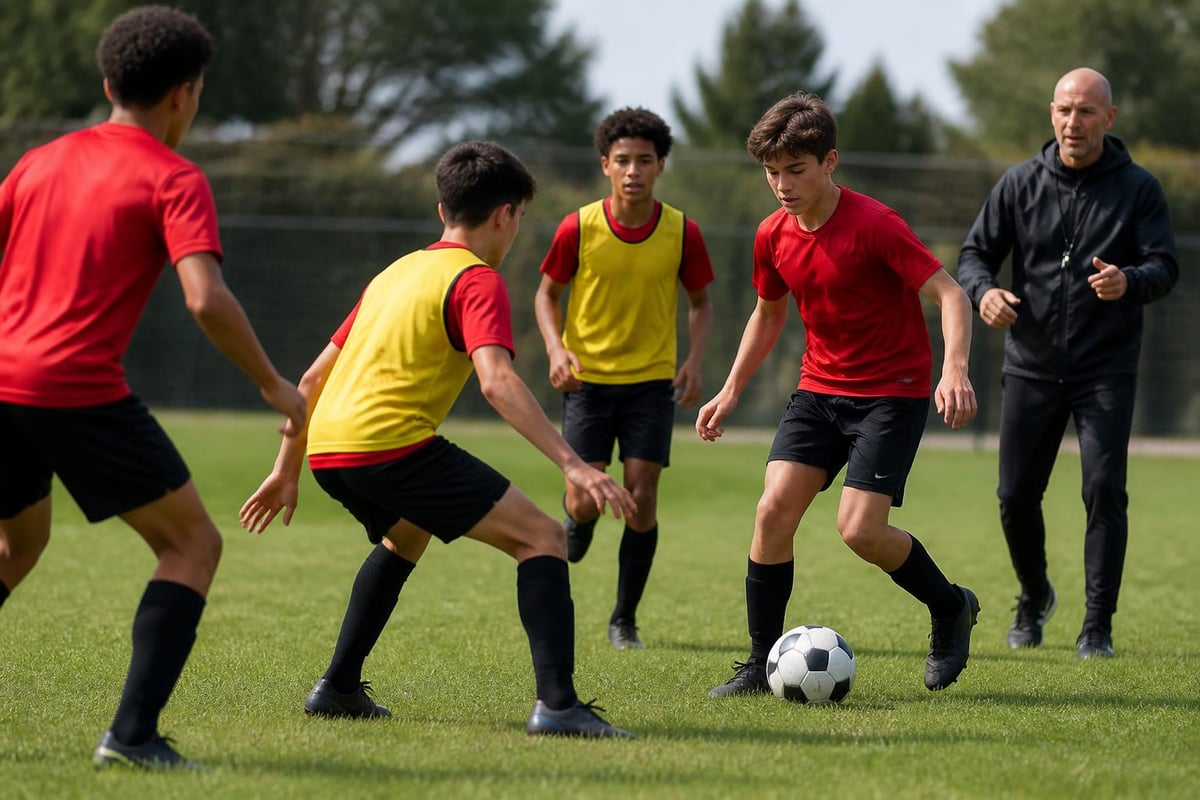
The training environment significantly influences how players develop their soccer style. High-quality programs provide appropriate challenge levels, expert instruction, and sufficient repetition to master skills while encouraging creativity and problem-solving. Cookie-cutter approaches that treat all players identically rarely produce athletes with distinctive, effective styles.
| Training Element | Contribution to Style | Implementation Method |
|---|---|---|
| Technical drills | Skill mastery | Progressive difficulty levels |
| Small-sided games | Decision-making | Varied constraints and rules |
| Tactical sessions | Game understanding | Video analysis and walkthroughs |
| Competitive matches | Pressure application | Tournament and league play |
| Individual feedback | Personal development | One-on-one coaching sessions |
Parents seeking the right training environment for their children should look for programs that emphasize all developmental pillars rather than focusing narrowly on winning youth matches. The complete approach to player development that addresses technical, tactical, physical, and psychological growth produces more capable, confident athletes prepared for higher levels of competition.
For players seeking to accelerate their development through intensive training periods, high-performance soccer camps provide concentrated skill work, tactical education, and competitive scenarios that challenge players to perform at their highest level. These experiences often catalyze significant improvements in overall soccer style by pushing athletes beyond their comfort zones in supportive, expert-led environments.
The Evolution of Playing Styles Across Eras
Soccer style has evolved dramatically throughout the sport's history, reflecting tactical innovations, rule changes, and cultural shifts. Understanding this evolution helps young players appreciate that style isn't static-it adapts to contemporary demands while retaining timeless fundamentals. The tactical evolution of soccer demonstrates how strategic approaches have become increasingly sophisticated through data analysis and systematic study.
Historical playing styles often emphasized different attributes than modern soccer values. Earlier eras celebrated individual brilliance and physical robustness, while contemporary soccer increasingly rewards collective intelligence, positional flexibility, and technical refinement. Players developing their style in 2026 must recognize these current demands while maintaining the creativity and passion that make soccer beautiful.
Modern Demands on Player Versatility
Today's soccer style increasingly requires versatility. Defenders must be comfortable on the ball and capable of initiating attacks. Forwards need defensive work rate and pressing intensity. Midfielders must contribute in all phases-attacking, defending, and transitioning. This evolution means young players should develop broad skill sets rather than narrow specializations too early in their careers.
The best modern players combine technical excellence with tactical intelligence, physical capability with mental strength, and individual quality with team commitment. This complete soccer style represents the ideal toward which serious young players should aspire, understanding that development takes years of dedicated training and thoughtful guidance.
Cultural and Regional Influences on Soccer Style
Different soccer cultures produce distinctive styles that reflect regional values, coaching philosophies, and playing traditions. South American soccer often emphasizes individual flair, technical creativity, and attacking freedom. European soccer traditionally values tactical discipline, collective organization, and systematic progression. African soccer celebrates athleticism, improvisation, and joyful expression. These cultural influences shape how players think about the game and approach development.
Young players benefit from exposure to various stylistic traditions, adopting elements that suit their personality and physical attributes while respecting different approaches to the game. The globalization of soccer means today's developing players can learn from multiple traditions, creating unique personal styles that blend influences from around the world. Contemporary soccer fashion similarly reflects this global mixing, with designs incorporating elements from various soccer cultures.
The Role of Modeling and Mentorship
Young players develop their soccer style partly through observation and imitation. Watching elite players, studying their movements, and attempting to replicate their techniques accelerates learning when combined with proper instruction. However, effective modeling goes beyond mere copying-it involves understanding the principles behind successful techniques and adapting them to one's own physical characteristics and tactical roles.
Mentorship from experienced coaches and older players provides invaluable guidance in style development. Mentors help young athletes avoid common pitfalls, accelerate their learning curves, and maintain motivation through challenging developmental periods. The relationship between mentor and player creates safe space for experimentation, failure, and growth-essential elements in discovering authentic soccer style.
Benefits of quality mentorship include:
- Personalized feedback on technical execution
- Tactical insights based on extensive experience
- Emotional support during setbacks and challenges
- Exposure to higher-level thinking about the game
- Connections to advancement opportunities
Programs featuring fully licensed coaches with extensive experience provide the expertise necessary to guide players through complex developmental stages, helping them refine their soccer style while avoiding injuries and burnout.
Long-Term Development Versus Short-Term Results
One of the greatest challenges in youth soccer involves balancing long-term development with short-term competitive success. Programs overly focused on winning youth matches often sacrifice style development for immediate results, deploying tactics that don't translate to higher levels and limiting players to narrow roles that don't challenge their complete growth. Conversely, programs that ignore competitive results entirely may fail to prepare players for the pressure and intensity of meaningful matches.
The optimal approach emphasizes long-term development while using competition as a development tool rather than an end goal. Matches provide opportunities to test skills under pressure, make mistakes in meaningful contexts, and develop the psychological resilience necessary for advancement. However, youth match results should never dictate whether a developmental approach is working-player improvement over extended periods tells the real story.
Parents evaluating programs should ask coaches about their developmental philosophy, how they define success, and how they balance competitive results with long-term growth. Programs that articulate clear, player-centered philosophies while demonstrating commitment to holistic development typically produce athletes with more complete, sustainable soccer style.
Developing authentic soccer style requires years of dedicated training that addresses technical skills, tactical understanding, physical capabilities, and psychological strength in equal measure. At Strive Soccer Academy, we understand what parents want most for their young athletes-a program that develops skills, builds character, and creates real opportunities through European-style training philosophy focused on complete player development. Our fully licensed coaches provide the expertise, structure, and mentorship necessary to help young players discover and refine their unique soccer style while building toward their highest potential.