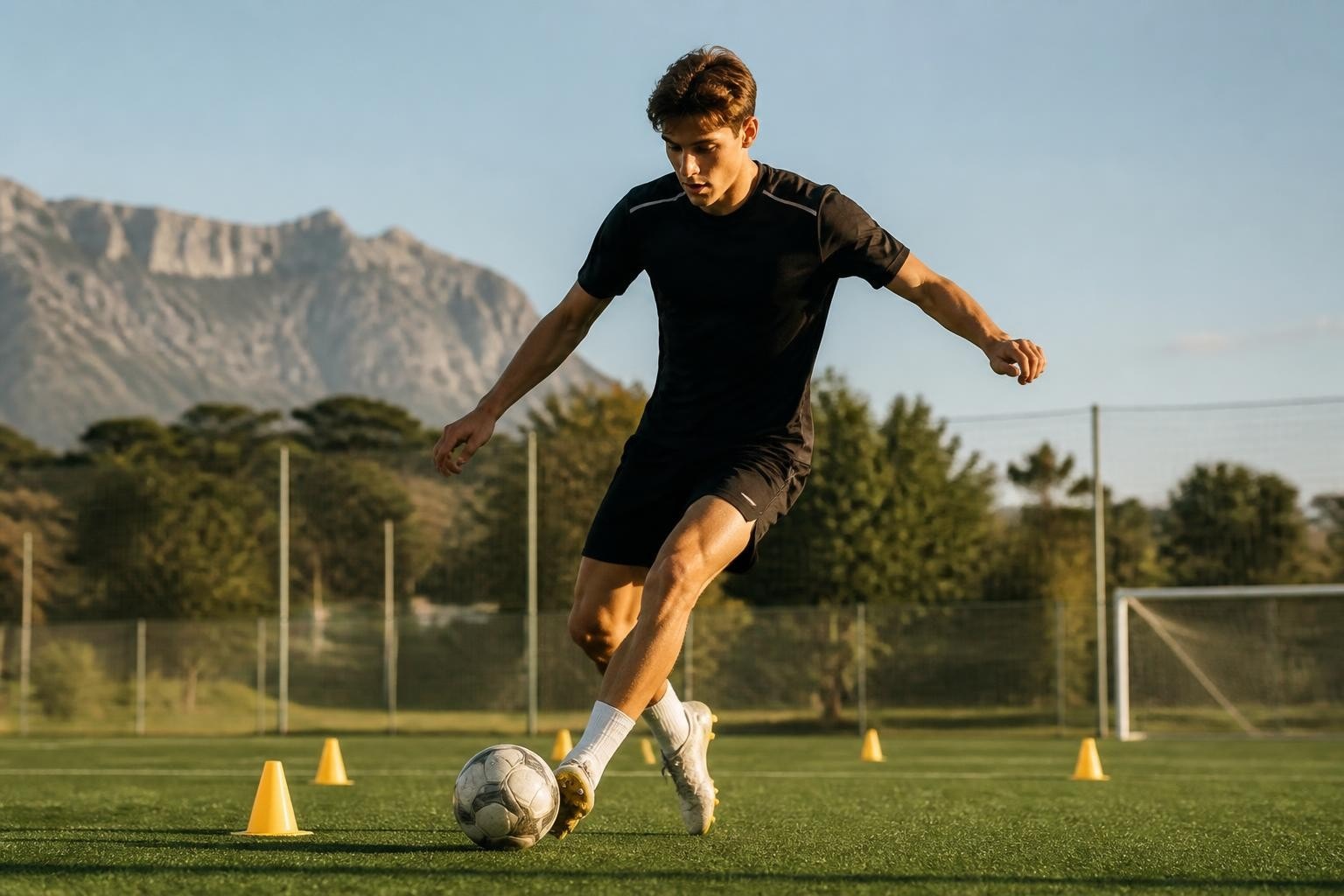
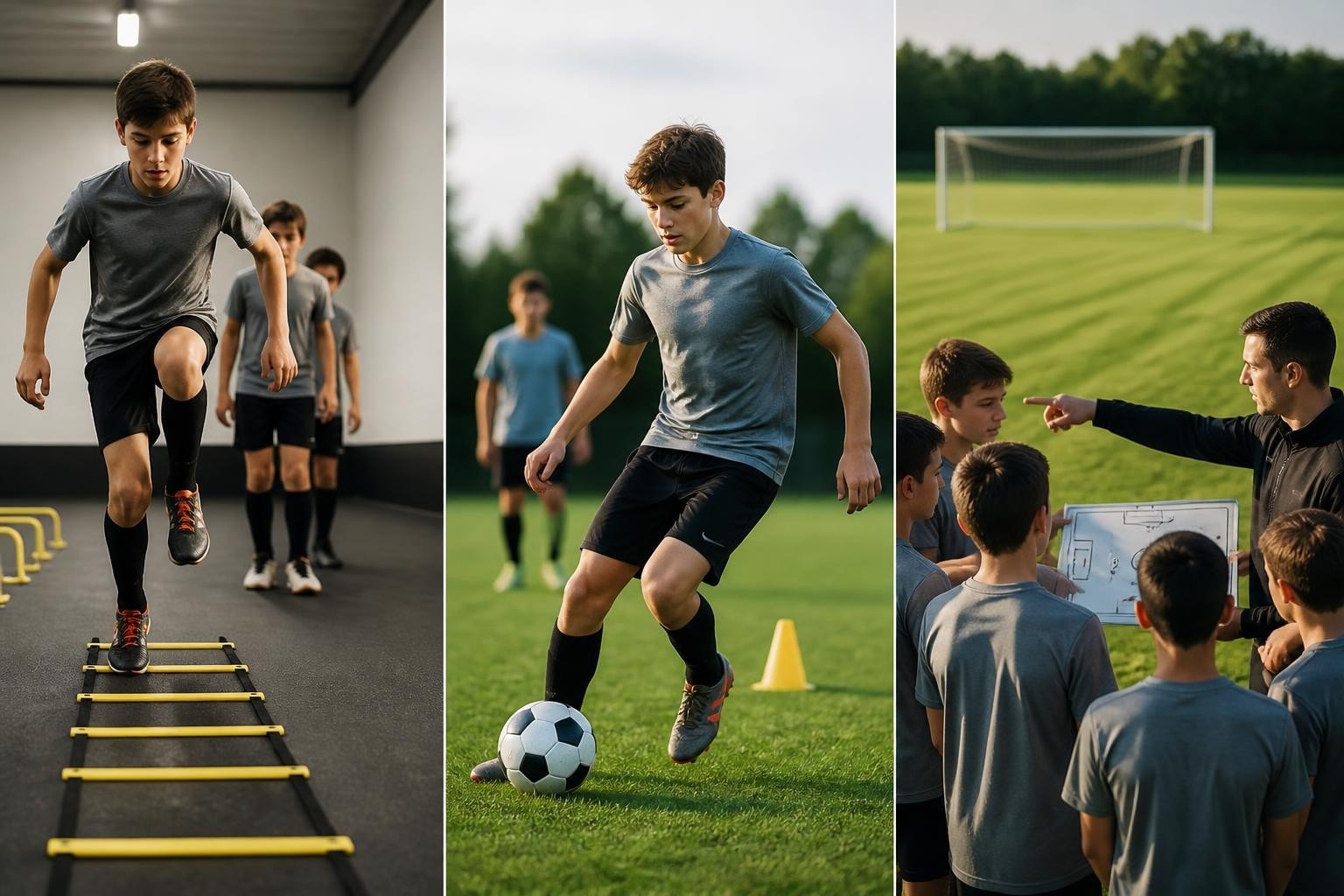
Creating a comprehensive soccer programme requires strategic planning, clear developmental objectives, and a commitment to nurturing young athletes across multiple dimensions. Whether you're a parent evaluating options or a coach designing training sessions, understanding what separates exceptional programmes from mediocre ones makes all the difference in player growth. A well-structured soccer programme doesn't just teach skills; it creates pathways for character development, competitive success, and lifelong appreciation for the sport.
The Four Pillars of an Effective Soccer Programme
Every successful soccer programme builds upon four interconnected pillars that work together to create well-rounded athletes. These foundations ensure that players develop comprehensively rather than focusing narrowly on just one aspect of their game.
Technical Development Forms the Foundation
Technical proficiency represents the bedrock of any quality soccer programme. Players must master fundamental skills including ball control, passing accuracy, shooting technique, and first touch before advancing to complex tactical concepts. The best programmes dedicate substantial time to repetitive technical drills that build muscle memory and confidence.
Key technical components include:
- Ball mastery exercises that develop comfort in all situations
- Passing and receiving under varying pressure levels
- Shooting mechanics from different angles and distances
- Dribbling techniques for both speed and close control
- Defensive positioning and tackling fundamentals
Progressive skill development follows age-appropriate guidelines, ensuring young players aren't overwhelmed with advanced concepts before mastering basics. Structured youth soccer training curriculums emphasize consistency across coaching staff, which prevents confusion and accelerates learning.
Tactical Understanding Separates Good Players from Great Ones
While technical skills provide the tools, tactical knowledge teaches players when and how to use them effectively. A comprehensive soccer programme integrates tactical education throughout training sessions, helping athletes understand positioning, spacing, and decision-making in game situations.
Tactical training should cover both individual and team concepts. Players learn to read the game, anticipate opponent movements, and make split-second decisions that create advantages. This includes understanding formations, recognizing patterns of play, and executing strategic adjustments during matches.
| Tactical Element | Individual Focus | Team Focus |
|---|---|---|
| Positioning | Reading spaces, timing runs | Maintaining formation shape |
| Transition Play | Quick decision-making | Coordinated press or retreat |
| Set Pieces | Individual roles and movements | Rehearsed patterns and options |
At Strive Soccer Academy, we emphasize tactical development alongside technical training, ensuring players understand not just how to execute skills but when to deploy them for maximum effect.
Structuring Training Sessions for Maximum Impact
The organization of individual training sessions directly impacts player development and engagement. Different approaches to structuring soccer training sessions offer various frameworks, but successful programmes share common elements that maximize learning time.
The Warm-Up Sets the Tone
Every effective training session begins with purposeful warm-up activities that prepare players physically while introducing technical elements. Dynamic stretching combined with ball work activates muscles and focuses attention. Smart programmes use this time to reinforce fundamental techniques through playful, engaging exercises.
Focused Skill Development Builds Competence
The core training block should concentrate on specific skills or tactical concepts. Breaking complex movements into manageable components allows players to master each element before combining them. Repetition with gradual complexity increases builds confidence and competence simultaneously.
Effective skill development sessions include:
- Demonstration of the target skill or concept
- Isolated practice with coaching feedback
- Progressive pressure or complexity additions
- Small-sided game application
- Full-game scenario integration
Small-Sided Games Bridge Training to Competition
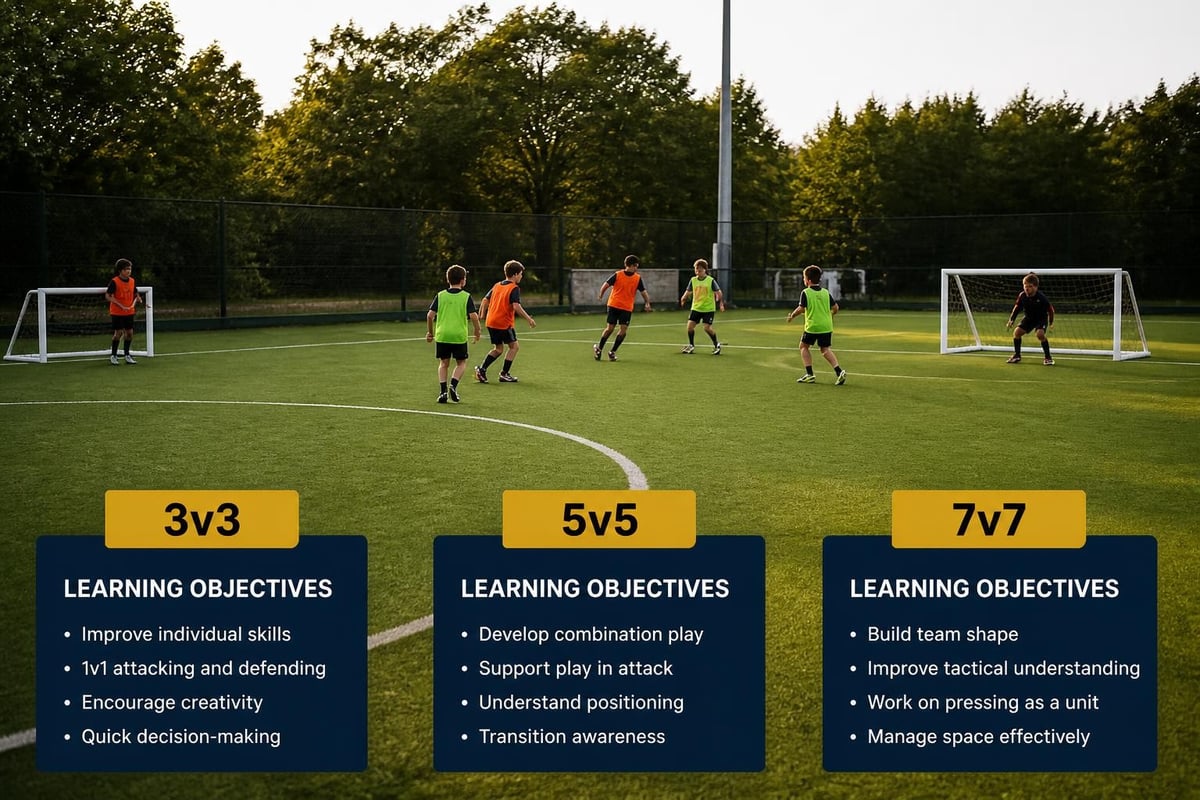
Small-sided games represent the crucial link between drill work and full matches. These modified games create more touches, decisions, and learning opportunities than traditional 11v11 formats, especially for younger players. A quality soccer programme incorporates various game formats that emphasize specific skills or tactical principles.
Planning Across the Season: Periodization Principles
Long-term planning through periodization ensures that a soccer programme builds systematically toward peak performance at critical times. Annual soccer periodization strategies coordinate physical preparation, technical advancement, and tactical sophistication across the entire year.
Pre-Season Preparation Phase
The pre-season period focuses on building physical fitness, reestablishing technical fundamentals, and introducing tactical systems. Training intensity gradually increases while volume allows for skill repetition and team cohesion development. This phase typically lasts 4-6 weeks before competitive matches begin.
In-Season Maintenance and Competition
During the competitive season, the soccer programme balances match preparation, recovery, and continued development. Training sessions become more tactical and game-specific while managing player fatigue. Quality programmes avoid overtraining while ensuring players maintain peak physical condition throughout the season.
Off-Season Development and Recovery
The off-season provides opportunities for addressing individual weaknesses, developing new skills, and allowing physical recovery. Progressive programmes offer specialized training options during this period rather than complete breaks from structured activity. High-performance training environments during off-season periods can accelerate player development when designed appropriately.
Physical and Psychological Components Often Overlooked
Many soccer programmes excel at technical and tactical training but neglect equally important physical conditioning and mental preparation. Comprehensive development requires attention to these often-overlooked dimensions.
Physical Literacy Beyond Running
Physical development in a soccer programme extends beyond endurance running to include agility, coordination, balance, and strength appropriate to player age. Young athletes benefit from varied movement patterns that build overall athleticism rather than sport-specific conditioning alone.
Speed, quickness, and explosiveness develop through targeted exercises that complement soccer-specific training. Injury prevention programs incorporating flexibility, stability work, and proper movement mechanics protect players while enhancing performance capacity.
| Age Group | Physical Focus | Training Approach |
|---|---|---|
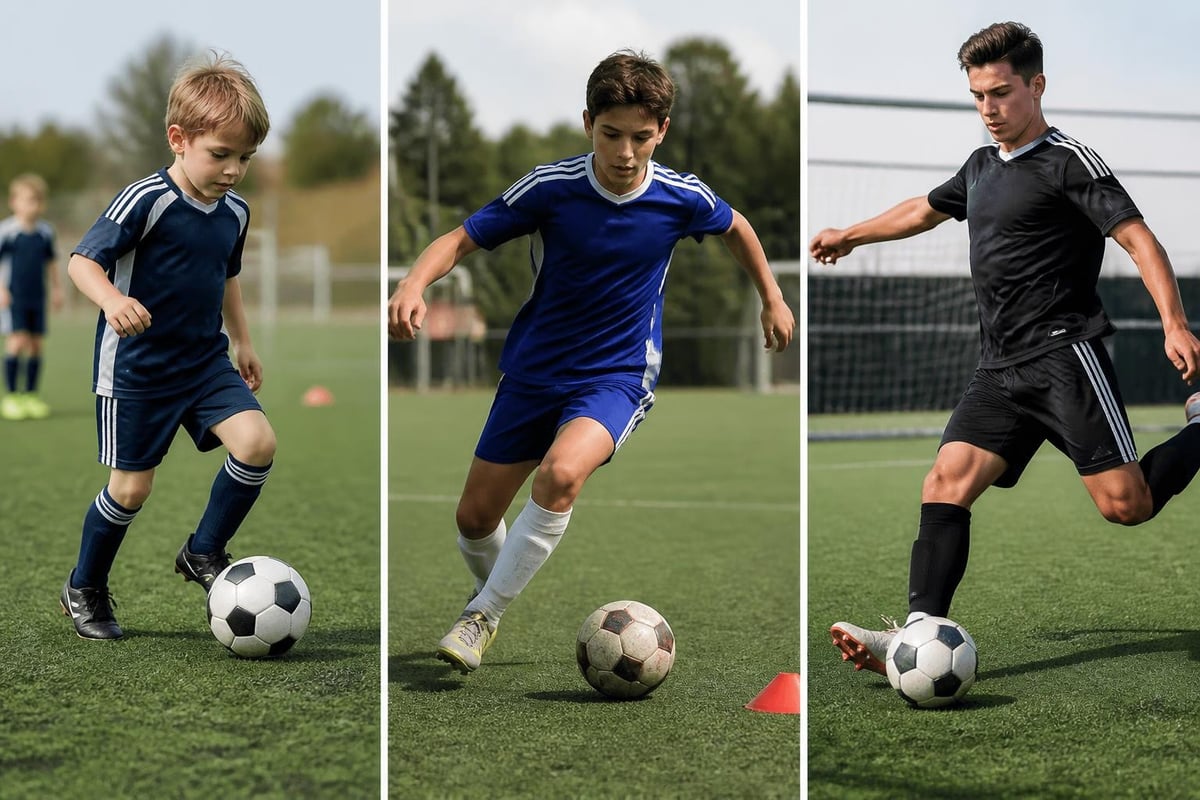
| U8-U10 | Movement literacy, coordination | Play-based, varied activities |
| U11-U14 | Speed development, agility | Structured drills, competition |
| U15+ | Strength, power, endurance | Periodized conditioning programs |
Mental Skills Determine Competitive Success
Psychological development separates good programmes from exceptional ones. Mental skills training helps players handle pressure, maintain focus, overcome setbacks, and perform confidently in crucial moments. A complete soccer programme addresses resilience, communication, leadership, and growth mindset.
Building psychological strength happens through both direct instruction and carefully designed challenges within training. Creating environments where players practice performing under pressure, making decisions with consequences, and supporting teammates develops mental toughness alongside physical skills.
Community Engagement and Programme Sustainability
Successful soccer programmes extend beyond the training field to create supportive communities that sustain long-term growth. Best practices for community-driven sport spaces demonstrate how involving families and local supporters strengthens programme foundations.
Parent Education and Involvement
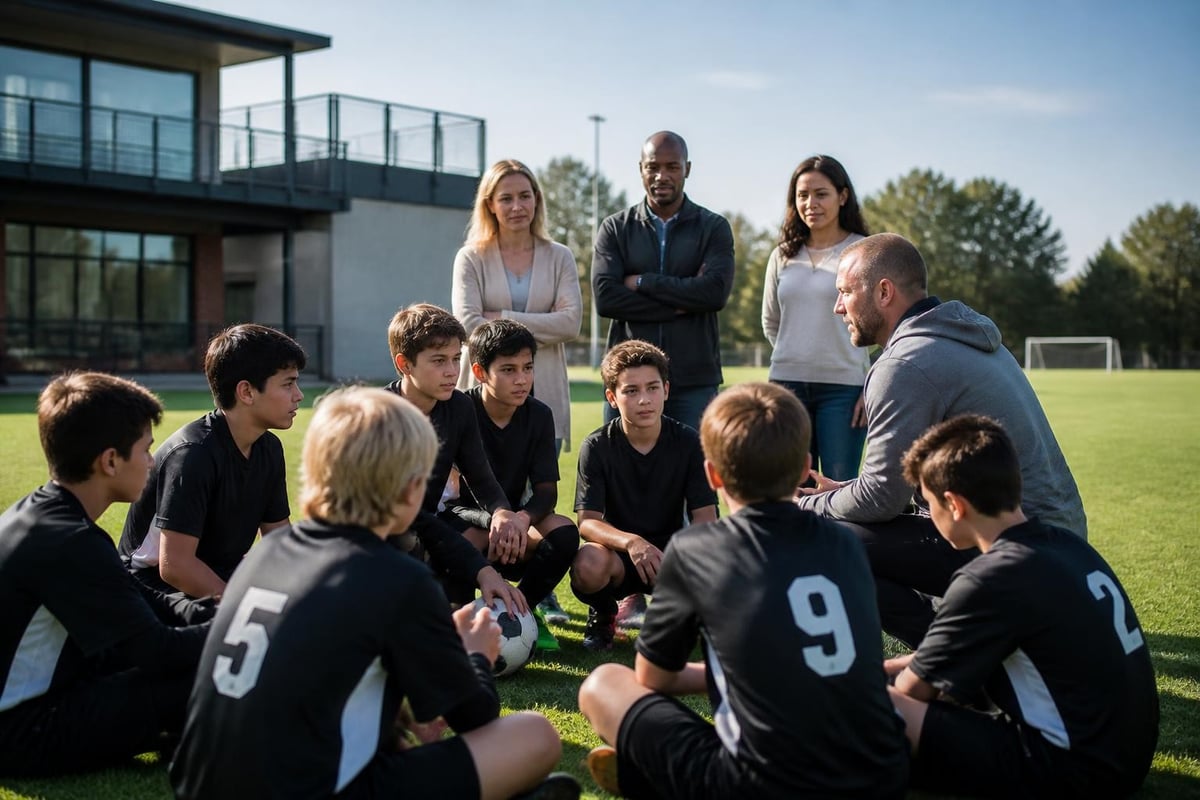
Educated parents become programme advocates who reinforce positive development at home. Quality programmes communicate clearly about training philosophy, developmental expectations, and how families can support player growth. Regular updates, educational sessions, and transparent communication build trust and alignment.
Creating Fair Competition Structures
League and tournament scheduling significantly impacts player development and enjoyment. League scheduling best practices ensure fair competition through balanced fixtures and appropriate competitive levels. Programmes that carefully structure competitive opportunities maximize learning while maintaining engagement.
Curriculum Standards and Coach Development
The quality of any soccer programme ultimately depends on coaching consistency and expertise. Establishing curriculum standards ensures every player receives comparable instruction regardless of which coach leads their session.
Implementing Standardized Curriculum Frameworks
The US Soccer Curriculum approach provides age-appropriate training progressions that align with player development stages. Programmes adopting such frameworks create coherence across teams and age groups, allowing players to build systematically on previous learning.
Standardized curriculums don't eliminate coaching creativity but rather provide guardrails ensuring essential skills receive adequate attention. Coaches understand what players should master at each level while maintaining flexibility in how they deliver those lessons.
Ongoing Coach Education Requirements
Superior programmes invest continuously in coach development through licensing courses, mentorship systems, and regular training reviews. Coaches who pursue professional development opportunities stay current with evolving methodologies and refine their instructional techniques.
Essential coach development components:
- Formal licensing through recognized soccer organizations
- Regular observation and feedback from senior coaches
- Access to continuing education workshops and clinics
- Collaborative planning sessions with fellow coaches
- Video analysis of training sessions for improvement
Measuring Progress and Adjusting Programming
Effective soccer programmes establish clear metrics for tracking player development and programme success. Regular assessment identifies strengths to celebrate and weaknesses requiring attention.
Individual Player Development Tracking
Systematic evaluation of individual progress helps coaches tailor instruction to specific needs. Assessment frameworks should measure technical proficiency, tactical understanding, physical capabilities, and psychological growth across the four development pillars.
Progress tracking doesn't mean constant testing but rather periodic evaluation using standardized rubrics. Players receive constructive feedback highlighting improvement areas while recognizing achievements. This approach maintains motivation while providing clear developmental roadmaps.
Programme-Level Success Indicators
Beyond individual player growth, comprehensive soccer programmes monitor broader success indicators including retention rates, participant satisfaction, competitive results, and community impact. These metrics reveal whether the programme delivers on its promises and identify improvement opportunities.
| Success Metric | Measurement Method | Target Range |
|---|---|---|
| Player Retention | Year-over-year enrollment | 75-85% |
| Skill Advancement | Periodic technical assessments | 80% show improvement |
| Parent Satisfaction | Annual surveys | 4.0+ out of 5.0 |
| Competitive Performance | Win rate, tournament placement | Age-appropriate targets |
Integration of Nutrition and Holistic Development
Forward-thinking soccer programmes recognize that athletic development extends beyond the training field to encompass nutrition education, sleep habits, and overall wellness. Comprehensive curricula that integrate soccer skills with nutrition education create well-rounded athletes who understand how lifestyle choices impact performance.
Young athletes benefit from learning proper hydration practices, pre-game nutrition strategies, and recovery fuel timing. Programmes that educate players and parents about these topics enhance performance while establishing healthy habits lasting beyond soccer participation.
Social-emotional learning integrated within the soccer programme helps players develop communication skills, emotional regulation, and teamwork capabilities transferable to academic and professional contexts. These holistic approaches differentiate transformative programmes from those focused narrowly on competitive results.
Adapting Programmes for Different Competitive Levels
Not every player aspires to professional soccer, and effective programmes recognize varying participant goals and abilities. Structuring appropriate pathways for recreational, competitive, and elite players ensures everyone receives suitable challenges and support.
Recreational Track Fundamentals
Recreational soccer programmes prioritize enjoyment, fundamental skill development, and social connection. Training emphasizes participation over perfection, ensuring every player touches the ball frequently and experiences success. Game formats maximize involvement with flexible substitution patterns and appropriate field sizes.
Competitive Development Pathway
Players seeking higher competition levels require more intensive training, tactical sophistication, and performance expectations. Competitive programmes within a broader soccer academy structure increase training frequency, introduce strength and conditioning components, and emphasize individual accountability alongside team success.
Elite Player Identification and Support
The highest-level players benefit from specialized programming that addresses advanced technical refinement, tactical nuance, and elite physical conditioning. These programmes often include individual development plans, video analysis, and exposure to college or professional pathway opportunities. The DNA of successful academies reflects this commitment to identifying and developing exceptional talent.
Building a successful soccer programme requires balancing technical excellence, tactical sophistication, physical development, and psychological growth within a supportive community structure. These elements work together to create transformative experiences that extend far beyond the soccer field. At Strive Soccer Academy, we've designed our programmes around these proven principles, bringing European-style training philosophy to young athletes in Surrey, BC, while ensuring every player receives the expert coaching and developmental support they deserve. Whether your child is just beginning their soccer journey or pursuing competitive excellence, we're ready to help them reach their full potential.