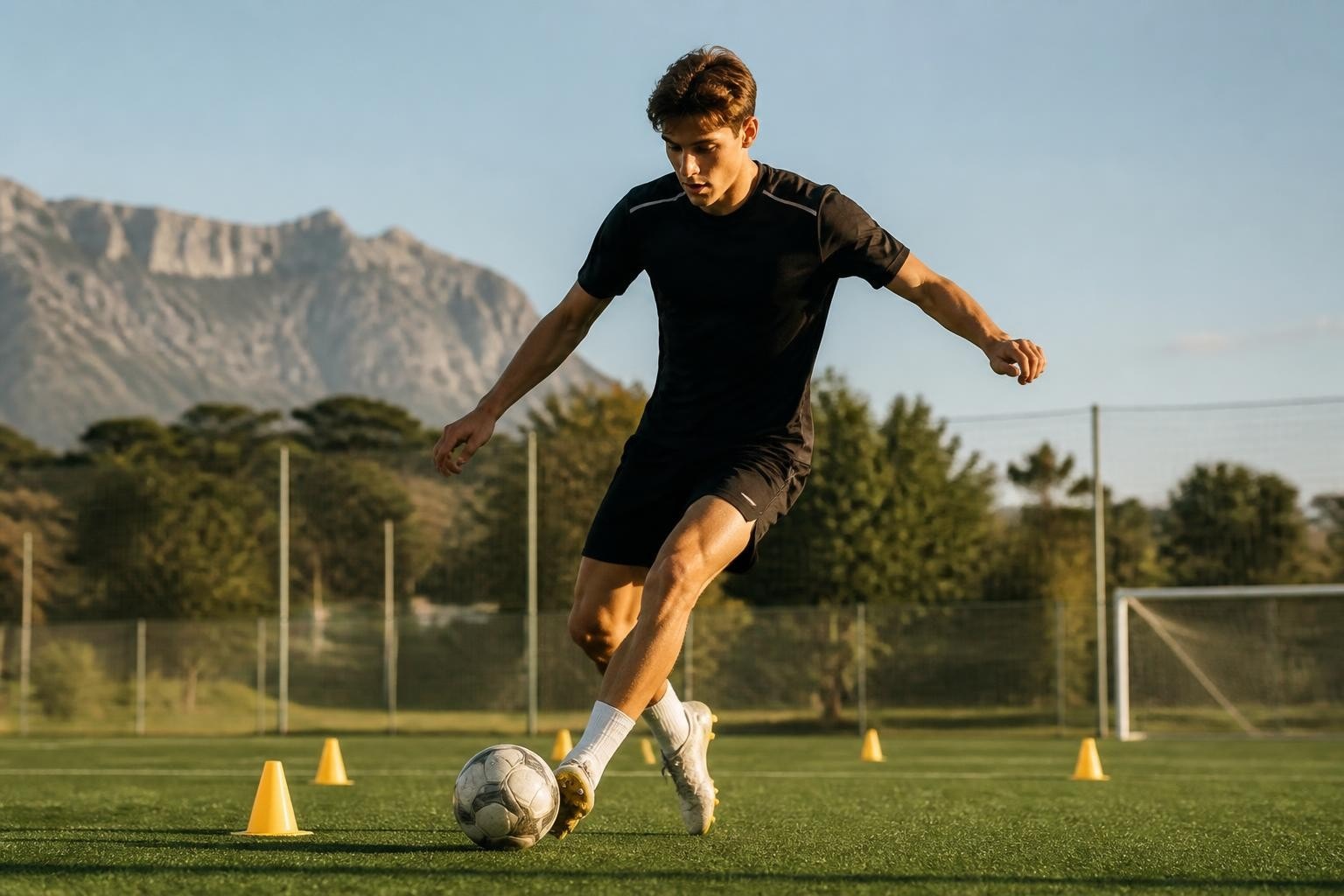
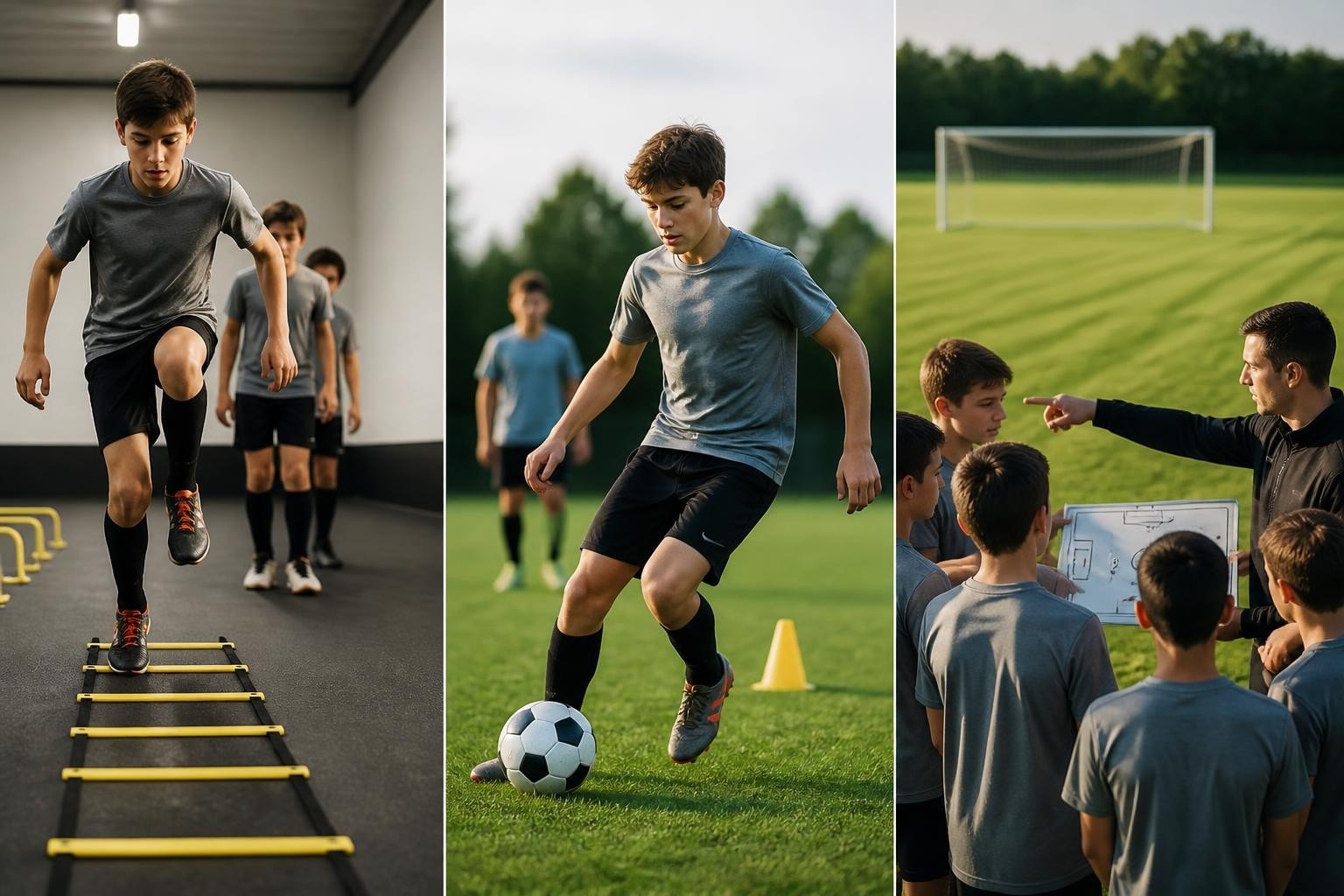
Effective soccer preparation separates players who simply show up from those who truly excel on the pitch. Whether your child is preparing for their first competitive season, gearing up for tryouts, or aiming to elevate their game to the next level, a structured approach to training makes all the difference. The most successful young athletes understand that preparation extends far beyond kicking a ball around the backyard. It encompasses physical conditioning, technical skill development, tactical awareness, mental fortitude, and proper nutrition working together as an integrated system.
The Foundation of Effective Soccer Preparation
Soccer preparation requires a holistic approach that addresses every aspect of athletic development. The foundation begins with understanding that young players need structured programs that develop them systematically rather than randomly.
Building Physical Fitness for Match Demands
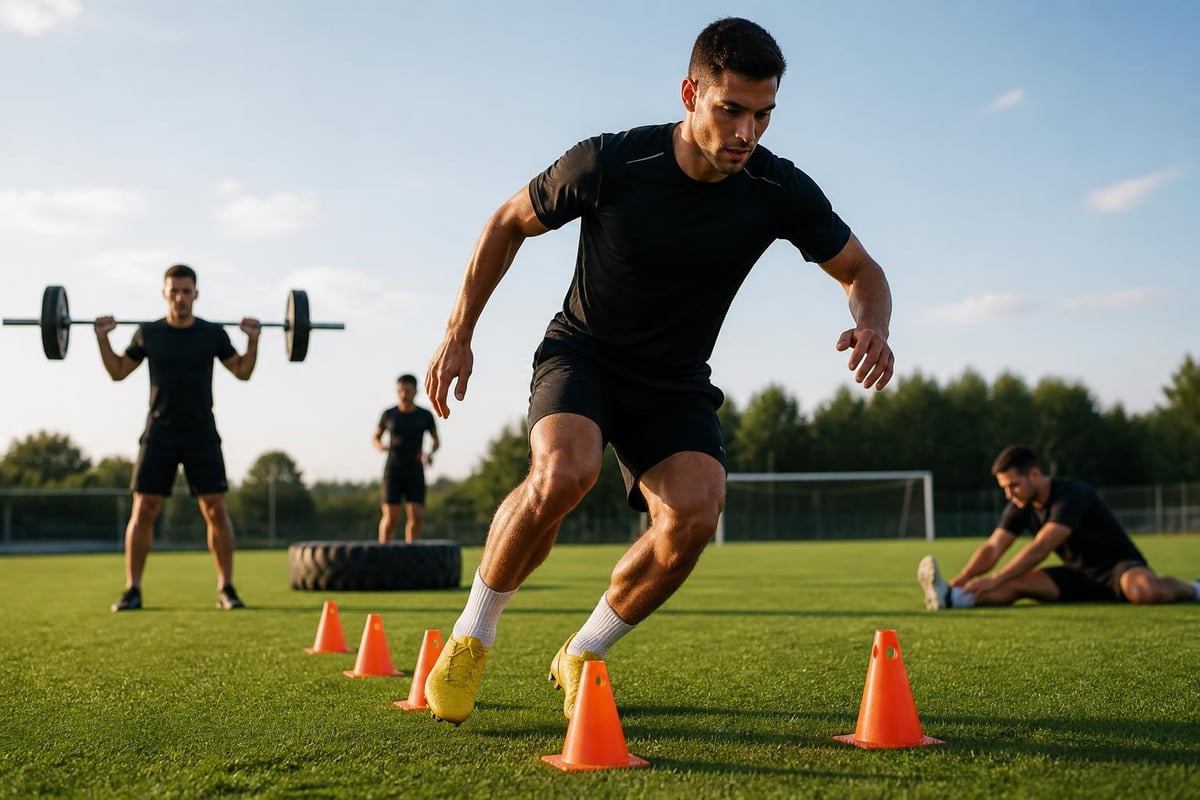
Physical conditioning forms the cornerstone of any comprehensive soccer preparation program. Young athletes need to develop the cardiovascular endurance to maintain intensity throughout a full match, the strength to shield the ball and win challenges, and the explosive power to accelerate past defenders.
A progressive fitness approach works best for developing players. Start with building an aerobic base through steady-state running and gradually introduce high-intensity interval training that mimics match conditions. The body needs time to adapt, which is why rushing into intense workouts without proper preparation often leads to burnout or injury.
Key physical components to develop:
- Aerobic capacity for sustained performance
- Anaerobic power for explosive movements
- Muscular strength for physical challenges
- Flexibility and mobility for injury prevention
- Speed and agility for quick directional changes
Recovery deserves equal attention to training intensity. Young bodies need adequate rest between sessions to repair muscle tissue and strengthen neural pathways. Injury prevention strategies should be integrated into every training plan, including proper warm-ups, cool-downs, and strength work targeting commonly injured areas.
Technical Skills Development in Soccer Preparation
Technical proficiency determines how effectively players execute their decisions under pressure. Soccer preparation must include dedicated time for mastering fundamental techniques that become automatic through repetition.
Mastering Ball Control and First Touch
The ability to receive and control the ball cleanly under pressure separates good players from great ones. Young athletes should practice receiving balls from various angles, heights, and speeds. The training sessions you set up at home can significantly accelerate technical development when structured properly.
Practice both feet equally, even though it feels uncomfortable initially. Players who can only use their dominant foot become predictable and easier to defend. Dedicate at least 30% of technical training to the weaker foot until the skill gap narrows considerably.
| Technical Skill | Practice Frequency | Key Focus Areas |
|---|---|---|
| First Touch | Daily | Control from air, ground, various speeds |
| Passing | 4-5x per week | Short, long, driven, weighted passes |
| Dribbling | Daily | Close control, changes of direction, pace variation |
| Shooting | 3-4x per week | Technique, power, accuracy, different positions |
| Heading | 2-3x per week | Defensive clearances, attacking finishes |
Developing Game-Speed Skills
Training technical skills in isolation helps initially, but soccer preparation must progress toward executing these skills at game speed with defensive pressure. Gradually increase the tempo and add opponents to drills as players demonstrate mastery of basic techniques.
Practicing technical training that mirrors actual match situations helps players transfer skills from training to competition more effectively. The brain learns patterns, so repeating game-realistic scenarios builds automatic responses that emerge during matches.
Tactical Understanding and Decision-Making
Physical ability and technical skill mean little without the tactical intelligence to apply them effectively. Soccer preparation must develop the cognitive side of the game alongside physical attributes.
Reading the Game Situation
Young players need to understand positioning, spatial awareness, and when to make certain decisions. Watch professional matches together and discuss why players made specific choices. Pause the video and ask what your child would do in that situation, then compare their answer to what actually happened.
Decision-making factors players should consider:
- Current score and match time remaining
- Position of teammates and opponents
- Space available to exploit
- Risk versus reward of various options
- Team tactical instructions and formation
Tactical preparation includes understanding different formations and how roles change based on the system. A winger in a 4-3-3 has different responsibilities than a wide midfielder in a 4-4-2, even though both play on the flank.
Improving Transition Speed
Modern soccer emphasizes quick transitions from defense to attack and vice versa. Players need to recognize immediately when possession changes and adjust their positioning accordingly. This mental quickness develops through repetition and coaching that highlights these moments during training.
The best preparation for soccer showcases and tournaments includes rehearsing various game scenarios so players know their roles instinctively when situations arise during actual competition.
Mental Preparation and Psychological Resilience
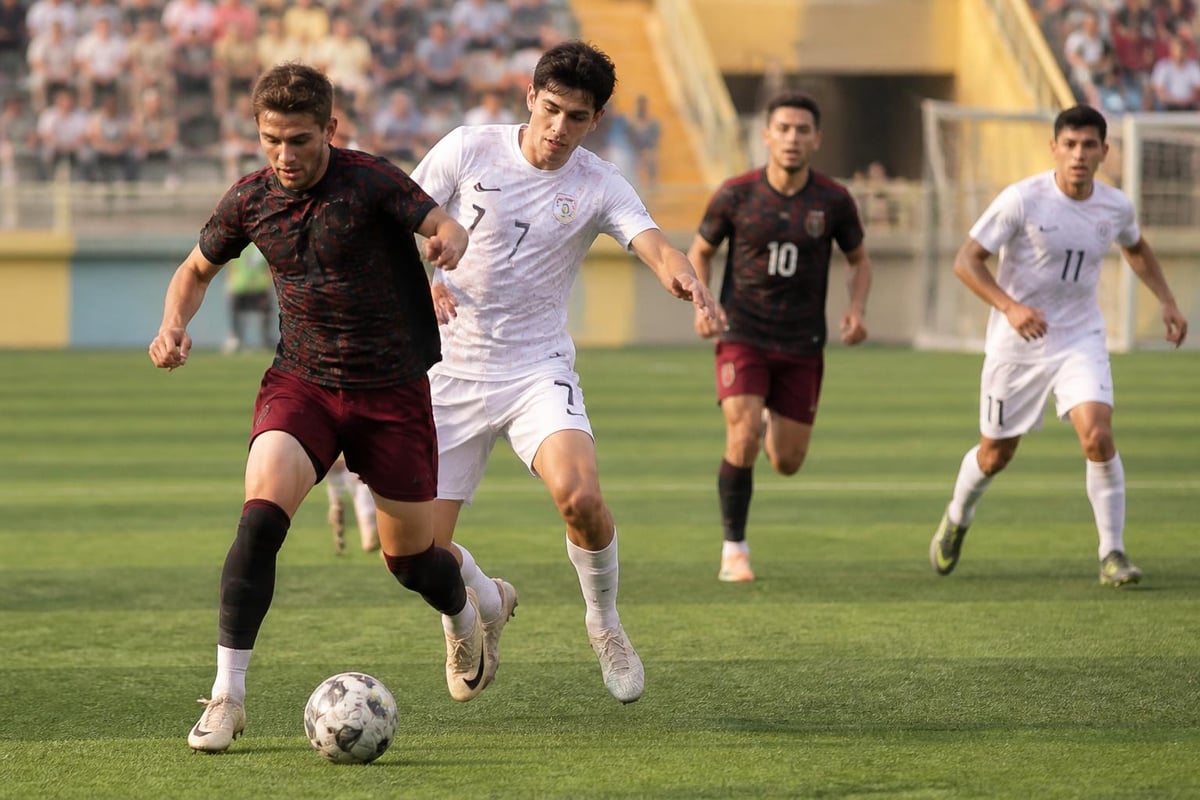
The psychological dimension of soccer preparation often receives insufficient attention despite its massive impact on performance. Young athletes face pressure, setbacks, and intense competition that requires mental toughness to navigate successfully.
Building Confidence Through Preparation
Confidence emerges from thorough preparation and past success experiences. When players know they've done the work, they step onto the pitch believing in their abilities. Create small achievable goals that build momentum rather than overwhelming targets that discourage effort.
Visualization techniques help players mentally rehearse successful performances. Spend five minutes before bed imagining executing skills perfectly, making smart decisions, and performing confidently in matches. The brain creates neural pathways from visualization similar to actual practice.
Handling Pressure and Adversity
Soccer includes mistakes, criticism, and disappointing results. Mental preparation teaches players to respond constructively rather than emotionally to setbacks. Develop a growth mindset that views challenges as opportunities to improve rather than threats to self-worth.
Strategies for mental resilience:
- Focus on controllable factors (effort, attitude, preparation)
- Learn from mistakes without dwelling on them
- Maintain perspective that soccer is one part of a full life
- Develop pre-performance routines that create calm focus
- Practice positive self-talk and affirmations
Parents play a crucial role in psychological development. The questions you ask after matches shape how your child processes experiences. Instead of "Did you win?" try "What did you do well today?" or "What did you learn?"
Pre-Match Preparation Strategies
The days and hours leading up to competition require specific preparation protocols that optimize performance. Establishing consistent routines helps young athletes feel prepared and confident.
Match Day Nutrition and Hydration
What players eat and drink significantly affects their energy levels and performance. Start hydrating well before match day, not the morning of competition. Aim for clear or light yellow urine as a hydration indicator.
The pre-match meal should be consumed 3-4 hours before kickoff and emphasize easily digestible carbohydrates with moderate protein. Avoid heavy, fatty, or unfamiliar foods that might cause digestive discomfort during competition.
| Timing | Nutrition Focus | Example Foods |
|---|---|---|
| 3-4 hours before | Complex carbs, lean protein | Pasta with chicken, rice bowl, oatmeal with fruit |
| 1-2 hours before | Simple carbs, light snack | Banana, energy bar, toast with honey |
| 30 min before | Quick energy if needed | Sports drink, orange slices |
| During match | Hydration, energy maintenance | Water, diluted sports drink |
| After match | Recovery: protein and carbs | Chocolate milk, sandwich, recovery shake |
Warm-Up Protocols
A proper warm-up routine prepares the body physically and mentally for competition. Begin with light aerobic activity to increase heart rate and blood flow, progress to dynamic stretching that takes joints through their full range of motion, then incorporate ball work and sport-specific movements.
The warm-up should last 20-30 minutes and gradually increase in intensity. Include some competitive elements that raise focus and arousal to match levels. Avoid static stretching before competition, as research shows it can temporarily reduce power output.
Seasonal Soccer Preparation Cycles
Soccer preparation varies throughout the year based on whether players are in pre-season, in-season, or off-season phases. Understanding these cycles helps optimize development while preventing burnout.
Pre-Season Preparation
The pre-season period focuses on building the fitness foundation and sharpening technical skills before competitive matches begin. This phase typically lasts 4-8 weeks depending on the player's age and competitive level.
Pre-season preparation should progressively increase training volume and intensity. Start with general fitness and gradually introduce more soccer-specific conditioning. Technical work receives heavy emphasis when physical fatigue is lower early in sessions.
Young players should aim for 4-5 training sessions weekly during pre-season, mixing team practices with individual skill work. The Soccer High Performance Training programs provide intensive preparation environments where players sharpen skills through dynamic drills designed to boost technical mastery and tactical understanding in high-pressure situations.

In-Season Maintenance
Once competition begins, the focus shifts from building fitness to maintaining conditioning while prioritizing recovery between matches. Training intensity decreases while match intensity provides the competitive stimulus.
In-season weekly structure:
- Day after match: Recovery (light activity, stretching)
- Two days after: Moderate training (technical work, tactics)
- Three days after: Intense training (match simulation, conditioning)
- Day before match: Light technical work, tactical review
- Match day: Warm-up, compete, recover
Quality trumps quantity during the season. Shorter, focused sessions preserve energy for matches while maintaining sharpness. Monitor fatigue levels and adjust training when players show signs of overtraining.
Off-Season Development
The off-season provides opportunity for recovery and addressing specific development needs identified during the competitive season. Take at least 2-4 weeks of complete rest from organized soccer to allow mental and physical recovery.
After the rest period, return to training with a focus on individual skill development and addressing weaknesses. This is the ideal time to work on the weaker foot, improve specific techniques, or develop tactical understanding without the pressure of immediate competition.
Preparing for Specific Events
Certain soccer events require targeted preparation beyond general training. Understanding how to prepare for tryouts, showcases, and tournaments maximizes your child's opportunity to perform their best when it matters most.
Tryout Preparation
Preparing for soccer tryouts demands both physical and mental readiness. Coaches evaluate technical ability, tactical understanding, physical attributes, and behavioral factors during tryout sessions.
Arrive early, introduce yourself to coaches, and demonstrate hustle and positive attitude throughout. Coaches notice players who encourage teammates, maintain focus between drills, and show coachability by quickly implementing feedback.
Focus on executing fundamentals cleanly rather than attempting flashy skills you haven't mastered. A simple pass completed accurately impresses coaches more than a failed trick move. Show versatility by demonstrating competence in multiple positions if asked.
Tournament Preparation
Multi-game tournaments require specific preparation for playing several matches in a compressed timeframe. Recovery protocols become critical when playing multiple games in a single day or over a weekend.
Pack a tournament bag with nutrition (snacks, hydration), recovery tools (foam roller, extra socks), and weather-appropriate gear. Establish routines for the time between games that include proper nutrition, active recovery, and mental reset.
Mental preparation includes visualizing success across multiple matches and developing strategies for maintaining focus despite fatigue. Players who prepare mentally for the tournament grind outperform more talented athletes who only prepare physically.
Equipment and Logistical Preparation
Proper equipment ensures comfort, safety, and optimal performance. Young players should have well-fitted gear that supports rather than hinders their movement.
Essential Soccer Equipment Checklist
Training essentials:
- Quality soccer cleats (break in before important matches)
- Shin guards that fit properly
- Moisture-wicking socks (multiple pairs)
- Practice ball for individual training
- Water bottle for hydration
- Weather-appropriate training gear
Match day additions:
- Game uniform (home and away)
- Goalkeeper gloves (if applicable)
- Medical supplies (tape, bandages, ice pack)
- Extra laces and socks
- Pre-match snacks and recovery nutrition
Inspect equipment regularly and replace worn items before they fail during competition. Cleats should fit snugly without being tight, providing support while allowing natural foot movement. Break in new cleats during training sessions, never for the first time on match day.
Creating a Personalized Preparation Plan
Every player has unique strengths, weaknesses, and development needs. Soccer preparation works best when tailored to the individual rather than following a generic template.
Assessing Current Abilities
Begin by honestly evaluating technical skills, physical attributes, tactical understanding, and mental approach. Identify the top three areas needing improvement and the top three strengths to maintain and build upon.
Video analysis provides objective feedback that players and parents often miss during live action. Record training sessions and matches, then review footage together to identify patterns and areas for development.
Setting Progressive Goals
Establish specific, measurable goals across different timeframes. Long-term goals (6-12 months) provide direction, medium-term goals (2-3 months) create milestones, and short-term goals (weekly) maintain daily focus and motivation.
Write goals down and review them regularly. Adjust as needed based on progress and changing circumstances. Celebrate achievement of milestones to maintain motivation during the inevitable challenging periods.
The programs offered at Strive Soccer Academy provide structured development pathways that address technical, tactical, physical, and psychological preparation through European-style training methodology delivered by licensed coaches.
Balancing Soccer Preparation With Overall Development
While dedicated soccer preparation accelerates improvement, young athletes need balance to sustain long-term development and maintain enjoyment of the sport.
Avoiding Burnout and Overtraining
Year-round intensive training without adequate rest leads to physical breakdown and mental burnout. Young players need periods of reduced intensity and opportunities to play other sports or pursue different interests.
Watch for warning signs of overtraining: decreased performance despite consistent effort, persistent fatigue, mood changes, increased injury frequency, or loss of enthusiasm for training. When these appear, reduce training volume and intensity while emphasizing recovery.
Encourage participation in complementary activities that develop different physical attributes or provide mental breaks. Basketball improves footwork and decision-making, swimming builds cardiovascular capacity, and completely unrelated hobbies provide mental recovery.
Academic and Social Balance
Soccer preparation must coexist with academic responsibilities and social development. Help your child develop time management skills that allow them to excel in multiple areas rather than sacrificing everything for soccer.
Communicate with teachers about your child's athletic commitments and establish homework routines that prevent last-minute cramming after training. Academic success creates opportunities and develops discipline that transfers to athletic performance.
Maintain friendships outside of soccer to provide perspective and social support beyond teammates. Young athletes with diverse interests and relationships demonstrate greater resilience when facing athletic setbacks.
Comprehensive soccer preparation develops complete players who excel technically, tactically, physically, and psychologically while maintaining balance in their broader lives. The most successful young athletes combine structured training, proper nutrition, mental preparation, and adequate recovery to consistently perform at their highest level. At Strive Soccer Academy, licensed coaches deliver European-style training methodology that addresses all four pillars of player development, creating programs where young athletes build skills, develop character, and access genuine opportunities to advance their soccer journey.