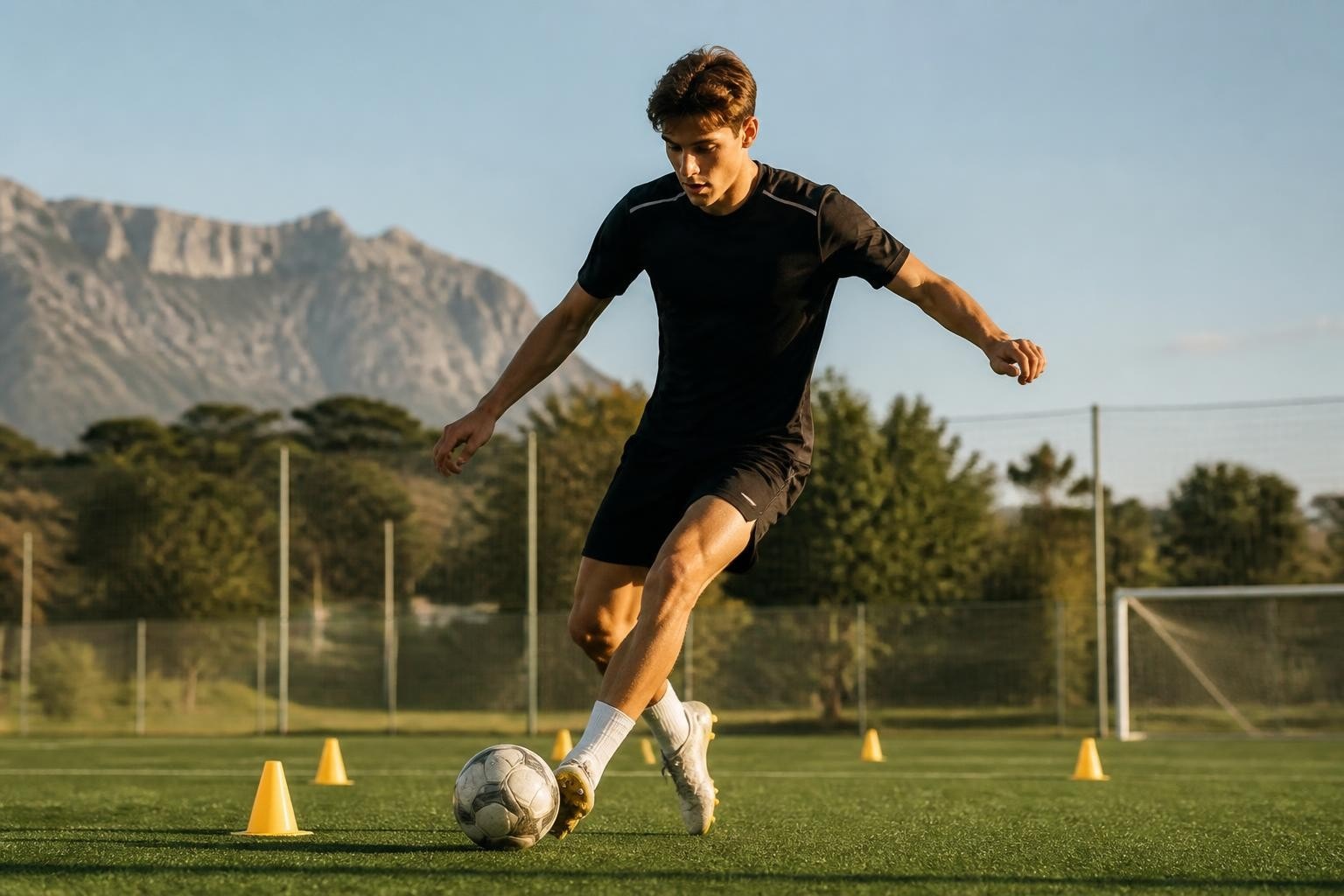
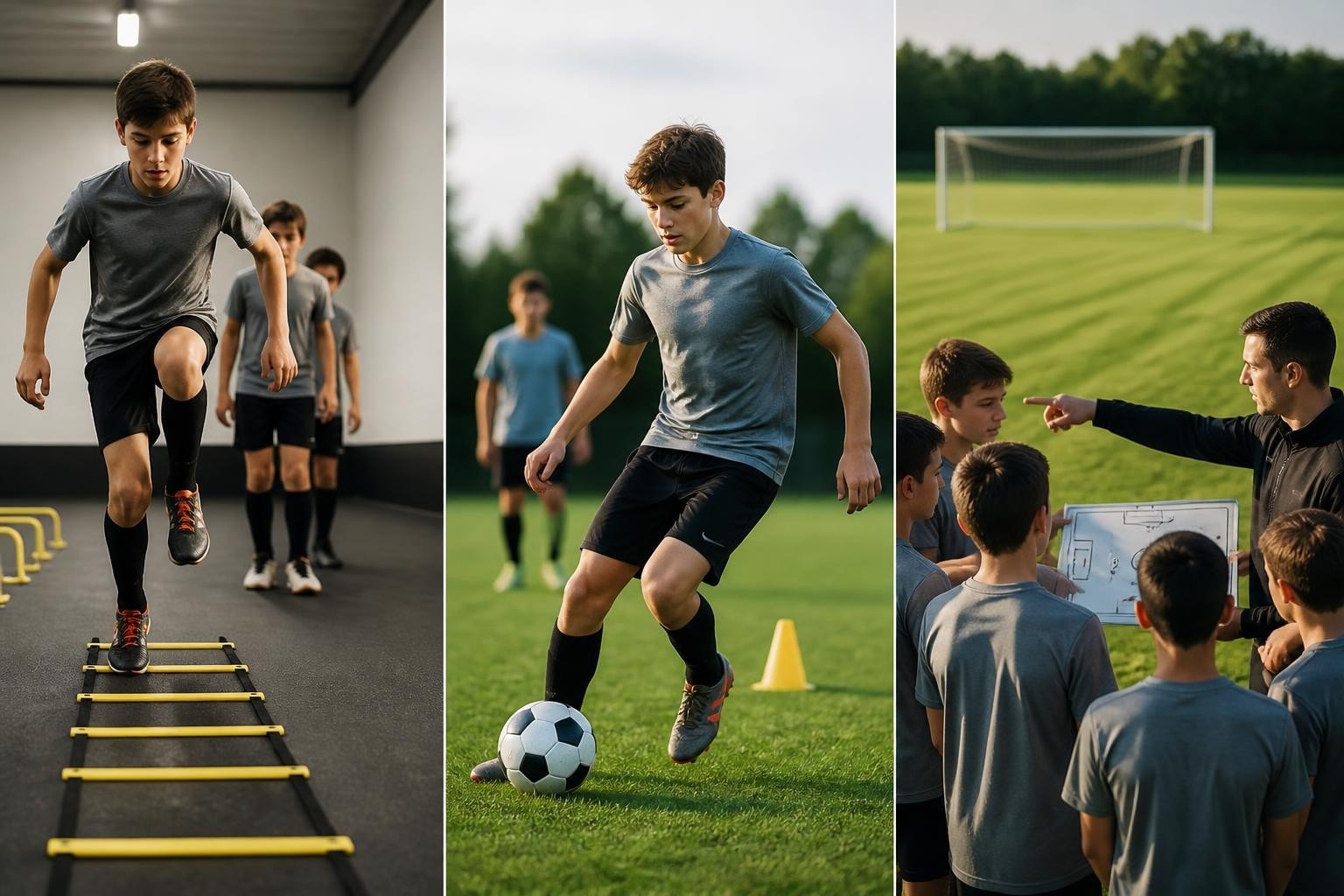
Soccer players training has evolved dramatically over the past decade, moving from traditional conditioning drills to comprehensive development programs that address every aspect of athletic performance. Modern training methodologies recognize that creating exceptional players requires more than just physical fitness and ball skills. Today's most successful programs integrate technical mastery, tactical intelligence, physical conditioning, and psychological resilience into cohesive frameworks that prepare young athletes for competitive success at every level.
The Four Pillars of Modern Soccer Players Training
Contemporary soccer development recognizes four essential components that must work in harmony to produce complete players. These pillars form the foundation of elite training programs worldwide and represent the difference between basic skills instruction and transformative athlete development.
Technical Development: Mastering the Fundamentals
Technical training forms the cornerstone of any effective soccer players training program. This component focuses on ball mastery, first touch quality, passing accuracy, shooting technique, and dribbling proficiency. Players must develop comfort with the ball in all situations, requiring thousands of repetitions in varied contexts.
Key technical training elements include:
- Individual ball control exercises focusing on both feet
- Passing patterns emphasizing accuracy over distance
- Receiving techniques from ground passes and aerial balls
- Shooting mechanics from different angles and distances
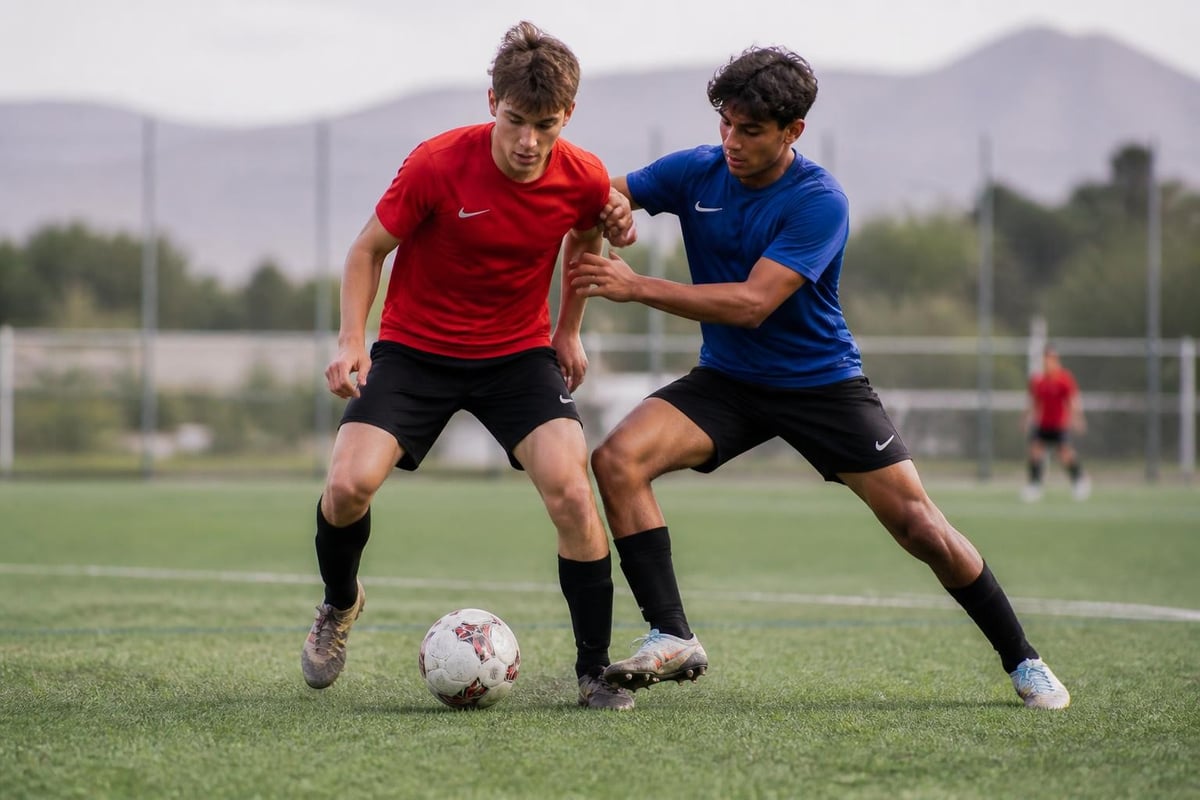
- Turning and shielding techniques under defensive pressure
Research shows that strength and plyometric training significantly enhance power and speed in youth soccer players when properly integrated with technical work. The most effective programs blend technical repetition with physical conditioning, ensuring players can execute skills under fatigue and pressure.
Tactical Awareness: Developing Soccer Intelligence
While technical skills determine what players can do with the ball, tactical training determines what they should do. Soccer players training must emphasize decision-making, spatial awareness, positioning, and understanding team systems. Tactical intelligence separates good players from great ones, enabling athletes to recognize patterns and make split-second decisions that create advantages.
Modern tactical training incorporates:
- Small-sided games that accelerate decision-making repetitions
- Position-specific instruction on roles and responsibilities
- Video analysis to recognize patterns and opportunities
- Transition training between attacking and defending phases
- Communication drills that develop on-field leadership
| Tactical Component | Training Method | Expected Outcome |
|---|---|---|
| Spatial Awareness | Rondos and possession games | Better positioning off the ball |
| Decision Speed | Small-sided games under time pressure | Faster pattern recognition |
| System Understanding | Team shape exercises | Coordinated movement |
| Transition Play | Attack-defend-attack sequences | Efficient phase changes |
Understanding training load and tactical behavior relationships helps coaches structure sessions that optimize learning without overwhelming developing players. Programs at Strive Soccer Academy integrate these tactical principles progressively, ensuring young athletes build understanding alongside technical capability.
Physical Conditioning for Peak Performance
Physical preparation has become increasingly sophisticated in soccer players training programs. Elite development requires structured conditioning that builds speed, agility, endurance, and strength while respecting the developmental needs of young athletes. The physical demands of modern soccer require players to perform explosive movements repeatedly across 90 minutes.
Speed and Agility Development
Speed training extends beyond straight-line sprinting. Soccer players need multi-directional quickness, acceleration from various positions, and the ability to change direction rapidly. Speed, Agility, and Quickness (SAQ) training shows measurable improvements in player performance and dribbling speed when properly implemented.
Effective speed training incorporates:
- Linear acceleration drills from different starting positions
- Multi-directional change-of-direction sequences
- Reactive agility exercises responding to visual or auditory cues
- Sport-specific speed work with ball integration
- Recovery protocols that prevent overtraining
Research on medium- to long-distance sprint performance demonstrates that varied sprint training produces better results than single-method approaches. Progressive overload principles apply to speed development just as they do to strength training.
Strength and Power Training
Age-appropriate strength development protects young players from injury while enhancing performance. Soccer players training programs must balance power development with technical and tactical work, ensuring physical conditioning supports rather than detracts from skill acquisition.
Modern strength training emphasizes bodyweight mastery before external loads, functional movement patterns over isolated exercises, and bilateral development to prevent imbalances. Core stability receives particular attention as it underpins nearly every soccer movement from shooting to tackling.

Psychological Resilience: Training the Mental Game
The psychological component of soccer players training often receives less attention than technical or physical development, yet it frequently determines competitive outcomes. Mental training develops confidence, concentration, emotional regulation, and resilience in the face of adversity.
Building Mental Toughness
Mental toughness allows players to perform their best under pressure, recover from mistakes quickly, and maintain focus throughout competitions. Effective psychological training includes visualization exercises, pressure simulation in practice, mistake recovery protocols, and goal-setting frameworks.
Coaches can integrate mental training through deliberately designed challenges that push players beyond their comfort zones in controlled environments. When players successfully navigate difficult training scenarios, they develop confidence that transfers to competitive situations.
Concentration and Focus Techniques
Modern soccer demands sustained concentration across extended periods. Players must track multiple opponents, recognize passing lanes, monitor defensive positions, and make decisions within seconds. Soccer players training that develops attentional control provides significant competitive advantages.
Concentration training methods include:
- Grid-based awareness exercises requiring peripheral vision
- Distraction training with external noise or pressure
- Multi-task drills combining technical and cognitive demands
- Mindfulness practices improving present-moment awareness
- Pre-performance routines establishing consistent focus states
For families seeking comprehensive development, programs like those at high-performance training camps provide intensive environments where psychological skills receive equal emphasis alongside technical and tactical components.
Training Load Management and Recovery
Smart soccer players training balances work and recovery to optimize adaptation while preventing burnout and injury. The principle of progressive overload requires gradually increasing training demands, but recovery provides the window for improvement to occur.
Periodization Principles
Effective training programs follow periodized structures that vary intensity, volume, and focus across different timeframes. Annual plans divide into phases emphasizing different developmental priorities, while weekly structures balance high-intensity sessions with recovery and lighter technical work.
| Training Phase | Primary Focus | Intensity Level | Volume |
|---|---|---|---|
| Preparation | Fitness foundation | Moderate | High |
| Pre-competition | Tactical integration | High | Moderate |
| Competition | Performance maintenance | Variable | Moderate |
| Recovery | Active rest and regeneration | Low | Low |
Monitoring training load helps coaches identify when players need additional recovery or can handle increased demands. Simple metrics like session rating of perceived exertion combined with wellness questionnaires provide valuable feedback without requiring expensive technology.
Nutrition and Sleep for Young Athletes
Recovery extends beyond training sessions to include proper nutrition and adequate sleep. Young soccer players need sufficient calories to fuel training demands and growth, appropriate protein for tissue repair, and strategic hydration throughout the day.
Sleep quality dramatically impacts learning retention, injury risk, and performance capacity. Soccer players training at high volumes require 8-10 hours of quality sleep nightly for optimal recovery and development. Education programs that help families understand these connections improve compliance with recovery protocols.

Integrating Technology in Training
Modern soccer players training increasingly incorporates technological tools that enhance learning and track development. While technology should never replace quality coaching, strategic integration provides valuable insights and accelerates improvement.
Video Analysis Tools
Video review allows players to see themselves from external perspectives, recognizing patterns they cannot perceive during play. Simple smartphone footage provides sufficient quality for most developmental analysis, while more advanced systems offer tactical mapping and movement tracking.
Effective video analysis focuses on specific learning points rather than overwhelming players with information. Short clips highlighting decision-making moments, positioning adjustments, or technical execution create targeted learning opportunities. Data-driven frameworks for player evaluation demonstrate how systematic analysis improves assessment accuracy.
Performance Tracking Systems
GPS tracking, heart rate monitoring, and movement analysis provide objective data on training loads and physical outputs. While elite professional systems remain expensive, consumer-grade options offer valuable insights for developmental programs.
These tools help identify players who might be under-recovering, track fitness improvements over time, and ensure training sessions deliver intended physical stimuli. The key lies in collecting actionable data rather than pursuing metrics for their own sake. Understanding in-game movement patterns helps coaches design training that replicates match demands.
Safety Considerations in Modern Training
As training intensity increases, safety protocols become increasingly important. Soccer players training programs must balance developmental benefits against injury risks, particularly for growing athletes whose bodies face unique vulnerabilities.
Heading Practice and Brain Health
Recent research raises important questions about heading frequency in youth soccer. Studies indicate that heading a soccer ball can temporarily increase proteins associated with brain cell damage, suggesting the need for thoughtful approaches to heading instruction.
Responsible programs limit heading repetitions for younger age groups, emphasize proper technique when heading is practiced, and educate players and parents about current research. As understanding evolves, training protocols should adapt to protect long-term player health.
Injury Prevention Protocols
Comprehensive warmup routines, progressive loading patterns, and movement quality emphasis all contribute to injury prevention. Common soccer injuries affect the ankle, knee, and hamstring, with many preventable through proper preparation and conditioning.
Essential injury prevention elements:
- Dynamic warmups addressing mobility and activation
- Eccentric strength work for hamstring protection
- Landing mechanics training for knee safety
- Ankle stability exercises and proprioception work
- Cool-down routines facilitating recovery
Programs prioritizing player welfare create environments where athletes develop sustainably over years rather than pursuing short-term gains at the expense of long-term health. Coaches certified through recognized pathways understand developmental best practices and age-appropriate training progressions.
The Role of Small-Sided Games
Small-sided games represent one of the most effective soccer players training tools available. These modified games with fewer players and smaller spaces create more touches, more decisions, and more learning opportunities than full-field scrimmages.
Maximizing Learning Repetitions
A player in an 11v11 game might touch the ball 30-40 times across 90 minutes. The same player in a 4v4 game could receive 100+ touches in 20 minutes, dramatically accelerating skill development. This repetition density explains why leading programs worldwide emphasize small-sided formats.
Beyond touches, small-sided games increase decision-making opportunities. With more space relative to players and faster transitions, athletes must read situations and make choices continuously. This accelerated decision cycle develops tactical intelligence more effectively than static drills.
Game Format Variations
Different small-sided formats emphasize different learning outcomes. Coaches can manipulate field dimensions, player numbers, rules, and objectives to target specific developmental goals.
| Format | Primary Benefit | Ideal Age Group |
|---|---|---|
| 3v3 | Individual actions and transitions | 8-10 years |
| 4v4 | Basic combination play | 9-12 years |
| 5v5 | Positional awareness | 11-14 years |
| 7v7 | Team shape and organization | 12-16 years |
Varying formats keeps training engaging while addressing different aspects of player development. The most effective soccer players training incorporates multiple game formats weekly, ensuring comprehensive skill development.
Creating Long-Term Development Pathways
Sustainable player development requires thinking beyond immediate results toward multi-year progression. Soccer players training programs succeed when they create clear pathways that guide athletes from foundational skills through competitive excellence.
Age-Appropriate Training Focus
Different developmental stages require different training emphases. Young players need joy, exploration, and fundamental movement skills. Adolescents require technical refinement, tactical understanding, and appropriate physical development. Older teenagers can handle advanced tactical concepts and more intensive physical conditioning.
Rushing players through developmental stages creates gaps that emerge later. Programs respecting biological and psychological development timelines produce more consistent long-term outcomes than those prioritizing short-term competitive success.
Progressive Skill Development
Effective progression follows logical sequences where each skill builds upon previous foundations. Ball mastery precedes passing combinations, which precede complex tactical patterns. Physical literacy comes before specialized speed training.
Many families explore options like comprehensive academy programs that provide structured progression across multiple years. These pathways ensure consistent development philosophy and systematic skill building as players mature.
Environmental and Cultural Considerations
The training environment significantly impacts player development beyond the technical content delivered. Soccer players training succeeds when the culture supports learning, embraces mistakes as growth opportunities, and celebrates effort alongside achievement.
Growth Mindset Development
Fostering growth mindset helps players view challenges as opportunities rather than threats. When athletes believe abilities develop through effort rather than being fixed traits, they persist through difficulties and embrace challenging practice.
Coaches cultivate growth mindset through language choices, feedback approaches, and celebration criteria. Praising effort, strategy, and improvement rather than just outcomes encourages resilient learning attitudes.
Peer Learning Dynamics
Training groups function as learning communities where players develop together. Positive peer cultures accelerate improvement through healthy competition, mutual encouragement, and collaborative problem-solving.
Deliberately structuring partner work, rotating pairings, and creating varied team combinations prevents cliques while building cohesive groups. Players learn different lessons from different training partners, making varied groupings valuable for comprehensive development.
Modern soccer players training represents a sophisticated integration of technical, tactical, physical, and psychological development delivered through age-appropriate progressions that respect individual growth patterns. The most effective programs balance structured skill development with creative exploration, intensive conditioning with adequate recovery, and competitive challenge with supportive environments that encourage sustainable improvement. Strive Soccer Academy brings this comprehensive European-style training philosophy to Surrey, with fully licensed coaches who understand how to develop complete players ready for competitive success and lifelong engagement with the beautiful game.