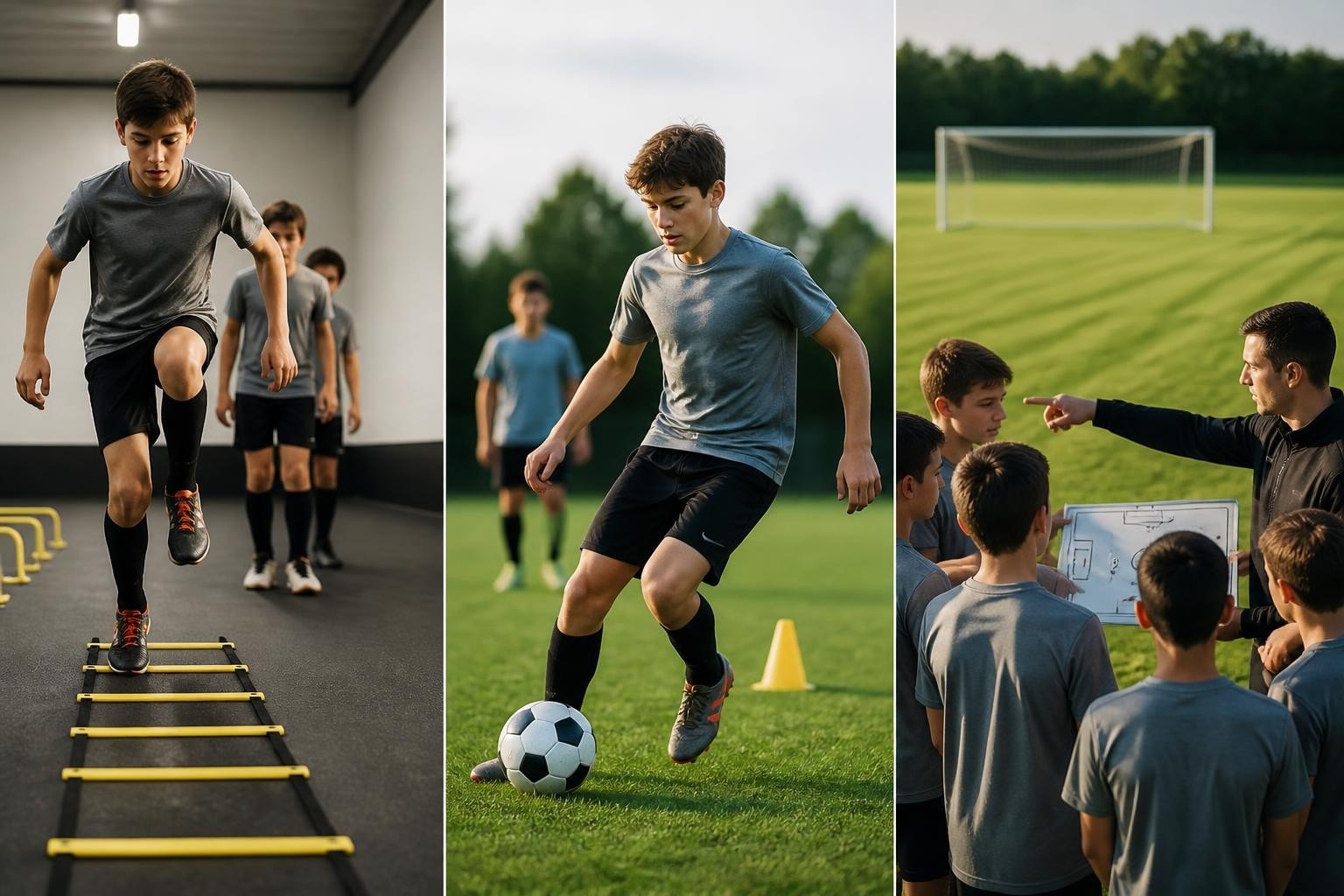
Leadership in soccer extends far beyond wearing the captain's armband. The ability to take a soccer lead during training sessions, matches, and team interactions shapes not only game outcomes but also the character development of young athletes. For parents seeking comprehensive development programs, understanding how leadership emerges and strengthens through structured training provides valuable insight into what truly elevates a player's growth trajectory. This foundation of leadership skills translates into confidence, decision-making ability, and the mental resilience that defines successful athletes both on and off the pitch.
Understanding What It Means to Take the Soccer Lead
Taking the soccer lead represents a multifaceted responsibility that combines vocal communication, tactical awareness, and leading by example. Young players who develop this capacity demonstrate consistent effort, maintain positive attitudes during challenging moments, and actively contribute to team cohesion. Unlike traditional views that limit leadership to designated captains, modern player development recognizes that every athlete can exhibit leadership qualities in different situations.
Key attributes that define soccer leadership include:
- Consistent work ethic during training and matches
- Clear communication with teammates about positioning and tactics
- Emotional control under pressure situations
- Willingness to take responsibility for mistakes
- Encouragement of teammates during difficult moments
Effective soccer leadership requires players to develop both technical competence and psychological maturity. Players cannot credibly guide teammates if their own skills remain underdeveloped or inconsistent. This connection between technical proficiency and leadership credibility underscores why comprehensive training programs address multiple development pillars simultaneously.
The soccer lead often emerges naturally during small-sided games and competitive situations where players must make quick decisions. These moments reveal which athletes possess the confidence to direct play, organize defensive shape, or initiate attacking sequences. Parents should observe how their children respond when given increased responsibility, as these reactions indicate readiness for leadership roles.
Technical and Tactical Foundations That Enable Leadership
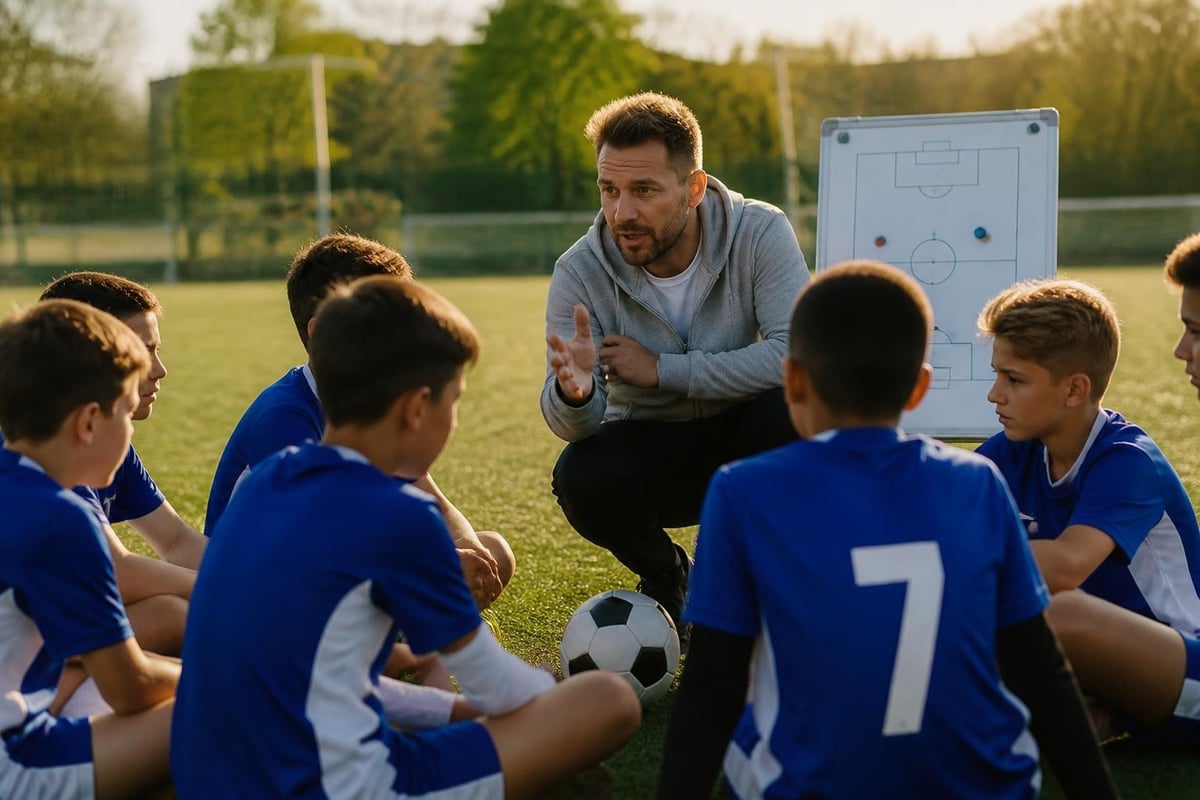
Before players can effectively take a soccer lead, they must establish solid technical and tactical foundations. Leadership credibility stems from demonstrated competence in ball control, passing accuracy, positioning awareness, and game understanding. When teammates recognize a player's technical proficiency, they naturally respond more positively to that player's guidance and direction.
Technical Skills That Build Leadership Credibility
The correlation between technical excellence and leadership influence cannot be overstated. Players who consistently demonstrate superior ball mastery, first touch quality, and passing precision earn the respect necessary to guide teammates effectively. This technical foundation allows leaders to demonstrate solutions rather than merely verbalize instructions.
| Technical Skill | Leadership Impact | Development Focus |
|---|---|---|
| Ball Control | Demonstrates composure under pressure | Regular individual technical training |
| Passing Accuracy | Builds trust with teammates | Precision drills with progressive difficulty |
| Decision Speed | Shows tactical awareness | Small-sided games with time constraints |
| Positional Discipline | Models tactical understanding | Pattern recognition exercises |
Advanced technical training methodologies, including Soccer High Performance Training, create environments where players sharpen decision-making abilities while maintaining technical excellence under pressure. These intensive sessions replicate match conditions, forcing players to execute skills while processing tactical information and communicating with teammates simultaneously.
Tactical Intelligence as a Leadership Tool
Tactical understanding separates good players from true leaders on the pitch. Players who read the game effectively anticipate opposing movements, recognize space creation opportunities, and communicate adjustments before problems develop. This proactive approach to soccer intelligence defines the soccer lead mentality that coaches cultivate in development programs.
Essential tactical awareness components include:
- Reading opponent formations and identifying weaknesses
- Understanding spatial relationships and positional rotations
- Recognizing transition moments from defense to attack
- Communicating pressing triggers to defensive teammates
- Adjusting positioning based on game state and score
Research demonstrates that leadership and culture significantly impact high-performance soccer, with tactical intelligence serving as a primary vehicle for leadership expression. Players who verbalize tactical observations during matches help teammates adjust positioning, anticipate opponent movements, and maintain organizational structure throughout ninety minutes.
Communication Skills That Define On-Field Leaders
The ability to communicate effectively during matches represents perhaps the most visible leadership quality. Players who take the soccer lead master both verbal and non-verbal communication, adjusting their approach based on game situations, teammate personalities, and competitive pressure. This communication expertise develops through deliberate practice in training environments that replicate match intensity.
Vocal leadership extends beyond shouting generic encouragement. Effective communicators provide specific, actionable information that helps teammates improve positioning, timing, or decision-making. Clear direction such as "step up to hold the line" or "show him outside" proves far more valuable than vague statements lacking tactical specificity.
Developing Constructive Communication Patterns
Young players must learn to balance directness with positivity when communicating during matches. Mental aspects of soccer leadership emphasize maintaining team morale while providing necessary corrections. This balance requires emotional intelligence and practice in various competitive scenarios.
Effective communication strategies include:
- Using player names to ensure clarity and attention
- Maintaining calm tone even during stressful moments
- Offering solutions alongside identifying problems
- Recognizing positive contributions from all teammates
- Adjusting communication style to individual teammate preferences
Non-verbal communication through body language and effort level often speaks louder than words. Players who demonstrate relentless work rate, maintain positive posture after mistakes, and show enthusiasm for teammate successes establish credibility that amplifies their verbal communications. This congruence between actions and words forms the foundation of authentic leadership presence.
Psychological Development and Mental Resilience
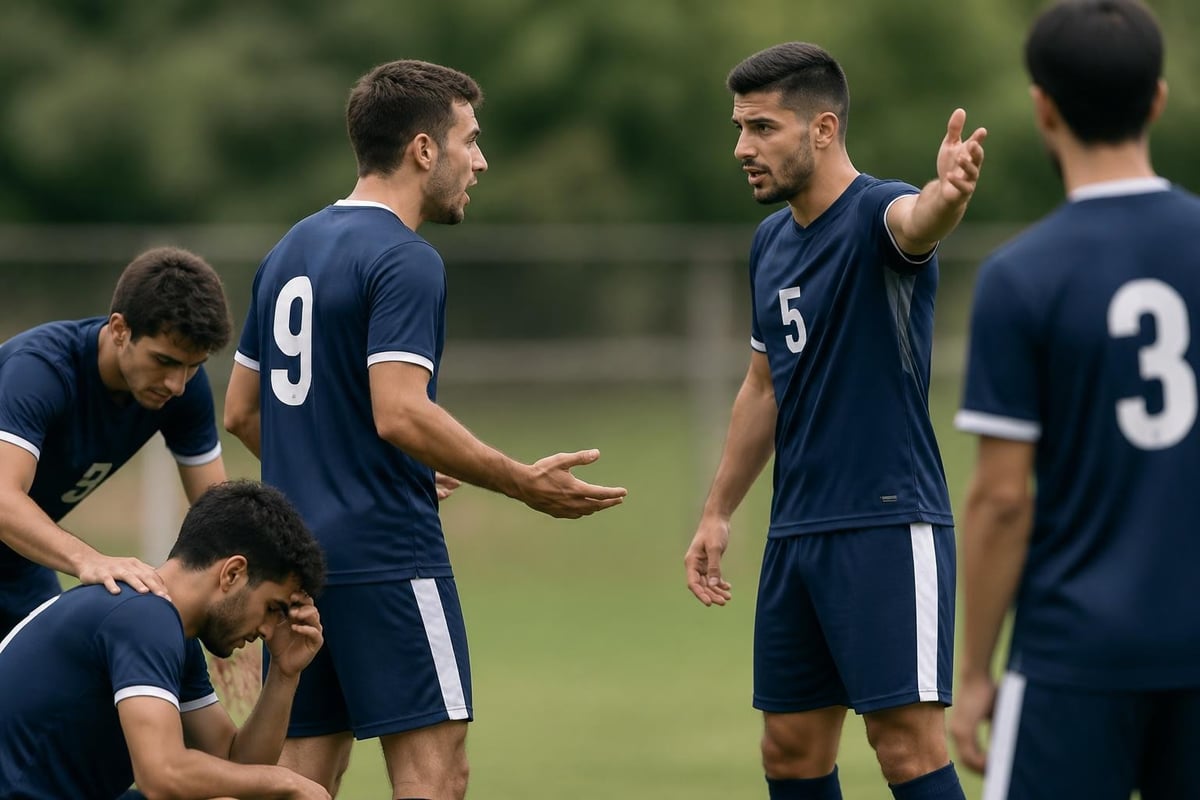
The psychological dimension of taking the soccer lead often receives insufficient attention in traditional training programs. Mental resilience, emotional control, and confidence under pressure distinguish players who rise to leadership roles from those with comparable technical abilities who struggle in high-pressure situations. Developing these psychological capacities requires intentional training approaches that challenge players beyond their comfort zones.
Players demonstrating the soccer lead mentality embrace accountability for both individual mistakes and team outcomes. This ownership mindset prevents the blame-shifting and excuse-making that undermines team cohesion. Young athletes who develop this psychological maturity early establish patterns that benefit their athletic careers and personal development throughout life.
Building Confidence Through Progressive Challenges
Confidence represents the psychological foundation enabling players to take initiative during matches. This confidence develops through accumulating successful experiences in progressively challenging environments. Training programs that appropriately balance support and challenge create ideal conditions for confidence development without overwhelming young athletes.
| Challenge Type | Confidence Impact | Implementation Approach |
|---|---|---|
| Technical Complexity | Skill mastery confidence | Graduated difficulty progression |
| Competitive Pressure | Performance confidence | Regular competitive match play |
| Leadership Responsibility | Decision-making confidence | Rotating captain roles in training |
| Physical Demands | Resilience confidence | Structured conditioning programs |
Programs following comprehensive player development models systematically expose athletes to appropriate challenges across technical, tactical, physical, and psychological dimensions. This holistic approach ensures confidence develops authentically through demonstrated competence rather than artificial encouragement disconnected from actual improvement.
Emotional Regulation Under Competitive Pressure
Maintaining composure during challenging match situations separates emerging leaders from players who crumble when facing adversity. The ability to regulate emotions, refocus after mistakes, and maintain positive energy despite setbacks requires deliberate practice and coaching guidance. These skills prove equally valuable in academic, professional, and personal contexts beyond soccer.
Emotional regulation strategies for young players:
- Developing pre-match routines that establish mental readiness
- Practicing breathing techniques for in-game composure
- Creating mental reset protocols after mistakes or setbacks
- Establishing positive self-talk patterns that build resilience
- Learning to channel frustration into productive energy
Research exploring leadership development in youth soccer emphasizes that emotional intelligence training significantly impacts long-term player development. Coaches who integrate psychological skill development into technical training create well-rounded athletes prepared for leadership responsibilities at higher competitive levels.
Practical Pathways to Developing Leadership Qualities
Parents seeking to support their children's leadership development should understand that this growth occurs through structured training experiences, appropriate role models, and opportunities to practice leadership skills in low-stakes environments before high-pressure situations. The soccer lead mentality emerges gradually through accumulating experiences rather than sudden transformation.
Selecting training programs that prioritize leadership development alongside technical and tactical instruction provides young athletes with comprehensive growth opportunities. Programs offering varied formats including team training, competitive matches, and specialized skill sessions create multiple contexts for leadership practice and observation.
Training Environments That Cultivate Leaders
The training environment significantly influences leadership development outcomes. Small-sided games naturally create more decision-making opportunities, forcing players to communicate, organize teammates, and solve tactical problems independently. These formats accelerate leadership skill acquisition compared to passive drill-based approaches with minimal player initiative.
Effective training formats for leadership development:
- Small-sided games requiring constant communication
- Rotating captain responsibilities during training sessions
- Player-led warm-up and cool-down activities
- Peer coaching opportunities during technical drills
- Reflection sessions discussing leadership moments from training
Advanced programs structure comprehensive academy experiences that intentionally develop leadership capacity through varied activities and responsibilities. These structured approaches ensure all players receive leadership opportunities regardless of current skill level, recognizing that leadership potential exists throughout team rosters.
Learning From Experienced Coaches and Mentors
Quality coaching represents perhaps the single most influential factor in leadership development. Coaches who model effective communication, demonstrate emotional control, and articulate clear expectations provide daily examples that shape player behavior and mindset. The coaching staff's leadership approach directly influences how young athletes conceptualize and practice leadership themselves.
Coaches holding advanced certifications bring sophisticated understanding of player development principles that integrate leadership cultivation into technical and tactical training. This expertise ensures leadership development occurs systematically rather than haphazardly through occasional team talks disconnected from daily training experiences.
Measuring Leadership Growth and Progress
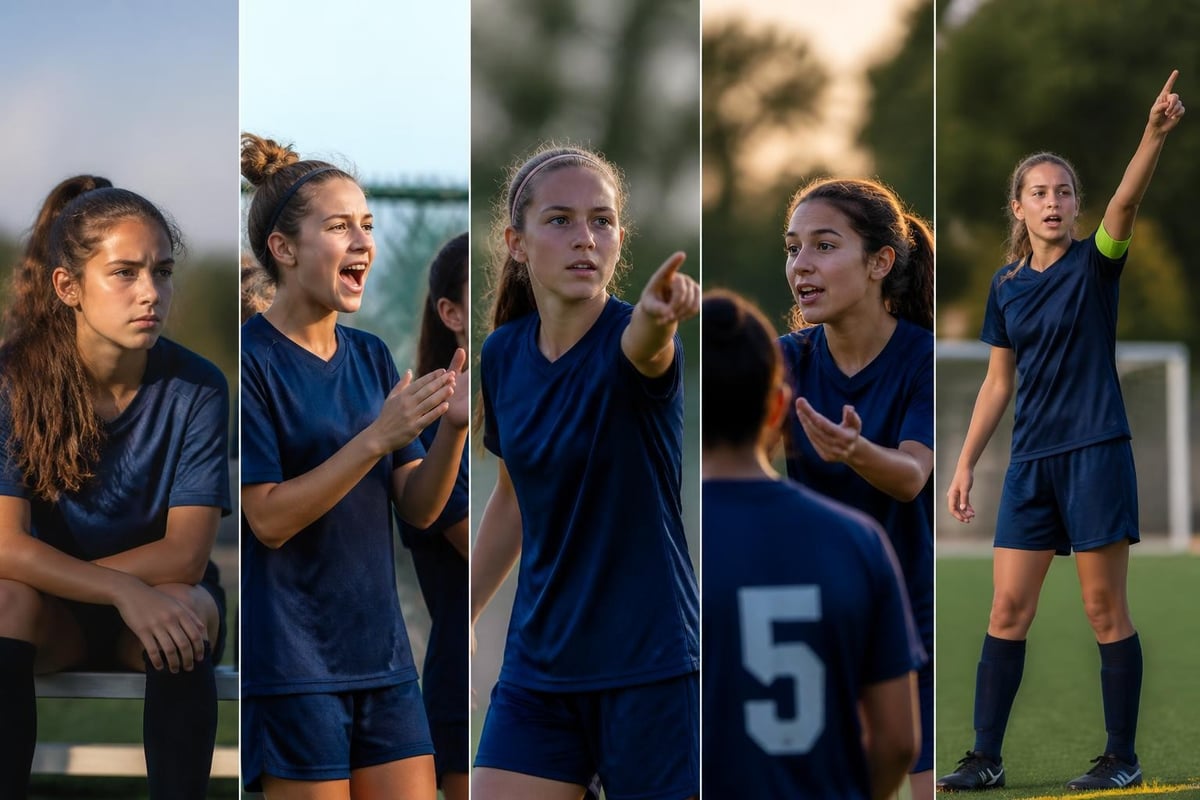
Unlike technical skills measured through observable metrics such as passing accuracy or shooting precision, leadership development requires more nuanced assessment approaches. Parents and coaches should track indicators including communication frequency during matches, willingness to organize teammates, emotional responses to setbacks, and teammate responsiveness to the player's direction.
Effective assessment combines coach observations, peer feedback, and self-reflection to create comprehensive understanding of leadership development. This multi-perspective approach reveals patterns that single-source evaluation might miss, providing more accurate pictures of player growth trajectories.
Observable Leadership Indicators
Key behaviors indicating leadership development progress:
- Initiating tactical conversations during training breaks
- Volunteering for demonstration roles during instruction
- Maintaining focus and effort during challenging drills
- Supporting struggling teammates without prompting
- Asking strategic questions about game situations
- Taking responsibility for mistakes without excuses
Tracking these behaviors over time reveals whether players are developing the soccer lead mentality or remaining passive participants. Parents observing these indicators at home and during matches gain valuable insight into their child's overall development beyond technical skill acquisition.
Connecting Leadership Development to Long-Term Success
The leadership skills developed through structured soccer training extend far beyond athletic contexts. Communication abilities, emotional regulation, accountability, and collaborative problem-solving prove essential in academic settings, future careers, and personal relationships. Parents investing in comprehensive soccer programs should recognize these broader developmental benefits alongside athletic improvement.
Understanding how soccer develops leadership skills in children helps parents appreciate the full value proposition of quality training programs. These programs deliver returns through enhanced character development, improved social skills, and stronger mental resilience that compound throughout players' lives.
Role Modeling and Peer Learning Dynamics
Young players develop leadership qualities partly through observing and emulating positive role models within their training environments. Teams featuring multiple players demonstrating the soccer lead mentality create cultures where leadership becomes normalized rather than exceptional. This peer influence accelerates individual development through continuous exposure to effective leadership behaviors.
Effective programs structure team compositions that balance experienced leaders with developing players, creating natural mentorship opportunities. Younger athletes observe how established leaders communicate, handle pressure, and support teammates, gradually incorporating these behaviors into their own approaches. This organic learning process complements direct coaching instruction.
Creating Leadership Opportunities for All Players
Democratic leadership development approaches ensure every team member receives opportunities to practice leadership skills regardless of current ability level. Rotating captain responsibilities, assigning different players to lead specific drills, and encouraging diverse voices during team discussions prevent leadership concentration among a small elite group.
Strategies for distributing leadership opportunities:
- Weekly rotating captaincy during training sessions
- Assigning different players to lead warm-ups each day
- Creating small groups with designated leaders for drills
- Encouraging quieter players to share tactical observations
- Recognizing various leadership contributions beyond vocal direction
Programs emphasizing inclusive leadership development, such as those available through Strive’s comprehensive academy structure, recognize that leadership capacity exists throughout rosters. This philosophy ensures maximum player development while building team cultures characterized by shared responsibility and mutual support.
Overcoming Common Leadership Development Challenges
Many young players struggle with confidence barriers preventing them from taking the soccer lead despite possessing necessary technical and tactical foundations. Overcoming these barriers requires supportive environments that encourage risk-taking, normalize mistakes as learning opportunities, and celebrate leadership attempts regardless of immediate outcomes.
Some players demonstrate natural extroversion making vocal leadership easier, while others possess quieter personalities requiring alternative leadership expression channels. Effective programs accommodate these personality differences, recognizing that leadership manifests through various behaviors including consistent effort, tactical intelligence, and supportive actions rather than exclusively through vocal direction.
Addressing Confidence and Fear Barriers
Common psychological barriers to leadership development:
- Fear of making mistakes in front of teammates and coaches
- Concern about appearing bossy or controlling
- Uncertainty about tactical knowledge accuracy
- Discomfort with attention and visibility
- Previous negative experiences when attempting leadership
Coaches addressing these barriers through empathetic communication and structured support help players overcome limitations that restrict their potential. Creating psychologically safe environments where mistakes generate learning rather than criticism proves essential for confidence development underlying leadership emergence.
Balancing Individual Leadership With Team Harmony
Players sometimes misunderstand leadership as dominating teammates rather than elevating collective performance. Teaching the distinction between productive leadership and counterproductive bossiness requires explicit instruction and modeling from coaching staff. Effective leaders serve their teams rather than commanding them, focusing on helping teammates succeed rather than showcasing personal superiority.
This servant leadership approach aligns with modern understanding of what players need to become leaders, emphasizing humility, service orientation, and genuine care for teammate development. Players embodying these qualities build sustainable influence based on trust and mutual respect rather than positional authority or technical dominance alone.
Developing the capacity to take the soccer lead represents a transformative journey that builds character alongside athletic ability, creating well-rounded young people prepared for success in multiple life domains. At Strive Soccer Academy, our European-style training philosophy addresses all four pillars of player development-Technical, Tactical, Physical, and Psychological-ensuring young athletes receive the comprehensive support necessary for leadership emergence. Our fully licensed coaches create environments where every player discovers and strengthens their unique leadership capacity while developing the skills and confidence that create real opportunities both on and off the pitch.