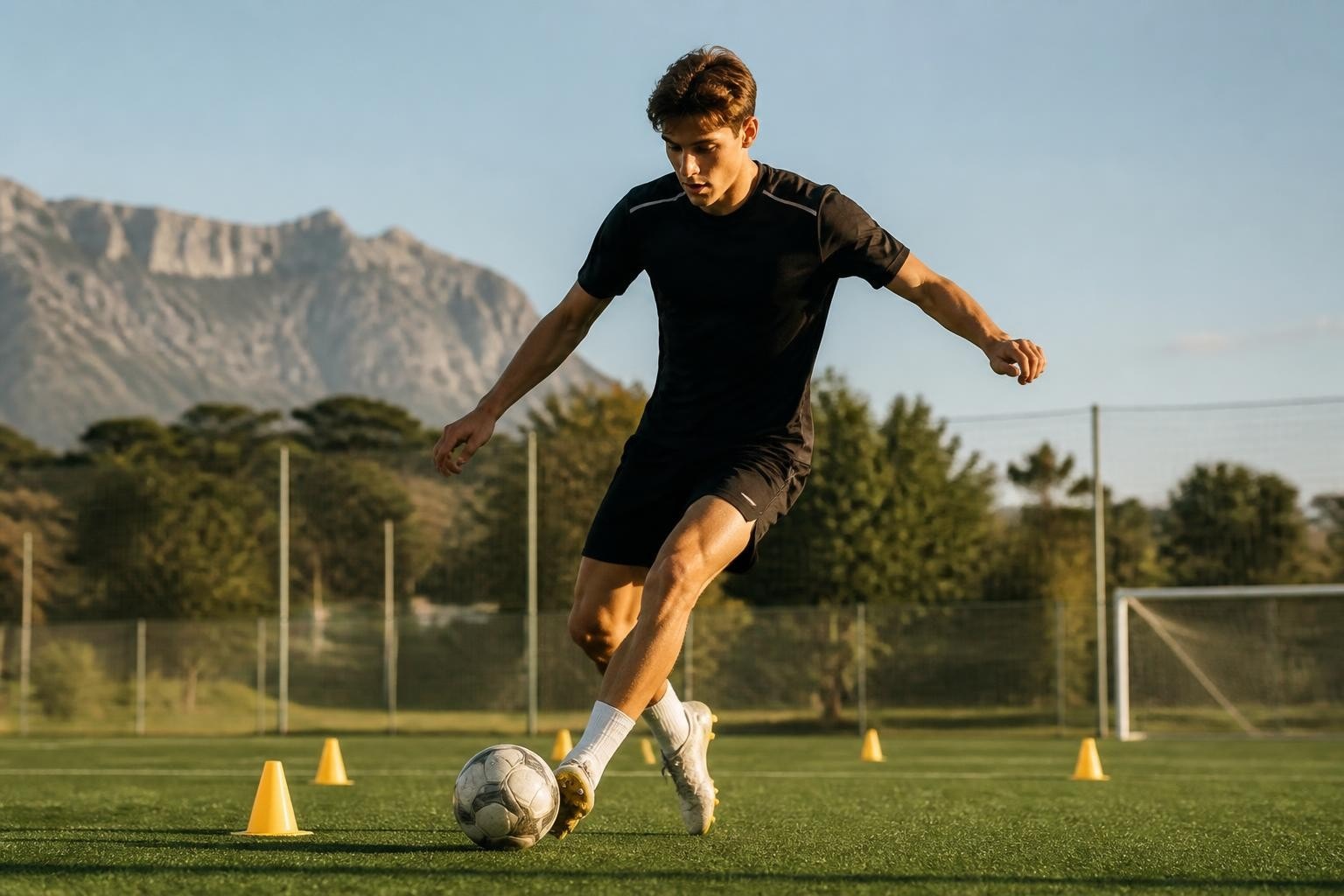
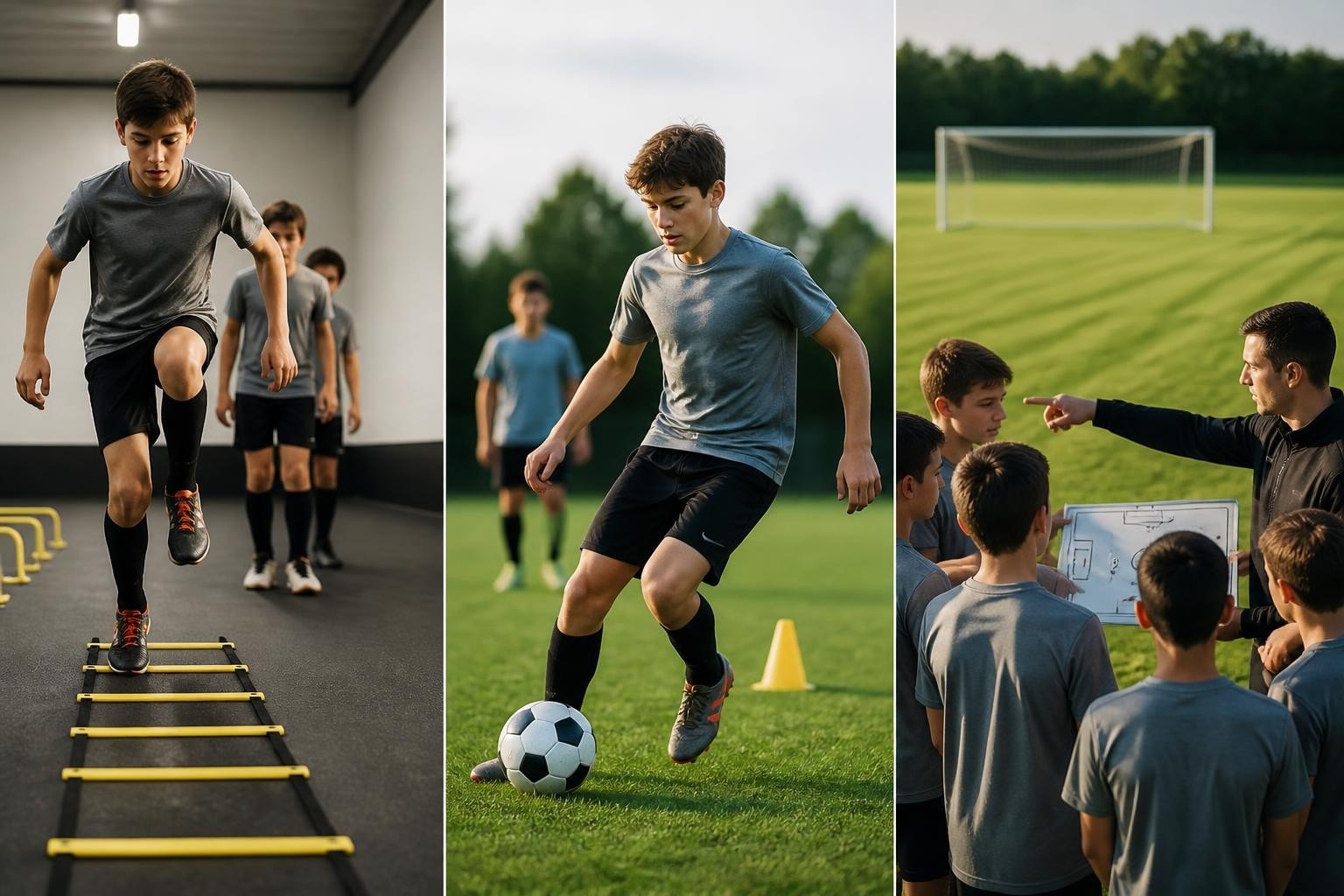
Finding quality soccer goalkeeper training near me has become a top priority for parents whose young athletes show a passion for this specialized position. The goalkeeper role demands unique technical skills, mental toughness, and physical attributes that differ significantly from field players. As we move through 2026, the availability of dedicated goalkeeper programs has expanded, but understanding what makes effective training remains crucial for player development. This guide explores the key elements of goalkeeper training, what to look for in local programs, and how specialized coaching can transform a young keeper's potential.
Understanding the Unique Demands of Goalkeeper Training
Soccer goalkeeper training near me must address four distinct development pillars that separate exceptional keepers from average ones. These specialized athletes require targeted instruction that goes far beyond standard soccer practice.
Technical Skills Form the Foundation
The technical foundation for goalkeepers encompasses skills rarely practiced by field players. Shot-stopping technique involves proper body positioning, hand placement, and the ability to read trajectory and spin on incoming balls. Distribution skills, including throwing, kicking, and rolling techniques, transform keepers into playmakers who initiate attacks.
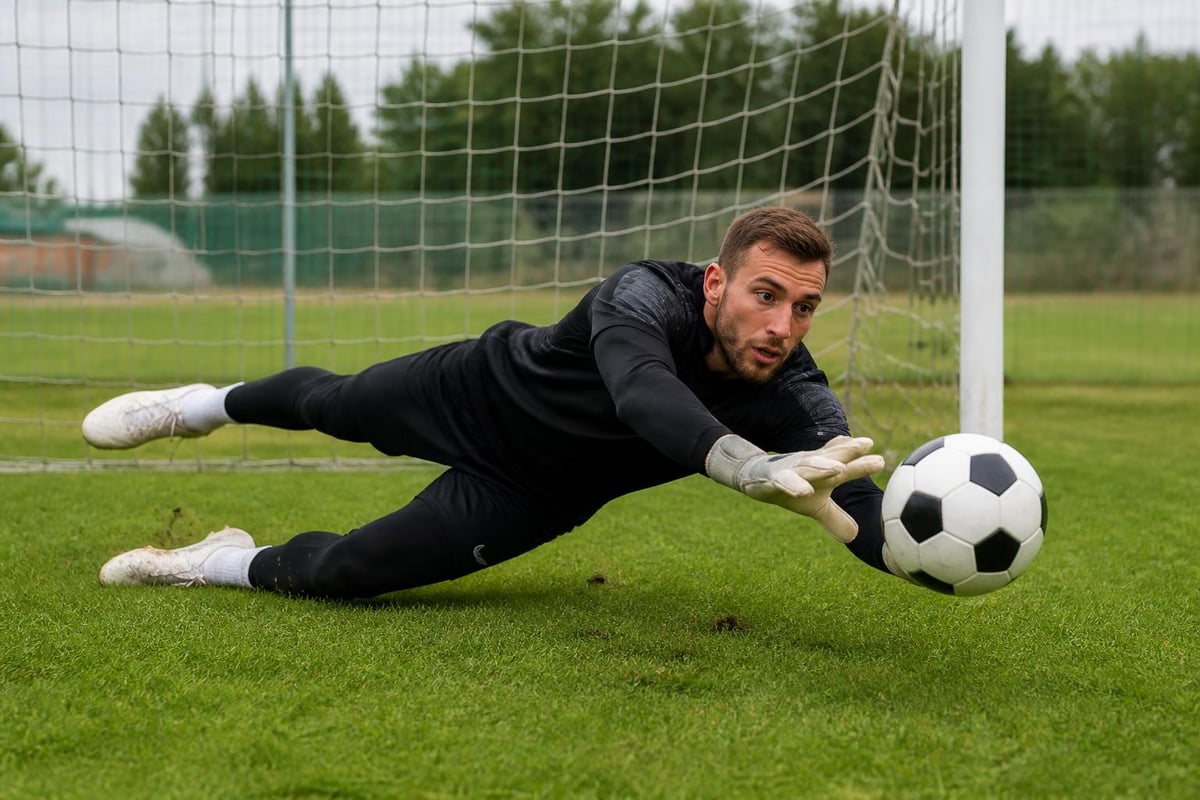
Footwork patterns specific to goalkeeping create the base for all movements. Young keepers must master shuffle steps, crossover runs, and explosive diving techniques. Essential goalkeeper training techniques emphasize that positioning, balance, and timing separate competent keepers from elite performers.
Ball handling drills should occupy significant training time. These exercises develop soft hands, proper catching technique, and the confidence to secure crosses under pressure. According to goalkeeper coaching principles, technical mastery provides the platform for tactical awareness and decision-making under match conditions.
Tactical Intelligence Separates Good from Great
When searching for soccer goalkeeper training near me, tactical education should rank as a non-negotiable program component. Positioning relative to the ball, defensive line, and goal angles requires constant adjustment based on game situations.
Communication skills transform goalkeepers into defensive generals. Young keepers learn to organize defenders, call out threats, and manage set-piece situations. This leadership development extends beyond technical ability into psychological maturity.
Reading the game involves anticipating opponent movements, recognizing shooting opportunities, and understanding when to leave the goal line. Decision-making speed improves through repetition in realistic training scenarios that mirror match intensity.
| Tactical Element | Training Focus | Development Timeline |
|---|---|---|
| Angle Play | Positioning drills with markers | 3-6 months |
| Cross Management | Judging when to leave line | 6-12 months |
| 1v1 Situations | Closing down attackers | 4-8 months |
| Distribution Choices | Reading field positioning | Ongoing |
Physical Conditioning Builds Resilience
The physical demands on goalkeepers differ dramatically from field players. Explosive power for diving, vertical jump height for high balls, and reaction speed for close-range shots require specific conditioning protocols.
Flexibility and mobility prevent injuries during the extreme ranges of motion required in diving and stretching. Core strength stabilizes the body during aerial challenges and provides the foundation for powerful distribution.
Agility training develops the quick direction changes needed when facing multiple shots or dealing with rebounds. These physical attributes develop through consistent, progressive training that respects young athletes' growth patterns.
Finding Quality Goalkeeper Programs in Your Area
Searching for soccer goalkeeper training near me requires evaluating several critical program characteristics. Not all goalkeeper instruction delivers equal value for developing players.
Coaching Credentials Matter Significantly
Licensed coaches bring structured methodology and age-appropriate progression to goalkeeper development. Canada Soccer certifications, ranging from Grassroots to National A License levels, indicate formal education in player development principles.
Specialized goalkeeper coaching certification demonstrates specific expertise in this position. Many excellent field player coaches lack the technical knowledge required for proper keeper instruction. Designing effective goalkeeper sessions requires understanding unique methodologies that differ from field player coaching.
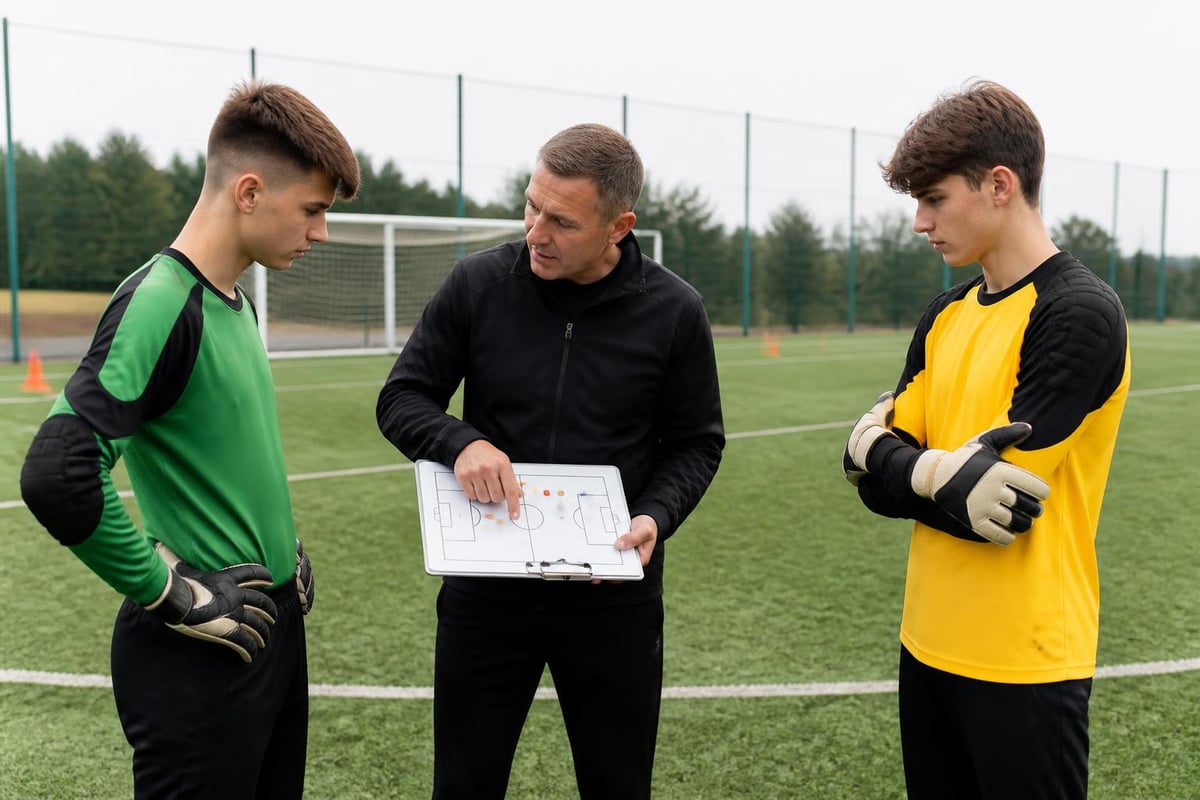
Experience working with youth athletes ensures coaches adapt training to developmental stages. A coach who works primarily with adults may not understand the physical and psychological considerations for younger players.
Training Environment and Resources
Quality soccer goalkeeper training near me provides appropriate equipment and facilities. Regulation-size goals, various ball types, and adequate space for diving drills create optimal learning conditions.
Small group sizes ensure individual attention during technical instruction. Goalkeeper-to-coach ratios should remain low, ideally 4:1 or better, allowing coaches to provide specific feedback on each repetition.
Video analysis technology helps young keepers visualize their technique and understand improvement areas. Modern programs incorporate footage review as a standard coaching tool, accelerating skill acquisition through visual learning.
Age-Appropriate Progression Systems
Programs should adapt training complexity to player age and experience level. Youth-specific goalkeeper training focuses on foundational movements before advancing to complex techniques.
Younger players (ages 8-11) benefit from fun, game-based activities that develop basic handling and footwork. Middle-age groups (12-14) can handle more technical instruction and tactical concepts. Older youth players (15-18) require intensity levels approaching adult training.
Progressive skill development ensures players master fundamentals before advancing. Rushing young athletes into advanced techniques without proper foundation creates bad habits and increases injury risk.
Essential Drills and Training Components
When evaluating soccer goalkeeper training near me, understanding standard drill categories helps parents recognize comprehensive programs.
Handling and Shot-Stopping Exercises
Basic catching drills develop proper hand positioning for various ball heights. Keepers learn W-shape hand formation for high balls and scoop technique for ground shots. Repetition builds muscle memory that transfers to match situations.
Reaction training improves reflexes through unpredictable ball delivery. Coaches create scenarios requiring instant responses, developing the split-second decision-making needed during games. These drills often incorporate multiple balls or deflections to increase difficulty.
Diving technique progression starts with kneeling saves, advances to standing dives, and culminates in full-extension saves. Proper landing mechanics protect young bodies while building confidence in physical commitment. Comprehensive goalkeeper drills provide structured progressions suitable for various skill levels.
Footwork and Movement Patterns
Lateral movement drills develop the side-to-side agility required for shifting across the goal. Shuffle steps, crossover runs, and explosive pushes from the set position appear in every quality program.
Forward and backward movement exercises prepare keepers for closing down angles and recovering position. These patterns combine with handling drills to create realistic game scenarios.
Key footwork patterns include:
- Shuffle steps for lateral coverage
- Crossover runs for longer distances
- Backpedal technique for recovery
- Explosive forward sprints for 1v1 situations
- Quick set position from various movements
Distribution and Build-Up Play
Modern goalkeeping demands excellent distribution skills to initiate attacks. Throwing techniques include javelin throws for distance, overhand throws for accuracy, and underhand rolls for short distances.
Kicking instruction covers goal kicks, clearances, and passes to feet. Both feet should develop competency, though dominant foot receives primary focus. Driven kicks, lofted distributions, and controlled passes each serve different tactical purposes.
Playing out from the back requires confidence with feet and decision-making under pressure. As comprehensive training guides emphasize, distribution skills increasingly differentiate elite keepers in modern soccer.
Mental and Psychological Development
Soccer goalkeeper training near me should address the psychological demands unique to this position. Mental strength often determines which talented keepers reach their potential.
Building Confidence and Resilience
Goalkeepers face unique psychological pressure as the last line of defense. Mistakes often result in goals, requiring mental toughness to recover quickly. Training environments should balance challenge with success to build genuine confidence.
Positive coaching creates the psychological safety needed for risk-taking and growth. Young keepers need permission to fail during training while developing the resilience to bounce back from errors.
Visualization techniques help keepers mentally rehearse successful saves and proper technique. Many elite programs incorporate mental skills training alongside physical and technical development.
Concentration and Focus Training
Maintaining concentration during periods of inactivity challenges even experienced keepers. Training should include realistic scenarios with varying involvement levels, mimicking game conditions.
Concentration development strategies:
- Long-duration drills requiring sustained focus
- Distraction elements added to standard exercises
- Simulated game situations with extended quiet periods
- Communication requirements maintaining mental engagement
- Post-save recovery drills emphasizing immediate refocus
Leadership and Communication Skills
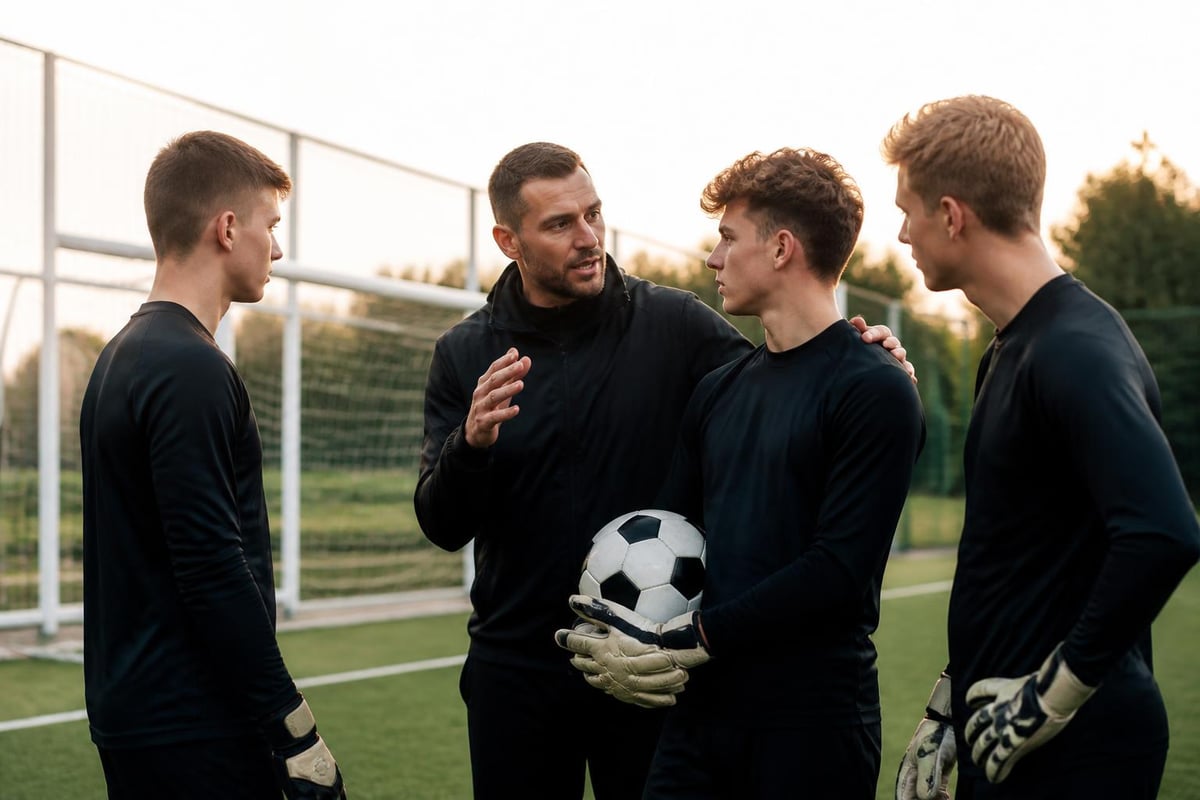
The goalkeeper's unique field perspective makes them ideal defensive organizers. Training should develop vocal skills, clear communication patterns, and commanding presence.
Young keepers learn specific phrases for organizing defenders, calling crosses, and directing positioning. Confidence in communication grows through deliberate practice in training environments before transferring to match situations.
Program Structure and Training Frequency
Quality soccer goalkeeper training near me follows structured programming that balances intensity with recovery. Understanding optimal training frequency helps parents support their young athletes appropriately.
Weekly Training Volume Recommendations
Age-appropriate training volume prevents overuse injuries while providing sufficient repetition for skill development. Younger players benefit from 1-2 specialized goalkeeper sessions weekly, supplementing team training.
Older youth athletes may handle 2-3 dedicated goalkeeper sessions plus team practices. Rest days remain crucial for physical recovery and preventing burnout. Quality programs design weekly schedules balancing intensity with recovery needs.
| Age Group | Goalkeeper Sessions/Week | Total Soccer Hours | Rest Days |
|---|---|---|---|
| U10-U12 | 1-2 sessions | 4-6 hours | 3-4 days |
| U13-U15 | 2-3 sessions | 6-9 hours | 2-3 days |
| U16-U18 | 2-4 sessions | 8-12 hours | 2 days |
Session Duration and Structure
Individual goalkeeper sessions typically run 60-90 minutes, allowing comprehensive coverage of technical, tactical, and physical components. Sessions should include proper warm-up, technical work, game-realistic scenarios, and cool-down periods.
Group sessions may extend slightly longer to accommodate multiple keepers working through station rotations. The Soccer High Performance Training program offers 90-minute high-intensity sessions that sharpen technical skills while building confidence under pressure.
Integration with Team Training
Goalkeeper-specific work should complement, not replace, team training participation. Keepers benefit from playing with defenders, understanding team tactics, and developing chemistry with their back line.
Balanced programs schedule specialized goalkeeper training on separate days from team practice when possible. This prevents excessive training volume while ensuring adequate focus on position-specific skills.
Evaluating Training Results and Progress
Parents searching for soccer goalkeeper training near me should understand how to measure development beyond simple save statistics. Comprehensive evaluation considers multiple performance dimensions.
Technical Skill Assessment Methods
Regular video review comparing current technique to earlier footage reveals progress in mechanics. Coaches should provide specific feedback on hand positioning, footwork, and diving form improvements.
Standardized testing measures specific abilities like vertical jump, reaction time, and distribution accuracy. These objective metrics track physical and technical development over time.
Skill mastery checklists help young athletes understand progression through developmental stages. Clear achievement markers motivate continued effort while providing structure to long-term development.
Game Performance Indicators
Shot-stopping percentage provides one measure of effectiveness, though context matters significantly. Facing high-quality chances differs from routine saves, requiring nuanced evaluation.
Meaningful performance metrics include:
- Distribution accuracy and decision-making
- Communication effectiveness with defenders
- Positioning and angle management
- Cross claiming success rate
- 1v1 situation outcomes
- Ability to organize defensive set pieces
Long-Term Development Markers
College recruitment interest, competitive team selection, and advancement to higher competition levels indicate successful development. These external validations often result from years of dedicated training.
Personal growth in confidence, leadership, and soccer intelligence represents equally important progress. The best programs develop complete athletes who excel on and off the field.
Local Training Options and Selection Criteria
Finding the right soccer goalkeeper training near me requires research, facility visits, and conversations with coaches and current participants.
Questions to Ask Potential Programs
Inquire about coach credentials, experience levels, and coaching philosophy. Understanding their approach to youth development reveals whether their values align with your family's priorities.
Request information about typical class sizes, training frequency options, and progression pathways. Quality programs clearly articulate how they develop keepers from beginner through advanced levels.
Ask about injury prevention protocols, equipment provided, and communication methods with parents. These operational details impact training safety and family experience.
Trial Sessions and Evaluations
Most reputable programs offer trial sessions allowing young athletes to experience training before commitment. These sessions help keepers determine if the coaching style and environment suit their learning preferences.
Observe how coaches interact with players, deliver feedback, and structure sessions. Positive, encouraging environments that challenge athletes appropriately indicate quality instruction.
Notice whether current participants appear engaged, focused, and enjoying their training. Player attitudes often reflect overall program culture and coaching effectiveness.
Investment Considerations
Goalkeeper training represents an investment in your athlete's development. Pricing varies based on coach credentials, facilities, session frequency, and group sizes.
Compare cost against value delivered through coach expertise, individual attention, and comprehensive programming. The cheapest option rarely provides optimal development outcomes.
Consider location convenience and schedule compatibility alongside program quality. The best training becomes worthless if logistics make consistent attendance difficult. Programs at Strive Soccer Academy focus on comprehensive player development through European-style training methodology.
Advanced Training Opportunities
As keepers develop, soccer goalkeeper training near me should provide pathways to higher-level instruction and competition.
Specialty Camps and Clinics
Intensive training camps offer concentrated skill development during school breaks. These programs often feature guest instructors with professional experience, exposing young keepers to elite-level expertise.
Position-specific clinics targeting particular skills like distribution or aerial play provide focused improvement opportunities. These supplement regular training with deep dives into specialized techniques.
College showcase camps serve dual purposes for older players, developing skills while providing exposure to college coaches. Goalkeeper technique improvement drills often feature prominently in these intensive programs.
Competition and Match Play Opportunities
Quality programs connect keepers with competitive teams needing their services. Match experience remains irreplaceable for development, applying training skills under pressure.
Friendly matches, scrimmages, and tournament opportunities provide game situations for skill application. Programs should actively help keepers find appropriate playing opportunities matching their development level.
Developing an elite goalkeeper requires specialized training that addresses technical skills, tactical awareness, physical conditioning, and mental toughness. Finding soccer goalkeeper training near me starts with understanding these unique demands and evaluating local programs against comprehensive development standards. At Strive Soccer Academy, our European-style training philosophy and fully licensed Canada Soccer coaches provide the technical, tactical, physical, and psychological development young goalkeepers need to reach their potential.