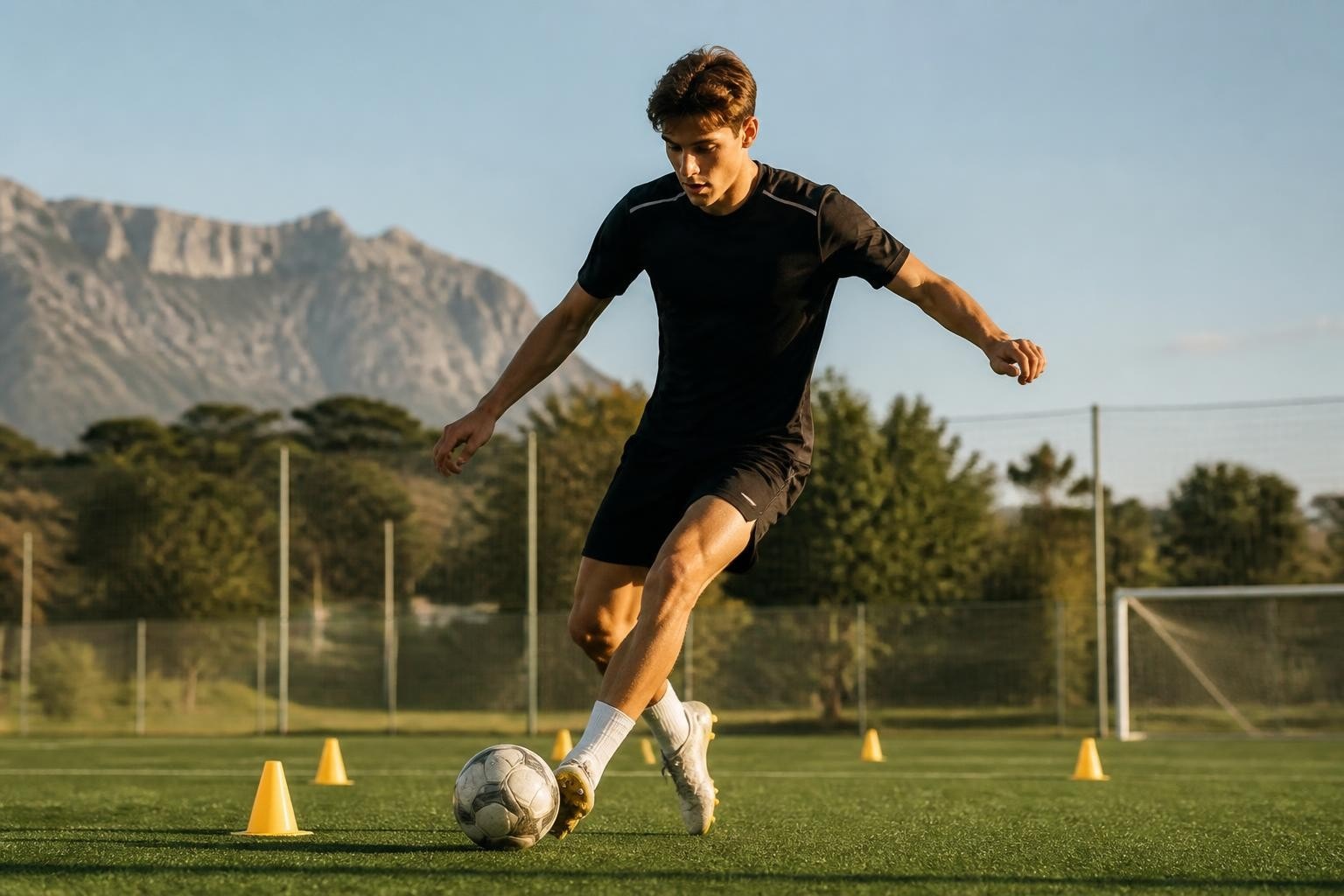
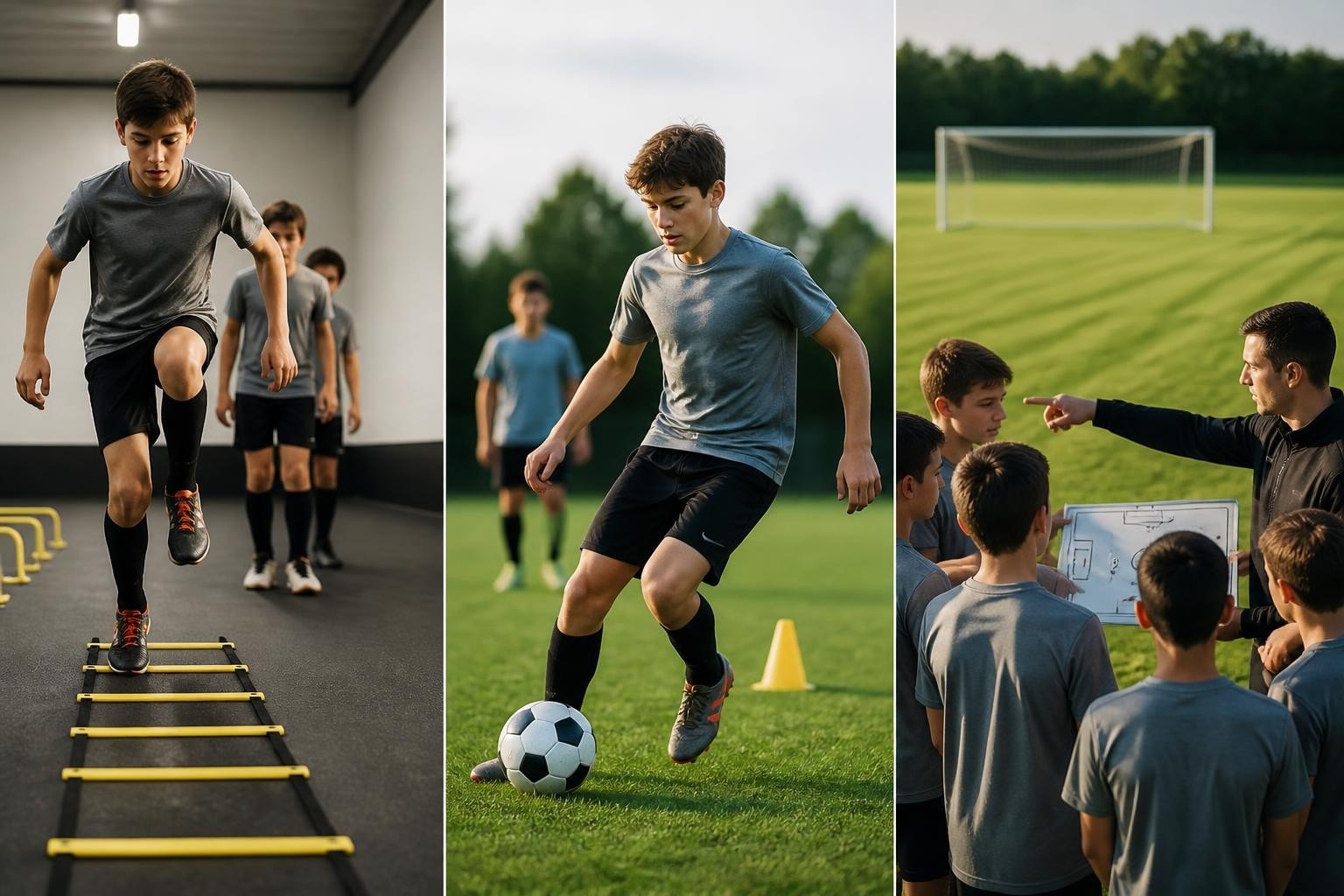
The difference between a good young soccer player and a great one often comes down to something that can't be measured with speed tests or dribbling drills. It's the ability to maintain complete concentration during critical moments, to block out distractions, and to execute skills under pressure. Soccer focus represents the mental dimension of player development that separates those who excel from those who plateau. For parents investing in their child's athletic journey, understanding how mental training complements physical skills is essential for long-term success.
Understanding Soccer Focus in Youth Development
Soccer focus encompasses far more than simply paying attention during a match. It involves the ability to process multiple pieces of information simultaneously, make split-second decisions, and execute technical skills while under physical and mental pressure. Young athletes must track the ball, monitor teammates and opponents, anticipate plays, and recall tactical instructions all at once.
The challenge for youth players is that their brains are still developing the executive function skills needed for sustained concentration. This developmental reality makes structured mental training essential rather than optional. When coaches incorporate focus-building exercises into regular training sessions, they're building neural pathways that will serve players throughout their careers.
The Four Dimensions of Mental Performance
Mental training in soccer addresses several interconnected components that work together to create complete players:
- Selective attention: The ability to focus on relevant information while filtering out distractions
- Sustained concentration: Maintaining focus throughout an entire training session or match
- Situational awareness: Processing environmental cues and adjusting accordingly
- Emotional regulation: Managing frustration, anxiety, and pressure during competition
Research on mental training in soccer demonstrates that these skills can be developed systematically through targeted exercises and consistent practice. The key is starting early and building progressively as players mature.
Building Concentration Skills Through Progressive Training
Developing soccer focus requires the same deliberate practice approach used for technical skills. Young players don't naturally possess the concentration span of professionals, but they can develop it through age-appropriate exercises that gradually increase in complexity and duration.
Age-Appropriate Focus Development
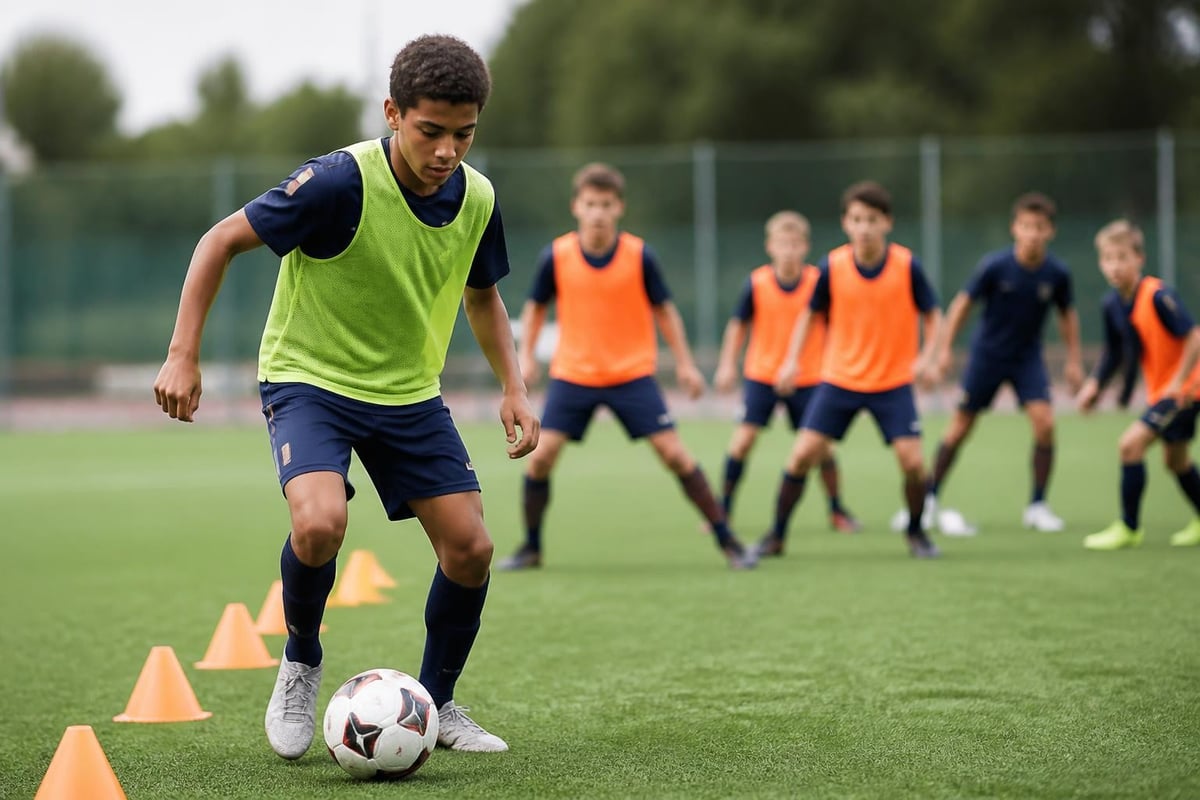
Different age groups require different approaches to mental training. For players aged 6-9, focus exercises might last only 3-5 minutes and involve simple challenges like maintaining ball control while counting backward. As players progress into the 10-13 age range, exercises can extend to 10-15 minutes and incorporate multiple variables.
The progression principle applies to mental training just as it does to physical conditioning. Coaches should design drills that stretch players' current abilities without overwhelming them. This approach builds confidence while expanding mental capacity.
| Age Group | Focus Duration | Training Emphasis | Key Outcomes |
|---|---|---|---|
| 6-9 years | 3-5 minutes | Single-task awareness | Basic ball tracking, simple instructions |
| 10-13 years | 10-15 minutes | Dual-task processing | Position awareness, teammate communication |
| 14-17 years | 20-30 minutes | Multi-task integration | Tactical execution, pressure management |
Understanding the skill of focusing attention helps coaches structure training sessions that respect developmental stages while pushing boundaries appropriately.
Tactical Awareness and Decision-Making Under Pressure
Soccer focus becomes most critical when players must make decisions quickly while fatigued or under defensive pressure. The ability to scan the field, identify passing options, and execute the correct choice separates recreational players from those competing at higher levels.
Pre-Performance Routines for Young Athletes
Establishing consistent pre-game and pre-training routines helps young players enter the right mental state for optimal performance. These routines might include visualization exercises, breathing techniques, or physical warm-up sequences that signal to the brain it's time to focus.
Professional players use essential techniques to improve focus on the field that can be adapted for youth athletes. The key is consistency rather than complexity. A simple five-minute routine performed before every session creates neural patterns that trigger focused states automatically.
Mental preparation should become as habitual as tying cleats or stretching. When young players develop these routines early, they carry them through their entire athletic careers and often into other areas of life.
Position-Specific Focus Requirements
Different positions on the field demand different types of mental focus. Goalkeepers need sustained vigilance punctuated by moments of explosive reaction. Defenders require constant positional awareness and anticipation. Midfielders must process the most information, tracking play both ahead and behind them. Forwards need to maintain readiness for scoring opportunities while contributing to defensive pressure.
Training Focus for Attacking Players
Players in attacking positions face unique mental challenges. They must maintain optimism and confidence despite frequently losing possession or missing scoring chances. Forward focus drills help these players develop the mental resilience to keep trying creative solutions even after setbacks.
The mental game for attackers involves balancing patience with assertiveness. Young forwards often rush decisions when opportunities arise, revealing a lack of composure rather than technical ability. Training exercises that simulate game pressure while requiring measured decision-making help develop this critical mental skill.
The Physical-Mental Connection in Soccer Performance
Soccer focus cannot be separated from physical conditioning. As fatigue sets in during the second half of matches, mental performance typically declines unless players have trained to maintain concentration despite physical exhaustion. This reality makes integrated training essential.
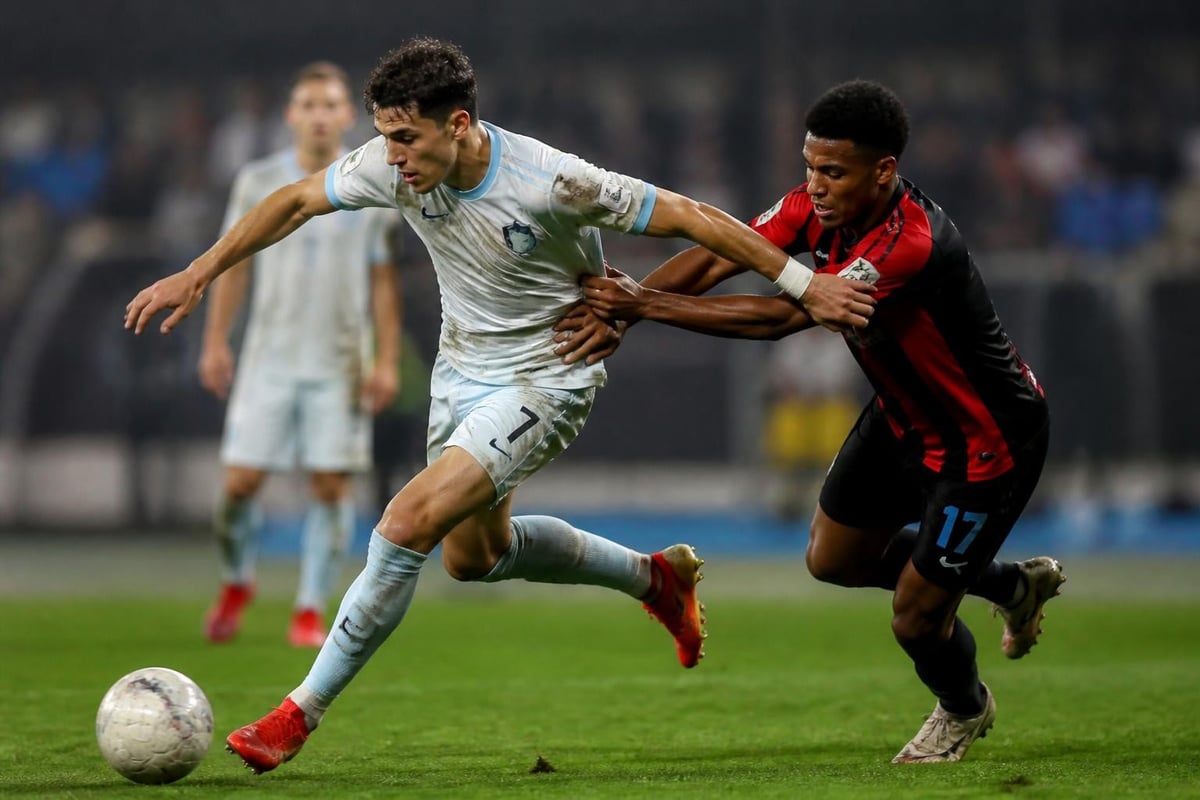
High-intensity training environments that combine technical demands with physical challenges prepare young athletes for competitive match conditions. Programs like Soccer High Performance Training create scenarios where players must execute skills while fatigued, building both physical and mental resilience simultaneously.
Decision-Making Speed and Quality
The speed at which players process information and make decisions directly impacts their effectiveness on the field. However, speed without accuracy creates turnover problems. Training must develop both dimensions simultaneously.
Research on the importance of attention in soccer shows that elite players don't necessarily react faster than recreational players, but they recognize patterns earlier and anticipate more accurately. This skill develops through thousands of repetitions in training environments that reward good decision-making.
Pattern recognition forms the foundation of tactical intelligence. When young players experience similar game situations repeatedly in training, they build mental libraries of effective responses that become automatic during matches.
Managing Pressure and Performance Anxiety
For many young athletes, the mental challenge of soccer isn't maintaining focus during routine play but managing the anxiety that disrupts concentration during high-pressure moments. Tournament matches, penalty kicks, and crucial defensive situations can trigger stress responses that override trained skills.
Building Mental Toughness Progressively
Mental toughness in soccer develops through controlled exposure to challenging situations. Coaches who create training environments where mistakes are learning opportunities rather than failures help players build resilience.
The psychological safety young players feel in training directly impacts their willingness to attempt difficult skills in matches. When athletes know their coaches value effort and learning over perfection, they develop the confidence to maintain focus even when outcomes are uncertain.
Key strategies for building mental toughness include:
- Gradual exposure to competitive pressure through small-sided games
- Positive reinforcement of effort and decision-making processes
- Teaching self-talk techniques that reframe challenges as opportunities
- Creating team cultures that support individual risk-taking
- Helping players develop perspective about wins, losses, and development
The Role of Self-Talk and Mindset
Internal dialogue significantly impacts soccer focus. Young players who engage in negative self-talk after mistakes often spiral into poor performance. Teaching athletes to recognize and redirect unhelpful thoughts represents a crucial component of mental training.
Developing Growth Mindset in Soccer Context
The concept of growth mindset translates perfectly to soccer development. Players who believe abilities can be developed through effort approach challenges differently than those who view talent as fixed. This mindset directly affects focus because it determines how players respond to difficulty.
When a young midfielder loses possession repeatedly to a faster opponent, growth mindset allows them to focus on learning defensive angles rather than feeling defeated. This mental framework keeps players engaged and focused on improvement rather than outcome.
Environmental Factors That Impact Concentration
Soccer focus doesn't exist in a vacuum. External factors ranging from weather conditions to crowd noise to referee decisions constantly challenge young players' ability to maintain concentration. Training that incorporates these variables prepares athletes for real match conditions.

Creating Challenging Training Environments
Smart coaches deliberately introduce distractions into training sessions to build mental resilience. This might involve playing music during drills, adding time pressure to exercises, or creating scenarios where players must overcome simulated adversity.
The goal isn't to make training chaotic but to progressively expose players to the types of challenges they'll face in matches. Mental performance in soccer improves when athletes practice maintaining focus despite external disruptions.
Environmental preparation separates well-trained players from those who crumble under match-day pressure. A player who has practiced concentrating through distractions in training will naturally handle similar situations better during competition.
Parent and Coach Communication for Mental Development
The language adults use around young athletes profoundly impacts their mental development. Parents and coaches who emphasize process over results, effort over outcome, and learning over winning create environments where soccer focus can flourish.
Questions That Build Mental Awareness
Rather than asking "Did you win?" after matches, adults can ask questions that promote reflection and mental growth:
- What decisions are you most proud of from today's match?
- When did you feel most focused and why?
- What situation challenged your concentration and how did you respond?
- What did you learn about maintaining focus under pressure?
These questions direct young players' attention toward their mental processes, building metacognitive awareness that enhances future performance. Understanding the mental side of soccer helps parents support their children's development beyond just technical skills.
Integrating Mental Skills With Technical Training
The most effective development programs don't treat mental training as separate from technical work. Instead, they integrate psychological skill-building into every session. A dribbling drill becomes an opportunity to practice maintaining focus despite fatigue. A small-sided game becomes a laboratory for decision-making under pressure.
This integration ensures that mental skills transfer to match situations because they're developed in soccer-specific contexts. Young players learn to associate technical execution with mental focus rather than treating them as separate domains.
| Training Component | Technical Element | Mental Element | Integration Method |
|---|---|---|---|
| Ball mastery | Close control, turns | Sustained concentration | Progressive time challenges |
| Passing combinations | Accuracy, timing | Spatial awareness | Multi-directional sequences |
| Position play | Movement, support | Tactical scanning | Decision-making constraints |
| Finishing | Shot technique | Composure under pressure | Competitive scenarios |
Programs offered through comprehensive academy training demonstrate how technical, tactical, physical, and psychological development work together to create complete players.
Long-Term Development and Career Preparation
For young athletes aspiring to play at collegiate or professional levels, soccer focus becomes increasingly critical as competition intensifies. The mental skills developed during youth training years form the foundation for handling the psychological demands of higher-level competition.
Transfer of Mental Skills Beyond Soccer
Perhaps the most valuable aspect of developing soccer focus is how these skills transfer to academic performance, career success, and life challenges. Young athletes who learn to maintain concentration, manage pressure, and persist through difficulty carry these abilities into every domain.
Parents invest in soccer training not just to develop athletes but to develop capable, resilient young people. The mental skills learned through focused soccer training create advantages that extend far beyond the field.
The ability to set goals, maintain discipline, work within team structures, and handle both success and failure with grace represents life skills that serve young people regardless of their ultimate soccer trajectory. Exploring our training philosophy reveals how comprehensive development addresses all dimensions of growth.
Measuring Progress in Mental Skills
Unlike technical abilities that can be quantified through speed tests or accuracy measures, mental development requires different assessment approaches. Coaches and parents should look for indicators like improved decision-making consistency, better emotional regulation after mistakes, increased communication on the field, and enhanced ability to maintain performance when fatigued.
Progress in soccer focus often appears as subtle shifts in how players approach challenges rather than dramatic performance leaps. A midfielder who previously panicked under pressure now takes an extra touch to survey options. A defender who once lost concentration after being beaten now refocuses immediately on the next play.
Creating Individual Development Plans
Each young player brings unique mental strengths and challenges. Some naturally maintain focus but struggle with pressure. Others thrive in competition but lose concentration during routine training. Effective development requires individualized attention to mental skills just as it does for technical abilities.
Regular conversations between coaches, parents, and players about mental development create awareness and accountability. When young athletes understand that mental training matters as much as physical practice, they invest effort in developing these skills.
Soccer focus represents the intersection of mental strength, tactical awareness, and competitive performance that determines long-term player development. By integrating psychological skills training with technical work, young athletes build the complete skill set needed for success at every level. Strive Soccer Academy delivers this comprehensive approach through European-style training that addresses technical, tactical, physical, and psychological growth, preparing young players not just for their next match but for sustained excellence throughout their soccer careers and beyond.