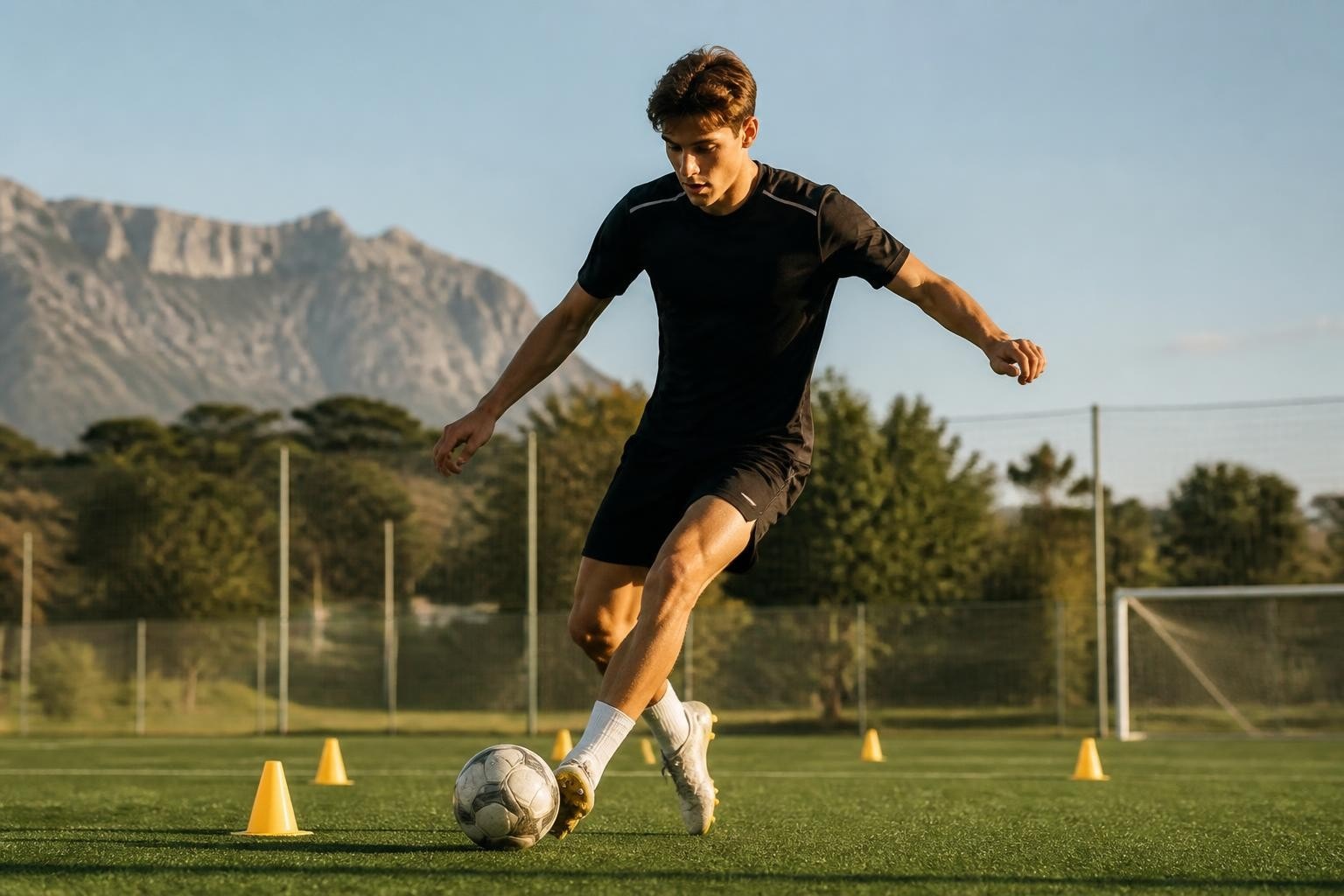
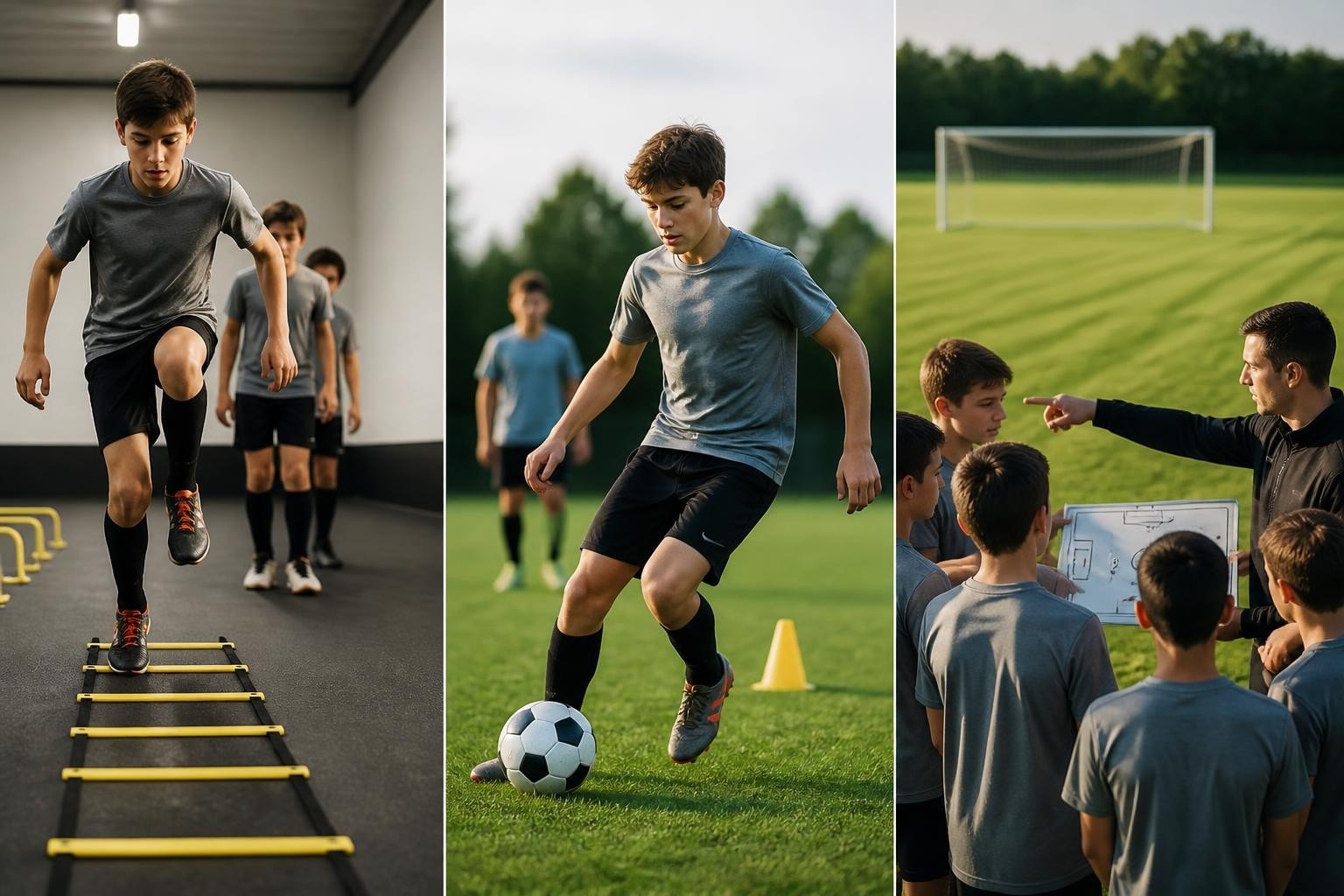
Developing young soccer players requires more than simply coaching them through drills and scrimmages. A comprehensive soccer development program addresses every aspect of an athlete's growth, from fundamental ball skills to mental resilience under pressure. Parents and guardians seeking the best opportunities for their children need to understand what separates exceptional training environments from ordinary ones. The most effective programs follow a structured, holistic approach that mirrors the methodologies used in top European academies, ensuring that young athletes receive world-class instruction regardless of their current skill level.
The Four Pillars of Player Development
A structured soccer development program must balance multiple dimensions of growth simultaneously. European academies have long recognized that creating elite players requires attention to technical mastery, tactical intelligence, physical capabilities, and psychological strength.
Technical Development as the Foundation
Technical skills form the bedrock of every successful player's journey. Ball mastery, passing accuracy, first touch quality, and shooting technique all require thousands of repetitions performed with proper form and progressive difficulty. Young athletes who participate in programs that prioritize technical development gain a competitive advantage that compounds over years of training.
The best soccer development program structures incorporate daily technical work that challenges players at the edge of their current abilities. This means:
- Age-appropriate progressions that build complexity gradually
- Individual skill assessments that identify specific areas for improvement
- Small-sided games that maximize touches and decision-making opportunities
- Video analysis to help players visualize correct technique
Research has shown that injury prevention programs like FIFA 11+ significantly enhance motor performance, demonstrating how structured warm-ups and technical drills contribute to both skill development and long-term player health.

Tactical Intelligence Separates Good from Great
Understanding the game intellectually distinguishes players who merely execute skills from those who impact matches consistently. A quality soccer development program teaches positional awareness, spatial recognition, and decision-making under pressure through carefully designed training scenarios.
Young players need exposure to various tactical concepts appropriate to their developmental stage. Tactical training should include:
- Understanding defensive shape and pressing triggers
- Recognizing when to maintain possession versus when to penetrate
- Reading opponent formations and exploiting space
- Transitioning effectively between attack and defense
Coaches certified through recognized national programs bring this tactical expertise to training environments. All sessions should connect technical work to game-realistic situations, ensuring that skills learned in isolation translate to competitive matches.
Physical Development Requires Scientific Approach
Athletic development in youth soccer must respect biological maturation while building the physical capacities needed for high-level performance. Speed, agility, strength, and endurance all develop along different timelines, requiring knowledgeable coaches who understand growth patterns and training periodization.
| Physical Quality | Primary Development Window | Training Focus |
|---|---|---|
| Speed | Ages 7-9 and 13-16 | Acceleration mechanics, linear sprinting |
| Agility | Ages 8-12 | Change of direction, reactive movements |
| Strength | Ages 12-16+ | Progressive resistance, movement quality |
| Endurance | Ages 14-18 | Aerobic capacity, repeated sprint ability |
A soccer development program that ignores these developmental windows risks either under-training athletes or pushing them beyond age-appropriate intensities. Professional programs implement warm-up protocols that reduce injury risk by 30% while improving performance markers, demonstrating how proper physical preparation protects players while enhancing capabilities.
The high-performance training camps offered by elite academies provide intensive physical challenges in controlled environments, allowing players to experience professional training loads while developing resilience and work capacity.
Psychological Development Drives Long-Term Success
Mental skills often receive insufficient attention in youth soccer, yet psychological factors frequently determine which talented players reach their potential and which plateau prematurely. Confidence, focus, emotional regulation, and growth mindset all require deliberate cultivation within a soccer development program.
Building Resilience Through Controlled Challenge
Young athletes need safe environments to experience adversity and develop coping mechanisms. Quality programs create situations where players face difficult challenges, experience setbacks, and learn to respond productively rather than defensively.
Coaches should foster resilience by:
- Normalizing mistakes as essential learning opportunities
- Teaching specific self-talk strategies for managing pressure
- Creating competitive situations with appropriate stakes
- Celebrating effort and improvement alongside results
The psychological dimension extends beyond individual mental skills to include team dynamics, communication abilities, and leadership development. Players who train consistently with the same group develop social-emotional competencies that serve them throughout life.

Cognitive Development and Decision-Making
Recent research on executive functions in soccer players reveals age-related changes that have direct implications for training design. Younger players benefit from simplified decision-making scenarios, while older athletes require increasingly complex tactical puzzles that develop game intelligence.
A structured soccer development program sequences cognitive challenges appropriately, ensuring that players develop pattern recognition and anticipation skills progressively. This might involve:
- Recognition tasks using video analysis
- Small-sided games with specific tactical objectives
- Position-specific decision-making scenarios
- Pressure training that simulates match conditions
Creating Player-Centered Learning Environments
Modern pedagogy in youth sports emphasizes athlete-centered approaches rather than coach-directed instruction. The Eastern New York Youth Soccer Association’s guidelines highlight how engaging young players as active participants accelerates technical and personal development.
Player-centered environments share several characteristics. They prioritize exploration and problem-solving over rigid instruction. Coaches pose questions rather than simply providing answers, encouraging athletes to think critically about tactical situations. Training becomes a dialogue where players contribute ideas and coaches facilitate discovery.
This approach doesn't mean abandoning structure or expertise. Rather, it involves designing sessions that allow individual expression within clear frameworks. A soccer development program utilizing player-centered methods might include:
- Choice in certain drill variations based on individual development needs
- Player input in training focus areas after match analysis
- Peer teaching opportunities where athletes explain concepts
- Reflective practices like training journals or video self-assessment
Age-Appropriate Expectations and Progressions
Different developmental stages require distinct training emphases. Programs serving multiple age groups must differentiate approaches while maintaining philosophical consistency.
| Age Range | Primary Focus | Session Characteristics |
|---|---|---|
| 6-8 years | Fun and ball familiarity | Games-based, minimal instruction, high activity |
| 9-12 years | Technical foundation | Increased structure, skill repetition, small-sided games |
| 13-15 years | Tactical understanding | Position-specific work, game model introduction, competitive intensity |
| 16-18 years | Performance optimization | High intensity, tactical sophistication, physical demands |
Understanding these progressions ensures that a soccer development program challenges athletes appropriately without creating frustration or burnout. Parents should seek programs where coaches demonstrate knowledge of long-term athlete development models.
Assessment and Progression Tracking
Effective development requires measurement. Without systematic assessment, neither coaches nor players can identify specific improvement areas or celebrate genuine progress. A quality soccer development program implements multiple evaluation methods that provide actionable feedback.
Objective Performance Metrics
Quantifiable measures give athletes concrete goals and allow programs to demonstrate effectiveness. These might include:
- Timed agility tests (T-test, 5-10-5 shuttle)
- Speed measurements (10m, 20m, 40m sprints)
- Technical proficiency benchmarks (passing accuracy, juggling records)
- Fitness standards (beep test, yo-yo intermittent recovery)
Regular testing creates data points that reveal trends over time. Players who see documented improvement in objective measures develop confidence and motivation to continue pushing their limits.
Subjective Skill Assessments
Not everything valuable can be quantified. Experienced coaches provide invaluable insights through careful observation of technical execution, tactical decision-making, and competitive behaviors. Research examining subjective versus objective assessments in elite youth programs demonstrates that both approaches contribute unique value to predicting future success.
Coaches should document observations about:
- Technical efficiency under pressure
- Tactical awareness in match situations
- Coachability and response to feedback
- Leadership qualities and team contribution
Combined qualitative and quantitative assessment provides the complete picture necessary for individualized development planning within a soccer development program framework.

Licensed Coaching Makes the Difference
The quality of instruction determines program effectiveness more than any other single factor. Parents evaluating a soccer development program should prioritize coaching credentials, experience, and ongoing professional development.
National licensing through organizations like Canada Soccer ensures coaches possess:
- Current technical and tactical knowledge
- Understanding of player development pathways
- Risk management and safety protocols
- Effective communication and teaching methodologies
Different license levels indicate varying expertise. National A License holders have completed the highest level of coaching certification, demonstrating mastery across all aspects of the game. Meanwhile, Soccer for Life certifications prepare developing coaches with foundational competencies appropriate for younger age groups.
Programs employing fully licensed coaching staffs invest in professional development and maintain high standards. These organizations recognize that coaching education never ends, with the best mentors continuously updating their knowledge as the game evolves.
Integration with Competitive Pathways
Development doesn't occur in isolation from competition. A comprehensive soccer development program prepares players for appropriate competitive opportunities while ensuring that winning doesn't overshadow learning during formative years.
Quality programs maintain clear pathways from recreational participation through elite-level competition, allowing athletes to progress based on ability and commitment. This might involve:
- Recreational programs focused on enjoyment and fundamental skill development
- Competitive teams emphasizing tactical growth and regular match play
- High-performance streams for athletes pursuing collegiate or professional pathways
- Showcase opportunities like tournament participation that expose players to diverse competition
The balance between development and competition shifts as players mature. Younger athletes benefit from less competitive pressure and more exploratory learning, while older players thrive when pushed to perform under realistic match conditions.
Training Environment and Culture
Physical facilities matter, but culture determines whether talented players reach their potential. The environment created by coaches, staff, and organizational values shapes player experiences more than any amenity.
A positive soccer development program culture demonstrates several characteristics. It celebrates effort and improvement alongside results. Mistakes become learning opportunities rather than sources of shame. Diversity and inclusion ensure all athletes feel welcomed and valued. Communication flows openly between coaches, players, and families.
This culture extends beyond what happens during training sessions. How programs handle conflicts, communicate expectations, provide feedback, and involve families all contribute to the overall environment. Parents should assess culture through:
- Observing coach-player interactions during training
- Speaking with current families about their experiences
- Reviewing how the program communicates and resolves issues
- Evaluating whether stated values align with actual practices
Cultural fit matters as much as technical instruction. A player in an environment aligned with their family's values will remain engaged and motivated through inevitable challenges.
Family Involvement and Support
Youth soccer development succeeds when families and programs partner effectively. Parents play crucial roles as supporters, encouragers, and providers without becoming overly involved in technical instruction or tactical decisions.
The most effective partnerships involve:
- Parents understanding program philosophy and supporting coaching decisions
- Open communication channels for addressing concerns appropriately
- Family attendance at matches without excessive pressure on performance
- Home environments that encourage persistence and growth mindset
- Realistic expectations about development timelines and outcomes
A quality soccer development program educates families about their supportive role while maintaining clear boundaries around coaching responsibilities. Resources like training philosophies help parents understand why programs make specific pedagogical choices.
Financial Investment and Value Assessment
Youth soccer participation requires financial commitment, making value assessment important for families. A soccer development program should provide transparency about costs while delivering clear returns on investment through quality instruction, appropriate competition, and holistic development.
When evaluating value, consider:
- Coach-to-player ratios ensuring individual attention
- Training frequency and session duration
- Competition opportunities included in fees
- Additional development resources (video analysis, strength training, mental skills)
- Long-term player outcomes and progression rates
The least expensive option rarely provides the best value. Conversely, high fees don't guarantee quality. Families should seek programs offering fair pricing for comprehensive services delivered by qualified professionals in positive environments.
Long-Term Development Over Short-Term Results
Perhaps the most important distinction between exceptional and ordinary programs involves time perspective. A thoughtfully designed soccer development program prioritizes long-term athlete development over immediate competitive success.
This patient approach manifests in several ways. Programs resist the temptation to specialize players in single positions too early, instead developing well-rounded athletes with diverse skills. Coaches emphasize technical mastery even when tactical shortcuts might win youth matches. Physical development follows age-appropriate progressions rather than pushing immature athletes beyond safe limits.
The research on forecasting player development demonstrates how data-driven approaches can predict long-term potential, helping programs make decisions that benefit athletes years into the future rather than optimizing for next weekend's result.
Parents should seek programs that can articulate clear development philosophies extending multiple years. Questions about how training changes across age groups and what competencies programs prioritize at each stage reveal whether organizations think strategically about player growth.
The most effective soccer development programs transform young athletes by addressing technical, tactical, physical, and psychological growth simultaneously within positive, player-centered environments led by qualified coaches. Strive Soccer Academy brings European-style training methodology to Surrey, BC, with fully licensed Canada Soccer coaches committed to developing skills, building character, and creating real opportunities for young players ready to reach their full potential.