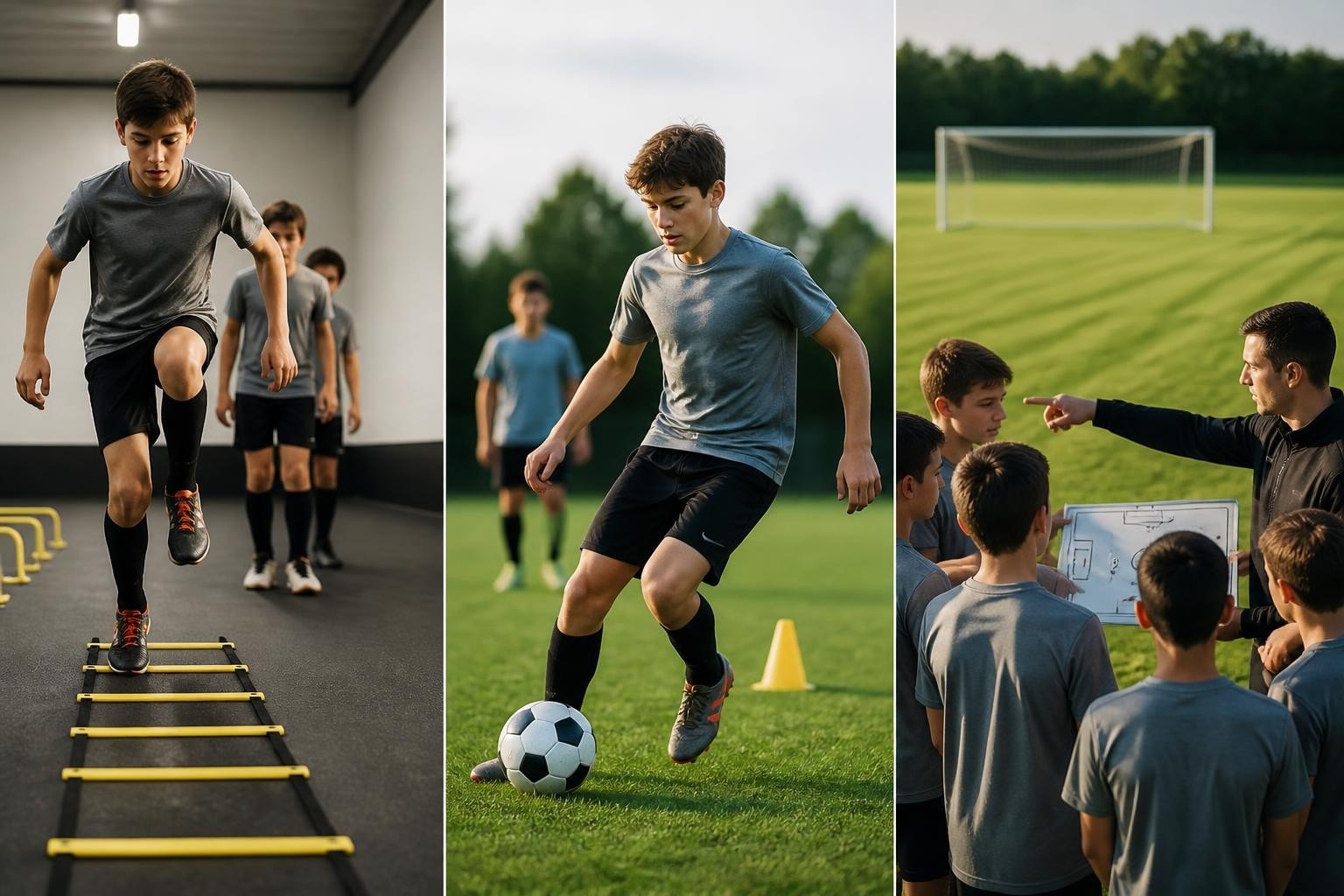
Choosing the right soccer academy for your young athlete represents one of the most important decisions you'll make in their athletic journey. With countless options available, parents often struggle to differentiate between programs that simply keep kids busy and those that genuinely develop players. A quality soccer academy goes far beyond teaching basic skills-it shapes character, builds confidence, and creates pathways to competitive opportunities. Understanding what separates exceptional academies from average programs empowers you to make informed choices that align with your child's goals and development stage.
What Defines a Quality Soccer Academy
A soccer academy's foundation rests on its training philosophy and curriculum structure. The most effective programs adopt a holistic approach to player development, addressing technical skills, tactical understanding, physical conditioning, and psychological resilience. These four pillars work together to create well-rounded athletes who can adapt to various game situations.
Core Development Pillars
Quality academies recognize that technical proficiency forms the baseline for all other skills. Players spend considerable time mastering ball control, first touch, passing accuracy, and shooting technique. However, technical training alone doesn't create intelligent players.
Tactical development teaches players to read the game, make quick decisions under pressure, and understand positional responsibilities. This includes:
- Recognizing space and exploiting gaps in defensive lines
- Understanding pressing triggers and defensive shape
- Developing combination play patterns
- Learning transition moments from defense to attack
Physical training extends beyond simple fitness drills. Modern academies incorporate age-appropriate strength work, agility exercises, and conditioning protocols that enhance performance without risking injury in developing bodies.
Coaching Credentials Matter
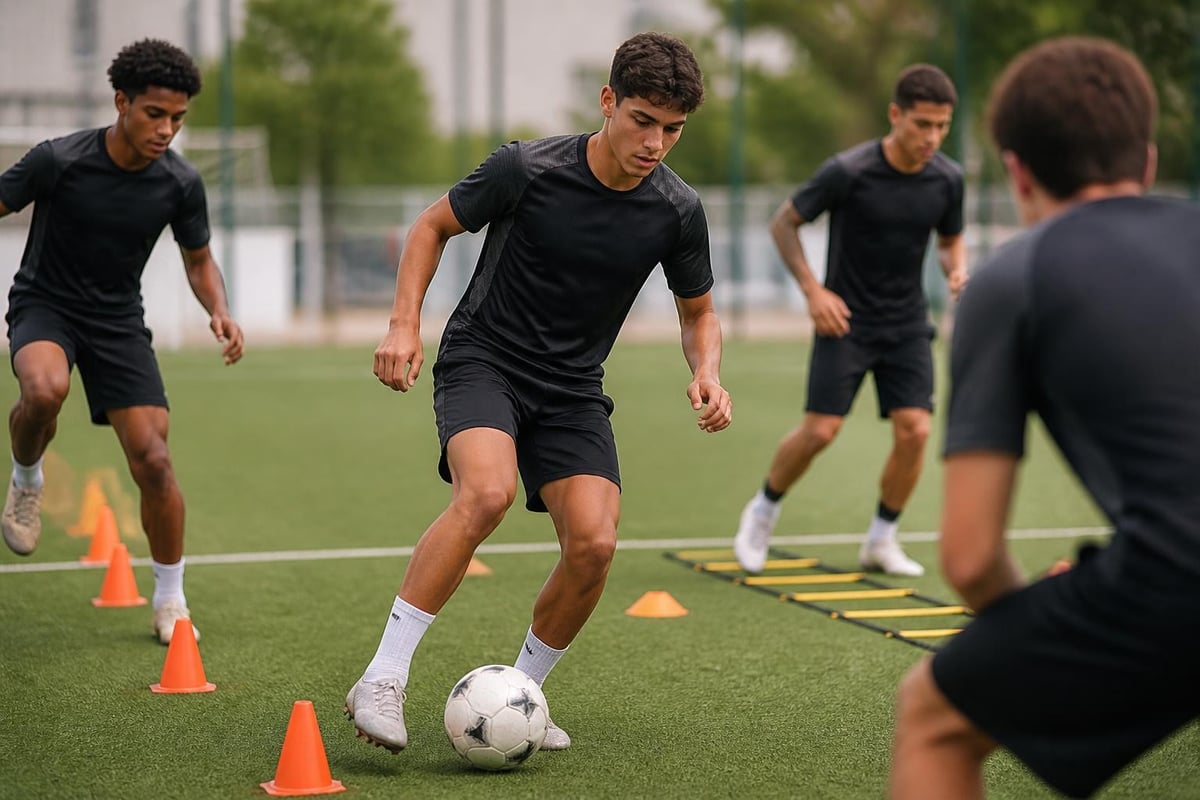
The qualifications of coaching staff directly impact player development quality. Licensed coaches bring structured methodologies, safety awareness, and progression frameworks that self-taught instructors often lack. Creating effective player-centered learning environments requires professional training and ongoing education.
| License Level | Focus Area | Typical Role |
|---|---|---|
| National A License | Advanced tactics, program leadership | Academy directors, elite team coaches |
| National B License | Team management, game strategy | Competitive team coaches |
| Youth License | Age-appropriate development | Youth program coaches |
| Grassroots/Soccer for Life | Fundamentals, engagement | Entry-level coaches |
Training Methodologies in Modern Academies
European-style training philosophies have increasingly influenced North American soccer academies. These approaches emphasize possession-based play, positional awareness, and decision-making speed. The shift reflects a broader understanding that player development training for soccer must prepare athletes for the modern game's demands.
Session Structure and Intensity
Professional academies design sessions with clear objectives and progressive difficulty. A typical 90-minute training session includes technical warm-ups, skill-focused drills, tactical exercises, and game scenarios. Each component builds on the previous one, creating a logical flow that maximizes learning.
High-intensity training challenges players to execute skills under pressure, simulating match conditions. This approach accelerates development by forcing quick decision-making and precise technique when fatigued. For players seeking an elevated challenge, programs like Soccer High Performance Training offer 90-minute sessions that combine technical mastery with tactical application and physical demands.
The ratio of practice time to playing time significantly impacts development. Quality academies ensure players spend adequate time on ball-focused activities rather than waiting in lines or listening to lengthy explanations. Research shows players need thousands of touches per session to develop elite ball control.
Small-Sided Games and Match Scenarios
Small-sided games create more touches, decisions, and learning moments than full-field scrimmages. A soccer academy that incorporates 4v4, 5v5, and 7v7 formats provides players with increased involvement and faster skill acquisition.
These formats offer distinct advantages:
- More ball contacts per player compared to 11v11 formats
- Increased decision-making opportunities in tighter spaces
- Greater physical engagement with constant movement requirements
- Enhanced tactical awareness through simplified scenarios
- Improved confidence through frequent success moments
Selecting the Right Academy for Your Player
Parents often focus on convenience and cost when choosing a soccer academy, but development quality should drive the decision. How to choose a youth soccer academy requires evaluating multiple factors beyond location and price.
Age-Appropriate Programming
Different age groups require distinct training approaches. A quality soccer academy tailors its curriculum to match developmental stages, avoiding the temptation to train young players like miniature professionals.
Ages 5-8: Focus on coordination, basic ball skills, and fun engagement. Training should feel like play while building foundational movement patterns.
Ages 9-12: Develop technical proficiency, introduce tactical concepts, and begin position-specific training. Players at this stage benefit from increased structure while maintaining enjoyment.
Ages 13-16: Emphasize tactical sophistication, physical development, and psychological resilience. Competition intensity increases as players prepare for higher levels.
Ages 17+: Refine elite skills, maximize physical performance, and develop professional habits for those pursuing collegiate or professional opportunities.

Visible Progress Indicators
Quality academies demonstrate measurable player improvement over time. Parents should observe enhanced technical execution, better decision-making, increased confidence, and improved game understanding. If your child shows no visible development after six months, the program may lack effective curriculum development and review processes.
Track these development markers:
| Time Period | Expected Progress |
|---|---|
| 3 months | Improved comfort with ball, basic skill refinement |
| 6 months | Enhanced first touch, better spatial awareness |
| 12 months | Tactical understanding, position-specific skills |
| 24 months | Game intelligence, advanced technical execution |
Training Environment and Culture
The atmosphere within a soccer academy shapes player attitudes, effort levels, and long-term engagement. Positive environments balance challenge with support, pushing players to improve while maintaining their love for the game.
Player-Centered Coaching
Effective coaches create learning environments where players actively participate rather than passively receive instruction. This approach encourages questions, celebrates mistakes as learning opportunities, and gives players ownership of their development journey.
The best academies avoid negative coaching tactics like public criticism, favoritism, or excessive win-at-all-costs mentality in youth divisions. Instead, they focus on individual growth, team cohesion, and character development alongside athletic skills.
Competitive Opportunities
A comprehensive soccer academy provides appropriate competitive outlets for players at various skill levels. This includes house leagues for recreational players, competitive divisions for ambitious athletes, and showcase tournaments for elite performers.
Competition should match player readiness. Placing developing players in overly competitive environments can damage confidence, while keeping advanced players in recreational settings limits their growth potential. Quality programs assess each athlete individually and recommend suitable pathways.
Physical and Psychological Development
Modern soccer demands athleticism beyond basic running endurance. A complete soccer academy addresses speed, agility, strength, and injury prevention through age-appropriate conditioning programs.
Athletic Development Integration
Physical training complements technical work rather than replacing it. Younger players develop athleticism through movement-based games and ball activities, while older athletes incorporate targeted strength training and conditioning protocols.
Agility and coordination exercises improve players' ability to change direction quickly, maintain balance under pressure, and execute complex movements. These skills translate directly to game performance during dribbling, defending, and transitioning.
Injury prevention programming includes proper warm-up routines, cool-down protocols, and education about rest and recovery. Teaching young athletes to care for their bodies establishes lifelong healthy habits.
Mental Skills Training
Psychological development often receives less attention than physical training, yet mental strength separates good players from great ones. Elite academies incorporate confidence-building exercises, stress management techniques, and resilience training.
Players learn to:
- Maintain focus during high-pressure situations
- Recover quickly from mistakes without dwelling on errors
- Set realistic goals and track progress toward objectives
- Communicate effectively with teammates and coaches
- Handle competitive anxiety and pre-game nerves
Evaluating Academy Credentials and Reputation
Before committing to a soccer academy, research its background, coaching staff qualifications, and track record. Established programs demonstrate consistent player development and maintain transparent communication with families.
Questions to Ask
When visiting potential academies, gather information about their philosophy, structure, and expectations. Important questions include:
- What coaching licenses and certifications do your staff members hold?
- How do you measure and communicate player progress?
- What is your player-to-coach ratio during training sessions?
- Which competitive leagues and tournaments do teams participate in?
- How do you handle different skill levels within age groups?
Red flags to watch for: Vague answers about coaching qualifications, focus solely on winning rather than development, lack of structured curriculum, or resistance to parent questions.
Understanding Training Philosophy
Elite soccer training methods that work connect every drill and activity to real-game scenarios. Ask how the academy designs sessions and whether training objectives align with actual match situations.
Philosophy differences matter significantly. Some academies emphasize possession-based soccer, while others prioritize direct play or high-pressing systems. Understanding these approaches helps you select a program matching your player's style and ambitions.
Cost Considerations and Value Assessment
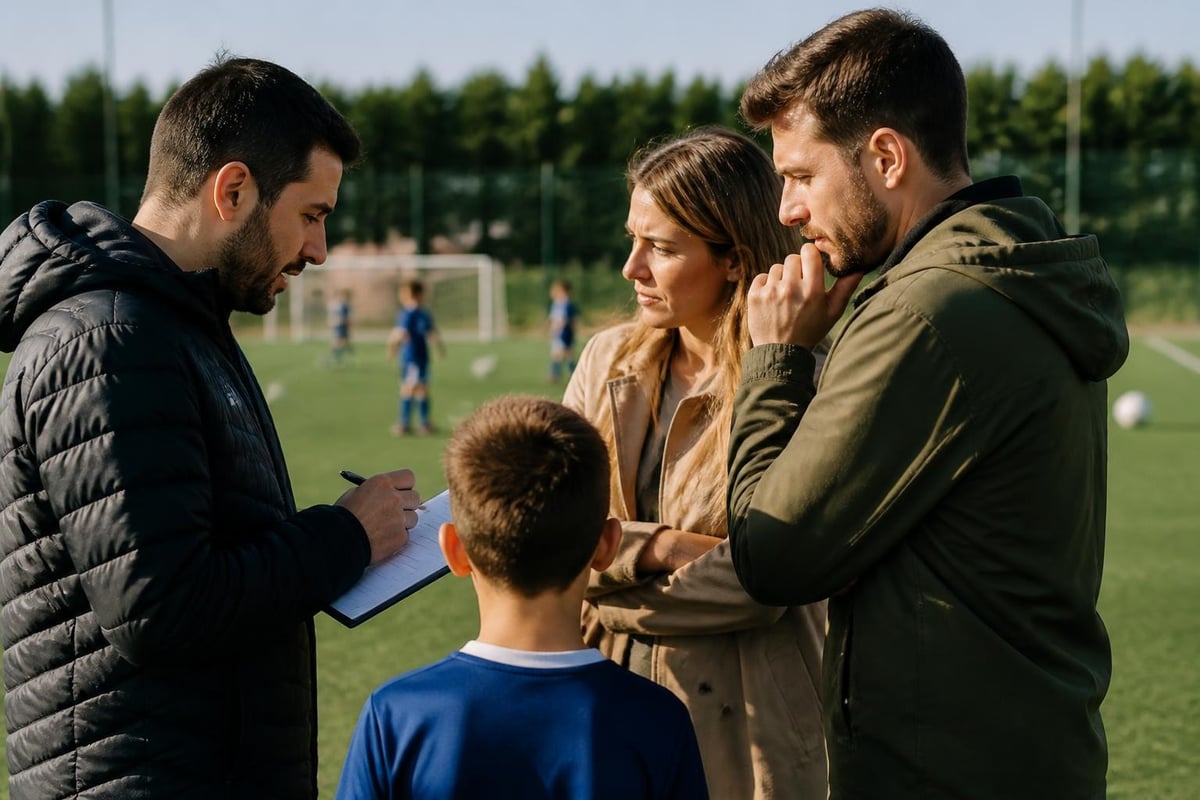
Soccer academy fees vary widely based on training frequency, facility quality, coaching credentials, and included services. While cost shouldn't be the only factor, understanding value helps families make sustainable commitments.
What's Included in Academy Fees
Comprehensive programs typically include:
- Regular training sessions (usually 2-4 times weekly)
- Licensed coaching instruction
- League registration and game fees
- Basic equipment (sometimes practice jerseys)
- Access to facilities and training resources
Additional costs may include tournament fees, travel expenses, specialized gear, and optional camps or clinics. Clarify all financial obligations before enrolling to avoid unexpected expenses.
| Program Type | Typical Annual Cost | Training Frequency |
|---|---|---|
| Recreational Academy | $800-$1,500 | 1-2 sessions weekly |
| Competitive Academy | $2,000-$4,000 | 2-3 sessions weekly |
| Elite/Pre-Professional | $5,000-$10,000+ | 4-5 sessions weekly |
Return on Investment
Value extends beyond wins and trophies. Consider the complete development package including technical improvement, character building, leadership opportunities, and social connections. Many parents find that quality academies deliver benefits extending well beyond the soccer field.
For players with collegiate aspirations, academy exposure to scouts and tournament showcases can create scholarship opportunities offsetting program costs. However, families should maintain realistic expectations about professional pathways-only a small percentage of youth players advance to collegiate or professional levels.
Long-Term Development Pathways
A well-structured soccer academy provides clear progression routes as players advance through age groups and skill levels. Understanding these pathways helps families plan for long-term athletic development.
Multi-Year Planning
Player development occurs over years, not months. Quality programs outline expected progressions, helping families understand what to anticipate at each stage. This transparency enables better decision-making about commitment levels and supplementary training.
Youth progression typically moves from foundational skills to advanced tactics, from recreational play to competitive leagues, and from general athleticism to position-specific excellence. Players who start at younger ages build stronger technical foundations, though late starters can still achieve high levels with dedicated training.
Transition Points
Key transition moments include moving from small-sided to full-field formats (typically ages 11-13), advancing from recreational to competitive divisions, and preparing for high school or club soccer. A supportive soccer academy guides players and families through these changes, offering advice about appropriate next steps.
Some academies maintain relationships with higher-level programs, creating pathways to advanced opportunities. These connections benefit ambitious players seeking exposure to college scouts or professional academy systems. At Strive Soccer Academy, the focus on comprehensive player development across technical, tactical, physical, and psychological dimensions prepares athletes for whatever level they aspire to reach.
Starting Your Academy Search
Begin your search by identifying local options and researching their reputations within the soccer community. Attend trial sessions, observe training environments, and speak with current families about their experiences.
Trial Periods and Assessments
Most academies offer trial sessions or evaluation periods allowing players to experience the program before committing. These opportunities provide valuable insights into coaching styles, training intensity, and overall fit.
During trials, observe how coaches interact with players, whether sessions maintain engagement throughout, and if your child appears challenged yet supported. Trust your instincts about environment and culture-these factors significantly impact long-term satisfaction and development.
Detailed guidance on how to start a football academy emphasizes the importance of structured curriculum before even hiring staff, highlighting how essential organized programming is to effective player development.
Making the Final Decision
After visiting multiple programs, compare offerings across development approach, coaching quality, competitive opportunities, cost, and convenience. Involve your child in the decision, ensuring they feel excited about the selected program.
Remember that no academy is perfect. Prioritize programs strong in areas most important to your family-whether that's elite competition, character development, or technical skill refinement. The right fit balances your child's current abilities, future goals, and family circumstances.
Choosing the right soccer academy sets the foundation for your young athlete's development, both on and off the field. By prioritizing comprehensive training, qualified coaching, and age-appropriate programming, you ensure your child receives the guidance needed to reach their potential. At Strive Soccer Academy, we bring European-style training philosophy to Surrey, BC, with fully licensed Canada Soccer coaches who develop technical skills, tactical awareness, physical conditioning, and psychological strength in every player. Explore our programs to discover how we create real opportunities for young athletes to grow, succeed, and thrive in their soccer journey.