European soccer academies have long been recognized as the gold standard for youth player development, producing world-class athletes who dominate professional leagues across the globe. These institutions blend systematic training methodologies with comprehensive player development frameworks that extend far beyond simple technical skill acquisition. Understanding what makes a soccer academy in Europe so effective provides valuable insights for parents, coaches, and young players seeking to maximize their potential, regardless of their geographic location.
The European Academy Philosophy
A soccer academy in Europe operates on fundamentally different principles than traditional North American youth sports programs. Rather than focusing primarily on winning matches at young ages, European academies prioritize long-term player development through structured curriculum that addresses every aspect of athletic growth.
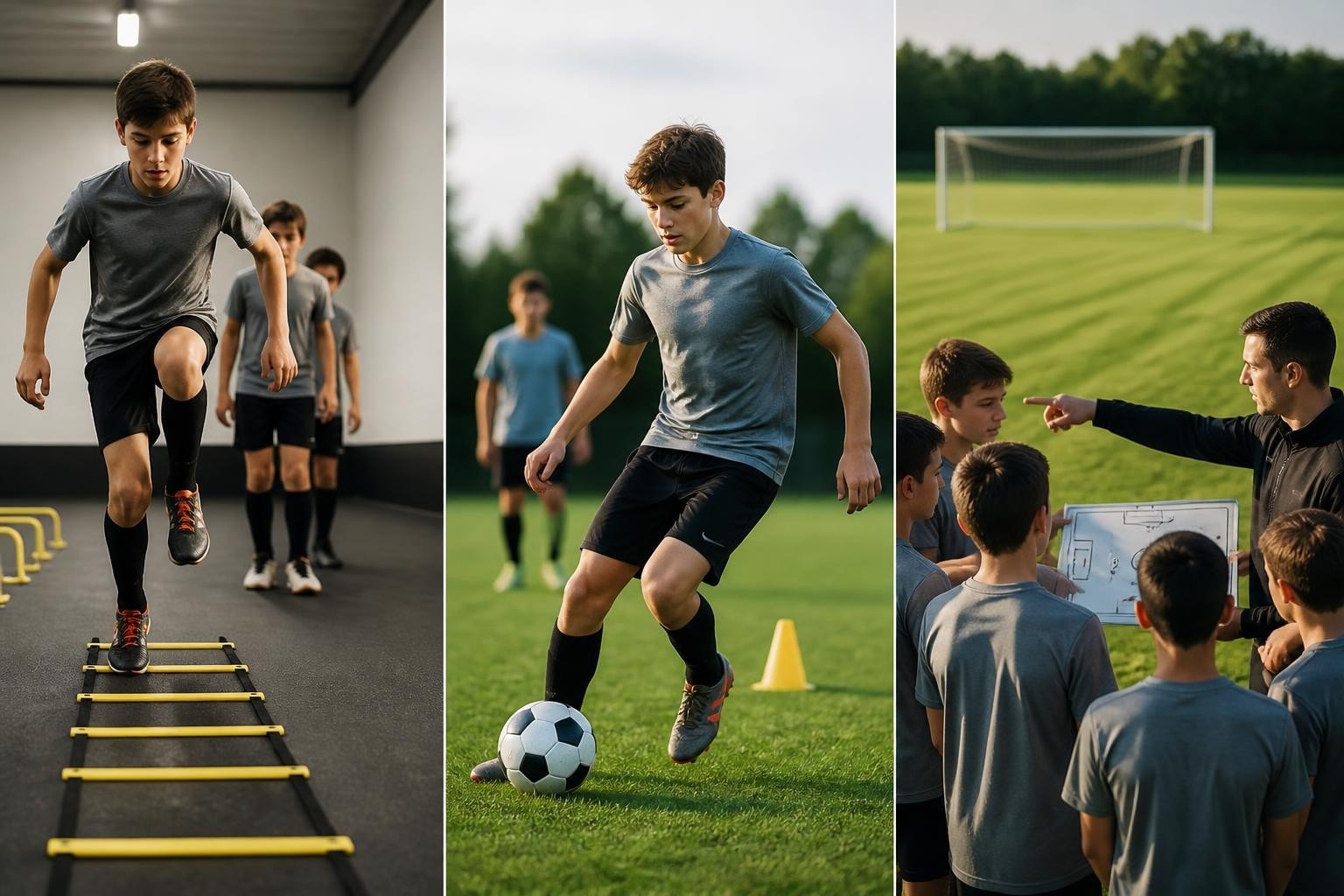
The cornerstone of this approach involves four interconnected development pillars that work synergistically to create complete players. Technical proficiency forms the foundation, ensuring players possess exceptional ball mastery and control. Tactical understanding teaches players to read the game and make intelligent decisions under pressure. Physical conditioning develops the athleticism required for elite-level competition. Psychological resilience prepares players to handle the mental demands of high-performance soccer.
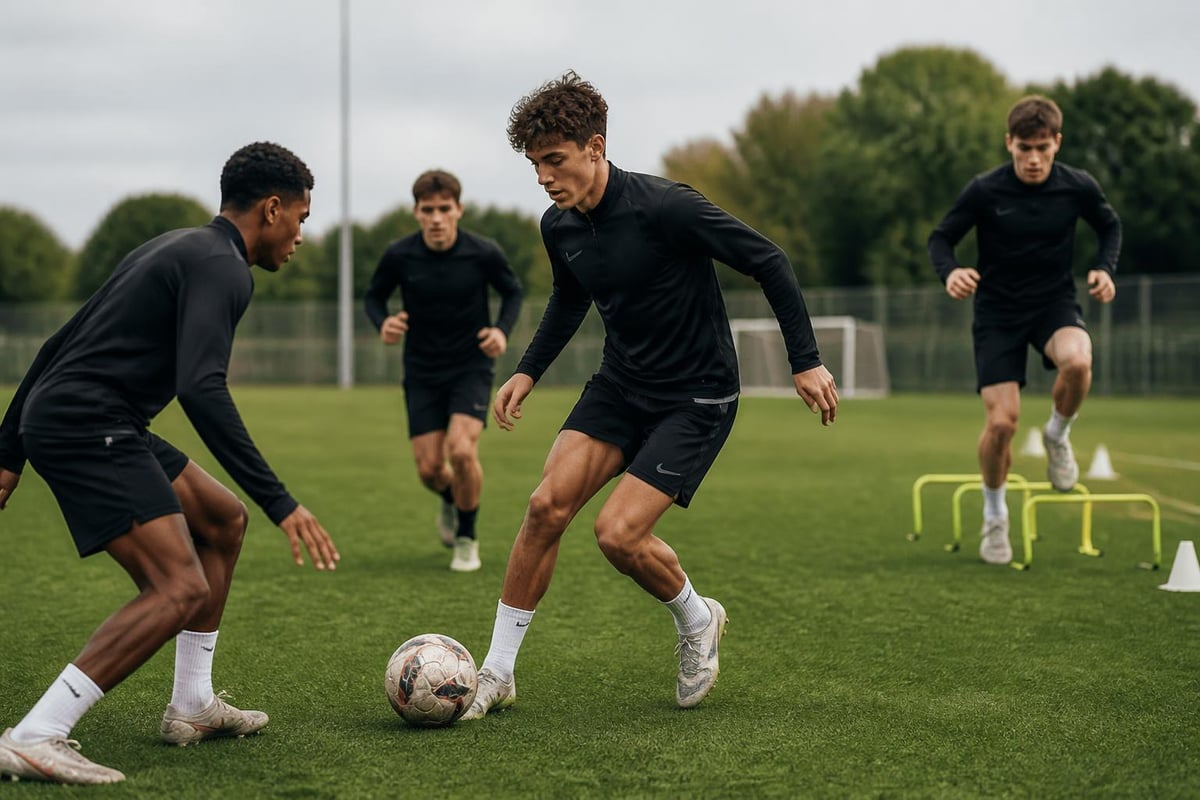
This holistic framework reflects UEFA’s Elite Youth Player Development Programme, which standardizes best practices across member associations. European clubs invest heavily in these comprehensive development systems because they understand that shortcuts produce limited results.
Training Frequency and Structure
Training schedules at a soccer academy in Europe differ dramatically from recreational programs. Elite academies typically require players to train four to six times per week, with sessions lasting 90 to 120 minutes each. This frequency allows coaches to progressively build skills while maintaining proper recovery periods.
Sessions follow carefully designed periodization plans that balance different training components throughout the season:
- Technical sessions focus on ball mastery, first touch, passing accuracy, and receiving skills
- Tactical sessions emphasize positioning, team shape, game transitions, and decision-making
- Physical sessions develop speed, agility, endurance, and strength appropriate to age groups
- Match preparation integrates all components into game-realistic scenarios
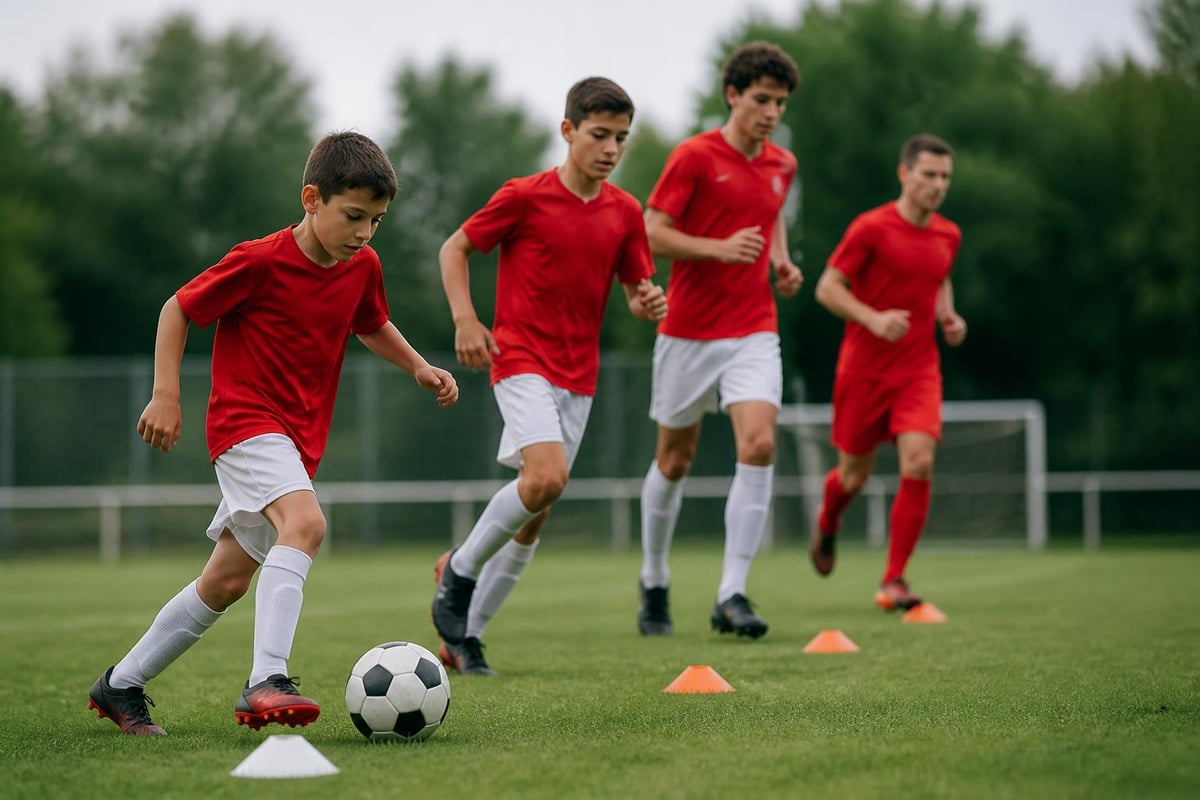
The progression from fundamental skills to complex tactical concepts follows age-appropriate developmental stages. Younger players spend more time on technical repetition, while older academy players engage in sophisticated tactical work that mirrors professional team preparations.
World-Class Coaching Standards
Coaching quality represents perhaps the most significant differentiator in a soccer academy in Europe. Every coach must hold recognized UEFA coaching licenses, which require extensive education, practical assessments, and ongoing professional development. This ensures that academy players receive instruction from highly qualified professionals who understand modern training methodologies.
| License Level | Required Hours | Key Competencies |
|---|---|---|
| UEFA C License | 120+ hours | Foundation coaching principles, session planning, technical fundamentals |
| UEFA B License | 185+ hours | Advanced tactics, periodization, player psychology, game analysis |
| UEFA A License | 245+ hours | Elite coaching methodology, talent identification, long-term development planning |
These licensing requirements create consistent coaching standards across European academies. Parents can trust that their children receive expert instruction based on proven pedagogical principles rather than well-meaning but potentially outdated approaches.
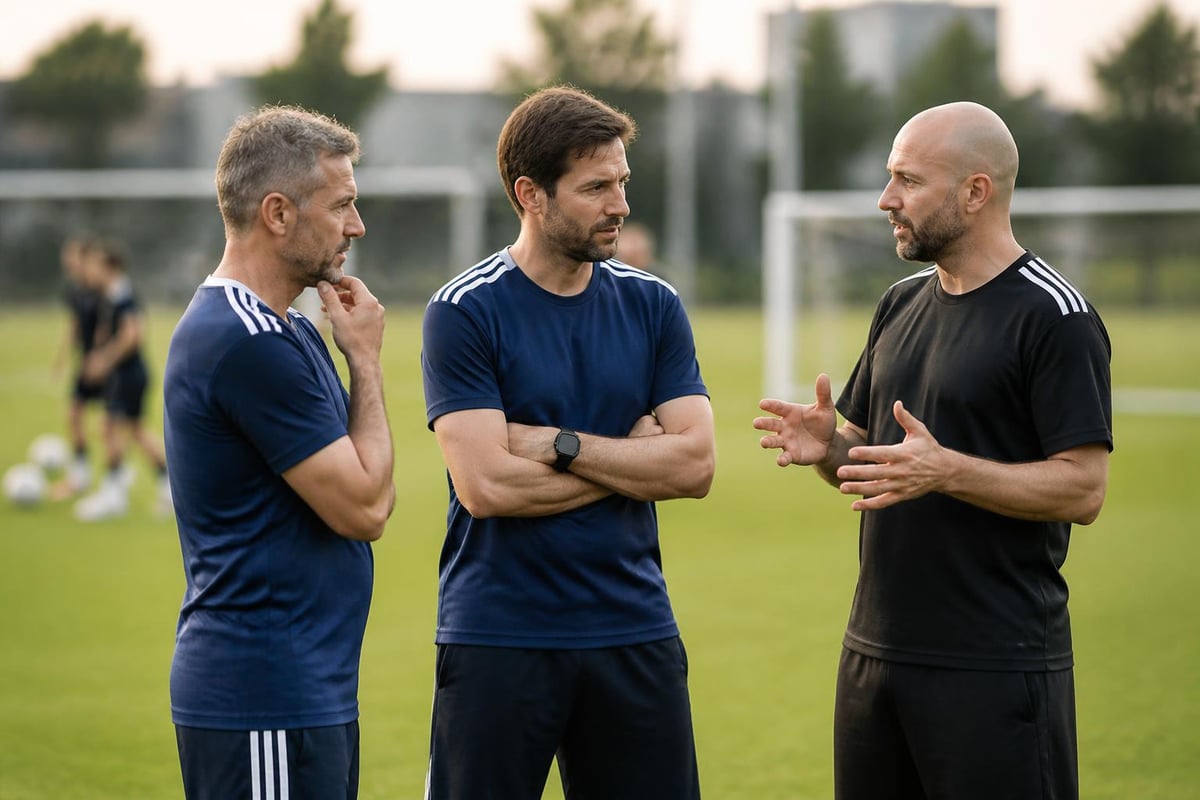
Beyond formal qualifications, European academy coaches typically specialize in specific age groups or developmental areas. This specialization allows them to become true experts in their domains, understanding the precise needs and capabilities of players at each developmental stage.
Infrastructure and Training Facilities
The physical infrastructure supporting a soccer academy in Europe reflects serious institutional commitment to player development. UEFA’s study on training facilities and youth investment demonstrates how top clubs allocate substantial resources to creating optimal training environments.
Essential Facility Components
Modern European academies provide far more than basic playing fields. Comprehensive training centers include multiple grass pitches with professional drainage systems, all-weather artificial surfaces for year-round training, dedicated futsal courts for technical skill development, and strength and conditioning facilities designed specifically for youth athletes.
Additional support infrastructure typically encompasses video analysis rooms where players review match footage, classroom spaces for tactical education sessions, medical and physiotherapy departments staffed by qualified sports medicine professionals, and nutrition counseling services that educate players about proper fueling strategies.
These facilities enable academies to deliver truly professional training experiences that prepare players for the demands of elite soccer. The investment in infrastructure signals organizational commitment to excellence and creates environments where players can maximize their development potential.
Player Pathway and Progression Systems
A soccer academy in Europe provides clearly defined pathways from youth development through professional opportunities. This systematic approach gives players realistic goals and measurable milestones throughout their development journey.
Most academies organize players into age-specific teams that progress annually:
- Foundation Phase (ages 6-11): Focus on fundamental movement skills, basic ball mastery, small-sided games
- Development Phase (ages 12-16): Technical refinement, tactical education, physical development, competitive match exposure
- Professional Preparation Phase (ages 17-21): Elite training intensity, reserve team integration, first team opportunities
Talent identification occurs continuously throughout these phases, with players moving between different competitive levels based on demonstrated ability and development trajectory. This meritocratic system ensures that players train at appropriate challenge levels while maintaining motivation and engagement.
European academies also maintain relationships with professional clubs, creating loan opportunities and transfer pathways for exceptional talents. These connections provide tangible career possibilities that motivate serious players to commit fully to their development.
Integration of Education and Soccer
Unlike some intensive sports programs that neglect academic development, a quality soccer academy in Europe recognizes the importance of balanced growth. Many academies partner with schools to ensure players receive proper education alongside their athletic training.
This integration takes several forms depending on the country and specific academy. Some operate boarding schools where academic classes occur in the morning and training happens in the afternoon. Others coordinate with local educational institutions to create flexible schedules accommodating both academic and athletic commitments.
The emphasis on education reflects a pragmatic understanding that very few youth players ultimately reach professional levels. By ensuring solid academic foundations, academies prepare players for successful futures regardless of their soccer careers.
Cultural and Competitive Differences
The competitive structure surrounding a soccer academy in Europe differs substantially from North American youth soccer culture. Rather than tournament-focused calendars with teams traveling extensively for showcase events, European youth soccer emphasizes regular league play against local opponents.
This league-based approach provides several developmental advantages. Players face familiar opponents multiple times per season, creating opportunities to implement tactical adjustments and demonstrate improvement. Reduced travel allows more time for training rather than competition. Consistent match scheduling enables better periodization and recovery planning.
The competitive philosophy also differs significantly. Youth matches in Europe prioritize player development over winning at all costs. Coaches make substitutions to ensure all players gain meaningful playing time. Tactical experiments occur regularly as coaches test different formations and player combinations. Individual player growth receives more emphasis than team results, particularly at younger age levels.
Match Analysis and Feedback
Post-match analysis represents another distinguishing feature of a soccer academy in Europe. Players regularly participate in video review sessions where coaches break down individual and team performances. This analytical approach accelerates learning by helping players understand what effective play looks like and identify specific areas requiring improvement.
Feedback occurs through multiple channels:
- Individual meetings where coaches discuss personal development objectives
- Team sessions analyzing collective tactical performance
- Written reports documenting progress and setting future goals
- Player self-assessment encouraging metacognitive skill development
This comprehensive feedback system creates continuous improvement cycles that maximize developmental gains from competitive experiences.
Financial Models and Accessibility
Understanding the financial structure of a soccer academy in Europe helps contextualize the broader youth development landscape. Many top-tier academies operated by professional clubs provide free or heavily subsidized training for identified talents. These clubs view academy investment as long-term player asset development rather than revenue generation.
| Academy Type | Typical Cost Structure | Primary Revenue Source |
|---|---|---|
| Professional Club Academy | Free to low cost | Future player transfers, first team integration |
| Private Academy | Moderate to high fees | Tuition payments, sponsorships |
| Hybrid Model | Variable based on pathway | Combination of fees and club investment |
However, not all European academies follow this model. Private academies and smaller clubs often charge tuition fees to cover operational costs. These fees vary widely based on country, facility quality, and coaching expertise but generally remain more affordable than comparable programs in other regions due to government sports funding and cultural prioritization of soccer development.
The initiatives to empower youth football development across Europe include efforts to increase accessibility for players from diverse socioeconomic backgrounds, recognizing that talent exists across all communities.
Applying European Principles Beyond Europe
The proven success of a soccer academy in Europe has inspired programs worldwide to adopt similar methodologies. Organizations can implement European training philosophy without geographic proximity to Barcelona or Manchester by focusing on core principles rather than superficial elements.
Key transferable principles include structured technical curriculum progression, age-appropriate physical development protocols, tactical education integrated with practical application, and psychological skill development for competitive resilience. Programs emphasizing these elements, regardless of location, create superior development environments compared to traditional recreational models.
Soccer academy training programs that incorporate European methodology demonstrate how these principles translate effectively across different contexts. The focus remains on long-term player development through systematic, comprehensive programming rather than short-term competitive results.
Coach Education and Development
Implementing European academy standards begins with properly educated coaches. Organizations serious about player development invest in coach education through recognized certification programs, ongoing professional development workshops, peer learning communities, and mentorship relationships with experienced coaches.
This investment in coach development creates cascading benefits throughout the organization. Better-educated coaches design more effective training sessions, communicate more clearly with players and parents, identify and address developmental needs more accurately, and create positive learning environments that maximize engagement.
Parent Involvement and Communication
The relationship between a soccer academy in Europe and player families differs from typical North American youth sports culture. European academies establish clear boundaries regarding parent involvement in training and match activities while maintaining transparent communication about player progress and development priorities.
Parents receive regular updates through structured channels. Formal progress reports typically occur quarterly, documenting technical, tactical, physical, and psychological development. Parent education sessions explain training methodologies and age-appropriate expectations. Individual consultations address specific concerns or questions about player pathways.
This structured approach prevents common pitfalls of excessive parent involvement while ensuring families remain informed partners in the development process. Parents understand what happens during training, why certain methodologies are employed, and how they can support their child's growth without interfering with the coaching process.
Physical Development and Injury Prevention
A responsible soccer academy in Europe prioritizes long-term athletic development over short-term performance gains. This philosophy manifests in age-appropriate physical training that respects biological maturation patterns and emphasizes injury prevention.
Youth players engage in varied movement patterns that develop general athleticism before sport-specific conditioning. Resistance training, when appropriate for age and maturation level, focuses on proper movement mechanics rather than maximal loads. Flexibility and mobility work occurs consistently to maintain healthy movement patterns as players grow.
Recovery receives equal emphasis with training stimulus. Academies monitor training loads to prevent overuse injuries, schedule adequate rest periods between high-intensity sessions, educate players about sleep and nutrition importance, and provide access to physiotherapy for minor issues before they become major problems.
High-performance training environments, such as specialized soccer camps, deliver professional-level intensity while maintaining these protective parameters. Players experience challenging sessions that push their capabilities without crossing into harmful overtraining territory.
Psychological Skills and Mental Preparation
The mental game separates good players from great ones at elite levels. A soccer academy in Europe integrates psychological skill development throughout the training process rather than treating it as an afterthought or crisis intervention.
Mental skills training addresses several key competencies:
- Concentration and focus during training and matches
- Confidence building through mastery experiences and positive reinforcement
- Emotional regulation to manage frustration, anxiety, and pressure
- Goal setting that creates motivation and direction
- Resilience to overcome setbacks and maintain effort through challenges
These skills develop through deliberate practice just like technical abilities. Coaches create training environments with appropriate psychological challenges, provide guidance in developing mental strategies, and model the mindset characteristics they hope to instill in players.
The elite youth development initiatives across European soccer recognize psychological preparation as fundamental to creating complete players capable of performing consistently at high levels.
Tactical Education Methodologies
Tactical understanding represents a distinguishing characteristic of players developed through a soccer academy in Europe. Rather than relying on athletic superiority or individual brilliance, European-trained players demonstrate sophisticated game intelligence that allows them to excel through smart play.
Tactical education begins with fundamental concepts appropriate to each age group. Young players learn basic principles like maintaining team shape, supporting teammates, and recognizing when to pass versus dribble. As players mature, tactical complexity increases to include pressing triggers, defensive organization, attacking patterns, and set-piece execution.
Game-Based Learning Approaches
Modern European academies favor game-based learning over isolated drill work for tactical development. Players learn decision-making by repeatedly encountering game situations that require tactical solutions. Small-sided games with specific constraints guide players toward discovering effective tactical behaviors.
This approach accelerates tactical learning because players experience the consequences of decisions in realistic contexts. They understand why certain tactical choices work better than others through direct experience rather than passive instruction.
Technical Excellence Standards
Technical proficiency forms the foundation of player development in a soccer academy in Europe. Players spend thousands of hours refining fundamental skills until they become automatic, freeing mental resources for tactical decision-making during matches.
Technical curriculum addresses comprehensive skill development across all essential competencies. First touch and ball reception skills ensure players control passes cleanly under pressure. Passing accuracy in various ranges and situations enables effective distribution. Dribbling techniques for change of direction and beat defenders in tight spaces create attacking advantages. Shooting mechanics for power and placement finish attacking opportunities.
The training volume dedicated to technical development far exceeds typical recreational programs. Players perform thousands of repetitions across varied contexts, building the motor patterns necessary for consistent technical execution. This repetition occurs through engaging training activities rather than mindless drill work, maintaining player motivation while accumulating the practice volume required for mastery.
Programs implementing technical training approaches from European academies demonstrate how systematic skill development creates noticeable capability differences compared to less structured alternatives.
Nutrition and Recovery Protocols
Elite performance requires proper fueling and recovery strategies. A soccer academy in Europe educates players about nutrition fundamentals and implements protocols that optimize recovery between training sessions.
Nutritional education covers several essential topics including pre-training and pre-match meal composition and timing, hydration strategies for optimal performance, post-training recovery nutrition to maximize adaptation, and overall dietary patterns that support growth and development.
Recovery protocols extend beyond nutrition to encompass sleep hygiene, active recovery strategies, and stress management. Players learn that development occurs during recovery periods rather than training sessions themselves, creating motivation to prioritize rest and regeneration.
These holistic support systems recognize that young athletes require comprehensive care to maximize their development potential while maintaining health and well-being.
Selecting the Right Development Environment
Parents evaluating options for their young players should understand what distinguishes a quality development program from alternatives. Whether considering a soccer academy in Europe or North American programs built on European principles, certain characteristics indicate excellence.
Coaching qualifications and ongoing education demonstrate organizational commitment to quality instruction. Clear developmental curriculum with age-appropriate progression shows systematic planning rather than ad-hoc programming. Appropriate training-to-competition ratios ensure sufficient skill development time. Player-centered philosophy prioritizes long-term development over short-term winning. Comprehensive approach addressing technical, tactical, physical, and psychological domains creates complete players.
Organizations embodying these characteristics, like those offering comprehensive youth programs, provide environments where serious young players can maximize their potential regardless of ultimate career aspirations.
The decision ultimately depends on individual player goals, family circumstances, and available options. However, understanding European academy standards provides a framework for evaluating any development program's quality and alignment with best practices.
The systematic approach employed by a soccer academy in Europe has proven its effectiveness through decades of producing elite players who excel at the highest levels of professional soccer. These principles translate effectively beyond European borders when implemented with fidelity and proper expertise. At Strive Soccer Academy, we've brought this proven European-style training philosophy to Surrey, BC, creating a comprehensive development environment that addresses technical, tactical, physical, and psychological growth. Our fully licensed coaches deliver the systematic, professional training that helps young players reach their full potential while building character and creating meaningful opportunities for their soccer futures.