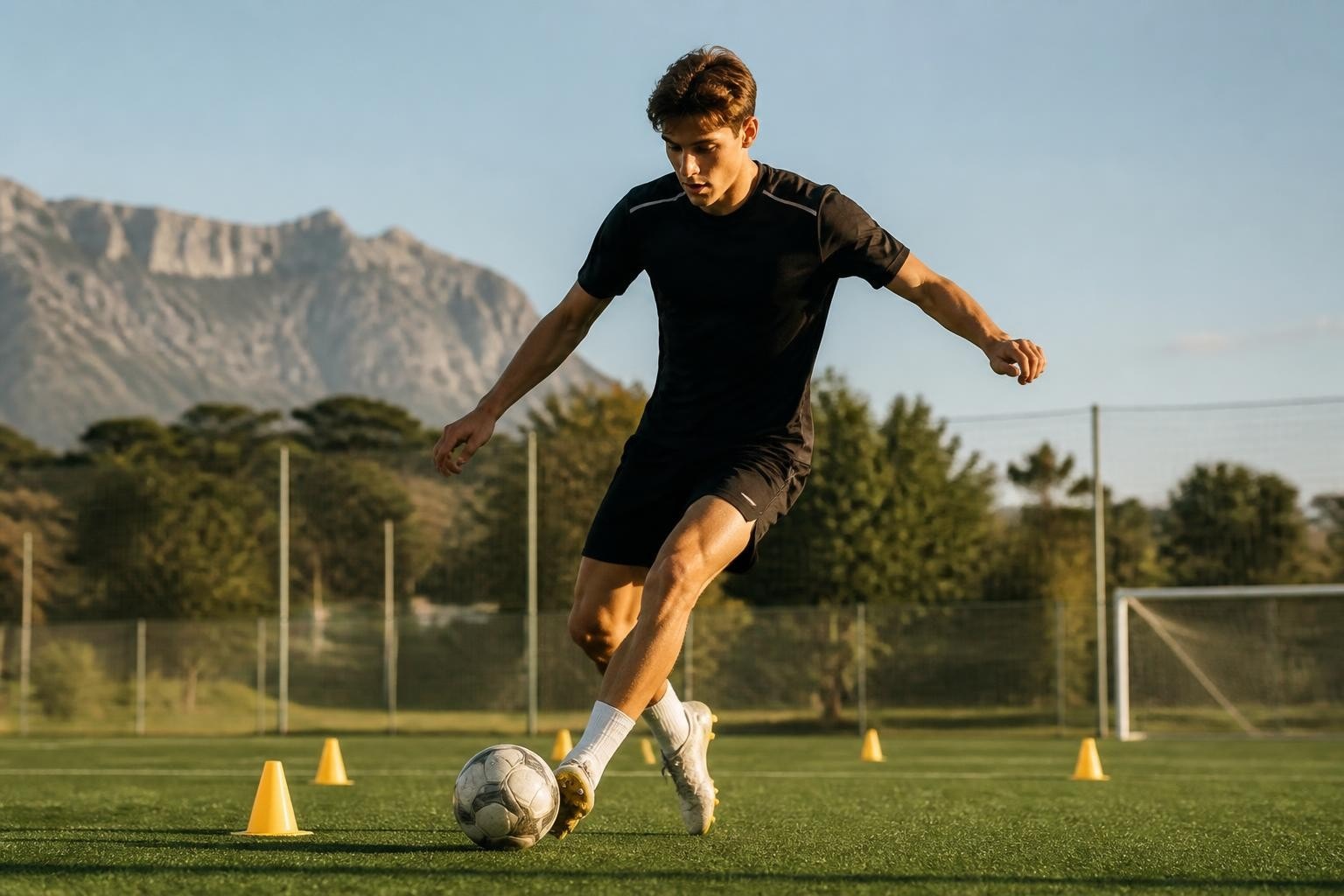
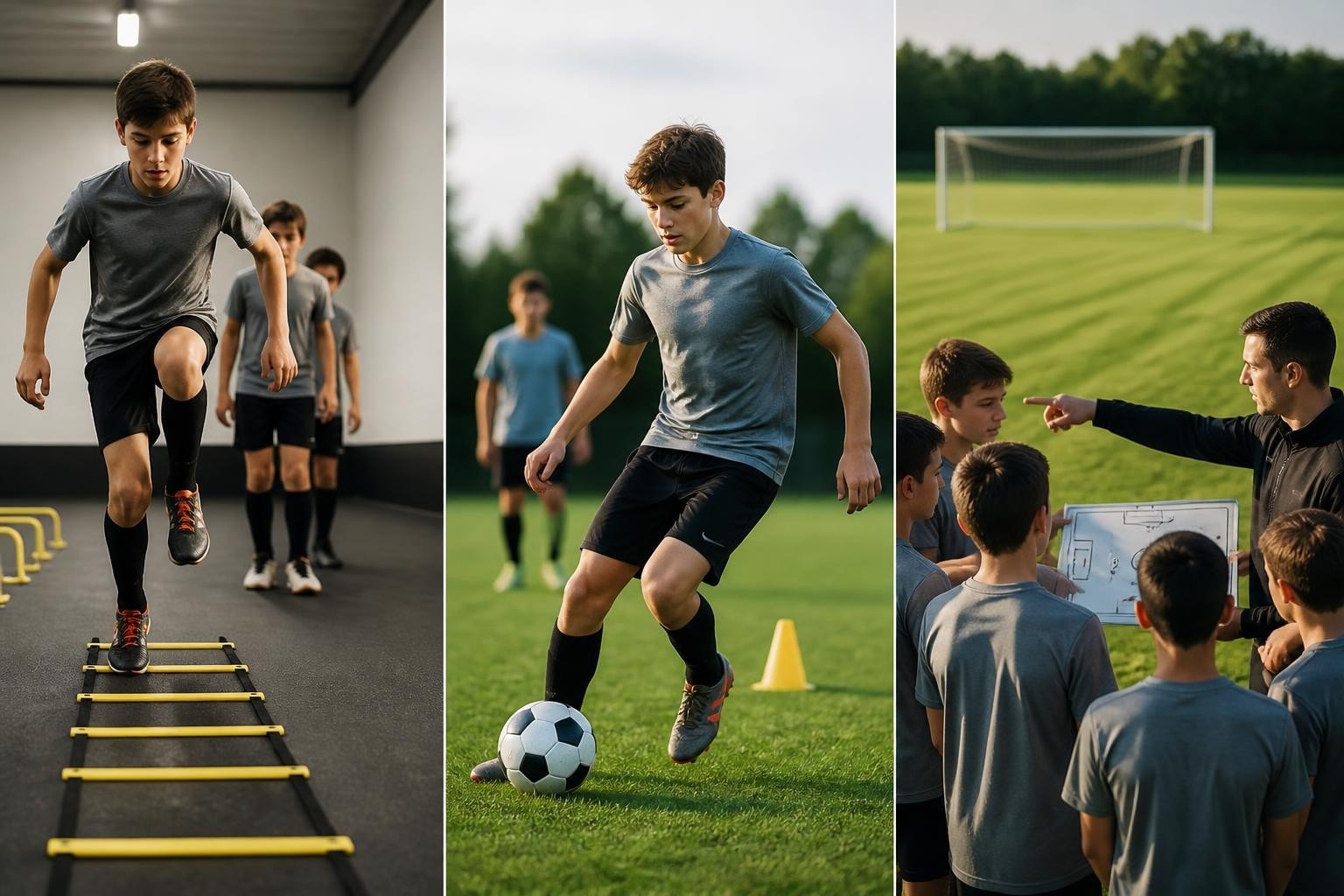
Choosing the right competitive pathway for your young soccer player can be one of the most important decisions you make as a parent. Rep soccer represents the competitive tier of youth soccer, where talented players commit to higher-level training, more intensive schedules, and tournament play against other elite teams. For families in Surrey and across British Columbia, understanding what rep soccer entails-from tryouts and costs to time commitments and development benefits-helps ensure you're making the right choice for your child's athletic journey. This comprehensive guide explores everything parents need to know about rep soccer in 2026.
Understanding the Rep Soccer Structure
Rep soccer, short for representative soccer, refers to competitive youth soccer programs where players represent their club or association in league play and tournaments. These programs sit above recreational house leagues in the development hierarchy, offering a more serious competitive environment for players showing advanced skills and dedication.
The structure of rep soccer varies by region and age group, but certain elements remain consistent. Teams typically train two to four times per week, with games scheduled on weekends throughout the season. Players undergo tryouts or assessments to earn their spot, and rosters are limited to ensure adequate playing time for development.
Age Divisions and Competitive Levels
Rep soccer programs generally begin at the U8 or U9 age groups, though some clubs offer earlier entry points. Programs for U8 and U9 players focus on fundamental skill development while introducing competitive match situations. As players progress through U12, U14, U16, and U18 divisions, the level of competition and tactical sophistication increases dramatically.
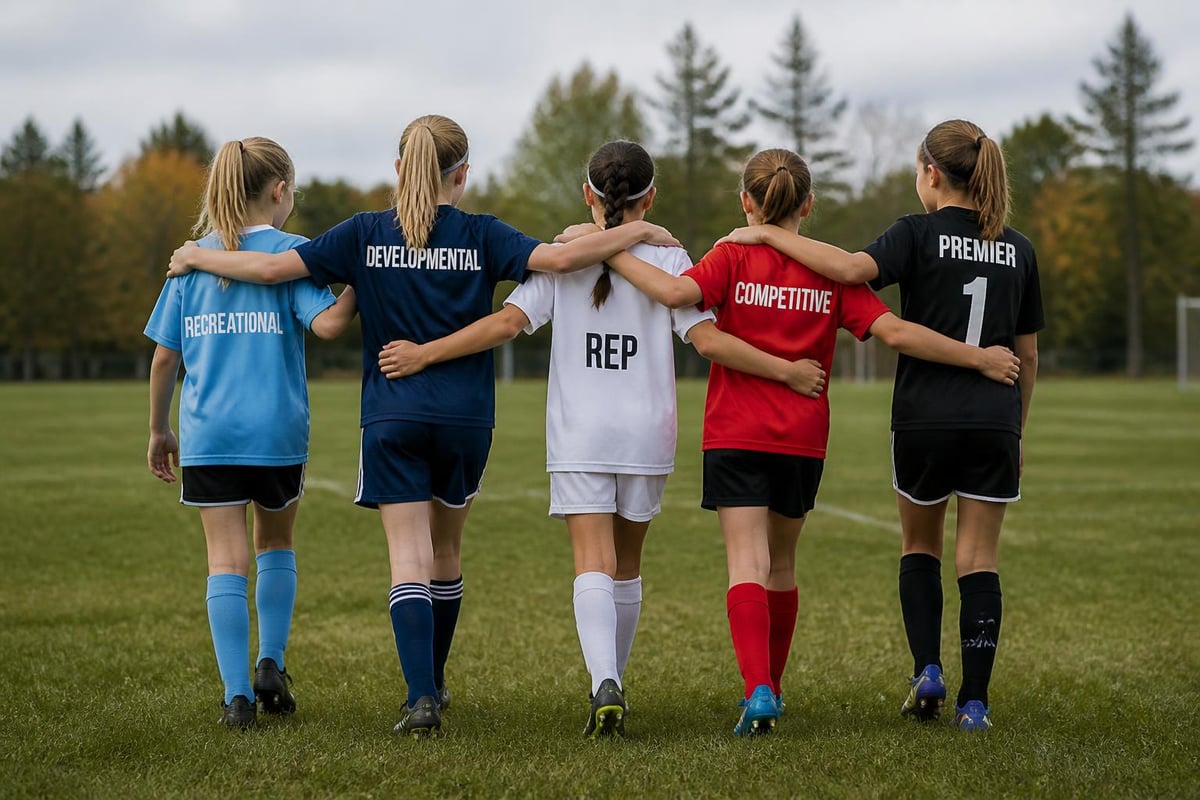
Within rep soccer itself, multiple tiers exist. Premier or Division 1 teams feature the highest caliber players in a region, while Division 2, 3, and developmental rep levels provide appropriate competitive environments for players at different skill stages. This tiered approach ensures players compete against similarly skilled opponents, maximizing both challenge and development opportunities.
The Financial Investment Required
One of the most significant considerations for families is the financial commitment associated with rep soccer. Unlike recreational leagues with modest registration fees, rep soccer requires substantial investment across multiple categories.
Registration and club fees form the foundation of rep soccer costs. Annual fees typically range from $1,500 to $4,000 depending on the club, age group, and competitive division. These fees cover coaching salaries, field rentals, league registration, and administrative costs. Premier-level teams often command higher fees due to more experienced coaching staff and better training facilities.
Additional Costs to Consider
Beyond base registration, families should budget for several additional expenses:
- Uniforms and equipment: $300-600 for jerseys, shorts, socks, training gear, and warm-ups
- Tournament fees: $150-400 per tournament, with teams typically attending 3-6 tournaments annually
- Travel expenses: Hotel accommodations, meals, and transportation for away tournaments
- Private training: Many rep players supplement team training with individual sessions
- Specialized footwear: Quality cleats and turf shoes ranging $100-250 per pair
| Expense Category | Annual Cost Range |
|---|---|
| Registration Fee | $1,500 – $4,000 |
| Uniforms & Equipment | $300 – $600 |
| Tournament Fees | $450 – $2,400 |
| Travel & Accommodation | $800 – $3,000 |
| Private Training (optional) | $1,000 – $5,000 |
| Total | $4,050 – $15,000 |
Financial assistance programs exist at many clubs to help families manage these costs. Don't hesitate to inquire about scholarship opportunities, payment plans, or fundraising support when evaluating rep soccer programs.
Time Commitment and Family Impact
The time investment required for rep soccer extends far beyond game day. Understanding the full scope of commitment helps families prepare for the lifestyle adjustments that accompany competitive youth sports.
Most rep soccer teams train between two and four sessions per week, with each practice lasting 75 to 120 minutes. Add weekly games, and players easily spend 8-12 hours per week on soccer activities during peak season. Tournament weekends can consume entire Saturdays and Sundays, sometimes requiring Friday travel for events held in distant cities.
Balancing School and Soccer
Academic performance must remain a priority even as soccer demands increase. Successful rep soccer families establish clear expectations around homework completion, study time, and maintaining grades. Many clubs implement academic standards requiring players to maintain minimum grade point averages to remain eligible for team participation.
The development philosophy at quality programs recognizes that young athletes need holistic growth. The best rep soccer environments don't just develop soccer skills-they build time management abilities, personal responsibility, and resilience that serve players throughout their lives.
Players transitioning from recreational to rep soccer often experience initial adjustment challenges. The intensity of training increases, expectations rise, and competition for playing time becomes real. Supporting your child through this transition means maintaining perspective, celebrating effort over outcomes, and ensuring soccer remains enjoyable rather than becoming a source of excessive stress.
The Tryout Process Demystified
Gaining entry to a rep soccer program requires successfully navigating the tryout process. Understanding what evaluators look for and how to prepare gives young players their best opportunity to showcase their abilities.
What Coaches Evaluate
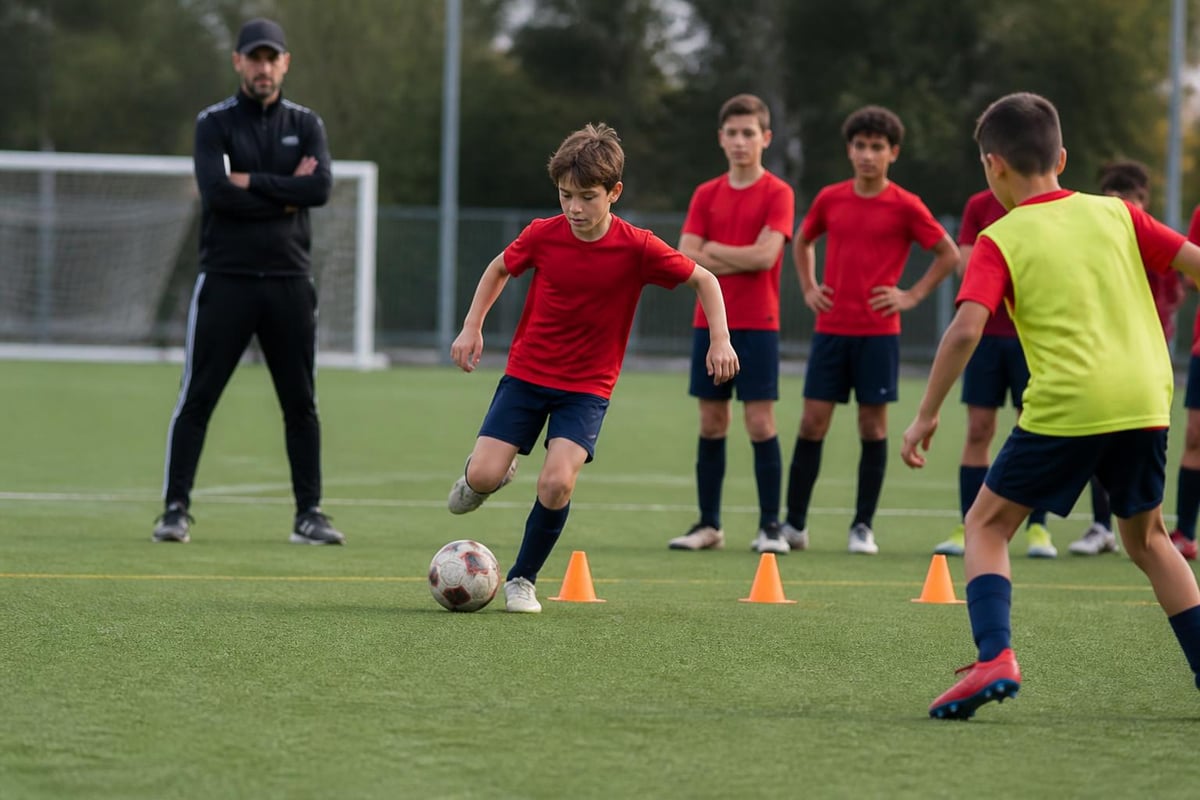
Rep soccer tryouts typically span multiple sessions over one to two weeks. Coaches assess players across four primary development areas:
Technical skills form the foundation of evaluation. Ball control, passing accuracy, first touch quality, dribbling ability, and shooting technique all receive close scrutiny. Players should demonstrate comfort with both feet and show confidence in possession under pressure.
Tactical awareness separates recreational players from rep-level athletes. Coaches observe positioning, decision-making speed, understanding of space, and ability to read game situations. Does the player recognize when to pass versus dribble? Do they track back on defense? Can they anticipate opponent movements?
Physical attributes matter increasingly as players age. Speed, agility, endurance, and strength all factor into selection decisions. While younger age groups prioritize skill over physicality, the balance shifts as players progress through their teenage years.
Psychological qualities often prove decisive when multiple players possess similar technical abilities. Coaches value coachability, competitive mentality, resilience after mistakes, communication skills, and positive attitude. Players who demonstrate leadership, encourage teammates, and maintain composure under pressure stand out during evaluations.
Preparation Strategies
Players can maximize their tryout performance through targeted preparation. Attending structured training programs before tryout season helps sharpen technical skills and build confidence. Focus on improving your weaker foot, refining first touch control, and increasing fitness levels in the weeks leading up to tryouts.
Mental preparation proves equally important. Visualize successful performances, practice staying positive after mistakes, and develop a confident but humble demeanor. Arrive early, introduce yourself to coaches, and demonstrate enthusiasm for learning. These psychological elements create positive first impressions that complement on-field performance.
Development vs. Winning: Finding the Right Balance
The eternal tension between player development and competitive results defines much of the rep soccer experience. Understanding how different programs prioritize these sometimes competing objectives helps families select the right environment for their child.
Choosing between development-focused and winning-focused programs represents a critical decision point. Development-oriented programs emphasize long-term skill acquisition, tactical education, and preparing players for higher levels of competition. They may accept short-term losses while experimenting with formations, rotating positions, or teaching new concepts.
Winning-focused programs prioritize immediate competitive success. They often feature more rigid playing time distributions, specialized positions, and game strategies optimized for current results rather than future development. While these programs can build confidence through success and teach competitive mentality, they sometimes sacrifice individual growth for collective achievement.
Age-Appropriate Priorities
The appropriate balance between development and winning shifts as players age. For U8 through U12 groups, development should dominate. Young players need diverse experiences, exposure to multiple positions, and freedom to make mistakes without fear of benching. The technical and tactical foundations built during these formative years determine future potential far more than early competitive records.
As players reach U13 and beyond, competitive results gain importance without abandoning development principles. Teenagers benefit from learning to perform under pressure, experiencing meaningful competition, and understanding that preparation leads to results. The best programs maintain development focus while gradually increasing competitive expectations appropriate to player maturity.
Training Philosophy and Coaching Quality
The quality of coaching and training methodology represents perhaps the most important factor distinguishing excellent rep soccer programs from mediocre ones. Families should carefully evaluate these elements when selecting a program.
Coaching credentials provide one indicator of quality. In Canada, licensing through Canada Soccer ensures coaches possess foundational knowledge of player development, safety, and age-appropriate training methods. Look for coaches holding National Youth License, B License, or A License certifications, depending on the age group and competitive level.
Beyond credentials, coaching philosophy matters tremendously. The European-style training approach emphasizes technical mastery, tactical intelligence, and possession-based soccer. This methodology has produced consistently superior results compared to traditional North American models that historically prioritized physicality and direct play.
The Four Pillars of Development
Comprehensive player development addresses four interconnected dimensions:
- Technical: Ball mastery, passing, receiving, dribbling, shooting, and defending skills
- Tactical: Positioning, game reading, decision-making, and understanding team systems
- Physical: Speed, strength, agility, endurance, and injury prevention
- Psychological: Mental toughness, confidence, focus, and emotional regulation
Programs that systematically develop all four areas produce more complete players prepared for advancement to higher competitive levels. Families should ask prospective coaches how they address each pillar within their training structure.
Quality programs also maintain appropriate training-to-game ratios. Young players develop through repetition in training environments, not primarily through games. Ideal programs provide three to four training sessions for every competitive match, allowing adequate time to teach concepts, practice skills, and receive individual feedback.
Tournament Experience and Exposure
Tournament participation forms a significant component of the rep soccer experience, offering unique developmental and competitive opportunities beyond regular league play.
Rep teams typically attend between three and six tournaments annually, ranging from local one-day events to prestigious multi-day showcases requiring regional or national travel. These tournaments provide concentrated competitive experiences, exposure to different playing styles, and opportunities to test skills against unfamiliar opponents.
Choosing Meaningful Tournaments
Not all tournaments offer equal value. Consider these factors when evaluating tournament participation:
- Competition level: Does the tournament attract teams at your player's appropriate competitive tier?
- College exposure: For older age groups, do college coaches attend as recruiters?
- Geographic diversity: Does the tournament offer exposure to different regional playing styles?
- Cost-benefit ratio: Does the developmental value justify the financial and time investment?
The high-performance training environments offered during tournament preparation help players sharpen technical skills, improve decision-making under pressure, and build the composure needed for competitive success.
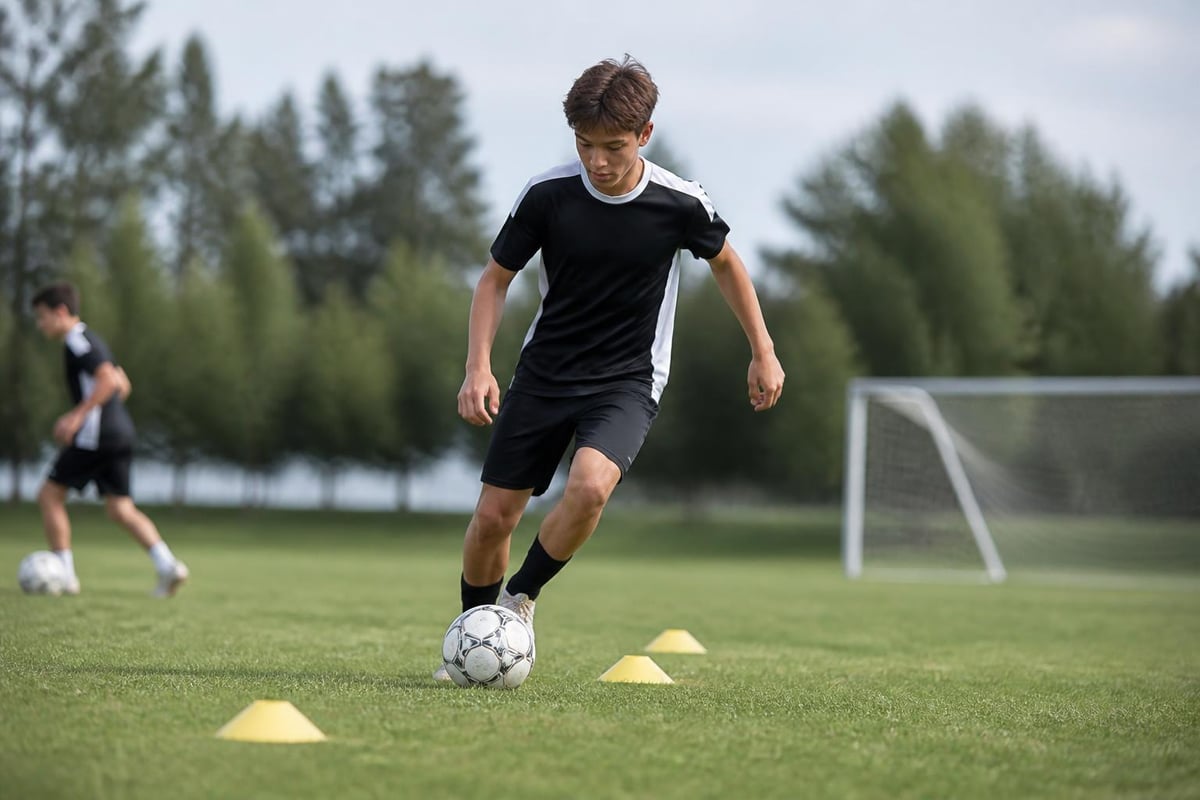
Major showcase tournaments like Surf Cup, Dallas Cup, and various provincial championships provide valuable benchmarking opportunities. Players gain perspective on their development relative to regional and national standards, often returning home with renewed motivation and clearer understanding of areas requiring improvement.
Creating a Positive Rep Soccer Culture
The culture surrounding rep soccer-encompassing parents, coaches, players, and club administration-profoundly impacts player development and enjoyment. Understanding and contributing to positive culture benefits everyone involved.
Respect and etiquette policies establish behavioral expectations for all participants. These guidelines typically address sideline conduct, communication protocols, and sportsmanship standards. Parents should familiarize themselves with these policies and model appropriate behavior during training and matches.
Sideline Parent Best Practices
Your behavior as a parent directly influences your child's experience and development. Follow these guidelines to support rather than hinder growth:
- Stay positive: Cheer effort and improvement, not just results
- Let coaches coach: Avoid instructing your child during games
- Control emotions: Model composure regardless of referee decisions or outcomes
- Support all players: Encourage the entire team, not just your child
- Respect opponents: Teach that worthy competition improves everyone
The psychological pressure young athletes experience often stems more from parental expectations than internal motivation. Creating space for your child to enjoy soccer, make mistakes, and develop at their own pace fosters healthier long-term engagement with the sport.
Making the Rep Soccer Decision
Determining whether rep soccer represents the right choice for your family requires honest assessment of multiple factors. Not every talented young player should pursue competitive soccer, nor does choosing recreational soccer indicate lack of ambition or ability.
Consider your child's intrinsic motivation first. Do they genuinely love soccer and seek additional playing opportunities, or are you driving their participation? Players with internal passion for the game thrive in rep environments, while those pursuing soccer primarily to please parents often struggle with the demands and eventually burn out.
Evaluate family capacity realistically. Can you commit to the time requirements without sacrificing other important family priorities? Does your budget accommodate the costs without creating financial stress? Will siblings receive adequate attention and opportunities? Honest answers to these questions prevent resentment and ensure sustainable participation.
When to Choose Recreational Soccer Instead
Recreational soccer offers tremendous value and remains the right choice for many families. Choose recreational over rep soccer when:
- Your child enjoys soccer but lacks intense competitive drive
- Time constraints from school, other activities, or family commitments are significant
- Financial resources are better allocated to other priorities
- Your child prefers playing multiple sports rather than specializing
- The stress of tryouts and competition creates more anxiety than enjoyment
There's no shame in choosing recreational soccer. Many players develop excellent skills, maintain lifelong love of the game, and enjoy soccer without competitive pressure. The "right" choice depends entirely on your unique family circumstances and your child's individual needs and desires.
Regional Rep Soccer Variations
Rep soccer programs vary significantly across different regions of Canada and North America. Understanding local structures helps families navigate their specific competitive landscape.
In British Columbia, district associations organize rep soccer under the BC Soccer umbrella. Programs like Nanaimo United FC’s rep structure demonstrate typical provincial organization, with age-grouped teams competing in tiered divisions. Most BC programs run from September through June, with summer breaks or optional tournament participation.
Ontario features similar organizational structures but often larger player pools and more competitive divisions due to population density. The Richmond Hill Soccer Club rep program exemplifies comprehensive rep offerings serving communities near Toronto.
Interior regions face unique challenges around travel distances and smaller player populations. Programs in areas like Revelstoke adapt by combining developmental and rep streams, ensuring adequate competitive opportunities despite geographic constraints.
Understanding your local landscape helps set realistic expectations. Rep soccer in metropolitan Vancouver differs significantly from rep experiences in smaller communities, though both provide valuable development appropriate to their contexts.
Rep soccer offers dedicated young athletes exceptional opportunities for skill development, competitive experience, and personal growth when the fit aligns with family capacity and player motivation. The commitment requires careful consideration of financial costs, time demands, and developmental philosophy, but the rewards-improved technical ability, tactical understanding, resilience, and lifelong friendships-can prove transformative for players ready to embrace the challenge. At Strive Soccer Academy, we've built our programs on the same principles that make rep soccer valuable: licensed coaching, European-style methodology, and comprehensive development across technical, tactical, physical, and psychological dimensions. Whether your child aspires to rep soccer or simply wants to maximize their potential, our Surrey-based training provides the foundation for success at every competitive level.