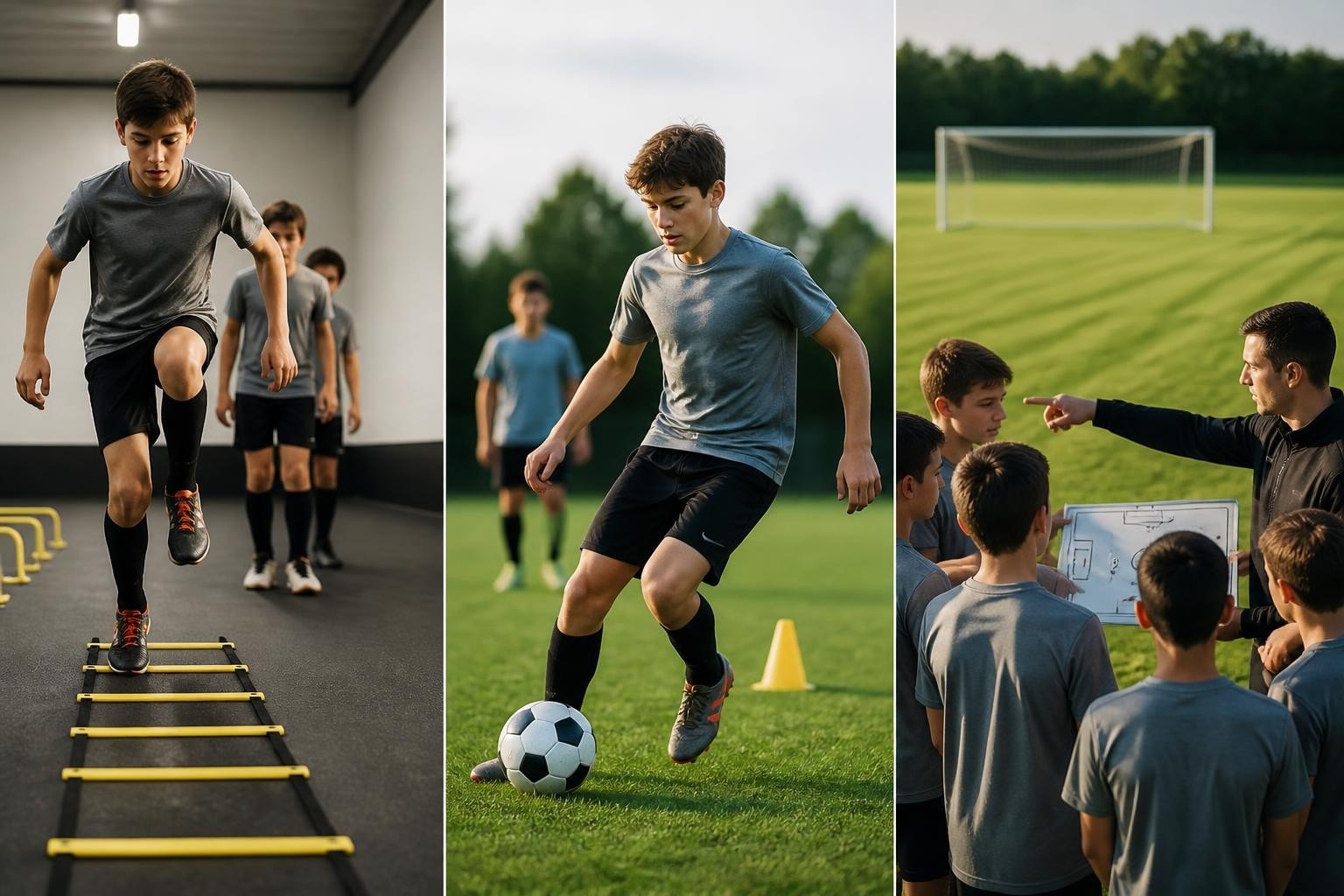
Choosing the right training environment for your young athlete represents one of the most important decisions in their soccer journey. A professional soccer academy offers far more than weekly practice sessions-it provides a comprehensive development framework designed to maximize each player's potential while preparing them for competitive opportunities at higher levels. Understanding what distinguishes a truly professional academy from recreational programs helps parents make informed choices that align with their child's aspirations and developmental needs.
What Defines a Professional Soccer Academy
A professional soccer academy operates under a structured curriculum that mirrors the training methodologies used by elite clubs worldwide. These institutions employ licensed coaches who understand age-appropriate development and implement progressive training models that evolve with each player's growth.
The foundation of any quality professional soccer academy rests on four interconnected pillars: technical skill development, tactical understanding, physical conditioning, and psychological preparation. This holistic approach ensures players develop as complete athletes rather than focusing narrowly on a single aspect of the game.
Key characteristics include:
- Coaching staff with national or international certifications
- Age-specific training programs based on developmental science
- Regular player assessments and personalized feedback
- Exposure to competitive match environments
- Clear pathways for advancement within the academy structure

Licensed coaching represents the cornerstone of professional academy operations. Organizations like Canada Soccer establish certification standards that ensure coaches possess both theoretical knowledge and practical experience. The talent identification and development processes used by professional clubs worldwide demonstrate the importance of systematic approaches to player evaluation and growth.
European-Style Training Philosophy
Many leading professional soccer academies in North America have adopted European training methodologies that emphasize technical mastery and intelligent decision-making. This approach contrasts with traditional North American models that historically prioritized physical attributes and athleticism over skill refinement.
European-style training focuses on developing comfortable, confident players who can execute technical actions under pressure. Sessions incorporate small-sided games, position-specific drills, and scenarios that replicate match situations. Players learn to think tactically while executing skills, creating athletes who understand both the "how" and the "why" of their actions on the field.
| Training Approach | European Model | Traditional Model |
|---|---|---|
| Primary Focus | Technical skill & decision-making | Physical development & athleticism |
| Session Structure | Small-sided games, high repetition | Large groups, fitness-focused |
| Player Development | Individual mastery within team concepts | Team-first approach |
| Competition Philosophy | Balanced with training priority | Win-focused from early ages |
Technical Development in Professional Academies
Technical proficiency forms the foundation upon which all other soccer skills build. A professional soccer academy dedicates significant training time to mastering fundamental techniques including passing, receiving, dribbling, and shooting.
Progressive technical training begins with basic movements performed without pressure, gradually adding opponents, time constraints, and decision-making elements. This scaffolded approach builds muscle memory while developing the cognitive processing required for match situations.
Position-Specific Technical Work
Advanced professional soccer academy programs incorporate position-specific training that recognizes the unique technical demands placed on defenders, midfielders, and forwards. A center back requires different technical competencies than a winger, and effective training addresses these distinctions.
Goalkeepers receive specialized coaching that addresses their unique technical requirements. Distribution, positioning, shot-stopping, and command of the penalty area all require dedicated instruction from coaches with goalkeeper-specific expertise.
Technical skill categories by position:
- Defenders: First touch under pressure, defensive heading, long-range passing accuracy, tackle timing
- Midfielders: 360-degree awareness, quick combination play, transition speed, range of passing
- Forwards: Finishing with both feet, movement off the ball, hold-up play, attacking runs
- Goalkeepers: Shot-stopping, distribution accuracy, positioning, communication
The Soccer Skills Training offered through comprehensive academy programs ensures players receive instruction tailored to their developmental stage and positional requirements, building technical foundations that support long-term growth.
Tactical Intelligence and Game Understanding
While technical skills provide the tools, tactical knowledge determines when and how to use them effectively. A professional soccer academy teaches players to read the game, anticipate opponent movements, and make intelligent decisions that benefit team performance.
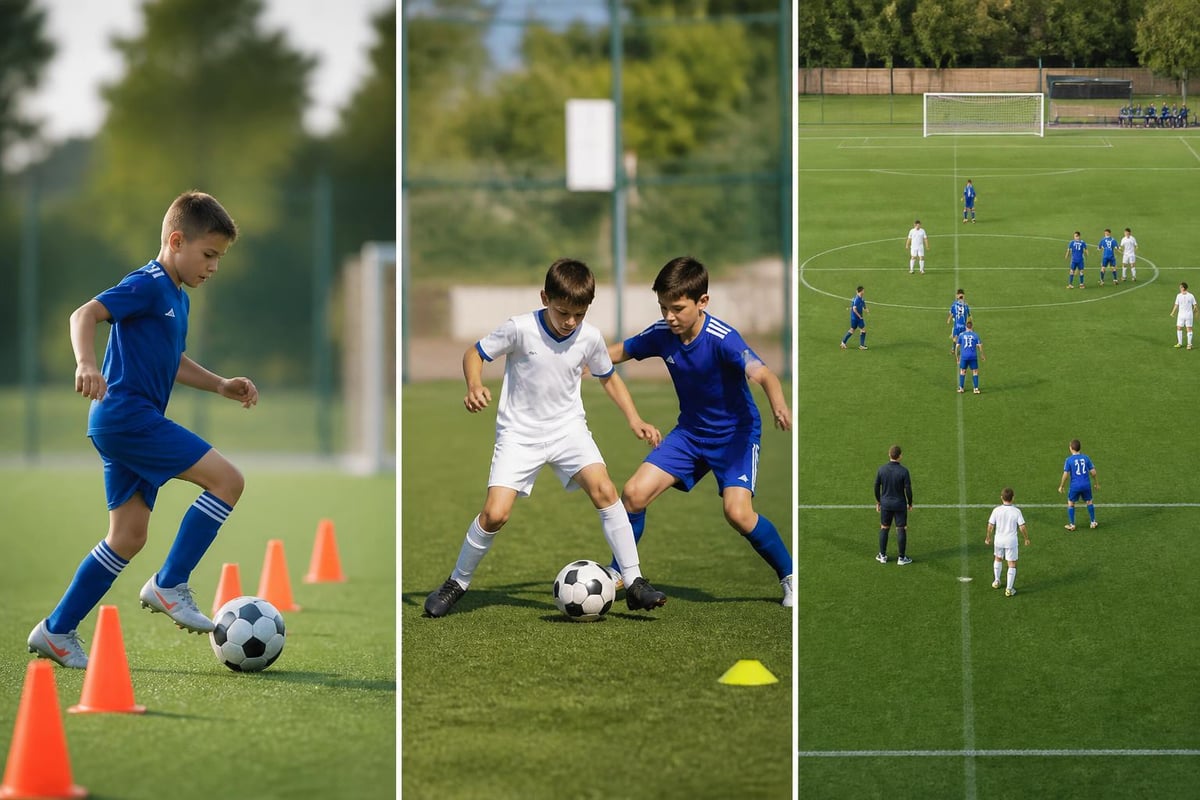
Tactical training progresses from individual responsibilities to small group dynamics and finally full team organization. Young players first learn their role within their immediate area, then understand how their actions impact nearby teammates, and eventually grasp whole-team tactical concepts.
Age-Appropriate Tactical Concepts
Professional academies recognize that tactical complexity must align with cognitive development. Younger players (ages 6-10) focus on basic positional awareness and simple attacking/defending principles. As players mature, they can process more complex tactical information including pressing triggers, defensive shape, and coordinated attacking patterns.
Research on age-related changes in executive functions demonstrates how cognitive capabilities evolve throughout youth development, informing how professional soccer academies structure tactical instruction for different age groups.
The comprehensive approach at programs like Strive emphasizes tactical development alongside technical training, creating players who think strategically while executing skillfully.
Physical Development and Athletic Performance
Athletic development within a professional soccer academy extends beyond basic fitness training. Modern sports science recognizes that young athletes require age-appropriate physical conditioning that supports soccer-specific demands while promoting long-term health and injury prevention.
Pre-adolescent training emphasizes movement literacy, coordination, and agility rather than strength or endurance. As players enter adolescence, programs carefully introduce resistance training and higher-intensity conditioning while monitoring growth patterns and maturation rates.
| Age Group | Physical Focus | Training Methods |
|---|---|---|
| 6-10 years | Movement skills, coordination | Fun-based activities, games |
| 11-14 years | Agility, speed, strength foundation | Bodyweight exercises, plyometrics |
| 15-18 years | Power, endurance, position-specific fitness | Progressive resistance, interval training |
Injury Prevention Protocols
Professional soccer academies implement structured warm-up routines, recovery protocols, and load management strategies that reduce injury risk. Coaches monitor training volumes, ensuring adequate recovery between intense sessions and competitive matches.
Proper nutrition education, hydration strategies, and sleep hygiene also fall under the umbrella of physical development. Elite academies educate both players and parents about the lifestyle factors that support optimal athletic performance and healthy growth.
Psychological Preparation and Mental Resilience
Mental strength separates good players from great ones at every level of soccer. A professional soccer academy addresses the psychological aspects of performance, teaching players to manage pressure, overcome setbacks, and maintain confidence through challenging moments.
Mental skills training includes goal-setting exercises, visualization techniques, pre-performance routines, and strategies for managing competitive anxiety. Players learn that mental preparation deserves the same attention and practice as technical or tactical elements.
Core psychological competencies developed:
- Growth mindset and response to failure
- Concentration and focus during matches
- Emotional regulation under pressure
- Team communication and leadership
- Competitive confidence without arrogance
Coaches at professional academies create training environments where mistakes serve as learning opportunities rather than sources of criticism. This approach builds psychological resilience and encourages the risk-taking necessary for creative play and skill development.
Young athletes also benefit from understanding the broader context of their soccer journey. Many talented players experience setbacks, deselection, or periods of slow progress. Professional academies help players develop perspective and persistence that serves them both on and off the field.
Player Evaluation and Talent Identification
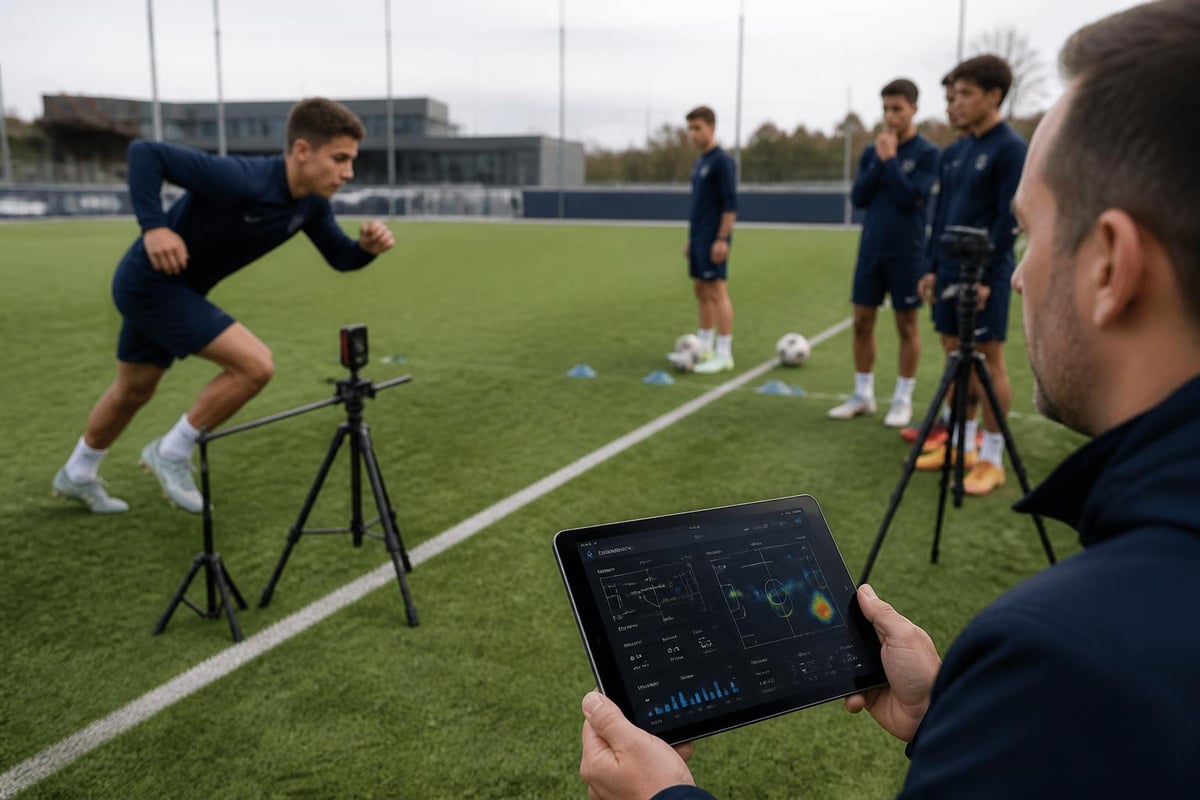
Systematic player assessment forms a critical component of professional soccer academy operations. Regular evaluations track individual progress across technical, tactical, physical, and psychological domains, providing objective data that informs training adjustments and placement decisions.
Modern talent identification moves beyond subjective coach observations to incorporate performance analytics and standardized testing protocols. The data-driven framework for evaluating soccer player performance demonstrates how professional organizations use comprehensive assessment tools to make informed decisions about player development.
Assessment Methods
Professional academies utilize multiple evaluation approaches to gain complete pictures of player capabilities:
- Technical assessments: Standardized drills measuring passing accuracy, dribbling speed, shooting precision
- Physical testing: Speed, agility, strength, and endurance benchmarks
- Match analysis: Performance in competitive situations, decision-making quality
- Coach evaluations: Subjective assessments of attitude, coachability, leadership
- Video review: Analysis of positioning, movement patterns, tactical understanding
The academy structure at leading programs incorporates regular player evaluations that inform individual development plans and ensure each athlete receives appropriate challenges and support.
Competitive Opportunities and Player Pathways
Exposure to appropriate competitive environments accelerates player development and provides context for training efforts. A professional soccer academy carefully selects tournaments, leagues, and showcases that challenge players while supporting their long-term growth rather than prioritizing short-term results.
The competition philosophy at professional academies balances winning with development objectives. While competitive success matters, it never comes at the expense of player growth or the implementation of age-appropriate playing styles.
Pathway to Higher Levels
Clear progression pathways distinguish professional academies from recreational programs. Players and parents understand the steps required to advance within the academy structure and potentially reach collegiate, semi-professional, or professional opportunities.
Many professional soccer academies maintain relationships with college coaches, professional clubs, and identification programs that create visibility for talented players. These connections can open doors that might otherwise remain closed to athletes training in less structured environments.
Typical progression pathway:
- Development Academy (ages 6-12): Fundamental skill building
- Competitive Academy (ages 13-15): Enhanced training intensity, regional competition
- Elite Academy (ages 16-18): College preparation, professional club exposure
- Post-Academy: College programs, semi-professional teams, professional contracts
The various programs offered create multiple entry points and advancement opportunities for players at different developmental stages, ensuring each athlete finds an appropriate training environment.
Parental Involvement and Communication
Professional soccer academies recognize that parents serve as crucial partners in player development. Effective programs maintain transparent communication channels, provide regular updates on player progress, and educate families about age-appropriate expectations and development timelines.
Parent education helps families understand the non-linear nature of talent development. Players progress at different rates, experience temporary plateaus, and may show sudden improvements after periods of apparent stagnation. Professional academies help parents maintain perspective and support their children through the inevitable ups and downs of competitive youth sports.
Setting Realistic Expectations
Many talented young players harbor professional aspirations, and while professional soccer academies nurture these dreams, they also provide realistic perspective about the challenges and probabilities involved. Only a small percentage of youth players reach professional levels, and the journey requires exceptional dedication, talent, and often favorable circumstances.
Quality academies emphasize the transferable benefits of elite soccer training regardless of ultimate playing destination. The discipline, work ethic, resilience, and teamwork developed through professional academy training serve players throughout their lives, whether they reach professional soccer or pursue other paths.
| Parental Support Element | Helpful Approach | Approach to Avoid |
|---|---|---|
| After matches | Ask about effort and enjoyment | Critique performance details |
| During training | Trust the coaching process | Coach from the sideline |
| Goal setting | Support player's intrinsic motivation | Push external achievement focus |
| Setbacks | Encourage resilience and learning | Fix problems immediately |
Selecting the Right Professional Soccer Academy
Parents evaluating professional soccer academy options should look beyond marketing materials to examine the substance of each program. Important considerations include coaching qualifications, training philosophy, player-to-coach ratios, facility quality, and the track record of player development.
Schedule visits to observe training sessions, speak with current academy families, and ask detailed questions about curriculum structure and developmental objectives. The right academy match depends on your player's current ability level, learning style, and long-term goals.
Questions to ask during evaluation:
- What coaching certifications do staff members hold?
- How do you structure training for different age groups?
- What is your player-to-coach ratio during sessions?
- How do you assess player progress and communicate with families?
- What competitive opportunities do you provide?
- Can you share examples of players who have advanced through your pathway?
Understanding what makes training different at various academies helps families identify programs aligned with their values and their player's developmental needs.
Investment and Value Considerations
Professional soccer academy participation represents a significant financial commitment for most families. Training fees, tournament costs, travel expenses, and equipment purchases add up quickly, requiring careful budget planning and family discussions about priorities.
When evaluating cost, consider the value delivered rather than price alone. A more expensive academy with superior coaching, better facilities, and stronger player pathways may provide significantly better return on investment than a cheaper alternative with less qualified staff and limited competitive opportunities.
Many professional academies offer financial assistance, scholarship programs, or payment plans that make participation accessible to talented players from diverse economic backgrounds. Don't let cost concerns prevent inquiries about programs that seem like strong developmental fits.
The research on forecasting player development and value demonstrates how professional organizations assess player potential and make investment decisions, principles that apply to family choices about academy participation as well.
Long-Term Benefits Beyond Soccer
While developing soccer ability remains the primary objective, professional soccer academy participation builds character qualities and life skills with applications far beyond the sport. The discipline, resilience, teamwork, and goal-oriented mindset developed through elite training benefit young people in academic, professional, and personal contexts throughout their lives.
Players learn to manage their time effectively, balancing demanding training schedules with academic responsibilities. They develop social skills through team interactions and build confidence by overcoming challenges and achieving goals. The growth mindset fostered in quality academy environments translates to approaches to learning and problem-solving in all domains.
For parents, the true measure of a professional soccer academy's success extends beyond wins, trophies, or college scholarships. The most valuable outcomes often involve the person your child becomes through the journey: hardworking, resilient, collaborative, and equipped with skills and qualities that serve them throughout life.
The right professional soccer academy provides comprehensive development that prepares young athletes for whatever level they ultimately reach while building character and life skills with lasting value. At Strive Soccer Academy, we bring European-style training philosophy to Surrey, BC, with fully licensed coaches who focus on technical, tactical, physical, and psychological development. Our structured approach creates clear pathways for player advancement while emphasizing the growth and character building that parents value most. Discover how our proven methodology can support your young athlete's soccer journey and personal development.