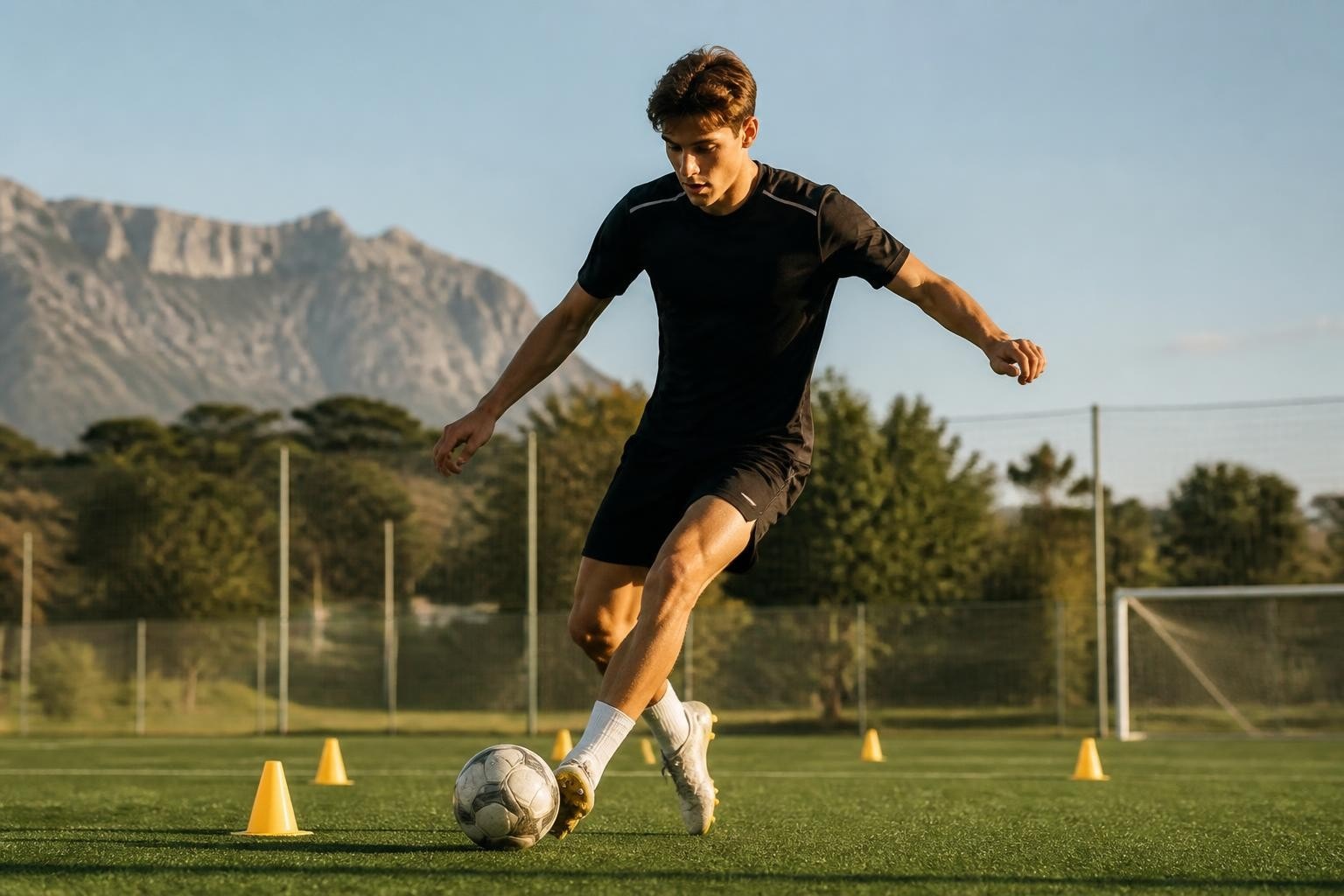
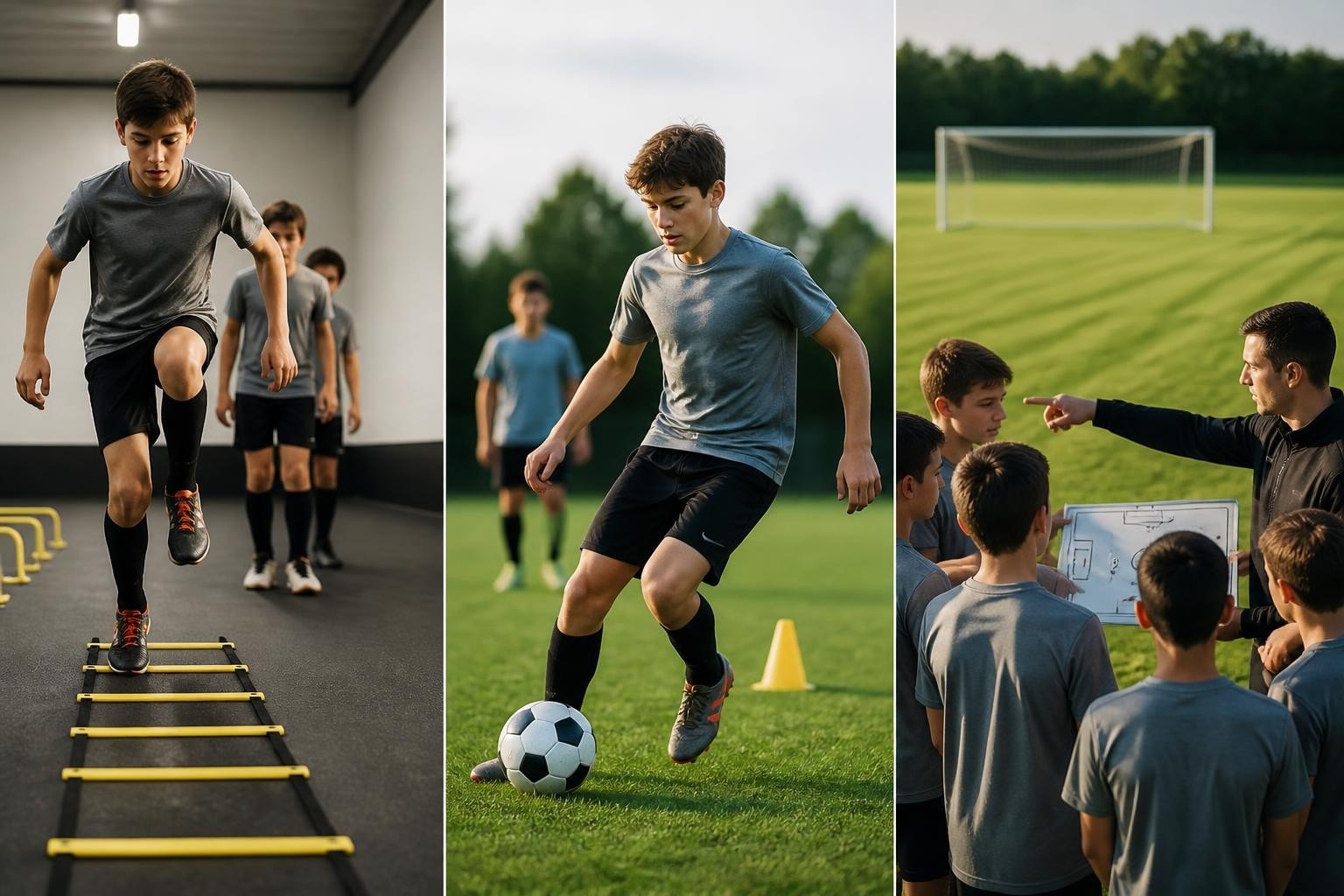
The landscape of players training has evolved dramatically over the past decade, with modern methodologies embracing a holistic approach that extends far beyond simple drills and conditioning. Today's most successful soccer programs recognize that developing elite athletes requires integrating technical mastery, tactical intelligence, physical preparedness, and psychological resilience. For parents seeking the best development opportunities for their young athletes, understanding these comprehensive training principles becomes essential to making informed decisions about their children's soccer journey.
The Four Pillars of Effective Players Training
Modern players training rests on four interconnected pillars that work synergistically to create well-rounded athletes. Each element demands focused attention while remaining integrated with the others.
Technical Development: Building the Foundation
Technical proficiency forms the cornerstone of all successful players training programs. Young athletes must develop comfort with the ball through thousands of purposeful touches that create muscle memory and instinctive control.
The most effective technical training incorporates:
- Ball mastery exercises performed at progressive speeds
- First-touch refinement under varying pressures
- Passing accuracy across multiple distances
- Shooting technique from different angles and positions
- Dribbling patterns that simulate game scenarios
Research demonstrates that neuromuscular training programs significantly enhance technical performance while simultaneously reducing injury risk among young players. This dual benefit makes technical training sessions particularly valuable when structured properly.
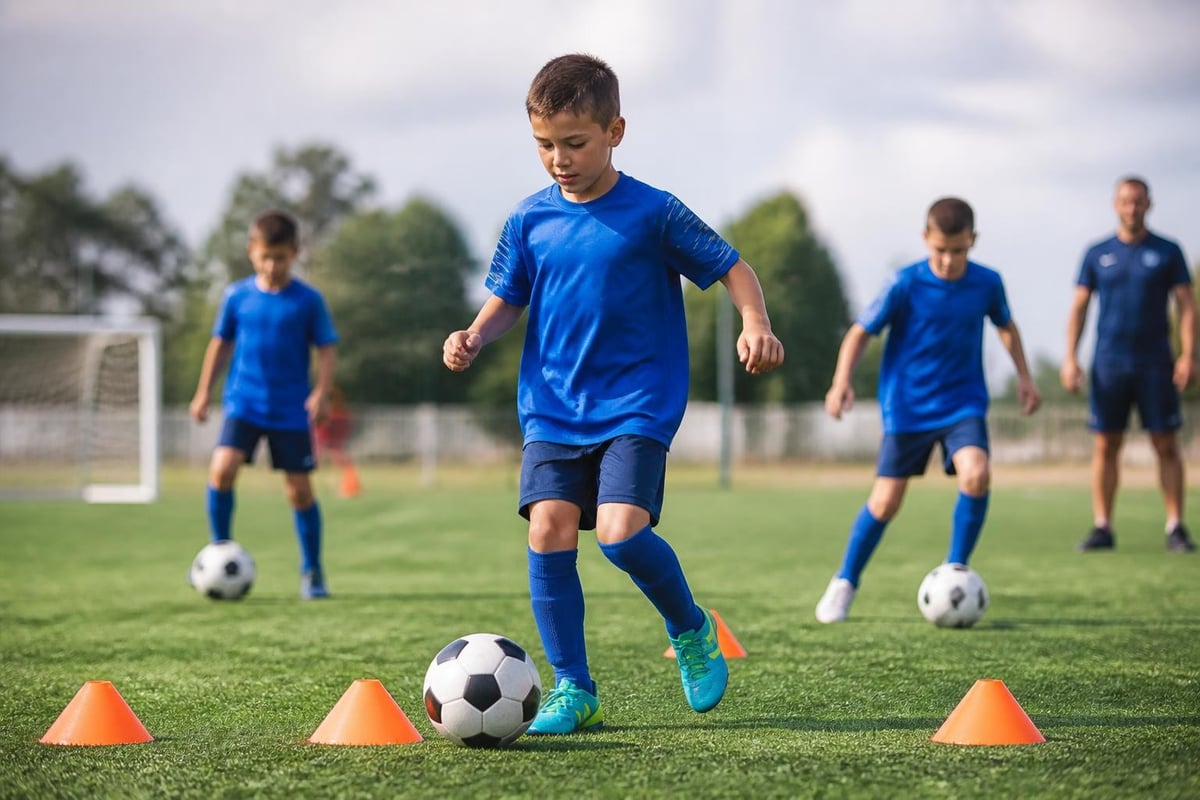
Tactical Intelligence: Reading the Game
Tactical awareness separates good players from great ones. Players training must emphasize decision-making skills that help athletes understand positioning, spacing, and timing.
| Tactical Element | Youth Focus | Advanced Focus |
|---|---|---|
| Positioning | Understanding roles | Anticipating movement |
| Spacing | Maintaining shape | Creating advantages |
| Transition | Recognizing changes | Exploiting moments |
| Communication | Basic calls | Complex coordination |
Young players benefit from training approaches that integrate technical and tactical elements, creating game-realistic scenarios where decision-making occurs under pressure. Small-sided games prove particularly effective for developing tactical intelligence while maintaining high engagement levels.
Physical Conditioning: Building Athletic Capacity
The physical demands of modern soccer require players training programs to address multiple fitness components simultaneously. Speed, agility, endurance, and strength all contribute to on-field success.
Speed and Agility Development
Sprint performance directly impacts game outcomes. Players who can accelerate quickly, change direction efficiently, and maintain top speed create scoring opportunities and defensive recoveries.
Evidence from systematic reviews on sprint training methods reveals that properly structured speed programs significantly enhance medium- to long-distance sprinting capabilities in soccer athletes. These improvements translate directly to better field coverage and competitive advantages.
Speed, agility, and quickness training should include:
- Linear sprint work with proper mechanics
- Multi-directional movement patterns
- Reactive agility drills
- Plyometric exercises for explosive power
- Deceleration techniques for injury prevention
The effectiveness of SAQ training programs has been well-documented, showing measurable improvements across multiple performance metrics when implemented consistently.
Endurance and Stamina Building
Soccer demands sustained effort over extended periods. Players training must develop both aerobic capacity for continuous running and anaerobic power for high-intensity bursts.
Traditional endurance runs offer different benefits than small-sided game training. Comparative research on these approaches shows that both methods produce valuable adaptations, though in slightly different physiological systems. The most comprehensive programs incorporate both methodologies strategically.
Psychological Preparation: The Mental Game
Mental resilience and confidence often determine outcomes in competitive situations. Players training that neglects psychological development leaves athletes unprepared for high-pressure moments.
Building Confidence Through Mastery
Confidence grows through demonstrated competence. Training sessions should be structured to provide challenging but achievable goals that allow players to experience regular success while pushing their boundaries.
- Set incremental skill targets that build progressively
- Create competitive scenarios with appropriate difficulty levels
- Provide specific, constructive feedback that guides improvement
- Celebrate effort and progress, not just outcomes
- Teach self-assessment skills for independent development
Developing Mental Toughness
Soccer presents constant challenges that test composure and determination. Players must learn to manage frustration, maintain focus during adversity, and rebound from mistakes quickly.
Players training environments should normalize failure as part of growth, teaching athletes to view setbacks as information rather than judgments. This perspective shift fundamentally changes how young players approach challenges and persist through difficulties.

Structured Training Methodologies
The organization and progression of players training significantly impacts development outcomes. Random activities produce random results, while systematic approaches generate consistent improvement.
Periodization Principles
Effective training programs follow periodization models that vary intensity, volume, and focus across different timeframes. This variation prevents overtraining while optimizing adaptation and performance peaks.
| Period | Duration | Primary Focus | Intensity Level |
|---|---|---|---|
| Preparation | 4-6 weeks | Base building | Moderate |
| Pre-competition | 2-3 weeks | Specific skills | High |
| Competition | Variable | Maintenance | Mixed |
| Recovery | 1-2 weeks | Regeneration | Low |
Modern approaches to translating player monitoring data into training prescriptions help coaches optimize load management and prevent overuse injuries while maximizing development.
Session Structure and Progression
Each players training session should follow a logical flow that prepares the body, develops skills, and allows appropriate recovery.
- Dynamic warm-up (10-15 minutes): Movement preparation and injury prevention
- Technical focus (20-25 minutes): Skill development with clear objectives
- Tactical application (25-30 minutes): Game-realistic scenarios
- Competitive play (20-25 minutes): Small-sided or full games
- Cool-down (5-10 minutes): Active recovery and stretching
This structure ensures comprehensive development while maintaining engagement through varied activities.
Injury Prevention Through Smart Training
Injury prevention must be integrated into players training, not treated as a separate concern. Proper warm-up protocols, appropriate load management, and neuromuscular conditioning all contribute to keeping athletes healthy.
The FIFA 11+ program demonstrates significant benefits for soccer-specific performance and functional movement when implemented consistently. This evidence-based warm-up routine reduces injury rates while enhancing physical capabilities.
Load Management Principles
Smart players training balances challenge with recovery. Young athletes need different load patterns than professionals, with emphasis on variety over volume.
- Monitor training and game minutes weekly
- Ensure adequate rest between high-intensity sessions
- Vary activities to prevent overuse injuries
- Watch for signs of fatigue or declining performance
- Adjust intensity based on growth phases and life stress
Age-Appropriate Training Considerations
Players training must adapt to developmental stages. What works for teenagers may harm younger children, while what engages eight-year-olds bores fifteen-year-olds.
Youth Development Stages
Understanding biological and psychological development informs effective program design.
- Ages 6-9: Focus on fun, basic motor skills, and ball familiarity
- Ages 10-12: Introduce tactical concepts, refine techniques, develop coordination
- Ages 13-15: Emphasize position-specific skills, tactical intelligence, physical development
- Ages 16-18: Advanced tactics, performance optimization, college/professional preparation
Programs like those offered through academy-level training recognize these distinctions and structure sessions accordingly, ensuring age-appropriate challenges that maximize growth without risking burnout or injury.
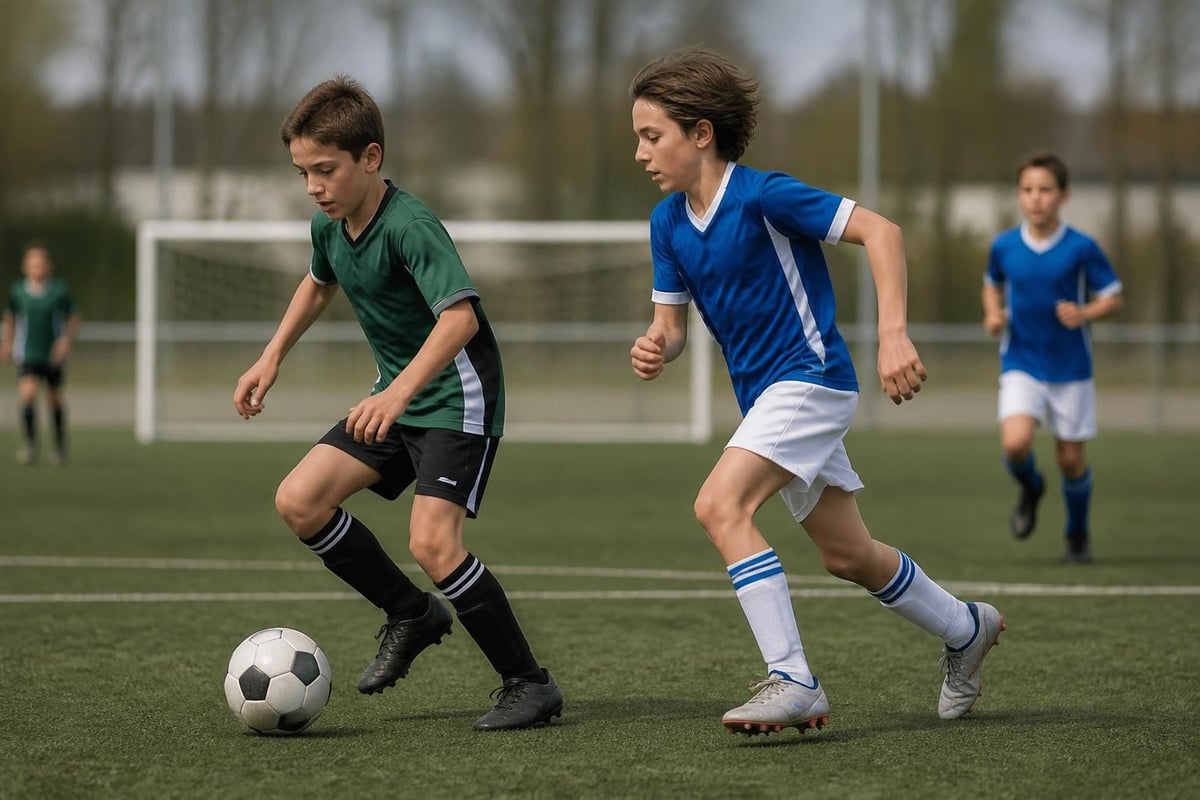
Training Environment and Culture
The atmosphere surrounding players training shapes outcomes as much as the activities themselves. Positive, challenging environments produce engaged, resilient athletes.
Creating Optimal Learning Conditions
Effective players training requires:
- Clear communication of expectations and objectives
- Positive reinforcement that encourages risk-taking and creativity
- Appropriate challenge levels that stretch without overwhelming
- Consistent standards that apply equally to all participants
- Growth mindset culture that values effort and improvement
Coaching Quality and Expertise
Licensed, educated coaches make measurable differences in player development. Certification ensures coaches understand pedagogy, child development, and sport-specific expertise necessary for effective instruction.
Programs with fully licensed coaching staff provide parents confidence that their children receive instruction grounded in best practices and current research.
Integration of Training Components
The most effective players training doesn't separate technical, tactical, physical, and psychological elements into isolated sessions. Instead, integrated approaches combine multiple components within each activity.
Game-Based Training Models
Small-sided games naturally incorporate all four development pillars while maintaining high engagement. Players must execute technical skills under physical fatigue while making tactical decisions and managing competitive emotions.
Research consistently demonstrates superior outcomes from training methods that mirror game conditions. Players transfer skills more effectively when they practice in contexts similar to actual competition.
Competitive Opportunities
Regular competition provides essential feedback and motivation for players training. Tournament participation allows athletes to test skills under pressure, experience different playing styles, and develop competitive resilience.
Competition should be:
- Age and skill-level appropriate
- Balanced with training time
- Used for learning, not just winning
- Varied in format and intensity
- Followed by constructive review
Monitoring Progress and Development
Systematic assessment ensures players training produces intended outcomes. Without measurement, programs cannot verify effectiveness or identify areas needing adjustment.
| Assessment Category | Evaluation Methods | Frequency |
|---|---|---|
| Technical Skills | Skill tests, video analysis | Monthly |
| Tactical Understanding | Game situation responses | Ongoing |
| Physical Fitness | Speed, agility, endurance tests | Quarterly |
| Psychological Growth | Self-reports, coach observations | Monthly |
Regular feedback sessions with players and parents ensure alignment between training objectives and actual development, creating accountability and clarity throughout the process.
Parental Role in Player Development
Parents significantly influence their children's soccer journey. Understanding how to support without pressuring makes crucial differences in long-term outcomes.
Supporting Optimal Development
Effective parental involvement includes:
- Maintaining positive attitudes regardless of performance outcomes
- Asking open-ended questions about enjoyment and learning
- Ensuring proper nutrition, hydration, and sleep
- Respecting coaching decisions and program structures
- Celebrating effort and improvement over results
Overly involved parents can undermine players training benefits. Finding the balance between support and space allows young athletes to develop independence and intrinsic motivation essential for sustained success.
Long-Term Athletic Development
Players training should align with long-term development pathways rather than short-term results. Rush to early specialization often backfires, producing burnout and limiting ultimate potential.
The Multi-Sport Advantage
Young athletes benefit from participating in multiple sports. Cross-training develops varied movement patterns, prevents overuse injuries, maintains engagement through variety, and allows later specialization from a broader athletic foundation.
Soccer-specific focus becomes appropriate in mid to late teenage years, allowing earlier childhood years to build general athleticism and sport enjoyment.
For families committed to soccer development, high-performance training programs provide intensive skill development during specific periods while still allowing broader athletic participation throughout the year.
Technology and Training Innovation
Modern players training increasingly incorporates technological tools that enhance learning and track progress. Video analysis, GPS tracking, and performance apps provide insights previously unavailable to youth programs.
Effective Technology Integration
Technology should enhance, not replace, quality coaching and player engagement. Useful applications include:
- Video review for tactical learning and technical correction
- Performance tracking for load management and progress documentation
- Communication platforms for schedule management and educational content
- Skill development apps for supplementary home practice
The human element remains central to effective players training. Technology provides tools, but coaches provide expertise, mentorship, and the relationship foundations essential for development.
Comprehensive players training develops young athletes across technical, tactical, physical, and psychological dimensions through structured, age-appropriate programming that balances challenge with support. For families in Surrey, BC seeking this holistic approach, Strive Soccer Academy delivers European-style training philosophy through fully licensed coaches committed to building skills, character, and real opportunities for young soccer players.