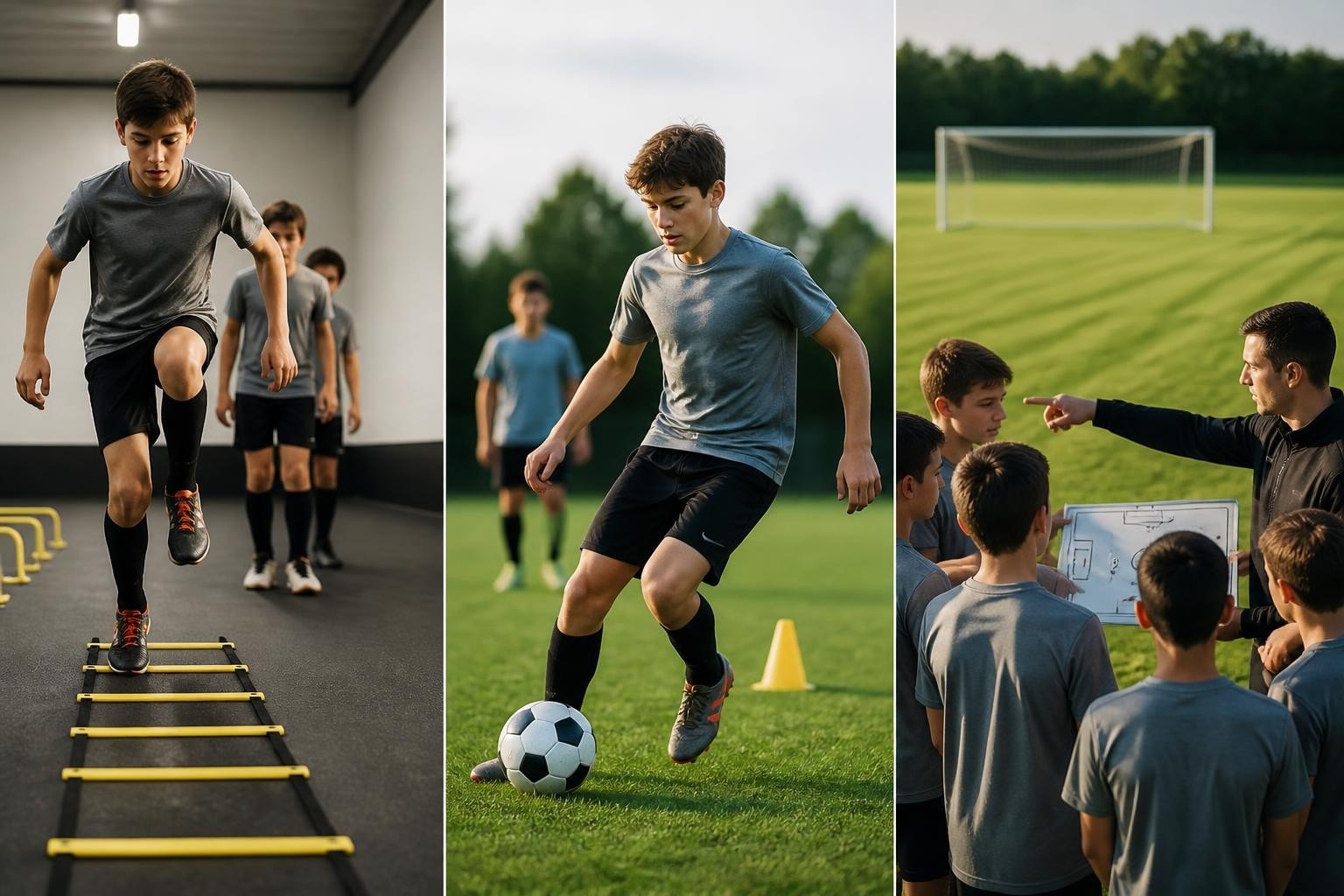
The concept of a player academy has revolutionized how young soccer athletes develop their skills and prepare for competitive play. Unlike traditional recreational programs that focus primarily on game time and basic drills, a structured player academy provides comprehensive development across multiple dimensions of athletic performance. These specialized training environments create pathways for youth athletes to reach their full potential through systematic coaching, age-appropriate progressions, and a holistic approach to player development. For parents seeking more than just weekend games for their children, understanding what distinguishes a quality player academy from standard soccer programs becomes essential in making informed decisions about their young athlete's training journey.
The Four Pillars of Player Development
A comprehensive player academy builds its curriculum around four fundamental pillars that work together to create well-rounded athletes. These pillars represent the complete spectrum of what modern soccer demands from its players.
Technical Development: Mastering the Fundamentals
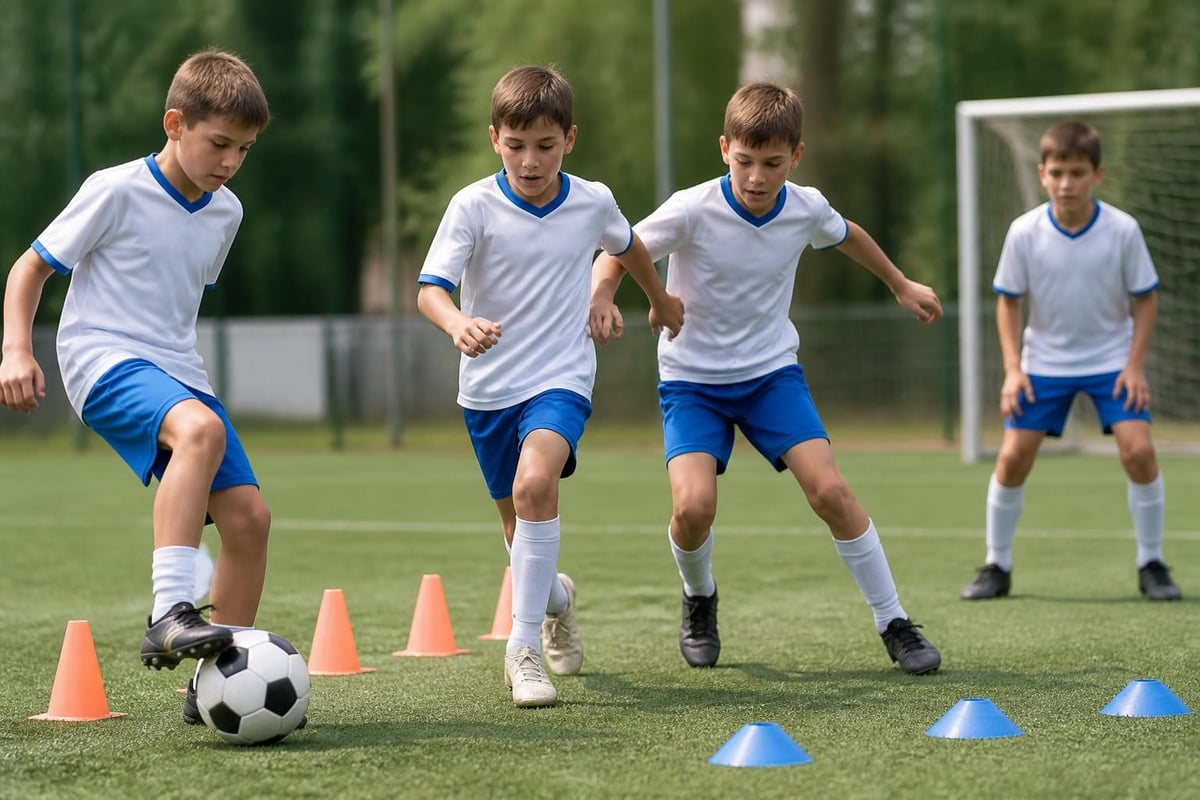
Technical proficiency forms the foundation of every successful player academy. This pillar focuses on individual ball skills that players need to execute effectively in game situations.
Key technical elements include:
- First touch and ball control under pressure
- Passing accuracy with both feet
- Dribbling techniques in tight spaces
- Shooting mechanics and finishing
- Receiving skills from various angles
- Defensive techniques and positioning
The best academies structure technical training through deliberate practice methods that challenge players at appropriate difficulty levels. Young athletes benefit most when they receive immediate feedback and opportunities to refine movements through repetition with variation.
Research shows that evaluating soccer player performance through data-driven frameworks helps academies identify specific technical areas where individual players need focused development. This analytical approach ensures training time addresses actual weaknesses rather than perceived gaps.
Tactical Intelligence: Reading the Game
While technical skills determine what players can do with the ball, tactical development teaches them when and where to apply those skills. A quality player academy emphasizes decision-making as much as execution.
Tactical training covers multiple aspects:
| Tactical Category | Key Components | Age-Appropriate Focus |
|---|---|---|
| Individual Tactics | 1v1 situations, positioning, movement off ball | U8-U10: Basic concepts |
| Small Group Tactics | Combination play, overlaps, supporting runs | U11-U13: Building blocks |
| Team Tactics | Formation understanding, pressing systems, transitions | U14+: Advanced concepts |
Young players develop tactical awareness through small-sided games where they encounter decision points repeatedly. These constrained environments allow coaches to freeze moments and highlight optimal choices, building a mental library of tactical solutions.
The Los Angeles Football Club’s Academy demonstrates how structured tactical development integrates with technical training, creating players who think as quickly as they move. Their systematic approach shows that tactical intelligence develops progressively when coaches present age-appropriate challenges.
Physical Development: Building Athletic Foundations
Physical conditioning within a player academy extends beyond simple fitness. Age-appropriate strength, speed, agility, and endurance training helps young athletes meet the demands of competitive soccer while reducing injury risk.
Physical development programs address:
- Movement mechanics and coordination
- Speed and agility training
- Strength development appropriate to growth stages
- Flexibility and mobility work
- Injury prevention exercises
- Recovery protocols
Programs like those at Strive Soccer Academy incorporate European training methodologies that balance physical demands with developmental needs. This approach recognizes that overtraining young athletes can be as detrimental as undertraining them.
Modern player academies utilize periodization models that align physical training with competitive schedules. These cycles ensure players peak for important competitions while maintaining consistent development throughout the year.
Psychological Resilience: Developing the Mental Game
The psychological pillar often receives less attention than other areas, yet it significantly impacts player performance and longevity in the sport. A complete player academy addresses mental skills systematically.
Mental development components include:
- Confidence building through success experiences
- Resilience training for handling setbacks
- Focus and concentration techniques
- Goal-setting frameworks
- Competitive mindset development
- Team dynamics and communication
Players who develop psychological resilience handle pressure situations more effectively and maintain performance levels when facing adversity. This mental strength often differentiates players with similar technical abilities when they reach higher competitive levels.
The Academy Pathway: From Grassroots to Elite
Understanding the player academy pathway helps parents recognize where their children fit within the development spectrum and what opportunities may emerge as they progress.
Recreational to Competitive Transition
Most young players begin their soccer journey in recreational settings before transitioning to more structured academy environments. This transition typically occurs between ages 8-10, when children demonstrate consistent interest and developing skill levels.
The shift involves several changes:
- Increased training frequency (from 1-2 to 3-4 sessions weekly)
- Higher technical and tactical expectations
- Introduction to competitive league play
- Greater time commitment from families
- Enhanced coaching expertise and licensed instructors
Parents should evaluate whether their child shows genuine enthusiasm for additional training rather than pushing competitive involvement prematurely. The best player academy programs assess readiness across technical, physical, and emotional dimensions.
Competitive to Pre-Elite Development
As players demonstrate consistent skill improvement and competitive drive, they may advance to pre-elite academy levels. These programs typically serve ages 11-14 and feature:
- Advanced tactical concepts
- Position-specific training elements
- Exposure to showcase tournaments
- College recruitment awareness (for older groups)
- Leadership development opportunities
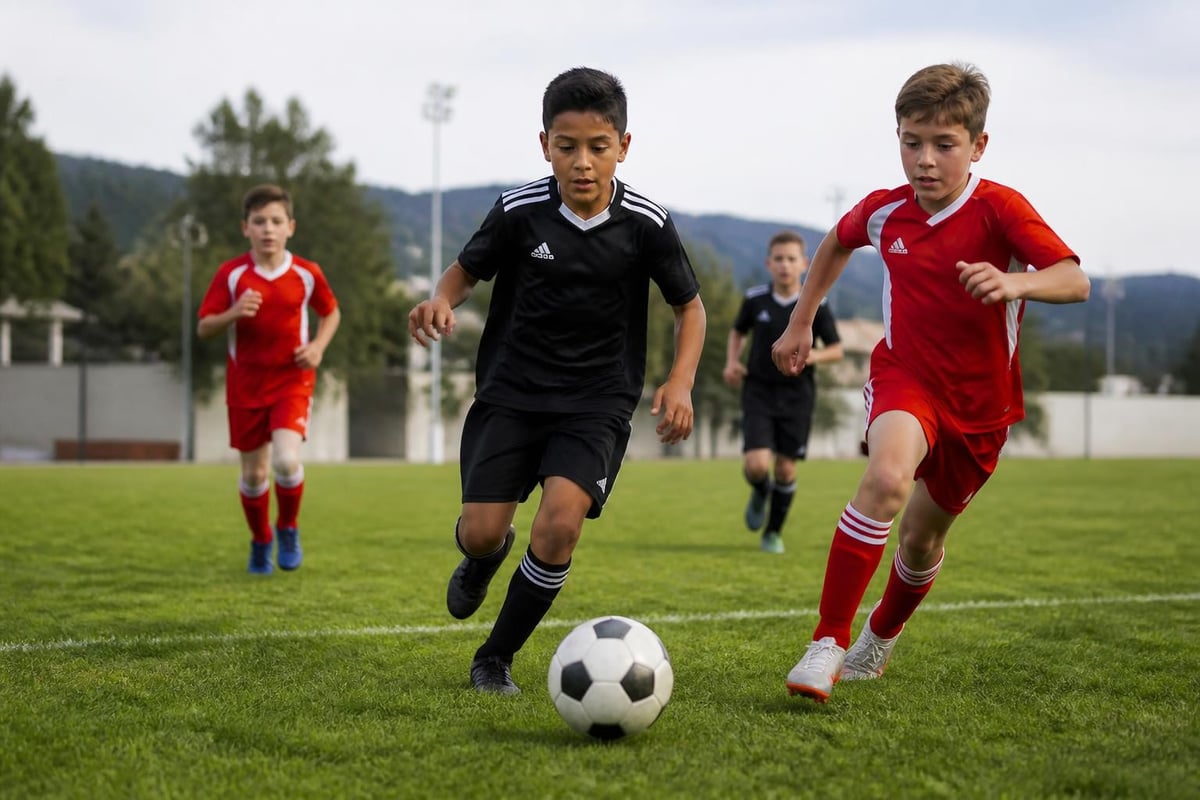
Major League Soccer academies illustrate how pre-elite development creates pipelines to professional opportunities. While most young players won't reach professional levels, the same developmental principles that prepare elite athletes also create exceptional youth players who excel in college programs and beyond.
Elite and Professional Pathways
The highest levels of player academy development prepare athletes for professional and collegiate soccer. Programs like the New England Revolution’s Residency Program demonstrate the intensive commitment required at elite levels.
Elite pathway characteristics include:
| Feature | Pre-Elite | Elite Academy |
|---|---|---|
| Training Volume | 6-8 hours/week | 12-15+ hours/week |
| Competition Level | Regional/state | National/international |
| Academic Integration | Standard schooling | Flexible or integrated programs |
| Professional Pathway | Limited | Direct connections |
| Coaching Credentials | Provincial licenses | National A licenses |
These advanced programs require significant sacrifices from families, including time commitments, travel demands, and financial investments. Parents must carefully weigh whether their child possesses both the ability and desire to pursue this intensive pathway.
Choosing the Right Player Academy
Selecting an appropriate player academy requires research and careful consideration of multiple factors beyond simple convenience or cost.
Coaching Quality and Credentials
The coaching staff represents the most critical factor in academy selection. Fully licensed coaches with Canada Soccer certifications ranging from National A Licenses to Soccer for Life credentials bring proven expertise to player development.
Evaluation criteria for coaching quality:
- Official licensing through national governing bodies
- Continuing education participation
- Playing and coaching experience levels
- Player-to-coach ratios during training
- Communication style and accessibility
Quality coaches create environments where players feel challenged yet supported, pushing them beyond comfort zones while building confidence through achievable progressive goals. Observing training sessions provides valuable insights into coaching philosophy and teaching methods.
Training Philosophy and Curriculum
Understanding an academy's training philosophy helps parents determine alignment with their family's values and goals. European-style training methodologies, for instance, emphasize technical development and tactical creativity alongside physical conditioning.
The best player academy programs provide transparent curriculum details showing:
- Skill progressions mapped to age groups
- Balance between technical, tactical, physical, and psychological training
- Small-sided game utilization for development
- Individual player assessment protocols
- Communication systems for parent updates
Programs that clearly articulate their developmental philosophy and back it with structured curricula demonstrate professionalism and intentionality in their approach.
Facility Quality and Training Environment
While facilities don't develop players, appropriate training environments support effective learning. Quality academies provide:
- Proper field surfaces for various weather conditions
- Adequate lighting for year-round training
- Age-appropriate equipment and goals
- Safe, well-maintained spaces
- Video analysis capabilities
The training environment also encompasses the culture that coaches and administrators create. Positive, growth-oriented cultures where mistakes become learning opportunities foster better long-term development than environments focused solely on winning.
Player Development Track Record
Examining where former academy players have progressed provides evidence of program effectiveness. Look beyond just the handful who reached professional levels to the broader population of academy graduates.
Success indicators include:
- College placement rates and scholarship awards
- Movement to higher competitive levels
- Retention rates year-over-year
- Player satisfaction and family testimonials
- Alumni engagement with the program
Programs that celebrate diverse success measures-from college opportunities to leadership development to lifelong sport participation-typically provide more balanced developmental experiences than those focused exclusively on elite pathways.
Integration of Modern Technology and Analytics
Contemporary player academy programs increasingly leverage technology to enhance development and provide objective performance feedback.
Video Analysis and Performance Review
Video technology allows players to visualize their performance, identifying areas for improvement that might otherwise remain invisible. Advanced player assessment using live camera feeds represents cutting-edge approaches to performance evaluation in academy settings.
Effective video analysis includes:
- Game footage review highlighting tactical decisions
- Technical skill demonstrations with comparison to proper form
- Individual player compilations for recruitment purposes
- Team tactical reviews identifying patterns and adjustments
When coaches facilitate video sessions constructively, players develop self-awareness and critical thinking about their performance rather than just relying on coach feedback.
Data-Driven Development Plans
Modern academies track various performance metrics to guide individual development plans and monitor progress over time. These might include technical assessments, physical testing results, and tactical understanding evaluations.
Parents should inquire about:
- What metrics the academy tracks
- How frequently assessments occur
- How data informs training modifications
- Whether families receive performance reports
- Privacy protections for player data

The goal isn't to reduce players to numbers but to supplement coaching expertise with objective information that identifies trends and validates training effectiveness.
The Role of Competition in Player Development
Competition provides essential context where players apply skills learned in training environments. A balanced player academy approach integrates appropriate competitive opportunities without overemphasizing winning at the expense of development.
Competitive Philosophy and Age-Appropriate Expectations
Different age groups require different competitive approaches. Younger players (U8-U10) benefit most from festivals and small-sided games that maximize touches and decision-making opportunities. Older athletes (U14+) need exposure to higher-level competition that challenges their developing abilities.
Quality academies articulate clear competitive philosophies that:
- Prioritize development over short-term results for younger ages
- Gradually introduce competitive intensity as players mature
- Ensure playing time policies support learning
- Prepare players mentally for competitive pressure
- Help families maintain perspective on wins and losses
Programs that chase championships with young teams often sacrifice long-term development for short-term success, potentially limiting player growth.
Showcase Tournaments and Exposure Events
For players pursuing college or professional pathways, showcase tournaments provide visibility to coaches and scouts. However, these events work best when players have developed sufficient skill levels to compete effectively.
The New England Revolution Academy teams demonstrate how structured competitive schedules balance local league play with regional and national showcase opportunities. This progression ensures players build confidence before facing elite competition.
Parents should understand that showcase participation makes sense primarily for older, advanced players (typically U14+) rather than younger age groups still building fundamental skills.
Building Character Through Academy Experience
Beyond soccer skills, quality player academy programs develop character attributes that benefit young people throughout their lives.
Leadership Development
Academy environments create numerous leadership opportunities as players mature. Captaincy roles, mentoring younger players, and representing the academy at events all contribute to leadership growth.
Effective programs intentionally cultivate leadership through:
- Rotating captain responsibilities
- Peer coaching opportunities
- Community service requirements
- Player councils providing input on team matters
- Recognition of various leadership styles
These experiences teach players that leadership extends beyond vocal direction to include leading by example, supporting teammates, and maintaining standards.
Resilience and Growth Mindset
Soccer inherently teaches resilience through its challenges and setbacks. Players miss shots, lose games, and face criticism. How coaches frame these experiences determines whether they build or undermine resilience.
Growth-oriented player academy programs help athletes:
- View mistakes as learning opportunities
- Set process goals alongside outcome goals
- Develop problem-solving approaches to challenges
- Maintain effort through difficult periods
- Celebrate improvement as much as achievement
Programs that cultivate growth mindsets produce players who persist through adversity and continue developing long after leaving the academy.
Time Management and Commitment
Balancing academy training with academics, family time, and other activities teaches valuable time management skills. Young athletes learn to prioritize commitments, plan ahead, and communicate when conflicts arise.
Parents support this development by:
- Allowing children to manage their schedules (with guidance)
- Enforcing training attendance expectations
- Helping prioritize academics alongside athletics
- Modeling balanced commitment to various responsibilities
These skills transfer directly to college and career settings where managing multiple priorities becomes essential for success.
Parent Partnership in Academy Success
Parents play crucial supporting roles in their children's player academy experience. Understanding this partnership dynamic enhances outcomes for young athletes.
Communication and Expectation Alignment
Open communication between parents, coaches, and players prevents misunderstandings and ensures everyone works toward aligned goals. Quality academies establish clear communication protocols including:
| Communication Channel | Purpose | Frequency |
|---|---|---|
| Parent meetings | Season overview, policy explanations | Seasonal |
| Progress reports | Individual development updates | Quarterly |
| Email updates | Schedule changes, announcements | Weekly/as needed |
| Coach availability | Individual concerns, questions | By appointment |
Parents should feel comfortable asking questions while respecting coaching expertise and avoiding interference during training or games.
Supporting Without Pressuring
The most effective parent support balances encouragement with allowing children to own their soccer journey. This means:
- Asking what they enjoyed rather than critiquing performance after games
- Supporting their decisions about effort level and commitment
- Avoiding comparisons with teammates or siblings
- Celebrating effort and improvement over results
- Recognizing when to step back from involvement
Children who feel supported rather than pressured develop healthier relationships with soccer and maintain participation longer.
Financial Investment and Value Assessment
Player academy participation represents significant financial investment including registration fees, equipment, travel costs, and tournament expenses. Families should:
- Understand all costs upfront before committing
- Evaluate value based on coaching quality and development approach
- Consider whether financial strain might impact family well-being
- Explore scholarship or financial assistance options if available
- Reassess value annually as children's interest and commitment evolve
The return on investment comes through skill development, life lessons, and enjoyment rather than guaranteed professional contracts or scholarships. Programs like Strive’s camps offer high-performance training opportunities that provide concentrated development experiences for families seeking intensive skill-building periods.
A quality player academy transforms young athletes by addressing technical skills, tactical intelligence, physical conditioning, and psychological resilience through structured, progressive training. Parents seeking comprehensive development for their children should evaluate coaching credentials, training philosophy, competitive approach, and the culture that shapes daily experiences. Strive Soccer Academy brings European-style training methodology to Surrey, BC, with fully licensed coaches delivering programs that build complete players ready for whatever level they choose to pursue. Whether your young athlete dreams of college soccer or simply wants to develop their abilities in a professional environment, the right academy partnership creates opportunities that extend far beyond the field.