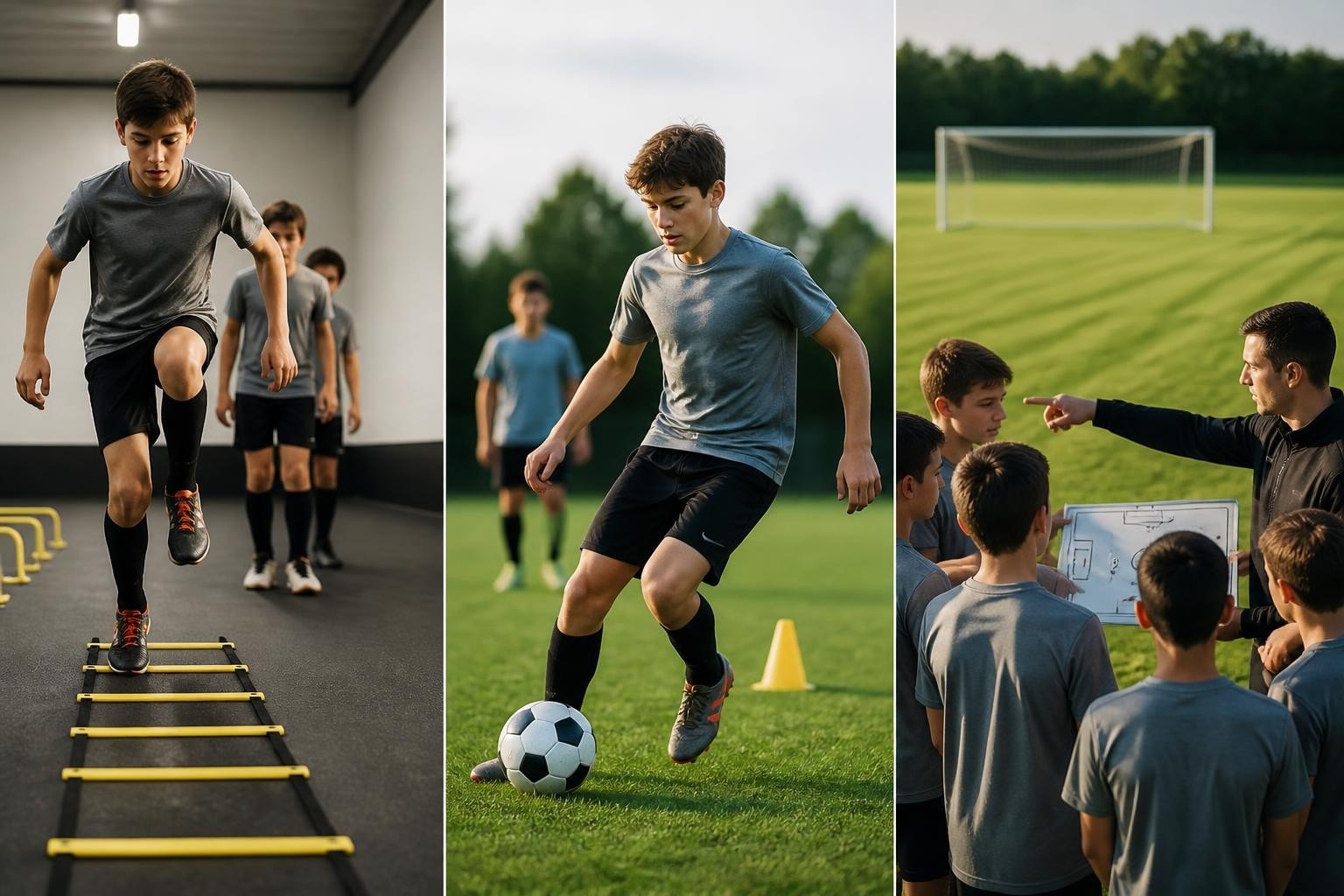
Parents seeking to elevate their child's soccer abilities beyond recreational leagues often search for high performance soccer training Surrey programs that deliver measurable results. The difference between standard training and high-performance development lies in the structure, coaching expertise, and commitment to holistic player growth. In Surrey, British Columbia, the landscape of elite soccer training has evolved significantly, bringing European methodologies and professional-grade coaching to young athletes who aspire to compete at higher levels. Understanding what separates exceptional training programs from ordinary sessions helps parents make informed decisions about their child's athletic future.
What Defines High Performance Soccer Training
High performance soccer training represents a comprehensive approach to player development that extends far beyond basic drills and scrimmages. These programs focus on developing complete players through four fundamental pillars: technical skill mastery, tactical understanding, physical conditioning, and psychological strength.
Technical development in high-performance environments emphasizes ball mastery under pressure, first-touch quality, passing accuracy, and shooting technique. Training sessions incorporate thousands of ball contacts, ensuring players develop muscle memory for essential skills. The intensity and repetition required separate high-performance training from recreational programs.
The European Training Philosophy
European soccer academies have long been recognized for producing world-class talent through structured, intentional development pathways. High performance soccer training Surrey programs increasingly adopt these proven methodologies, which prioritize individual technical development before team tactics.
The European approach emphasizes:
- Individual skill development through position-specific training
- Game intelligence that teaches decision-making under pressure
- Long-term athlete development rather than short-term wins
- Age-appropriate progression that builds upon foundational skills
This systematic approach ensures players develop proper techniques early, preventing bad habits that become difficult to correct later. Programs following European-style training philosophies create environments where technical excellence becomes the foundation for tactical success.
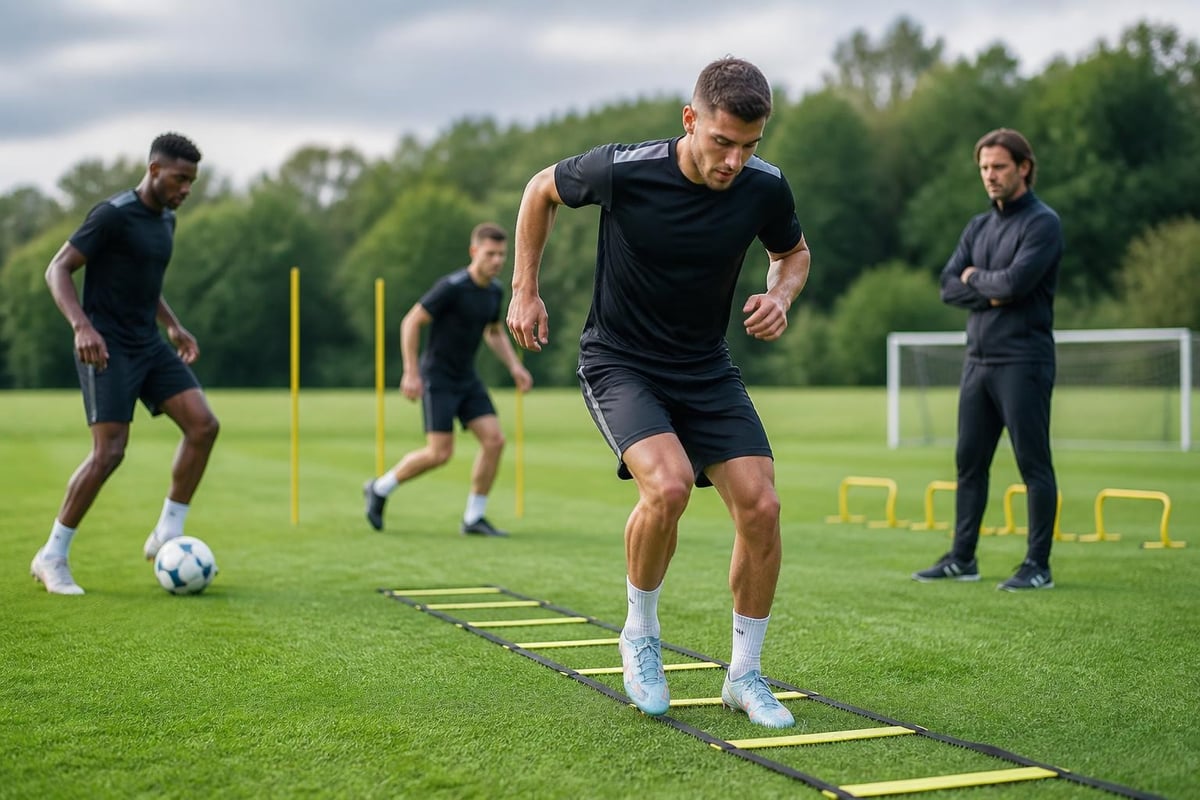
Technical Excellence as Foundation
Technical training in high-performance programs demands precision and consistency. Players engage in structured drills designed to improve specific skills while maintaining game-realistic conditions. The technical training methodology focuses on developing comfort with the ball in all situations.
| Technical Component | Training Focus | Performance Outcome |
|---|---|---|
| First Touch | Ball control under pressure | Faster decision-making |
| Passing Accuracy | Short and long distribution | Better possession retention |
| Dribbling | Change of pace and direction | 1v1 success rate |
| Shooting | Power and placement | Clinical finishing |
Sessions typically dedicate 30-40 minutes to pure technical work before introducing tactical elements. This ensures players build the technical capacity necessary for executing complex game strategies.
Physical and Tactical Development Integration
High performance soccer training Surrey programs recognize that physical development must align with technical progression. Young athletes require age-appropriate conditioning that builds strength, speed, and endurance without risking injury or burnout.
Periodization plays a crucial role in physical development. Training cycles alternate between building phases, peak performance periods, and recovery intervals. This scientific approach prevents overtraining while maximizing athletic gains.
Tactical Intelligence in Modern Soccer
Understanding when and where to execute skills separates good players from exceptional ones. Tactical training develops game intelligence through:
- Position-specific responsibilities that teach role clarity
- Pattern recognition that accelerates decision-making
- Transition play covering attacking and defensive phases
- Set-piece execution for dead-ball situations
- Pressing strategies coordinated across the team
Players learn to read the game, anticipate opponent movements, and exploit tactical advantages. This mental aspect of soccer often determines success at competitive levels. Facilities like Newton Athletic Park provide the full-sized fields necessary for tactical training sessions that replicate match conditions.
Small-Sided Games for Accelerated Learning
High-performance training incorporates small-sided games that increase ball touches and decision-making opportunities. Playing 4v4 or 5v5 on smaller fields creates more game-realistic pressure than traditional 11v11 formats for youth players.
Benefits include:
- Increased ball contacts compared to full-field games
- More shooting opportunities that build confidence
- Greater tactical awareness from constant involvement
- Enhanced fitness through continuous movement
These modified games develop creativity and problem-solving abilities that translate directly to competitive matches.
Psychological Development and Mental Toughness
The psychological component of high performance soccer training Surrey programs often receives less attention than physical and technical elements, yet it significantly impacts player success. Mental resilience, confidence, and composure under pressure distinguish elite performers.
Growth mindset cultivation helps young athletes embrace challenges as learning opportunities rather than threats. Coaches trained in sports psychology create environments where mistakes become teaching moments rather than sources of shame or punishment.
Building Confidence Through Competence
Systematic skill progression builds genuine confidence rooted in ability rather than empty encouragement. Players who master foundational techniques develop the self-assurance needed to attempt advanced skills during competitive matches.
Training sessions structured around incremental challenges allow athletes to experience regular success while continuously pushing boundaries. This balance prevents both boredom from exercises that are too easy and frustration from demands that exceed current capabilities.
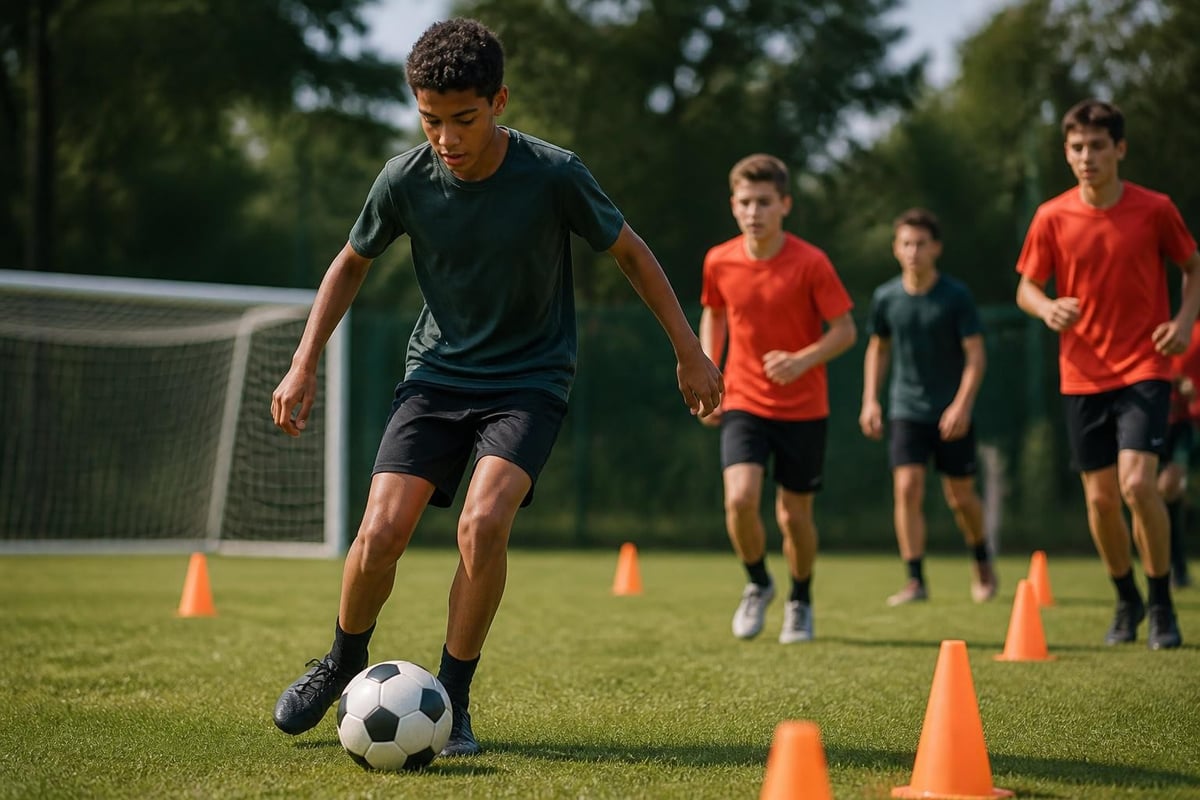
| Mental Skill | Training Method | Game Application |
|---|---|---|
| Focus | Distraction drills | Concentration in chaos |
| Resilience | Pressure scenarios | Recovery from mistakes |
| Confidence | Progressive mastery | Attempting skills in matches |
| Composure | High-intensity training | Calm decision-making |
Programs that address psychological development produce players who perform consistently across various competitive environments. Organizations like Kickstart Coaching emphasize creating safe yet challenging environments that foster both skill and character development.
Licensed Coaching Makes the Difference
The quality of instruction fundamentally determines training effectiveness. High performance soccer training Surrey programs employ coaches with recognized certifications from Canada Soccer, ranging from grassroots Soccer for Life credentials to advanced National A Licenses.
Licensed coaches bring:
- Evidence-based training methodologies
- Age-appropriate development knowledge
- Safety and injury prevention expertise
- Effective communication strategies
- Continuous professional development
These qualifications ensure players receive instruction grounded in current best practices rather than outdated approaches. The coaching staff at facilities like GFC Soccer Training demonstrates the commitment to qualified instruction that characterizes serious development programs.
What Makes Training Different
Parents often wonder what separates exceptional programs from standard offerings. The answer lies in intentional design across multiple dimensions. Understanding what makes training different helps families identify programs aligned with their developmental goals.
Key differentiators include:
- Session structure with clear objectives for each training component
- Coach-to-player ratios allowing individualized attention
- Facility quality providing consistent training conditions
- Development tracking measuring progress over time
- Competitive opportunities testing skills against quality opposition
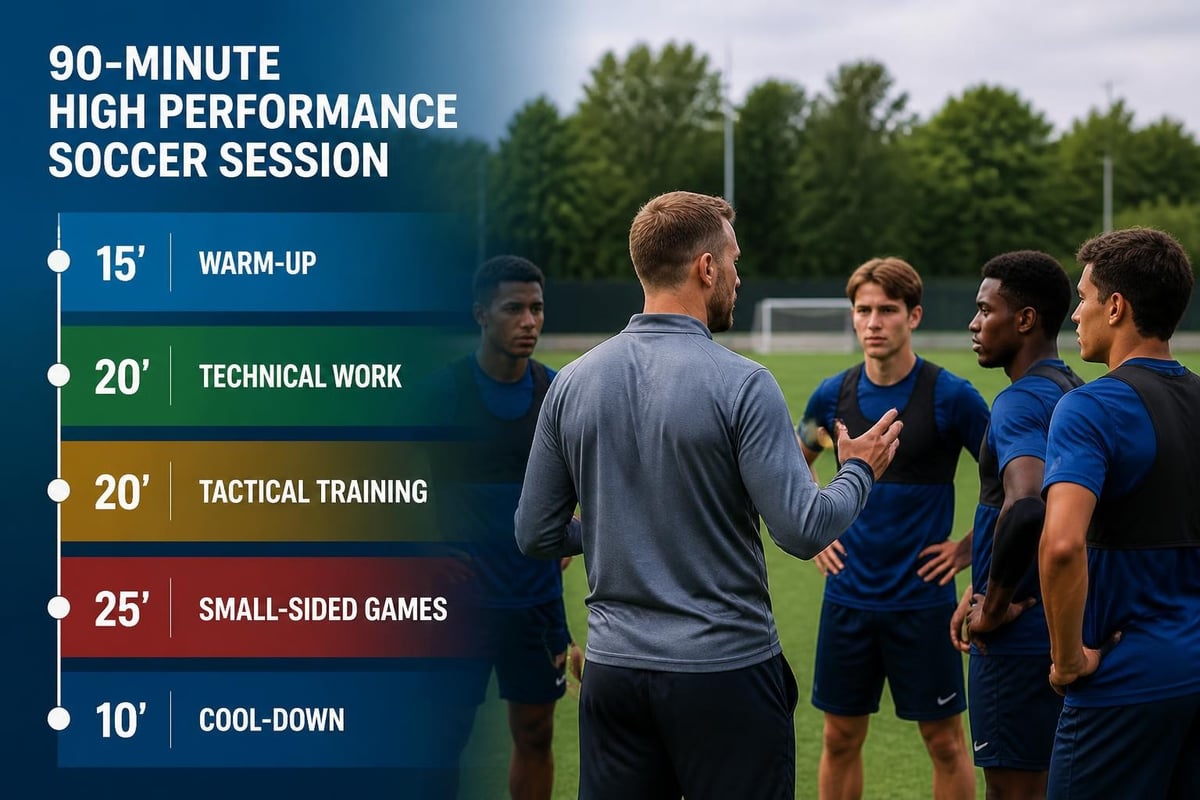
Programs offering Soccer High Performance Training create 90-minute high-intensity sessions that sharpen technical skills, improve decision-making, increase speed of play, and build confidence under pressure. These environments replicate the demands players face in competitive matches.
Training Environments and Facility Considerations
The physical training environment significantly impacts development quality. Indoor facilities provide year-round consistency impossible with outdoor-only programs affected by weather conditions. Surrey's climate makes indoor training particularly valuable during fall and winter months.
Purpose-built soccer facilities offer advantages including:
- Consistent playing surfaces that reduce injury risk
- Climate-controlled conditions for comfortable training
- Proper lighting for evening sessions
- Spectator areas for parent observation
- Professional-grade equipment and goals
The BMO Coastal Soccer Centre represents Surrey's first indoor soccer training facility specifically designed for high-performance development. Such purpose-built environments demonstrate the infrastructure investment serious programs require.
Training Frequency and Volume
High performance development requires consistent training volume. Elite programs typically offer three to five sessions weekly, supplemented by individual practice recommendations. This frequency allows proper skill development while permitting adequate recovery.
| Age Group | Weekly Sessions | Session Duration | Annual Training Hours |
|---|---|---|---|
| U8-U10 | 2-3 sessions | 60-75 minutes | 120-180 hours |
| U11-U13 | 3-4 sessions | 75-90 minutes | 180-240 hours |
| U14-U16 | 4-5 sessions | 90-120 minutes | 240-360 hours |
| U17+ | 5-6 sessions | 90-120 minutes | 300-420 hours |
Players committed to high-performance development invest significantly more training time than recreational participants. Programs that match training volume to player age prevent burnout while maximizing development during critical growth windows.
Competitive Pathways and Performance Measurement
High performance soccer training Surrey programs provide clear pathways from development training to competitive opportunities. Players need regular competition against quality opponents to test skills learned in training environments.
Tournament participation exposes players to different playing styles and competitive pressures. Success in events demonstrates training effectiveness and identifies areas requiring additional focus. Results from competitions like those detailed in tournament recaps validate training methodologies and motivate continued improvement.
Individual Player Assessment
Regular evaluation ensures training addresses individual development needs. Comprehensive assessment covers:
- Technical competency across all fundamental skills
- Tactical understanding specific to playing position
- Physical attributes including speed, strength, and endurance
- Psychological factors such as confidence and composure
- Game performance in competitive situations
This multi-dimensional evaluation creates personalized development plans rather than one-size-fits-all approaches. Players receive specific feedback identifying strengths to leverage and weaknesses requiring attention.
Programs following professional academy standards implement systematic tracking that documents progress over months and years. This longitudinal data reveals development trajectories and informs coaching adjustments.
Selecting the Right High Performance Program
Families evaluating high performance soccer training Surrey options should consider multiple factors beyond convenience and cost. The right program alignment significantly impacts player development and enjoyment.
Critical evaluation criteria include:
- Coaching credentials verifying proper licensing and experience
- Training philosophy confirming alignment with family values
- Player-to-coach ratios ensuring adequate individual attention
- Facility quality providing consistent training conditions
- Development track record demonstrated through player progression
Organizations like Surrey United Soccer Club’s SUDA Academy and LPA’s Surrey Academy offer structured development programs worth investigating. Visiting facilities, observing training sessions, and speaking with current families provides valuable insight beyond marketing materials.
Questions to Ask Prospective Programs
Parents should gather specific information when evaluating options:
- What are the head coach's qualifications and playing background?
- How do you measure individual player progress?
- What is your training-to-game ratio throughout the season?
- How do you handle players at different skill levels within the same age group?
- What pathway exists for players who excel in your program?
- How do you communicate with parents about player development?
Programs confident in their offerings welcome detailed questions and provide transparent answers. Reluctance to share coaching credentials, development philosophies, or success metrics raises concerns about program quality.
Long-Term Athletic Development Philosophy
High performance soccer training Surrey programs following best practices embrace long-term athletic development rather than short-term results. This approach prioritizes age-appropriate skill building over winning youth championships at the expense of proper development.
Early specialization in soccer has become controversial, with research suggesting multi-sport participation develops better athletes. Quality programs encourage complementary activities that build overall athleticism while maintaining soccer as the primary focus.
The critical development windows for soccer skills occur between ages 6-16, with different capabilities developing optimally at specific ages. Programs respecting these biological realities produce better long-term outcomes than those treating all ages identically.
Parent Education and Involvement
Successful player development requires parent understanding and support. High-performance programs educate families about realistic timelines, proper nutrition, adequate rest, and home practice recommendations.
Parents contribute by:
- Maintaining perspective about youth sports and development
- Supporting consistent attendance at training sessions
- Encouraging home practice of recommended skills
- Ensuring proper nutrition and hydration
- Prioritizing adequate sleep for recovery and growth
Programs that view parents as partners rather than spectators create stronger support systems for player development. Resources like reasons parents choose specific academies highlight what families value in high-performance environments.
The Investment in High Performance Training
Quality high performance soccer training Surrey programs require significant investment of time, money, and commitment. Understanding these requirements helps families make informed decisions aligned with their priorities and resources.
Financial considerations include:
- Monthly or seasonal training fees
- Tournament registration and travel costs
- Quality equipment and footwear
- Potential private training sessions
- Off-season camp participation
Annual costs for high-performance training typically range from $2,000 to $6,000 depending on program level and competitive ambitions. This investment exceeds recreational soccer costs but reflects the specialized coaching, facility access, and competitive opportunities provided.
Time commitments extend beyond training sessions to include games, tournaments, and individual practice. Families should honestly assess their ability to maintain this schedule before committing to high-performance programs. Organizations like Pro Soccer Training and SW Football Academy offer various program levels accommodating different commitment capacities.
Return on Investment Perspectives
The value of high performance soccer training extends beyond potential professional contracts or college scholarships. Players develop:
- Work ethic transferable to academic and professional pursuits
- Resilience from overcoming challenges and setbacks
- Teamwork skills essential in collaborative environments
- Goal-setting abilities that drive achievement
- Time management balancing multiple commitments
These life skills justify training investments regardless of ultimate soccer outcomes. Parents should view high-performance programs as character development opportunities that happen to occur through soccer rather than solely as athletic training.
High performance soccer training in Surrey offers young athletes exceptional opportunities to develop technical excellence, tactical intelligence, physical capabilities, and mental toughness under the guidance of licensed professionals. The combination of European training methodologies, purpose-built facilities, and comprehensive development approaches creates environments where dedicated players can reach their potential. At Strive Soccer Academy, we bring together all these elements in a program designed to develop complete players through our Technical, Tactical, Physical, and Psychological framework, supported by fully licensed Canada Soccer coaches who are committed to long-term athlete development and creating real opportunities for young players throughout Surrey.