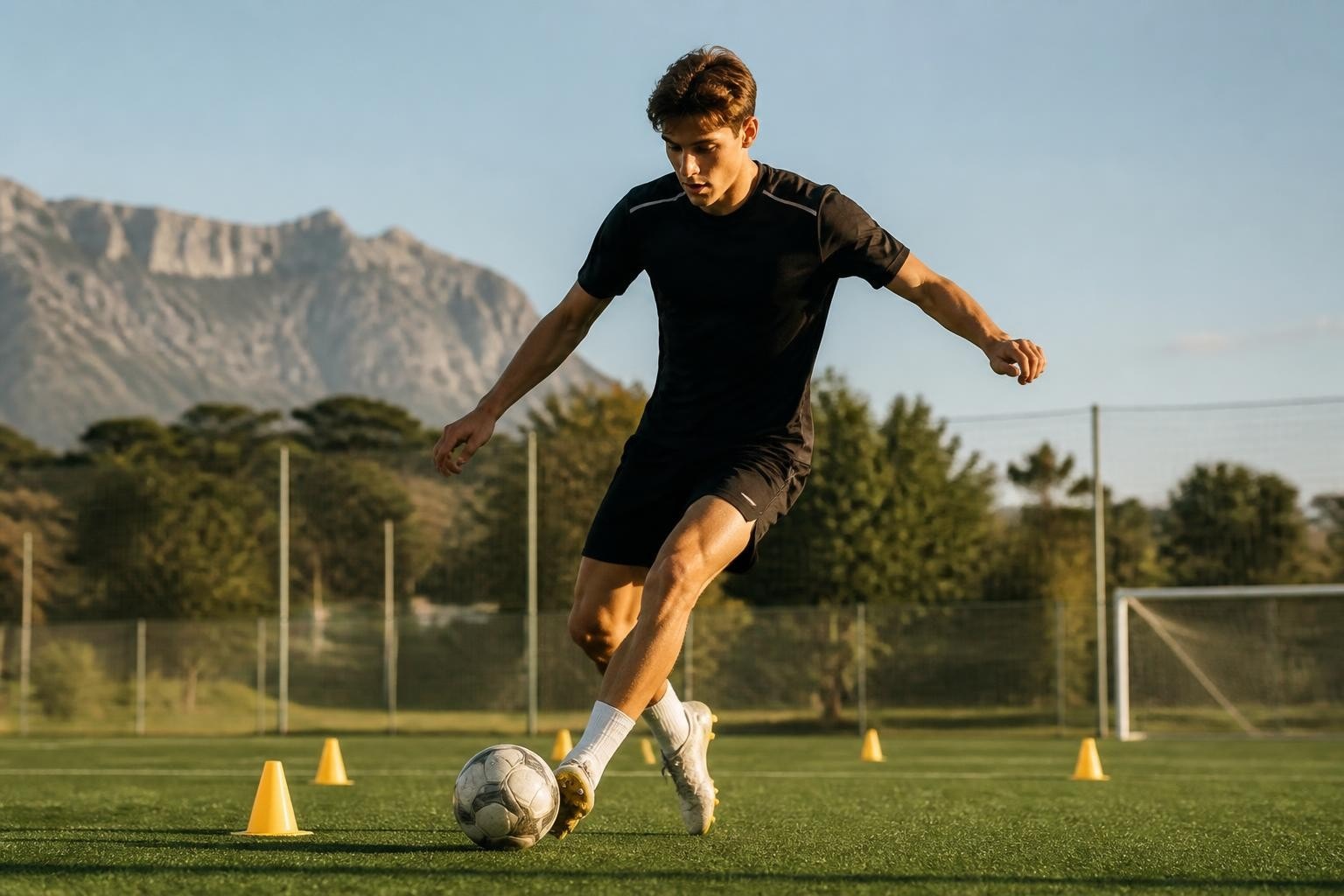
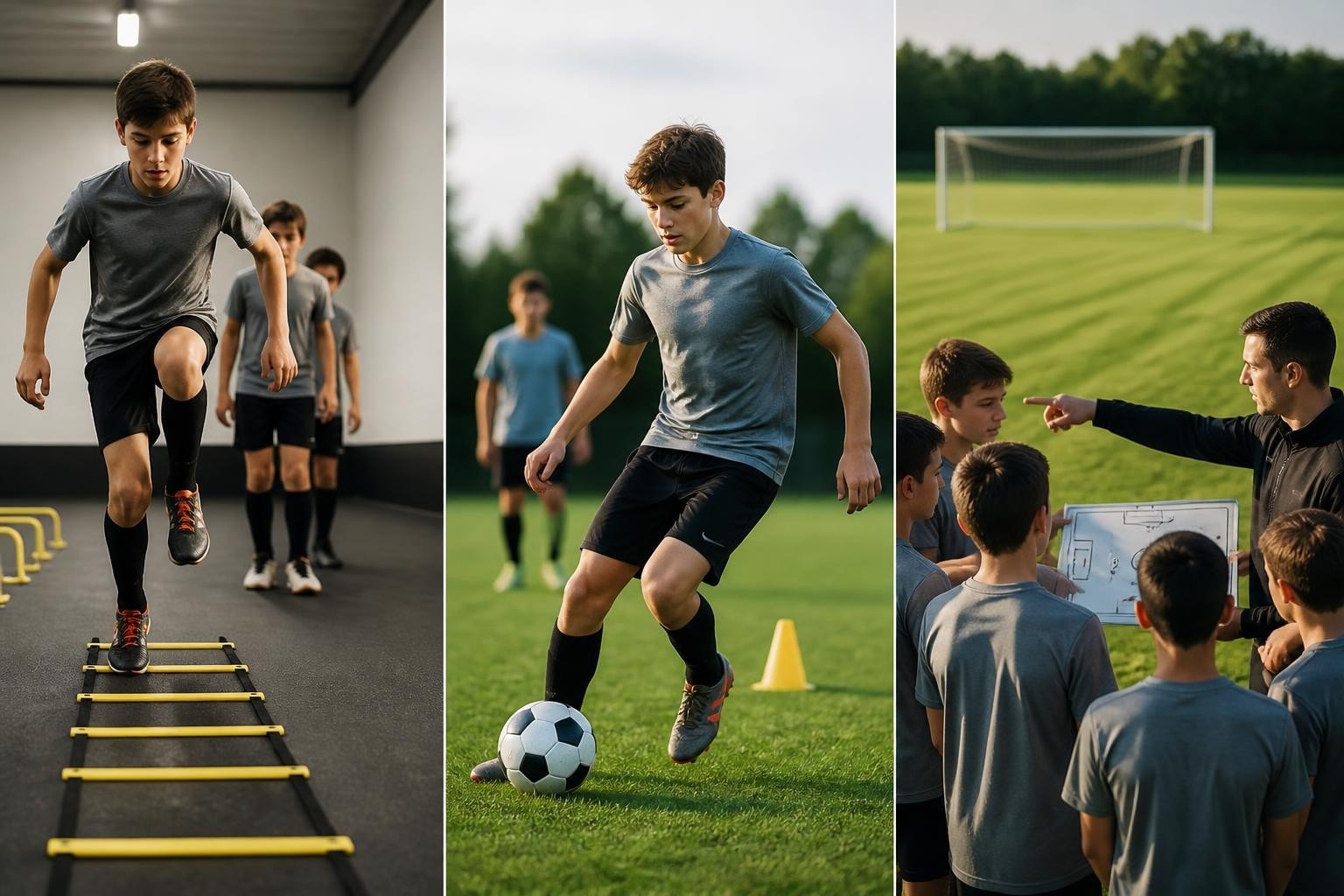
The goalkeeper position demands a unique combination of technical precision, tactical intelligence, physical athleticism, and mental fortitude. While field players benefit from general soccer training, goalkeepers require specialized instruction that addresses the specific challenges of protecting the net. A goalkeeper academy provides this focused development, offering young athletes the expert coaching and targeted training necessary to excel in soccer's most specialized position.
Why Goalkeepers Need Specialized Training
Goalkeepers face fundamentally different demands than field players. While outfield athletes focus on dribbling, passing, and offensive positioning, goalkeepers must master shot-stopping, aerial dominance, distribution accuracy, and defensive organization. These specialized skills require dedicated coaching from instructors who understand the nuances of goalkeeper development.
Research shows that goalkeeper coaching in soccer encompasses technical skills, tactical intelligence, physical conditioning, and psychological resilience. Each component requires specific training methodologies that differ significantly from field player development. A goalkeeper academy creates an environment where young keepers receive instruction tailored to their unique positional requirements.
The Technical Foundation
Technical mastery forms the cornerstone of goalkeeper development. Young keepers must develop proper handling techniques, footwork patterns, and body positioning before advancing to more complex skills. The technical curriculum in a quality goalkeeper academy addresses multiple skill categories systematically.
Essential technical skills include:
- Set position and ready stance
- Hand positioning for different shot types
- Footwork patterns for lateral movement
- Diving technique for low and high shots
- Catching and parrying mechanics
- Distribution methods including throws, rolls, and kicks
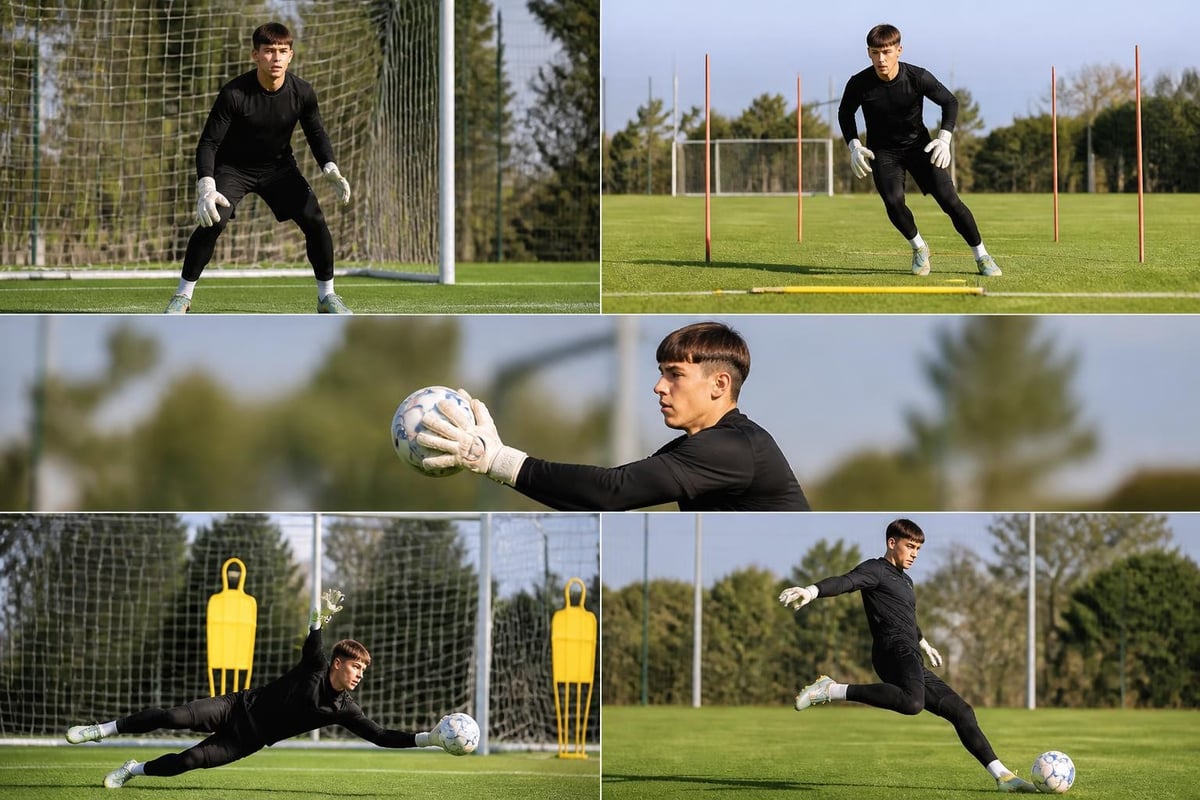
Proper technique prevents injuries while maximizing performance. Five key movement skills are essential for goalkeepers, including shuffling, backpedaling, crossover stepping, diving, and jumping. A goalkeeper academy systematically develops these movements through progressive training that builds muscle memory and confidence.
Building Tactical Awareness
Technical skills alone don't create elite goalkeepers. Tactical intelligence separates good keepers from great ones. Understanding positioning, reading the game, and making split-second decisions under pressure require dedicated tactical training that a specialized goalkeeper academy provides.
Tactical development focuses on several key areas. Positioning relative to the ball, attackers, and goal posts requires constant adjustment based on game situations. Young goalkeepers learn to narrow angles, anticipate shots, and position themselves optimally for different attacking scenarios.
Reading the Game
Game reading ability develops through experience and instruction. Goalkeepers must recognize attacking patterns, predict opponent movements, and communicate defensive organization to teammates. A goalkeeper academy creates training scenarios that replicate match situations, allowing young keepers to develop decision-making skills in realistic contexts.
Defending the penalty area requires exceptional tactical awareness. Goalkeepers must decide when to come off their line, when to stay home, and how to organize defenders during set pieces and open play. These decisions happen in milliseconds and require extensive practice under pressure.
| Tactical Skill | Training Focus | Match Application |
|---|---|---|
| Angle narrowing | Positioning relative to ball and posts | Reducing shooting angles for attackers |
| Cross management | Judging flight, timing runs | Claiming aerial balls in the box |
| Sweeper-keeper play | Reading through balls, timing interventions | Playing outside the penalty area |
| Communication | Organizing defensive shape | Directing teammates during attacks |
Physical Conditioning for Goalkeepers
The physical demands on goalkeepers differ dramatically from field players. Explosive power, lateral quickness, vertical leap, and reaction speed matter more than endurance or sustained running. A goalkeeper academy designs conditioning programs specifically for the position's unique athletic requirements.
Strength training focuses on explosive movements rather than maximum strength. Goalkeepers need powerful legs for diving and jumping, strong cores for stability, and developed shoulders for distribution and aerial challenges. Plyometric exercises, resistance training, and agility drills form the foundation of goalkeeper-specific conditioning.
Key physical attributes developed:
- Explosive power for diving saves
- Vertical jump height for high balls
- Lateral quickness for shot-stopping
- Core stability for balance
- Hand-eye coordination for reflexes
Flexibility and mobility prevent injuries while improving range of motion. Goalkeepers regularly stretch into extreme positions during saves, making flexibility training essential. Hip mobility, shoulder flexibility, and dynamic stretching routines help young keepers maintain healthy movement patterns throughout their development.
Programs at Strive Soccer Academy incorporate position-specific physical development alongside technical training, ensuring young athletes build the athletic foundation necessary for long-term success in the goalkeeper position.
Mental Resilience and Psychology
Perhaps no position in soccer demands greater mental strength than goalkeeper. A single mistake can cost a game, and goalkeepers must immediately recover from errors while maintaining confidence and focus. Mental training separates those who succeed under pressure from those who struggle when stakes are high.
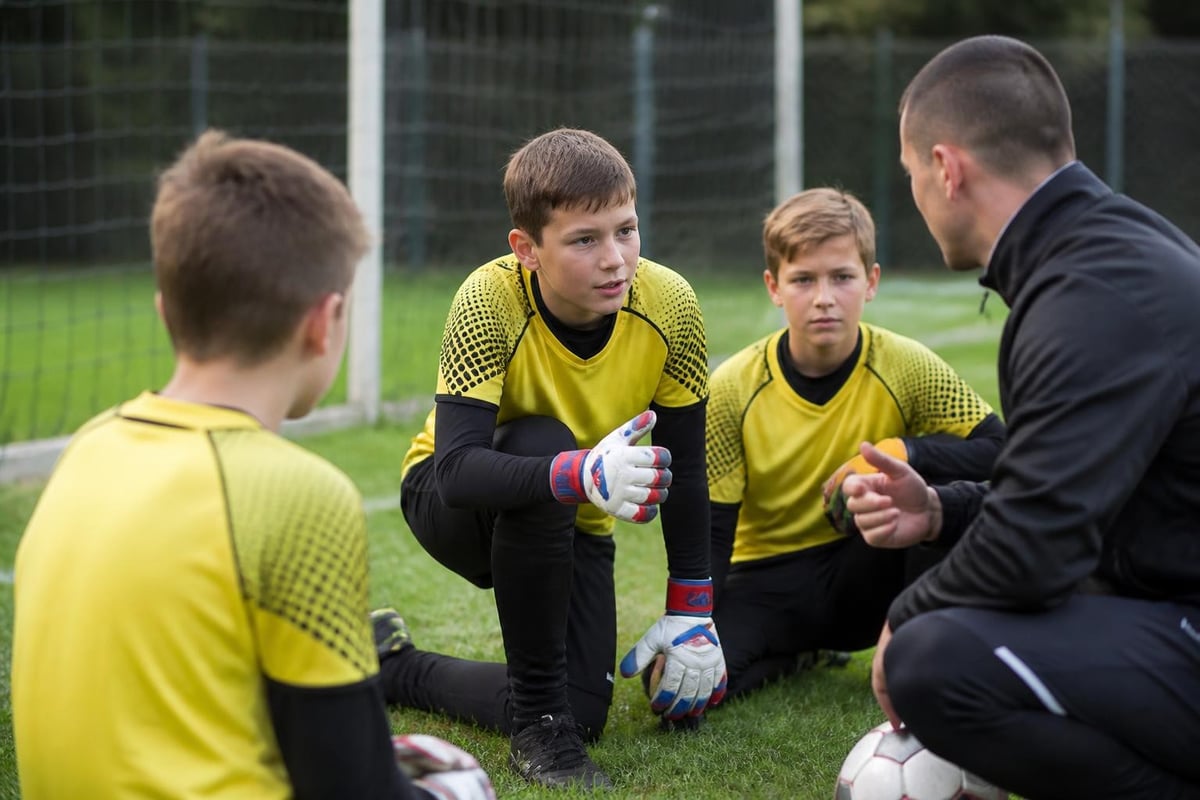
A goalkeeper academy addresses psychological development through specific training methods. Visualization exercises help young keepers mentally rehearse successful saves and positive outcomes. Pressure training recreates high-stakes scenarios where mistakes have consequences, building comfort with uncomfortable situations.
Error Management
Learning to manage mistakes is crucial for goalkeeper development. Unlike field players whose errors might go unnoticed, goalkeeper mistakes often result in goals. Young keepers must develop resilience and short-term memory, moving past errors without dwelling on them.
Designing effective goalkeeper sessions includes building mental skills alongside physical and technical components. Coaches create environments where young keepers experience failure safely, learn from mistakes, and develop the mental toughness required for competitive soccer.
Communication skills represent another psychological component. Goalkeepers serve as defensive quarterbacks, organizing teammates and directing defensive shape. Confidence, clarity, and authority in communication develop through dedicated training and positive reinforcement from coaches who understand the position's leadership demands.
Age-Appropriate Progression
Quality goalkeeper academies recognize that development occurs in stages. A nine-year-old requires different training than a fourteen-year-old, and curriculum must adapt to physical, cognitive, and emotional development levels. Progressive training builds skills systematically without overwhelming young athletes or creating negative experiences.
Early development (ages 8-11) emphasizes fun, fundamental movement patterns, and basic ball handling. Training sessions keep goalkeepers engaged through games and varied activities while establishing proper technique foundations. Coaches focus on encouragement and positive reinforcement, building love for the position.
| Age Group | Training Focus | Session Structure |
|---|---|---|
| 8-11 years | Fundamental movements, basic handling | Game-based activities, 45-60 minutes |
| 12-14 years | Technical refinement, tactical awareness | Structured drills with game scenarios, 60-75 minutes |
| 15-17 years | Advanced tactics, physical conditioning | Position-specific training, 75-90 minutes |
Intermediate development (ages 12-14) introduces more sophisticated techniques and tactical concepts. Young keepers develop footwork patterns, diving progressions, and positional awareness through structured drills and small-sided games. Training intensity increases while maintaining age-appropriate expectations.
Advanced development (ages 15-17) prepares goalkeepers for competitive soccer's highest levels. Soccer High Performance Training provides the high-intensity, professional environment where older keepers sharpen technical skills, improve decision-making, and build composure under pressure through 90-minute sessions focused on technical, physical, and tactical development.
Coaching Qualifications Matter
The quality of instruction directly impacts goalkeeper development. Parents seeking a goalkeeper academy should verify that coaches hold appropriate certifications and possess genuine goalkeeper expertise. Not all soccer coaches understand the position's specialized demands.
UEFA Goalkeeper A Diploma represents the top qualification for specialized goalkeeper coaches, requiring extensive coursework in technical, tactical, physical, and psychological aspects of goalkeeper development. While not all coaches will hold this elite certification, quality goalkeeper academies employ instructors with position-specific credentials.
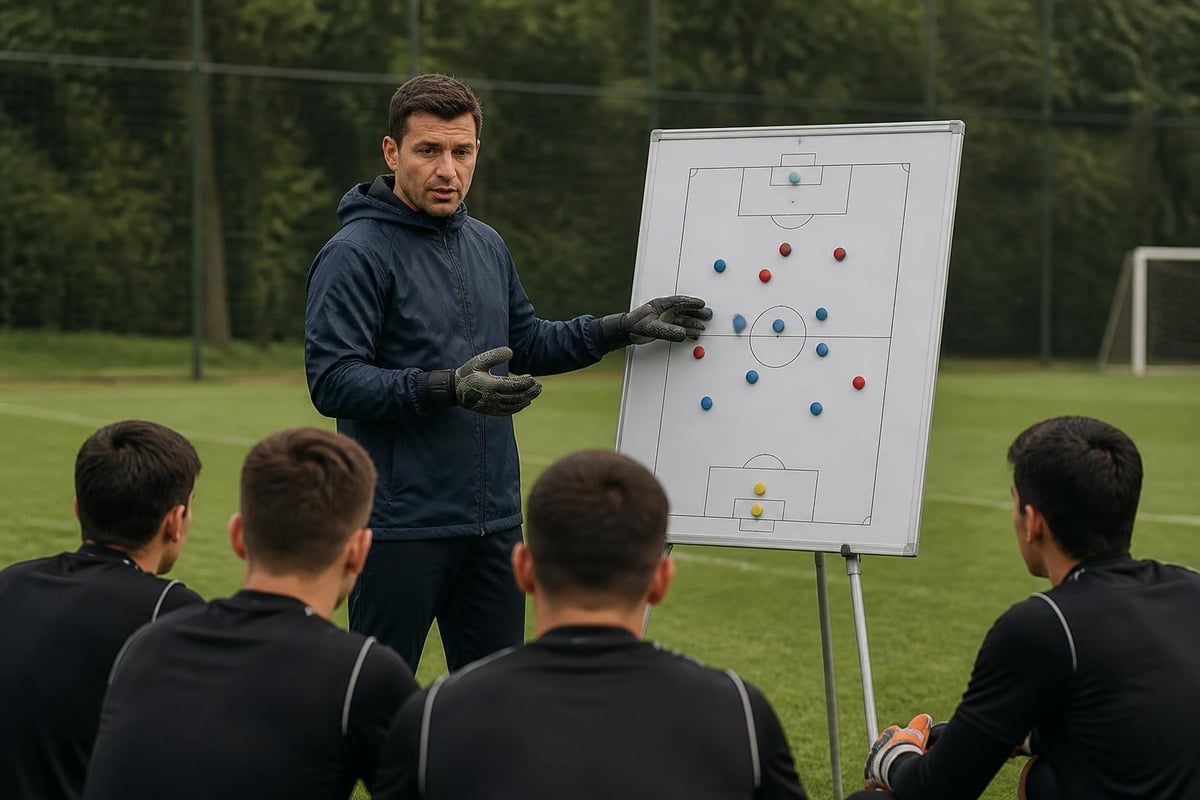
Goalkeeper-specific courses provide coaches with modern training methods and performance optimization strategies. Professional courses offer advanced insights into coaching science, covering everything from skill acquisition to managing pressure situations. Parents should ask about coach credentials and look for programs where instructors have dedicated goalkeeper backgrounds.
Training Frequency and Commitment
Development requires consistency. Young goalkeepers benefit most from regular, focused training rather than occasional sessions. A goalkeeper academy typically offers multiple training opportunities weekly, allowing keepers to build on previous sessions and maintain skill progression.
Frequency recommendations vary by age and competitive level. Younger keepers (ages 8-11) might train once or twice weekly, focusing on fundamentals without overwhelming their schedules. Older, more serious keepers (ages 14-17) often train three to four times weekly, combining goalkeeper-specific sessions with team training.
Recommended training frequency:
- Ages 8-11: 1-2 goalkeeper sessions weekly
- Ages 12-14: 2-3 goalkeeper sessions weekly
- Ages 15-17: 3-4 goalkeeper sessions weekly
- Competitive level: Additional individual training
Quality matters more than quantity. A single well-designed session with expert instruction provides more value than multiple unfocused training blocks. Parents should prioritize goalkeeper academies that offer structured, progressive curricula delivered by qualified coaches rather than simply maximizing training volume.
Small Group Training Benefits
While individual instruction has value, small group goalkeeper training offers unique advantages. Training alongside other keepers creates healthy competition, provides comparative feedback, and normalizes the position's unique challenges. Young goalkeepers benefit from seeing peers face similar struggles and successes.
Small groups allow coaches to create realistic training scenarios. Cross work, breakaway situations, and shooting drills require multiple participants. Group sessions also develop the social connections that keep young athletes engaged and motivated. Friendships formed in goalkeeper academy training often last years.
Competition within groups pushes performance. When young keepers train alongside peers of similar ability, they naturally push each other to improve. This competitive element, when properly managed by skilled coaches, accelerates development more effectively than isolated training.
Integration with Team Training
Goalkeeper academy training complements but doesn't replace team practice. Young keepers need both specialized goalkeeper instruction and integrated team training where they apply skills in match-realistic scenarios. The most effective development combines position-specific work with team-based application.
Team training provides game context for skills learned in goalkeeper academy sessions. Positioning concepts practiced in isolated drills become instinctive during team scrimmages. Distribution techniques refined through repetition translate to connecting with teammates under pressure. This integration solidifies learning and builds confidence.
Communication with team coaches ensures alignment between goalkeeper academy instruction and team tactical approaches. Some programs encourage dialogue between specialized goalkeeper coaches and team managers, creating cohesive development that serves the young athlete's overall growth. Parents should look for goalkeeper academies that view themselves as partners in the player's complete development rather than isolated training providers.
Equipment and Facilities
Proper equipment and facilities enhance goalkeeper training quality. Young keepers need appropriate gloves, training apparel, and access to full-sized goals with quality playing surfaces. A goalkeeper academy should provide or recommend age-appropriate equipment that protects young athletes while allowing proper skill development.
Goalkeeper gloves require special attention. Properly fitted gloves protect hands, improve catching confidence, and enhance performance. Young keepers outgrow gloves quickly, making cost a consideration, but quality matters. Coaches should guide parents toward appropriate glove selections based on age, playing surface, and budget.
Training facilities impact development quality. Goalkeeper academies ideally operate on quality turf or grass surfaces that allow safe diving and movement training. Adequate goal sizes, rebounders for distribution training, and sufficient space for agility work all contribute to effective sessions. Parents touring potential goalkeeper academies should evaluate facility quality alongside coaching credentials.
Long-Term Development Perspective
Goalkeeper development is a marathon, not a sprint. Young athletes progress at different rates, experiencing growth spurts, skill plateaus, and confidence fluctuations. Parents and coaches must maintain long-term perspective, supporting young keepers through challenges while celebrating incremental improvements.
Youth goalkeeper training recognizes that foundational skills developed early create platforms for advanced techniques later. Rushing progression or skipping fundamental development creates gaps that limit future growth. Quality goalkeeper academies resist pressure to advance young keepers prematurely, instead focusing on age-appropriate skill building.
Patience proves essential. Some young keepers show immediate talent while others develop more slowly. Late bloomers often surpass early standouts, making it crucial to avoid writing off young keepers who struggle initially. A supportive goalkeeper academy environment nurtures all athletes, recognizing that development timelines vary.
Parent Involvement and Support
Parents play crucial roles in goalkeeper development. Beyond providing transportation and financial support, parents influence young athletes' attitudes, resilience, and long-term commitment to the position. Understanding how to support rather than pressure young goalkeepers maximizes the goalkeeper academy experience.
Positive reinforcement matters more than technical critique. Parents should focus on effort, attitude, and improvement rather than results or comparisons to other keepers. After training or matches, simple questions like "Did you have fun?" and "What did you work on today?" prove more valuable than performance analysis.
| Supportive Parent Actions | Actions to Avoid |
|---|---|
| Encouraging effort and attitude | Criticizing mistakes after games |
| Asking about learning experiences | Comparing to other goalkeepers |
| Supporting coach feedback | Providing conflicting technical advice |
| Attending sessions when possible | Pressuring about playing time or results |
Trust in qualified coaches allows young keepers to develop without conflicting instruction. When parents observe training, they gain appreciation for the position's complexity while demonstrating support. However, technical coaching should remain the domain of qualified instructors from the goalkeeper academy, preventing confusion and maintaining clear learning pathways for young athletes.
Finding the Right Goalkeeper Academy
Not all goalkeeper academies offer equal quality. Parents should evaluate multiple factors when selecting a program for their young athlete. Coach qualifications, training philosophy, facility quality, and cost all influence whether a goalkeeper academy meets family needs.
Visiting potential programs provides valuable insights. Observing training sessions reveals coaching style, session structure, and how instructors interact with young keepers. Parents should note whether coaches create positive, encouraging environments or use negative motivation techniques. The best technical instruction loses value in psychologically harmful training environments.
Questions to ask during evaluation:
- What are the coaches' goalkeeper-specific qualifications?
- How is the curriculum structured across different age groups?
- What is the ratio of coaches to goalkeepers during training?
- How does the program communicate progress to parents?
- What opportunities exist for competitive play or showcases?
Cost considerations matter but shouldn't overshadow quality. Goalkeeper development represents a long-term investment in a young athlete's growth. Programs offering bargain pricing but lacking qualified coaches or proper facilities often cost more in the long run through wasted time and poor development.
Developing elite goalkeepers requires specialized training that addresses the position's unique technical, tactical, physical, and psychological demands. When young keepers receive expert instruction in supportive environments, they build confidence, competence, and character that extends beyond soccer. Strive Soccer Academy brings European-style training philosophy to Surrey, BC, with fully licensed Canada Soccer coaches who understand what parents want most for their young athletes: a program that develops skills, builds character, and creates real opportunities through comprehensive player development.