Finding the right football training academy for your child represents one of the most important decisions you'll make in their athletic journey. With countless options available when you search for a football training academy near me, understanding what separates exceptional programs from average ones becomes crucial. This comprehensive guide explores the key factors parents should evaluate, the modern training methodologies that drive player development, and the critical questions to ask before committing to any academy program.
Understanding Modern Football Academy Structures
The landscape of youth football training has evolved dramatically over the past decade. Modern academies now follow structured development models that prioritize long-term athlete development over short-term wins. When evaluating a football training academy near me, parents should look for programs that articulate clear development pathways.
European-style training philosophies have increasingly influenced North American football academies. These approaches emphasize technical mastery, tactical intelligence, and individual decision-making skills from early ages. The shift represents a departure from traditional methods that prioritized physical attributes and competitive results above skill development.
The Four Pillars of Player Development
Quality football academies structure their programs around four essential development areas:
- Technical Development: Ball mastery, first touch, passing accuracy, shooting technique
- Tactical Understanding: Game awareness, positioning, decision-making under pressure
- Physical Conditioning: Age-appropriate strength, speed, agility, and endurance training
- Psychological Growth: Mental resilience, confidence building, teamwork, and leadership
Programs that address all four pillars create well-rounded athletes prepared for competitive environments. When researching a football training academy near me, ask how the curriculum integrates these elements across different age groups.
Coaching Credentials and Philosophy Matter
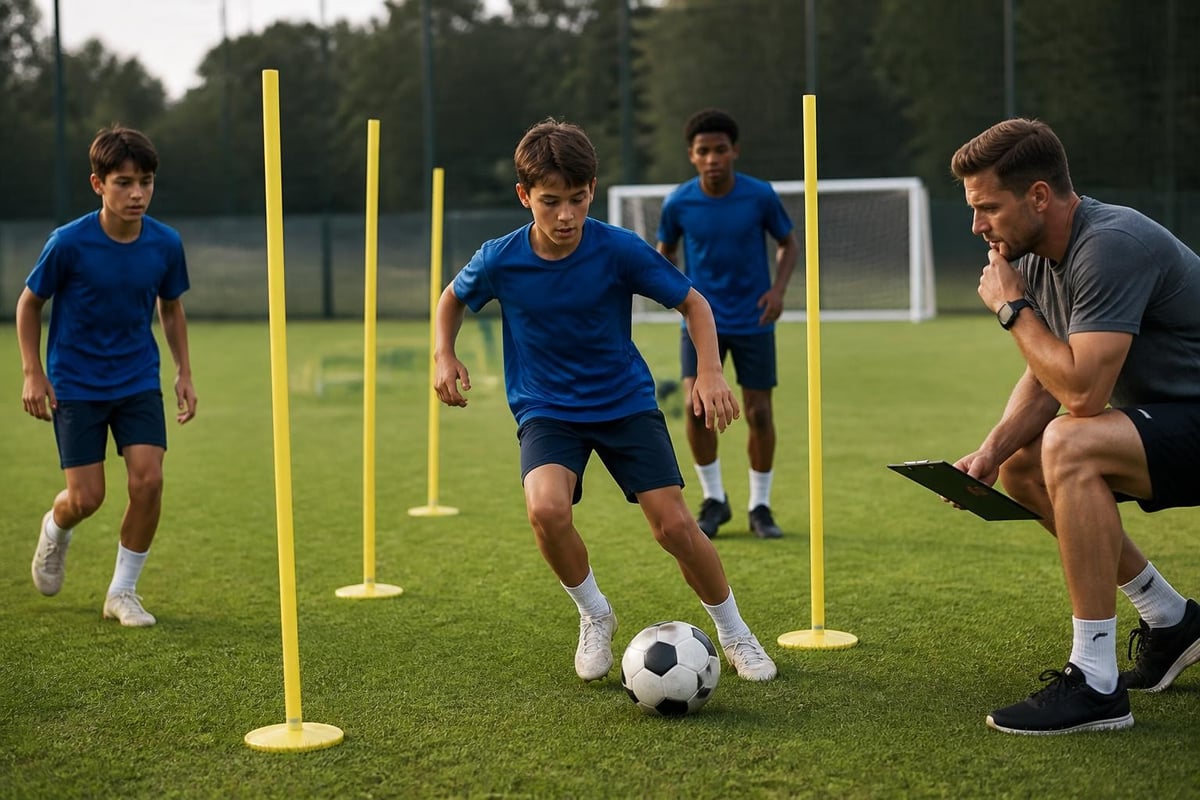
The quality of instruction directly impacts player development outcomes. Top-tier academies employ coaches with recognized certifications and ongoing professional development commitments. In Canada, this means looking for coaches licensed through Canada Soccer, with credentials ranging from Community to National levels.
| Certification Level | Focus Area | Typical Role |
|---|---|---|
| National A License | Advanced tactical concepts, elite player development | Senior coaches, technical directors |
| National B License | Intermediate tactics, team management | Head coaches, program coordinators |
| Youth License | Age-specific development, fundamental skills | Youth team coaches |
| Soccer for Life | Grassroots engagement, early development | Entry-level, developmental coaches |
Beyond credentials, coaching philosophy shapes the training environment. Game-based approaches that replicate match situations accelerate learning compared to isolated drill work. Quality coaches adapt their methods to individual learning styles while maintaining consistent technical standards.
Session Planning and Curriculum Design
Professional academies don't improvise training sessions. They follow structured planning frameworks that align with seasonal objectives and individual player needs. Each session should have clear objectives, appropriate warm-ups, skill-focused activities, and game-realistic applications.
When visiting a football training academy near me, observe whether coaches arrive with written session plans, how they communicate objectives to players, and whether activities progress logically from simple to complex. These details reveal organizational sophistication and commitment to systematic development.
Training Intensity and Session Structure
The duration and intensity of training sessions significantly impact development. Research shows that 90-minute sessions provide optimal learning windows for youth athletes, allowing sufficient time for skill introduction, repetition, and application without causing mental or physical fatigue.
High-performance training environments maintain appropriate intensity levels throughout sessions. Players should remain engaged, challenged, and active for the majority of training time. Excessive standing, long explanations, or limited ball contact indicate inefficient session design.
For families seeking advanced development opportunities, programs like Soccer High Performance Training offer intensive environments where players sharpen technical skills, improve decision-making, and build confidence through concentrated, professional-level sessions.
Small-Sided Games vs. Full-Field Training
Modern football development emphasizes small-sided games (3v3, 4v4, 5v5) over traditional full-field formats for younger age groups. These modified games increase individual ball touches, decision-making opportunities, and tactical awareness.
- Increased touches: Players contact the ball 6-7 times more frequently in small-sided formats
- More decisions: Reduced space requires quicker thinking and problem-solving
- Enhanced engagement: Every player remains actively involved throughout
- Tactical development: Fundamental principles emerge naturally through play
Quality academies balance small-sided games with position-specific training as players mature, gradually introducing full-field tactical concepts appropriate to developmental stages.
Evaluating Facility Quality and Resources
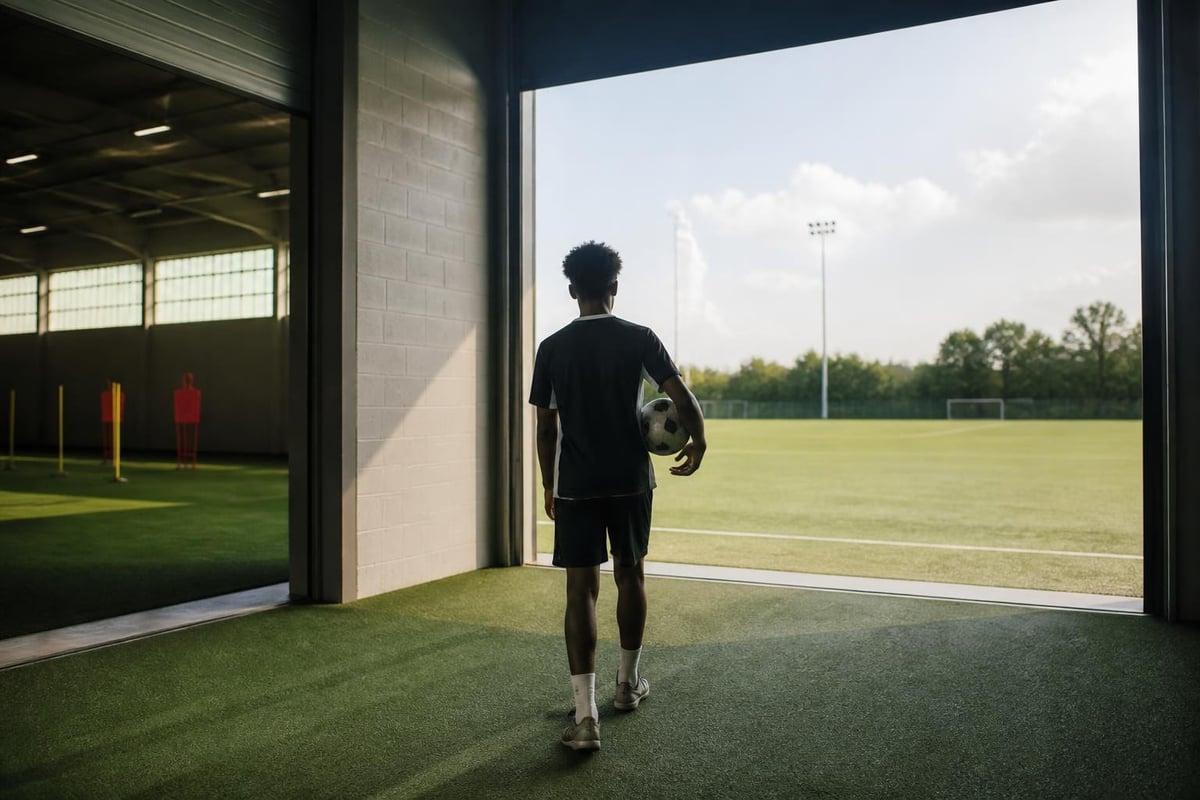
The physical environment where training occurs matters more than many parents realize. When searching for a football training academy near me, assess both indoor and outdoor facilities for safety, quality, and appropriateness.
Facility Checklist
Indoor Facilities:
- Climate-controlled training space for year-round development
- Quality turf or appropriate flooring that prevents injuries
- Adequate ceiling height for proper shooting and heading practice
- Proper lighting for evening sessions
Outdoor Facilities:
- Well-maintained grass or turf fields
- Appropriate field sizes for different age groups
- Goal posts that meet safety standards
- Availability during adverse weather conditions
Beyond physical spaces, investigate equipment quality. Sufficient balls for individual work, proper training vests, cones, and modern training aids demonstrate program investment in player development.
Age-Appropriate Development Pathways
Exceptional academies recognize that training methods must adapt to developmental stages. What works for 8-year-olds differs fundamentally from appropriate training for 16-year-olds. Structured curricula ensure age-appropriate progressions across all development areas.
| Age Group | Primary Focus | Training Emphasis | Session Structure |
|---|---|---|---|
| 6-8 years | Fun, fundamental movements | Ball mastery, coordination games | Short, varied activities |
| 9-11 years | Technical foundation | Individual skills, 1v1 situations | Skill repetition with progression |
| 12-14 years | Tactical awareness | Team play, position understanding | Game-based scenarios |
| 15-17 years | Performance refinement | High-intensity, match preparation | Professional-style sessions |
Programs that rush young players into advanced tactical concepts or emphasize winning over development create short-term success at the expense of long-term potential. Research the academy’s development philosophy before enrollment.
Competitive Opportunities and Pathways
While development should prioritize skill acquisition, appropriate competitive experiences accelerate growth. Top academies provide multiple competition levels that match player abilities and development stages.
League participation exposes players to varied opposition and game situations. Quality programs select leagues that challenge players without overwhelming them, balancing competitive intensity with development objectives.
Tournament and Showcase Events
Beyond regular season play, tournaments and showcase events offer unique development opportunities:
- Regional tournaments: Test skills against diverse competition styles
- College showcase events: Create visibility for older players seeking collegiate opportunities
- International competitions: Expose players to different football cultures and approaches
When evaluating a football training academy near me, ask about the competitive calendar, how teams are selected for different events, and whether participation costs are included or additional. Transparency about competitive pathways indicates organizational integrity.
Communication Standards and Parental Involvement
Professional academies maintain clear, consistent communication with families. This includes regular progress updates, transparent fee structures, and accessible coaching staff for questions and concerns.
Parent education programs distinguish exceptional academies from average ones. Workshops explaining development philosophies, age-appropriate expectations, and how families can support training at home create aligned support systems.
Quality programs also establish clear boundaries. While parental support matters, professional academies manage coaching decisions, playing time, and team selection without external pressure. This protects the development environment and ensures decisions serve player interests.
Progress Tracking and Feedback Systems
Systematic player assessment provides objective feedback that guides individual development. Look for academies that:
- Conduct regular skills assessments using standardized criteria
- Provide written or video feedback on technical execution
- Set individual development goals with specific action plans
- Track progress over multiple seasons
These systems demonstrate organizational commitment to individual growth rather than simply running training sessions. For more information on structured development approaches, explore Strive programs that emphasize measurable progress.
Financial Considerations and Value Assessment
Football academy costs vary significantly based on location, facility quality, coaching credentials, and program comprehensiveness. When researching a football training academy near me, understand the complete financial commitment beyond advertised fees.
Hidden Costs to Consider
- Registration and administrative fees: Often charged annually
- Uniform and equipment requirements: Kit costs can be substantial
- Tournament entry fees: May or may not be included in base pricing
- Travel expenses: For away games and showcase events
- Private training supplements: Additional sessions beyond team training
Value assessment extends beyond cost comparisons. A moderately priced program with exceptional coaching, comprehensive development focus, and clear pathways may deliver superior value compared to expensive programs emphasizing competition over development.

Questions to Ask Before Enrolling
Thorough evaluation requires asking specific questions that reveal program quality and organizational values. During facility tours or information sessions at any football training academy near me, consider these essential inquiries:
Coaching and Development:
- What certifications do your coaches hold, and what ongoing training do they receive?
- How do you balance competitive results with long-term player development?
- What is your coaching staff turnover rate?
- How many players per coach during training sessions?
Curriculum and Methods:
- Can you describe your development philosophy and how it's implemented?
- How do you differentiate training for different skill levels within age groups?
- What role do small-sided games play in your training methodology?
- How do you incorporate technical, tactical, physical, and psychological development?
Player Evaluation and Feedback:
- How often do you assess individual player progress?
- What format do progress reports take, and how frequently are they provided?
- How do you communicate areas for improvement to players and families?
The quality of responses reveals organizational sophistication. Vague answers or overemphasis on competitive achievements over development processes should raise concerns.
Red Flags to Watch For
Certain warning signs indicate programs that may not serve player development interests. Being aware of these helps families avoid disappointing experiences when searching for a football training academy near me.
Major red flags include:
- Coaches without recognized certifications or verifiable experience
- Programs that guarantee playing time, starting positions, or college scholarships
- Excessive focus on winning at young age groups (under 12)
- High coach turnover or inconsistent staff presence
- Lack of structured curriculum or session planning
- Unclear or frequently changing fee structures
- Limited communication or accessibility to coaching staff
- Overemphasis on recruiting players rather than developing existing ones
Programs exhibiting multiple red flags likely prioritize business objectives over player development. Trust your instincts and continue searching for organizations that demonstrate genuine commitment to youth athlete growth.
The Importance of Trial Periods
Reputable academies offer trial sessions or short-term enrollment options before requiring long-term commitments. This benefits both families and programs by ensuring proper fit.
During trial periods, observe:
- Your child's engagement and enjoyment levels
- Coaching communication style and effectiveness
- Training session organization and quality
- How coaches handle mistakes and provide feedback
- Interaction quality among players and staff
If a football training academy near me refuses trial opportunities or pressures immediate long-term commitments, consider this a warning sign. Confident programs welcome evaluation because they trust their quality speaks for itself.
Long-Term Development vs. Short-Term Results
The tension between immediate competitive success and long-term player development represents perhaps the most critical consideration in academy selection. Youth football academies worldwide increasingly recognize that prioritizing development over wins at young ages produces superior long-term outcomes.
Programs focused on development may experience more varied competitive results in younger age groups. This occurs because they emphasize technical mastery, tactical understanding, and individual decision-making over rigid systems designed purely for winning.
Long-term development programs:
- Allow players to try different positions for comprehensive understanding
- Encourage creative risk-taking even when it leads to mistakes
- Prioritize playing out from the back over direct, risk-averse approaches
- Rotate players through various game situations for broad experience
These approaches may frustrate parents expecting immediate results, but they create more skilled, confident, and versatile players by late teenage years when it matters most for competitive success.
Professional Pathway Connections
For families with aspirations beyond recreational participation, understanding an academy's connections to higher-level opportunities becomes important. While most youth players won't reach professional levels, quality academies maintain relationships that create pathways for exceptional talent.
Professional pathway indicators:
- Alumni who have advanced to college, professional, or national team levels
- Partnerships with college programs or professional clubs
- Participation in recognized scouting networks
- Showcase event attendance by college coaches or scouts
- Success stories demonstrating pathway effectiveness
However, be cautious of programs that overpromise professional outcomes. The reality is that very few youth players reach professional levels, regardless of training quality. Academies should emphasize development for its own sake while creating opportunities for exceptional talent rather than guaranteeing unrealistic outcomes.
Integration of Sports Science and Technology
Modern football academies increasingly incorporate sports science principles and technology into training programs. While not essential for younger age groups, these elements indicate organizational sophistication and commitment to evidence-based methods.
Technology applications include:
- Video analysis for technical feedback and tactical understanding
- GPS tracking for physical load management
- Performance testing for baseline establishment and progress tracking
- Nutrition guidance appropriate to development stages
The key is appropriate application. Technology should enhance coaching rather than replace human interaction and relationship building. When evaluating a football training academy near me, consider whether technology serves genuine development purposes or functions primarily as marketing appeal.
Building Character Beyond the Field
Exceptional academies recognize their responsibility extends beyond football skills. Programs that intentionally develop character, leadership, and life skills create value that persists regardless of athletic outcomes.
Character development initiatives:
- Leadership programs for senior players
- Community service integration
- Academic support and emphasis
- Mental skills training and resilience building
- Respect, sportsmanship, and integrity emphasis
These elements distinguish academies that view themselves as youth development organizations from those focused purely on athletic performance. The skills learned through character development-resilience, teamwork, discipline, goal-setting-transfer to all life areas and provide lasting value.
For families seeking comprehensive development that builds both skills and character, exploring academies with clearly defined values and character development programs ensures alignment between family priorities and organizational mission. You can learn more about comprehensive approaches at Strive Soccer Academy.
Selecting the right football training academy requires careful evaluation of coaching quality, development philosophy, facility resources, and organizational values. The best programs balance technical excellence with character development, creating environments where young athletes thrive both on and off the field. At Strive Soccer Academy, we bring European-style training to Surrey, BC, with fully licensed coaches and a comprehensive focus on technical, tactical, physical, and psychological development. Our structured approach ensures your child receives professional-level instruction that builds both exceptional players and confident young people.