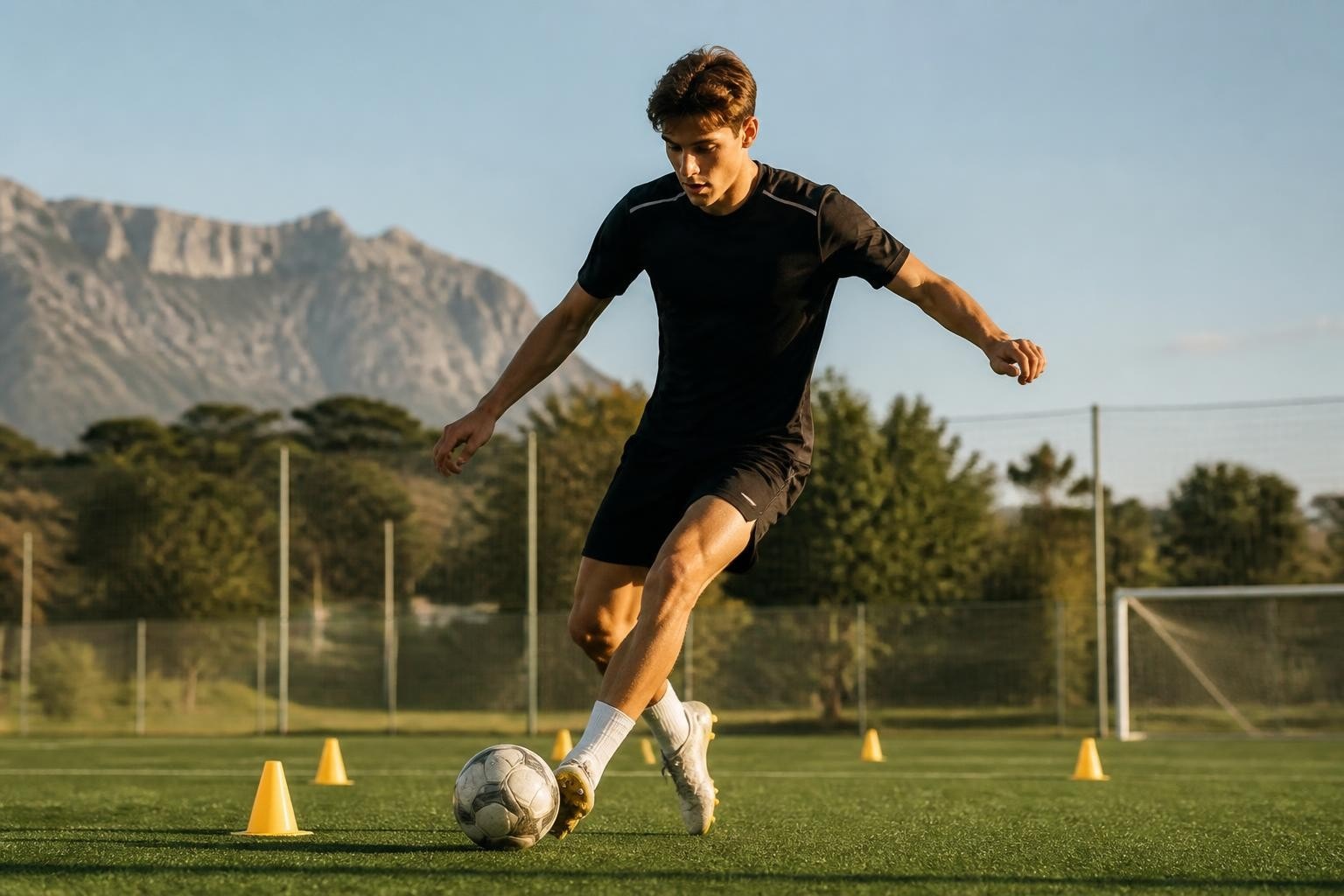
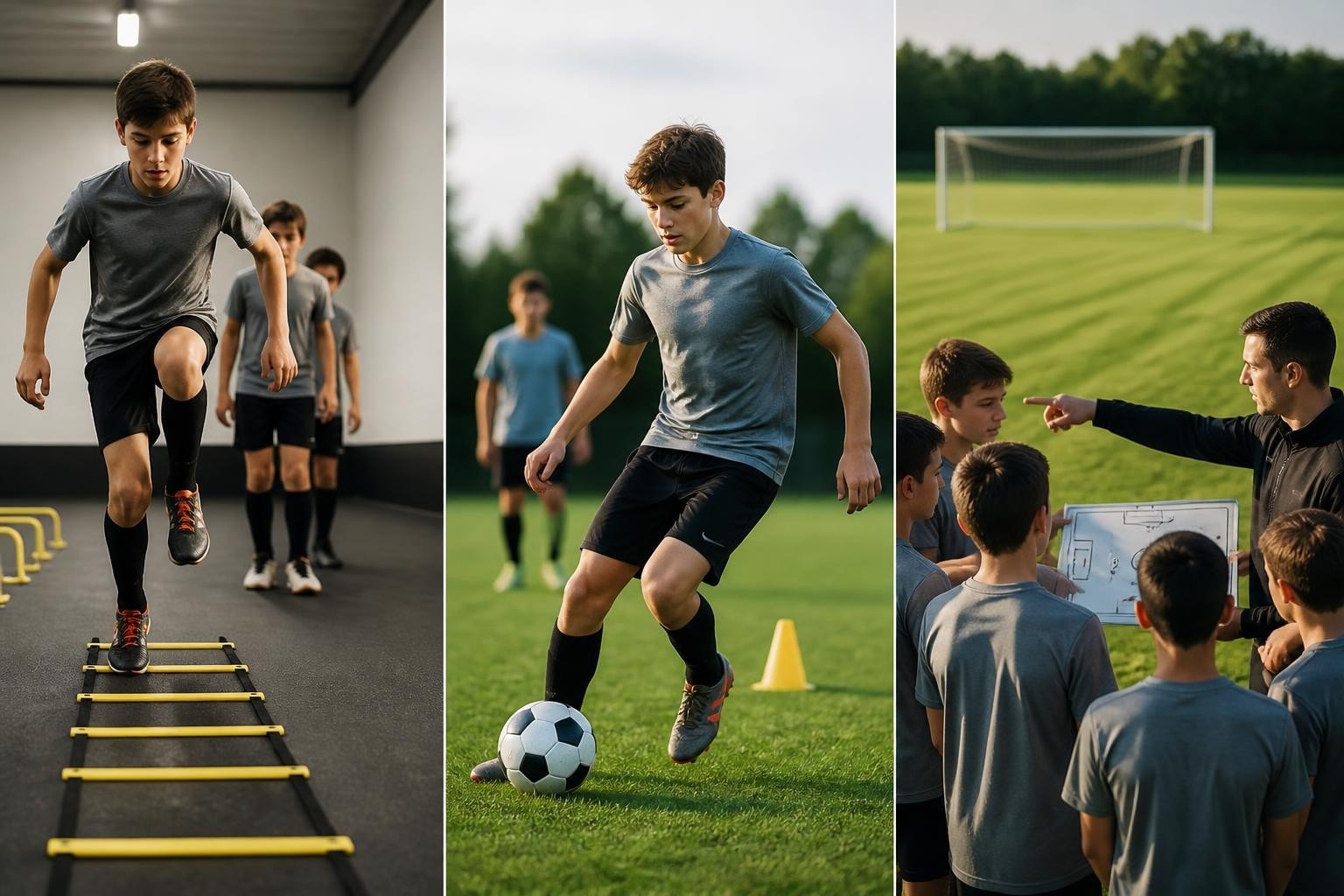
Fall soccer represents a pivotal season for young athletes across North America, offering a unique blend of competitive opportunities and developmental milestones. As temperatures cool and leaves change, players face distinct challenges and advantages that differ significantly from spring and summer training. Understanding how to maximize this season requires parents, coaches, and athletes to approach preparation, safety, and skill development with intentional strategies that address the specific demands of autumn play.
Understanding the Fall Soccer Season
The fall soccer season typically runs from late August through November, coinciding with the academic calendar and creating a natural rhythm for youth development programs. This timing allows players to build on summer training while establishing momentum that carries through the entire year.
Key characteristics of fall soccer include:
- Cooler temperatures that reduce heat-related stress
- Variable weather conditions requiring adaptable training approaches
- Competitive league play that tests skills under pressure
- Shorter daylight hours impacting practice schedules
Youth soccer programs structure their fall sessions around progressive development, with each training block targeting specific technical and tactical improvements. The season serves as a crucial evaluation period where players demonstrate growth from previous months while identifying areas for winter refinement.
Weather Considerations and Adaptation
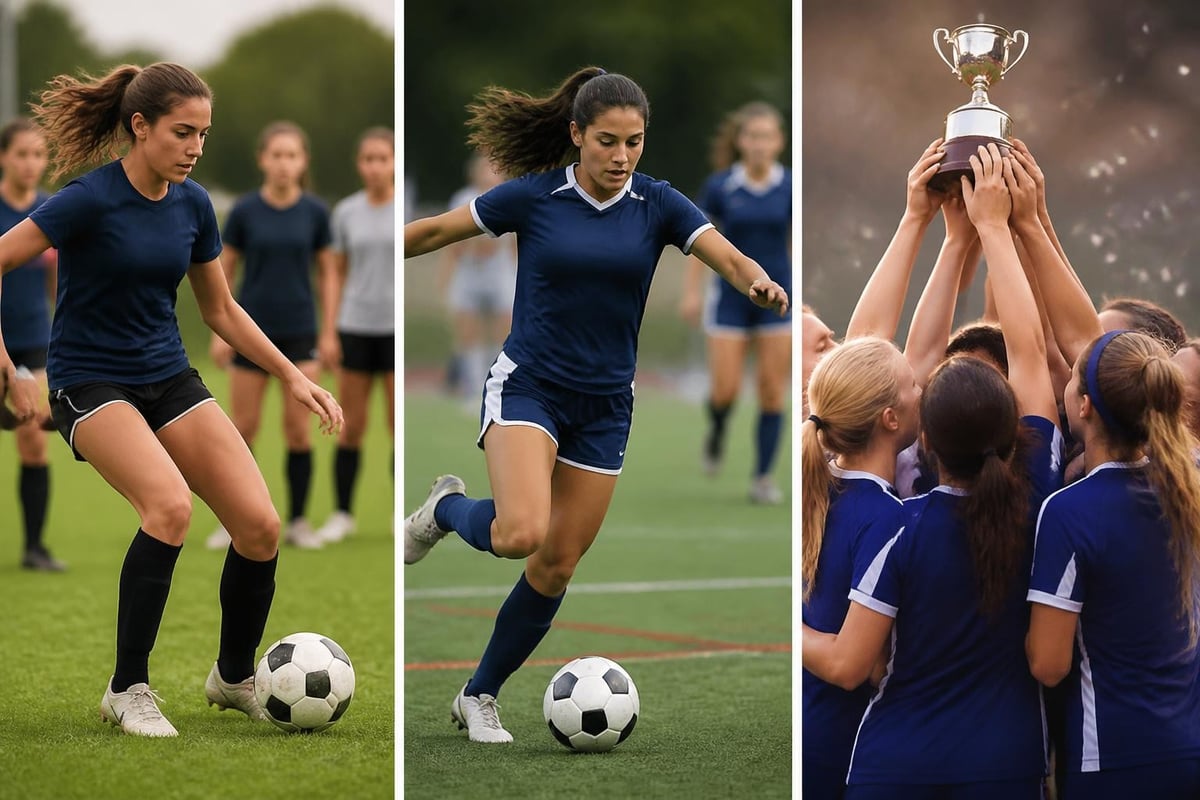
Fall weather in regions like British Columbia presents unique training opportunities. The moderate temperatures between 50-65°F create ideal conditions for high-intensity work without the exhaustion associated with summer heat. However, rain and wind require technical adjustments that ultimately strengthen player versatility.
Players must develop comfort handling the ball on wet surfaces, maintaining balance in slippery conditions, and adapting passing techniques when wind affects ball flight. These challenges build resilience and technical proficiency that translate to superior performance in all conditions.
Physical Preparation for Competitive Play
Proper physical conditioning forms the foundation of successful fall soccer participation. According to comprehensive injury prevention guidelines from sports medicine experts, adequate preparation significantly reduces injury risk while enhancing performance capacity.
Pre-Season Conditioning Requirements
| Fitness Component | Training Focus | Weekly Volume |
|---|---|---|
| Aerobic Base | Distance running, interval work | 3-4 sessions |
| Strength | Lower body, core stability | 2-3 sessions |
| Flexibility | Dynamic stretching, yoga | Daily |
| Speed | Sprint work, agility drills | 2 sessions |
Young athletes should begin conditioning at least four weeks before competitive fall soccer begins. This preparation period allows the body to adapt gradually to increased demands, reducing the likelihood of overuse injuries that commonly occur when players transition too quickly from summer rest to intense competition.
Progressive overload remains essential throughout the season. Rather than maintaining static training volumes, effective programs systematically increase intensity, duration, or complexity every 2-3 weeks to drive continuous adaptation and performance gains.
Nutrition and Hydration Strategies
Even in cooler fall temperatures, proper hydration remains critical for soccer performance. Players should consume 16-20 ounces of water 2-3 hours before training and continue hydrating throughout sessions, particularly during high-intensity drills.
Nutritional needs shift during fall soccer as energy demands increase with competitive play. Athletes require balanced meals containing complex carbohydrates, lean proteins, and healthy fats to fuel training while supporting recovery and growth.
Technical Skill Development in Fall Training
Fall soccer provides the perfect environment for refining technical skills under game-like pressure. The competitive nature of league play creates authentic scenarios where players must execute techniques consistently despite fatigue, defensive pressure, and environmental challenges.
Modern training approaches emphasize quality repetitions within realistic contexts. What makes effective training different centers on creating situations where players must solve problems using technical skills rather than performing isolated drills disconnected from actual gameplay.
Ball Mastery and First Touch
Priority technical areas for fall development:
- Receiving skills across various surfaces and heights
- Close control in traffic and tight spaces
- Quick directional changes with the ball
- Striking technique for passes and shots
- Defensive positioning and tackling mechanics
Players who dedicate 15-20 minutes daily to individual technical work see dramatic improvements throughout the fall soccer season. These sessions supplement team training by allowing focused repetition without the distractions of full training environments.
Tactical Awareness and Decision-Making
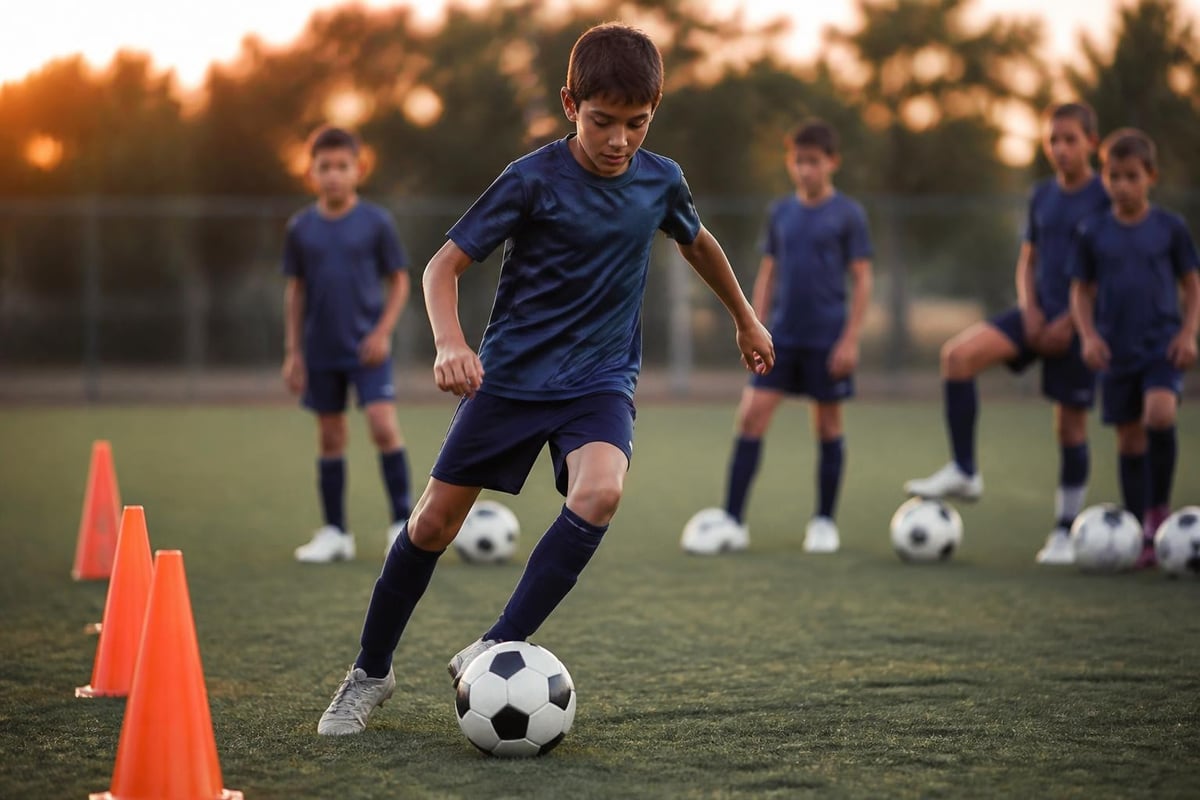
Technical ability means little without tactical understanding. Fall soccer competition demands players recognize patterns, anticipate movements, and make split-second decisions that determine outcomes.
Coaches develop tactical awareness through small-sided games that create frequent decision points. When players face 3v3 or 4v4 scenarios, they encounter more touches and choices than traditional 11v11 formats, accelerating their tactical education.
Injury Prevention and Safety Protocols
Research from orthopaedic specialists on soccer injury prevention demonstrates that structured prevention programs reduce injury rates by 30-50%. These programs address the most common risks associated with fall soccer participation.
Common Fall Soccer Injuries
| Injury Type | Primary Cause | Prevention Strategy |
|---|---|---|
| Ankle sprains | Uneven surfaces, contact | Proprioceptive training, proper footwear |
| Knee injuries | Cutting movements, collisions | Strengthening, neuromuscular control |
| Muscle strains | Inadequate warm-up, fatigue | Dynamic preparation, load management |
| Growth plate issues | Overuse in developing athletes | Volume monitoring, rest periods |
Young athletes face unique vulnerabilities during fall soccer because many are experiencing growth spurts that temporarily affect coordination and increase injury susceptibility. Understanding these developmental factors helps parents and coaches adjust expectations and training loads appropriately.
Warm-Up and Recovery Protocols
Effective warm-ups for fall soccer should last 15-20 minutes and progress from general movement to sport-specific actions. This preparation elevates core temperature, increases joint range of motion, and activates neuromuscular patterns essential for safe performance.
Structured warm-up sequence:
- Light aerobic activity (jogging, dynamic movements)
- Dynamic stretching emphasizing major muscle groups
- Ball work incorporating touches and passing
- Progressive intensity drills approaching match speed
- Position-specific movements and activations
Recovery receives less attention than preparation but proves equally important. Post-training protocols should include static stretching, proper hydration, and nutritional intake within 30-45 minutes to optimize adaptation and reduce soreness.
Mental and Psychological Development
The psychological demands of fall soccer extend beyond physical preparation. Competitive matches test mental resilience, emotional regulation, and confidence under pressure-skills that develop through intentional practice and supportive environments.
Young athletes often experience performance anxiety, fear of mistakes, and difficulty maintaining focus during challenging moments. Addressing these psychological factors directly through mental skills training enhances both performance and enjoyment.
Building Competitive Confidence
Confidence stems from preparation and experience. Players who enter fall soccer with solid technical foundations and clear understanding of their roles naturally perform with greater assurance than those uncertain about their capabilities.
Coaches and parents support confidence development by emphasizing process over outcomes. When young athletes focus on executing their preparation rather than fixating on results, they maintain composure during adversity and recover quickly from setbacks.
For players seeking intensive development environments, specialized programs like high-performance training camps provide concentrated exposure to elevated competition and professional training standards that accelerate psychological growth alongside technical improvement.
Team Dynamics and Communication
Fall soccer success requires effective teamwork and communication. Players must coordinate movements, share information about positioning and threats, and support teammates through encouragement and constructive feedback.
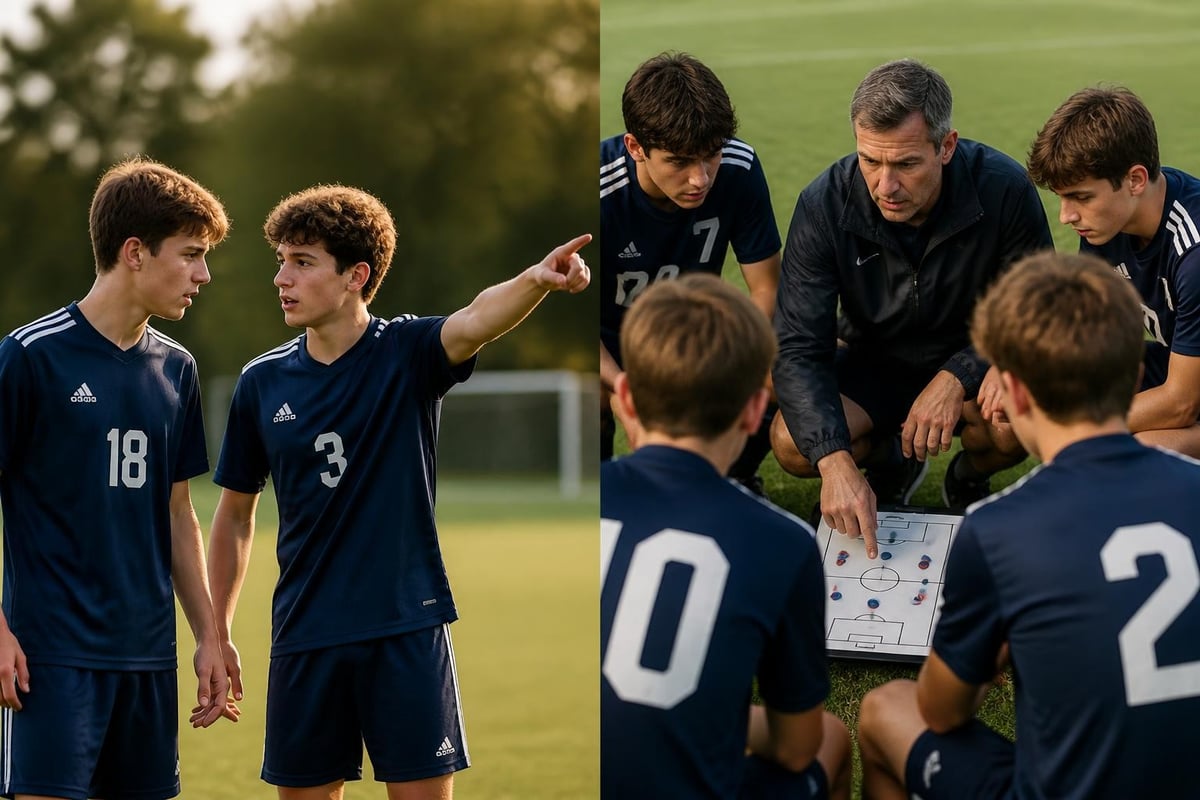
Teams that establish clear communication standards and practice verbal and non-verbal signals consistently outperform groups with superior individual talent but poor coordination. This emphasis on collective functioning builds life skills that extend well beyond soccer.
Equipment and Gear Considerations
Proper equipment selection significantly impacts performance and safety during fall soccer. As weather conditions fluctuate, players need versatile gear that performs across various scenarios while providing adequate protection.
Footwear Selection
Fall soccer requires footwear appropriate for changing field conditions. Firm ground cleats work well for most situations, but players benefit from having molded studs for wet conditions when fields become slippery and challenging.
Cleat selection criteria:
- Proper fit with minimal slippage
- Adequate ankle support without restriction
- Stud configuration matching typical field conditions
- Quality materials that withstand moisture
- Regular inspection for wear and damage
Ill-fitting footwear contributes to blisters, toenail injuries, and biomechanical problems that affect performance. Parents should ensure proper sizing with approximately one thumb's width between the longest toe and shoe end, accounting for growth but avoiding excessive room that causes instability.
Protective Equipment and Layering
Shin guards remain mandatory for all fall soccer participation, protecting against impact injuries from tackles and deflected shots. Players should select guards that cover the entire shin from ankle to just below the knee while remaining comfortable during extended wear.
Temperature regulation through strategic layering allows players to maintain optimal body temperature as conditions change throughout practices and matches. Base layers provide moisture management, mid-layers offer insulation when needed, and outer layers protect against wind and precipitation.
Training Periodization and Load Management
Effective fall soccer programs structure training through periodization-systematic variation in volume, intensity, and focus across the season. This approach optimizes adaptation while managing fatigue and reducing injury risk from excessive loads.
Season Phase Structure
| Phase | Duration | Primary Focus | Training Emphasis |
|---|---|---|---|
| Pre-season | 3-4 weeks | Conditioning, fundamentals | High volume, moderate intensity |
| Early competitive | 4-5 weeks | Tactical integration | Moderate volume, increasing intensity |
| Mid-season | 4-6 weeks | Performance optimization | Balanced volume and intensity |
| Late season | 3-4 weeks | Peak performance, recovery | Reduced volume, high intensity |
Understanding where athletes fall within this progression helps parents recognize why training focus shifts throughout fall soccer. Early season emphasizes preparation and building, while late season prioritizes sharpness and recovery between important matches.
Monitoring Training Load
Modern approaches to youth development emphasize objective load monitoring to prevent overtraining and ensure adequate recovery. Simple metrics like training duration, perceived exertion ratings, and wellness questionnaires provide valuable insights into player readiness.
Common fall sports injuries and prevention strategies frequently result from accumulated fatigue when young athletes participate in multiple activities simultaneously. Parents should communicate with coaches about total training loads to ensure reasonable volumes that support development without overwhelming young bodies.
Skill Assessment and Progress Tracking
Regular evaluation helps players and parents understand development trajectories throughout fall soccer. Objective assessment provides motivation, identifies improvement areas, and validates training investments.
Performance Metrics
Key assessment areas:
- Technical execution consistency and quality
- Tactical decision-making speed and accuracy
- Physical capacity across endurance, strength, speed
- Psychological attributes including confidence and focus
- Game performance statistics and contributions
Effective programs like those at professional soccer academies conduct formal evaluations every 4-6 weeks, providing players with specific feedback about progress and areas requiring additional attention. This systematic approach transforms abstract development into concrete, measurable outcomes.
Goal Setting for Continuous Improvement
Fall soccer provides natural checkpoints for goal setting and review. Players benefit from establishing specific, measurable objectives at season start, then evaluating progress at mid-season and conclusion.
Goals should address multiple development areas rather than focusing exclusively on outcomes like scoring or winning. A balanced approach might include technical targets (master inside-of-foot passing), tactical objectives (improve defensive positioning), physical aims (increase sprint speed), and psychological goals (maintain composure after mistakes).
Parent and Family Involvement
Parent support significantly influences young athlete development during fall soccer. The balance between encouragement and pressure, involvement and independence, determines whether participation becomes positive or stressful.
Effective Support Strategies
Parents best support fall soccer participation by focusing on effort, attitude, and enjoyment rather than results and performance comparisons. Questions after matches should emphasize fun and learning-"What did you enjoy most?" or "What did you learn today?"-rather than statistics and outcomes.
Transportation logistics, proper nutrition, adequate rest, and emotional support represent the most valuable parental contributions. Technical coaching and tactical instruction should remain with qualified professionals who provide consistent messaging aligned with comprehensive youth soccer training programs.
Managing Multi-Sport Participation
Many young athletes participate in multiple fall sports simultaneously, creating scheduling conflicts and recovery challenges. While multi-sport participation offers benefits including reduced overuse injury risk and broader athletic development, excessive commitments lead to burnout and diminished enjoyment.
Families should prioritize quality over quantity, ensuring adequate rest between activities and maintaining reasonable total training volumes. Communication between coaches from different sports helps coordinate demands and prevent overwhelming young athletes during critical developmental periods.
Long-Term Athletic Development Perspective
Fall soccer represents one season within a multi-year development journey. Decisions about participation intensity, competitive level, and training volume should consider long-term athlete health and sustainability rather than immediate results.
Research on preventing soccer injuries through proper conditioning emphasizes that early specialization and excessive volume increase injury rates while potentially limiting ultimate achievement levels. Young athletes benefit from varied movement experiences, adequate rest periods, and progressive challenges that match developmental readiness.
Age-Appropriate Expectations
| Age Group | Training Frequency | Match Emphasis | Development Priority |
|---|---|---|---|
| U8-U10 | 2-3 sessions weekly | Fun, exploration | Fundamental movement, ball familiarity |
| U11-U13 | 3-4 sessions weekly | Skill application | Technical mastery, tactical introduction |
| U14-U16 | 4-5 sessions weekly | Competitive performance | Tactical sophistication, physical development |
| U17-U19 | 5-6 sessions weekly | Results-oriented | Performance optimization, specialization |
Understanding appropriate expectations prevents premature pressure that undermines enjoyment and long-term participation. Fall soccer should challenge young athletes while remaining developmentally appropriate and sustainable across multiple years.
Fall soccer offers tremendous opportunities for young athletes to develop technically, tactically, physically, and psychologically in environments that build both soccer skills and life competencies. Success requires balancing competitive ambitions with player welfare, structured training with adequate recovery, and immediate goals with long-term development perspectives. At Strive Soccer Academy, our European-style training philosophy addresses all four pillars of player development through programs led by fully licensed Canada Soccer coaches who understand how to maximize each athlete's potential while building character and creating real opportunities for advancement.