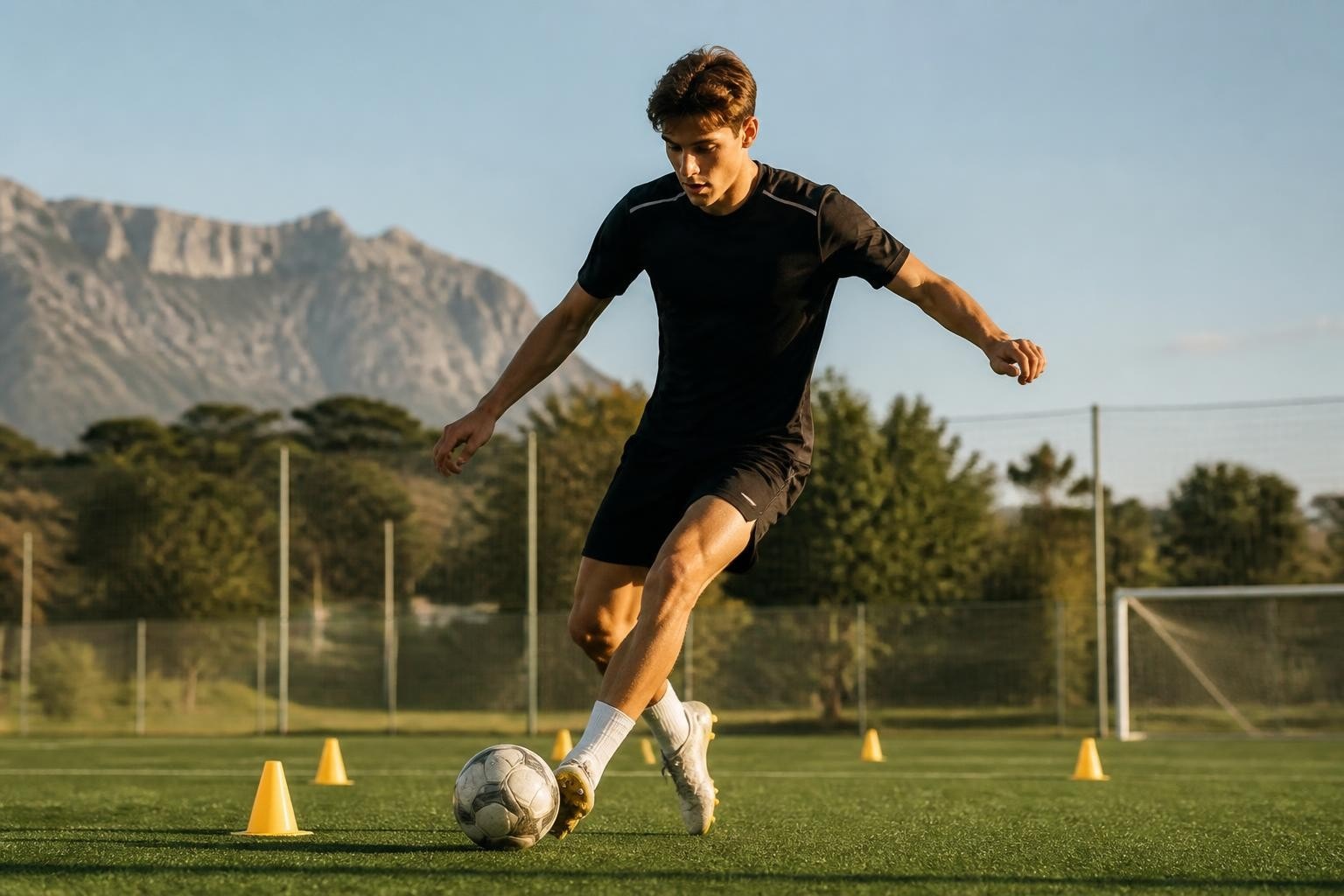
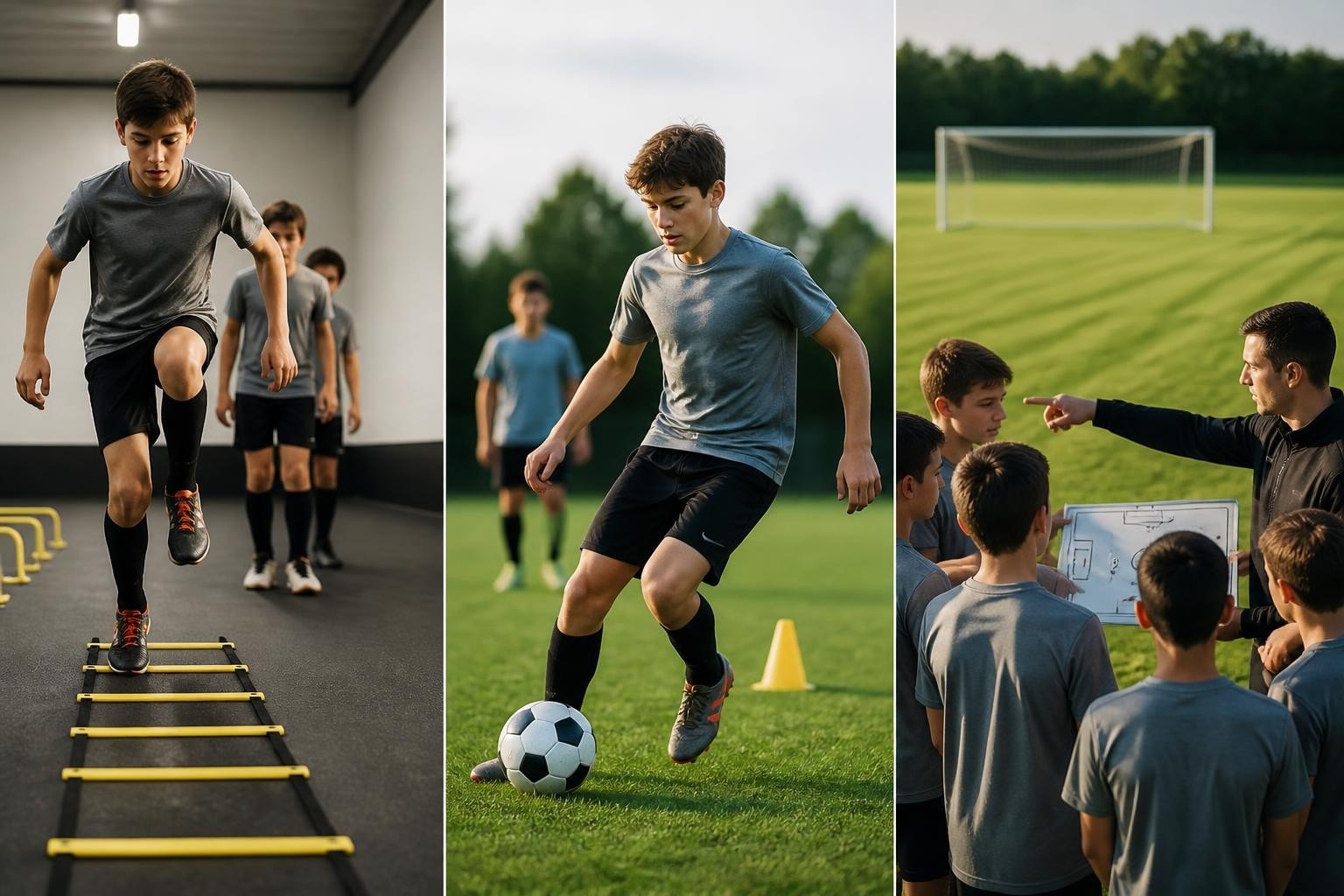
Choosing the right training environment for young soccer players represents one of the most important decisions parents and aspiring athletes face. An elite soccer academy provides more than just coaching sessions-it offers a comprehensive development system that shapes technical abilities, tactical understanding, physical fitness, and mental resilience. As the landscape of youth soccer continues to evolve in 2026, understanding what separates exceptional programs from ordinary recreational leagues becomes essential for families seeking genuine advancement opportunities for their children.
What Defines an Elite Soccer Academy
The term "elite soccer academy" encompasses far more than intensive training schedules or expensive facilities. True elite programs distinguish themselves through systematic player development frameworks that address every dimension of athletic growth. These academies implement structured curricula based on proven methodologies, employ fully licensed coaching staff, and maintain clear pathways for player progression.
Core Training Pillars
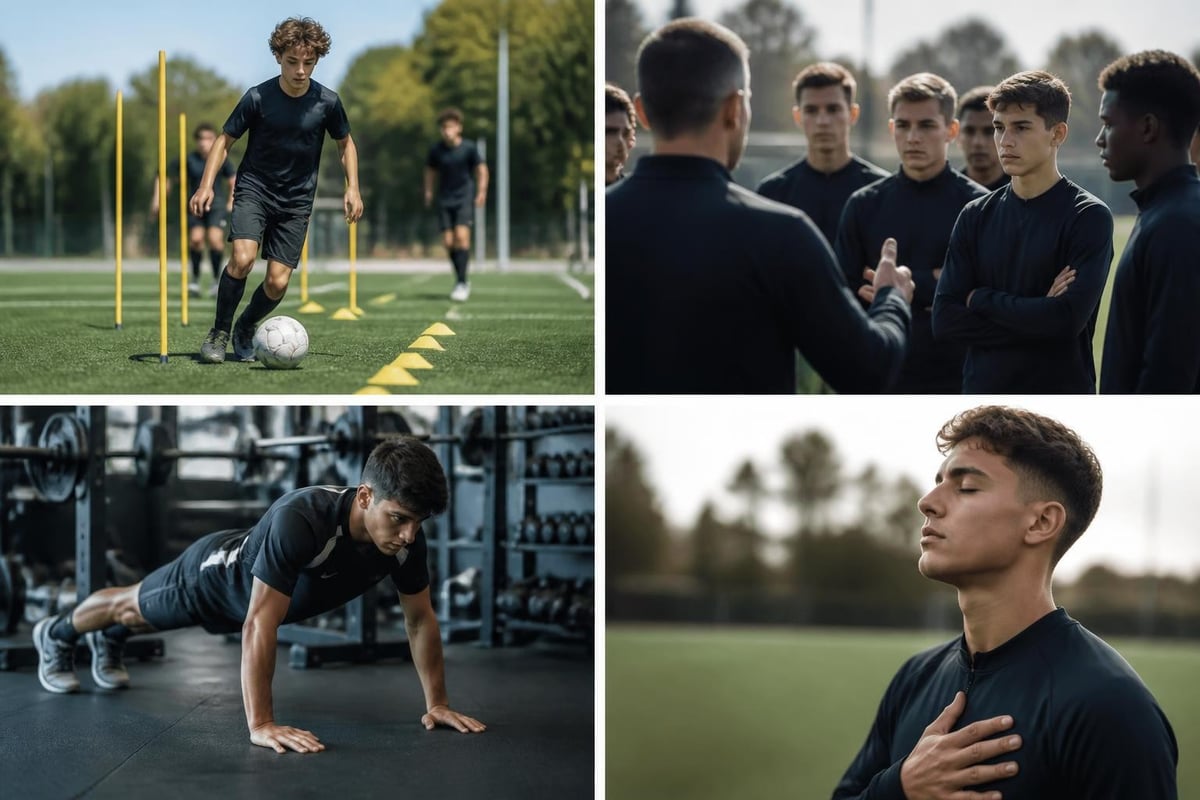
Modern elite academies structure their programs around four fundamental development areas:
- Technical Development: Ball mastery, first touch, passing accuracy, shooting technique
- Tactical Understanding: Positional awareness, decision-making, game reading, spatial intelligence
- Physical Conditioning: Speed, agility, strength, endurance, injury prevention
- Psychological Growth: Confidence, resilience, focus, competitive mentality
Research on performance evaluation and training methodologies demonstrates how systematic approaches to these pillars create measurable improvements in player capabilities. The integration of all four areas separates comprehensive development programs from those focusing solely on physical fitness or technical drills.
Coaching Credentials Matter
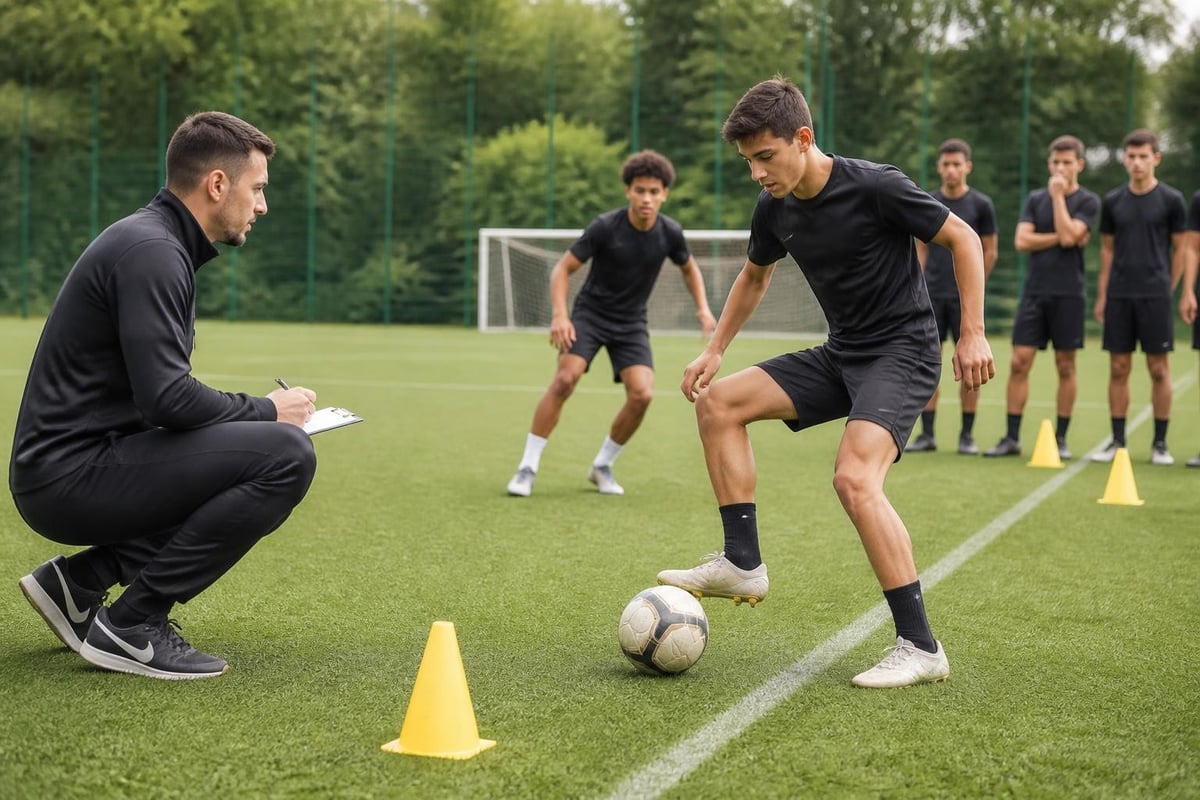
The quality of instruction directly impacts player development outcomes. Elite soccer academies prioritize coaching credentials, ensuring instructors hold recognized certifications from national governing bodies. In Canada, this means coaches with National A Licenses, B Licenses, or specialized certifications like Soccer for Life designations.
Qualified coaches bring pedagogical expertise that extends beyond playing experience. They understand age-appropriate training methods, recognize developmental windows for skill acquisition, and adapt instruction to individual learning styles. Parents should verify coaching credentials when evaluating potential programs, as this single factor influences everything from session planning to long-term player progression.
Training Methodologies in Top Academies
European training philosophies have significantly influenced elite soccer academy programs across North America. These methodologies emphasize possession-based play, intelligent movement off the ball, and rapid decision-making under pressure. The approach contrasts sharply with traditional North American models that historically prioritized athletic ability over technical refinement.
Session Structure and Intensity
Elite programs typically structure training sessions around progressive complexity. Warm-ups incorporate ball work rather than static stretching, ensuring every minute contributes to technical development. Sessions then progress through:
- Technical focus exercises (ball mastery fundamentals)
- Small-sided games (applying techniques in game contexts)
- Tactical scenarios (position-specific situations)
- Full-field applications (game-realistic conditions)
| Session Component | Duration | Primary Focus |
|---|---|---|
| Dynamic Warm-up | 10-15 min | Ball control, activation |
| Technical Work | 20-25 min | Specific skill development |
| Tactical Training | 25-30 min | Game situations, positioning |
| Scrimmage/Application | 20-25 min | Competition, decision-making |
This structure ensures high engagement levels while maximizing touches on the ball. Studies on movement dynamics in elite soccer athletes reveal that training intensity and volume directly correlate with performance improvements, particularly in younger age groups.
Individualized Development Plans
Recognition that players develop at different rates distinguishes elite programs from one-size-fits-all approaches. Top academies assess each athlete's current abilities, identify specific areas for improvement, and create customized development roadmaps. These personalized training programs address individual weaknesses while enhancing existing strengths.
Coaches track progress through regular evaluations, adjusting training emphasis as players mature. This individualized attention ensures that early developers don't plateau while late bloomers receive support to reach their potential. Parents should seek programs that demonstrate commitment to personalized player development rather than treating all participants identically.
Selection Criteria and Tryout Processes
Gaining admission to an elite soccer academy requires demonstrating specific competencies and potential for growth. Understanding evaluation criteria helps families prepare effectively and identify whether a particular program aligns with their athlete's current development level.
What Scouts and Coaches Evaluate
Tryouts assess multiple dimensions beyond raw athletic ability:
- Technical proficiency in fundamental skills (first touch, passing accuracy, ball control)
- Tactical awareness and decision-making during small-sided games
- Physical attributes including speed, agility, and coordination
- Attitude and coachability demonstrated through response to instruction
- Competitive mentality shown in pressure situations
Importantly, elite academies look for potential rather than just current ability. A player with solid fundamentals and strong work ethic may earn selection over a more naturally gifted athlete who lacks discipline or receptiveness to coaching.
Age-Appropriate Expectations
Development expectations vary significantly across age groups. For younger players (ages 8-12), academies prioritize technical foundation and love for the game. Tactical sophistication and physical attributes become more important for older age groups (13+) as players transition toward competitive soccer environments.
Parents should maintain realistic expectations based on their child's age and development stage. Rushing into overly competitive environments before developing solid technical foundations can hinder long-term progression. Resources on youth soccer training approaches provide valuable context for age-appropriate development targets.
Training Frequency and Time Commitment
Elite soccer academy participation requires substantial time investment from both players and families. Understanding these commitments helps families make informed decisions about program selection and ensures athletes can sustain the required dedication.
Weekly Training Schedules
Most elite programs require multiple training sessions per week, typically ranging from three to five sessions depending on age group and program intensity. Younger age groups (U10-U12) might train three times weekly for 90 minutes per session, while older competitive groups (U14+) often train four to five times weekly with sessions extending to two hours.
Beyond regular training, players should engage in individual practice to reinforce session concepts. The most successful academy players dedicate additional time to ball work, fitness training, and video study. This self-directed practice separates good players from exceptional ones.
Balancing Academics and Athletics
Maintaining academic performance while pursuing soccer excellence presents ongoing challenges for families. Elite programs recognize this tension and structure schedules to minimize conflicts with school responsibilities. Many academies offer evening training sessions or weekend options that accommodate academic commitments.
Programs like those offering comprehensive daily schedules demonstrate how serious academies integrate academic support with athletic training. Parents should verify that potential programs value educational achievement alongside soccer development, as this balance proves essential for long-term success.
Physical Development and Injury Prevention
Physical conditioning in an elite soccer academy extends beyond general fitness to address sport-specific demands and injury prevention protocols. Modern training science emphasizes long-term athletic development over short-term performance gains, particularly for younger players.
Age-Appropriate Strength Training
Strength and conditioning programs must align with developmental stages to maximize benefits while minimizing injury risks. Pre-pubescent players focus on bodyweight exercises, coordination drills, and movement patterns rather than heavy resistance training. As players mature, programs progressively introduce resistance training with careful attention to proper form and appropriate loading.
Injury prevention receives equal emphasis with performance enhancement. Research on injury risk mitigation in soccer demonstrates that structured prevention programs significantly reduce injury incidence while improving overall performance markers.
Key injury prevention components include:
- Dynamic warm-up routines targeting common injury sites
- Proper recovery protocols between training sessions
- Load management to prevent overuse injuries
- Mobility and flexibility work
- Neuromuscular training for joint stability
Nutrition and Recovery Education
Elite academies increasingly incorporate nutrition education and recovery protocols into their programming. Young athletes need guidance on proper fueling strategies, hydration requirements, and recovery nutrition to support intensive training demands.
| Recovery Element | Purpose | Implementation |
|---|---|---|
| Sleep Quality | Tissue repair, hormone regulation | 8-10 hours nightly for youth |
| Hydration | Performance, injury prevention | Consistent intake, not just during training |
| Nutrition Timing | Energy availability, recovery | Pre/post-training meal planning |
| Active Recovery | Blood flow, soreness reduction | Low-intensity movement on off days |
Programs that educate players on these lifestyle factors create self-sufficient athletes capable of managing their physical development beyond structured training environments.
Tactical Development and Game Intelligence
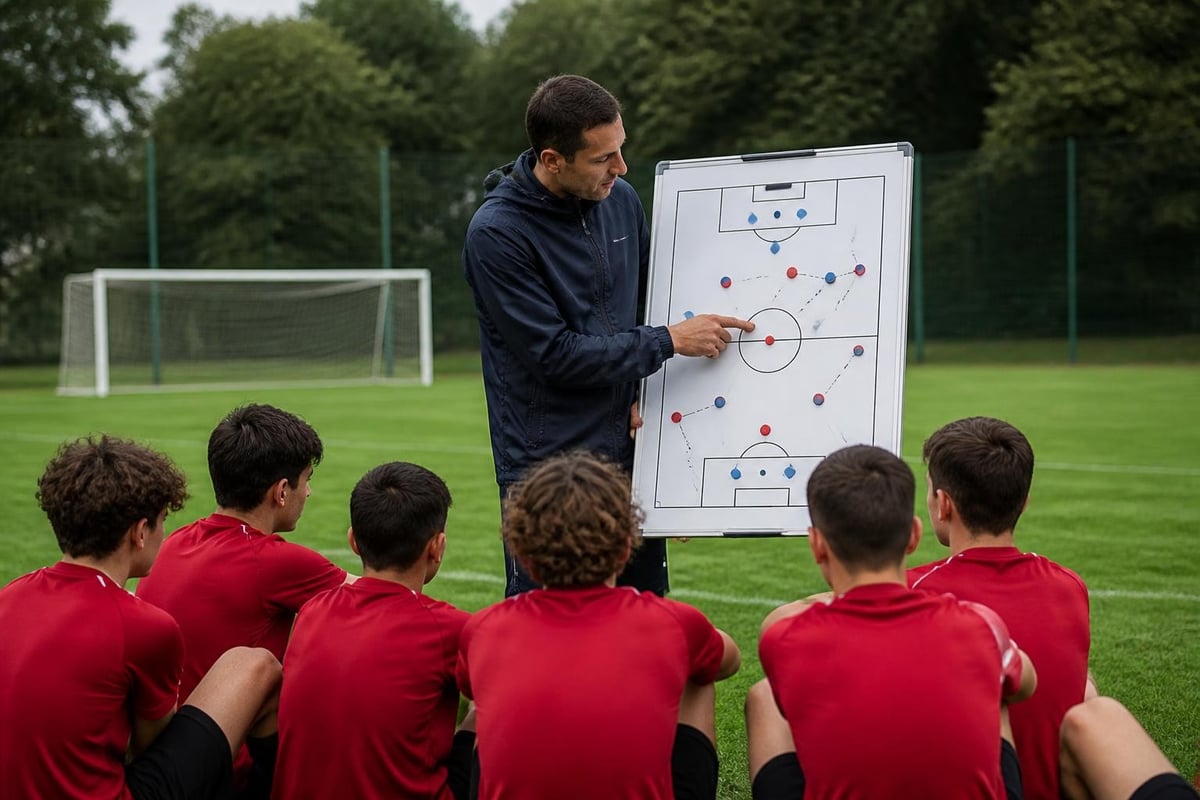
Technical skills form the foundation, but tactical understanding separates competent players from elite ones. An elite soccer academy develops game intelligence through progressive tactical education that evolves with player maturity and competitive level.
Position-Specific Training
As players advance, position-specific training becomes increasingly important. Defenders learn different tactical concepts than midfielders or forwards. Elite programs provide specialized instruction that deepens understanding of positional responsibilities, movement patterns, and decision-making frameworks specific to each role.
This specialized training doesn't limit players to single positions but rather develops versatility through comprehensive tactical knowledge. Players who understand multiple positions demonstrate superior game reading abilities and adapt more effectively to different game situations.
Decision-Making Under Pressure
Game situations rarely allow unlimited time for decision-making. Elite academies train players to process information rapidly and execute decisions under physical and mental pressure. Small-sided games serve as primary teaching tools for this development, creating high-frequency decision-making opportunities in controlled environments.
Sessions emphasizing speed of play and decision-making challenge players to recognize patterns, anticipate opponent movements, and select optimal actions within condensed timeframes. This training translates directly to improved game performance as players execute with greater confidence and efficiency during matches.
Mental Skills and Psychological Development
The psychological dimension of player development receives increasing attention in elite soccer academies as coaches recognize mental skills as performance differentiators at higher competitive levels. Building mental resilience, competitive confidence, and focus represents critical academy functions alongside physical and technical training.
Building Competitive Mentality
Developing healthy competitive drive while maintaining perspective proves challenging but essential. Elite programs cultivate mentalities that embrace challenges, view failures as learning opportunities, and maintain composure under pressure. Coaches model these attitudes and create training environments that reward effort, improvement, and resilience rather than solely outcome-based achievements.
Players learn to set process-oriented goals focused on controllable factors like work rate, technical execution, and tactical discipline rather than fixating on wins and losses. This approach builds sustainable motivation and resilience through inevitable setbacks in soccer development.
Confidence Development
Confidence stems from competence and preparation. Elite academies build player confidence through progressive challenge sequences that extend capabilities while ensuring achievable success rates. Players experience enough difficulty to promote growth without overwhelming them with tasks beyond current ability levels.
Positive coaching reinforcement, clear feedback on improvement areas, and celebration of incremental progress all contribute to confidence development. Programs that balance honest assessment with supportive encouragement create environments where players develop self-belief grounded in genuine capability rather than empty praise.
Pathway to Advanced Opportunities
Families invest in elite soccer academy training hoping to create advancement opportunities for their athletes. Understanding realistic pathways and progression timelines helps maintain appropriate expectations while maximizing development potential.
College Soccer Recruitment
For many North American families, college soccer represents the primary goal of academy participation. Elite programs facilitate this pathway through exposure events, recruitment guidance, and relationships with college coaching networks. Academies with documented success stories and player placements demonstrate their effectiveness in preparing players for collegiate competition.
The recruitment process typically intensifies during high school years, though earlier exposure at showcases can establish relationships with college programs. Elite academies prepare players not just technically and tactically but also academically, ensuring athletes meet NCAA eligibility requirements and understand the recruitment timeline.
Professional Development Pathways
While professional soccer remains statistically rare, elite academies occasionally produce players who advance to professional environments. These pathways might include:
- MLS Next programs and MLS academy systems
- USL and lower-tier professional opportunities
- International academy affiliations
- College soccer followed by professional drafts
Parents should maintain realistic perspectives on professional probability while supporting players who demonstrate exceptional ability and dedication. Programs offering connections to higher-level development opportunities provide valuable pathways for the small percentage of players capable of advancing to professional environments.
Cost Considerations and Value Assessment
Elite soccer academy participation represents significant financial investment. Understanding cost structures and assessing value helps families make sustainable decisions aligned with their resources and goals.
Typical Fee Structures
Academy fees vary widely based on geographic location, facility quality, coaching credentials, and program comprehensiveness. Annual costs typically range from $2,000 to $8,000+ for year-round programming, with additional expenses for tournaments, travel, equipment, and showcases.
Fee structures may include:
- Monthly or annual tuition for regular training sessions
- Tournament registration and travel costs
- Showcase event participation fees
- Uniform and equipment requirements
- Private training or supplementary sessions
Families should request detailed cost breakdowns and understand all potential expenses before committing. Some programs offer financial assistance or payment plans to increase accessibility for families with financial constraints.
Evaluating Return on Investment
Assessing academy value extends beyond financial calculations to include developmental outcomes, coaching quality, facility access, and competitive opportunities. Key value indicators include:
- Coaching credentials and player-to-coach ratios
- Structured curriculum with clear development objectives
- Quality competitive opportunities through leagues and tournaments
- Player progression tracking and communication with families
- Alumni success in college placement or higher-level programs
The most expensive program doesn't necessarily deliver the best value. Families should evaluate whether program offerings align with their athlete's needs and development stage. A less expensive program with excellent coaching and appropriate competitive level often provides better value than costly programs misaligned with player ability.
Facility and Resource Requirements
Physical infrastructure and training resources significantly impact the quality of elite soccer academy programming. While facilities alone don't ensure development success, adequate resources enable coaches to implement comprehensive training plans effectively.
Essential Facility Components
Quality training environments provide:
- Multiple full-sized fields with proper turf or grass surfaces
- Indoor facilities for year-round training in variable weather
- Goalkeeper-specific training areas with appropriate equipment
- Video analysis capabilities for tactical education
- Strength and conditioning space with age-appropriate equipment
Climate considerations particularly matter in regions with harsh winters or extreme heat. Year-round development requires indoor alternatives or climate-controlled environments to maintain consistent training schedules. Programs in Surrey, BC, and similar climates need solutions for wet winter months when outdoor training becomes challenging.
Technology Integration
Modern elite academies increasingly incorporate technology for performance analysis and skill development. GPS tracking devices monitor physical output during training and matches, providing data on distance covered, sprint frequency, and intensity zones. Video analysis software enables detailed technical and tactical review.
While technology enhances training, it should supplement rather than replace quality coaching instruction. The human element-expert observation, individualized feedback, and relationship-building-remains central to effective player development regardless of technological resources.
Program Culture and Values
The cultural environment within an elite soccer academy profoundly influences player development outcomes. Programs that cultivate positive, growth-oriented cultures create environments where players thrive both as athletes and individuals.
Coaching Philosophy Alignment
Academy coaching philosophy should align with family values and developmental priorities. Some programs emphasize winning at all costs, potentially creating unhealthy pressure for young athletes. Others prioritize long-term development over short-term results, accepting losses as learning opportunities when they advance player growth.
Parents should directly discuss coaching philosophy with program leadership, observing training sessions to witness how stated values manifest in daily practice. The approach detailed in resources like what makes training different at quality academies demonstrates how philosophy translates into tangible training differences.
Player-Centered Development
Elite programs recognize that player development requires individualized approaches rather than standardized instruction. Coaches adapt teaching methods to different learning styles, provide differentiated challenges based on ability levels, and maintain development focus even in competitive contexts.
Player-centered environments prioritize:
- Individual growth over team results in development years
- Intrinsic motivation development through autonomy and mastery
- Mistake tolerance as necessary for learning
- Open communication between coaches, players, and families
These cultural elements create psychologically safe environments where players take creative risks, attempt challenging skills, and develop genuine passion for soccer beyond external pressure or expectations.
Selecting an elite soccer academy requires careful evaluation of training methodologies, coaching credentials, development philosophy, and program culture. The right environment provides comprehensive development across technical, tactical, physical, and psychological dimensions while creating genuine advancement opportunities for dedicated young athletes. Strive Soccer Academy brings European-style training philosophy to Surrey, BC, with fully licensed Canada Soccer coaches who focus on building skills, character, and real opportunities through structured development in all four key areas of player growth.