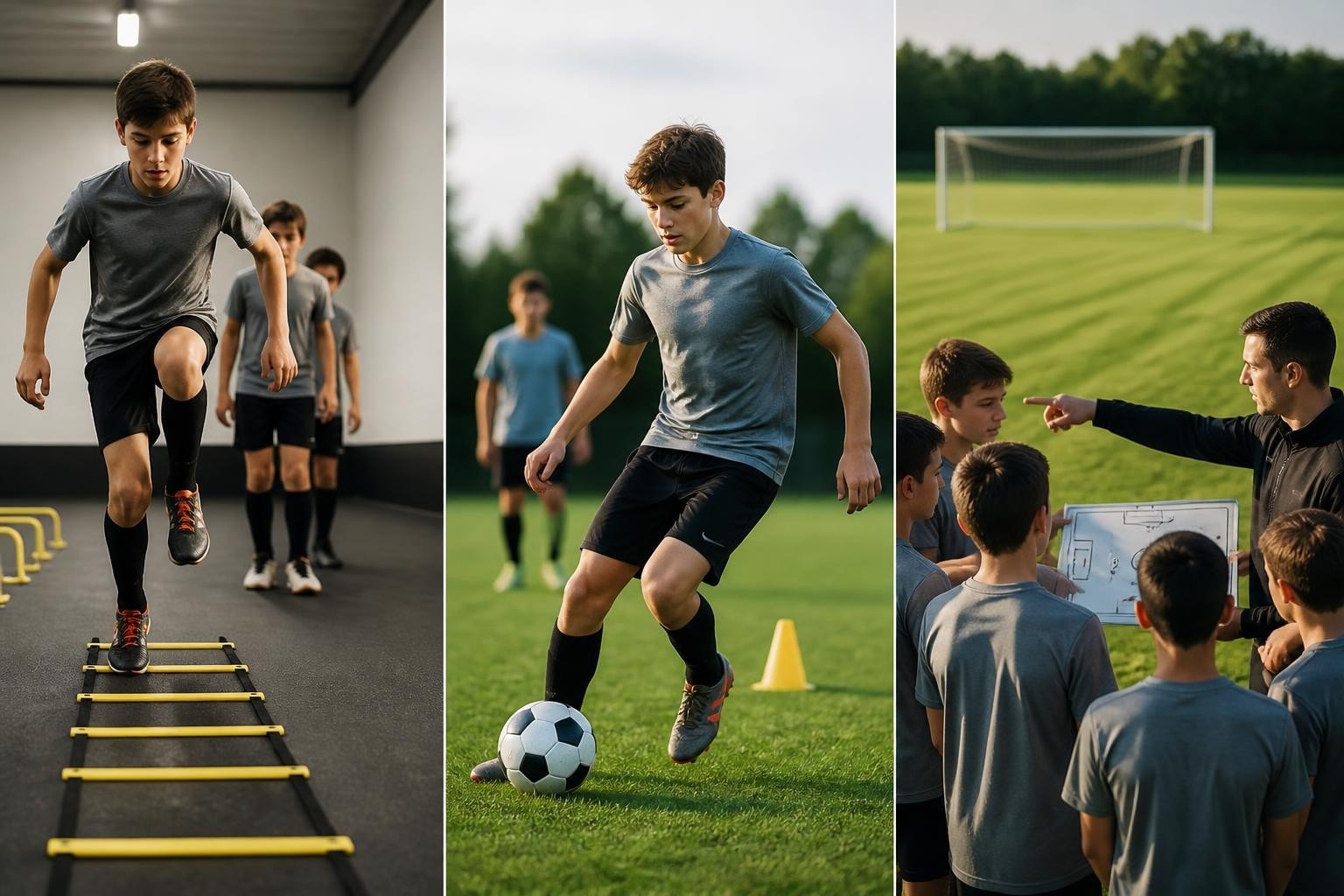
Parents across Surrey are increasingly searching for soccer programs that go beyond weekend games and casual practice sessions. An elite soccer academy Surrey offers represents a significant commitment to player development, combining professional coaching methodologies with structured training environments designed to maximize athletic potential. These academies focus on holistic development, addressing not just physical skills but also tactical awareness, mental resilience, and character building that extends far beyond the pitch.
What Defines an Elite Soccer Academy in Surrey
The distinction between recreational soccer programs and an elite soccer academy Surrey parents trust lies primarily in the approach to player development. Elite academies implement comprehensive training philosophies that mirror those used by professional clubs worldwide, particularly drawing from European methodologies that have consistently produced world-class talent.
Key characteristics include:
- Licensed professional coaching staff with national certifications
- Structured curriculum based on long-term athletic development principles
- Focus on technical mastery before tactical complexity
- Year-round programming with periodized training cycles
- Competitive opportunities at regional and national levels
The European Training Philosophy Advantage
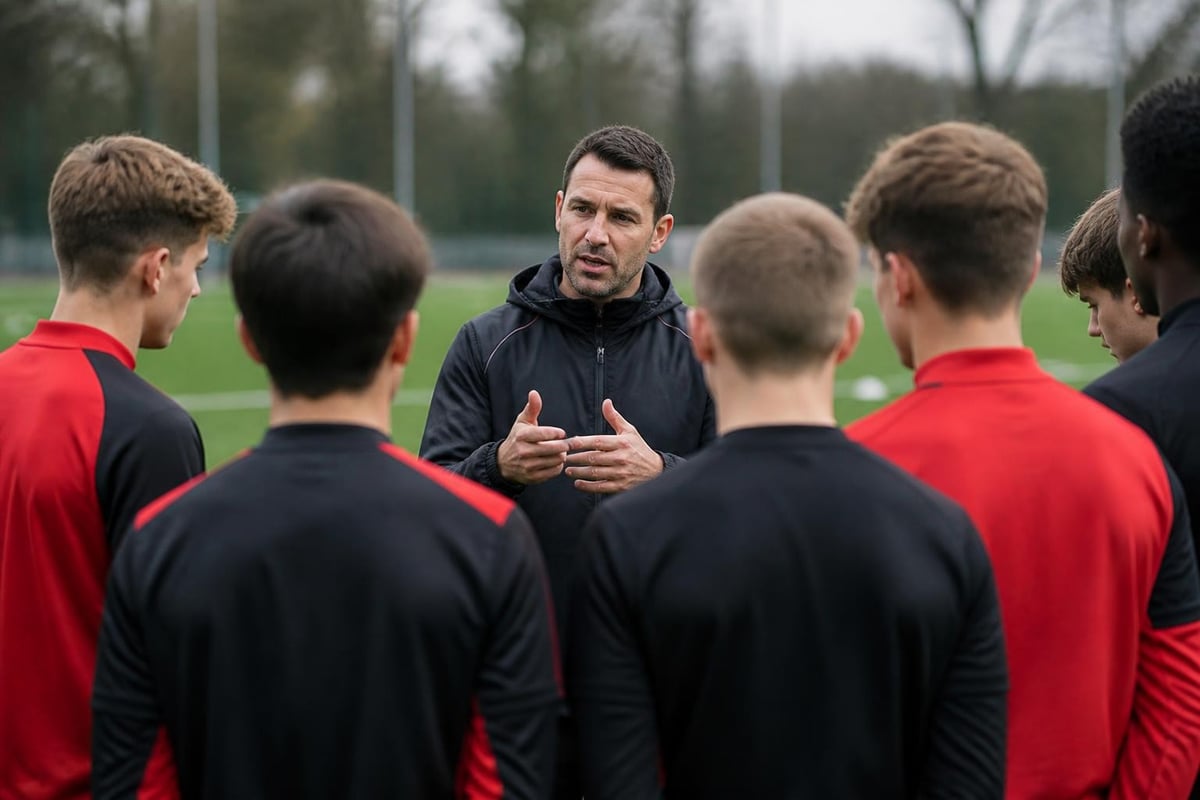
North American soccer has historically lagged behind European standards, but professional soccer academies are changing that narrative by importing proven methodologies. The European approach emphasizes individual technical excellence as the foundation for all other aspects of the game. Players spend considerably more time on ball mastery, first touch refinement, and movement patterns before advancing to complex tactical systems.
This methodology recognizes that young players develop at different rates and requires patient, systematic skill building. Research on age-related changes in executive functions demonstrates how cognitive development impacts soccer performance, reinforcing why age-appropriate training matters significantly.
| Development Phase | Age Range | Primary Focus Areas |
|---|---|---|
| Foundation | 6-9 years | Ball mastery, coordination, movement literacy |
| Formative | 10-12 years | Technical refinement, game understanding, decision-making |
| Challenge | 13-15 years | Tactical sophistication, physical development, positional play |
| Specialization | 16+ years | Position-specific training, game speed, professional preparation |
The Four Pillars of Elite Development
An elite soccer academy Surrey programs implement must address four interconnected development areas. This comprehensive approach ensures players grow as complete athletes rather than one-dimensional performers.
Technical Development
Technical skills form the non-negotiable foundation of elite play. Without consistent first touch, passing accuracy, dribbling proficiency, and shooting technique, players cannot execute tactical instructions under game pressure.
Modern technical training programs incorporate:
- High-repetition drills that build muscle memory
- Progressive difficulty levels that challenge improving players
- Game-realistic scenarios that transfer to match situations
- Individual attention to mechanical corrections
- Video analysis for visual learning reinforcement
Players at elite academies typically complete thousands of quality touches weekly, far exceeding recreational program standards. This volume, combined with proper technique coaching, creates the skill foundation necessary for advanced play.
Tactical Intelligence
While technical skills provide the tools, tactical understanding determines when and how to use them effectively. Elite programs develop soccer IQ through systematic education about positioning, spacing, timing, and decision-making within various game situations.
Tactical development includes:
- Understanding defensive shape and pressing triggers
- Recognizing attacking patterns and exploiting space
- Transitioning quickly between offensive and defensive phases
- Reading opponent tendencies and adjusting accordingly
- Communicating effectively with teammates during live play
Structured academy programs integrate classroom sessions with field application, ensuring players understand not just what to do but why specific actions create advantages.
Physical Conditioning
The physical demands of elite soccer have increased dramatically over the past decade. Modern players cover greater distances at higher intensities while maintaining technical precision under fatigue. An elite soccer academy Surrey families choose must address athletic development alongside soccer-specific skills.
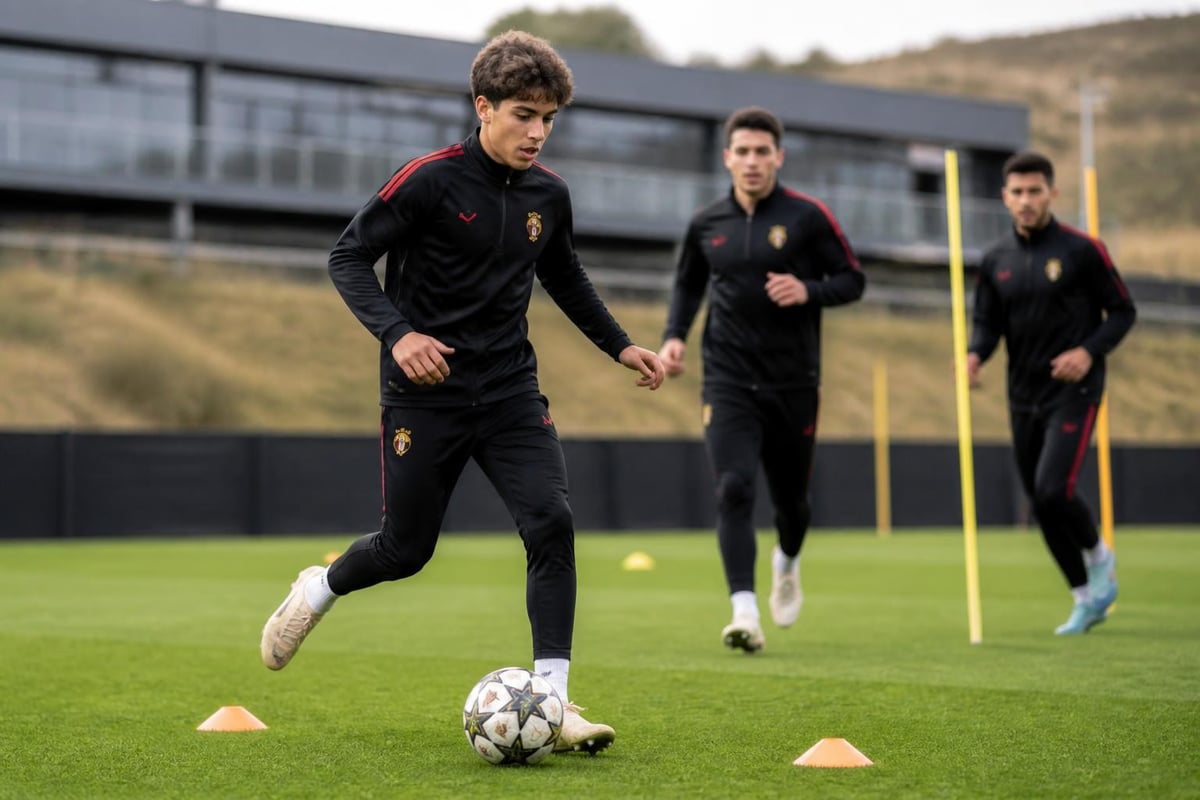
Comprehensive physical training encompasses speed, agility, strength, endurance, and injury prevention. Age-appropriate programming ensures young athletes develop properly without overtraining risks. Movement dynamics research provides valuable frameworks for optimizing physical performance through data-driven strategies.
| Physical Component | Training Methods | Performance Outcomes |
|---|---|---|
| Speed | Sprint mechanics, plyometrics, resistance training | Faster acceleration, higher top-end speed |
| Agility | Change of direction drills, reactive exercises | Improved cutting ability, better one-v-one defense |
| Strength | Bodyweight progressions, gym-based resistance | Increased power, reduced injury risk |
| Endurance | Interval training, game-speed conditioning | Sustained performance throughout matches |
Psychological Strength
Mental and emotional development often receives insufficient attention in youth sports, yet psychological factors frequently determine which talented players reach their potential. Elite academies cultivate resilience, confidence, focus, and competitive mindset as integral program components.
This includes teaching players to handle pressure situations, recover from mistakes quickly, maintain concentration despite distractions, and demonstrate leadership both on and off the field. Character development extends beyond soccer, preparing young athletes for life challenges through sport.
Licensed Coaching Makes the Difference
The coaching quality within an elite soccer academy Surrey program directly impacts player outcomes. Canada Soccer's licensing pathway ensures coaches possess both theoretical knowledge and practical experience appropriate to their certification level.
Licensing levels include:
- Children's License: Entry-level certification for introductory programs
- Youth License: Intermediate credential for competitive youth coaching
- B License: Advanced qualification for high-level youth and senior amateur
- A License: Elite coaching certification for professional environments
- National A License: Highest domestic credential for professional club coaching
Parents should verify coaching credentials when evaluating programs. Licensed professional coaches bring structured methodologies, proven progressions, and expertise that recreational volunteers simply cannot match, regardless of their passion or playing background.
Long-Term Development vs. Short-Term Winning
A fundamental philosophical distinction separates truly elite academies from win-focused competitive programs. While both produce victories, their developmental priorities differ significantly. Elite academies prioritize individual player growth over short-term team results, understanding that long-term development creates both better players and sustained competitive success.
Long-term development frameworks typically span six to nine years, recognizing that player development follows non-linear pathways. Some athletes mature physically earlier, others demonstrate tactical understanding before peers, and technical proficiency develops at varying rates across individuals.
The Development Timeline Reality
Parents must understand that elite player development requires patience and perspective. A twelve-year-old dominating through physical maturity may struggle when peers catch up by fifteen. Conversely, a technically gifted but physically smaller player might emerge as a standout once growth equalizes playing conditions.
Quality academies maintain focus on age-appropriate development objectives rather than chasing tournament trophies with underdeveloped players. This approach produces superior outcomes at senior levels while teaching valuable life lessons about process over results.
Training Environment and Facilities
The training environment within an elite soccer academy Surrey location significantly influences player development quality. While state-of-the-art facilities enhance programs, coaching expertise and curriculum structure matter more than field surface or building aesthetics.
Essential environmental factors include:
- Adequate field space for effective training delivery
- Appropriate player-to-coach ratios enabling individual attention
- Equipment availability supporting curriculum implementation
- Safe, well-maintained surfaces reducing injury risk
- Weather alternatives ensuring year-round consistency
Year-round programming maintains development continuity that seasonal programs cannot match. Elite players require consistent training stimulus, and extended breaks create regression that requires recovery time before progress resumes.
Competition Levels and Pathways
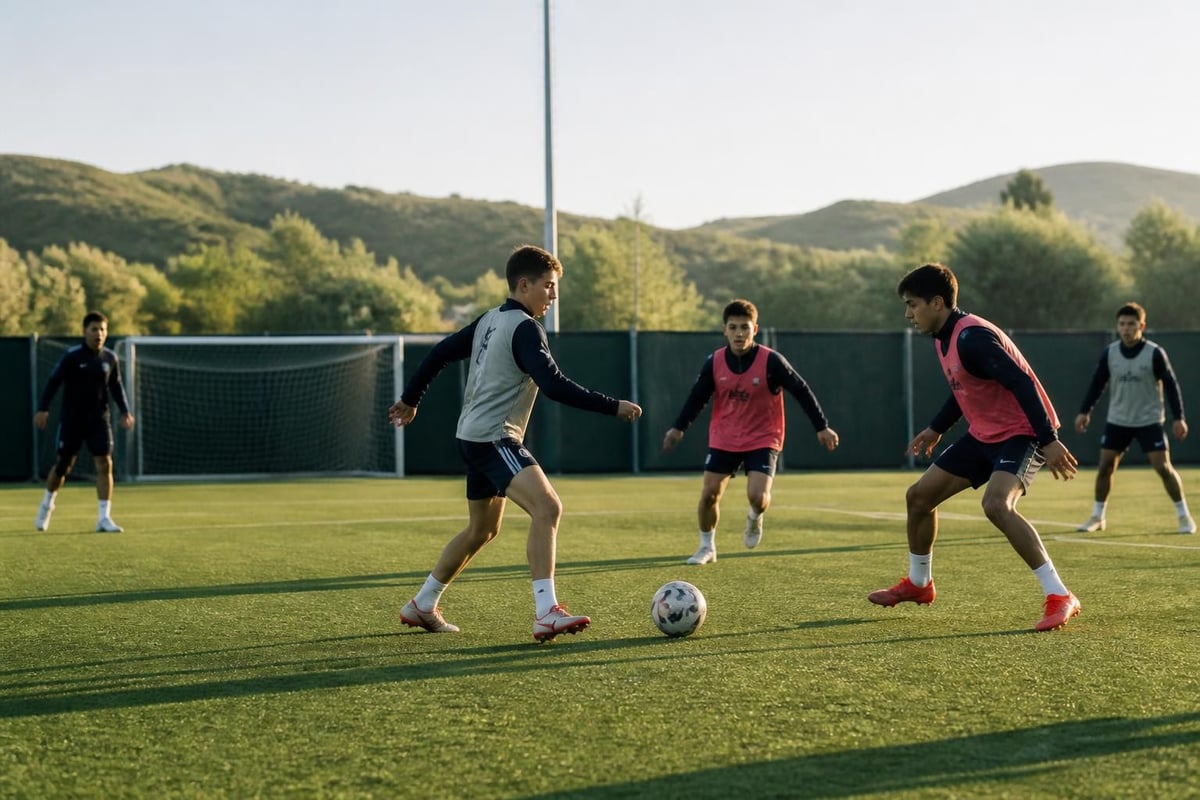
An elite soccer academy Surrey program must provide appropriate competitive opportunities matching player development levels. Competition serves as both performance testing and learning environment, but match quality matters more than quantity.
Competition considerations include:
- League selection balancing challenge with success opportunity
- Tournament participation providing exposure to different playing styles
- Showcase events creating visibility for advanced players
- International competition offering elite-level testing
- Pathway clarity toward collegiate or professional opportunities
Programs offering high performance training prepare players for elevated competition levels through focused preparation that sharpens technical execution under pressure while improving tactical decision-making speed.
Measuring Development Progress
Elite academies implement systematic evaluation processes tracking individual player progress across all development areas. Regular assessments provide objective feedback guiding training focus and identifying improvement opportunities.
| Assessment Area | Evaluation Methods | Frequency |
|---|---|---|
| Technical Skills | Video analysis, standardized testing, coach observation | Monthly |
| Tactical Understanding | Game footage review, positioning analysis, decision quality | Bi-weekly |
| Physical Attributes | Speed tests, agility measurements, endurance benchmarks | Quarterly |
| Psychological Growth | Self-assessment, coach feedback, behavioral observation | Ongoing |
Transparent communication with parents regarding player progress distinguishes professional academies from programs lacking structured evaluation systems. Families deserve clear feedback about strengths, development areas, and realistic pathway projections based on current trajectory.
The Financial Investment Reality
Elite soccer development requires financial commitment beyond recreational program fees. Parents must understand cost structures and evaluate value propositions when selecting programs.
Typical expenses include program tuition, competitive team fees, tournament travel, appropriate footwear and equipment, supplemental training opportunities, and potentially showcase event participation. While costs vary considerably, elite programming typically ranges from moderate to significant annual investment depending on age group and competition level.
The value question centers on coaching quality, training frequency, competitive opportunities, and development outcomes rather than absolute cost. The most expensive program isn't necessarily the best, nor are budget options automatically inferior. Parents should evaluate curriculum structure, coaching credentials, player-to-coach ratios, and alumni success when assessing value.
Integration with Academic Responsibilities
Balancing elite soccer training with academic excellence presents challenges requiring careful time management and family support. Quality academies recognize education importance and structure programming respecting academic commitments.
Modern player-first methodologies acknowledge that few players reach professional levels, making academic success essential for long-term life outcomes. Programs should accommodate exam periods, maintain reasonable training schedules preventing homework completion issues, and encourage academic excellence alongside athletic development.
Student-athletes learning time management, prioritization, and discipline through managing dual commitments develop skills serving them throughout life, regardless of ultimate soccer outcomes.
Parent Involvement and Expectations
The parent role within elite academy environments differs from recreational settings. While enthusiasm and support remain valuable, proper boundaries enable coaches to develop players without interference that undermines program effectiveness.
Appropriate parent involvement includes:
- Ensuring punctual arrival and proper equipment preparation
- Providing nutritious meals supporting athletic performance
- Encouraging consistent effort and positive attitude
- Respecting coaching decisions and program philosophy
- Communicating concerns through proper channels respectfully
Sideline coaching, questioning tactical decisions publicly, or criticizing playing time decisions creates negative environments damaging player development. Parents should trust coaching expertise or select different programs aligning with their philosophy rather than attempting to influence professional staff decisions.
Technology and Performance Analysis
Modern elite academies leverage technology enhancing development through objective performance data and visual learning tools. Video analytics in elite soccer demonstrates how real-time analysis algorithms improve performance evaluation and training methodology effectiveness.
GPS tracking provides objective data about distances covered, sprint counts, and movement patterns during training and matches. Video platforms enable players to review performances, study tactical concepts, and observe elite player examples demonstrating proper technique execution.
While technology enhances programs, it cannot replace quality coaching and player effort. The most sophisticated analysis tools provide minimal value without proper interpretation and application within structured development frameworks.
Cultural Fit and Program Philosophy
Beyond tactical systems and training methodologies, cultural alignment between family values and academy philosophy significantly impacts player experience and development outcomes. Some programs emphasize highly competitive win-focused environments, while others prioritize individual development within supportive team contexts.
Parents should observe training sessions, speak with current families, and discuss philosophy directly with program leadership before committing. Questions about playing time distribution, team selection processes, communication practices, and conflict resolution approaches reveal program values and operational reality beyond marketing materials.
The right program fit creates positive developmental environments where players thrive, while misalignment produces frustration regardless of program quality in absolute terms.
Transitioning from Recreational to Elite
Moving from recreational soccer to an elite soccer academy Surrey environment represents a significant transition requiring adjustment from both players and parents. Expectations increase substantially regarding commitment, effort, skill execution, and behavioral standards.
Players accustomed to recreational settings where everyone plays equally and winning matters little face reality where performance determines opportunities and competitive results carry significance. This transition challenges some athletes while motivating others, making readiness assessment important before committing to elite pathways.
Trial periods or academy tryouts enable families to experience program culture and training intensity before full commitment. These opportunities help determine whether timing and fit align with player development stage and family circumstances.
Building Complete Athletes and People
The ultimate measure of an elite soccer academy Surrey program extends beyond wins, championships, or college scholarships. Truly elite programs develop complete individuals equipped with skills, character traits, and experiences serving them throughout life.
Soccer provides the vehicle for teaching resilience through adversity, teamwork through collaborative challenge, discipline through consistent effort, and confidence through skill mastery. These lessons transfer to academic pursuits, professional careers, and personal relationships long after playing days end.
Quality academies maintain perspective about soccer's role within broader life development, celebrating athletic achievement while reinforcing that character, education, and relationships matter more than any sporting accomplishment. This balanced approach produces well-adjusted adults who credit soccer with shaping positive attributes rather than creating identity crises when playing careers conclude.
Selecting an elite soccer academy in Surrey represents one of the most impactful decisions parents make for their young athletes, requiring careful evaluation of coaching credentials, development philosophy, competitive opportunities, and cultural fit. The right program provides not just soccer skills but life lessons and character development that extend far beyond the pitch. Strive Soccer Academy brings European-style training methodology to Surrey through Canada Soccer licensed coaches who focus on technical, tactical, physical, and psychological development within a supportive environment that builds both skilled players and confident individuals. If you're ready to invest in your child's complete athletic development, explore how our comprehensive approach creates real opportunities while building character that lasts a lifetime.