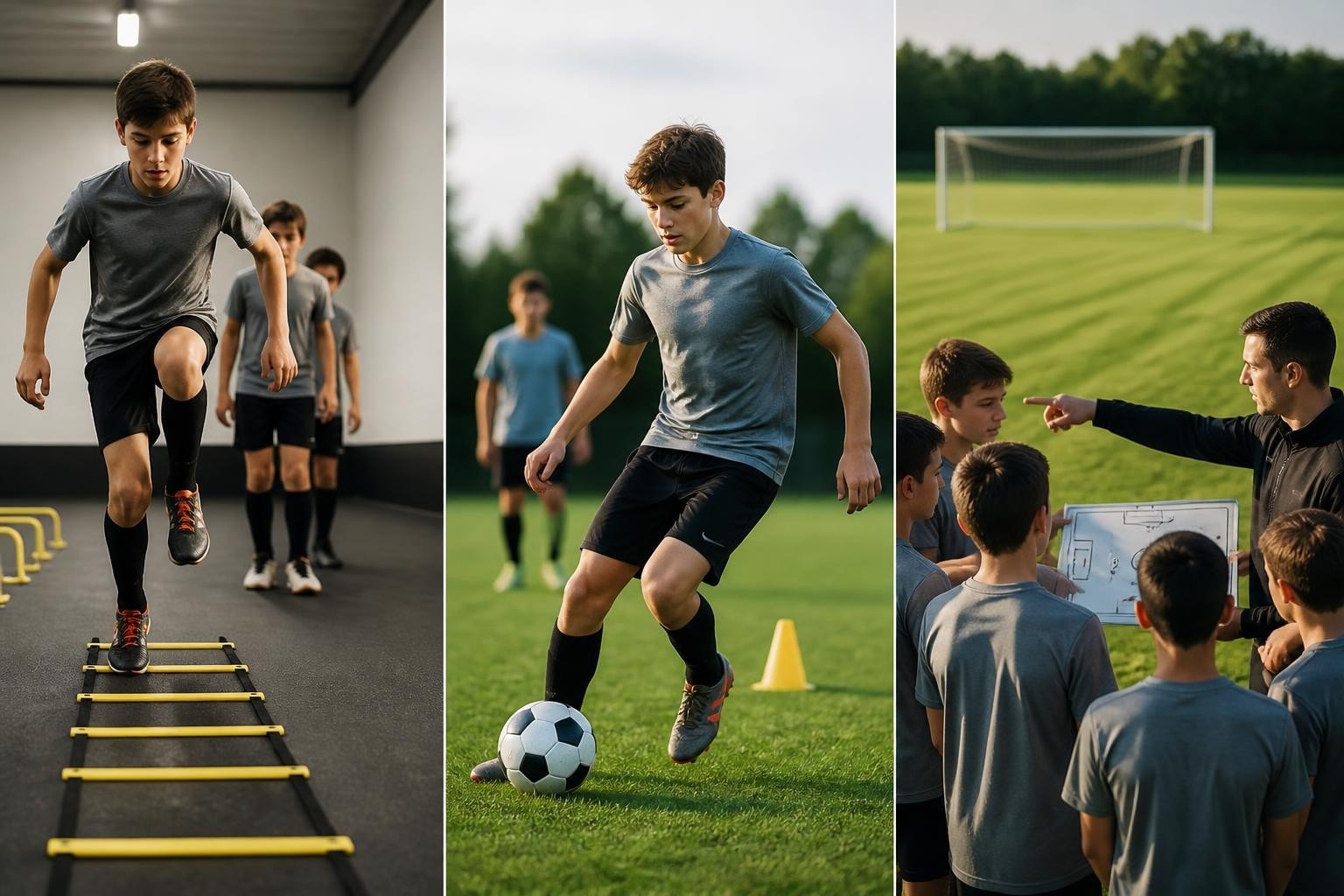
The landscape of youth soccer has evolved dramatically over the past two decades, with development academy programs emerging as the gold standard for cultivating elite-level talent. These specialized training environments go far beyond traditional recreational leagues, offering structured pathways that address every dimension of player growth. Parents seeking the best opportunities for their young athletes increasingly recognize that a comprehensive development academy provides the foundation for long-term success, both on and off the field.
Understanding the Development Academy Philosophy
A development academy operates on fundamentally different principles than conventional youth sports programs. Rather than focusing solely on weekend games and seasonal trophies, these academies prioritize long-term player development through deliberate, evidence-based training methodologies.
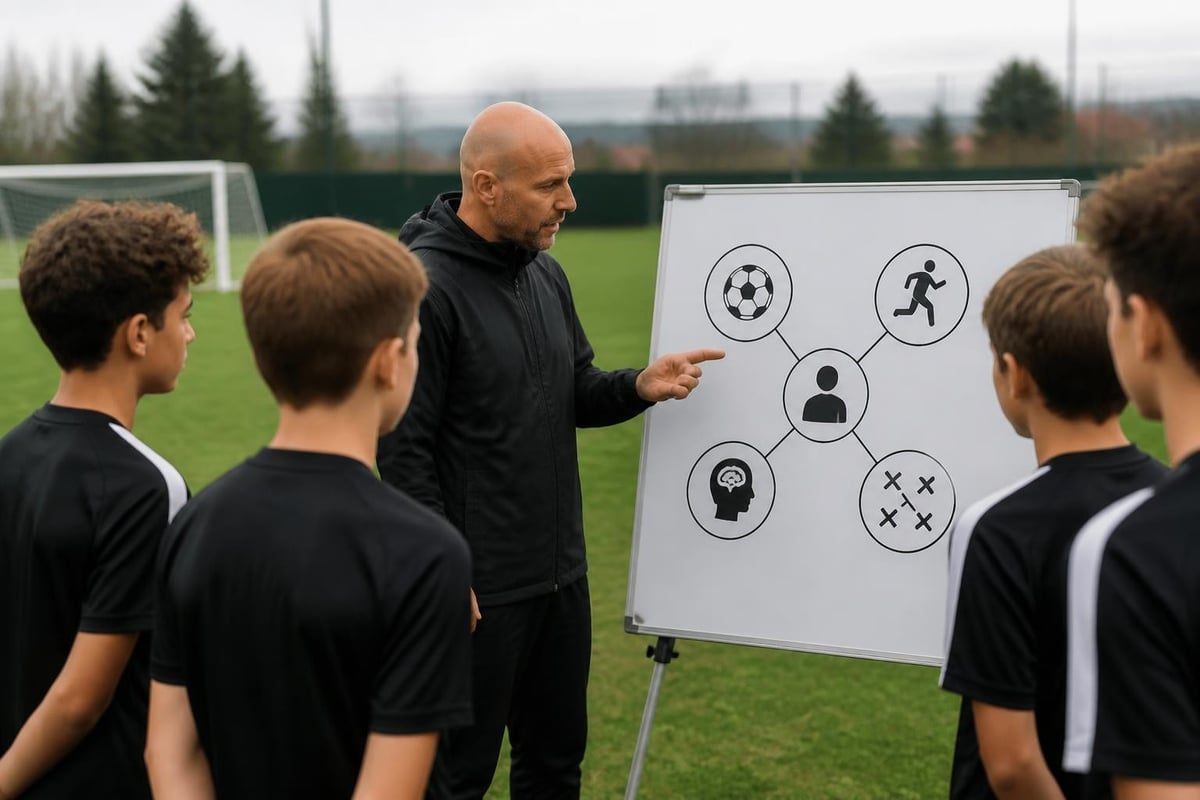
The core philosophy centers on holistic growth across four interconnected pillars: technical proficiency, tactical intelligence, physical conditioning, and psychological resilience. This comprehensive approach mirrors the training systems used by professional soccer academies in Europe, where clubs invest heavily in youth development infrastructure.
The Four-Pillar Framework
Technical development forms the foundation of any quality academy program. Young players need thousands of repetitions to master fundamental skills like first touch, passing accuracy, dribbling under pressure, and shooting mechanics. A development academy structures training sessions to maximize meaningful ball contacts, ensuring players develop the muscle memory required for high-level competition.
Tactical awareness separates good players from great ones. Understanding positioning, spacing, movement off the ball, and decision-making under pressure requires dedicated instruction and game-like training scenarios. Development academies incorporate small-sided games and position-specific training to accelerate tactical growth.
Physical preparation has become increasingly sophisticated in modern soccer development. Age-appropriate strength training, speed and agility work, injury prevention protocols, and recovery strategies all contribute to creating well-rounded athletes capable of meeting the demands of competitive play.
Psychological development remains the most overlooked yet critical component. Mental toughness, resilience, focus, team communication, and leadership skills determine which talented players ultimately succeed at higher levels.
The Evolution of Academy Programs in North America
The U.S. Soccer Development Academy fundamentally changed how American clubs approach youth development. Launched in 2007, this initiative established standards for training frequency, game formats, and coaching education that influenced programs across the continent.
While the original Development Academy program transitioned to new structures in 2020, its core principles continue shaping how forward-thinking clubs design their training environments. The emphasis on prioritizing development over short-term results has become the hallmark of quality academy programs.
Key Characteristics of Elite Development Academies
| Feature | Traditional Club | Development Academy |
|---|---|---|
| Training Frequency | 1-2 sessions/week | 3-5 sessions/week |
| Coach Licensing | Varies widely | Minimum certification required |
| Player-to-Coach Ratio | Often 15:1 or higher | Typically 10:1 or lower |
| Development Focus | Winning games | Long-term player growth |
| Curriculum | Inconsistent | Structured, progressive |
Progressive academies maintain rigorous standards for coaching credentials. All instructors should hold recognized certifications, ensuring they understand age-appropriate training methods, injury prevention, and modern pedagogical approaches.
Licensing and Professional Standards
The quality of instruction directly correlates with coaching education levels. Canada Soccer's licensing pathway establishes clear benchmarks for coach development, ranging from grassroots certifications to advanced National A Licenses.
National A License holders represent the highest tier of coaching qualification in Canadian soccer. These coaches have completed extensive coursework in periodization, tactical systems, player psychology, and technical development. Their expertise proves invaluable when working with players aspiring to play at collegiate or professional levels.
B License coaches bring substantial knowledge of game strategy, training design, and player evaluation. They can effectively manage age-group teams and contribute to academy curriculum development.
Soccer for Life certifications ensure even developing coaches understand fundamental principles of player-centered training, creating safe and engaging environments for younger athletes.
This tiered approach to coaching development ensures players receive age-appropriate instruction from qualified professionals at every stage of their journey. Parents evaluating academy options should prioritize programs employing licensed coaches, as credentials directly impact training quality.
Structured Training Environments and Player Development
Consistency and structure separate development academies from recreational programs. Elite academies follow periodized training plans that systematically build skills throughout the season.
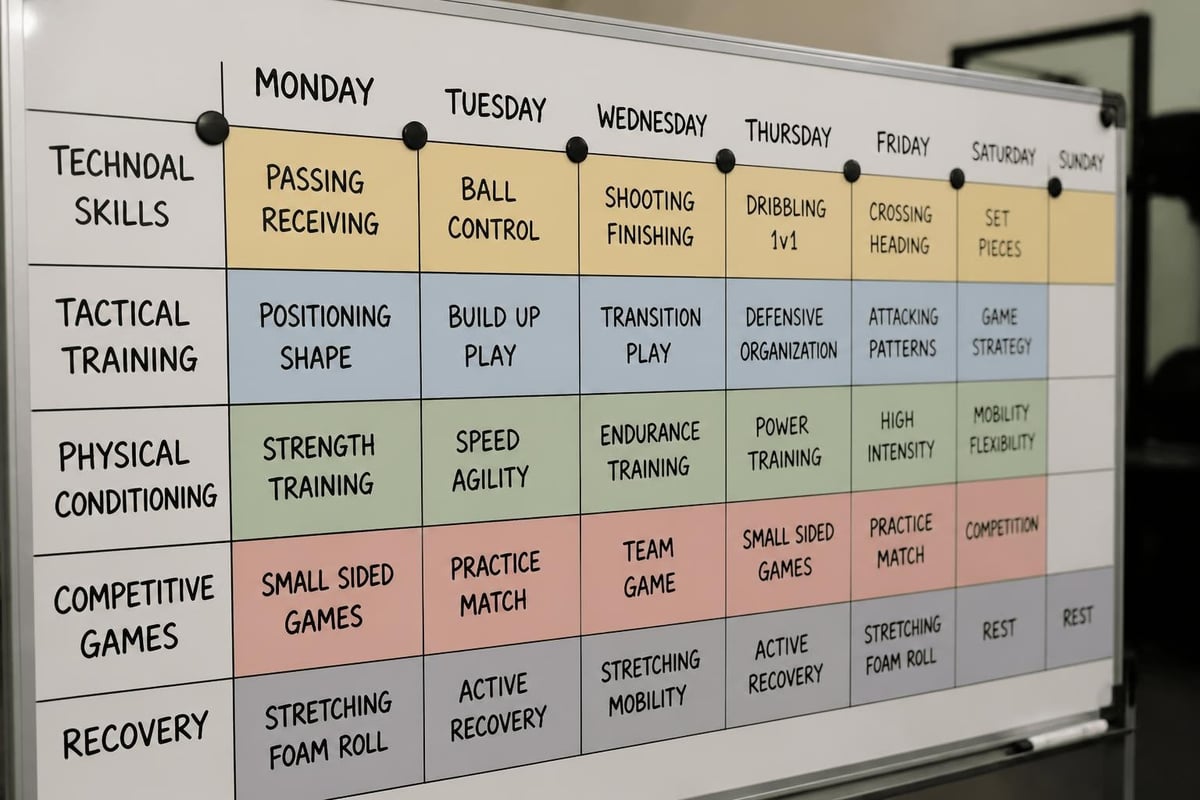
Weekly Training Structure
A typical development academy week includes:
- Technical focus sessions emphasizing individual skill refinement
- Tactical training days working on team shape and game situations
- Physical development incorporating age-appropriate conditioning
- Small-sided games encouraging decision-making and creativity
- Recovery and reflection allowing adaptation and mental processing
This balanced approach prevents burnout while ensuring comprehensive development. Soccer-specific training programs carefully sequence activities to optimize learning and physical adaptation.
Age-Appropriate Progression
Quality development academies modify training complexity based on developmental stage:
- U6-U8: Focus on fundamental movement skills and basic ball manipulation
- U9-U12: Introduce positional concepts while emphasizing technical excellence
- U13-U15: Advance tactical understanding and physical preparation
- U16-U19: Refine position-specific skills and competitive mentality
This progressive structure ensures players master foundational skills before advancing to more complex tactical concepts. Rushing young athletes into advanced tactical systems before they develop proper technique creates long-term limitations.
The European Influence on North American Development
European clubs have refined youth development systems over decades, producing consistently high-quality players. Their methodologies emphasize technical mastery, creativity, and soccer intelligence over physical dominance.
Many North American academies now incorporate European-style training philosophies, recognizing that early technical development creates the foundation for future success. This includes higher training-to-game ratios, smaller training groups, and emphasis on individual skill development.
The European model prioritizes possession-based soccer, requiring players to be comfortable on the ball in tight spaces. Training sessions incorporate extensive passing patterns, positional rotations, and quick combination play. These elements develop the soccer IQ necessary for competing at elite levels.
Measuring Progress in Academy Environments
Effective development academies implement systematic player evaluation processes. Rather than relying solely on game results, comprehensive assessment tracks individual growth across multiple dimensions.
Technical assessments measure improvements in specific skills through standardized testing. Tracking metrics like passing accuracy, first-touch quality, and dribbling speed under pressure provides objective data on technical development.
Tactical evaluations examine decision-making, positioning, and game understanding. Video analysis helps players visualize their tactical choices and identify areas for improvement.
Physical benchmarks monitor speed, agility, strength, and endurance development. Age-appropriate testing ensures physical training produces measurable results without risking injury.
Psychological growth proves harder to quantify but remains equally important. Coaches observe resilience, leadership, communication, and mental toughness throughout the season.
| Assessment Area | Frequency | Purpose |
|---|---|---|
| Technical Skills | Monthly | Track individual skill progression |
| Tactical Understanding | Bi-monthly | Evaluate decision-making improvement |
| Physical Metrics | Quarterly | Monitor athletic development |
| Psychological Traits | Ongoing | Assess mental game growth |
Creating Opportunities Beyond the Field
The best development academies recognize that soccer provides life lessons extending far beyond competition. Character development, academic support, and community involvement form integral components of comprehensive programs.
Leadership opportunities emerge naturally within academy environments. Captaincy roles, mentoring younger players, and team-building activities develop communication skills and emotional intelligence valuable throughout life.
Academic accountability ensures soccer complements rather than compromises education. Quality academies maintain academic standards and support players in balancing training commitments with school responsibilities.
Community engagement connects young athletes to something larger than themselves. Service projects and community appearances teach social responsibility and gratitude.
For families considering high-performance training options, understanding the broader character development component helps identify programs aligned with family values.

Training Intensity and Professional Standards
High-performance development academies maintain training environments that mirror professional standards. The 90-minute high-intensity sessions characteristic of elite programs push players beyond their comfort zones while maintaining appropriate safety margins.
Dynamic, fast-paced drills simulate game pressure, forcing players to execute skills at speed. This intensity develops the ability to perform under pressure, a critical separator at competitive levels.
Focus on decision-making speed accelerates cognitive processing. Players learn to scan, process, and execute decisions in fractions of a second, matching the tempo required for higher-level soccer.
Building confidence and composure comes from successfully navigating challenging training environments. When sessions consistently push boundaries, game situations feel manageable by comparison.
The intensity must remain age-appropriate, however. Overtraining young athletes risks injury and burnout. Professional development academies carefully balance challenge with recovery, ensuring sustainable long-term development.
Parent Expectations and Academy Selection
Parents investing in development academy programs naturally want clarity on what distinguishes quality options. Several factors deserve careful consideration when evaluating academies.
Critical Questions for Academy Evaluation
- What are the coaching credentials of instructors?
- How many training sessions occur weekly?
- What is the player-to-coach ratio during sessions?
- Does the curriculum follow a structured, progressive plan?
- How does the academy measure and communicate player development?
- What opportunities exist for advancement to higher levels?
- How does the program balance development with competitive success?
Programs that can articulate clear answers to these questions demonstrate organizational maturity and commitment to genuine player development. Vague responses or excessive emphasis on trophy counts may signal misaligned priorities.
Understanding what makes training different at various academies helps parents make informed decisions aligned with their athlete's needs and goals.
The Role of Competition in Development
While development academies prioritize training over games, competition still plays a crucial role in player growth. Game environments test skills under pressure and reveal areas requiring additional work.
Appropriate competition levels challenge players without overwhelming them. Quality academies carefully select tournaments and leagues that provide meaningful competition without excessive travel or burnout.
Games as learning opportunities shift the focus from results to performance. Post-game analysis emphasizes individual execution and team tactical adherence rather than scores.
Multiple competition formats expose players to various playing styles. Some development academies participate in showcase events, league play, and friendly matches to broaden player experience.
The Virginia Development Academy exemplifies how regional collaboration creates competitive opportunities while maintaining development focus. Similar models across North America demonstrate that competition and development can coexist productively when properly balanced.
Individual Development Within Team Contexts
Elite development academies excel at addressing individual needs within team training environments. While group sessions build tactical cohesion and team culture, personalized attention ensures each player progresses optimally.
Position-specific training allows players to master the unique demands of their roles. Defenders work on different skills than midfielders or forwards, requiring specialized instruction.
Individual development plans establish personalized growth targets. Regular check-ins between coaches, players, and parents ensure alignment on development priorities and progress.
Supplementary training opportunities provide additional touches for highly motivated players. Some academies offer optional skills sessions or connect families with resources for home practice.
This individualized approach within a team framework prepares players for the reality of competitive soccer, where personal excellence must serve collective objectives. Programs like the Players Development Academy demonstrate how individual focus and team development complement rather than conflict with each other.
Technology and Modern Development Methods
Contemporary development academies increasingly leverage technology to enhance training effectiveness. Video analysis, performance tracking, and data analytics provide insights impossible through observation alone.
Video review sessions help players see themselves from coaching perspectives. Reviewing game footage and training clips accelerates tactical understanding and technical refinement.
Performance data tracking quantifies physical output during training and games. Metrics like distance covered, sprint frequency, and heart rate patterns inform training adjustments and recovery protocols.
Communication platforms keep families informed about player progress, upcoming events, and training focus areas. Digital tools strengthen the academy-family partnership essential for optimal development.
Research initiatives like SoccerMaster and SoccerKDNet demonstrate how advanced analytics continue transforming soccer understanding, with implications for how academies structure training and evaluate players.
Building Mental Toughness and Resilience
The psychological component of development academy training separates programs that produce complete players from those focused solely on physical and technical skills. Mental preparation determines which talented athletes ultimately succeed at higher levels.
Pressure training deliberately creates challenging scenarios requiring composure. Small-sided games with consequences, time-limited decision drills, and competitive training exercises build mental strength.
Failure as feedback reframes mistakes as learning opportunities. Academy environments should encourage risk-taking and experimentation, recognizing that growth requires pushing beyond current capabilities.
Goal-setting practices teach players to establish realistic targets and work systematically toward achievement. This skill transfers directly to academic and professional pursuits beyond soccer.
Programs emphasizing psychological development produce not just better soccer players but more resilient, confident young adults prepared for life's challenges.
Creating Pathways to Higher Levels
The ultimate measure of development academy success lies in creating genuine opportunities for players to advance. Quality programs establish clear pathways connecting youth development to collegiate, professional, or national team opportunities.
College placement support helps families navigate the recruitment process. Academies with strong track records maintain relationships with college coaches and understand showcase event landscapes.
Professional development partnerships connect top academy players with higher-level training opportunities. Some academies establish relationships with professional clubs or organize international training experiences.
National team exposure comes from consistent excellence and appropriate competitive platforms. Development academies producing players who earn national team call-ups demonstrate their effectiveness at the highest levels.
These pathways motivate players while providing tangible returns on the significant time and financial investments families make in academy programs. Understanding how programs like Strive’s international development opportunities connect players to broader soccer networks helps families evaluate potential return on investment.
A development academy represents far more than advanced soccer training. It provides a comprehensive growth environment addressing technical skills, tactical understanding, physical development, and psychological maturity. The right program creates opportunities while building character, preparing young athletes for success on and off the field. Strive Soccer Academy brings this European-style development philosophy to Surrey, BC, combining licensed coaching expertise with a four-pillar approach that develops complete players ready for their next level, whatever that may be.