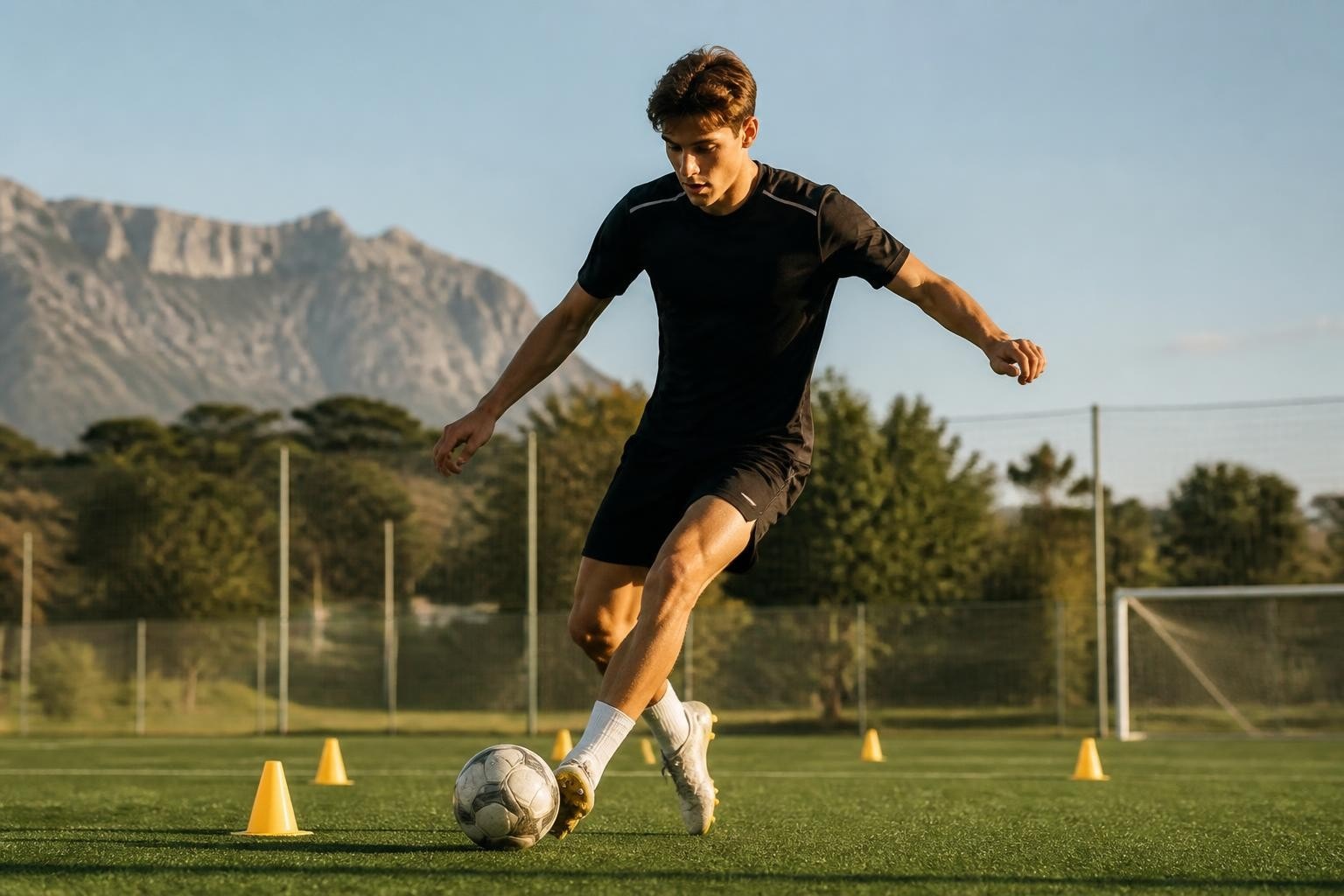
Finding the best soccer academy for your child represents one of the most important decisions you'll make as a parent of a young athlete. With hundreds of programs claiming to offer elite training, understanding what separates exceptional academies from average programs requires careful evaluation of coaching credentials, development philosophy, training structure, and long-term player outcomes. The right academy doesn't just teach skills; it builds character, fosters genuine love for the game, and creates pathways for players to reach their full potential both on and off the field.
Understanding What Defines Elite Soccer Academy Training
The best soccer academy programs share common characteristics that distinguish them from recreational or casual training environments. These academies prioritize holistic player development over short-term wins, invest in properly credentialed coaching staff, and maintain structured curricula that progress logically as players mature.
The Four Pillars of Development
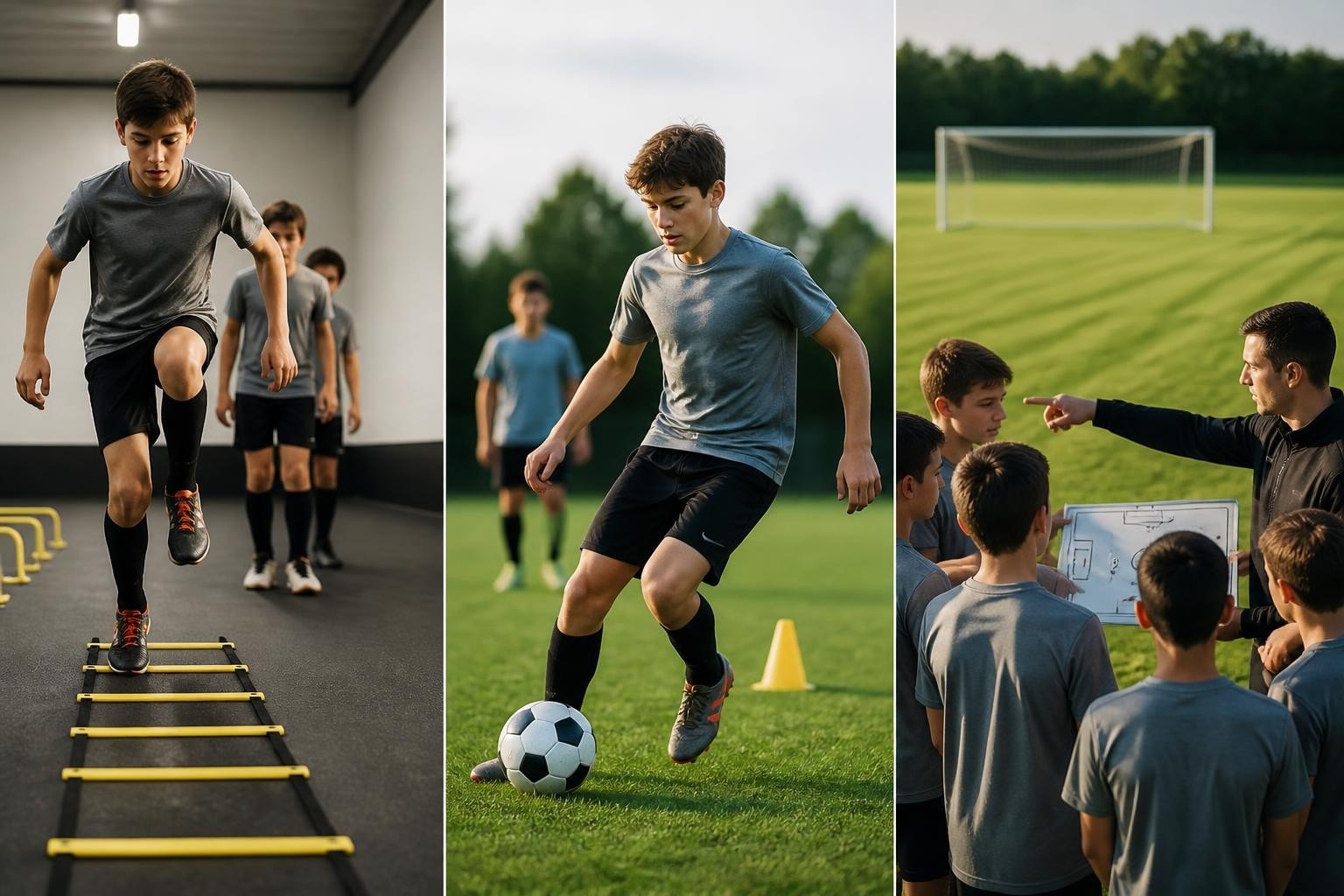
Elite academies structure their programs around four fundamental areas of player growth. Technical development focuses on ball mastery, first touch quality, passing accuracy, and shooting mechanics. Tactical training teaches game awareness, positioning, decision-making under pressure, and understanding team strategies. Physical conditioning addresses speed, agility, strength, and endurance specific to soccer demands. Psychological preparation builds mental resilience, confidence, focus, and competitive mindset.
Programs that excel in all four areas create more complete players than academies focusing solely on technical skills or physical attributes. Research on soccer performance evaluation demonstrates how individual skill development requires systematic attention to multiple factors working in concert.
Coaching Credentials and Professional Standards
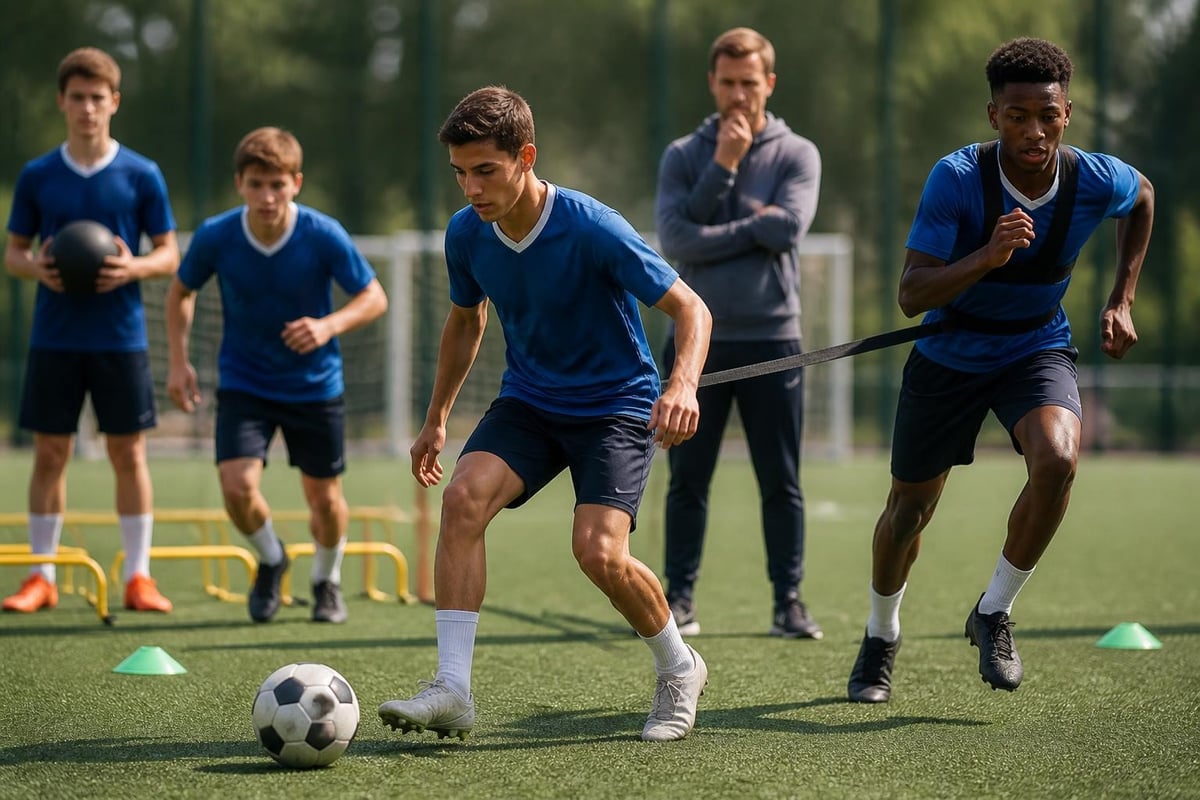
The quality of coaching represents the single most critical factor when evaluating any youth soccer program. The best soccer academy environments employ coaches with recognized certifications, continuous education commitments, and proven track records developing young players.
What Coaching Licenses Actually Mean
| License Level | Typical Qualifications | Coaching Scope |
|---|---|---|
| National A License | 150+ hours training, advanced tactical knowledge | Professional/semi-pro teams, elite academies |
| National B License | 90+ hours training, intermediate development focus | Competitive youth programs, club teams |
| Provincial Licenses | Regional certification standards | Grassroots to intermediate levels |
| Soccer for Life | Youth-specific developmental focus | Beginner to intermediate young players |
Understanding how to evaluate coaching quality at soccer academies helps parents ask the right questions during academy tours. Licensed coaches through governing bodies like Canada Soccer, US Soccer, or UEFA bring standardized knowledge and accountability that informal coaches cannot match.
Beyond certifications, observe how coaches interact with players during training sessions. The best coaches communicate clearly, provide specific feedback rather than generic praise, demonstrate drills effectively, and create positive learning environments where mistakes become teaching opportunities.
Training Philosophy and Player Development Models
Different academies adopt varying philosophies that fundamentally shape how they develop players. European-style training emphasizes technical excellence and tactical intelligence from early ages, while some North American programs historically prioritized physical attributes and direct play styles.
European vs Traditional North American Approaches
European academy models focus intensively on ball mastery and positional play concepts starting at young ages. Players spend significant time on technical repetition, small-sided games, and tactical pattern training. This approach produces technically gifted players comfortable in tight spaces who understand team shape and positional responsibilities.
Traditional North American development often emphasized athleticism, competitiveness, and direct playing styles. While producing physically strong players, this approach sometimes neglected technical refinement and tactical sophistication. Modern North American academies increasingly adopt European methodologies while maintaining their competitive intensity.
The best soccer academy programs blend proven European technical training with appropriate competitive experiences. They recognize that youth development requires patience, progressive skill building, and age-appropriate expectations rather than rushing players into high-pressure competitive environments prematurely.
Class Size, Training Frequency, and Session Structure
How academies organize their training directly impacts individual player development. Small group sizes, adequate training frequency, and well-structured sessions create optimal learning conditions.
Optimal Training Parameters
- Player-to-coach ratios: Elite programs maintain 10:1 or better ratios during technical training
- Session frequency: 3-4 sessions weekly for serious development vs. 1-2 for recreational
- Session duration: 90-120 minutes allows proper warm-up, technical work, tactical training, and cool-down
- Seasonal structure: Year-round programming with planned rest periods prevents burnout
Training consistency matters tremendously for skill development. Players attending sporadic sessions or large group trainings receive minimal individual attention and feedback. What makes quality football academies effective includes appropriate attention to individual player needs within structured group environments.
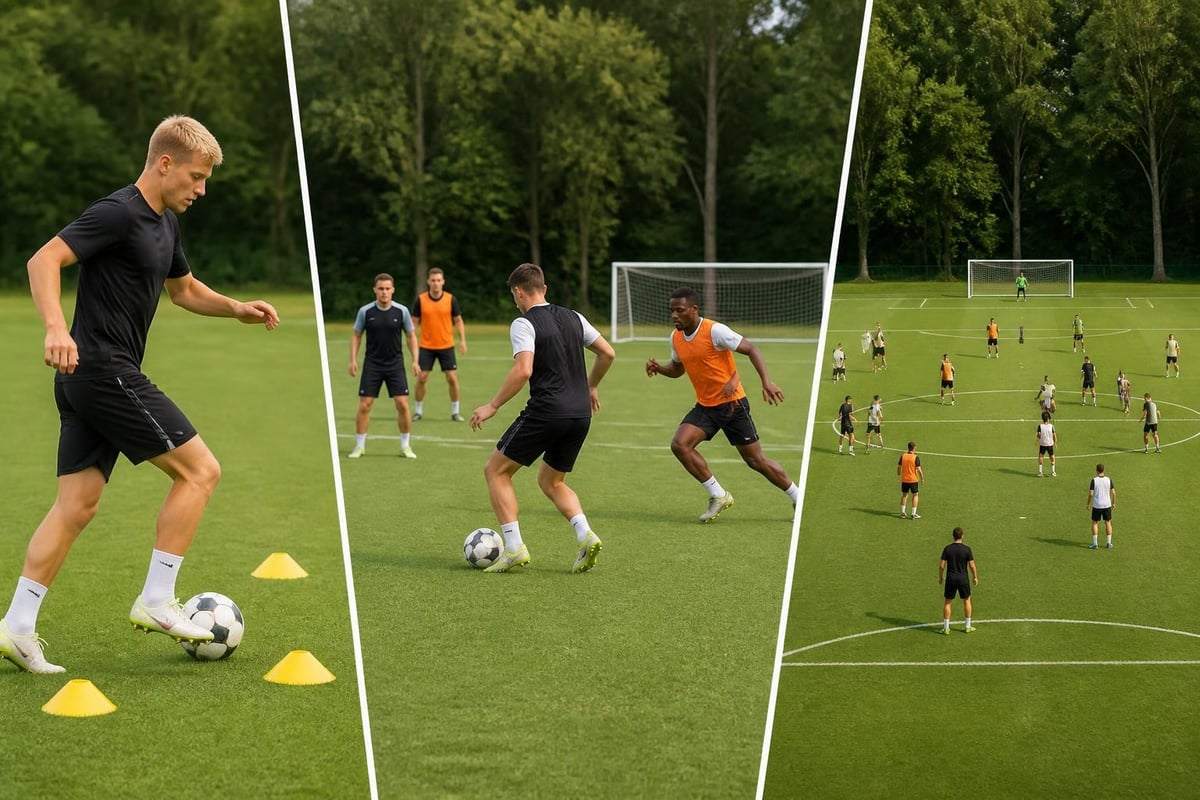
The best soccer academy sessions follow logical progressions from isolated technical work to opposed situations to game-realistic scenarios. This structure allows players to master skills in controlled settings before applying them under pressure.
Pathway Creation and Long-Term Player Success
Beyond immediate skill development, exceptional academies create clear pathways for players to progress toward their goals, whether pursuing professional opportunities, college scholarships, or simply enjoying high-level amateur play.
Measuring Academy Success
| Success Indicator | What to Look For | Why It Matters |
|---|---|---|
| Alumni placement | College rosters, professional contracts, national teams | Demonstrates program credibility |
| Retention rates | Players staying multiple years | Indicates satisfaction and value |
| Skill progression | Individual player improvement tracking | Shows developmental effectiveness |
| Competitive results | Tournament performance relative to resources | Validates training quality |
Programs with established track records placing players into competitive college programs or professional academies demonstrate proven development systems. While not every player pursues elite levels, academies maintaining connections with top-ranked global soccer academies understand what professional environments require and prepare players accordingly.
Strive Soccer Academy exemplifies this pathway approach by combining European-style technical training with clear progression opportunities through their academy structure. Their focus on the four developmental pillars prepares players for whatever level they aspire to reach.
Evaluating Training Facilities and Resources
While fancy facilities don't guarantee quality coaching, adequate resources enable proper training. The best soccer academy environments maintain appropriate training spaces, quality equipment, and supportive infrastructure.
Essential Facility Requirements
Quality training requires properly maintained grass or turf fields with appropriate dimensions for age groups. Indoor facilities or covered areas enable year-round training regardless of weather. Goals, cones, balls, training vests, and other equipment should be plentiful and well-maintained.
Beyond physical space, strong academies invest in player assessment tools, video analysis capabilities, and communication systems keeping parents informed about player progress. Technology enhances training but never replaces quality coaching and structured programming.
Location accessibility matters practically. The best academy becomes irrelevant if travel logistics prevent consistent attendance. Evaluate realistic commute times, practice schedules, and family impact when comparing programs.
Cultural Fit and Academy Values
The best soccer academy for your child aligns with your family's values and your player's personality. Some programs emphasize intense competitiveness, while others prioritize enjoyment and social development alongside skill building.
Questions to Ask During Academy Visits
- What is your coaching philosophy regarding player development?
- How do you balance competitive success with long-term player growth?
- What happens when players struggle or fall behind peers?
- How do you communicate player progress with parents?
- What are your expectations for player and family commitment?
Observe the atmosphere during training sessions. Do players appear engaged and motivated? Do coaches provide constructive feedback? Is the environment supportive or overly critical? These cultural indicators reveal whether the program will nurture your child's development or create stress.
Parents should also consider how the academy handles playing time, team selection, and player conflicts. Transparent communication and fair processes indicate professionally run organizations that prioritize player welfare.
Financial Investment and Value Assessment
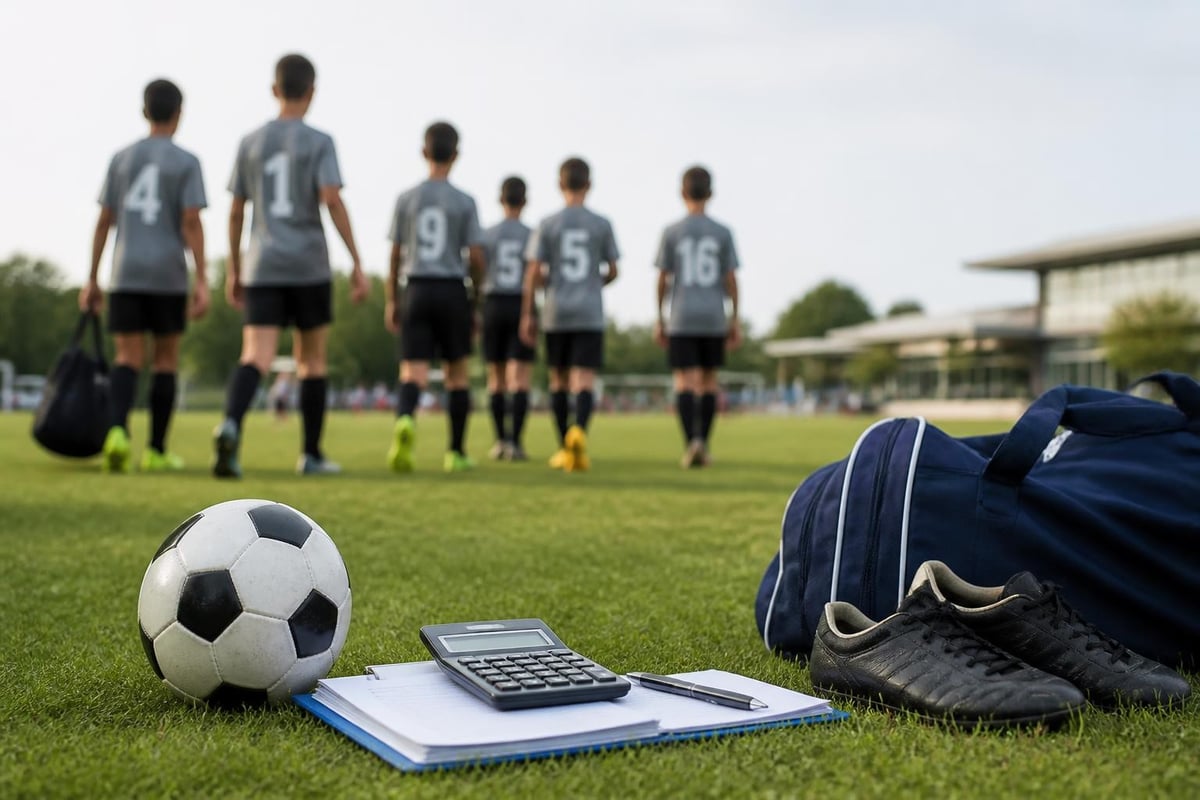
Elite soccer training represents a significant financial commitment. The best soccer academy programs deliver value proportionate to their cost through quality coaching, adequate training frequency, and comprehensive development focus.
Cost Considerations Beyond Tuition
| Expense Category | Typical Annual Cost | What It Includes |
|---|---|---|
| Academy tuition | $2,000-$8,000 | Training sessions, coaching, facilities |
| Competition fees | $500-$2,000 | Tournament entry, referee fees, field costs |
| Travel expenses | $1,000-$5,000 | Hotels, transportation, meals for tournaments |
| Equipment/gear | $300-$800 | Cleats, training gear, team uniforms |
Understanding total costs prevents financial surprises. Some academies include competition and travel in tuition, while others charge separately. Evaluate what you receive for the investment rather than selecting solely based on lowest price.
Financial aid or scholarship opportunities exist at many quality programs. Don't assume elite training is financially out of reach without investigating payment plans or assistance options.
Player Evaluation and Selection Processes
How academies assess and select players reveals their values and approach. The best soccer academy programs conduct thorough evaluations measuring technical ability, tactical understanding, physical capabilities, and coachability.
What Scouts and Coaches Observe
During tryouts or evaluations, coaches assess ball skills, game awareness, work rate, attitude, and potential for growth. Understanding how to join competitive academy programs helps parents and players prepare for evaluation processes.
Strong programs look beyond current ability to identify players with growth potential and strong work ethics. They recognize that late developers often surpass early maturers when given proper training and opportunity.
Be wary of academies accepting every applicant without evaluation. While inclusive programs serve important purposes, elite development requires appropriate player grouping by skill level to challenge participants appropriately.
Specialized Training Options and Performance Programs
As players advance, specialized training opportunities become valuable supplements to regular academy sessions. High-performance programs offer intensive skill development in concentrated formats.
Programs like Soccer High Performance Training provide 90-minute high-intensity sessions targeting technical mastery, tactical decision-making, and speed of play in professional-style environments. These specialized camps complement regular training by offering focused skill refinement periods where players can dramatically improve specific aspects of their game through repetition and expert feedback.
The best soccer academy structures incorporate both regular developmental training and periodic intensive programs that accelerate growth during key periods.
Age-Appropriate Development and Long-Term Athlete Development
Elite academies understand that optimal training varies significantly across age groups. What benefits 16-year-olds differs dramatically from what serves 8-year-olds best.
Development Stage Considerations
- Ages 6-9: Focus on fun, basic motor skills, introduction to soccer concepts
- Ages 10-12: Technical skill refinement, small-sided games, tactical basics
- Ages 13-15: Tactical sophistication, physical development, increased competition
- Ages 16-18: Position specialization, advanced tactics, college/professional preparation
Programs pushing young children into intensive tactical training or excessive competition ignore developmental research about age-appropriate learning. The best coaches meet players where they are developmentally while progressively challenging them toward higher levels.
Understanding European football academy standards provides perspective on how top international programs structure long-term development across age groups.
Parent Involvement and Communication Standards
The relationship between academy, player, and family significantly impacts development success. The best soccer academy programs maintain clear communication channels, appropriate parent involvement expectations, and transparent progress reporting.
Healthy Parent-Academy Partnerships
Parents should expect regular updates about player progress, clear communication about schedules and expectations, and accessible coaching staff for questions or concerns. However, excessive parent involvement in coaching decisions or playing time disputes disrupts program effectiveness.
Strong academies establish boundaries where parents support players' development without interfering with coaching processes. They educate families about appropriate sideline behavior, realistic expectations, and how to support young athletes through challenges.
Quality programs also provide parent education sessions explaining training methodologies, developmental stages, and how families can reinforce academy lessons at home through encouragement and practice support.
Making Your Final Decision
After researching programs, visiting facilities, and observing training sessions, trust both objective evaluation and intuition. The best soccer academy for your child balances quality coaching, appropriate competitive level, developmental focus, cultural fit, and practical logistics.
Create a comparison matrix rating each program across key factors: coaching credentials, training frequency, player-to-coach ratios, cost, facility quality, development philosophy, and cultural environment. This structured approach clarifies which program best serves your child's needs and goals.
Remember that the right academy should challenge your player while maintaining their love for soccer. Programs creating burnout, excessive stress, or diminished passion fail regardless of their competitive success or prestigious reputation.
Choosing the right development program requires evaluating coaching quality, training structure, development philosophy, and cultural alignment with your family's values and your child's goals. Strive Soccer Academy brings European-style training philosophy to Surrey, BC, focusing on technical, tactical, physical, and psychological development through fully licensed Canada Soccer coaches committed to building both skilled players and strong character. If you're seeking a program that develops complete athletes while creating genuine opportunities, explore how our academy approach can support your child's soccer journey.