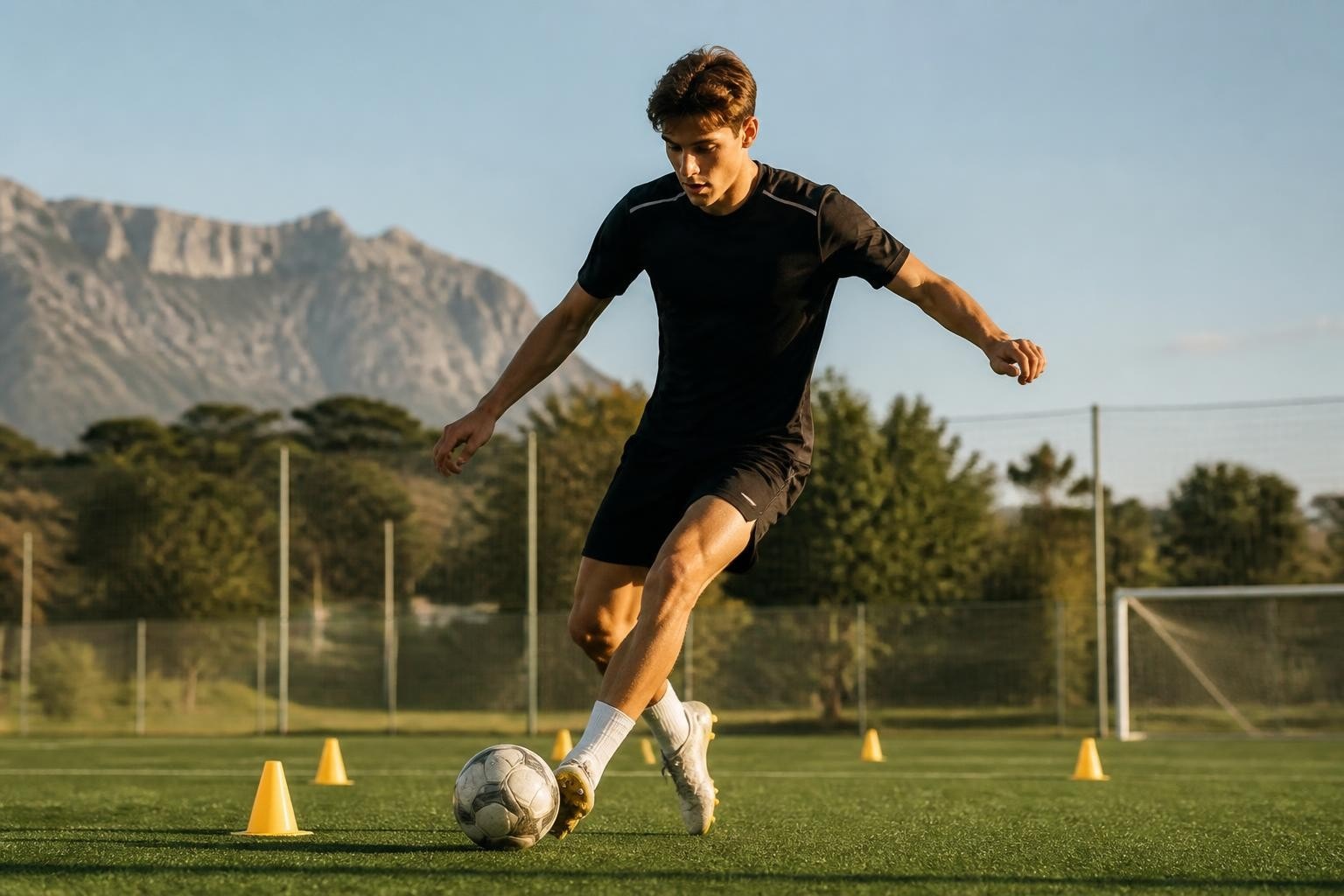
European soccer academies have long represented the gold standard in youth player development, combining decades of tradition with cutting-edge training methodologies. Parents and aspiring young athletes worldwide look to these institutions as benchmarks for excellence, seeking to understand what makes them so successful at producing world-class talent. The best soccer academy in Europe doesn't just teach technical skills but develops complete players through comprehensive programs that address every aspect of athletic and personal growth. Understanding what these elite institutions do differently can help parents make informed decisions about their children's soccer development, whether they're training in Europe or following European-inspired programs closer to home.
What Defines the Best Soccer Academy in Europe
The characteristics that distinguish top European academies extend far beyond simple skill drills and match play. These institutions have developed systematic approaches to player development that integrate multiple dimensions of athletic growth.
Technical excellence forms the foundation of every elite program. Players receive hundreds of touches on the ball during each session, working through progressively challenging exercises that build mastery. Coaches focus on both feet, ensuring players develop complete technical ability rather than relying on dominant-side play.
The Four Pillars of Elite Development
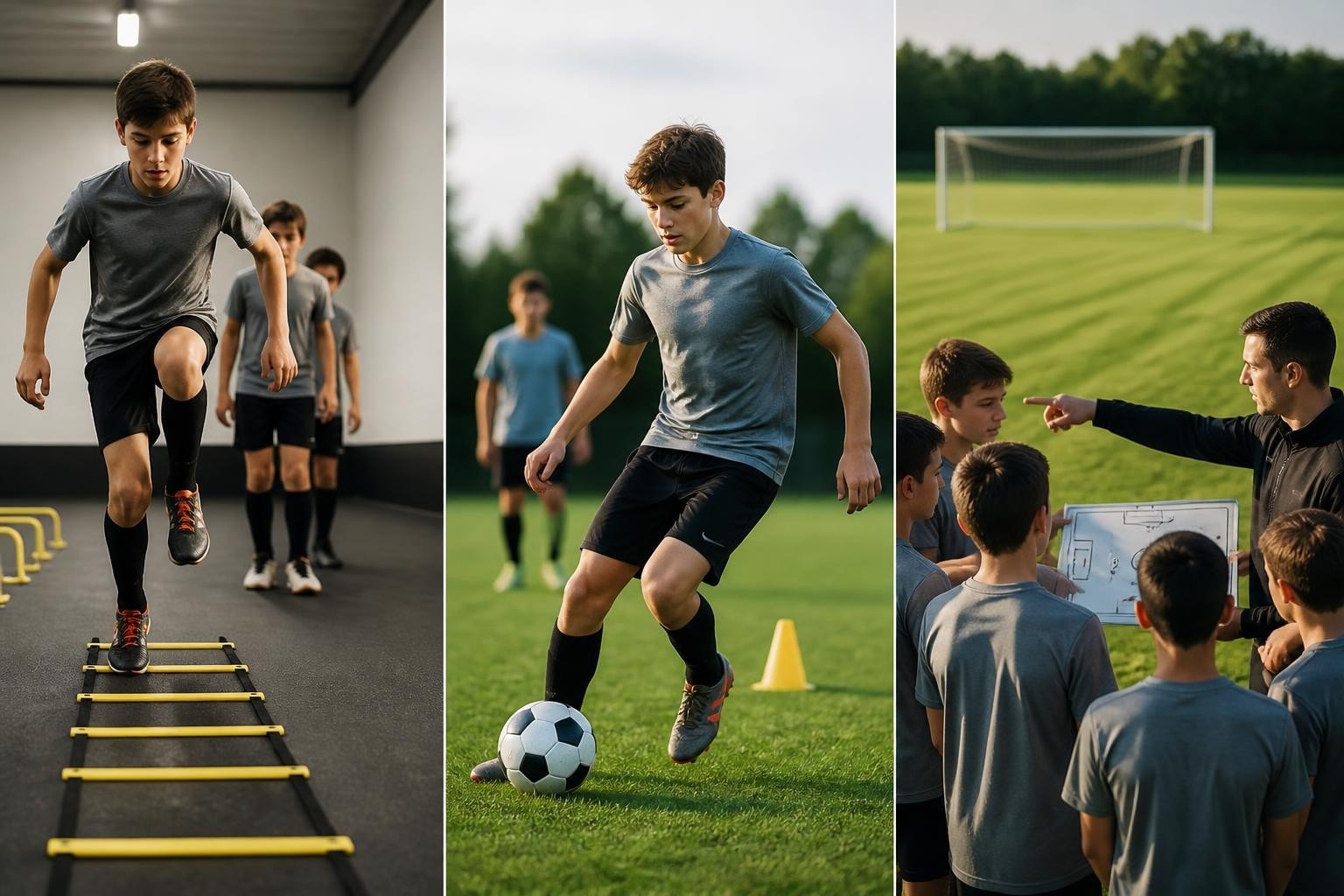
European academies structure their programs around four core development areas:
- Technical Skills: Ball mastery, passing accuracy, shooting technique, and first touch refinement
- Tactical Awareness: Reading the game, positioning, decision-making, and understanding team systems
- Physical Conditioning: Speed, agility, strength, endurance, and injury prevention
- Psychological Development: Mental resilience, confidence, leadership, and competitive mindset
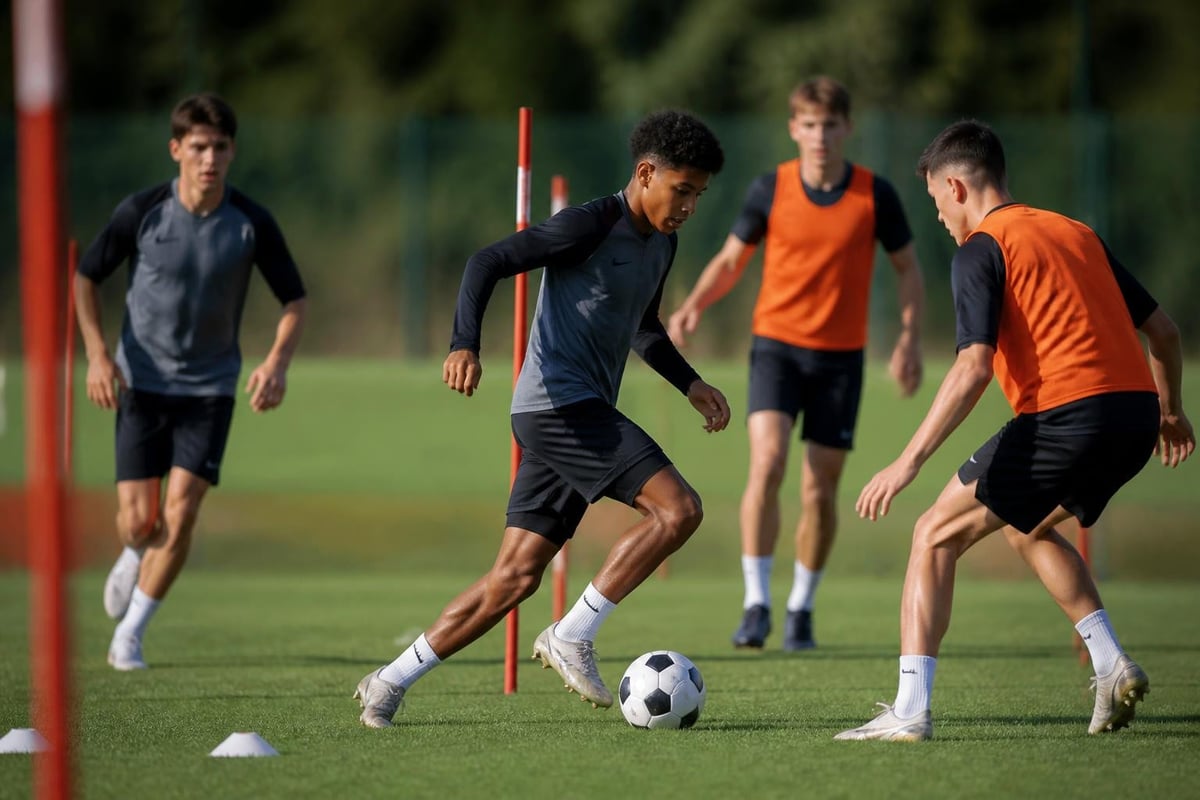
According to research on top European football academies, the most successful programs measure player progress across all four dimensions rather than focusing exclusively on technical ability. This holistic approach ensures athletes develop into well-rounded players capable of succeeding at the highest levels.
The best soccer academy in Europe also emphasizes long-term development over short-term results. Rather than prioritizing wins in youth competitions, these programs focus on individual player growth, skill acquisition, and proper physical development that will serve players throughout their careers.
| Development Focus | Youth Teams (U12-U14) | Teen Teams (U15-U18) | Professional Pathway |
|---|---|---|---|
| Technical Skills | 45% training time | 35% training time | 25% training time |
| Tactical Awareness | 20% training time | 30% training time | 35% training time |
| Physical Training | 20% training time | 25% training time | 25% training time |
| Psychological | 15% training time | 10% training time | 15% training time |
Leading European Academy Programs
Several academies consistently rank among the best soccer academy in Europe options, each bringing unique strengths to player development. Analysis of revenue-generating academies reveals how financial success correlates with systematic player development and successful pathway creation.
Ajax Amsterdam Academy
The Dutch powerhouse has produced legendary players through their philosophy of technical excellence and tactical intelligence. Ajax's academy focuses on developing players who can think creatively, solve problems on the field, and adapt to multiple positions. Their methodology emphasizes small-sided games, individual technical work, and tactical periodization.
Ajax graduates include numerous World Cup winners and Champions League stars. The academy's success stems from consistent coaching methodology across all age groups, ensuring players experience seamless progression through their development journey.
La Masia (FC Barcelona)
Barcelona's famed academy revolutionized youth development through their possession-based philosophy and emphasis on intelligent play. La Masia produces players who understand space, timing, and collective movement at an exceptional level.
Key La Masia principles include:
- Technical superiority in tight spaces
- Positional awareness and movement patterns
- Decision-making speed under pressure
- Team-oriented mentality over individual glory
- Cultural education alongside athletic development
The academy's impact extends beyond individual player success, as research on the best football academies in Europe demonstrates how La Masia's graduates have influenced playing styles globally.
Benfica Academy
Portugal's Benfica operates one of the most productive academies in Europe, combining technical refinement with tactical sophistication. Their Seixal training facility houses state-of-the-art resources and employs specialized coaches for each development area.
Benfica's academy excels at identifying raw talent and systematically developing it through structured progressions. Players receive individualized development plans that address specific areas for improvement while building on existing strengths.
Training Methodologies That Set European Academies Apart
The best soccer academy in Europe programs share common methodological approaches that distinguish them from conventional training environments. These methods have been refined over decades and proven through countless professional success stories.
Periodization and Progressive Overload
European academies structure training in cycles that build skills progressively. Rather than random session content, coaches plan weekly, monthly, and yearly progressions that systematically develop abilities.
Microcycles (weekly plans) focus on specific technical or tactical themes. Mesocycles (monthly blocks) build toward skill mastery or tactical implementation. Macrocycles (seasonal plans) ensure comprehensive development across all four pillars.
This structured approach prevents stagnation and ensures continuous player improvement. Athletes understand what they're working toward and can track their progress against clear benchmarks.
Position-Specific Development
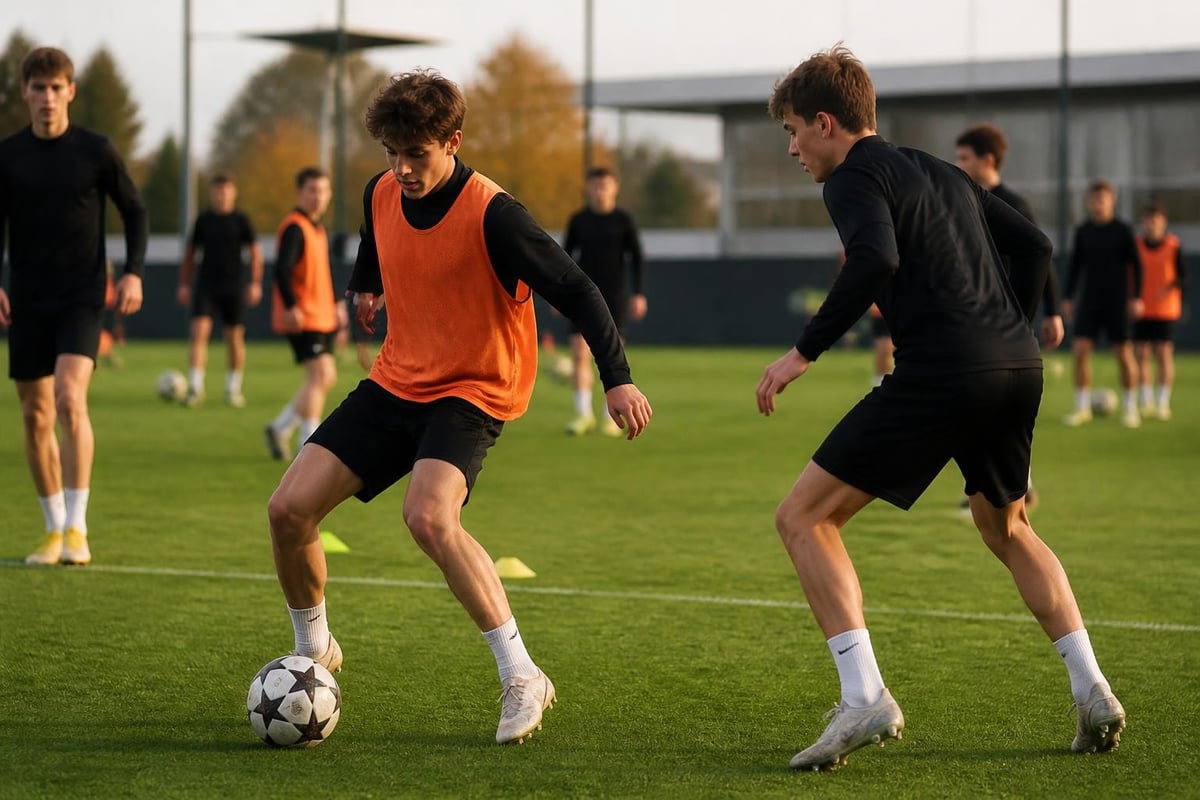
While young players receive broad technical training, the best soccer academy in Europe programs introduce position-specific work as athletes mature. Defenders learn different tactical concepts than midfielders, and forwards receive specialized finishing instruction.
This specialization typically begins around age 14-15, allowing players to develop general skills first before focusing on position-specific requirements. Coaches remain flexible, recognizing that player positions may evolve as physical and technical abilities develop.
Game-Based Learning
European academies emphasize learning through play rather than isolated drills. Small-sided games (3v3, 4v4, 5v5) create numerous decision-making opportunities and allow players to apply technical skills in realistic contexts.
These game-based sessions include constraints that emphasize specific learning objectives. A session focusing on passing might restrict players to two touches, while a defensive session might require teams to win the ball in specific zones.
Physical and Mental Development Integration
Beyond technical and tactical training, elite European academies invest heavily in physical conditioning and psychological support. These elements separate good programs from truly elite ones.
Athletic Development Programs
Modern academies employ strength and conditioning specialists who design age-appropriate physical development programs. Young players focus on movement literacy, coordination, and injury prevention. Older athletes progress to strength training, power development, and sport-specific conditioning.
Programs follow long-term athletic development models that respect biological maturation. Coaches understand that early physical maturation doesn't predict long-term success, so they avoid over-training young bodies or creating unrealistic expectations based on temporary physical advantages.
Psychological Support and Mental Skills
The mental dimension of player development receives increasing attention at top academies. Sports psychologists work with players on confidence building, stress management, goal setting, and resilience development.
Mental skills training includes:
- Visualization and mental rehearsal techniques
- Concentration and focus exercises
- Managing performance anxiety
- Building self-belief and positive self-talk
- Handling setbacks and maintaining motivation
This psychological foundation proves crucial as players face increasing competitive pressure and the challenges of potential professional careers. According to comprehensive analysis of European academies, programs that integrate mental skills training produce more resilient, confident players.
Educational Balance and Life Skills
The best soccer academy in Europe recognizes that even talented young players need educational opportunities and life skills development. Most professional careers end by the early thirties, making education essential for long-term success.
Elite academies provide tutoring, flexible schooling arrangements, and career counseling. They teach time management, financial literacy, media relations, and professional conduct. This comprehensive approach prepares players for success whether they reach professional levels or pursue other careers.
| Academy Component | Weekly Time Allocation | Primary Benefit |
|---|---|---|
| Technical Training | 6-8 hours | Skill mastery and ball control |
| Tactical Sessions | 4-6 hours | Game understanding and decision-making |
| Physical Training | 3-5 hours | Athletic development and injury prevention |
| Match Play | 2-3 hours | Competitive experience and application |
| Educational Support | 15-20 hours | Academic development and career options |
European Academy Influence on Global Training
The methodologies pioneered by the best soccer academy in Europe have influenced training programs worldwide. Coaches from different continents study European approaches and adapt them to local contexts, creating hybrid models that blend European philosophy with regional soccer culture.
North American programs increasingly adopt European training principles, emphasizing technical development, tactical education, and player-centered coaching. This shift represents recognition that systematic, holistic development produces better long-term results than win-focused youth competition.
For parents seeking European-style training without relocating overseas, understanding these principles helps identify quality programs. Soccer High Performance Training programs that incorporate European methodologies offer intensive skill development, tactical awareness training, and professional training environments that mirror top academy approaches.
Coaching Education Standards
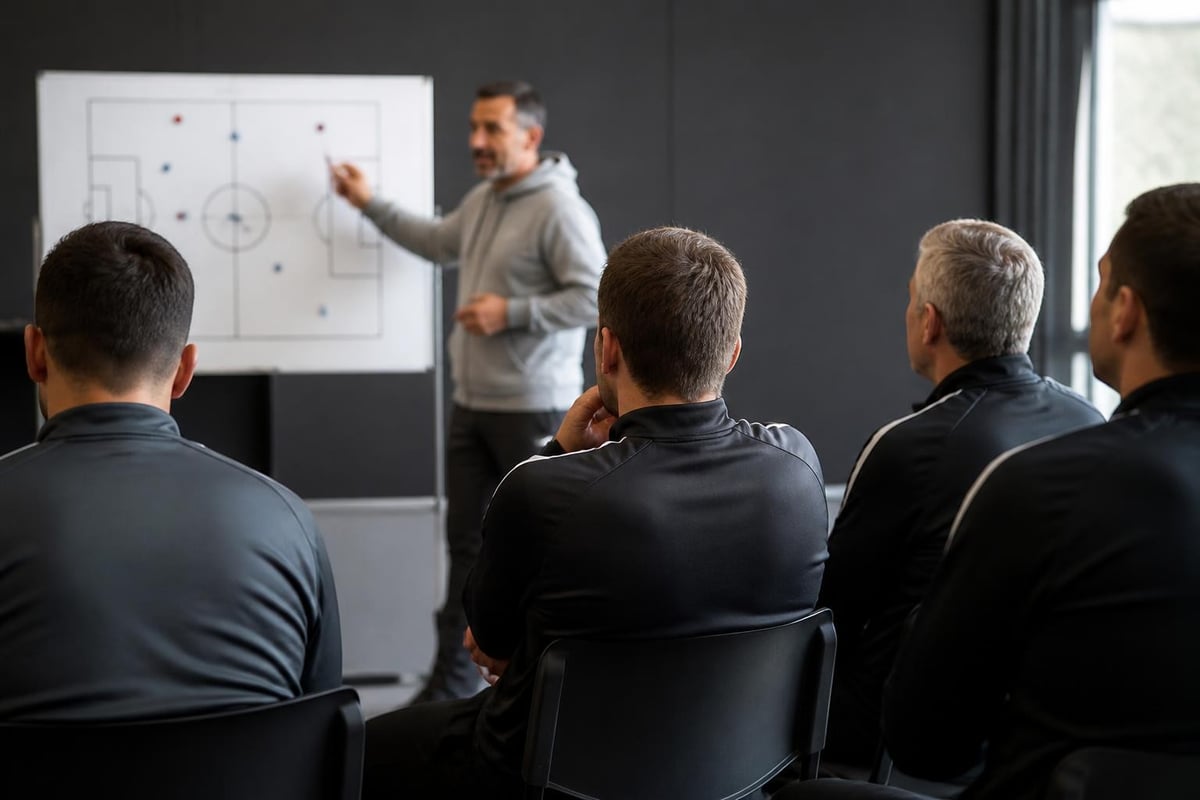
European soccer federations require extensive coaching education, with top academy coaches holding advanced licenses requiring hundreds of training hours. This professionalization ensures coaches understand child development, learning theory, periodization, and sport psychology alongside tactical and technical knowledge.
The coaching education emphasis creates consistency across age groups and ensures players receive age-appropriate, scientifically-informed instruction. Parents evaluating programs should investigate coach qualifications and continuing education requirements.
Selecting Quality Development Programs
While most families cannot access European academies directly, understanding what makes them successful helps parents evaluate local options. Quality programs share characteristics with the best soccer academy in Europe regardless of location.
Key Evaluation Criteria
Parents should investigate several factors when assessing soccer development programs:
- Coaching qualifications and ongoing education requirements
- Training philosophy and long-term development emphasis
- Player-to-coach ratios enabling individual attention
- Structured curriculum with clear progression pathways
- Integration of technical, tactical, physical, and psychological development
- Educational support and life skills emphasis
- Appropriate competition levels and match philosophy
Programs focusing exclusively on winning youth competitions often sacrifice long-term development for short-term results. The best development environments prioritize individual growth, skill mastery, and comprehensive player education.
Red Flags to Avoid
Certain program characteristics suggest inadequate development environments:
- Coaches lacking proper certifications or continuing education
- Emphasis on results over development in young age groups
- Single-dimensional training focusing only on technical skills
- Lack of structured curriculum or clear learning objectives
- Excessive training volumes for young players
- No educational support or life skills programming
- Win-at-all-costs mentality creating unhealthy competitive pressure
Parents should trust their observations and ask questions about program philosophy, coach qualifications, and development approach. Quality programs welcome parent involvement and transparently communicate their methodology.
Pathway Creation and Opportunity Development
The best soccer academy in Europe creates clear pathways from youth development through professional opportunities. These pathways include relationships with professional clubs, showcase events, college recruitment support, and international playing opportunities.
Professional Club Connections
Top academies maintain relationships with professional clubs that scout their players and provide trial opportunities. These connections give talented players visibility and potential pathway access that would otherwise require extensive networking.
Some academies operate as direct pipelines to professional clubs, while others maintain informal relationships with multiple organizations. Both models can effectively create opportunities for deserving players.
College and University Recruitment
For players not reaching professional levels directly from academy programs, college soccer provides an excellent development pathway. Leading academies support college recruitment through highlight videos, coach recommendations, and showcase event participation.
Understanding college recruitment timelines and requirements helps families navigate this process effectively. The best programs provide guidance on academic requirements, NCAA regulations, and scholarship opportunities.
Physical Facility and Resource Investment
Elite European academies invest significantly in training facilities, recovery resources, and technological tools. While impressive facilities don't guarantee quality coaching, proper resources enable optimal development environments.
Modern academy facilities typically include:
- Multiple training fields with varying surfaces
- Indoor training spaces for year-round development
- Strength and conditioning facilities
- Video analysis capabilities
- Sports medicine and physiotherapy services
- Educational and meeting spaces
- Recovery tools including ice baths and massage therapy
These resources support comprehensive development and demonstrate organizational commitment to player success. Programs making infrastructure investments typically maintain long-term development focus rather than treating youth soccer as a short-term business opportunity.
European soccer academies set the global standard for youth player development through systematic approaches addressing technical, tactical, physical, and psychological growth. While geographic limitations prevent most families from accessing these programs directly, understanding their methodologies helps parents identify quality development opportunities closer to home. Strive Soccer Academy brings European-style training philosophy to Surrey, BC, with fully licensed coaches delivering comprehensive development focused on the same four pillars that make European academies successful. If you're seeking a program that prioritizes long-term development, technical excellence, and character building for your young athlete, explore how our European-inspired approach can unlock their potential.