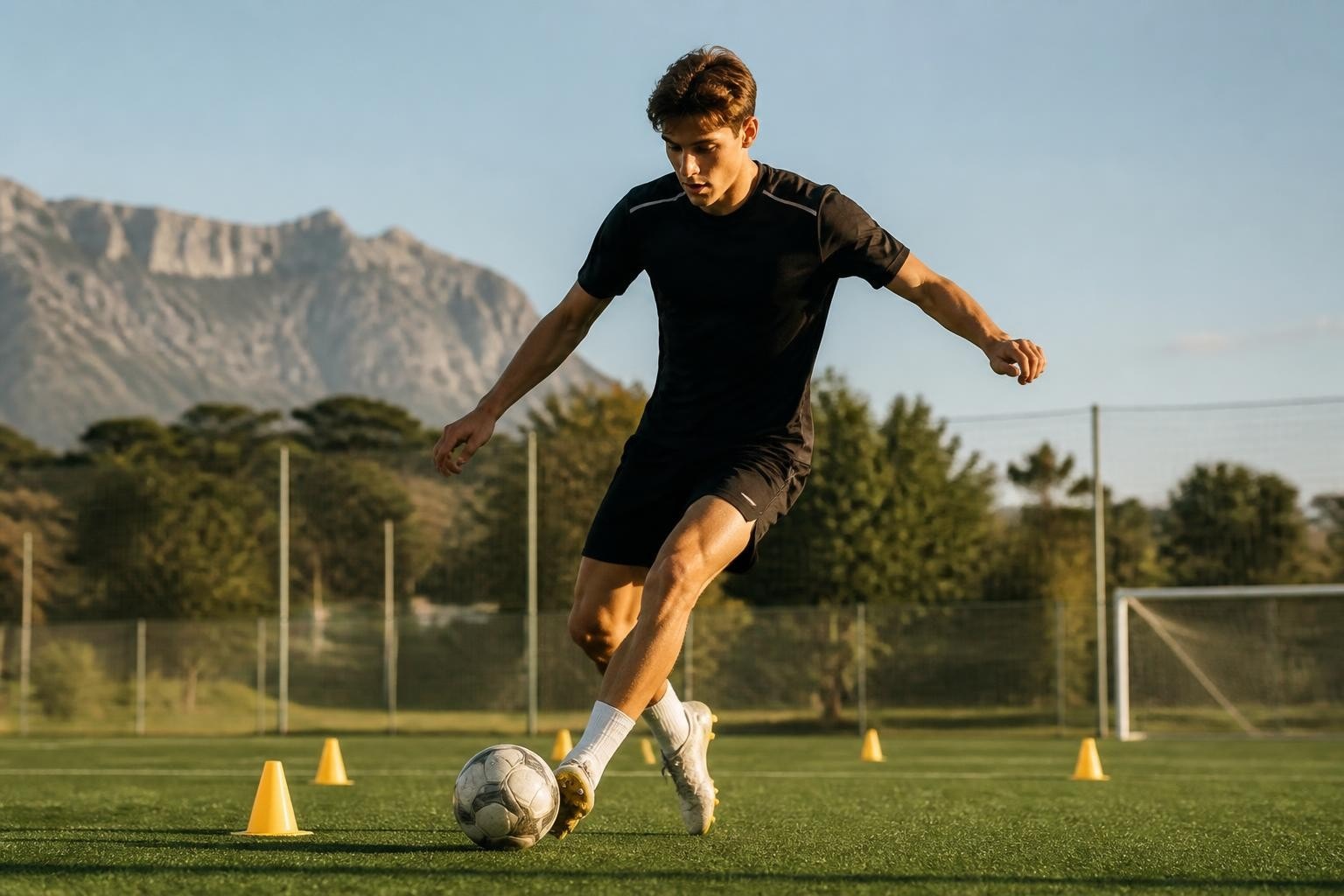
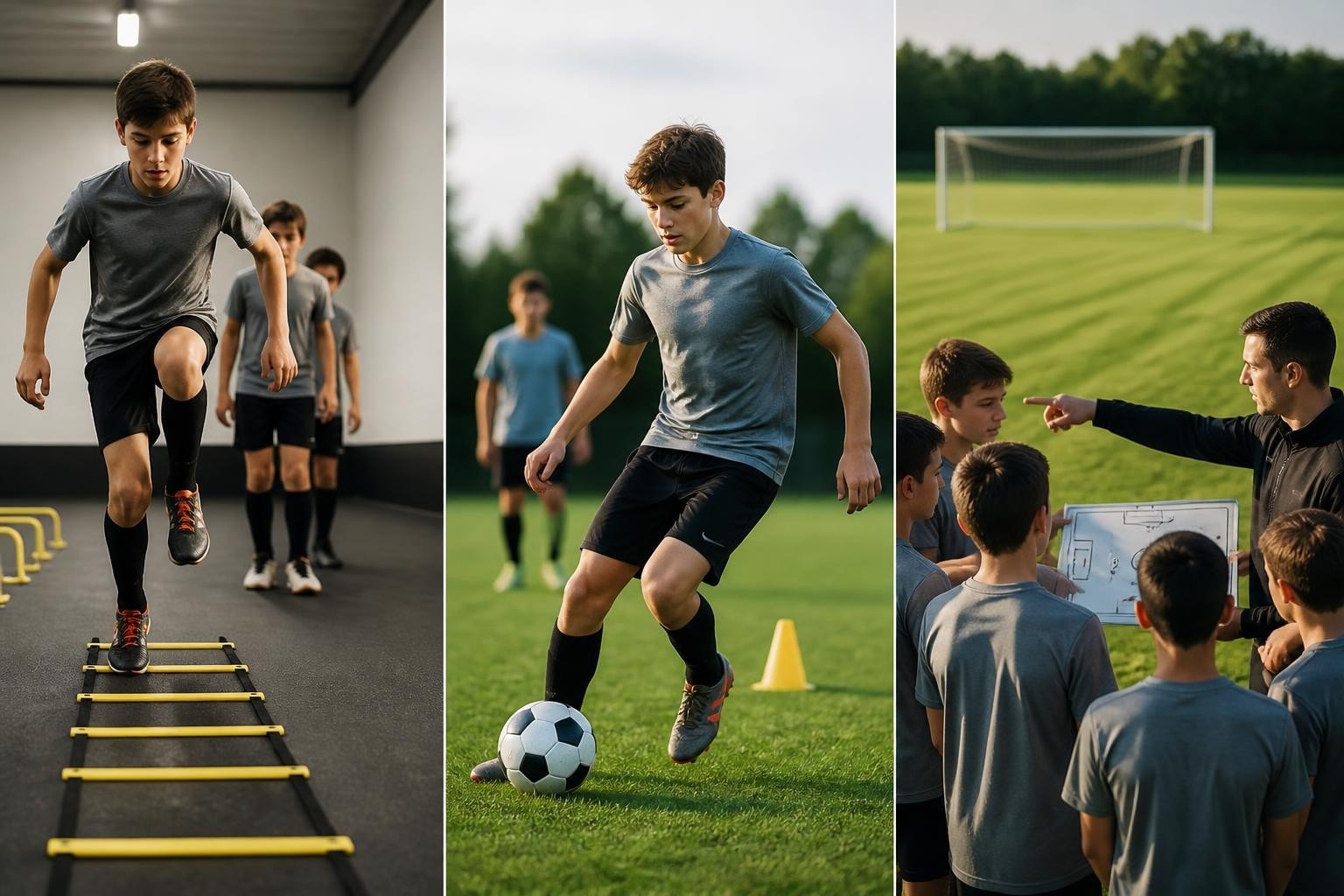
The landscape of athlete soccer has evolved dramatically over the past decade, moving away from traditional recreational approaches toward comprehensive player development systems. Parents and young athletes now seek programs that deliver measurable results across multiple dimensions of growth. Modern athlete soccer training recognizes that creating successful players requires balancing technical mastery, tactical intelligence, physical conditioning, and mental resilience. This holistic framework has become the gold standard for academies committed to developing players who can compete at higher levels while building life skills that extend far beyond the pitch.
Understanding the Modern Athlete Soccer Framework
The transformation of athlete soccer training reflects insights gained from studying elite academies across Europe and North America. Today's most effective programs abandon the old model of simply running drills and scrimmaging, instead implementing structured curricula that address every aspect of player development.
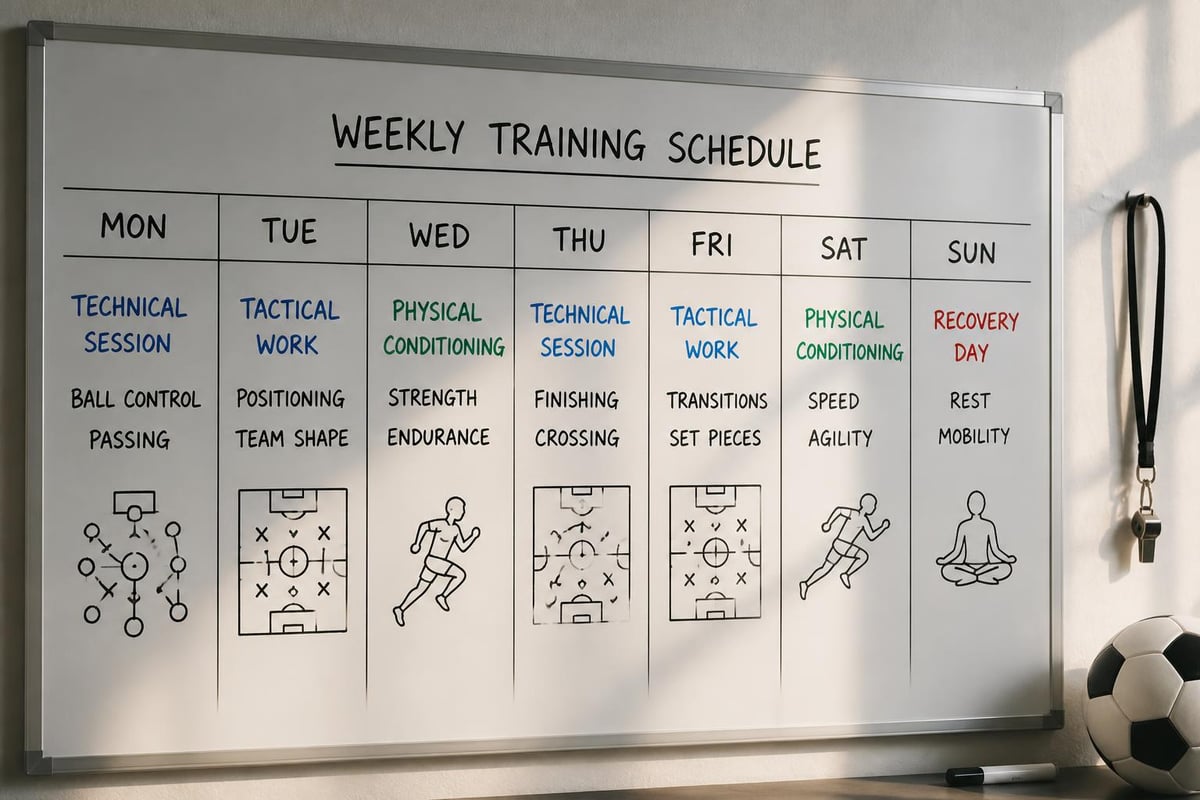
The Four Pillars of Athlete Soccer Development
Technical development forms the foundation of athlete soccer excellence. This pillar focuses on ball mastery, first touch quality, passing accuracy, shooting technique, and dribbling skills. Players must develop comfort with the ball under various conditions, building muscle memory through thousands of purposeful repetitions.
Tactical awareness separates recreational players from those who understand the game at deeper levels. Athlete soccer programs emphasize positioning, spatial awareness, decision-making speed, and pattern recognition. Players learn to read the game several moves ahead, anticipating opponent movements and identifying scoring opportunities before they fully materialize.
Physical conditioning addresses the athletic demands of modern soccer. This includes speed, agility, endurance, strength, and injury prevention. Research on training methods demonstrates that targeted physical preparation significantly enhances medium- to long-distance sprint performance, a critical component of competitive soccer.
Psychological strength completes the framework. Mental toughness, confidence, focus, emotional regulation, and resilience under pressure determine how athletes perform when competition intensifies. The psychological pillar often receives less attention than physical skills, yet it frequently determines which players succeed at higher levels.
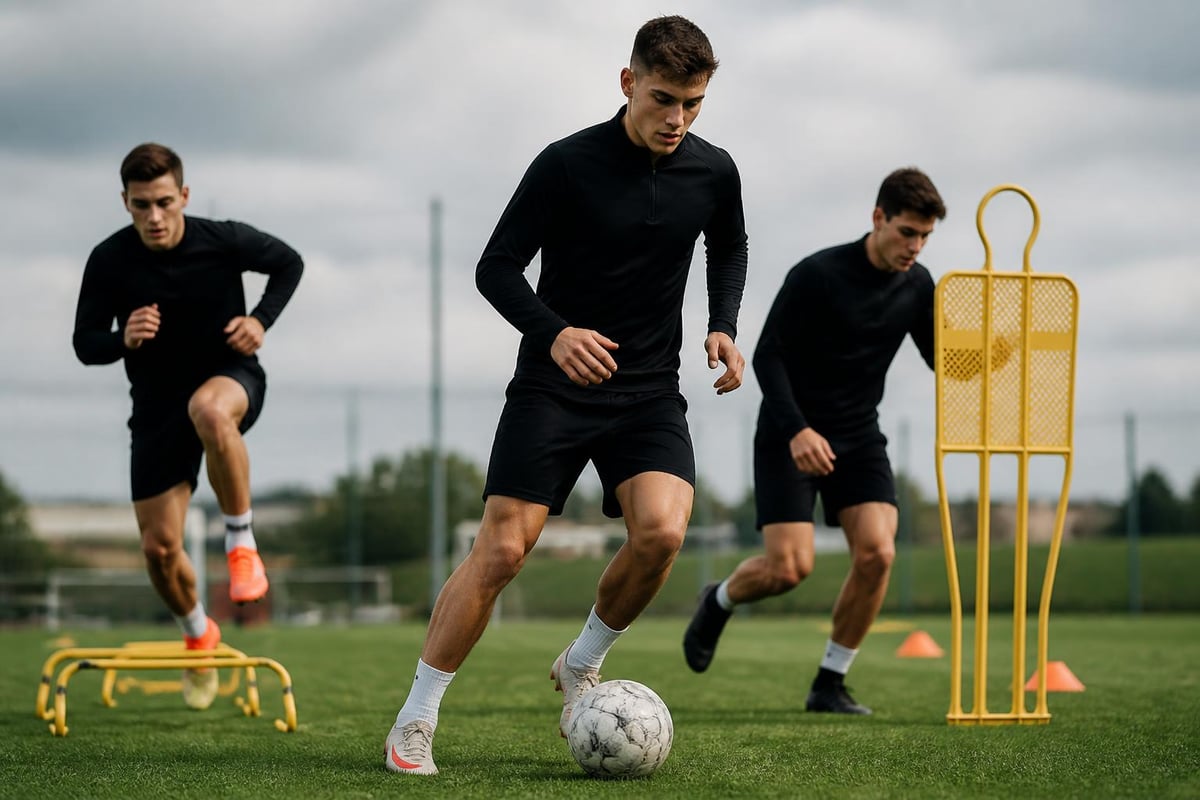
Technical Mastery in Athlete Soccer Training
Technical excellence distinguishes elite players from average ones. Athlete soccer programs prioritize skill development through deliberate practice designed to accelerate improvement beyond what casual play provides.
Ball Mastery Fundamentals
Young athletes must achieve true comfort with the ball before advancing to complex tactical concepts. This means controlling the ball effortlessly with all surfaces of both feet, maintaining close control while moving at different speeds, and executing turns and feints naturally without conscious thought.
Progressive technical training follows clear developmental pathways:
- Foundation phase – Basic touches, simple passes, introductory dribbling moves
- Skill expansion – Multiple ball surfaces, varied passing distances, directional changes
- Pressure application – Technical execution with defensive pressure
- Game speed integration – Full-speed technical performance in realistic scenarios
- Advanced creativity – Improvisation and personal style development
Quality repetition matters more than quantity alone. Athlete soccer training emphasizes perfect practice, where coaches correct technical flaws immediately rather than allowing players to reinforce poor habits through uncorrected repetitions.
Position-Specific Technical Requirements
Different positions demand specialized technical skills. Defenders require strong tackling technique, aerial ability, and accurate long passing. Midfielders need exceptional first touch, 360-degree awareness, and ability to play under immediate pressure. Forwards must master finishing with both feet, heading accuracy, and hold-up play.
| Position | Primary Technical Skills | Secondary Technical Skills |
|---|---|---|
| Goalkeeper | Shot-stopping, distribution, positioning | Footwork, communication |
| Defender | Tackling, heading, clearances | Long passing, first touch |
| Midfielder | Ball retention, short passing, scanning | Shooting, dribbling, crossing |
| Forward | Finishing, hold-up play, movement | Dribbling, heading, link-up play |
Effective athlete soccer academies provide position-specific training alongside general technical development, ensuring players master both universal skills and specialized techniques required for their roles.
Tactical Intelligence Development
Understanding the tactical dimension separates players who simply react from those who control games through intelligent positioning and decision-making. Athlete soccer programs develop tactical awareness through structured education and game-realistic scenarios.
Building Game Intelligence
Tactical development begins with understanding fundamental concepts: spacing between players, when to press versus when to drop off, passing lane recognition, and transition speed from defense to attack. Young athletes learn these principles gradually, starting with simplified scenarios before progressing to complex game situations.
The progression of tactical learning includes:
- Individual tactics – Personal positioning, one-on-one situations, movement off the ball
- Small group tactics – Combination play, overlapping runs, defensive support
- Team tactics – Formation understanding, pressing systems, build-up patterns
- Game management – Adjusting tactics based on score, time, and opponent adaptations
Modern athlete soccer training incorporates video analysis to accelerate tactical learning. Players watch themselves and professional matches, identifying decision-making patterns and positioning improvements. This visual learning complements on-field training, helping concepts crystallize more quickly.
Decision-Making Under Pressure
The speed of decision-making often determines success in competitive athlete soccer. Players face constant choices: pass or dribble, shoot or cross, press or contain. Training that replicates game pressure helps athletes make better decisions instinctively.
Studies on contextual factors in training reveal how variables like fatigue, opposition quality, and time pressure affect adolescent player performance, underscoring the importance of realistic training environments.
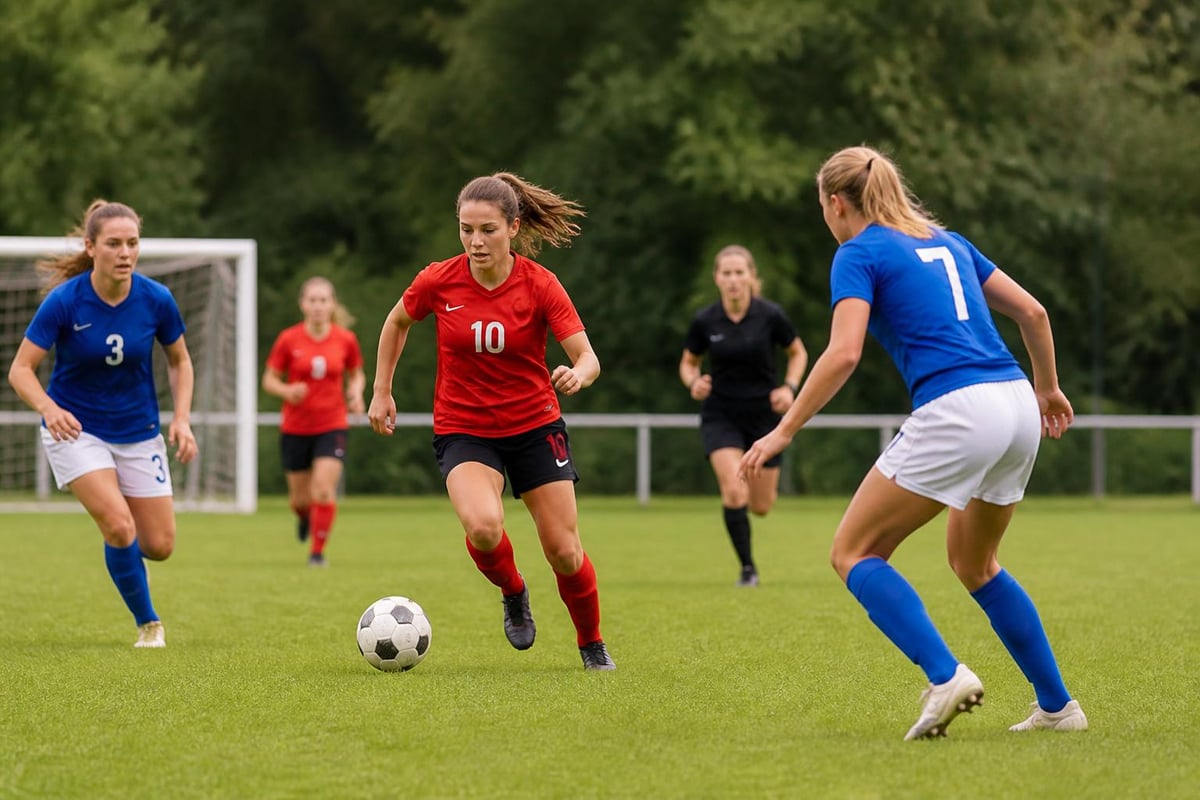
Physical Conditioning for Athlete Soccer Performance
The physical demands of competitive soccer require systematic conditioning beyond casual play. Athlete soccer programs implement evidence-based training protocols that build speed, power, endurance, and resilience while minimizing injury risk.
Speed and Agility Development
Soccer requires explosive speed over short distances, rapid direction changes, and sustained pace over 90 minutes. Effective conditioning programs address multiple speed qualities:
Linear sprint speed allows players to exploit space behind defenses or recover on defense. Training includes acceleration technique, maximum velocity development, and sprint endurance.
Change of direction ability enables players to beat defenders in tight spaces. This requires lateral quickness, deceleration control, and reacceleration capacity. Research on repeated sprint training provides evidence-based protocols for improving these capabilities in soccer-specific contexts.
Agility with the ball combines physical speed with technical control. Athletes practice dribbling at various speeds, executing skills while fatigued, and maintaining technique during intense physical demands.
Strength and Power Training
Contrary to outdated beliefs, strength training for soccer athletes enhances performance when properly implemented. Age-appropriate resistance training builds:
- Lower body power for jumping, sprinting, and shooting
- Core stability for balance and injury prevention
- Upper body strength for shielding the ball and physical contests
- Muscular endurance for maintaining performance late in matches
Training programs must balance strength development with technical work, ensuring physical conditioning enhances rather than interferes with skill acquisition. The Strive Soccer Academy programs integrate physical development within technical sessions, maximizing training efficiency.
Injury Prevention and Recovery
Smart athlete soccer programs prioritize long-term health alongside immediate performance. This includes:
- Proper warm-up routines addressing dynamic flexibility and muscle activation
- Cool-down protocols promoting recovery and reducing soreness
- Monitoring training loads to prevent overuse injuries
- Strengthening commonly injured areas (ankles, knees, hamstrings)
- Education about nutrition, hydration, and sleep for optimal recovery
Young athletes in growth phases require particular attention to joint health and appropriate training volumes. Progressive load management prevents injuries while still challenging players to improve.
Psychological Development in Athlete Soccer
Mental skills often determine which technically gifted players reach their potential and which fall short despite physical talents. Athlete soccer programs increasingly recognize psychological development as essential rather than optional.
Building Mental Toughness
Competitive soccer presents constant mental challenges: bouncing back from mistakes, maintaining focus after setbacks, performing under pressure of important matches, and persisting through difficult training sessions. Mental toughness isn't innate but rather develops through deliberate practice and supportive coaching.
Effective approaches include:
- Mistake recovery protocols – Teaching players to refocus immediately after errors
- Pressure simulation – Creating high-stakes training scenarios before competitive matches
- Goal-setting frameworks – Helping athletes establish and pursue meaningful objectives
- Self-talk strategies – Developing positive internal dialogue during challenges
- Visualization techniques – Mental rehearsal of successful performance
Coaches play critical roles in psychological development through how they respond to player mistakes, structure feedback, and create team culture. The best athlete soccer environments challenge players while maintaining supportive atmospheres where mistakes become learning opportunities.
Confidence and Self-Belief
Confidence grows from two sources: demonstrated competence and positive self-perception. Training must provide successful experiences that prove to players they possess necessary abilities. Simultaneously, athletes need help developing accurate self-assessment that recognizes strengths while identifying growth areas.
The confidence-building cycle in athlete soccer includes:
- Mastering fundamental skills through quality repetition
- Experiencing success in progressively challenging situations
- Receiving specific, constructive feedback highlighting improvements
- Setting and achieving incremental performance goals
- Learning from setbacks without damage to overall self-belief
Players with strong self-belief attempt difficult skills, take calculated risks, and persist through adversity. Those lacking confidence play tentatively, avoid challenges, and surrender quickly when facing obstacles.
Training Methodology and Session Design
How athlete soccer programs structure training sessions significantly impacts development speed. Effective session design balances various training elements while maintaining player engagement and progression.
Progressive Skill Development
Quality training follows logical progressions from simple to complex, slow to fast, unopposed to pressured. Each session builds on previous learning while introducing new challenges that stretch player capabilities without overwhelming them.
A typical technical session progression might include:
| Phase | Duration | Focus | Intensity |
|---|---|---|---|
| Warm-up | 10-15 min | Movement prep, ball touches | Low |
| Technical introduction | 15-20 min | New skill demonstration, slow practice | Medium |
| Pressure application | 15-20 min | Skill execution with defenders | High |
| Game application | 20-25 min | Skill use in realistic match scenarios | High |
| Cool-down | 10 min | Recovery, reflection | Low |
This structure ensures athletes understand concepts, practice them in controlled environments, then apply them under game-realistic pressure before matches require full performance.
Training Load Management
Athlete soccer programs must carefully balance training intensity, volume, and recovery. Too little challenge produces minimal adaptation, while excessive training causes fatigue, injury, and burnout. Smart academies monitor player loads and adjust programming based on individual needs and competitive schedules.
Periodization principles guide season-long planning, varying training focus and intensity across preparation, competition, and recovery phases. This systematic approach optimizes performance timing while maintaining player health throughout extended seasons.
Nutrition and Recovery for Young Athletes
Physical development and performance optimization require proper fueling and recovery. Athlete soccer programs increasingly educate players and families about nutrition fundamentals that support training demands and growth.
Fueling Performance
Young athletes need adequate calories to support both growth and training energy expenditure. Carbohydrates provide primary fuel for high-intensity soccer activity. Proteins support muscle development and recovery. Healthy fats contribute to overall health and sustained energy.
Pre-training nutrition should include easily digestible carbohydrates consumed 1-2 hours before activity. Post-training recovery benefits from combining carbohydrates and protein within 30-60 minutes of finishing sessions. Hydration matters throughout the day, not just during training.
Recovery Strategies
Recovery allows adaptation to training stress. Without adequate recovery, athletes accumulate fatigue that impairs performance and increases injury risk. Essential recovery elements include:
- Sleep – 8-10 hours nightly for adolescent athletes, supporting growth hormone release and neural recovery
- Active recovery – Light movement on rest days promoting blood flow without training stress
- Nutrition timing – Strategic meal and snack placement supporting recovery processes
- Mental breaks – Time away from soccer preventing psychological burnout
- Mobility work – Stretching and foam rolling maintaining movement quality
Athletes who prioritize recovery alongside training see better results than those who train intensely but recover poorly.
Selecting Quality Athlete Soccer Programs
Parents seeking optimal development for young athletes should evaluate programs across multiple criteria beyond convenience and cost. The right athlete soccer academy significantly impacts both immediate enjoyment and long-term player development.
Coaching Quality and Philosophy
Coaching credentials matter. Programs employing licensed coaches demonstrate commitment to professional development and evidence-based methodologies. However, credentials alone don't guarantee quality. Observe how coaches interact with players, structure sessions, and communicate feedback.
Quality programs like those at Strive Soccer Academy employ Canada Soccer licensed coaches who understand age-appropriate development and maintain positive learning environments. The coaching philosophy should emphasize long-term player growth over short-term winning at youth levels.
Development Focus Areas
Comprehensive athlete soccer programs address all four development pillars rather than emphasizing isolated elements. Ask programs how they develop technical skills, tactical understanding, physical capabilities, and mental strength. Quality academies articulate clear development pathways showing progression across age groups.
Training environments should challenge players appropriately while maintaining supportive atmospheres. The best programs push athletes beyond comfort zones without creating fear of failure or harsh criticism that damages confidence.
Player-to-Coach Ratios and Individual Attention
Effective skill development requires sufficient individual attention. Programs with excessive player-to-coach ratios cannot provide personalized feedback needed for technical refinement. Look for academies maintaining ratios allowing coaches to observe and correct each player multiple times per session.
Quality programs also offer pathways for advanced players seeking additional development opportunities beyond standard team training. High-performance training options provide motivated athletes with intensive technical work and competitive environments accelerating growth.
Long-Term Athletic Development Considerations
Athlete soccer development spans years, requiring patience and appropriate expectations at each stage. Understanding long-term development principles helps parents support athletes effectively while avoiding common pitfalls.
Age-Appropriate Training Focus
Different ages prioritize different development areas. Young players (ages 6-9) benefit most from technical skill variety and fundamental movement patterns. Middle youth players (ages 10-13) add tactical concepts and position specialization. Older youth athletes (ages 14-18) increase training intensity, physical conditioning, and psychological skills.
Rushing physical training or tactical complexity with young players provides minimal benefit while potentially causing injury or burnout. Conversely, limiting older athletes to only basic technical work fails to prepare them for competitive demands.
Avoiding Early Specialization Pitfalls
While focused athlete soccer training accelerates development, complete sport specialization before adolescence carries risks including overuse injuries, burnout, and limited athletic movement vocabulary. Many successful professional players participated in multiple sports during childhood before specializing in teenage years.
The optimal approach provides quality soccer training within broader athletic development. Athletes benefit from varied movement experiences developing overall athleticism supporting soccer-specific skills.
Balancing Competition and Development
Competitive matches provide essential learning environments, but excessive competition can interfere with skill development. Training sessions allow coaches to stop play, correct technique, and repeat situations until players master concepts. Matches require applying learned skills without pause for instruction.
Programs prioritizing development over winning create space for players to attempt new skills in matches without fear of benching after mistakes. This approach accelerates long-term growth despite potentially sacrificing short-term results.
The Role of Parents in Athlete Soccer Development
Parent involvement significantly impacts young athlete experiences and development outcomes. Understanding appropriate support roles helps families contribute positively to soccer journeys.
Providing Positive Support
Effective parent support includes:
- Encouraging effort and improvement rather than only results
- Maintaining perspective about youth sports within overall child development
- Allowing athletes ownership of their soccer experience
- Supporting without pressuring regarding performance or outcomes
- Respecting coaching expertise while maintaining open communication
Athletes perform best when playing for intrinsic motivation rather than external pressure. Parents who celebrate effort and learning create environments where athletes embrace challenges and persist through setbacks.
Practical Support Elements
Beyond emotional support, parents facilitate development through logistical assistance: reliable transportation to training and matches, ensuring proper nutrition and hydration, supporting adequate sleep schedules, and investing in quality training opportunities.
Financial investment in athlete soccer varies widely. While elite development programs require significant resources, many quality academies offer payment plans or scholarship options making training accessible. Prioritize program quality over convenience when possible, as coaching expertise impacts development more than proximity.
Communication With Coaches
Productive parent-coach relationships benefit athletes. Parents should understand program philosophies, development goals, and expectations. However, coaching decisions about playing time, positions, and tactics remain coach responsibilities.
Address concerns directly with coaches through appropriate channels rather than discussing frustrations with other parents or athletes. Frame conversations around understanding and supporting athlete development rather than challenging coaching expertise.
Developing complete soccer athletes requires systematic attention to technical mastery, tactical intelligence, physical conditioning, and psychological strength working together throughout years of dedicated training. Parents seeking optimal development environments should evaluate programs based on coaching quality, comprehensive curricula addressing all four pillars, and philosophies prioritizing long-term growth over short-term results. Strive Soccer Academy brings European-style training methodology to Surrey, BC, with fully licensed Canada Soccer coaches delivering programs that develop skills, build character, and create genuine advancement opportunities for young athletes committed to reaching their potential.