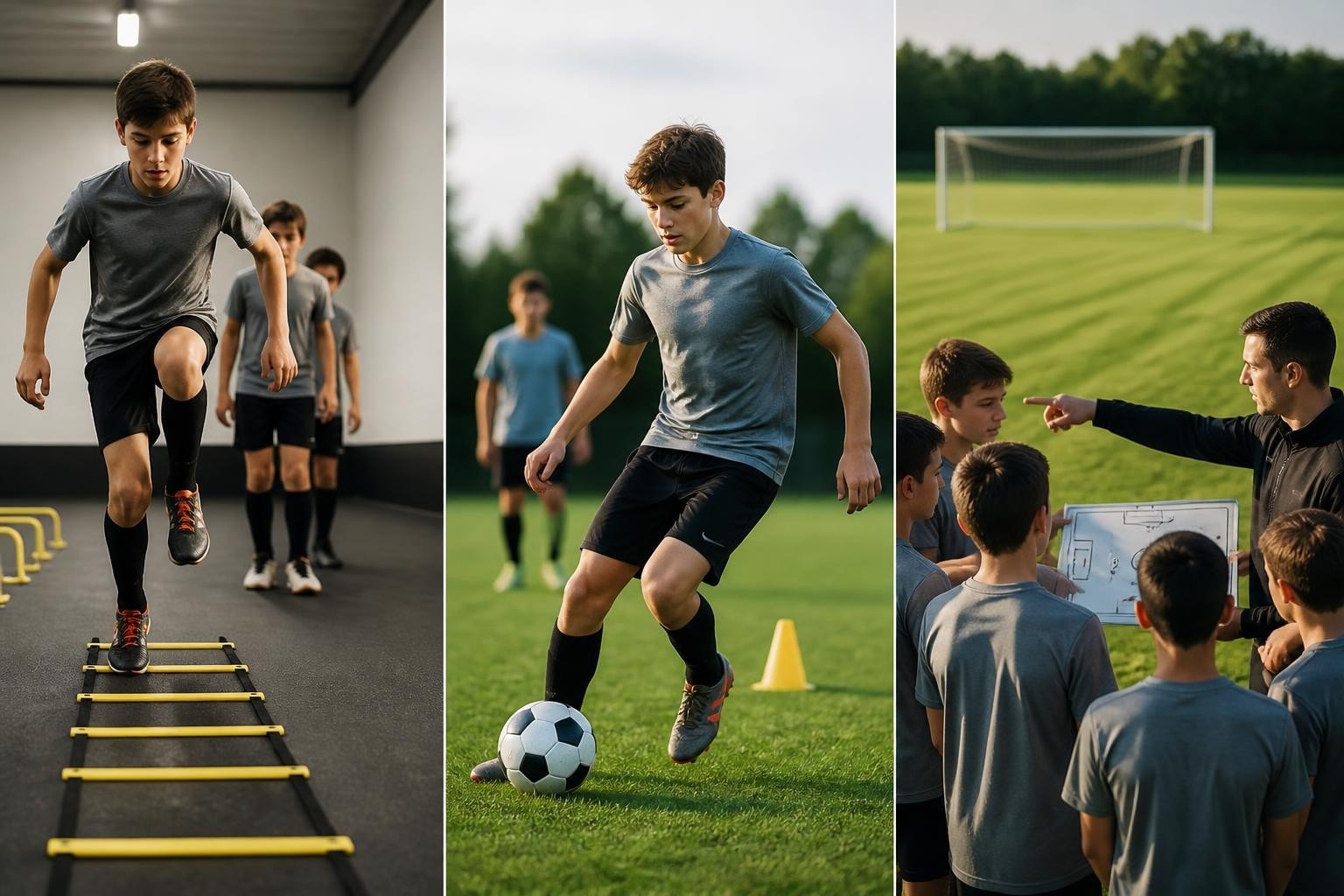
The landscape of youth soccer has transformed dramatically over the past decade, with academy elite soccer programs emerging as the gold standard for player development. These specialized training environments combine professional coaching methods, structured curriculum, and long-term development plans to prepare young athletes for competitive success. Parents seeking serious development opportunities for their children increasingly turn to academy-style programs that mirror the proven European model, which has produced countless world-class players through systematic, age-appropriate training methodologies.
Understanding the Academy Elite Soccer Model
Academy elite soccer represents a comprehensive approach to player development that extends far beyond traditional recreational or club-based training. This model emphasizes holistic growth across multiple dimensions of performance, creating well-rounded athletes capable of competing at the highest levels.
The Four Pillars of Player Development
The foundation of any successful academy elite soccer program rests on four interconnected pillars that address every aspect of athletic growth. Technical development focuses on ball mastery, first touch, passing accuracy, and individual skills that form the bedrock of player capability. Tactical development teaches game intelligence, positional awareness, and decision-making under pressure.
Physical development builds the athletic foundation necessary for elite competition:
- Speed and agility training
- Strength and conditioning programs
- Injury prevention protocols
- Recovery and nutrition education
Psychological development cultivates the mental toughness and character traits essential for long-term success. Research on training management of elite adolescent players demonstrates that integrating these four pillars throughout maturation creates more resilient and capable athletes.
What Distinguishes Elite Academy Training
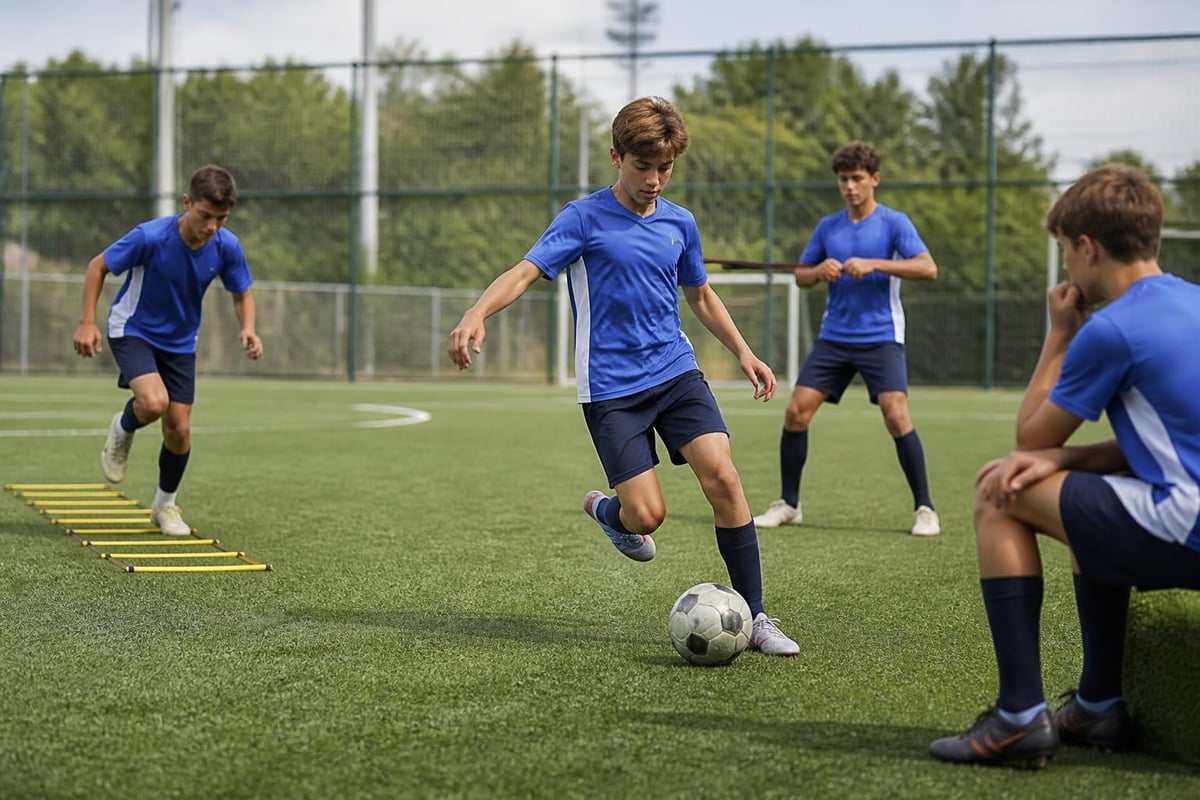
Traditional soccer clubs often prioritize winning games over long-term development, but academy elite soccer programs take a fundamentally different approach. The Soccer Skills Training environment creates space for players to experiment, make mistakes, and develop at their own pace while maintaining high standards.
| Traditional Club Model | Academy Elite Soccer Model |
|---|---|
| Focus on weekend results | Focus on long-term development |
| Limited individual attention | Personalized development plans |
| Volunteer or part-time coaches | Fully licensed professional coaches |
| Seasonal programming | Year-round structured training |
| Generic group sessions | Position-specific training modules |
Professional coaching makes the difference. Licensed instructors bring expertise that transforms training sessions from simple drills into purposeful development experiences. These coaches understand periodization, load management, and age-appropriate progression, ensuring players advance without burning out or developing poor habits.
The Science Behind Elite Development
Modern academy elite soccer programs leverage sports science research to optimize every aspect of training. Understanding the relationship between training load and adaptation allows coaches to push players appropriately while minimizing injury risk.
Training Load and Performance Gains
Studies examining dose-response relationships in training load measures reveal critical insights about how much training produces optimal results. Elite academies carefully monitor training volume, intensity, and recovery to maximize aerobic fitness gains without overtraining.
Key training load principles include:
- Progressive overload with appropriate recovery periods
- Variation in session intensity throughout the week
- Monitoring individual player responses
- Adjusting loads based on growth and maturation stages
- Balancing soccer-specific work with complementary conditioning
The neuromuscular recovery patterns following training sessions inform how academy elite soccer programs structure their weekly schedules. Players need adequate recovery between high-intensity sessions to adapt and improve, yet insufficient stimulus produces no gains. Finding this balance separates elite programs from mediocre ones.
Long-Term Athletic Development
Evidence from three-year comparative studies shows that sustained participation in academy elite soccer produces measurable physical performance improvements beyond what occurs through normal growth and maturation. These programs accelerate development in sprint speed, jumping ability, agility, and endurance compared to age-matched controls.
The benefits compound over time. Players who begin academy training at younger ages develop superior technical foundations that become increasingly difficult to acquire later in athletic development. The Strive training philosophy recognizes these critical development windows and structures programming accordingly.
Creating Optimal Development Environments
The environment surrounding young players significantly impacts their growth trajectory. Research examining players’ perceptions of development environments in elite academies reveals what truly matters from the athlete's perspective.
Coach-Player Relationships
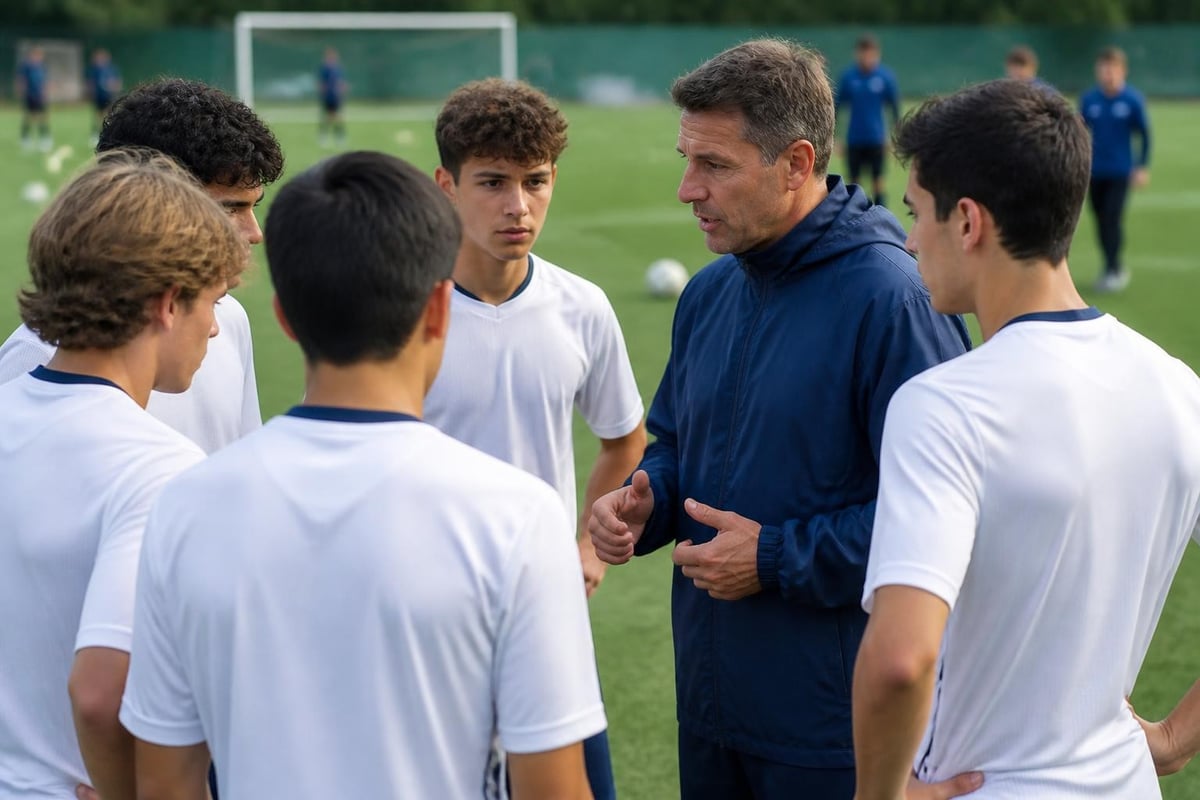
Quality coaching relationships form the cornerstone of effective academy elite soccer programs. Players thrive when coaches demonstrate genuine investment in their development, provide constructive feedback, and create psychologically safe environments where mistakes become learning opportunities.
Characteristics of effective coaching relationships:
- Clear, consistent communication about expectations
- Regular individual development discussions
- Personalized feedback addressing specific growth areas
- Recognition of effort and improvement, not just results
- Support extending beyond the soccer field
Training Infrastructure and Resources
Professional-grade facilities signal commitment to excellence. Academy elite soccer programs invest in quality training grounds, proper equipment, and resources that enable optimal skill development. While fancy amenities don't guarantee success, inadequate facilities limit what players can achieve.
Players also benefit from comprehensive support systems including video analysis tools, strength and conditioning facilities, sports medicine access, and educational resources about nutrition, sleep, and recovery. Many programs in Surrey now incorporate these elements to provide truly professional development experiences.
Pathway Development and Competitive Opportunities
Academy elite soccer succeeds when it creates clear pathways connecting current training to future opportunities. Young players need to see how their development connects to realistic goals, whether those involve college scholarships, professional contracts, or simply reaching their full potential.
Age-Appropriate Competition Structure
| Age Group | Competition Focus | Development Priorities |
|---|---|---|
| U8-U10 | Festival-style matches | Fun, fundamental skills, creativity |
| U11-U13 | Local league play | Position concepts, teamwork, game understanding |
| U14-U16 | Regional competition | Tactical sophistication, physical development |
| U17-U19 | Elite showcases | Performance under pressure, recruitment exposure |
Competitive experiences must align with developmental stage. Younger players benefit from less structured competition that encourages creativity and experimentation, while older players need exposure to elite competition that tests their abilities under pressure.
Measuring Progress Beyond Results
Academy elite soccer programs implement comprehensive player assessment systems tracking technical competency, tactical understanding, physical benchmarks, and psychological growth. These evaluations provide objective data about development independent of team results.
Progress monitoring includes:
- Regular skills assessments using standardized tests
- Physical performance benchmarking (speed, agility, endurance)
- Video analysis of game performance
- Self-reflection exercises promoting metacognitive skills
- Character development feedback from multiple sources
This multifaceted approach ensures players receive recognition for improvement across all development areas, maintaining motivation even during challenging periods. Parents can access detailed progress reports through platforms like the Strive player portal, maintaining transparency throughout the development journey.
The Role of Parental Support
Parents play a crucial role in academy elite soccer success, though their involvement looks different than in traditional youth sports. Understanding appropriate parental roles helps create optimal conditions for player development.
Supporting Without Pressuring
The most effective parents provide unconditional support that doesn't depend on performance outcomes. They attend matches and training when possible, ask open-ended questions about experiences, and help players reflect on both successes and setbacks without imposing their own interpretations.
Positive parental behaviors include:
- Focusing conversations on effort and learning rather than results
- Allowing coaches to handle technical instruction
- Providing logistical support for training attendance
- Modeling healthy attitudes toward competition and failure
- Prioritizing long-term development over short-term success
Conversely, parents undermine development when they criticize performance during car rides home, question coaching decisions publicly, or communicate that their love depends on athletic success. Academy elite soccer programs often provide parent education resources helping families navigate these challenges.

Understanding the Development Timeline
Unrealistic expectations create unnecessary pressure on young athletes. Development rarely follows linear trajectories. Players experience growth spurts, performance plateaus, and temporary regressions that are completely normal parts of long-term development.
Parents who understand these realities maintain perspective during challenging periods. They recognize that a 12-year-old struggling with coordination during rapid growth isn't "falling behind" but experiencing typical developmental patterns. This patience allows players to develop confidence and resilience instead of anxiety and self-doubt.
Selecting the Right Academy Program
Not all academy elite soccer programs deliver on their promises. Parents should evaluate several factors when selecting where to invest their time and resources.
Coaching Credentials and Philosophy
Verify that coaches hold recognized certifications from national governing bodies. In Canada, this means licenses through Canada Soccer ranging from grassroots certifications to advanced A-License qualifications. Coaching credentials indicate investment in professional development and adherence to established best practices.
Beyond credentials, understand the program's philosophical approach. Does it prioritize long-term development or short-term results? How does it balance winning with player growth? These questions reveal whether a program's values align with your family's goals. Quality programs like those outlined here clearly articulate their development philosophy.
Player-to-Coach Ratios and Session Structure
Effective skill development requires sufficient individual attention. Academy elite soccer programs should maintain ratios allowing coaches to provide meaningful feedback to each player during sessions. Groups exceeding 16 players per coach limit individual attention regardless of coach quality.
Evaluate session structure by observing:
- Active training time versus waiting in lines
- Ratio of touches per player during drills
- Quality and frequency of individual feedback
- Appropriate challenge level for all participants
- Integration of game-realistic scenarios
Track Record and Alumni Success
While past results don't guarantee future outcomes, a program's history reveals its effectiveness. Investigate where former players have progressed. Have they earned college scholarships? Moved to professional academies? More importantly, do alumni speak positively about their experiences and credit the program with meaningful development?
| Evaluation Criteria | Red Flags | Green Flags |
|---|---|---|
| Alumni outcomes | No tracking of player progression | Documented pathway success stories |
| Parent testimonials | Generic praise or none available | Specific development examples |
| Coach retention | High turnover annually | Stable, experienced staff |
| Communication | Unclear or inconsistent | Regular, transparent updates |
Integrating Academy Training with Academic Success
Elite player development doesn't require sacrificing academic achievement. The best academy elite soccer programs help young athletes balance athletic and academic commitments, recognizing that most players will rely on education for long-term success regardless of their soccer outcomes.
Time Management Skills
Academy training demands significant time commitment, but this challenge teaches valuable life skills. Players learn to prioritize tasks, manage schedules efficiently, and maintain focus across multiple responsibilities. These capabilities transfer directly to academic and professional contexts.
Successful student-athletes develop consistent routines that accommodate training, homework, rest, and social time. Programs support this balance by maintaining predictable schedules, avoiding unnecessary travel, and respecting academic commitments. Some academies, including specialized high-performance environments, offer intensive training during school breaks rather than year-round excessive demands.
Educational Support Systems
Progressive academy elite soccer programs recognize their responsibility to support whole-person development. This includes providing academic resources, monitoring school performance, and adjusting training loads when students face academic challenges.
Support mechanisms include:
- Academic advisors who monitor school progress
- Study halls or tutoring during training days
- Flexible scheduling around exam periods
- College placement assistance for older players
- Life skills programming addressing topics beyond soccer
These resources demonstrate that academy commitment extends beyond developing players to developing people prepared for success in any arena.
The European Model Adapted for North America
Academy elite soccer in North America increasingly adopts European training methodologies while adapting them to local contexts. Understanding this hybrid approach helps parents appreciate what makes certain programs distinctive.
Technical Emphasis from European Traditions
European academies have long prioritized technical mastery over physical attributes, especially during early development stages. This philosophy recognizes that physical advantages diminish as athletes mature, while technical deficiencies become increasingly difficult to correct.
North American programs incorporating this approach dedicate substantial training time to ball mastery, receiving skills, and 1v1 abilities. Players accumulate thousands of quality touches developing the comfort and confidence that characterizes elite players worldwide. This technical foundation supports tactical sophistication as players mature.
North American Innovations
While learning from European success, North American academy elite soccer also contributes innovations. These include greater emphasis on athletic development science, more robust player monitoring systems, and integration of emerging technologies for performance analysis.
The best programs blend these traditions, taking technical development principles from Europe while incorporating North American strengths in organization, sports science application, and pathway transparency. Programs in regions like Surrey’s soccer community demonstrate how these hybrid models create world-class development opportunities.
Technology and Performance Analysis
Modern academy elite soccer leverages technology to enhance every aspect of development. From GPS tracking during training to video analysis platforms, these tools provide insights impossible to gather through observation alone.
Data-Driven Development
Wearable technology tracks physical outputs during training and matches, revealing workload patterns, movement profiles, and fitness indicators. This data informs individualized programming ensuring each player receives appropriate training stimulus.
Video analysis allows players to review their performances, identifying technical inefficiencies and tactical mistakes that might otherwise go unnoticed. When coaches guide this review process, players develop self-awareness and analytical skills accelerating improvement.
Balancing Technology with Human Coaching
Despite technological advances, academy elite soccer remains fundamentally about human relationships and traditional skill development. Technology serves as a tool enhancing coaching effectiveness, not replacing the human elements that drive player growth.
The most effective programs use technology strategically without becoming overly dependent on it. They recognize that young players still need to play, experiment, and learn through trial and error rather than constant measurement and analysis.
Academy elite soccer programs offer unparalleled development opportunities for young athletes committed to reaching their potential. By emphasizing technical mastery, tactical intelligence, physical preparation, and psychological strength within supportive environments led by qualified coaches, these programs create pathways to success both on and off the field. Strive Soccer Academy brings this European-inspired approach to Surrey, providing young players with the comprehensive training, professional coaching, and structured development they need to thrive at every level of competition.