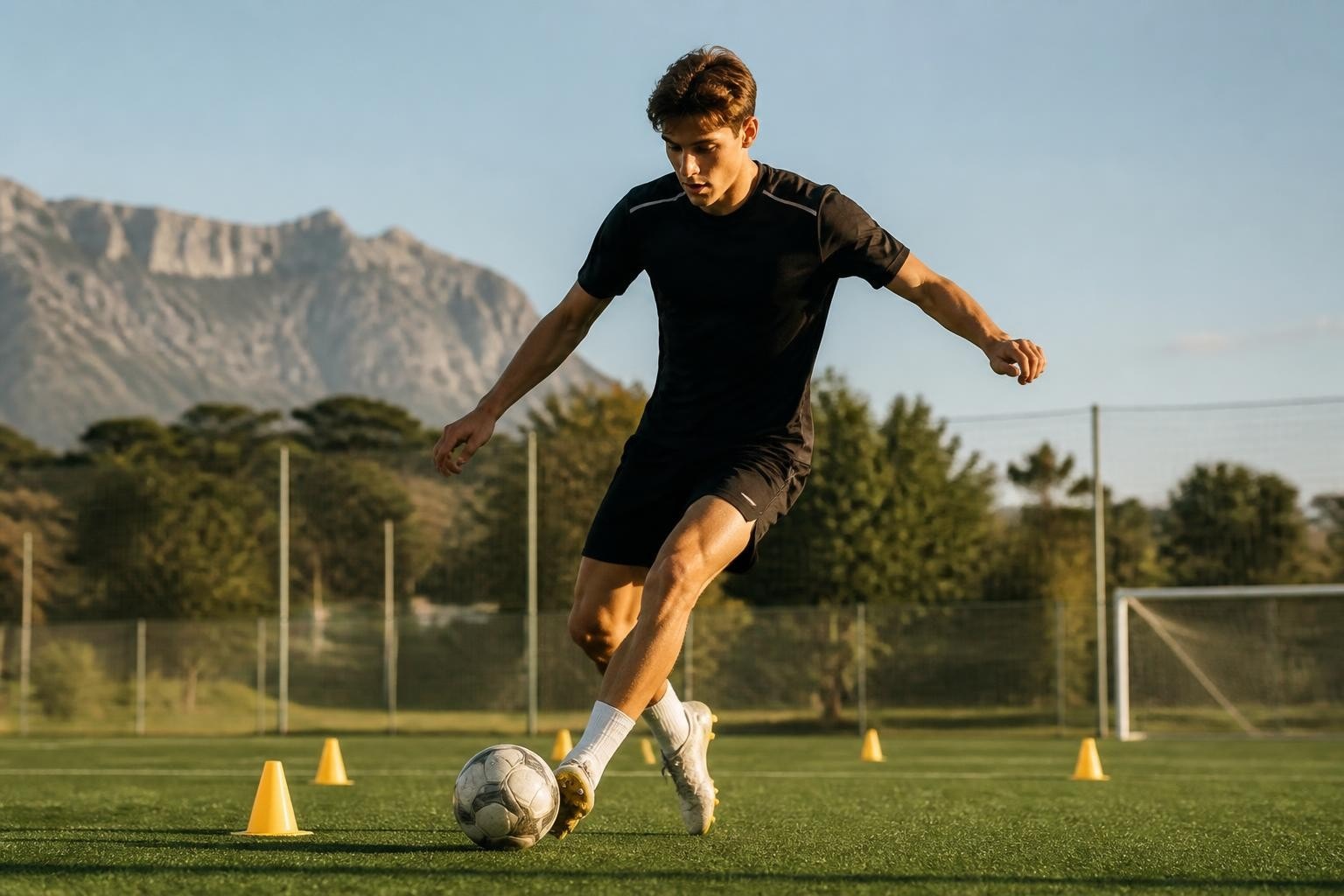
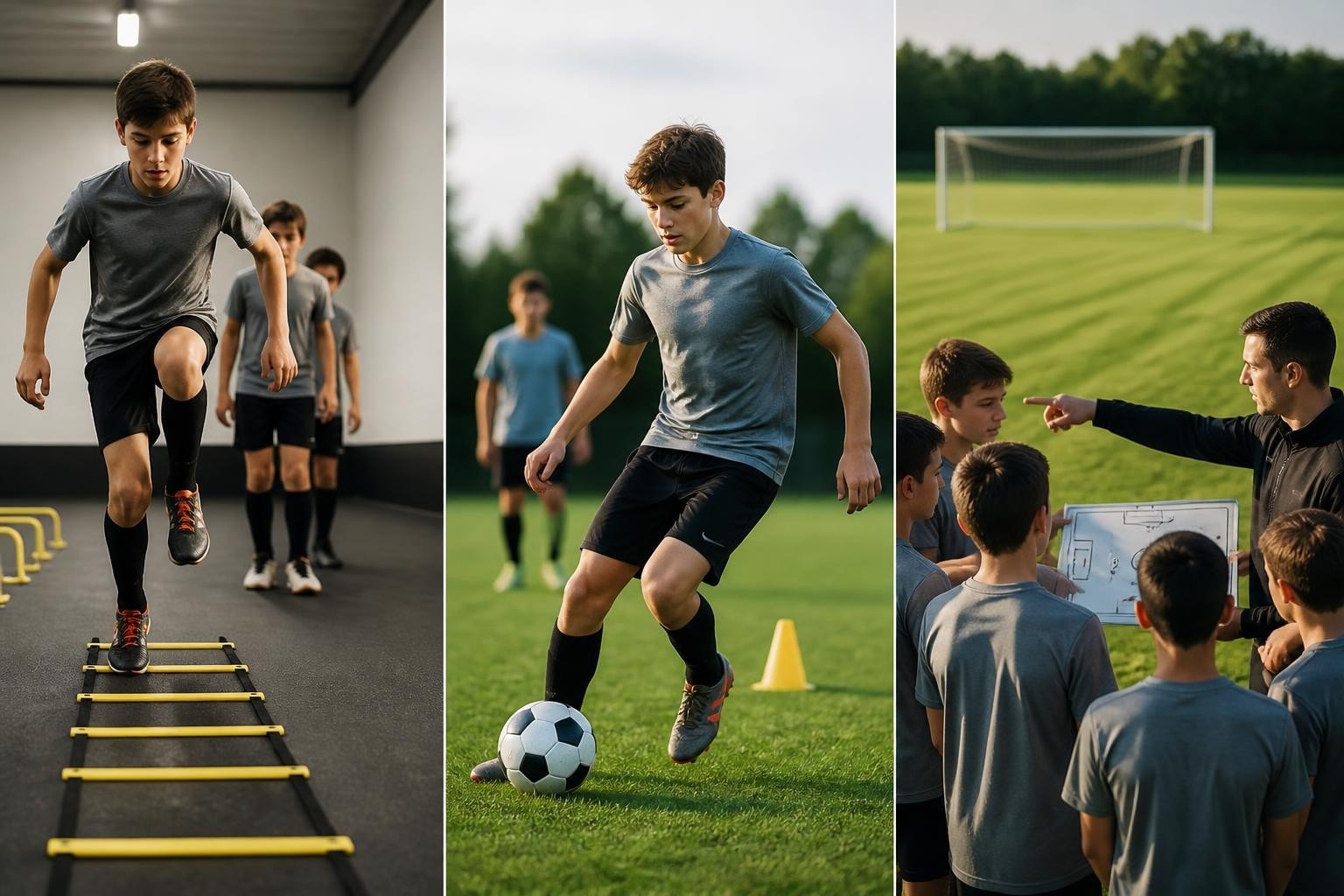
Choosing the right soccer programs for young athletes can shape not only their athletic future but also their character, confidence, and life skills. With thousands of options across North America, parents and players need to understand what separates exceptional programs from basic recreational offerings. The best soccer programs combine structured technical training, tactical education, physical development, and psychological growth to create well-rounded athletes who excel both on and off the field.
Understanding the Foundation of Quality Soccer Programs
Soccer programs have evolved significantly over the past decade, moving from simple recreational activities to comprehensive development systems. Modern programs recognize that player growth requires more than just kicking a ball around a field for an hour each week.
The foundation of exceptional soccer programs rests on four key pillars that work together to create complete players. Technical development focuses on ball mastery, passing accuracy, first touch, and shooting technique. Tactical awareness teaches players how to read the game, position themselves effectively, and make intelligent decisions under pressure. Physical conditioning builds the speed, strength, and endurance needed to compete at higher levels. Psychological development cultivates mental toughness, confidence, and the growth mindset that separates good players from great ones.
European-Style Training Philosophy
Many of the most successful soccer programs in North America have adopted European training methodologies that emphasize technical excellence from early ages. This approach prioritizes skill development over winning at young ages, understanding that players who master fundamentals early will excel later in their careers.
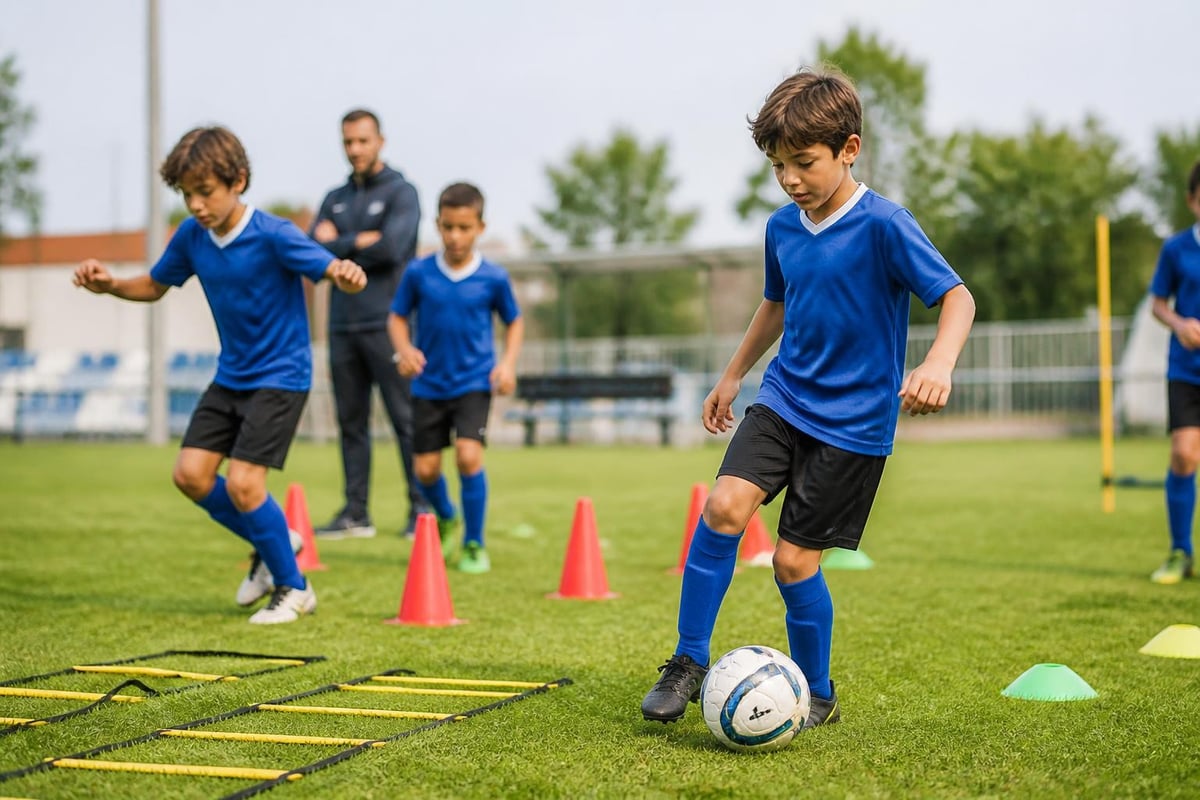
The European model typically features smaller training groups, higher coach-to-player ratios, and more touches on the ball per session. Players spend significantly more time developing individual skills rather than standing in lines waiting for their turn. This training philosophy has proven results, as evidenced by the technical superiority of European players at international competitions.
Programs implementing this approach often see faster skill acquisition and higher player retention rates. According to U.S. Soccer’s youth development initiatives, structured technical training combined with age-appropriate competition creates the optimal environment for long-term player success.
Coaching Credentials and Their Impact
The quality of coaching directly determines the effectiveness of any soccer program. Proper licensing ensures coaches understand child development, age-appropriate training methods, and progressive skill-building techniques.
| Coaching Level | Typical Focus | Age Groups |
|---|---|---|
| Grassroots | Introduction to soccer, fun-based learning | U4-U8 |
| Provincial B | Technical fundamentals, basic tactics | U9-U12 |
| Provincial A | Advanced techniques, tactical systems | U13-U16 |
| National B/A | Elite development, professional preparation | U17+ |
Canada Soccer licensing provides a structured pathway for coach development, ensuring instructors have the knowledge and skills to guide young athletes effectively. Programs staffed with licensed coaches offer consistency in training quality and adherence to long-term athlete development principles.
Beyond certifications, the best coaches bring passion, communication skills, and genuine care for player development. They create positive learning environments where mistakes become teaching opportunities rather than sources of shame. This coaching philosophy aligns with research from the Positive Coaching Alliance, which demonstrates that positive coaching environments lead to better skill development and longer participation in sports.
Age-Appropriate Program Structure
Effective soccer programs tailor their approach to match the developmental stage of their participants. A program designed for 6-year-olds should look dramatically different from one serving 14-year-olds.
Early Development (Ages 4-8)
Young players need programs that emphasize fun, creativity, and basic movement skills. Training should include:
- Lots of touches on the ball through playful activities
- Simple games that develop spatial awareness
- Introduction to basic skills without pressure
- Short attention spans accommodated through varied activities
At this stage, the focus should be on fostering a love for the game rather than tactical sophistication or competitive results.
Skill Building (Ages 9-12)
As players mature, soccer programs should introduce more structure while maintaining engagement. This age group benefits from:
- Technical repetition to build muscle memory
- Small-sided games that increase decision-making opportunities
- Introduction to positional responsibilities
- Emphasis on individual skill mastery
The Soccer for Success program demonstrates how age-appropriate programming can engage youth while building both soccer skills and life skills simultaneously.
Advanced Development (Ages 13+)
Older players require programs that challenge them physically, tactically, and mentally. Quality programs for this age group feature:
- Position-specific training sessions
- Complex tactical systems and strategies
- Strength and conditioning components
- Mental skills training for performance under pressure
Technical Training Components
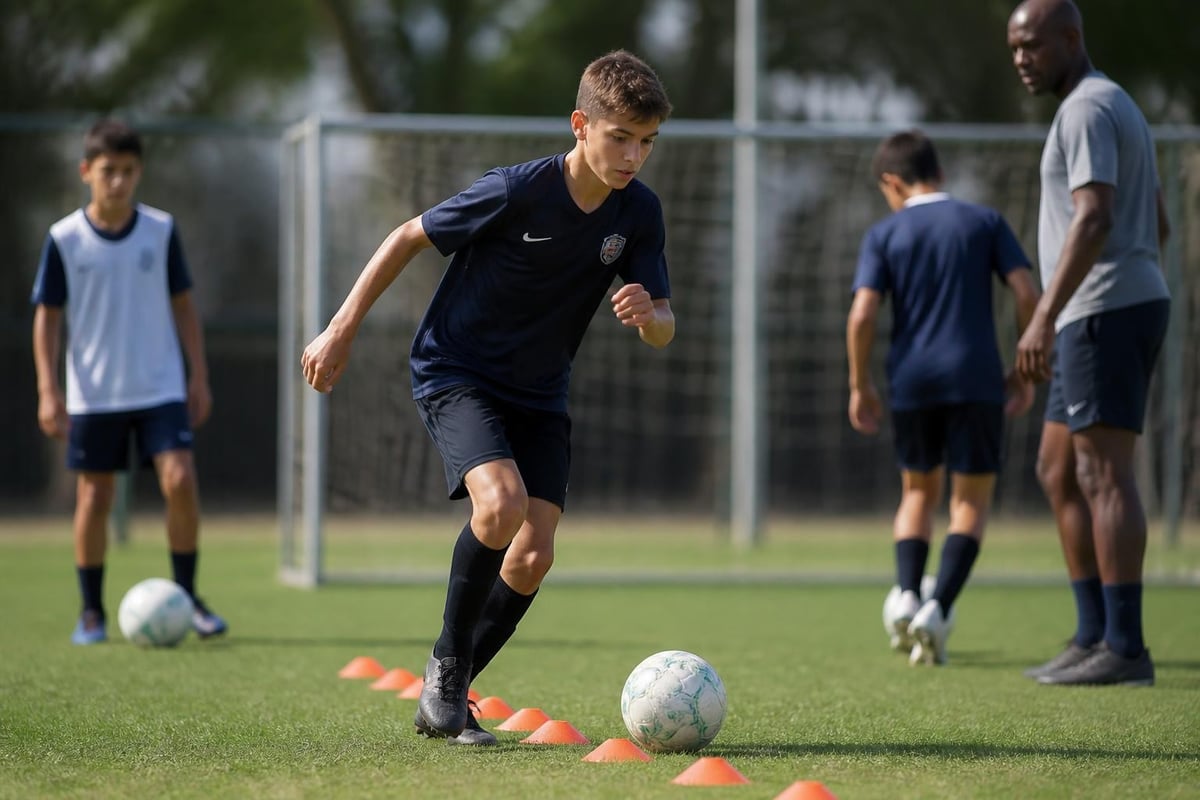
The technical component separates recreational programs from development-focused academies. Every player who wants to compete at higher levels needs exceptional ball skills, and this mastery comes from thousands of quality repetitions.
Effective technical training includes ball mastery exercises that develop comfort with the ball in all situations. Players should practice dribbling with both feet, executing turns in tight spaces, and maintaining control while moving at speed. For those looking to supplement team training, soccer touches practice at home can significantly accelerate skill development.
Passing and receiving form the foundation of team play. Quality programs dedicate substantial time to developing accurate passing with proper technique, effective first touch in various situations, and the ability to receive balls from different angles and heights.
Shooting technique requires consistent practice to develop power, accuracy, and the ability to finish under pressure. Programs should include varied shooting drills that simulate game situations rather than just stationary practice.
Tactical Education and Game Intelligence
Technical skills alone don't create complete players. Understanding the tactical aspects of soccer separates players who simply react from those who anticipate and control games.
Quality soccer programs teach tactical concepts progressively, starting with basic principles and building toward complex systems. Young players learn fundamental concepts like maintaining team shape, supporting teammates with the ball, and transitioning between attack and defense.
As players mature, programs introduce more sophisticated tactical education:
- Positional responsibilities – Understanding the specific duties of each role
- System of play – Learning how different formations create advantages
- Transition moments – Recognizing when to press, when to retreat, when to counter
- Set piece organization – Mastering corners, free kicks, and throw-ins
- Game analysis – Reviewing film to understand decision-making
Research from Soccerex on school-based programs shows that tactical education improves not just soccer performance but also cognitive development and problem-solving skills.
Physical Development and Athletic Performance
Modern soccer demands exceptional physical capabilities. The best soccer programs integrate age-appropriate physical training that builds the athleticism needed for competitive success.
Components of Physical Training
| Physical Quality | Training Methods | Benefits |
|---|---|---|
| Speed | Sprint drills, agility ladders, reaction exercises | Faster acceleration, quicker direction changes |
| Endurance | Interval training, position-specific conditioning | Sustained performance for full matches |
| Strength | Bodyweight exercises, resistance training (age-appropriate) | Injury prevention, improved power |
| Flexibility | Dynamic stretching, mobility work | Increased range of motion, reduced injury risk |
For teenage players, programs should incorporate strength and conditioning components that prepare bodies for the physical demands of competitive soccer. This doesn't mean heavy weightlifting for young athletes, but rather age-appropriate resistance training that builds functional strength and injury resilience.
The Academy programs that integrate physical development with technical and tactical training produce more complete athletes prepared for the next level of competition.
Psychological Development and Mental Skills
The mental side of soccer often determines which talented players reach their potential and which ones fall short. Elite soccer programs recognize that psychological development deserves equal attention to physical and technical training.
Confidence building happens through progressive skill development, positive coaching, and creating environments where players feel safe to take risks and make mistakes. Players who believe in their abilities perform better under pressure and recover more quickly from setbacks.
Mental toughness develops through challenging training that pushes players outside their comfort zones while providing support to succeed. This includes practicing under fatigue, training in difficult weather conditions, and maintaining focus during long sessions.

Goal-setting skills teach players to establish clear objectives, create action plans, and measure progress. Programs should guide players in setting both short-term (weekly or monthly) and long-term (seasonal or multi-year) goals that drive improvement.
Competition and Match Play
The right balance of training to competition varies based on age and development level. Younger players benefit from more training relative to games, while older competitive players need substantial match experience.
Quality soccer programs structure their competition calendars to support development rather than just chase trophies. This means selecting tournaments and leagues that provide appropriate challenges, ensuring players face competition that stretches their abilities without overwhelming them.
Match play should complement training, providing opportunities to apply skills in real game situations. The best programs use matches as learning experiences, reviewing performance and identifying areas for improvement.
For high-level players seeking intensive competition experience, camps provide concentrated periods of training and games that accelerate development.
Program Selection Criteria for Parents
Choosing among available soccer programs requires careful evaluation of multiple factors. Parents should look beyond marketing materials and examine the actual program structure and coaching quality.
Coaching credentials should be verified, not just accepted at face value. Ask about specific licenses, ongoing education, and coach-to-player ratios during training sessions.
Training philosophy should align with your goals for your child. If you want long-term development, seek programs that emphasize skill-building over winning at young ages. If you want exposure for college recruitment, look for programs with proven track records of player advancement.
Training frequency and session quality matter more than program prestige. Three high-quality training sessions per week with skilled coaches will produce better results than five mediocre sessions.
Questions to ask when evaluating soccer programs:
- What is the coach-to-player ratio during training?
- What percentage of training time is spent on technical development?
- How does the program measure and track player progress?
- What opportunities exist for advancement within the program?
- How does the program handle player feedback and parent communication?
Integration of Life Skills
The best soccer programs recognize that athletic development should complement personal growth. Soccer provides unique opportunities to teach valuable life skills that transfer beyond the field.
Teamwork and collaboration develop naturally through soccer, as players learn to work together toward common goals. Quality programs intentionally cultivate these skills through team-building activities and collaborative problem-solving exercises.
Time management becomes essential as players balance school, soccer, and other commitments. Programs that maintain high standards for attendance and punctuality teach responsibility and organizational skills.
Resilience and perseverance grow through the challenges inherent in competitive soccer. Learning to handle defeat, overcome obstacles, and persist through difficulty builds character that serves players throughout life.
The NCAA soccer programs emphasize the importance of balancing athletic and academic development, recognizing that complete education produces more successful individuals regardless of whether they pursue professional soccer careers.
Training Environment and Facilities
While not the most important factor, training environment significantly impacts program quality. The best facilities allow for year-round training, provide appropriate surfaces for skill development, and create professional atmospheres that players take seriously.
Indoor facilities enable consistent training schedules unaffected by weather, crucial for technical development that requires thousands of repetitions. Quality turf or grass surfaces reduce injury risk and allow proper technique development.
Beyond physical facilities, the overall training environment encompasses the culture, expectations, and atmosphere created by coaches and players. Programs that maintain high standards, demand effort and focus, and celebrate improvement create environments where excellence becomes the norm.
Long-Term Player Development Pathways
Exceptional soccer programs provide clear pathways for players to progress from beginner levels through advanced competition. This structure ensures players face appropriate challenges at each development stage while seeing possibilities for continued growth.
A well-designed pathway might include:
- Introductory programs for new players
- Recreational leagues for participation-focused players
- Competitive streams for committed athletes
- Elite academies for players pursuing professional or collegiate careers
- Transition support for players moving between levels
Understanding these pathways helps parents and players make informed decisions about program selection and long-term commitment. Programs should communicate clearly about advancement criteria, evaluation processes, and opportunities at each level.
For players seeking year-round development opportunities, exploring Strive programs can provide insight into how comprehensive pathways support continuous improvement from grassroots through elite levels.
Measuring Program Success
Evaluating whether a soccer program delivers on its promises requires looking beyond win-loss records. True success in youth development shows up in player progression, skill acquisition, and long-term participation rates.
Individual skill improvement should be measurable and evident. Can players execute technical skills they couldn't perform six months ago? Have their decision-making abilities improved? Do they demonstrate better understanding of tactical concepts?
Player retention rates indicate program satisfaction and effectiveness. High-quality programs maintain strong retention because players enjoy training and see themselves improving.
Advancement opportunities demonstrate that a program successfully prepares players for next-level competition. How many players move to higher divisions, earn college scholarships, or receive professional academy invitations?
Parents should expect regular communication about their child's progress, clear feedback on strengths and development areas, and specific recommendations for improvement. Programs that provide this level of individualized attention demonstrate commitment to each player's development.
Finding the right soccer program requires understanding the components that drive genuine player development and evaluating options against these criteria. Quality programs integrate technical excellence, tactical education, physical conditioning, and psychological growth while fostering life skills that extend beyond the field. At Strive Soccer Academy, we understand what parents want most for their young athletes-a program that develops skills, builds character, and creates real opportunities through our European-style training philosophy focused on Technical, Tactical, Physical, and Psychological growth. Our Canada Soccer licensed coaches provide the expertise and structured development pathways that help young players reach their full potential both on and off the field.