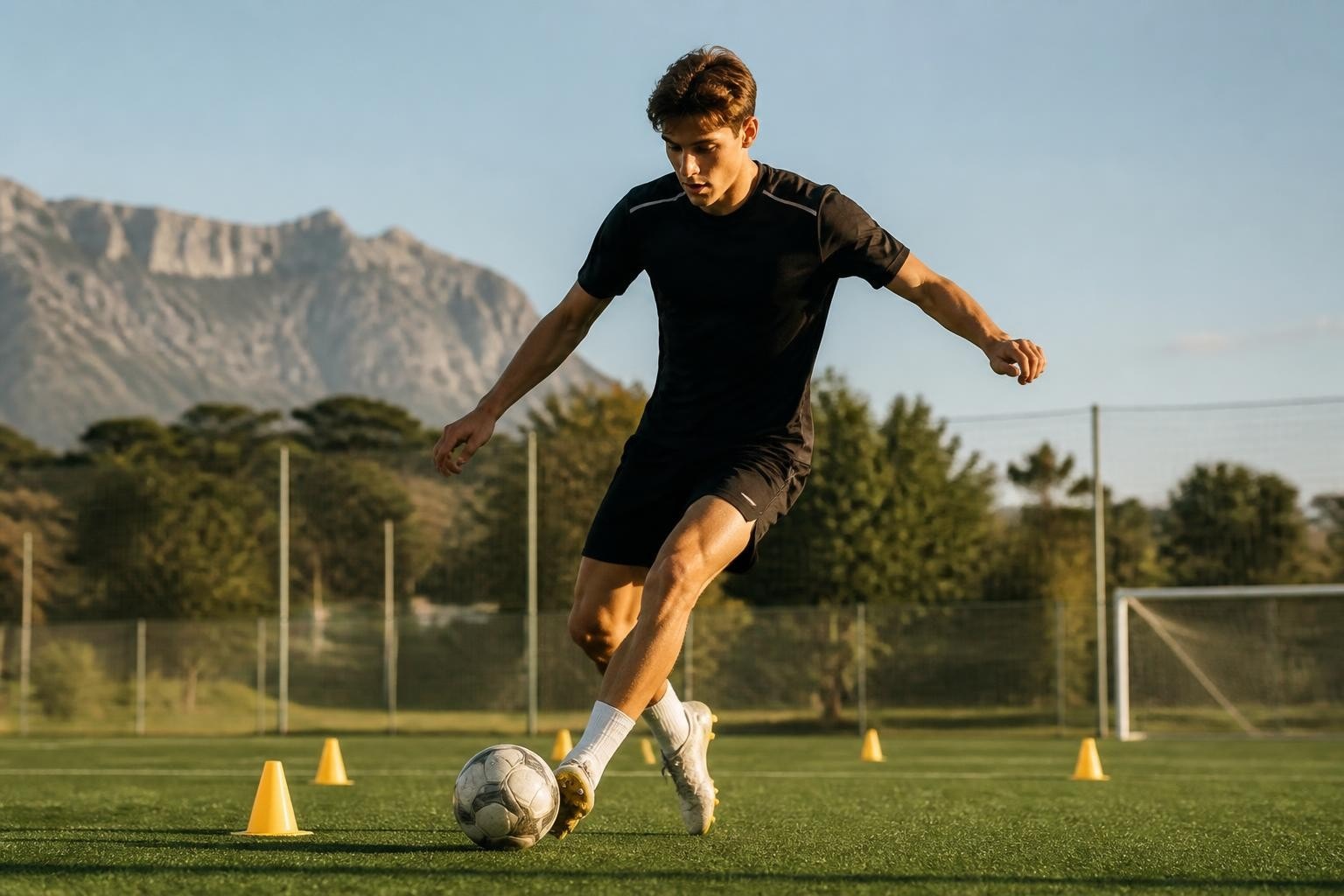
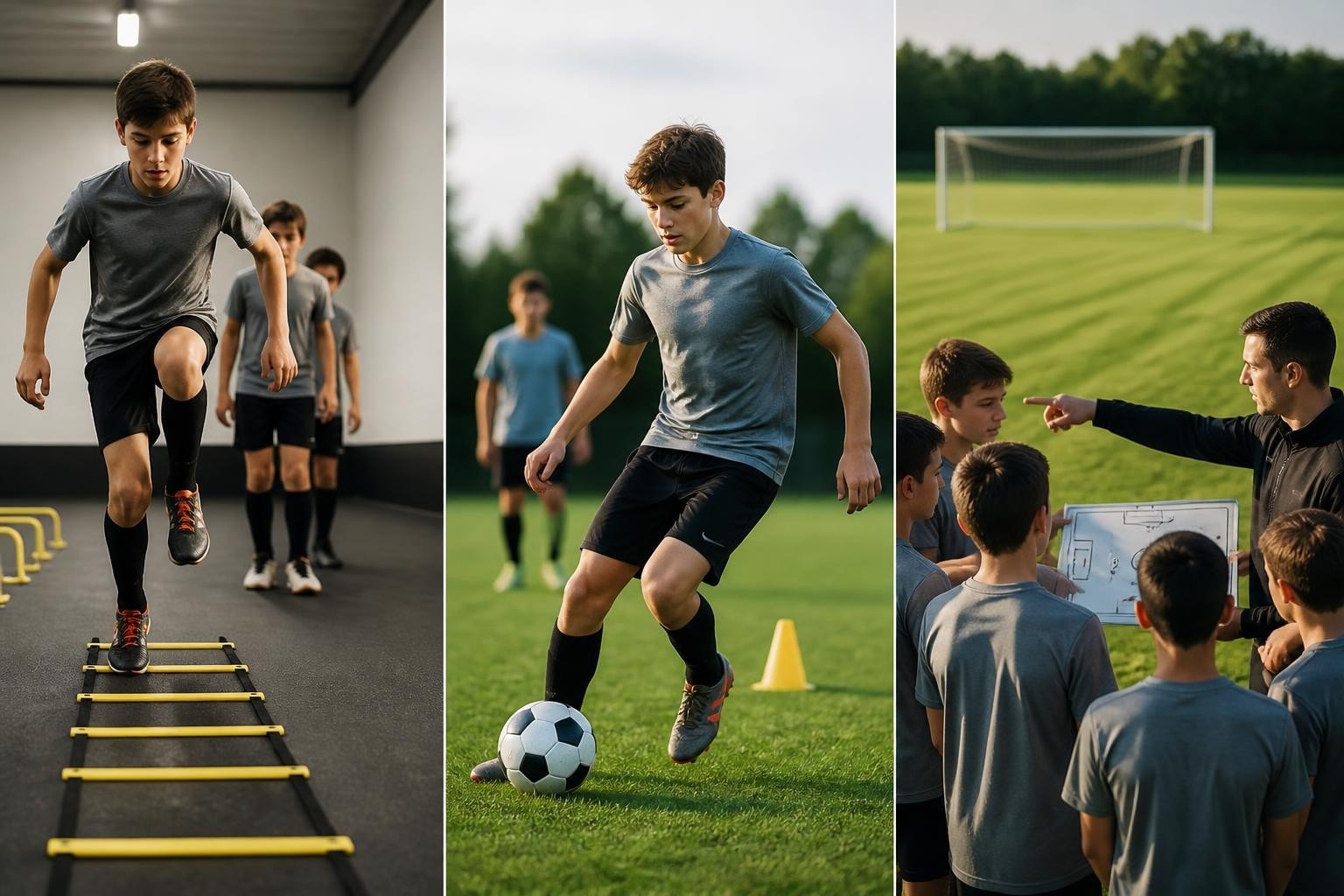
The modern game demands more than just technical ability. Today’s soccer landscape requires players who can think quickly, move explosively, and transition between attack and defense in seconds. Fast soccer represents the evolution of the sport, where velocity meets vision and acceleration combines with tactical awareness. For young athletes developing their skills, understanding and training for this high-speed style of play is essential for future success at competitive levels.
Understanding Fast Soccer in Modern Player Development
Fast soccer encompasses multiple dimensions beyond simple running speed. The concept integrates physical velocity with mental processing speed, tactical execution, and technical precision under pressure. Elite players demonstrate this combination consistently, with Kylian Mbappé reaching speeds of 36.5 km/h during EURO 2024 while maintaining complete control of the ball.
Young players often misunderstand what makes soccer “fast.” It’s not purely about sprinting from point A to point B. True fast soccer involves:
- Decision-making speed under defensive pressure
- Technical execution at maximum physical output
- Transitional velocity between offensive and defensive phases
- Cognitive processing to read developing plays
- Positional awareness during rapid game state changes
The physical component remains crucial, however. Moise Bombito’s record-breaking 36.2 km/h demonstrates how raw speed creates tactical advantages at the highest levels. For youth development, building this foundation starts with proper training methodology.
Physical Components of Speed Development
Building genuine speed for fast soccer requires understanding the different types of velocity young players need. Linear sprinting represents just one element. Acceleration over the first five yards often matters more than top-end speed in match situations.
Acceleration Training Fundamentals
First-step quickness determines whether a player wins the ball in transition moments. Training programs must emphasize explosive power from stationary positions and during directional changes. Effective speed training methods focus on proper body mechanics during acceleration phases.
Young athletes benefit from structured progression in acceleration work:
- Master proper starting positions and body angles
- Develop explosive push-off mechanics
- Practice acceleration under technical demands
- Integrate decision-making into speed work
- Apply skills in game-realistic scenarios
| Training Phase | Focus Area | Duration | Key Metric |
|---|---|---|---|
| Foundation | Body mechanics | 4-6 weeks | Form quality |
| Development | Explosive power | 6-8 weeks | First-step time |
| Integration | Technical speed | 8-10 weeks | Ball control at pace |
| Application | Game situations | Ongoing | Match performance |
The technical training approach integrates speed work with skill development rather than treating them as separate components. Players must maintain technical excellence while operating at maximum physical output.
Multi-Directional Speed and Agility
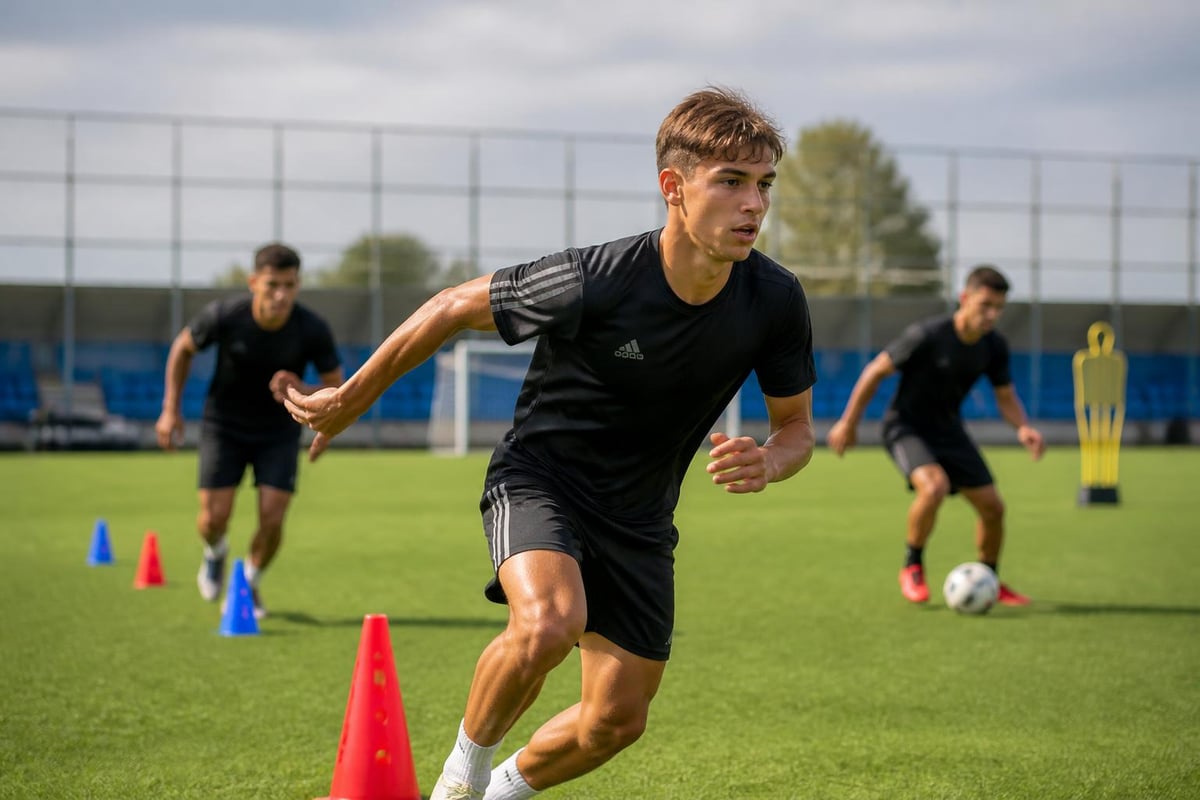
Fast soccer rarely involves straight-line sprinting. Players change direction constantly, requiring lateral speed, backpedaling ability, and quick pivoting. Agility training develops the neuromuscular coordination necessary for these rapid changes.
Effective agility work includes progressive complexity. Simple cone drills establish movement patterns, then advance to reactive exercises where players respond to visual or auditory cues. The highest level introduces opponents and decision-making elements.
Key agility training principles:
- Start with controlled movements, progress to maximal speed
- Incorporate ball manipulation at every level
- Add cognitive elements before adding opponents
- Focus on deceleration as much as acceleration
- Train both dominant and non-dominant sides equally
Young players often neglect deceleration training, yet stopping efficiently proves equally important as accelerating quickly. Proper deceleration mechanics prevent injuries while enabling faster directional changes.
Tactical Speed and Game Intelligence
Physical velocity means little without tactical understanding. Fast soccer requires players who recognize opportunities before they fully develop and position themselves to exploit those moments. This mental speed component often separates elite players from merely athletic ones.
Reading the Game at High Velocity
Pattern recognition accelerates decision-making. Experienced players identify common game situations and respond appropriately without conscious analysis. Developing this ability requires extensive exposure to varied game scenarios.
Training programs should simulate game-speed decisions consistently. Small-sided games with specific objectives force players to process information rapidly while executing technical skills under pressure. The constraints placed on these games direct learning toward specific tactical concepts.
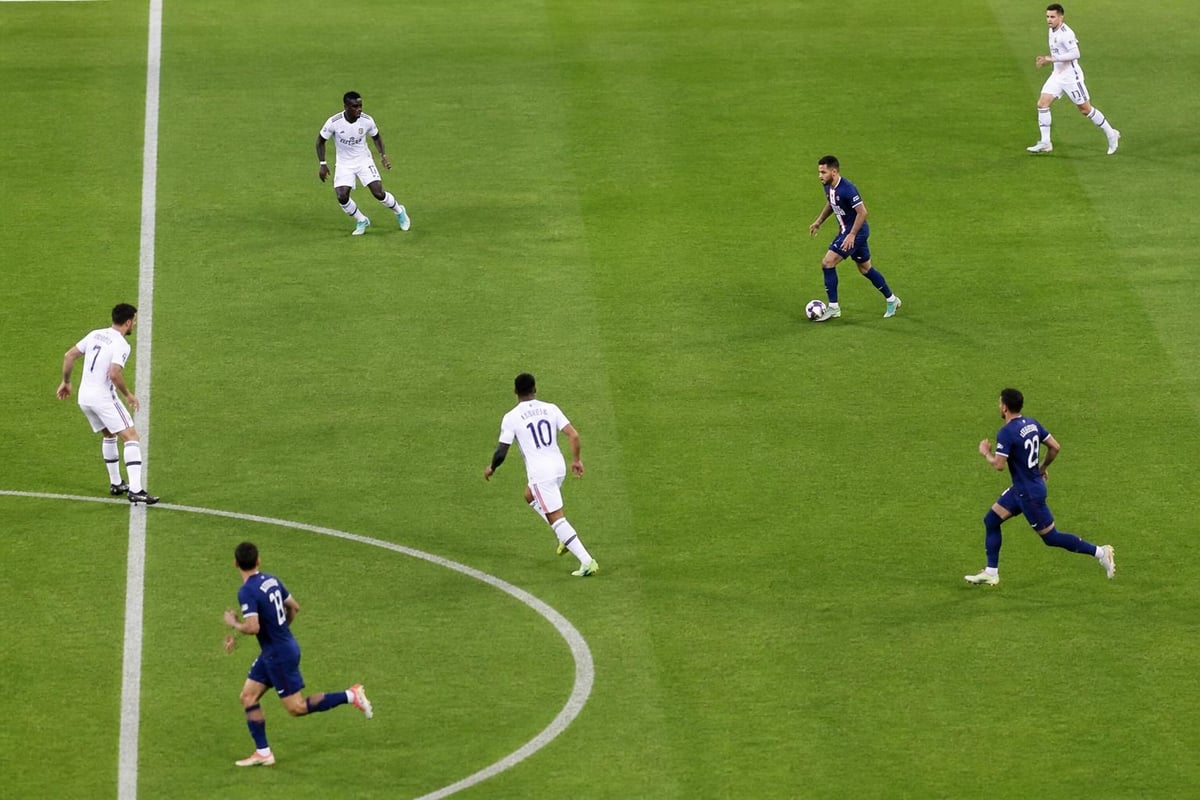
Position-specific tactical speed varies significantly. Forwards must recognize when to time runs behind defenders. Midfielders need to sense when to press versus when to hold position. Defenders must read when to step up versus when to drop off. Each position requires different cognitive processing at speed.
Transition Speed Between Phases
Modern fast soccer emphasizes rapid transitions. Teams convert from defense to attack within seconds, catching opponents disorganized. Similarly, losing possession triggers immediate defensive pressure to prevent counter-attacks.
Training transition speed requires specific scenarios:
- Turnover situations that trigger immediate counter-attacks
- Loss-of-possession triggers that initiate pressing sequences
- Set-piece transitions from static to dynamic play
- Goalkeeper distribution scenarios requiring quick positioning
- Half-field transitions during build-up play
Players must develop automatic responses to these situations. The four-pillar development approach ensures physical capability, technical skill, tactical understanding, and psychological readiness all support fast transitional play.
Technical Execution at Maximum Speed
Controlling the ball while sprinting represents one of soccer’s most challenging skills. Fast soccer demands players maintain touch quality, passing accuracy, and shooting precision while operating at peak physical output. This technical speed develops through specific training protocols.
Ball Mastery Under Velocity
First touch quality determines whether a player can maintain possession during fast breaks. A heavy touch at full sprint allows defenders to recover. Perfect first touches into space enable continued acceleration without breaking stride.
Progressive training builds this skill systematically. Players start with controlled speeds, focusing on touch precision. Speed increases gradually as competence develops. Eventually, players perform technical actions at game speed with defenders applying pressure.
| Skill Level | Speed Percentage | Success Rate Target | Training Focus |
|---|---|---|---|
| Beginner | 50-60% | 90% | Touch consistency |
| Intermediate | 70-80% | 80% | Touch direction |
| Advanced | 90-95% | 70% | Touch under pressure |
| Elite | 100% | 60%+ | Game replication |
Passing accuracy while moving at speed requires different mechanics than stationary passing. Body position, approach angle, and follow-through all adjust when executing at maximum velocity. Quality soccer skills training addresses these distinctions explicitly.
Finishing at Speed
Shooting accuracy typically decreases as running speed increases. Elite players minimize this reduction through specialized training. They practice finishing from various approach angles, speeds, and body positions.
Fast soccer creates finishing opportunities where players must decide and execute within split seconds. Training replicates these conditions through:
- Finishing after sprinting at various distances
- Shooting following quick directional changes
- One-touch finishing from crosses delivered at pace
- Weak-foot finishing under time pressure
- Finishing with defenders closing at speed
Mental composure separates successful finishers at speed. Players must control breathing, manage adrenaline, and maintain technical focus despite physical exhaustion. Psychological training develops these mental skills alongside physical ones.
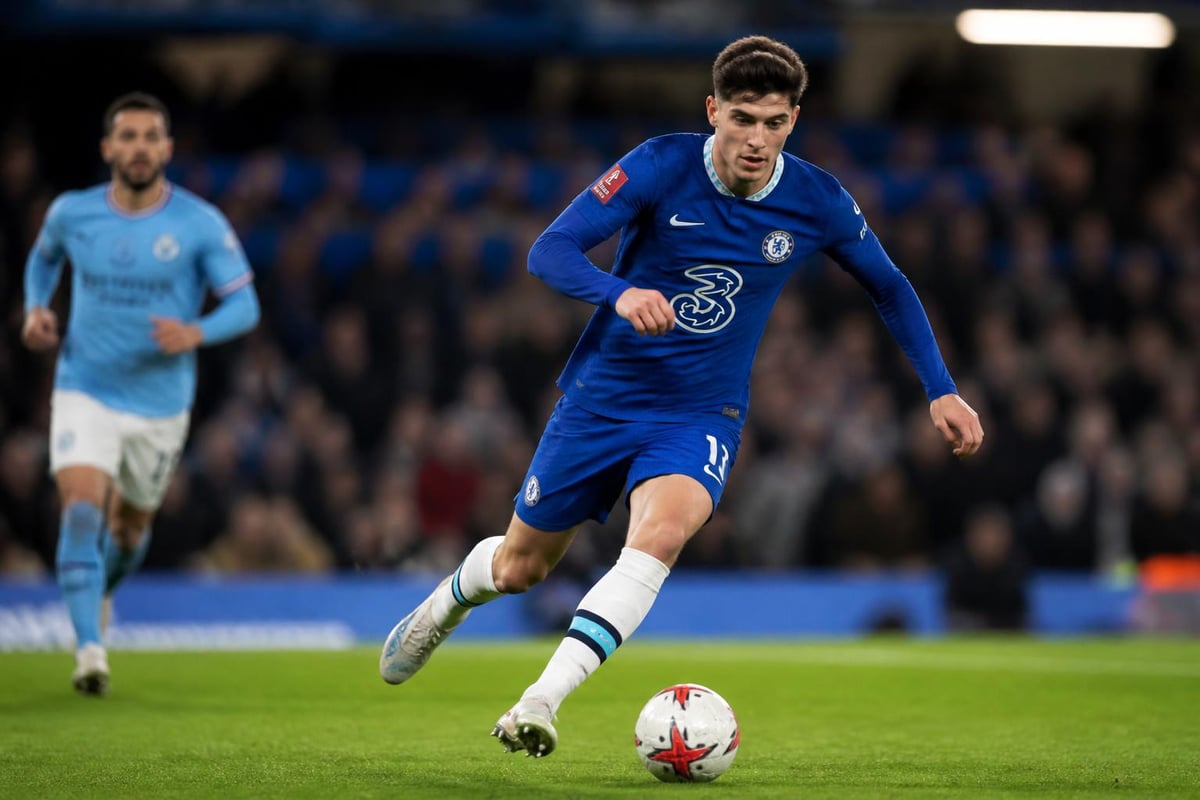
Physical Conditioning for Fast Soccer
Sustaining high-intensity efforts throughout matches requires exceptional conditioning. Fast soccer demands repeated sprints, rapid accelerations, and quick recoveries between efforts. Training programs must develop both aerobic and anaerobic energy systems.
Energy System Development
Soccer utilizes multiple energy systems simultaneously. Short explosive actions rely on the phosphagen system. Moderate efforts use glycolytic pathways. Lower-intensity periods between actions depend on aerobic metabolism. Effective conditioning addresses all three systems appropriately.
Periodized conditioning approach:
- Build aerobic base during pre-season (8-10 weeks)
- Develop anaerobic threshold through interval work (6-8 weeks)
- Enhance repeated sprint ability during competitive phases
- Maintain conditioning through game-based activities
- Recover properly between training cycles
Young players require different conditioning approaches than adults. Their cardiovascular systems develop differently, and growth spurts affect training responses. Age-appropriate programming prevents overtraining while building solid foundations.
Recovery and Regeneration
Fast soccer places significant demands on young bodies. Adequate recovery determines whether players improve or break down. Recovery protocols should include proper nutrition, hydration, sleep, and active regeneration strategies.
The relationship between training load and recovery becomes crucial as play speeds increase. Monitoring systems track training volume and intensity, allowing coaches to adjust workloads appropriately. Parents should understand these principles to support their athletes properly, as detailed in why families choose specialized training.
Psychological Aspects of High-Speed Play
Mental factors significantly influence performance in fast soccer. Players must maintain focus during chaotic situations, recover quickly from mistakes, and sustain confidence under pressure. Psychological training develops these capabilities systematically.
Stress Management at Game Speed
Decision-making quality deteriorates under stress. Fast soccer creates constant pressure situations where players must choose correctly despite physical fatigue and mental strain. Training must expose players to these conditions regularly.
Stress inoculation occurs through progressive challenge. Coaches create practice environments slightly beyond current comfort levels, allowing players to adapt gradually. Competition simulation, time constraints, and consequence elements all elevate psychological demands.
Building mental resilience:
- Expose players to controlled pressure situations
- Teach breathing techniques for stress management
- Develop pre-performance routines that enhance focus
- Practice positive self-talk during challenging moments
- Review both successful and unsuccessful performances objectively
Confidence in Execution
Hesitation destroys fast soccer. Players must commit fully to decisions without second-guessing. This confidence develops through competence and experience in successful execution.
Quality repetition builds automatic responses. When players have executed skills hundreds of times successfully, they trust their abilities during games. Training volume at appropriate speeds creates this foundation. The European-style methodology emphasizes high-repetition, high-quality practice sessions.
Position-Specific Speed Requirements
Different positions demand different speed profiles. Forwards need explosive acceleration for runs behind defenders. Midfielders require endurance to cover large distances repeatedly. Defenders need reactive speed to match opponent movements. Training should address these position-specific demands.
Forward Speed Characteristics
Strikers benefit enormously from pure acceleration. The ability to separate from defenders over ten yards creates goal-scoring opportunities. EA Sports recognizes this reality by rating top forwards with exceptional pace attributes that reflect their game-changing speed.
Forwards also need timing speed. Knowing precisely when to initiate runs determines whether they stay onside while maximizing separation. This cognitive speed develops through experience and specific training exercises.
Midfielder Coverage Speed
Central midfielders cover more distance than any other position. They need sustainable speed rather than explosive bursts. Their conditioning programs emphasize aerobic capacity and repeated sprint ability.
Box-to-box midfielders combine endurance with tactical speed. They must recognize when to join attacks versus when to maintain defensive shape. This positional discipline at speed requires extensive tactical training.
Defensive Reaction Speed
Defenders must match opponent movements reactively. Their first step quickness and lateral speed often matter more than straight-line sprinting. Training emphasizes change of direction, backpedaling, and recovery runs.
Central defenders need different speed profiles than fullbacks. Modern fullbacks function as additional attackers, requiring acceleration to overlap and join attacks. Center backs prioritize positional speed and recovery pace to cover spaces behind aggressive fullbacks.
Integrating Speed Training Into Youth Development
Young players develop at different rates. Growth spurts affect coordination and strength. Training programs must accommodate these individual variations while building speed systematically.
Age-Appropriate Progression
Pre-pubescent players benefit most from general athletic development. Fundamental movement skills, coordination exercises, and varied physical activities create foundations for later specialization. Speed work should feel playful and game-like rather than structured and repetitive.
As players mature physically, training becomes more specific. Adolescent athletes can handle increased training loads and more specialized speed development. The comprehensive programs structure this progression appropriately for different age groups.
Developmental phase priorities:
| Age Range | Primary Focus | Speed Training Type | Volume |
|---|---|---|---|
| 6-9 years | Movement literacy | Fun-based games | Low-moderate |
| 10-12 years | Coordination | Technique emphasis | Moderate |
| 13-15 years | Power development | Structured training | Moderate-high |
| 16-18 years | Performance | Position-specific | High |
Long-Term Athletic Development
Building fast soccer players requires patience. Rushing physical development creates injury risks and burnout. Proper progressions develop capabilities systematically over years, not months.
Parents should understand that speed development follows non-linear paths. Players experience rapid improvement periods followed by plateaus. Growth spurts often temporarily reduce coordination and speed. These variations represent normal development, not training failures.
Technology and Speed Assessment
Modern technology provides objective speed measurements. GPS units track distance covered, sprint counts, and top speeds during training and matches. This data helps coaches design appropriate interventions and track progress over time.
Video analysis reveals technical breakdowns at speed. Reviewing footage allows players to see their mechanics during maximum efforts, identifying areas for improvement. Slow-motion analysis shows subtle technical flaws that coaches miss in real-time observation.
Wearable technology also monitors training load and recovery status. Heart rate variability, sleep quality, and subjective wellness scores help determine whether players have recovered adequately from previous sessions. This information prevents overtraining while optimizing development.
Developing speed for fast soccer requires comprehensive training that addresses physical, technical, tactical, and psychological components simultaneously. Young players need patient, systematic development that respects individual growth patterns while building the capabilities modern soccer demands. Strive Soccer Academy delivers this complete approach through European-style training methodology and fully licensed coaches who understand how to develop fast, intelligent players ready for competitive opportunities.