Youth soccer development has evolved dramatically over the past decade, with more parents and players recognizing that group sessions alone may not provide the focused attention needed to reach elite levels. While team training builds important collaborative skills, the most significant technical breakthroughs often happen during individualized instruction. This personalized approach allows coaches to identify specific weaknesses, customize drills to address unique challenges, and accelerate skill development in ways that large-group environments simply cannot match. For young athletes serious about improving their game, understanding the benefits and structure of individualized coaching becomes essential to their long-term soccer journey.
The Foundation of Individual Soccer Development
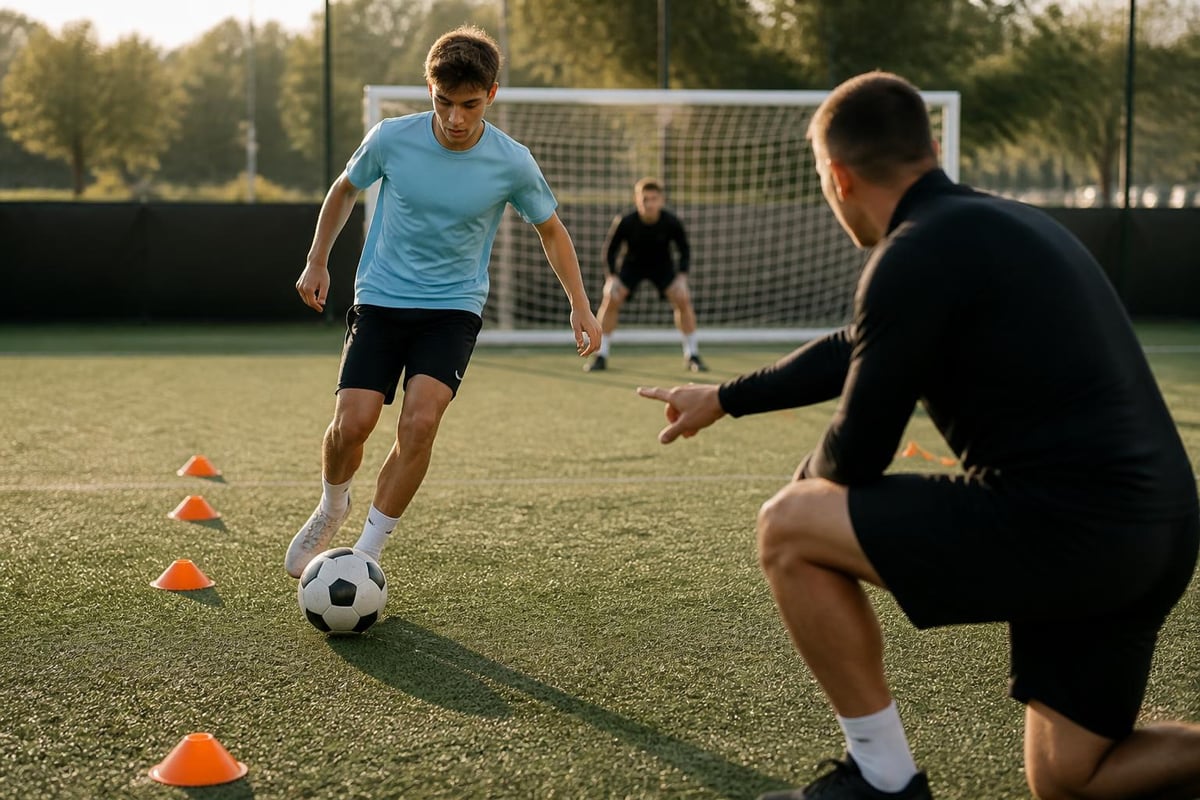
Individual soccer instruction represents a targeted approach to player development that differs fundamentally from traditional team training. In a one-on-one environment, coaches can dedicate their complete attention to a single player, analyzing technique with precision and providing immediate corrective feedback. This intensive focus allows for rapid identification of technical flaws that might otherwise go unnoticed in crowded practice sessions.
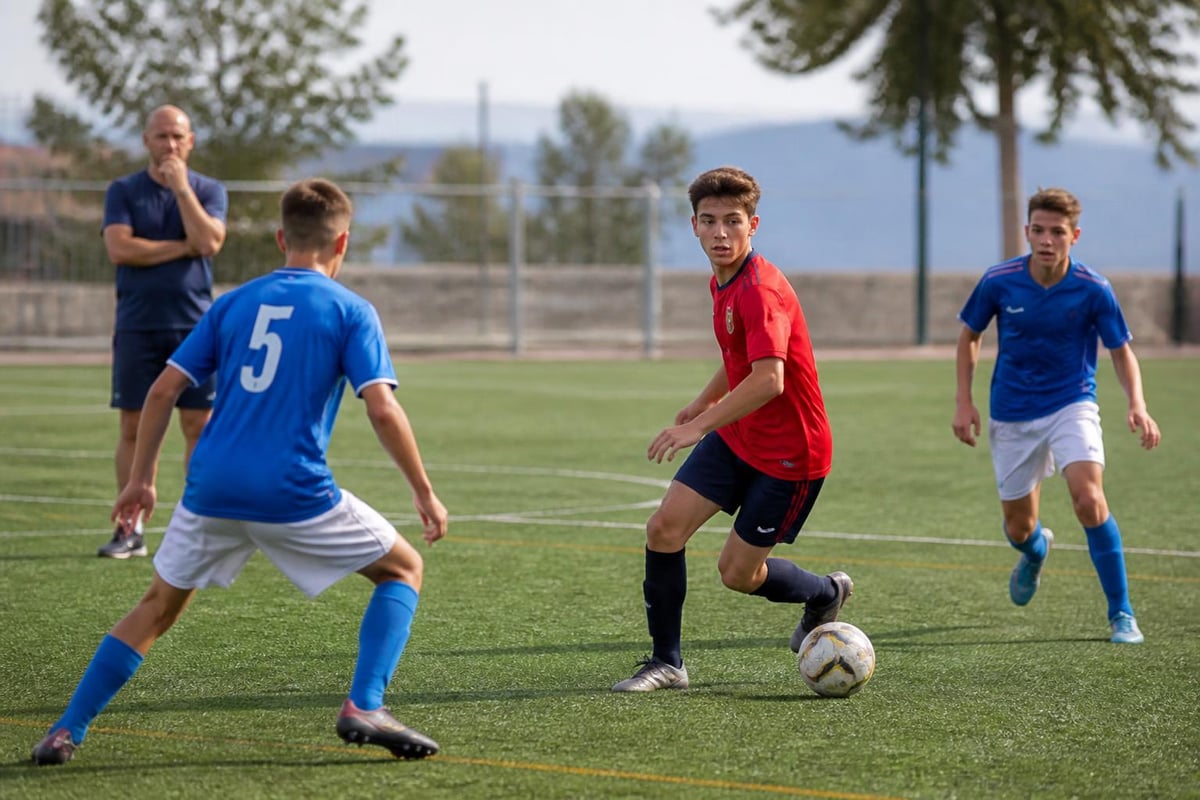
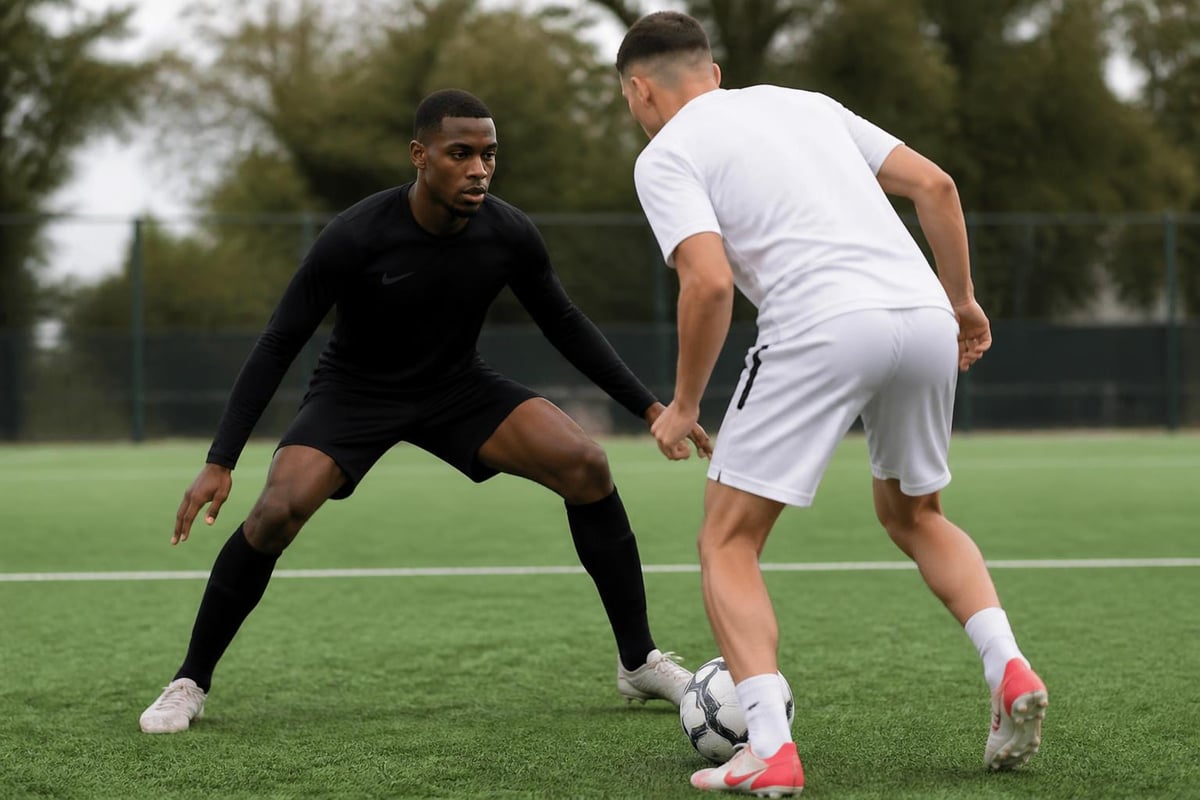
The importance of 1v1 soccer skills extends beyond just attacking moves. Defenders also benefit enormously from personalized instruction that teaches positioning, timing, and decision-making in isolated scenarios. When players understand both sides of individual duels, they develop a more complete understanding of game dynamics.
Technical Mastery Through Focused Repetition
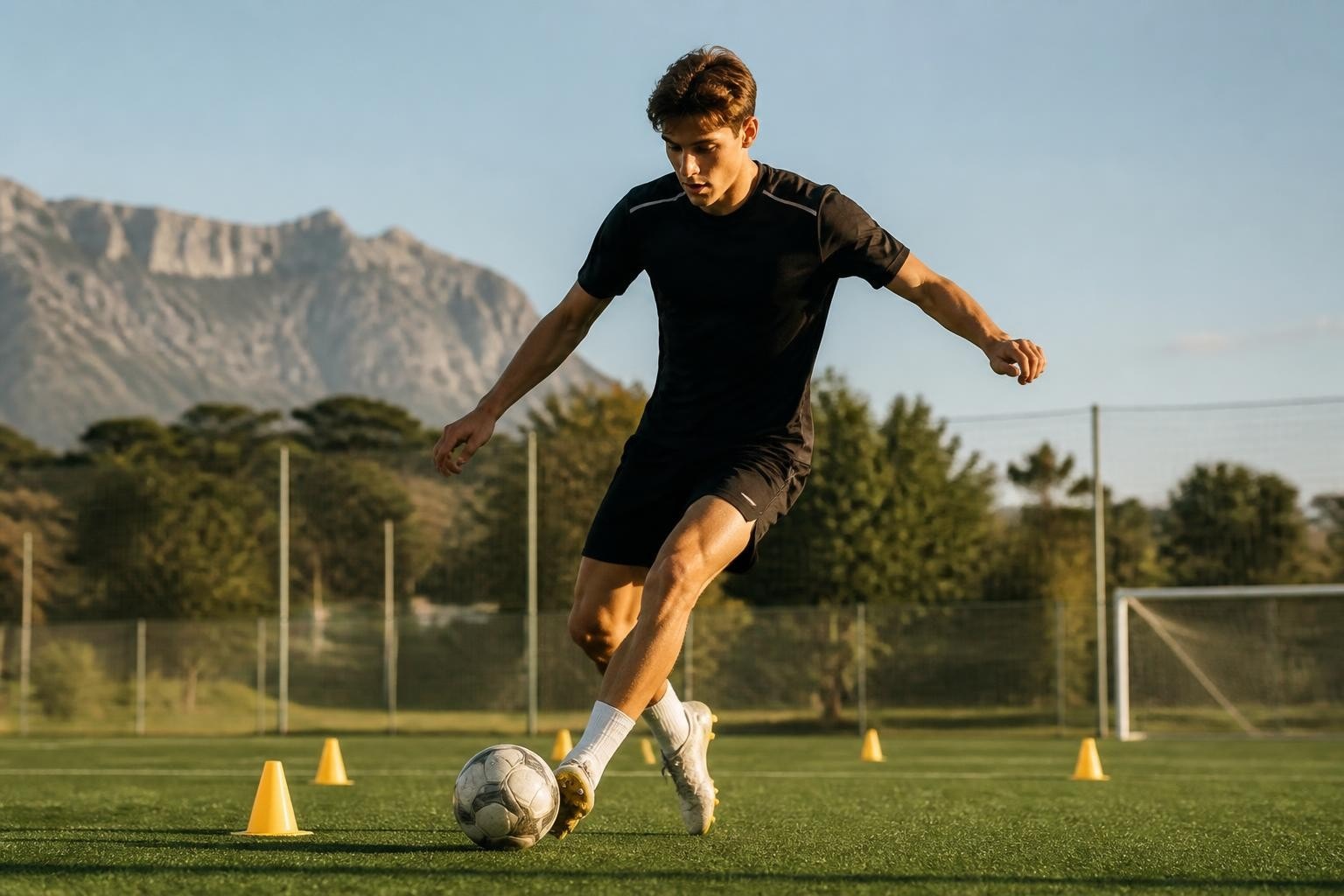
One-on-one sessions create the perfect environment for repetitive skill work without the distractions of teammates competing for touches. Players can execute hundreds of controlled touches in a single hour, developing muscle memory that translates directly to match situations.
Key technical areas developed through individual training include:
- Ball mastery and close control under pressure
- First touch refinement in various receiving scenarios
- Dribbling techniques with both feet in tight spaces
- Shooting mechanics from multiple angles and distances
- Passing accuracy with appropriate weight and timing
The repetition possible in private sessions far exceeds what most players experience in team environments. A dedicated coach can structure drills that build progressively, ensuring each skill builds upon previously mastered techniques. This systematic approach to technical training creates a solid foundation that supports all other aspects of player development.
Building Confidence Through Personalized Attention
Young athletes often struggle with confidence issues that stem from limited playing time or fear of making mistakes in front of teammates. Individual training sessions provide a safe space where players can experiment, fail, and learn without social pressure or judgment from peers.
This psychological safety proves crucial for development. Players become willing to attempt skills beyond their current comfort zone, knowing they won't face ridicule if they stumble initially. Coaches can celebrate small victories and provide encouragement tailored to each player's personality and motivational needs.
The Four Pillars Approach to Player Growth
At Strive Soccer Academy, the European-style training philosophy emphasizes four interconnected areas: Technical, Tactical, Physical, and Psychological. Individual sessions allow coaches to address each pillar with precision, creating customized development plans that recognize each player as unique.
| Development Pillar | Individual Training Focus | Measurable Outcomes |
|---|---|---|
| Technical | Ball control, passing, shooting mechanics | Increased touch quality, accuracy percentages |
| Tactical | Decision-making, positioning, game reading | Faster processing speed, better spatial awareness |
| Physical | Speed, agility, strength specific to position | Improved sprint times, endurance metrics |
| Psychological | Confidence, resilience, competitive mindset | Greater composure under pressure, leadership |
This comprehensive approach ensures that players don't just develop isolated skills but rather become complete athletes capable of performing under various match conditions. The DNA of development requires attention to all four areas simultaneously, something individual instruction facilitates exceptionally well.
Game Intelligence and Decision-Making Skills
Soccer intelligence separates good players from great ones. While physical skills matter tremendously, the ability to read the game, anticipate opponents' movements, and make split-second decisions often determines match outcomes. Individual training sessions provide unique opportunities to develop this cognitive dimension.
Coaches can create scenario-based drills that simulate specific game situations, then pause to discuss decision-making processes. This immediate analysis helps players understand why certain choices work better than others. Through repeated exposure to tactical puzzles, young athletes develop pattern recognition that becomes instinctive during actual matches.
Scenario-Based Learning for Match Situations
Rather than simply running through technical drills, effective individual sessions incorporate realistic game contexts. Players learn to apply their skills under conditions that mirror actual competition, including:
- Receiving under defensive pressure with limited time and space
- Making decisions between dribbling, passing, or shooting based on defensive positioning
- Adapting techniques to different field positions and match scenarios
- Reading body language of defenders to exploit weaknesses
- Transitioning quickly between attacking and defending roles
This contextual learning approach, emphasized in training for youth players, ensures that skills developed in practice translate directly to improved match performance. Players don't just learn how to execute a move; they learn when and why to use it.
Physical Development Tailored to Individual Needs
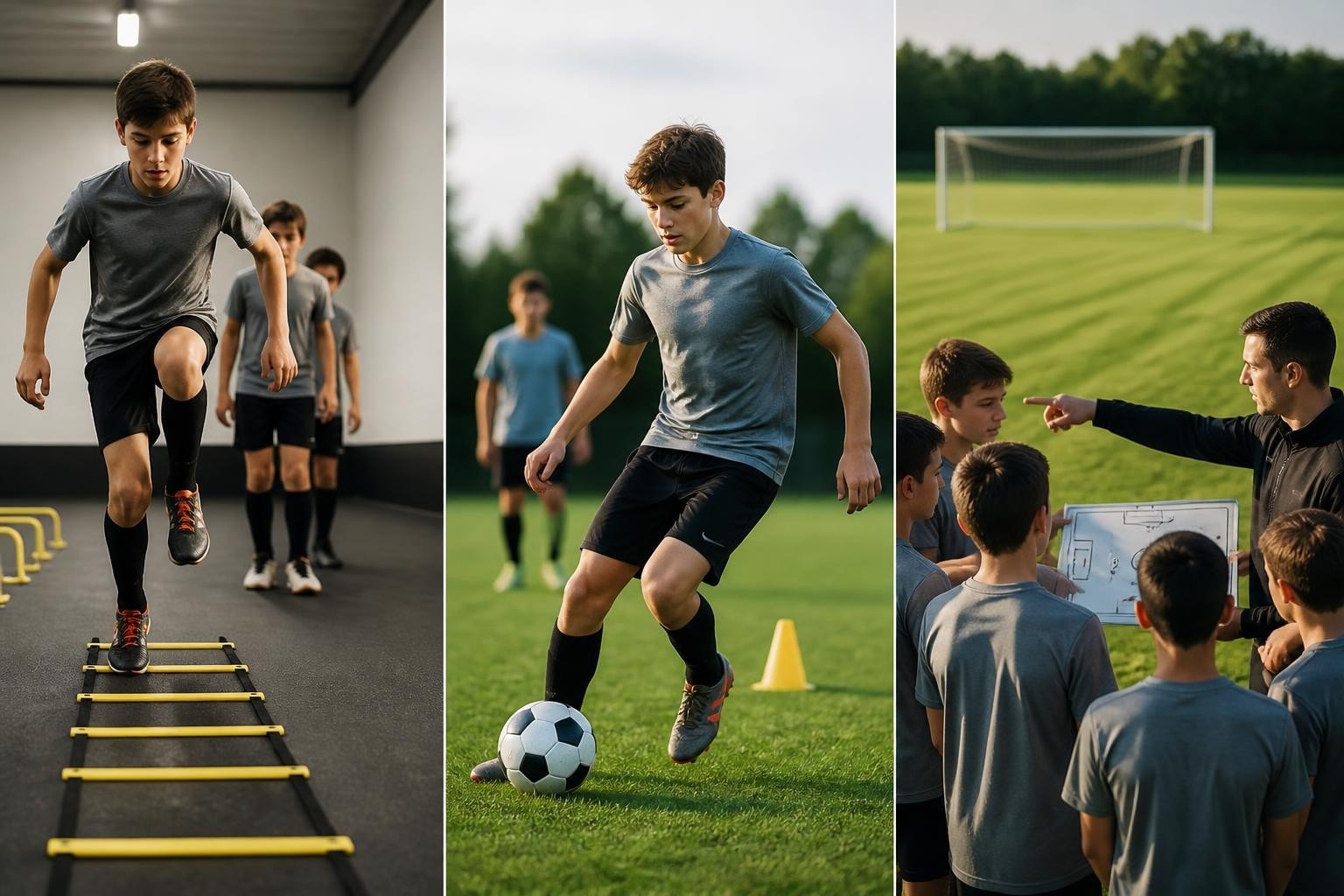
Every young athlete possesses unique physical characteristics, strengths, and limitations. Group training programs must accommodate various fitness levels and body types, which can leave some players under-challenged while others struggle to keep pace. Individual sessions eliminate this compromise by designing physical training specifically for each player's current capabilities and developmental stage.
Coaches can assess movement patterns, identify physical weaknesses, and prescribe corrective exercises that address specific deficiencies. For instance, a player struggling with change-of-direction speed might focus heavily on lateral movement drills and hip flexibility, while another needing explosive power works on plyometric exercises.
Position-Specific Physical Conditioning
Different positions require distinct physical attributes. Strikers need explosive acceleration and finishing power, while central defenders require strength in aerial duels and sustained endurance. Individual training allows for position-specific conditioning that optimizes each player's physical profile for their role.
Physical training components customized by position:
- Forwards: Explosive sprint work, finishing under fatigue, quick direction changes
- Midfielders: Sustained cardiovascular conditioning, multi-directional agility, recovery between high-intensity efforts
- Defenders: Strength training for physical duels, positioning speed, backward running mechanics
- Goalkeepers: Reaction time drills, diving techniques, distribution accuracy under pressure
The programs offered at development-focused academies often incorporate this position-specific approach, recognizing that one-size-fits-all conditioning doesn't serve individual players optimally.
Attacking Skills: Beating Defenders One-on-One
The ability to take on and beat a defender in isolation represents one of soccer's most valuable skills. Players who can create advantages in one-on-one situations open up space for teammates and create scoring opportunities from seemingly nothing. Individual training provides the perfect environment to develop this critical attacking capability.
Working through progression drills that gradually increase difficulty helps players build confidence in their ability to beat defenders. Starting with stationary defenders and progressing to full-speed, reactive opponents allows for systematic skill building without overwhelming younger players.
Essential Techniques for Individual Attacking
Mastering various moves gives attackers options based on defensive positioning and available space. Rather than relying on a single signature move, well-rounded players possess multiple tools they can deploy situationally.
| Technique | When to Use | Key Success Factor |
|---|---|---|
| Speed dribble | Open space ahead, slow defender | Explosive first step, close control at pace |
| Body feint | Defender approaching square, moderate space | Shoulder drop convincing, quick direction change |
| Stepover | Defender backing off, moderate pressure | Foot speed around ball, balance maintenance |
| La croqueta | Tight space, defender approaching from side | Quick weight transfer, ball protection with body |
| Cut inside/outside | Defender forcing direction, wing position | Sharp angle change, acceleration out of cut |
Coaches can dedicate entire sessions to perfecting single techniques, allowing hundreds of repetitions that would be impossible in team training environments. This focused repetition, combined with immediate feedback, accelerates skill acquisition dramatically.
Defensive Excellence Through Individual Training
While attacking skills often receive more attention, defensive abilities developed through individual instruction prove equally valuable. Understanding proper defensive positioning, timing of tackles, and body orientation requires focused coaching that group sessions cannot always provide.
One-on-one defensive training teaches players to read attackers' body language, anticipate moves, and position themselves to force predictable actions. Defenders learn to show attackers onto weaker feet, use the touchline as an additional defender, and time challenges to win possession cleanly.
Defensive Fundamentals Developed Individually
- Proper defensive stance and balance
- Angle of approach to limit attacking options
- Patience to avoid being beaten by feints
- Recovery speed after being turned
- Transition from defending to attacking
Young defenders benefit enormously from practicing against skilled attackers in controlled settings. They can experiment with different approaches, learn from mistakes immediately, and build confidence in their ability to win individual battles. This foundation translates to improved team defending as players understand their individual responsibilities within collective structures.
Integrating Individual Training with Team Development
While individual sessions provide immense value, they work best when integrated thoughtfully with team training rather than replacing it entirely. The skills developed privately must translate to collective team environments where communication, positioning relative to teammates, and understanding tactical systems become paramount.
Smart development programs sequence individual and team sessions strategically. Players might focus on specific technical skills individually during the week, then apply those techniques in team training sessions and matches on weekends. This integration ensures continuous improvement across all developmental areas.
For families considering enhanced training opportunities, Soccer High Performance Training provides intensive environments where players sharpen technical skills while also improving decision-making and game awareness alongside peers. These programs complement individual instruction by adding competitive pressure and tactical complexity.
Creating a Comprehensive Development Plan
The most effective development pathways combine multiple training modalities strategically. A comprehensive weekly schedule might include:
- Two team training sessions focusing on tactical concepts and collective movements
- One individual technical session addressing specific skill deficiencies
- One match or scrimmage to apply skills under competitive pressure
- Individual homework assignments for ball mastery and fitness
- Video analysis reviewing both individual and team performance
This balanced approach, utilized by academy programs focused on long-term development, ensures players grow technically, tactically, physically, and psychologically. No single training method provides all necessary elements, but thoughtful integration creates optimal development conditions.
Measuring Progress and Setting Goals
Individual training environments enable precise measurement of skill development that proves difficult in team settings. Coaches can establish baseline metrics, track improvement over time, and adjust training plans based on objective data rather than subjective impressions.
Measurable metrics might include:
- Touches before losing control during speed dribbling
- Passing accuracy percentages from various distances
- Shot placement consistency in grid targets
- Dribbling completion rates against progressive defensive pressure
- Sprint times over soccer-specific distances
Regular assessment keeps players motivated by demonstrating tangible progress. Young athletes respond well to clear evidence that their hard work produces results, which reinforces commitment to continued improvement.
Goal-Setting for Continuous Improvement
Effective individual training incorporates both short-term and long-term goals. Short-term objectives might focus on mastering a specific technique within four weeks, while long-term goals target overall player development over six months or a full season.
Characteristics of effective training goals:
- Specific and measurable rather than vague
- Challenging but achievable with focused effort
- Time-bound with clear deadlines
- Relevant to the player's position and playing style
- Regularly reviewed and adjusted based on progress
Coaches working individually can collaborate with players to set personalized goals that reflect individual ambitions and development needs. This partnership approach increases player investment in their own improvement and teaches valuable life skills around goal-setting and achievement.
The Role of Parental Support
Parents play a crucial role in maximizing the benefits of individual soccer training. Beyond the financial investment, families must provide logistical support, encouragement, and appropriate pressure levels that motivate without overwhelming young athletes.
Understanding that development follows non-linear paths helps parents maintain perspective during inevitable plateaus. Skills don't improve uniformly; breakthroughs often follow periods of apparent stagnation. Patient, supportive parents who celebrate effort and improvement rather than just outcomes create environments where players feel safe to take risks and grow.
Supporting Your Player's Development Journey
Parents can enhance individual training outcomes by:
- Maintaining consistent attendance and punctuality for sessions
- Providing proper nutrition and hydration before training
- Ensuring adequate rest and recovery between sessions
- Reinforcing coach feedback without adding contradictory instruction
- Celebrating progress while maintaining realistic expectations
- Creating opportunities for informal practice at home
The reasons why parents choose development-focused programs often center on comprehensive support systems that extend beyond just on-field coaching. Quality academies recognize the family commitment required for player development and work collaboratively with parents throughout the journey.
Selecting the Right Individual Training Program
Not all individual training opportunities provide equal value. Families should carefully evaluate several factors when selecting a coach or program for personalized instruction. The coach's qualifications, playing and teaching experience, and coaching philosophy all significantly impact training quality.
| Evaluation Criteria | Why It Matters | Questions to Ask |
|---|---|---|
| Coaching licenses | Indicates formal training in player development | What certifications do coaches hold? |
| Playing experience | Provides practical knowledge of game demands | What level did the coach play? |
| Teaching approach | Determines training effectiveness | How do you structure individual sessions? |
| Communication style | Affects player receptiveness and learning | How do you provide feedback to players? |
| Progress tracking | Enables measurable development | How do you measure and report improvement? |
Programs featuring coaches with Canada Soccer licenses, particularly those holding National A or B certifications, have demonstrated commitment to ongoing education and understanding of modern development methodologies. This credential matters significantly when entrusting your child's athletic development to an instructor.
Individual soccer training offers unparalleled opportunities for young players to develop technical skills, build confidence, and accelerate their overall growth in ways that complement team training environments. The focused attention, customized programming, and immediate feedback possible in one-on-one settings create ideal conditions for mastering the complex skills required for competitive soccer. At Strive Soccer Academy, our European-style training philosophy and fully licensed coaches deliver personalized instruction across all four pillars of player development, creating pathways for young athletes to reach their full potential both on and off the field.