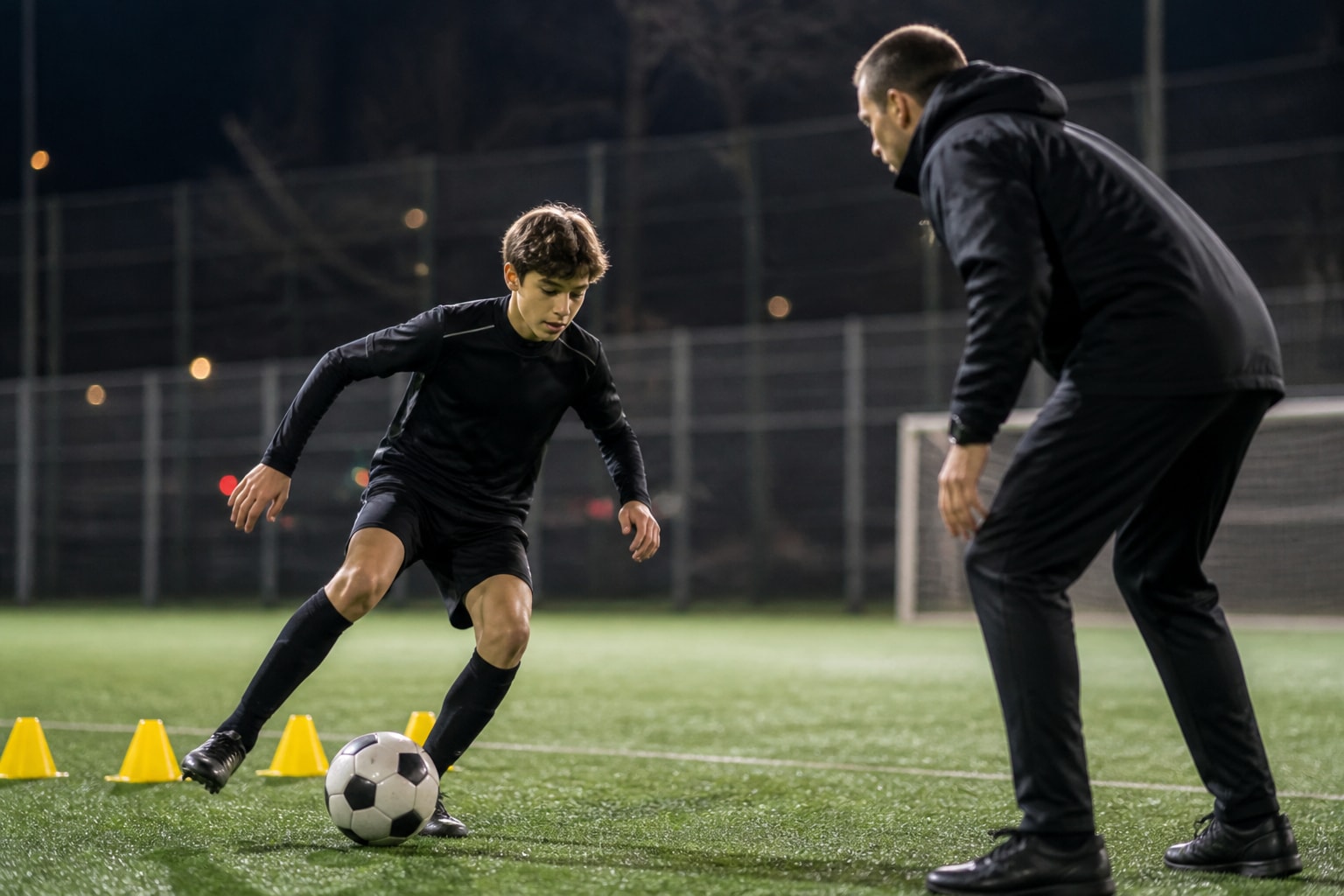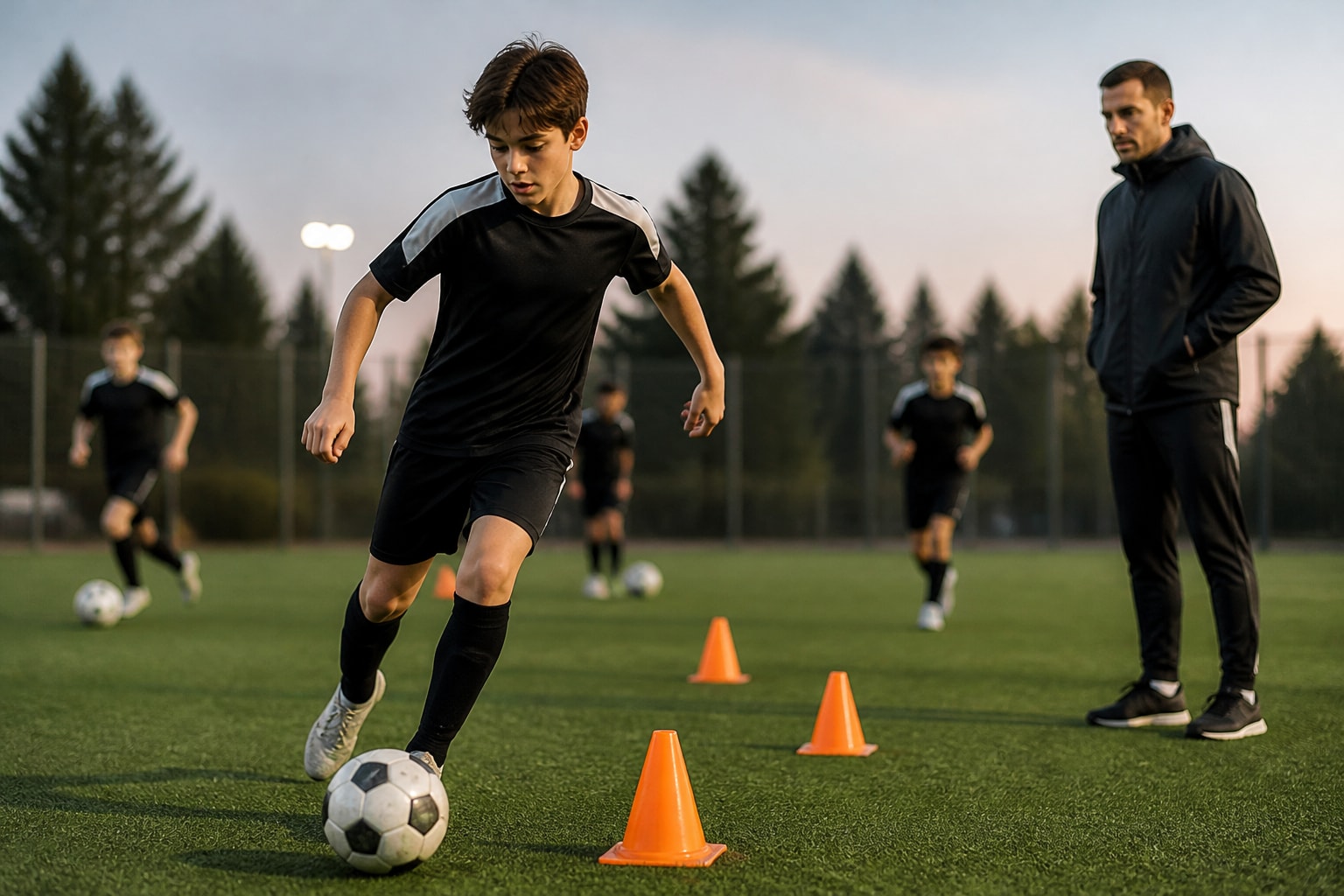
Finding the right youth soccer training in Surrey BC requires understanding what separates exceptional programs from basic recreational play. Parents and young athletes face numerous choices across the city, from grassroots community clubs to specialized academies. The quality of coaching, training philosophy, facility access, and developmental approach all play critical roles in shaping a young player's journey. Surrey's soccer landscape has evolved significantly in recent years, with enhanced facilities, higher coaching standards, and programs that align with national development frameworks. This guide explores the essential factors that define quality training and helps families make informed decisions about their child's soccer education.
Understanding Modern Player Development Standards
Youth soccer training in Surrey BC has transformed dramatically as programs adopt evidence-based development models. Canada Soccer has established comprehensive grassroots standards that define minimum requirements for club operations, coach education, and player pathways. These standards ensure young athletes receive age-appropriate training that prioritizes long-term development over short-term competitive results.
The Four Pillars of Development
Quality programs structure their curriculum around four interconnected domains:
- Technical Development: Ball mastery, first touch, passing accuracy, shooting technique, and position-specific skills
- Tactical Awareness: Game understanding, spatial awareness, decision-making speed, and positional responsibilities
- Physical Preparation: Age-appropriate strength, speed, agility, coordination, and injury prevention
- Psychological Growth: Confidence building, resilience, teamwork, communication, and competitive mentality
Each pillar requires specialized coaching expertise and progressive training methodologies. Programs that balance these elements create well-rounded players prepared for higher competition levels.

Age-Specific Training Considerations
Different age groups require distinct training approaches that respect biological and cognitive development stages. The Sport for Life framework provides evidence-based guidance for long-term athlete development that Surrey programs should follow.
| Age Group | Primary Focus | Session Structure | Key Outcomes |
|---|---|---|---|
| U6-U8 | Fun and fundamental movement | 60 minutes, high play ratio | Physical literacy, ball familiarity |
| U9-U12 | Technical foundation building | 75-90 minutes, skill repetition | Solid technique, game understanding |
| U13-U15 | Tactical complexity and decision-making | 90-120 minutes, position-specific work | Advanced skills, competitive readiness |
| U16-U18 | Performance optimization | 120+ minutes, high intensity | Elite preparation, showcase opportunities |
Parents should verify that programs align training content with these developmental stages rather than rushing young players into advanced concepts prematurely.
Coaching Quality and Certification Requirements
The credential level of coaching staff directly impacts training effectiveness. All legitimate youth soccer training in Surrey BC programs should employ coaches certified through Canada Soccer's national licensing pathway. These certifications ensure coaches understand child development, safety protocols, and modern training methodologies.
Coaching License Hierarchy
Grassroots Licenses provide entry-level qualifications for recreational coaching:
- Soccer for Life (community-focused)
- Children's License (ages 4-12)
- Youth License (ages 13+)
Provincial and National Licenses represent advanced qualifications for competitive environments:
- B License (provincial level)
- A License (national level)
- Pro License (professional level)
Programs with diverse coaching credentials offer specialized expertise across different age groups and skill levels. First-time players benefit from Soccer for Life-certified coaches who emphasize enjoyment and inclusion, while competitive players need B License or higher coaches who understand tactical periodization and performance training. If you are looking for youth soccer training in Delta BC, our parent’s guide compares program types, coaching quality, group sizes and age-by-age development.
The coaching philosophy matters as much as credentials. European-style training approaches emphasize possession-based play, technical excellence, and positional fluidity. These methodologies contrast with traditional North American models that sometimes prioritize athleticism over skill development. Parents should ask programs about their training philosophy and observe sessions to assess coaching communication style and session organization.
Facility Access and Training Environments
Surrey's infrastructure for youth soccer has expanded considerably, providing year-round training options. The city maintains numerous synthetic turf fields across various parks, enabling consistent training regardless of weather conditions. These facilities allow programs to maintain training schedules throughout Surrey's wet winter months without cancellations or muddy field conditions.
Indoor and Covered Facility Options
Recent municipal investments have enhanced indoor training capacity. The Cloverdale Athletic Park covered practice facility represents a significant development for youth soccer training in Surrey BC, offering protected training space during inclement weather. This facility enables programs to conduct technical sessions, small-sided games, and conditioning work without weather interruptions.
Key facility features to evaluate:
- Turf quality and maintenance standards
- Lighting for evening sessions
- Accessibility and parking
- Change room availability
- Equipment storage options
Programs with dedicated facility partnerships provide consistent training environments that allow coaches to plan progressive sessions without venue uncertainty. Shared community spaces work well for recreational programs, but competitive development requires reliable facility access.
Safety Protocols and Injury Prevention
Responsible youth soccer training in Surrey BC prioritizes player safety through evidence-based warm-up protocols and injury prevention programs. Research demonstrates that structured neuromuscular training significantly reduces injury rates in young players. The FIFA 11+ Kids program has shown remarkable effectiveness in preventing lower extremity injuries through progressive exercises that improve balance, strength, and coordination.
Warm-Up and Preparation Standards
Quality programs incorporate scientifically validated warm-up routines rather than traditional static stretching. Studies on the FIFA 11+ warm-up confirm that dynamic preparation reduces injury risk while improving performance outcomes in adolescent players.
Effective warm-ups include:
- Dynamic movement preparation (5-7 minutes of progressive activation)
- Neuromuscular exercises (balance, coordination, and strength movements)
- Speed and agility drills (sport-specific movement patterns)
- Ball integration (technical work at increasing intensity)
Concussion Management Protocols
Head injury awareness represents a critical safety consideration. Fraser Health provides comprehensive concussion guidance for youth athletes, including recognition signs and return-to-activity protocols. Programs should follow the BC Guidelines for concussion management to ensure proper medical clearance before players resume training after suspected head injuries.
Parents should confirm that programs have documented concussion protocols and that coaches receive regular training on injury recognition and emergency response procedures.
Training Program Structures and Formats
Different training formats serve distinct development needs. Youth soccer training in Surrey BC includes recreational leagues, competitive club teams, private academies, and supplementary training programs. Understanding these options helps families choose the right fit for their child's goals and commitment level.
Comparison of Training Models
| Program Type | Weekly Hours | Competition Level | Cost Range | Best For |
|---|---|---|---|---|
| Recreational League | 2-3 hours | Local/house league | $300-$600/year | Social play, beginners |
| Competitive Club | 4-6 hours | Regional tournaments | $1,500-$3,000/year | Committed players |
| Private Academy | 6-12 hours | Provincial/national | $3,000-$8,000/year | Elite development |
| Supplementary Training | 1-3 hours | N/A | $200-$1,200/season | Skill enhancement |
Families should realistically assess their child's interest level, time availability, and development goals. Pushing reluctant players into high-intensity programs creates negative experiences, while limiting passionate athletes to recreational play prevents potential fulfillment.
Seasonal vs Year-Round Training
Player retention and skill progression improve dramatically with year-round training consistency. While traditional models featured long off-seasons, modern development science confirms that extended breaks cause skill regression and conditioning losses. Programs offering soccer skills training throughout the year maintain player momentum and allow for progressive curriculum implementation.
Periodization benefits include:
- Gradual load management preventing overtraining
- Strategic rest periods for recovery
- Technical work during competitive off-seasons
- Consistent coaching relationships
Smart year-round programs vary intensity across seasons rather than maintaining constant high loads. This approach balances development with recovery needs while preventing burnout.
Evaluating Program Quality and Fit
Parents should conduct thorough due diligence before committing to youth soccer training in Surrey BC programs. Marketing materials showcase idealized versions of programs, but observing actual sessions reveals coaching quality, player engagement, and organizational standards.
Essential Questions to Ask
When evaluating programs, gather information on:
- Coach credentials and turnover rates (stability indicates organizational health)
- Player-to-coach ratios (individual attention requires appropriate ratios)
- Training curriculum documentation (structured programs follow documented plans)
- Competitive opportunities and pathways (clear advancement routes for improving players)
- Communication systems (regular updates on player progress and program information)
Trial sessions provide valuable insight into program culture and coaching style. Observe how coaches communicate corrections, whether players appear engaged and challenged, and if the environment feels supportive or overly critical. The best youth soccer academy programs in Surrey BC create positive learning environments where players feel safe to attempt new skills and learn from mistakes.
Red Flags and Warning Signs
Certain program characteristics suggest inadequate quality standards:
- Unlicensed or uncertified coaching staff
- Excessive winning focus at young ages (U8-U10)
- Limited player rotation in competitive matches
- High coach turnover rates
- Poor communication or disorganization
- Unsafe training practices or inadequate supervision
Trust parental instincts when program culture feels problematic. A poor fit creates negative associations with the sport that can eliminate lifelong participation.
Financial Considerations and Value Assessment
Youth soccer training in Surrey BC represents a significant family investment. Annual costs range from several hundred dollars for recreational programs to several thousand for elite academies. Understanding what fees include helps families budget appropriately and assess value.
Typical Cost Components
Registration fees cover program administration, insurance, and league affiliation. Coaching costs represent the largest expense, reflecting credential levels and session frequency. Facility rentals add substantial costs, particularly for indoor winter training. Uniforms and equipment require initial investment plus periodic replacement. Tournament and travel expenses increase significantly for competitive teams attending provincial or national events.
Quality programs provide transparent fee breakdowns and clear refund policies. Hidden costs suggest organizational problems or financial instability. Payment plans make expensive programs accessible to more families without compromising program quality.
Scholarship and Subsidy Options
Many programs offer financial assistance for talented players from lower-income families. KidSport, JumpStart, and similar organizations provide grants that reduce participation barriers. Programs genuinely committed to accessibility actively promote these resources rather than hiding them.
Value extends beyond cost comparison. Lower-priced programs may employ less qualified coaches, provide fewer training hours, or use substandard facilities. Higher fees should correlate with superior coaching, better facility access, more competition opportunities, and comprehensive development support.
Small-Sided Games and Technical Development
Modern training methodology emphasizes game-realistic scenarios over isolated drill work. Small-sided games create numerous touches, decision-making opportunities, and tactical problems in compact spaces. Research consistently demonstrates that players develop faster through modified games than traditional line drills.
Benefits of Modified Game Formats
3v3 and 4v4 formats maximize individual involvement while teaching fundamental tactical concepts like support positioning, transitional play, and spatial awareness. 5v5 and 7v7 games introduce positional structure while maintaining high action density. These formats appear throughout quality youth soccer training sessions, developing game intelligence alongside technical skills. Coaches who build tactical soccer training for youth in Surrey BC around small-sided games develop decision-making faster than those who rely on line drills.
Progressive programs structure small-sided games with specific constraints that emphasize learning objectives:
- Touch limitations (encouraging quick decision-making)
- Zone restrictions (developing positional awareness)
- Directional goals (teaching transitional speed)
- Target player requirements (building combination play)
Players receive more meaningful repetitions in 20 minutes of small-sided play than in 60 minutes of line drills. The game teaches the game when coaches create appropriate scenarios and provide targeted feedback.
Balancing Multiple Sports and Specialization
Early sport specialization remains controversial in youth development. While some argue that focused training creates elite athletes, research increasingly supports multi-sport participation until later adolescence. Youth soccer training in Surrey BC programs should encourage athletic diversity rather than demanding year-round exclusivity for young players.
Multi-Sport Benefits for Soccer Development
Athletes who participate in basketball, hockey, lacrosse, or track develop transferable movement skills, tactical understanding, and competitive mentality. These experiences create more resilient, adaptable athletes with reduced overuse injury risk. Programs that pressure children under 14 to abandon other sports ignore long-term development research.
Recommended specialization timeline:
- Ages 6-12: Broad athletic base across multiple sports
- Ages 13-15: Gradual focus increase with 1-2 secondary sports
- Ages 16+: Specialization appropriate for serious competitive goals
The most successful professional players frequently competed in multiple sports during childhood, suggesting that diverse athletic experiences enhance rather than hinder soccer-specific development.
Player Evaluation and Progress Tracking
Quality programs implement systematic player assessment beyond win-loss records. Individual development tracking requires documented evaluation criteria, regular feedback sessions, and clear advancement pathways. Parents deserve transparency about their child's progress relative to age-appropriate benchmarks.
Comprehensive Assessment Areas
| Category | Evaluation Metrics | Assessment Frequency |
|---|---|---|
| Technical Skills | Ball control, passing accuracy, shooting, dribbling | Monthly progress checks |
| Tactical Understanding | Positioning, decision speed, game reading | Video analysis quarterly |
| Physical Attributes | Speed, endurance, strength, flexibility | Seasonal fitness testing |
| Psychological Traits | Coachability, leadership, resilience, focus | Ongoing observation |
Effective feedback focuses on effort and improvement rather than comparison to teammates. Growth mindset coaching creates players who embrace challenges and persist through setbacks. Programs that only recognize top performers create discouraging environments for developing athletes.
Pathway Opportunities and Next-Level Preparation
Dedicated players eventually seek advancement opportunities beyond local training. Youth soccer training in Surrey BC should provide clear pathways toward provincial programs, college recruitment, or academy opportunities. Programs with established connections and track records demonstrate their ability to prepare players for higher levels.
Showcase Events and Exposure Opportunities
Regional tournaments allow players to compete against diverse opponents and gain exposure to provincial scouts. College showcase events connect older players with post-secondary coaches seeking recruits. Provincial team tryouts represent the highest level of youth competition in British Columbia.
Programs that have successfully advanced players to college programs or professional academies understand the preparation requirements and recruitment process. They provide guidance on academic eligibility, recruiting timelines, and showcase event selection. This knowledge proves invaluable for families navigating the complex advancement landscape.
For players with elite aspirations, elite football training environments provide the intensity and competition necessary to reach maximum potential. These programs demand significant commitment but create genuine opportunities for serious athletes.
Selecting the right youth soccer training in Surrey BC requires careful evaluation of coaching quality, facility access, safety protocols, and developmental philosophy. Programs that prioritize long-term player development over short-term results create positive experiences that foster lifelong participation. Whether your child seeks recreational enjoyment or competitive excellence, Surrey offers diverse options aligned with various goals and commitment levels. Strive Soccer Academy brings European-style training methodology to Surrey through fully licensed coaches who develop young athletes across technical, tactical, physical, and psychological domains, creating pathways for players at every level to reach their full potential.