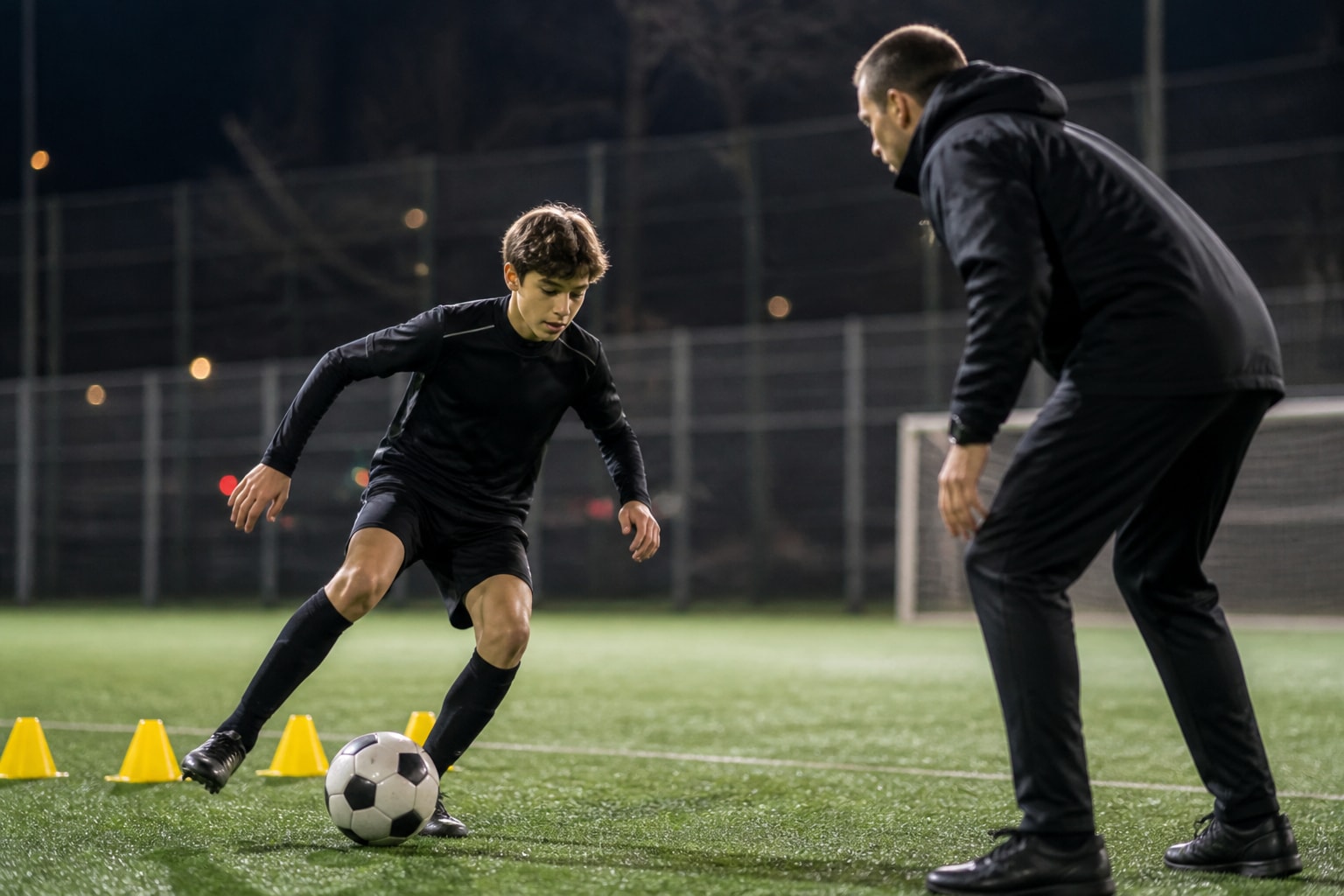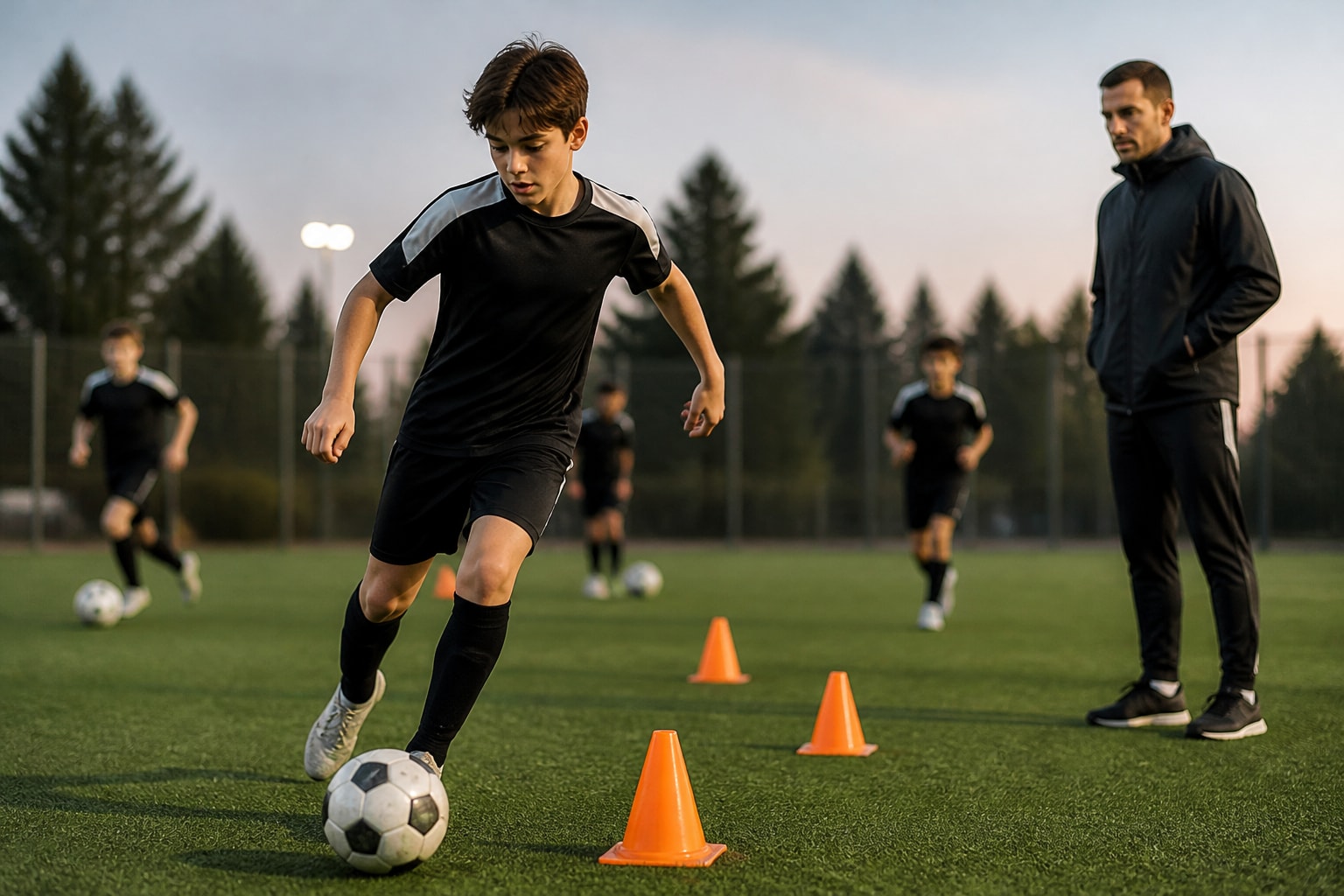
Finding the best youth soccer academy in Surrey BC requires more than browsing websites and reading testimonials. Parents and young athletes need to understand what separates exceptional training from recreational programs, how coaching credentials impact development, and which academy philosophies align with long-term player growth. With Surrey's expanding soccer infrastructure and increasing demand for high-quality youth programs, the landscape has evolved significantly in 2026, offering families more choices than ever before.
What Defines the Best Youth Soccer Academy
The best youth soccer academy in Surrey BC balances professional coaching standards with age-appropriate development frameworks. Unlike recreational leagues that focus primarily on game play, elite academies structure training around proven methodologies that address every dimension of player growth.
Licensed Coaching Standards
Canada Soccer's coaching certification hierarchy establishes clear benchmarks for instructor quality. Academies employing coaches with National A Licenses, B Licenses, and Soccer for Life certifications demonstrate commitment to professional development standards. According to Canada Soccer’s Grassroots Coach Education program, these certifications ensure coaches understand child development, injury prevention, and progression-based training.
Key coaching credentials to verify:
- National A License (highest level)
- National B License
- Youth License
- Soccer for Life certification
- First Aid and SafeSport training
The coaching staff's experience directly influences training quality, tactical understanding, and player safety protocols.

Four Pillars of Player Development
Top academies structure programs around the Technical, Tactical, Physical, and Psychological framework recommended in the Long-Term Athlete Development (LTAD) model. This holistic approach ensures balanced growth rather than overemphasizing single dimensions.
| Development Pillar | Focus Areas | Age-Appropriate Emphasis |
|---|---|---|
| Technical | Ball mastery, first touch, passing accuracy | Fundamental before advanced |
| Tactical | Positioning, decision-making, game awareness | Progressive complexity |
| Physical | Speed, agility, strength, endurance | Growth-stage appropriate |
| Psychological | Confidence, resilience, teamwork, focus | Mental skills training |
Programs emphasizing only physical conditioning or competitive results often miss crucial development windows for technical skill acquisition during early adolescence.
European Training Philosophy in Canadian Context
The best youth soccer academy in Surrey BC often incorporates European training methodologies adapted for Canadian athletes. This approach prioritizes skill mastery and intelligent play over early specialization and winning at all costs.
Session Structure and Intensity
European-style training emphasizes high-repetition technical work, small-sided games for decision-making development, and position-specific tactical training. Sessions typically run 90 minutes with deliberate intensity progression, allowing players to develop match fitness while refining skills under pressure.
Training environments should challenge players appropriately. Programs offering elite football training create competitive atmospheres that mirror higher-level play without overwhelming developing athletes.
Optimal training frequency by age group:
- U8-U10: 2-3 sessions weekly
- U11-U13: 3-4 sessions weekly
- U14-U16: 4-5 sessions weekly
- U17+: 5-6 sessions weekly
Consistency matters more than volume. Regular attendance with proper rest intervals produces better results than sporadic high-intensity periods.
Small-Sided Games for Development
Research consistently shows small-sided games maximize touches, improve decision-making speed, and develop spatial awareness more effectively than 11v11 formats for younger players. The best academies dedicate significant training time to 3v3, 4v4, and 5v5 scenarios before progressing to full-field play.
Facilities and Infrastructure Considerations
Surrey's investment in soccer infrastructure directly impacts academy quality. The City of Surrey’s synthetic turf fields enable year-round training regardless of weather conditions, a critical factor in the Pacific Northwest climate.
Recent developments including the two new turf fields completed at Cloverdale Athletic Park expand capacity for academy programs and competitive matches. Additionally, the Province of British Columbia’s community grants supporting the Cloverdale Sports Centre Project demonstrate public investment in facilities that benefit youth soccer development.
Training Environment Quality
Beyond field surfaces, evaluate:
- Lighting quality for evening sessions
- Player-to-coach ratios during training
- Equipment availability (goals, cones, training aids)
- Indoor backup facilities for extreme weather
- Proximity to families for transportation convenience
Access to professional-grade facilities correlates with higher training standards and better player experiences.
Competitive Opportunities and Pathways
The best youth soccer academy in Surrey BC provides clear progression pathways from recreational participation to competitive play and potentially college recruitment. Understanding these trajectories helps families make informed long-term decisions.
League and Tournament Exposure
Quality academies participate in recognized competitive leagues and showcase tournaments. These opportunities allow players to test skills against diverse competition while gaining exposure to scouts and higher-level programs.
| Competition Level | Typical Age Groups | Benefits |
|---|---|---|
| House League | U6-U12 | Foundation, enjoyment, social |
| Community League | U8-U18 | Local competition, skill application |
| Provincial League | U13-U18 | Higher intensity, regional exposure |
| Showcase Tournaments | U14-U18 | College recruitment, elite competition |
Tournament success stories like winning gold at regional championships demonstrate program quality and competitive preparation. Similarly, performance at national-level events validates training effectiveness against top-tier competition.
College Recruitment Support
For families considering collegiate soccer, academy support for the recruitment process becomes essential. This includes highlight video creation, college showcase attendance, and connections with post-secondary programs. Exposure tours and showcase events provide critical visibility for serious prospects.
Training Differentiation and Specialized Programs
Generic training approaches fail to address individual player needs. The best youth soccer academy in Surrey BC offers specialized programming for different skill levels, positions, and development stages.
Technical Training Focus
Programs emphasizing technical skill development create foundational competencies that support tactical learning and competitive performance. Ball mastery, receiving technique, and passing accuracy require thousands of repetitions across multiple training cycles.
Effective technical sessions include:
- Individual ball work with progressive difficulty
- Partner drills emphasizing accuracy and timing
- Pressure scenarios replicating game conditions
- Position-specific technique refinement
Players showing advanced technical ability often benefit from high-performance training environments that accelerate development through increased intensity and competition.
Age-Appropriate Progression
Youth soccer participation data from Statistics Canada shows peak enrollment between ages 10-14, making this period crucial for skill development. Programs must adapt to cognitive, physical, and emotional maturation while maintaining engagement and enjoyment.
Position-Specific Training
As players reach U13 and beyond, position-specific skills become increasingly important. Quality academies provide specialized goalkeeper training, defender positioning work, midfielder transition play, and forward finishing sessions tailored to tactical roles.
Parent Involvement and Communication
The best youth soccer academy in Surrey BC maintains transparent communication with families and establishes clear expectations for parent involvement. This partnership approach supports player development while preventing common conflicts around playing time, coaching decisions, and progression pathways.
Communication Standards
Professional academies provide:
- Regular progress reports with specific skill assessments
- Seasonal goal-setting meetings with coaches
- Clear pathways for addressing concerns
- Training schedules published in advance
- Injury protocols and return-to-play guidelines
Families should expect professional, timely responses to questions and proactive updates about program changes or player development.
Growth Mindset Culture
Academy culture significantly impacts player development and retention. Programs emphasizing effort, improvement, and resilience over innate talent create healthier learning environments. Parents should observe training sessions to assess whether coaching reinforces positive behaviors and growth-oriented feedback.
Understanding what makes training programs different helps families evaluate philosophical alignment between academy values and family priorities.
Investment Considerations and Program Value
Youth soccer academy costs vary significantly based on training frequency, coach credentials, facility quality, and competitive opportunities. Families should evaluate total investment against delivered value rather than selecting based solely on price.
Cost Components to Consider
| Expense Category | Typical Range (Annual) | What It Covers |
|---|---|---|
| Academy Fees | $2,000 – $5,000 | Training sessions, league registration |
| Tournament Travel | $500 – $2,500 | Entry fees, accommodation, transportation |
| Equipment | $300 – $800 | Boots, training gear, team kit |
| Additional Training | $500 – $2,000 | Camps, private sessions, goalkeeper training |
Higher fees don't always indicate better programs. Evaluate coaching credentials, training frequency, and competitive opportunities relative to cost.
Enrollment Growth and Program Stability
Academies experiencing consistent enrollment growth typically indicate satisfied families and positive player outcomes. Organizations partnering with enrollment management specialists like ScholarSurge often demonstrate professional business practices and commitment to sustainable growth through quality service delivery.
Program stability matters for long-term player development. Academies with established coaching staffs, consistent facilities, and multi-year track records provide better continuity than new programs with uncertain futures.
Evaluating Trial Sessions and Tryouts
Most quality academies offer trial sessions or evaluation periods before commitment. These opportunities allow families to assess coaching quality, training philosophy, and program fit firsthand.
What to Observe During Trials
Parents should note:
- Coach-to-player communication style (instructional vs. encouraging)
- Session organization (structured vs. chaotic)
- Player engagement levels (active vs. waiting)
- Skill-appropriate challenges (too easy vs. overwhelming)
- Safety protocols (warm-up, hydration breaks, injury response)
Players should assess whether they feel challenged, supported, and excited about returning for another session.
Questions to Ask Academy Directors
Before committing, clarify:
- What percentage of players move to higher competitive levels?
- How do you handle player conflicts or parent concerns?
- What is your coaching retention rate year-over-year?
- Which tournaments and showcases does the team attend?
- What support do you provide for college-bound players?
Hesitancy to answer these questions transparently may indicate program weaknesses.
Making the Final Decision
Selecting the best youth soccer academy in Surrey BC ultimately depends on individual player goals, family resources, and developmental priorities. Programs excelling in competitive results may not suit players seeking recreational enjoyment, while technically-focused academies may frustrate families prioritizing immediate winning.
Matching Academy to Player Needs
Consider these alignment factors:
For players seeking professional pathways: Prioritize academies with college recruitment support, high-level competitive exposure, and connections to professional organizations.
For players developing fundamental skills: Focus on programs emphasizing technical training, age-appropriate competition, and positive coaching environments.
For players balancing multiple sports: Select academies offering flexible scheduling and understanding multi-sport participation benefits during development years.
No single academy serves every player optimally. The best choice aligns program strengths with individual needs and family circumstances.
Long-Term Development Perspective
Youth soccer development spans years, not seasons. Short-term results matter less than consistent skill improvement, maintained enthusiasm, and healthy physical development. Programs delivering these outcomes create foundations for lifelong soccer participation, whether recreational or competitive.
The launch of specialized youth programs demonstrates academy commitment to meeting diverse player needs across development stages. Similarly, seasonal camp experiences focusing on growth on and off the field indicate holistic development approaches beyond pure technical training.
Choosing the best youth soccer academy in Surrey BC requires evaluating coaching credentials, training philosophy, facilities, and competitive opportunities against your player's individual needs and long-term goals. Quality programs develop technical excellence, tactical understanding, physical fitness, and psychological resilience through age-appropriate, professionally delivered training. Strive Soccer Academy brings European-style training philosophy to Surrey with fully licensed coaches ranging from National A to Soccer for Life certifications, creating a comprehensive development environment focused on building skills, character, and real opportunities for young athletes across all four pillars of player growth.