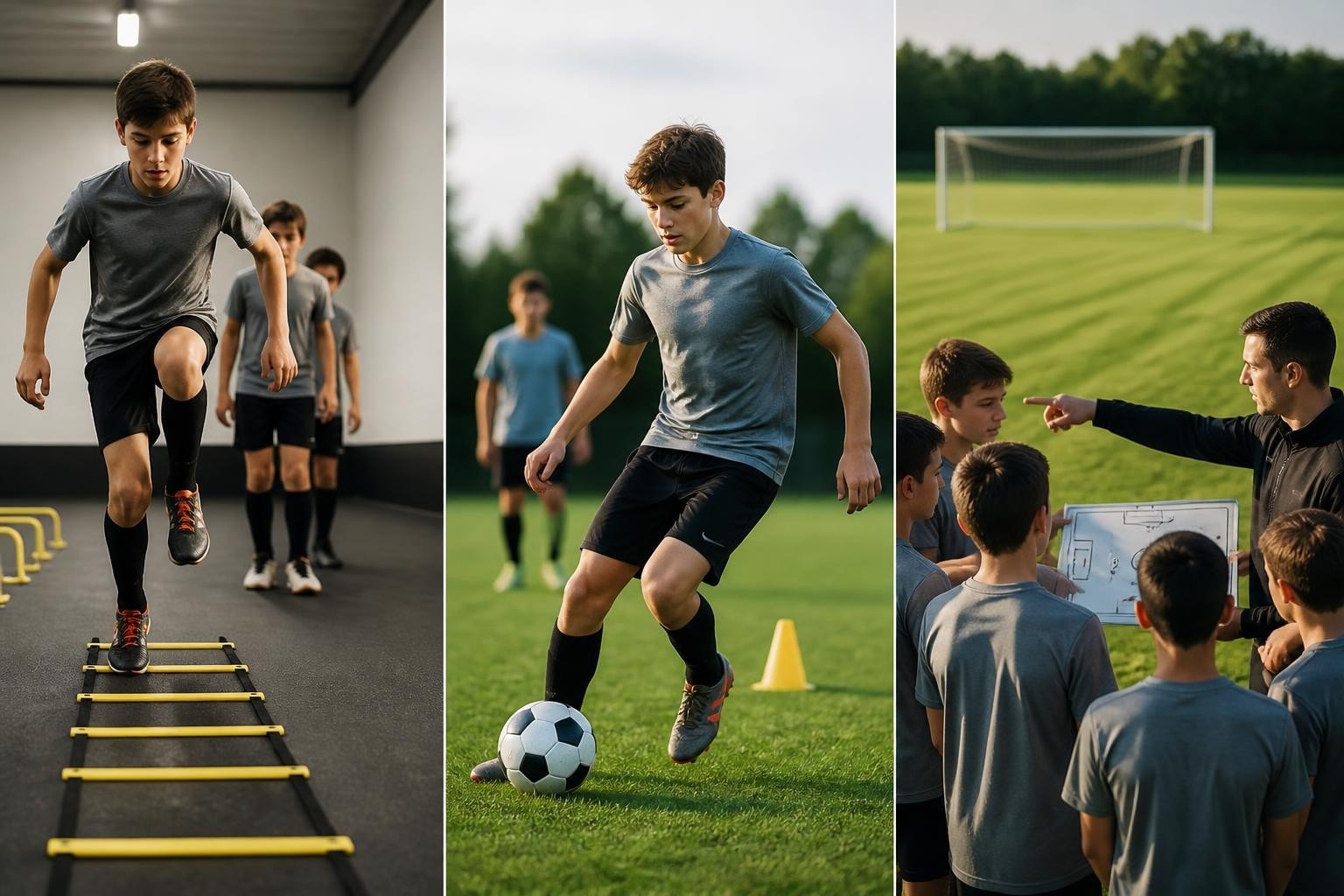
Soccer prep encompasses far more than simply showing up to practice and playing matches on weekends. For young athletes serious about developing their game, comprehensive preparation touches every aspect of performance, from physical conditioning and technical skill work to tactical understanding and psychological readiness. Parents investing in their child's soccer development need to understand that proper preparation creates the foundation for long-term success, injury prevention, and genuine enjoyment of the beautiful game. The difference between players who plateau early and those who continue progressing often comes down to how thoroughly they approach their preparation regimen.
Understanding the Foundations of Soccer Prep
Effective soccer prep begins with recognizing that player development operates across multiple dimensions simultaneously. The European training philosophy emphasizes four core pillars that work together to create complete players: technical ability, tactical awareness, physical fitness, and psychological strength. When any single area receives inadequate attention, it creates limitations that hold back overall performance.
Technical preparation forms the most visible aspect of soccer prep, encompassing ball mastery, passing accuracy, first touch quality, and shooting technique. Young players need consistent, deliberate practice to develop the muscle memory and coordination required for high-level play. This doesn't happen overnight or through casual play alone.
Building Technical Excellence Through Structured Practice
The technical component of soccer prep demands both quality and quantity. Players must accumulate thousands of touches over months and years, but those touches need purposeful direction. Training sessions structured around progressive skill development ensure that practice time translates into measurable improvement rather than simply reinforcing existing habits.
Key technical areas requiring focused preparation include:
- Ball control with all surfaces of both feet
- Passing accuracy over varied distances
- Dribbling in tight spaces and at speed
- Shooting technique with proper body positioning
- Heading fundamentals and aerial control
- First touch reception from different angles
Parents can support technical development by encouraging daily practice routines at home, even if just 15-20 minutes of focused ball work. The Strive Soccer Academy approach emphasizes consistent technical refinement through licensed coaching that identifies individual weaknesses and provides targeted correction.
Physical Conditioning and Athletic Development
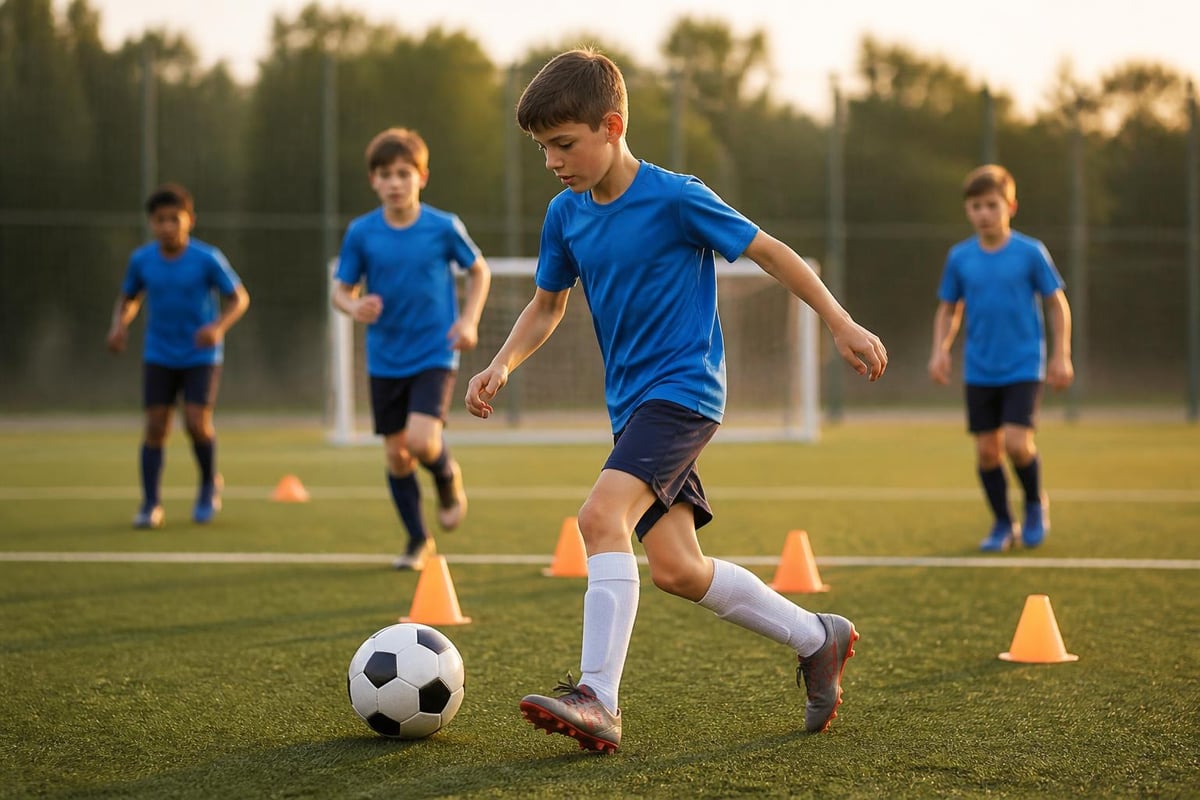
Soccer prep requires age-appropriate physical conditioning that builds the endurance, speed, agility, and strength necessary for competitive play. The physical demands of soccer continue increasing as players advance through age groups and competition levels, making early establishment of fitness habits crucial for long-term success.
Conditioning work should progress gradually, respecting developmental stages while challenging young athletes appropriately. Prepubescent players benefit most from movement-based activities that develop coordination, balance, and general athleticism rather than specialized strength training. As players mature, more targeted conditioning becomes valuable.
Seasonal Preparation and Conditioning Cycles
Soccer prep varies significantly based on the competitive calendar. Pre-season training schedules typically emphasize building fitness base and establishing tactical systems before competitive matches begin. This period represents the ideal time for addressing physical weaknesses and expanding work capacity.
| Training Phase | Primary Focus | Duration | Key Activities |
|---|---|---|---|
| Pre-Season | Fitness foundation | 4-6 weeks | Aerobic conditioning, strength building |
| In-Season | Performance maintenance | Variable | Tactical work, technical refinement |
| Post-Season | Recovery and development | 2-4 weeks | Active recovery, skill development |
| Off-Season | Individual improvement | 6-8 weeks | Position-specific work, conditioning |
The physical preparation component must balance intensity with recovery. Young athletes face higher injury risks when training loads increase too rapidly or when inadequate rest prevents proper adaptation. Smart soccer prep incorporates rest days and lighter sessions that allow the body to rebuild stronger.
Tactical Understanding and Game Intelligence
Soccer prep extends beyond physical and technical elements into the cognitive domain of tactical awareness. Understanding positioning, reading the game, anticipating opponent movements, and making quick decisions under pressure separates good players from great ones at higher competition levels.
Tactical preparation begins with understanding basic positioning responsibilities within different formations. Young players need to grasp their role both when their team possesses the ball and during defensive phases. This foundational knowledge provides the framework for more sophisticated tactical concepts.
Developing Decision-Making Speed
Game situations unfold rapidly, requiring players to process information and execute decisions in fractions of seconds. Soccer prep that incorporates small-sided games, positional exercises, and situation-specific drills accelerates decision-making development. Players learn to recognize patterns, anticipate possibilities, and choose optimal actions instinctively rather than consciously deliberating each choice.
Critical tactical concepts for developing players:
- Defensive shape and collective pressure
- Offensive spacing and support positions
- Transition moments between attack and defense
- Set piece organization and execution
- Pressing triggers and collective defending
- Build-up patterns from defensive third
The Strive Soccer Academy DNA emphasizes tactical education as integral to player development, ensuring young athletes understand not just what to do, but why specific actions create advantages in different game situations.
Mental Preparation and Psychological Readiness
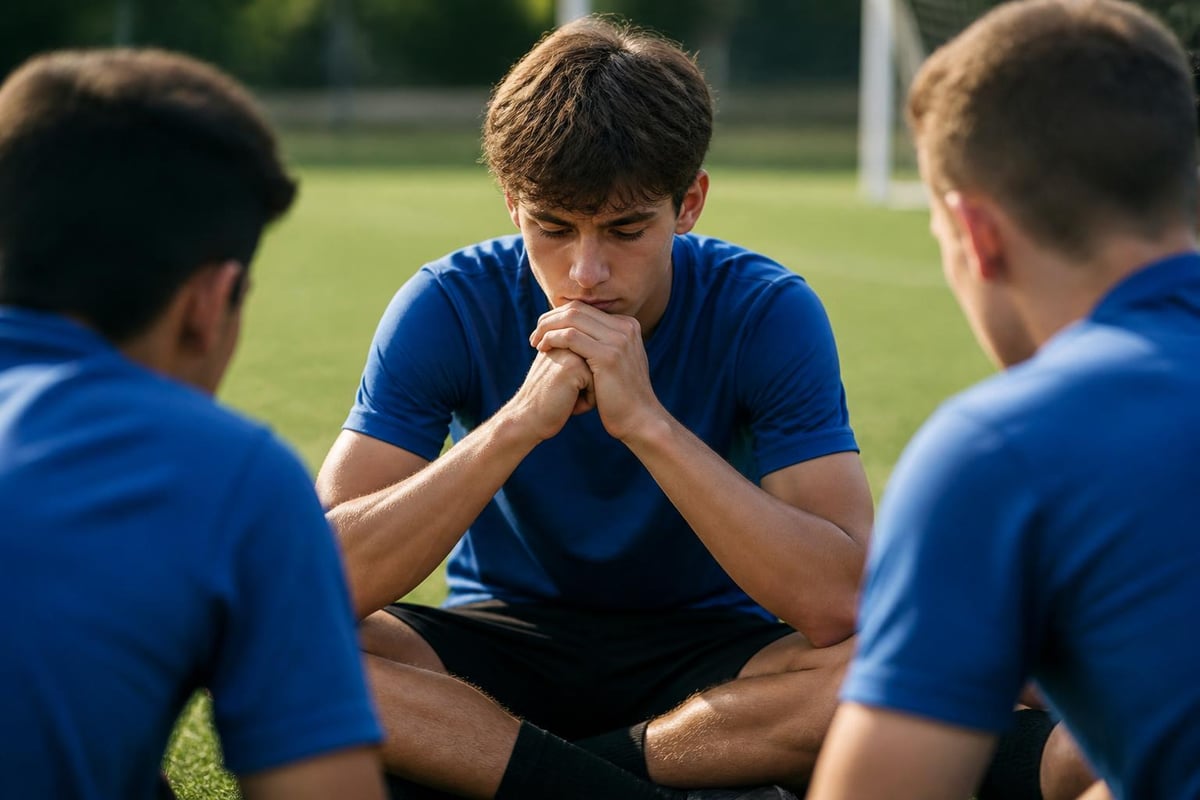
The psychological dimension of soccer prep often receives insufficient attention despite its profound impact on performance. Confidence, focus, resilience, motivation, and emotional regulation all influence how effectively players execute their technical and tactical abilities during actual competition.
Mental preparation starts with establishing productive routines that create consistency and comfort. Pre-game rituals, whether involving specific warm-up sequences, visualization practices, or team bonding activities, help players enter optimal performance states. These routines become anchors that stabilize performance even when facing unfamiliar opponents or challenging circumstances.
Building Confidence Through Preparation
Thorough soccer prep directly enhances psychological readiness by creating justified confidence. Players who know they've prepared comprehensively feel more capable of handling competitive pressure. This preparation-based confidence differs from hollow positive thinking, providing genuine psychological strength rooted in actual capability.
Visualization represents one powerful mental preparation technique. Players who mentally rehearse successful execution, imagine various game scenarios, and practice responding to challenges prepare their minds for competition just as physical training prepares their bodies. This mental rehearsing activates similar neural pathways as actual practice, reinforcing proper responses.
Pre-Match Preparation Protocols
Game day soccer prep follows specific protocols designed to optimize readiness while minimizing injury risk. The hours and minutes before kickoff require careful management to ensure players arrive at the starting whistle physically warm, technically sharp, tactically focused, and psychologically ready.
Effective warm-up routines progressively elevate heart rate, increase muscle temperature, activate movement patterns, and sharpen technical touch. A comprehensive warm-up typically spans 20-30 minutes and follows a logical sequence from general movement to soccer-specific actions.
Standard pre-match warm-up progression:
- Light aerobic activity (jogging, dynamic stretching)
- Movement preparation (lateral shuffles, backward running, acceleration)
- Ball work (passing patterns, receiving practice)
- Technical sharpness (shooting, crossing, finishing)
- Position-specific preparation
- Team tactical review
Nutrition timing also impacts match readiness significantly. Players should consume their pre-game meal 3-4 hours before kickoff, focusing on easily digestible carbohydrates with moderate protein. Closer to game time, light snacks like fruit or energy bars maintain blood sugar without causing digestive discomfort.
Training Session Structure for Optimal Development
Quality soccer prep depends on well-structured training sessions that maximize learning and development within available time. Whether training with organized teams or practicing at home, sessions should follow logical progressions that build toward specific objectives.
Professional training sessions typically divide into distinct segments, each serving particular purposes within the overall development plan. This structured approach ensures balanced attention across different skill areas while maintaining engagement through varied activities.
| Session Segment | Duration | Primary Purpose | Example Activities |
|---|---|---|---|
| Warm-up | 10-15 min | Preparation, injury prevention | Dynamic stretching, movement prep |
| Technical Focus | 15-20 min | Skill development | Dribbling circuits, passing patterns |
| Tactical Work | 20-25 min | Game understanding | Positional play, phase of play training |
| Game Simulation | 15-20 min | Application | Small-sided games, scrimmages |
| Cool-down | 5-10 min | Recovery initiation | Static stretching, reflection |
The programs offered by elite academies demonstrate how professional session structure accelerates player development compared to unorganized practice. Licensed coaches design progressive curricula that systematically address weaknesses while reinforcing strengths.
Preparing for Tryouts and Evaluations
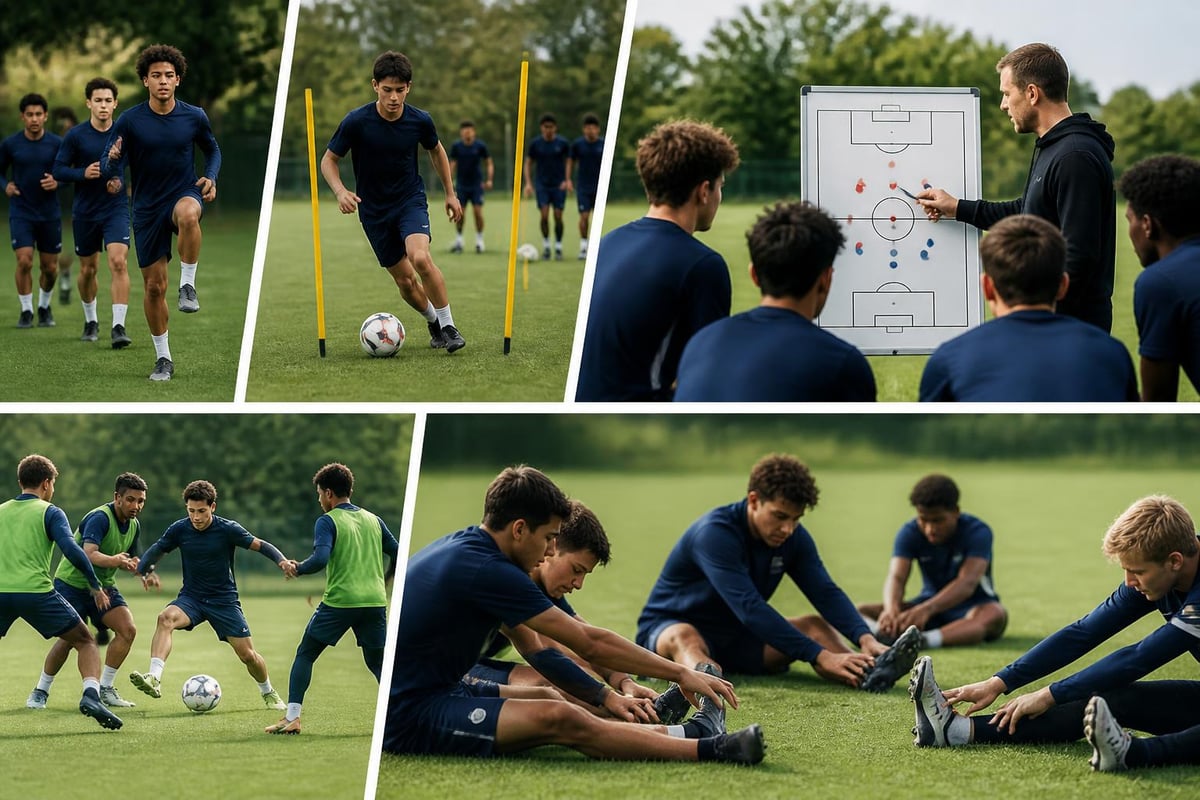
Soccer prep takes on heightened importance when players face tryouts, evaluations, or showcase opportunities that could determine team placements or development pathways. These high-stakes situations require specific preparation strategies beyond regular training routines.
Tryout preparation should begin weeks in advance, focusing on showcasing strengths while addressing obvious weaknesses that evaluators might notice. Players need to understand what coaches look for during assessments: technical competence, tactical awareness, physical fitness, and positive attitude.
What Evaluators Actually Notice
Coaches conducting tryouts typically assess multiple dimensions simultaneously. They observe how players receive and distribute the ball under pressure, whether positional discipline maintains shape, how quickly decision-making occurs, and whether effort remains consistent throughout evaluation periods. Players who understand these evaluation criteria can prepare more effectively.
Priority preparation areas for tryouts:
- First touch quality in all conditions
- Communication and teamwork
- Work rate and intensity
- Coachability and response to instruction
- Composure under pressure
- Versatility across positions
Mental preparation matters enormously during tryouts. Nervous players often perform below their actual ability level because anxiety interferes with execution. Practicing mindfulness techniques, using positive self-talk, and reframing tryouts as opportunities rather than threats helps players access their full capabilities when it matters most.
Recovery and Regeneration in Soccer Prep
Comprehensive soccer prep includes deliberate recovery practices that allow adaptation and prevent overtraining. Young athletes particularly need adequate recovery because their bodies simultaneously handle training stress and natural growth processes. Insufficient recovery compromises both athletic development and overall health.
Active recovery activities like light jogging, swimming, or yoga promote blood flow that accelerates waste product removal and nutrient delivery to muscles without adding significant training stress. These sessions bridge the gap between hard training days, maintaining movement quality while permitting physiological recovery.
Sleep represents the most critical recovery tool available to young athletes. During sleep, growth hormone release peaks, muscle repair accelerates, and neural pathways consolidate learning from training. Athletes requiring 9-10 hours of quality sleep for optimal development often receive only 7-8 hours, creating chronic recovery deficits that limit progress.
Nutrition as a Performance Foundation
Soccer prep extends into nutritional habits that fuel training, support recovery, and enable optimal performance. Young athletes have higher relative energy requirements than adults due to growth demands layered atop training needs. Inadequate nutrition undermines all other preparation efforts, limiting how much players can improve regardless of training quality.
Carbohydrates provide the primary fuel source for high-intensity soccer activity. Players should consume adequate complex carbohydrates from whole grains, fruits, and vegetables to maintain glycogen stores that power training sessions and matches. Protein supports muscle repair and growth, with young athletes requiring approximately 1.2-1.6 grams per kilogram of body weight daily.
Daily nutrition priorities for soccer players:
- Breakfast within one hour of waking
- Pre-training snack 60-90 minutes before sessions
- Post-training nutrition within 30 minutes
- Consistent hydration throughout the day
- Balanced meals with protein, carbs, and vegetables
- Limited processed foods and added sugars
Hydration deserves particular attention because even mild dehydration impairs performance significantly. Players should arrive at training and matches well-hydrated, drink regularly during activity, and continue fluid intake afterward to replace sweat losses. Monitoring urine color provides a simple hydration assessment tool.
Long-Term Development Versus Short-Term Results
Effective soccer prep balances immediate performance goals with long-term athletic development. Parents and players often feel pressure to prioritize winning at young ages, sometimes at the expense of proper skill development and age-appropriate training. This short-sighted approach typically backfires as players advance to higher competition levels where fundamental gaps become limiting factors.
The European model emphasizes patient, systematic development that builds comprehensive capabilities over many years. Young players focus primarily on technical mastery and tactical understanding rather than physical dominance or rigid tactical systems. This foundation supports continued growth as players mature physically and cognitively.
Understanding pre-season fundamentals helps parents and players maintain perspective about development timelines. Significant improvement requires months and years of consistent effort, not weeks of intensive work before tryouts. Soccer prep works best as an ongoing lifestyle rather than a cramming approach before important events.
Individualized Preparation Plans
While general soccer prep principles apply universally, optimal preparation requires individualization based on player strengths, weaknesses, position, age, and competitive level. A central defender's preparation priorities differ from a winger's requirements. A technically advanced but physically underdeveloped player needs different emphasis than an athletic player lacking refined skills.
Quality coaching identifies individual needs and designs preparation programs accordingly. Generic training that treats all players identically leaves development opportunities untapped. Personalized attention ensures that limited practice time addresses each player's most critical improvement areas.
The high-performance training environment provides intensive focus on individual development needs within a collective training structure. Players receive position-specific coaching, technical correction tailored to their habits, and tactical instruction matched to their comprehension level.
Integration of Technology in Modern Soccer Prep
Contemporary soccer prep increasingly incorporates technology that provides objective performance data, enables remote skill work, and offers access to coaching resources. Video analysis allows players to review their technique, study tactical situations, and learn from elite performers. Performance tracking systems quantify training loads, movement patterns, and physiological responses.
However, technology serves as a tool rather than a replacement for quality coaching and dedicated practice. Young players still need hands-on instruction, immediate feedback, and the social-emotional development that comes from team training. Technology enhances traditional preparation methods when used appropriately, but creates distractions when overemphasized.
Comprehensive soccer prep encompasses technical skill development, physical conditioning, tactical education, and mental preparation that work together to maximize player potential. Success requires consistent effort across all these dimensions, supported by proper recovery, nutrition, and age-appropriate training. At Strive Soccer Academy, we bring European-style training philosophy to Surrey, BC, with fully licensed coaches who develop the complete player through progressive, individualized programming that builds both capability and character. Our focus on technical, tactical, physical, and psychological growth creates real opportunities for young athletes committed to reaching their potential.