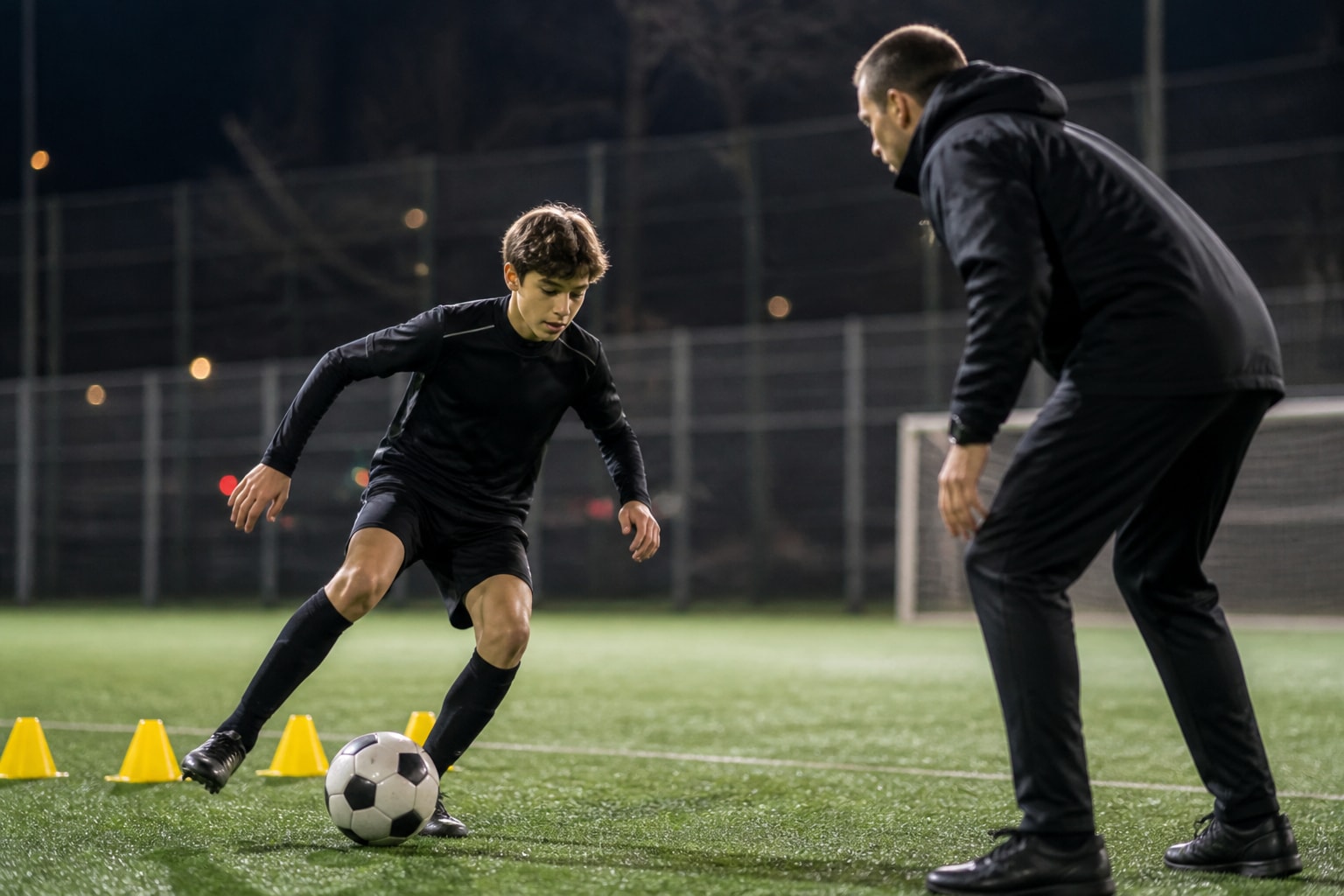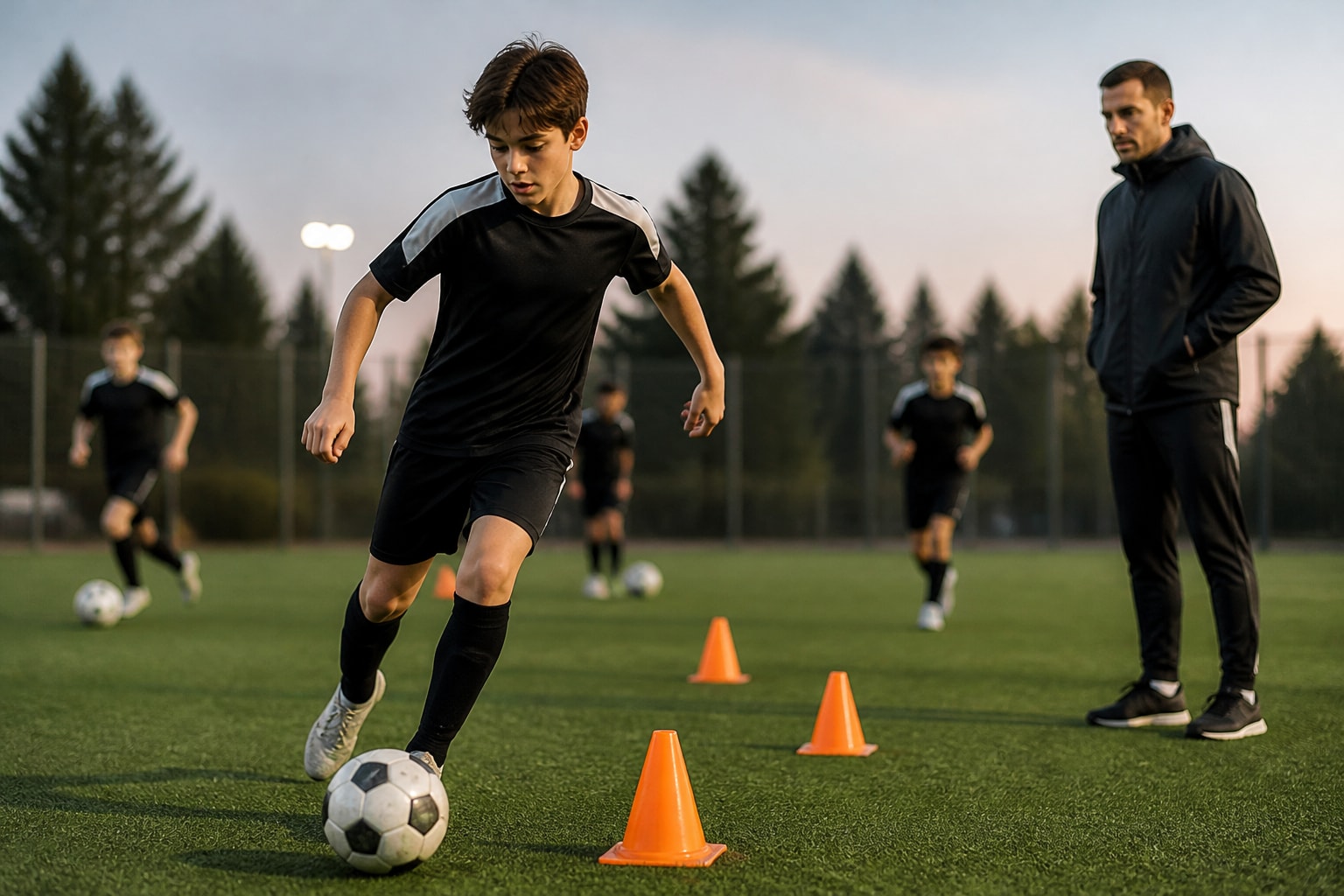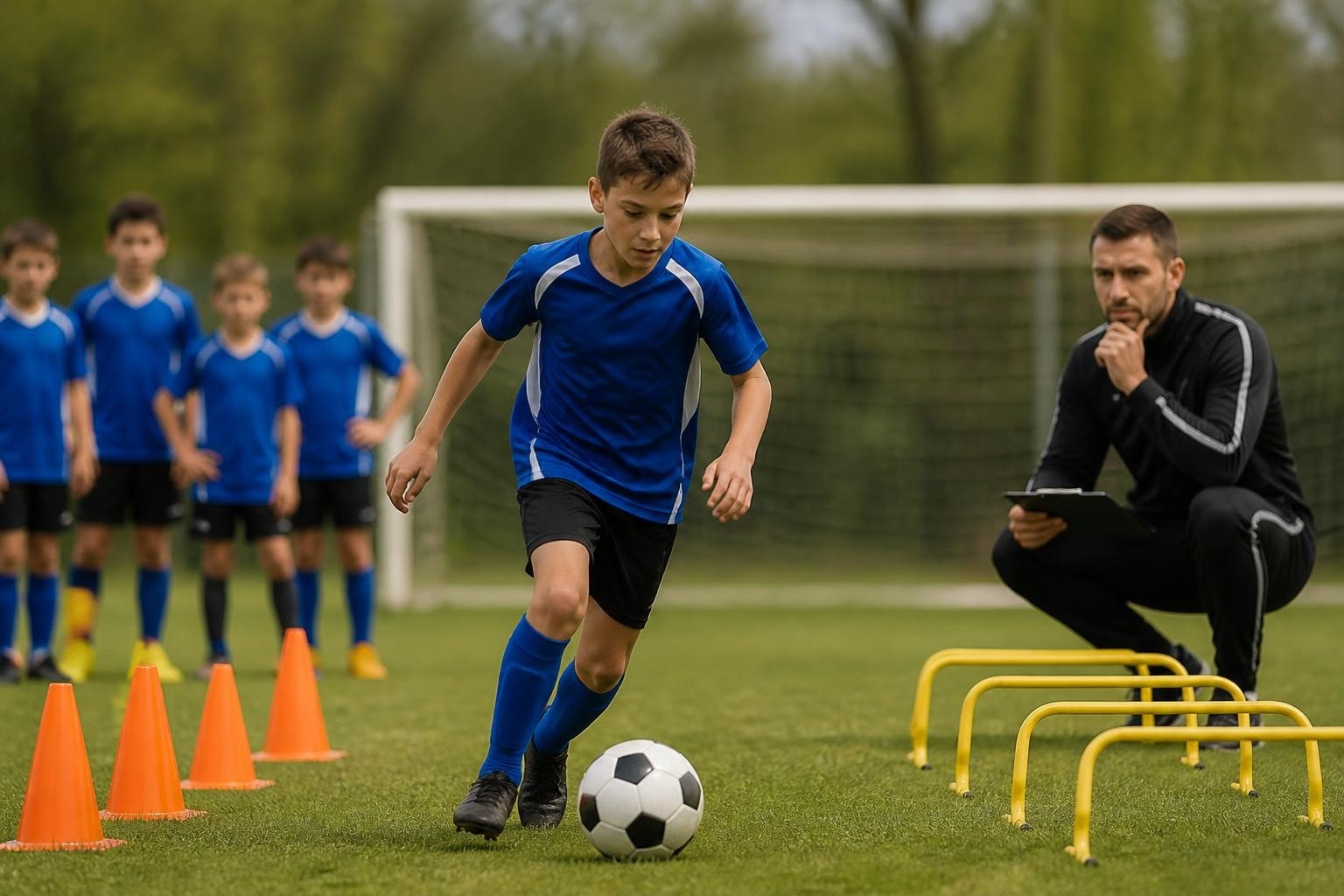
Parents in Surrey, BC, face an important decision when choosing a soccer program for their children. With countless options available, understanding what separates professional soccer coaching from recreational programs becomes essential. Professional soccer coaching for kids in Surrey BC has evolved significantly in recent years, bringing European training methodologies and certified instruction to local communities. This shift has created opportunities for young athletes to develop not just their technical abilities, but also the mental resilience, tactical understanding, and physical conditioning needed to excel at higher levels of competition.
What Defines Professional Soccer Coaching
Professional soccer coaching extends far beyond simply organizing drills and supervising games. It represents a comprehensive approach to player development grounded in evidence-based methodology and delivered by properly certified instructors.
Licensing and Certification Requirements
The foundation of professional soccer coaching for kids in Surrey BC starts with proper certification. In Canada, soccer coaches must complete structured education through Canada Soccer’s coaching pathway, which aligns with the National Coaching Certification Program (NCCP). This ensures coaches understand age-appropriate training methods, safety protocols, and effective skill progression.
Key coaching certifications include:
- Soccer for Life: Entry-level certification for grassroots coaching
- Community Coach: Intermediate certification for competitive youth programs
- Provincial B License: Advanced coaching for high-performance environments
- National A License: Elite-level certification for professional development
Local organizations like Surrey United Soccer Club offer coaching courses that help develop qualified instructors within the community. These programs ensure that even volunteer coaches receive proper training in fundamental teaching methods and child development principles.

The Four Pillars of Player Development
Professional programs structure their curriculum around four interconnected development areas. This holistic approach ensures young players grow in every dimension of the game.
| Development Pillar | Focus Areas | Age-Appropriate Emphasis |
|---|---|---|
| Technical | Ball mastery, passing, receiving, shooting | High repetition with progression |
| Tactical | Positioning, decision-making, game awareness | Simplified concepts building complexity |
| Physical | Coordination, agility, speed, strength | Age-appropriate conditioning |
| Psychological | Confidence, resilience, focus, teamwork | Positive reinforcement and challenge |
Research published in Frontiers in Psychology demonstrates that effective practice design and coaching behavior significantly impact skill acquisition in youth soccer. Professional coaches apply these findings by creating training environments that balance repetition with variety, challenge with success, and individual focus with team dynamics.
Age-Appropriate Training Methodologies
Professional soccer coaching for kids in Surrey BC must adapt to the developmental stage of each athlete. What works for teenagers proves ineffective or even harmful for younger children.
Following Long-Term Athlete Development Principles
The Canadian Sport for Life framework provides evidence-based guidance for age-appropriate coaching. This model divides youth development into distinct stages, each with specific objectives and training focuses.
Developmental stages in youth soccer:
- Active Start (ages 0-6): Movement literacy and fundamental motor skills
- FUNdamentals (ages 6-9): Basic soccer skills through play-based activities
- Learn to Train (ages 8-12): Technical skill development and introduction to tactics
- Train to Train (ages 11-16): Position-specific training and advanced tactical concepts
- Train to Compete (ages 15-21): Competition preparation and performance optimization
Professional coaches understand that rushing children through these stages or applying adult training methods to young players undermines long-term development. The Canadian Paediatric Society recommends that children and youth engage in at least 60 minutes of moderate to vigorous physical activity daily, but this should be varied and developmentally appropriate.
Training Session Structure and Intensity
A professional training session follows a deliberate structure designed to maximize learning while maintaining engagement. Sessions typically run 60 to 90 minutes depending on age group, with careful attention to work-to-rest ratios.
Typical session components:
- Warm-up (10-15 minutes): Dynamic movement and ball familiarization
- Technical practice (20-30 minutes): Focused skill development with high repetition
- Small-sided games (20-30 minutes): Application of skills in game-realistic scenarios
- Cool-down (5-10 minutes): Recovery and reflection
The intensity and complexity increase as players mature. Younger children benefit from shorter activities with frequent changes, while older athletes can sustain focus through longer, more demanding exercises. For families seeking structured high-performance development, programs like Soccer High Performance Training offer 90-minute intensive sessions that sharpen technical skills, improve decision-making, and build confidence under pressure.
Technical Skill Development Standards
Professional coaching establishes clear technical standards and progression pathways. Rather than simply playing games, structured practice develops the fundamental skills every player needs.
Ball Mastery and First Touch
The foundation of soccer excellence begins with comfortable ball manipulation. Professional coaches dedicate significant training time to developing soft first touches, quick changes of direction, and confident ball control under pressure.
Young players should master these technical elements before advancing to complex tactical concepts. This includes receiving balls from various angles, controlling with different surfaces of the foot, and maintaining possession while scanning the field. The emphasis on technical training separates professional programs from recreational leagues.
Passing and Receiving Patterns
Professional soccer coaching for kids in Surrey BC builds passing proficiency through graduated complexity. Young players start with stationary partner passing, then progress to movement, pressure, and game-realistic scenarios.
| Skill Level | Passing Focus | Success Criteria |
|---|---|---|
| Beginner | Stationary 5-10 yard passes | 7/10 accurate to partner's feet |
| Intermediate | Passing while moving, various distances | Weight and timing appropriate |
| Advanced | One-touch passing, combination play | Quick decision-making under pressure |
Striking and Finishing Techniques
Goal-scoring requires technical precision combined with composure. Professional coaches break down shooting mechanics into teachable components: approach angle, plant foot placement, contact point on the ball, and follow-through.
Rather than simply taking shots during scrimmages, structured finishing exercises create hundreds of repetitions in varied scenarios. This deliberate practice accelerates skill acquisition far more effectively than unstructured play.
Tactical Understanding and Game Intelligence
While technical skills provide the tools, tactical awareness teaches players when and how to use them. Professional coaching develops soccer intelligence through progressive learning.
Positional Awareness and Spacing
Young players naturally cluster around the ball. Professional coaches teach spatial awareness through small-sided games and positional exercises. Understanding where to be without the ball proves as important as individual skill with it.
Key tactical concepts by age:
- Ages 6-9: Basic positioning (not bunching), supporting teammates
- Ages 10-12: Understanding roles in attack and defense, maintaining shape
- Ages 13-16: Position-specific responsibilities, tactical systems, transitions
Decision-Making Under Pressure
Game intelligence emerges through experience in realistic situations. Professional coaches create training environments that replicate match pressure, forcing quick decisions with meaningful consequences.
Small-sided games particularly develop decision-making because they increase each player's touches and choices. A player might engage with the ball 5-7 times in a full-field game but 30-40 times in a 4v4 scenario during the same time period.
Physical Conditioning Appropriate for Youth
Professional soccer coaching for kids in Surrey BC includes age-appropriate physical development. However, this looks dramatically different than adult conditioning.
Movement Literacy and Coordination
Before focusing on strength or endurance, young athletes must develop fundamental movement patterns. Professional coaches incorporate agility ladders, coordination exercises, and multi-directional movement into every session.
These activities build the physical literacy that supports later athletic development. Research demonstrates that varied physical activity during childhood creates better long-term athletes than early specialization in position-specific conditioning.
Speed and Agility Development
Soccer requires repeated bursts of acceleration, quick changes of direction, and explosive movements. Professional programs develop these qualities through dynamic warm-ups, relay races, tag games, and sprint variations.
The key difference from adult training lies in volume and intensity. Youth programs emphasize proper mechanics and neural development rather than maximum effort or fatigue-inducing volumes.
Psychological Development and Mental Skills
The psychological pillar often receives insufficient attention in recreational programs, yet it significantly impacts both performance and long-term participation in soccer.
Building Confidence Through Success
Professional coaches design practices where players experience frequent success while being appropriately challenged. This balance proves essential for developing confidence and intrinsic motivation.
Strategies for building player confidence:
- Setting achievable short-term goals alongside long-term aspirations
- Providing specific, constructive feedback rather than generic praise
- Creating safe environments where mistakes are learning opportunities
- Celebrating effort and improvement, not just outcomes
Resilience and Growth Mindset
Youth soccer inevitably includes setbacks: missed opportunities, losses, individual mistakes. Professional coaching helps young athletes develop resilience by framing challenges as growth opportunities rather than failures.
Coaches model positive responses to adversity, teach emotional regulation techniques, and help players understand that improvement requires stepping outside comfort zones. This psychological development extends far beyond soccer, equipping children with life skills applicable to academics, relationships, and future careers.
Infrastructure and Training Environments
The quality of professional soccer coaching for kids in Surrey BC is supported by improving local infrastructure. Access to proper facilities enables year-round training regardless of weather conditions.
Recent investments like the covered practice facility at Cloverdale Athletic Park demonstrate Surrey's commitment to youth sport development. These facilities allow consistent training schedules that accelerate player development compared to seasonal programs interrupted by weather.
Professional programs utilize various training environments to develop well-rounded players. Indoor facilities for technical work, grass fields for game-realistic practice, and small training areas for tight-space skill development each serve specific developmental purposes.
Measuring Progress and Player Evaluation
Professional coaching includes systematic assessment to track development and identify areas requiring additional focus. This differs significantly from recreational programs that may lack structured evaluation methods.
Individual Development Plans
Rather than treating all players identically, professional programs create personalized development roadmaps. These plans identify specific strengths to leverage and weaknesses to address through targeted practice.
Components of effective player evaluation:
- Technical skill assessments across multiple competencies
- Tactical understanding through game analysis and situational tests
- Physical benchmarks appropriate to age and development stage
- Psychological attributes including coachability and resilience
Regular Feedback Loops
Professional coaches maintain consistent communication with players and parents about development progress. This transparency helps families understand where their child stands relative to age-appropriate benchmarks and what areas require additional focus.
| Assessment Frequency | Purpose | Format |
|---|---|---|
| Session-by-session | Immediate skill feedback | Verbal coaching cues |
| Monthly | Progress tracking | Written observations |
| Quarterly | Comprehensive evaluation | Formal reports and meetings |
| Annually | Long-term development review | Goal setting for next year |
Selecting the Right Program for Your Child
With multiple options available, parents should evaluate programs based on specific criteria that indicate professional coaching standards.
Questions to Ask Prospective Programs
Before enrolling your child, gather information about coaching credentials, program philosophy, and development approach. Not all programs that market themselves as professional truly meet that standard.
Essential questions for program evaluation:
- What certifications do your coaches hold?
- How do you structure age-appropriate training?
- What is your coach-to-player ratio?
- How do you measure and communicate player progress?
- What opportunities exist for advancement within your program?
- How do you handle player development versus team success?
Programs that prioritize long-term development over short-term winning create healthier environments for youth athletes. Those following NCCP principles through the Coaching Association of Canada demonstrate commitment to safe, ethical, and effective coaching practices.
Understanding Program Philosophy
Professional soccer coaching for kids in Surrey BC should align technical training with character development. Programs that emphasize only competitive success often create unsustainable pressure on young athletes.
Look for academies that articulate clear values around sportsmanship, work ethic, resilience, and teamwork. The best youth soccer programs integrate these character-building elements throughout training rather than treating them as afterthoughts.
Trial Sessions and Program Fit
Most professional programs offer trial sessions or evaluation periods. These opportunities allow families to assess coaching quality, training environment, and program culture before making commitments.
Pay attention to how coaches interact with players, the ratio of instruction to activity, and whether training appears purposeful or disorganized. Professional sessions have clear objectives, minimal downtime, and engaged athletes receiving individualized attention.
Investment in Long-Term Athletic Development
Professional coaching represents a significant investment of time and resources. Understanding the value proposition helps families make informed decisions about their child's athletic journey.
Cost Considerations and Value
Professional programs typically charge higher fees than recreational leagues due to coach salaries, facility costs, and smaller player-to-coach ratios. However, the investment yields returns in skill development, competitive opportunities, and potentially scholarship pathways for dedicated athletes.
Beyond soccer-specific benefits, professional coaching instills work ethic, resilience, time management, and goal-setting skills that serve children throughout their lives. These intangible benefits often justify the financial commitment even for families not pursuing elite athletic careers.
Balancing Specialization with Multi-Sport Participation
While professional soccer coaching develops sport-specific expertise, youth sport research increasingly emphasizes the benefits of multi-sport participation during childhood. Specialization before adolescence associates with higher injury rates and earlier burnout.
Professional coaches understand this balance and encourage young athletes to participate in other sports, particularly during off-seasons. This approach builds broader athletic foundations while maintaining long-term soccer development.
Community and Culture in Youth Soccer
The environment surrounding professional soccer coaching for kids in Surrey BC extends beyond the training field. Strong programs build positive cultures that support player development and family engagement.
Parent Education and Involvement
Professional programs recognize that parents significantly influence their child's athletic experience. Quality academies provide resources helping parents understand appropriate expectations, effective encouragement techniques, and signs of overtraining or burnout.
Educational workshops, regular communication, and transparent progress updates create partnerships between coaches and families. This alignment ensures consistent messaging and support for young athletes navigating the challenges of competitive sport.
Building Lifelong Connections
Youth soccer creates friendships and community connections that often extend well beyond playing years. Professional programs intentionally foster team cohesion and mutual support among players.
These relationships provide social benefits that complement athletic development. For many families, the community aspects of professional soccer programs prove as valuable as the technical instruction, creating networks of friends who share common values around youth development.
Professional soccer coaching for kids in Surrey BC offers comprehensive development addressing technical skills, tactical understanding, physical conditioning, and psychological growth within age-appropriate frameworks. When selecting a program, prioritize licensed coaches, clear development philosophies, and environments that balance competitive excellence with character building. Strive Soccer Academy brings European-style training methodology to Surrey through fully licensed Canada Soccer coaches, developing young athletes across all four pillars of player growth while building the character and opportunities that extend far beyond the soccer field.